
This lesson focuses on the vital safety procedures for Category A motorcyclists when facing an emergency inside a Dutch tunnel. It builds on general hazard awareness and emergency response principles from earlier units, preparing you for the specific challenges and protocols unique to tunnel environments. Mastering these steps is crucial for your safety and compliance with CBR exam requirements.
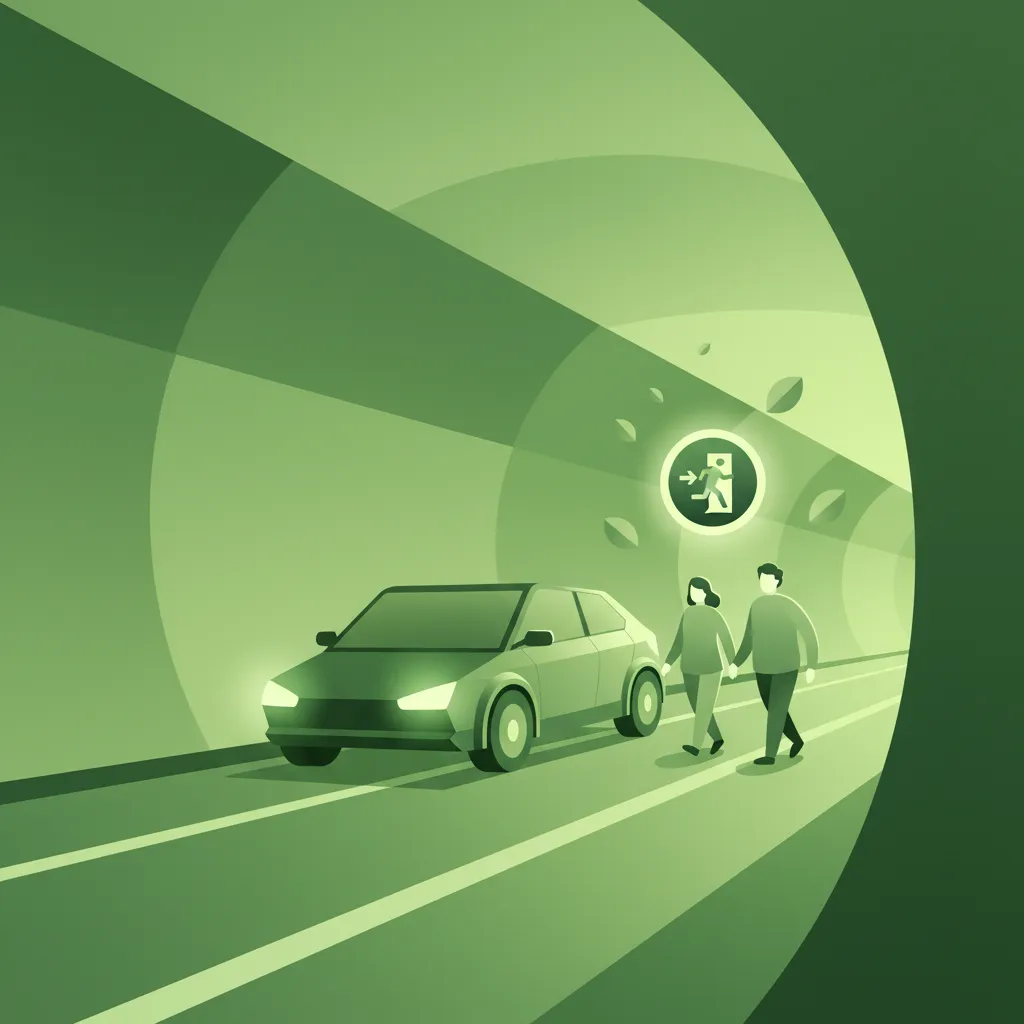
Navigating tunnels requires specific safety protocols, especially for motorcyclists. An emergency stop or the need for evacuation within a tunnel presents unique challenges due to the confined space, limited visibility, and restricted escape routes. This lesson provides essential, life-saving instructions for handling such critical situations in Dutch tunnels, ensuring your safety and that of other road users. It aligns with the Dutch Motorcycle Theory curriculum, preparing you for real-world scenarios and the CBR Category A exam.
Tunnels, while efficient for traffic flow, amplify hazards during emergencies. For motorcyclists, the risks are particularly pronounced:
Understanding and strictly following emergency procedures protects you, prevents further incidents, and facilitates a rapid and coordinated response by tunnel operators and emergency services.
The actions required during an emergency stop or evacuation in a Dutch tunnel are strictly governed by national legislation, primarily the Reglement Verkeersregels en Verkeerstekens 1990 (RVV 1990) and specific Tunnel Safety Regulations (Tunnelvoorschriften). These laws are designed to ensure maximum safety and minimize disruption in critical situations.
The primary legal framework for road traffic rules in the Netherlands, defining conduct, signs, and signals.
Specific regulations detailing safety requirements and procedures for tunnels, often supplementing the RVV 1990.
RVV 1990, Article 39 (2), outlines the immediate steps you must take if your motorcycle stops unexpectedly in a tunnel:
Failure to comply with these regulations can lead to significant fines and potential criminal liability, especially if your actions hinder emergency services or cause further incidents.
Tunnel Safety Regulations, Paragraph 20, emphasizes the importance of immediate communication. After securing your vehicle and ensuring your immediate safety, you must use the nearest emergency telephone (noodtelefoon) to report the incident to the tunnel control center as soon as possible. Your personal mobile phone should only be used as a last resort, as tunnel phones provide a direct, prioritized line to operators.
RVV 1990, Article 5 (1), states that all road users must obey instructions given by traffic controllers, police, or, in this context, tunnel operators. These instructions are paramount for coordinating responses and ensuring everyone's safety. Operators can guide you to stay in your vehicle, proceed to the next exit, or initiate evacuation.
When faced with an emergency requiring you to stop your motorcycle in a tunnel, follow these critical steps in sequence:
An emergency bay is a specially designated area within a tunnel designed for vehicles to stop safely out of the main traffic flow. These are typically widened sections or recessed side lanes.
Always scan ahead for emergency bay signs when entering and driving through tunnels, familiarizing yourself with their locations.
As soon as you begin to decelerate or pull over, activate your motorcycle's hazard warning lights (gevaarlampen / spoedknipperlichten).
This is a crucial safety step to minimize risks within the confined tunnel environment.
After securing your motorcycle, prioritize your personal safety and communication.
Tunnel emergency telephones are direct lines to the control center, offering a more reliable and prioritized connection than mobile phones, which may have patchy reception or be overloaded.
Once you have established contact, the tunnel operator will provide specific instructions based on the situation.
Evacuation is a critical safety measure initiated when remaining in the tunnel or vehicle becomes unsafe, typically due to fire, heavy smoke, or hazardous materials.
You should only initiate an evacuation:
If instructed to evacuate on foot:
Understanding what constitutes incorrect behavior is as important as knowing the correct procedures. Many common mistakes can escalate an emergency or delay assistance.
Tunnel environments can vary greatly, and your response to an emergency may need slight adjustments based on these conditions.
| Context | Variation in Principle / Rule | Reasoning |
|---|---|---|
| Heavy Smoke / Low Visibility | Hazard lights must stay on continuously. If evacuation is ordered, stay low to the ground. If fire is not imminent, staying inside the vehicle may offer temporary protection from smoke until advised otherwise by operators. | Smoke severely reduces external visibility; staying low protects from inhalation. The vehicle's structure offers some initial protection. |
| Rain / Wet Road Surface | Increased stopping distance. You may need to activate hazard lights earlier and aim for the bay with greater care, using gentle, controlled braking to avoid skidding. | Wet surfaces reduce tire grip, increasing the risk of skidding and making precise stopping more challenging. Early warning and careful maneuvering are essential. |
| Tunnel Length & Gradient | In long or steep tunnels, activate hazard lights even earlier due to potentially longer reaction times for following traffic and altered braking performance. | Gradients affect braking efficiency. Longer tunnels mean more time for hazards to develop and for following traffic to react. Early warning provides a larger safety margin. |
| Heavy Load (e.g., luggage, passenger) | Consider how the load affects your motorcycle's handling and stability when pulling into an emergency bay. Ensure the passenger is aware of and ready to follow evacuation procedures. | A heavily loaded motorcycle handles differently. Stability might be compromised with abrupt engine shut-off or quick maneuvers. |
| Presence of Vulnerable Users (cyclists) | If you encounter cyclists in the tunnel, ensure clear communication (e.g., hand signals) before any maneuver, especially when pulling into an emergency bay, to avoid collisions. | Motorcyclists may share tunnel lanes or shoulder areas with cyclists. Clear signaling prevents misunderstanding and potential accidents. |
| Multiple Vehicles Stopped Simultaneously | Await specific instructions from tunnel operators regarding staged evacuation or movement. Do not act independently, as this can create further chaos and block emergency access. | Coordinated responses are crucial in multi-incident scenarios to prevent bottlenecks and ensure efficient rescue and evacuation. |
Understanding the 'why' behind these strict rules enhances your ability to react correctly under pressure.
In tunnels, artificial lighting is necessary, but ambient light is still significantly lower than outside. Hazard lights dramatically increase your motorcycle's conspicuity. For example, standard tunnel lighting might be 5–15 lux, while hazard lights produce around 100 candela (cd), making your stationary vehicle detectable from over 150 meters, compared to perhaps 30 meters without them in smoky conditions. This extended detection distance gives following drivers more crucial reaction time (reducing perception time by up to 30%), preventing rear-end collisions.
Turning off your engine eliminates a primary source of potential ignition and reduces the risk of fuel leaks exacerbating a fire. Many tunnel fires are fuel-related, and an active engine can intensify flame spread or hinder fire suppression efforts. By securing your vehicle, you create a safer environment for yourself, other occupants, and responding firefighters.
Emergencies can induce panic, leading to disorganized or irrational behavior. The clear, authoritative instructions from tunnel operators are designed to counteract this. They provide a structured response plan, reducing cognitive overload and preventing chaotic self-evacuation that could block escape routes or hinder rescue operations. A coordinated approach ensures everyone's safety and optimizes the efficiency of emergency services.
Successfully navigating an emergency in a tunnel is about quick, decisive, and compliant action.
Lesson content overview
Explore all units and lessons included in this driving theory course.
Explore search topics learners often look for when studying Emergency Stops and Evacuation in Tunnels. These topics reflect common questions about road rules, driving situations, safety guidance, and lesson level theory preparation for learners in the Netherlands.
Browse additional driving theory lessons that cover connected traffic rules, road signs, and common driving situations related to this topic. Improve your understanding of how different rules interact across everyday traffic scenarios.
Understand the exact steps for emergency stops, using emergency telephones, and safe evacuation in Dutch tunnels. Crucial knowledge for motorcyclists preparing for their theory exam and navigating Dutch roads.
This lesson details the specific regulations ('tunnelvoorschriften') and best practices for riding through tunnels in the Netherlands. It covers key rules such as removing sunglasses before entry, maintaining a safe following distance, and understanding tunnel-specific signage and traffic lights. The curriculum also explains the location and purpose of emergency exits and refuges, and the importance of tuning into the indicated radio frequency for emergency broadcasts.

This lesson clarifies the specific Dutch regulations concerning stopping and parking for motorcycles, including designated parking bays and rules for parking on pavements. It also covers the mandatory procedures for safely navigating tunnels, such as required lighting, lane discipline, and actions to take during a breakdown or emergency. By understanding these rules, riders can avoid fines and navigate these specific traffic situations with confidence.
This lesson transitions hazard perception skills to the high-speed environment of motorways and tunnels. It covers specific risks such as vehicles merging at different speeds, sudden braking and congestion ahead, road debris, and the aerodynamic effects of crosswinds and large trucks. The curriculum also addresses the challenges of riding in tunnels, including changes in light and surface conditions, and the importance of identifying emergency exits and procedures in case of an incident.
This lesson equips you with the knowledge to safely navigate special traffic situations. It covers the rules for riding through tunnels, including mandatory lighting, and the absolute priority of trains at level crossings, indicated by warning lights and barriers. You will also learn to recognize and react to the temporary signage and altered lane configurations typically found in road work zones, ensuring you can adapt your riding to maintain safety in these potentially hazardous environments.
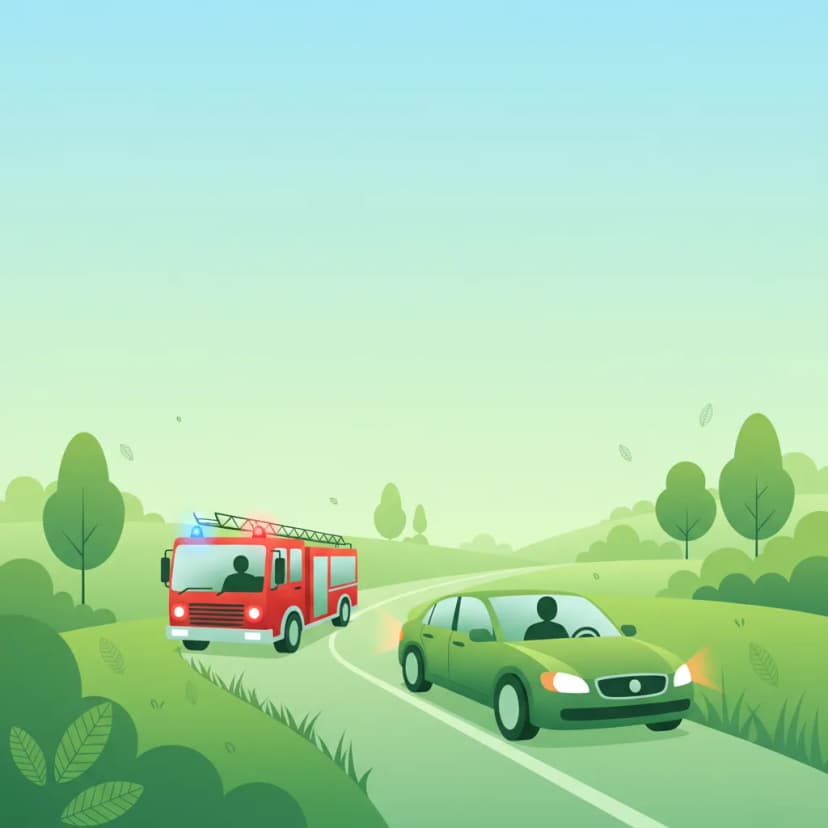
This lesson details the legal obligation and safe procedures for yielding to emergency vehicles ('noodvoertuigen' or 'voorrangsvoertuigen') that are using audible and visual warnings. It provides clear guidance on how to safely create space, whether by pulling over, adjusting speed, or clearing an intersection, without causing a secondary hazard. The content emphasizes maintaining composure and making predictable maneuvers to allow emergency services to pass quickly and safely.

This lesson outlines the step-by-step procedure for executing a controlled emergency stop in a straight line. It emphasizes keeping the motorcycle upright, looking ahead, and applying both brakes firmly and progressively up to the point of maximum traction (or ABS activation). Understanding this technique is critical for minimizing stopping distance in a sudden hazard scenario and is a key skill assessed in practical motorcycle training.
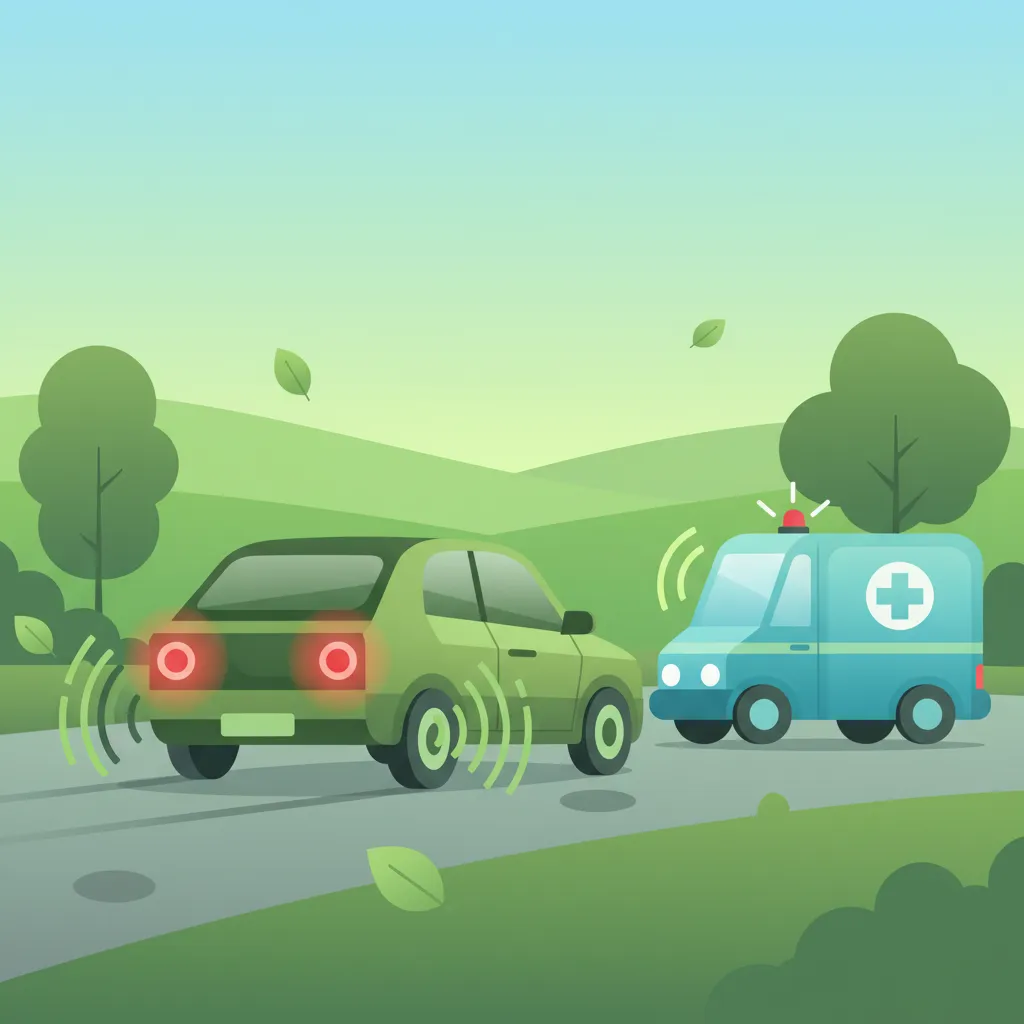
When an emergency vehicle approaches with sirens and blue flashing lights, you are legally required to give way. This lesson explains the correct procedure: check your surroundings, signal your intention, and move to the side of the road as safely and quickly as possible to create a clear path. It also covers the procedure for making an emergency stop due to a vehicle breakdown, including the use of hazard warning lights and positioning your vehicle for maximum safety.
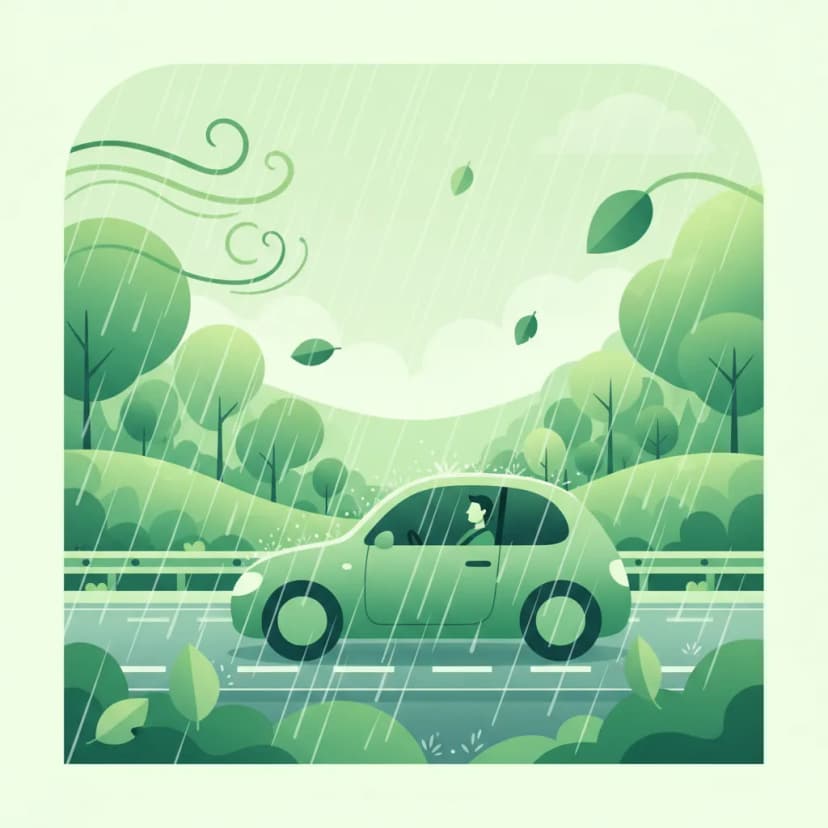
This lesson covers the critical decision-making process of when to stop riding altogether because weather conditions have become too hazardous to continue safely. It provides procedures for safely pulling off the road, finding suitable shelter, and making yourself and your motorcycle as visible as possible to other traffic. The content emphasizes that there is no shame in stopping, and that rider preservation is the highest priority when faced with extreme conditions like gale-force winds or torrential downpours.
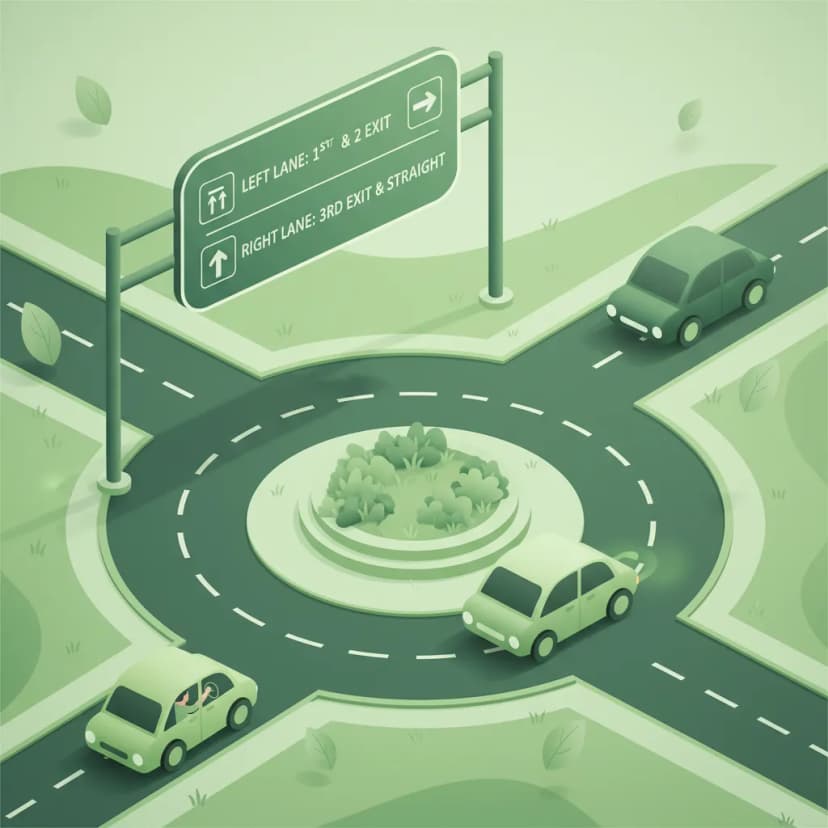
This lesson provides a detailed guide to navigating Dutch roundabouts ('rotondes'), including single-lane, multi-lane, and 'turbo' designs. It clarifies the specific priority rules that apply when entering the roundabout and the critical importance of correct signaling when changing lanes or exiting. Special attention is given to the vulnerable position of motorcyclists and the need to be aware of other vehicles' blind spots and the priority rules concerning cyclists on or near the roundabout.

This lesson teaches the principles of performing a controlled emergency stop ('noodsremmen') to achieve the shortest possible stopping distance without losing control. It details the technique of applying both brakes firmly and progressively, managing the forward weight transfer, and maintaining an upright body posture to maximize braking efficiency. The content emphasizes braking in a straight line and looking ahead to where you want to stop, not at the obstacle.
Learn about frequent errors motorcyclists make in tunnels, from improper stopping and communication to incorrect evacuation. Essential theory to avoid dangerous situations and ensure compliance with Dutch traffic laws.
This lesson details the specific regulations ('tunnelvoorschriften') and best practices for riding through tunnels in the Netherlands. It covers key rules such as removing sunglasses before entry, maintaining a safe following distance, and understanding tunnel-specific signage and traffic lights. The curriculum also explains the location and purpose of emergency exits and refuges, and the importance of tuning into the indicated radio frequency for emergency broadcasts.
This lesson clarifies the specific Dutch regulations concerning stopping and parking for motorcycles, including designated parking bays and rules for parking on pavements. It also covers the mandatory procedures for safely navigating tunnels, such as required lighting, lane discipline, and actions to take during a breakdown or emergency. By understanding these rules, riders can avoid fines and navigate these specific traffic situations with confidence.
This lesson transitions hazard perception skills to the high-speed environment of motorways and tunnels. It covers specific risks such as vehicles merging at different speeds, sudden braking and congestion ahead, road debris, and the aerodynamic effects of crosswinds and large trucks. The curriculum also addresses the challenges of riding in tunnels, including changes in light and surface conditions, and the importance of identifying emergency exits and procedures in case of an incident.
This lesson equips you with the knowledge to safely navigate special traffic situations. It covers the rules for riding through tunnels, including mandatory lighting, and the absolute priority of trains at level crossings, indicated by warning lights and barriers. You will also learn to recognize and react to the temporary signage and altered lane configurations typically found in road work zones, ensuring you can adapt your riding to maintain safety in these potentially hazardous environments.

This lesson covers safety procedures for specific infrastructure. You will learn the importance of using dipped headlights in tunnels and what to do in case of a breakdown or fire inside a tunnel. The curriculum explains how to respond to the warning lights and barriers at movable bridges and railway level crossings, emphasizing that you must always stop for flashing red lights. The meaning of the St. Andrew's Crosses, indicating the number of railway tracks, is also covered.
This lesson details the legal obligation and safe procedures for yielding to emergency vehicles ('noodvoertuigen' or 'voorrangsvoertuigen') that are using audible and visual warnings. It provides clear guidance on how to safely create space, whether by pulling over, adjusting speed, or clearing an intersection, without causing a secondary hazard. The content emphasizes maintaining composure and making predictable maneuvers to allow emergency services to pass quickly and safely.
When an emergency vehicle approaches with sirens and blue flashing lights, you are legally required to give way. This lesson explains the correct procedure: check your surroundings, signal your intention, and move to the side of the road as safely and quickly as possible to create a clear path. It also covers the procedure for making an emergency stop due to a vehicle breakdown, including the use of hazard warning lights and positioning your vehicle for maximum safety.
Find clear answers to common questions learners have about Emergency Stops and Evacuation in Tunnels. Learn how the lesson is structured, which driving theory objectives it supports, and how it fits into the overall learning path of units and curriculum progression in the Netherlands. These explanations help you understand key concepts, lesson flow, and exam focused study goals.
The absolute first step is to try and reach a designated emergency bay or lay-by if one is available and safe to do so. If you cannot reach an emergency bay, position your motorcycle as far to the right as safely possible, away from moving traffic. Immediately activate your hazard warning lights to alert other road users.
No, once you have stopped safely in an emergency bay or at the side of the tunnel, you should switch off your engine. This helps to prevent potential fire hazards and reduces unnecessary emissions within the confined tunnel space. Remember to leave your hazard lights on.
Tunnels are equipped with emergency telephones, usually located in emergency bays or at regular intervals along the walls. Use one of these telephones to report your situation to the tunnel operators. They will provide instructions and dispatch assistance. Do not use your mobile phone unless it is the only option and you are in a safe location.
If instructed to evacuate, leave your motorcycle and follow the directions of tunnel staff or emergency personnel. Look for the nearest emergency exit signs and proceed calmly and quickly to the designated assembly point outside the tunnel. Your personal safety is the priority.
While general emergency procedures apply to all vehicles, Category A motorcycle riders must be extra vigilant due to their vulnerability. The principles of stopping safely, signaling, shutting down the engine, using emergency phones, and following evacuation instructions remain paramount. CBR exam questions often test an understanding of these specific actions in tunnel scenarios.