
Prepare for your Dutch driving theory exam by practicing questions on horn and warning signals. This set clarifies the legal requirements and appropriate situations for using your horn in the Netherlands. Understand how to effectively signal to avert danger and avoid common mistakes, boosting your confidence for both the CBR exam and real-world driving.
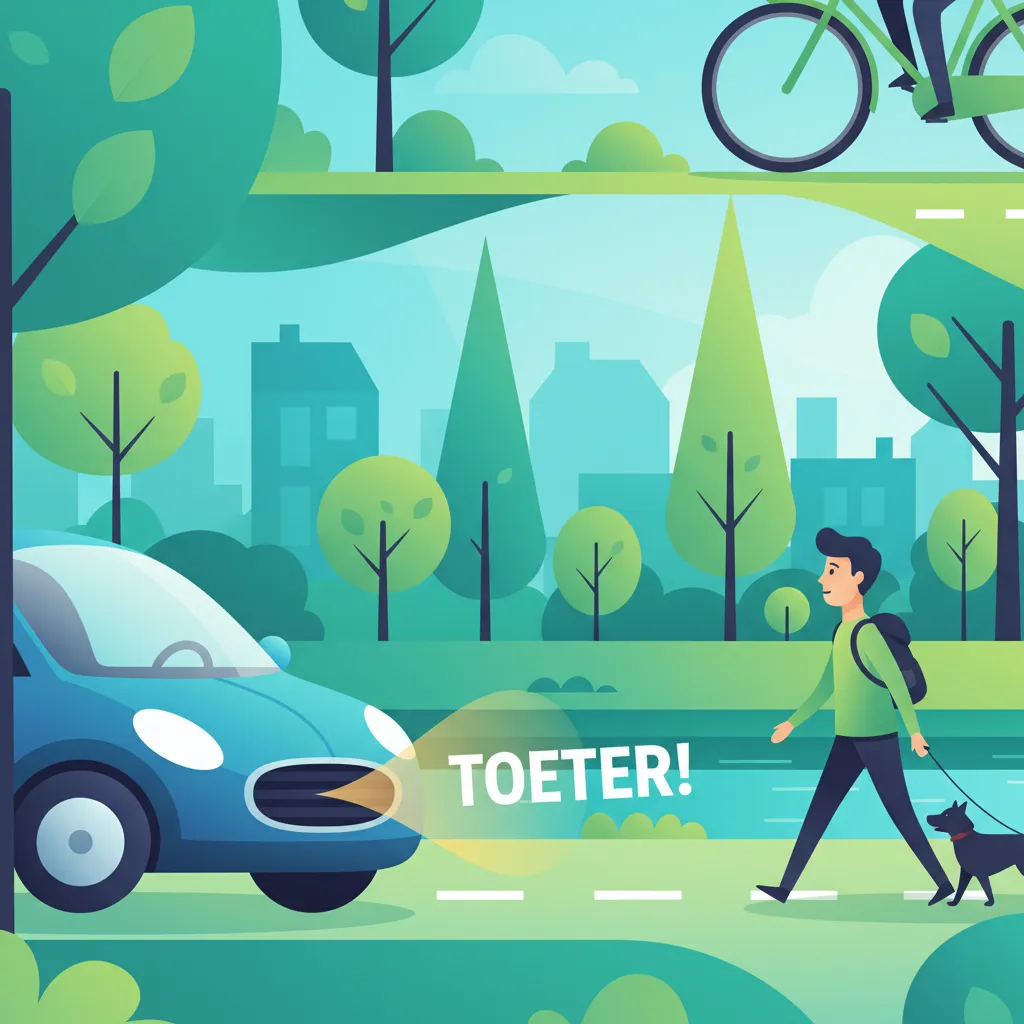
Start targeted Dutch driving theory preparation for learners in the Netherlands. Train with exam style questions, learn core rules, and build the knowledge needed for the official theory test.
Navigate the rules for horn and warning signal usage in the Netherlands with this essential practice set. You'll tackle questions covering various traffic situations, learning to distinguish between appropriate safety alerts and improper uses of the horn, crucial for passing your driving theory exam.
Preview sample questions from the Horn & Signals practice set to see how they help you prepare for the driving theory exam in the Netherlands.
Learners choose Horn & Signals to improve accuracy and understanding of key exam themes in the Netherlands. It offers realistic driving theory questions and targeted revision for effective preparation.
Find answers to the most common queries learners have when practising Horn & Signals, including how questions match the official theory exam in the Netherlands, how scoring works, and how this practice improves exam readiness.
According to Dutch traffic law, you may only use the horn to avert imminent danger. This means it should be used exclusively for safety purposes, such as warning other road users of an unforeseen hazard.
No, using the horn for greetings, expressing anger, frustration, or as a general signal when driving away is explicitly prohibited in the Netherlands. The horn is strictly a warning device for immediate danger.
Yes, every passenger car in the Netherlands must be equipped with a functional horn. Driving with a broken or non-operational horn is prohibited by law.
Imminent danger refers to a situation where there is an immediate risk of an accident or collision. An example would be if another car is about to hit you because they have not seen your vehicle.
While the horn is a primary audible warning, hazard lights may also be used in situations to avert imminent danger, according to Dutch regulations. Other signals like indicators are for communication, not solely danger aversion.
By completing Horn & Signals, you will gain stronger rule knowledge, faster recognition of signs and situations, better decision making in traffic scenarios, and increased accuracy on exam style questions used in the Netherlands. These outcomes directly support higher scoring exam performance.
Discover more Dutch driving theory practice sets created for exam preparation in the Netherlands. Train with realistic questions on traffic rules, road signs, priority situations, and safety topics to build knowledge and pass your theory test with confidence.
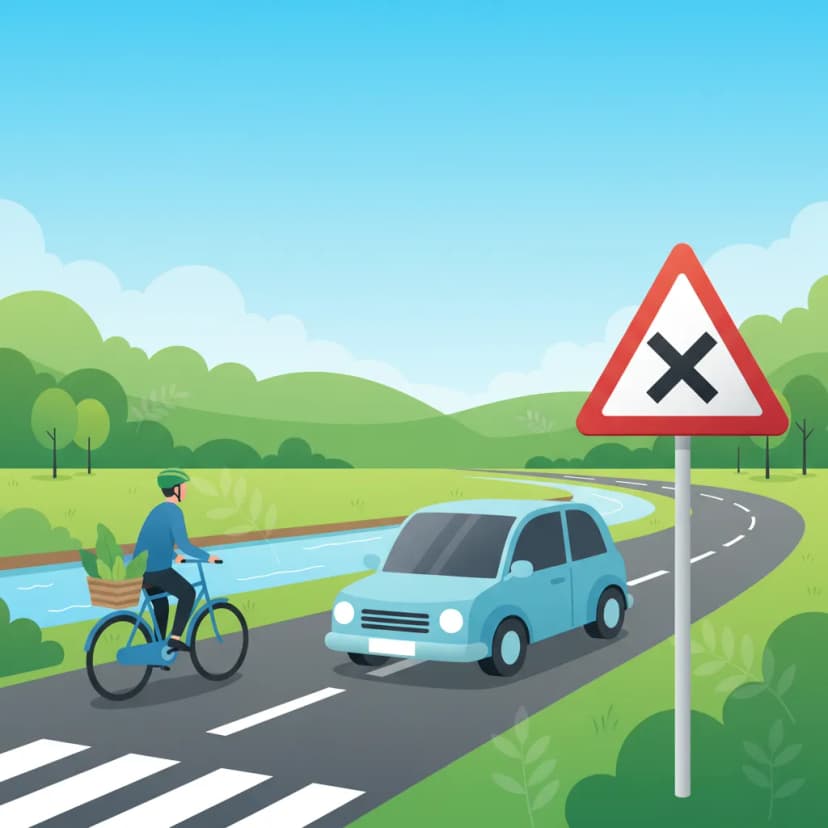
Master Dutch Intersection Warning Signs: Drive Safely and Pass Your CBR Exam.
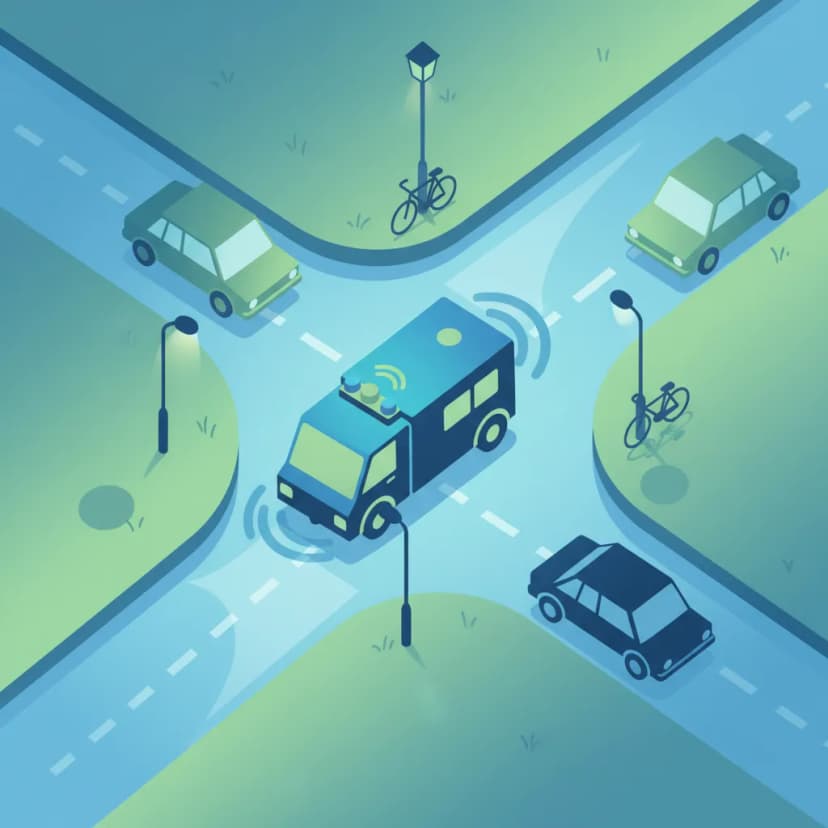
When a Siren Sounds: Know Your Duty and Stay Safe for Your Dutch Driving Exam.
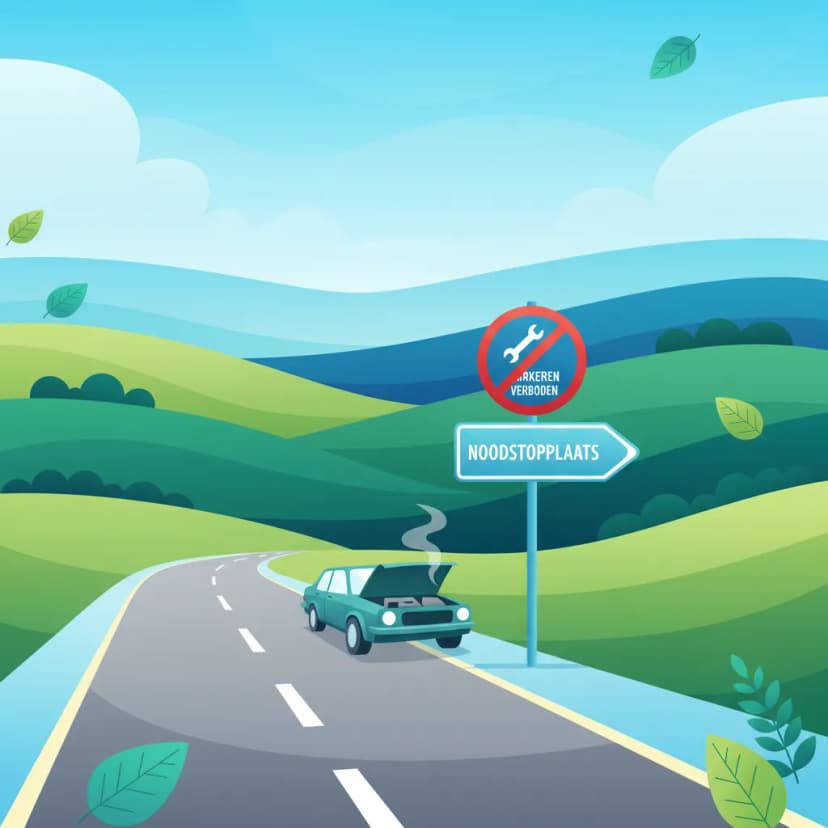
Mastering the Margins: Navigate Dutch Road Edge and Shoulder Regulations with Confidence.
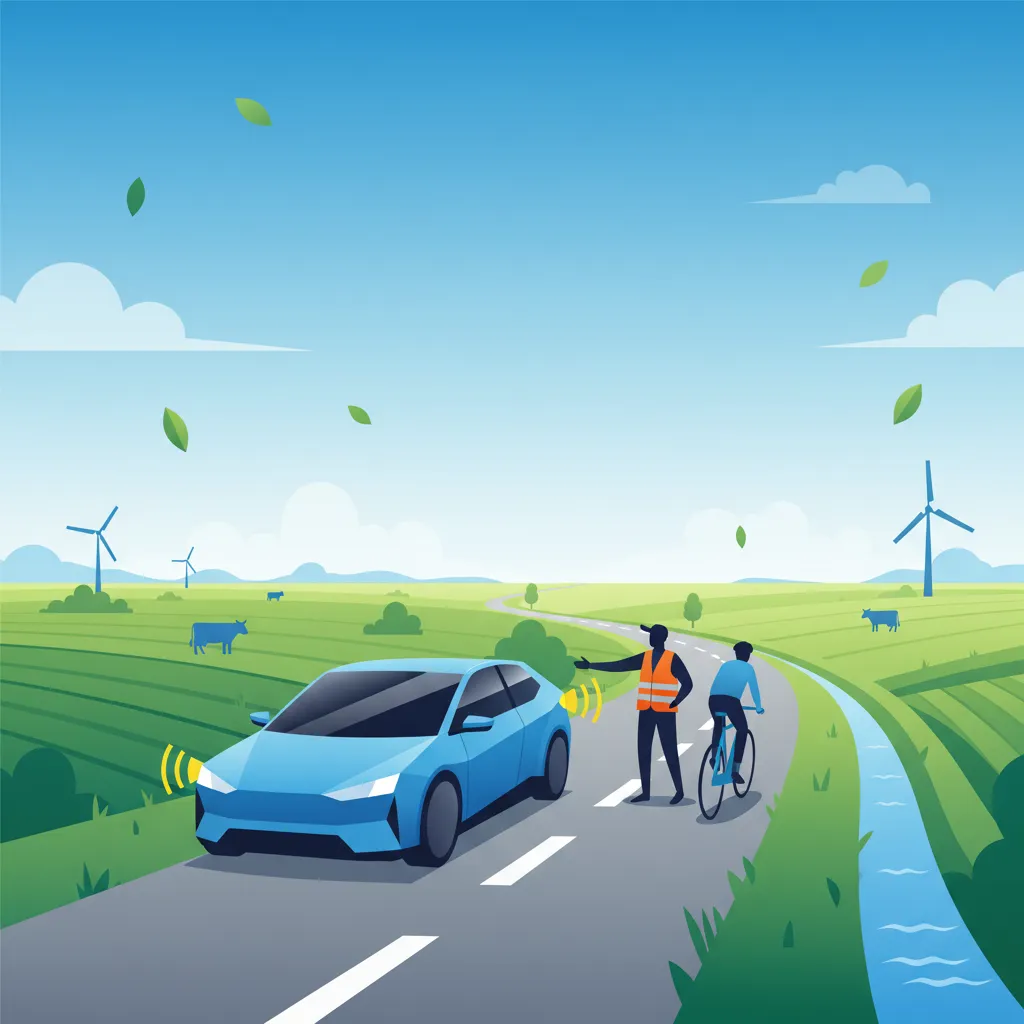
Master emergency procedures to stay safe and pass your Dutch driving theory exam.
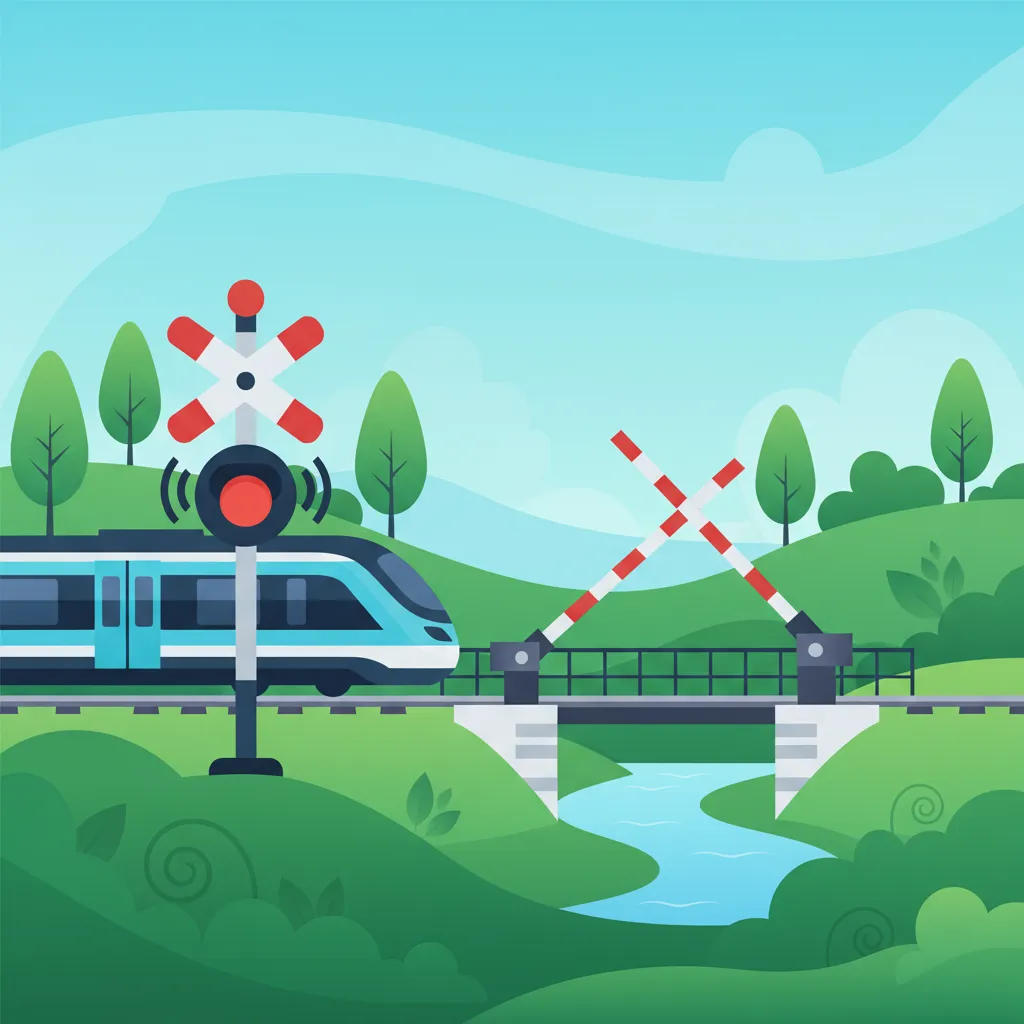
Master complex gate signals and emergency procedures for your Dutch driving exam.
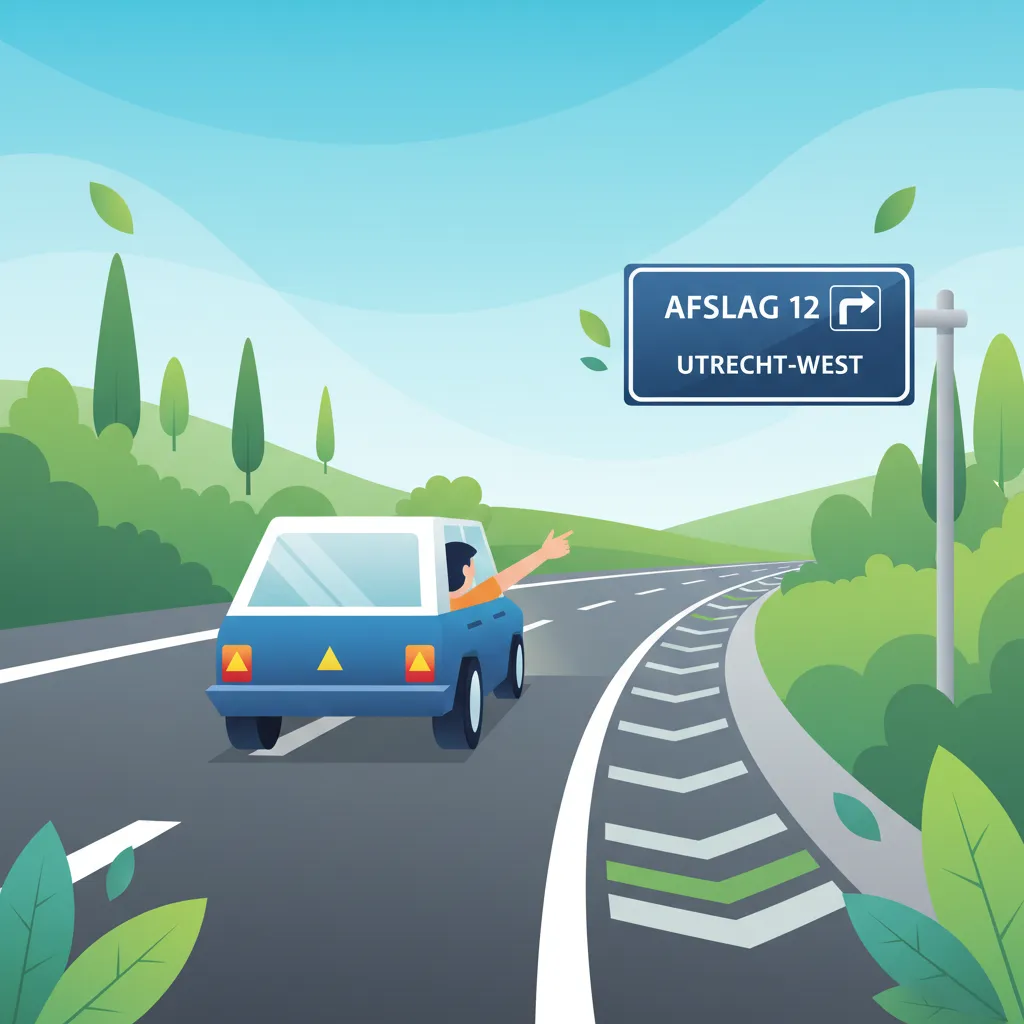
Exit the Motorway Safely: Crucial Skills for Your Dutch Driving Exam.
Questions in Horn & Signals
Exam focused questionss
Horn & Signals offers quick, focused exam style practice to boost your Dutch knowledge for the driving theory exam in the Netherlands.
Horn & Signals helps learners in the Netherlands with clear explanations and targeted Dutch practice to improve essential driving theory topics.
This practice set is ideal for beginners and learners who want to master the fundamental rules of horn and warning signal usage in the Netherlands. If you're preparing for the Dutch driving theory exam and are unsure about when and how to properly use your horn, this set will clarify common confusions and build your confidence.
Explore more topics for the Dutch driving theory exam in the Netherlands.