
Understand the key distinctions between blue and yellow license plates in the Netherlands for your AM driving theory exam. This set focuses on clarifying rules for `snorfietsen` (light mopeds) and `bromfietsen` (mopeds), covering speed limits, helmet requirements, and road positioning. It's designed to help you confidently answer questions on this often-confusing topic and pass your official Dutch driving theory test.
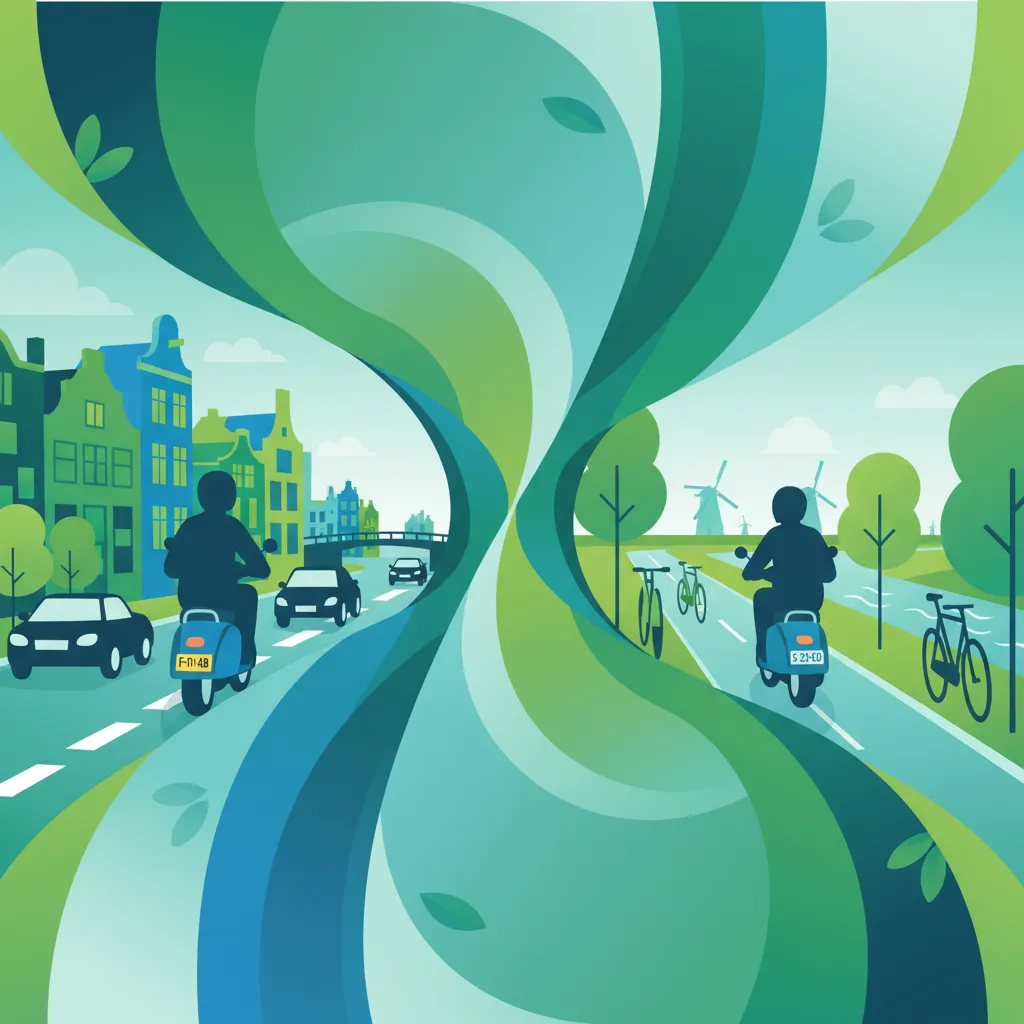
Start targeted Dutch driving theory preparation for learners in the Netherlands. Train with exam style questions, learn core rules, and build the knowledge needed for the official theory test.
Navigate the Dutch roads confidently by knowing the distinct regulations for light mopeds (`snorfietsen`) and regular mopeds (`bromfietsen`). This set covers all the vital legal and practical distinctions, including where you can ride, how fast you can go, and when a helmet is mandatory, preparing you for common exam traps.
Preview sample questions from the Blue & Yellow Plates practice set to see how they help you prepare for the driving theory exam in the Netherlands.
Learners choose Blue & Yellow Plates to improve accuracy and understanding of key exam themes in the Netherlands. It offers realistic driving theory questions and targeted revision for effective preparation.
Find answers to the most common queries learners have when practising Blue & Yellow Plates, including how questions match the official theory exam in the Netherlands, how scoring works, and how this practice improves exam readiness.
The main difference lies in the vehicle type they identify: a blue plate signifies a `snorfiets` (light moped) with lower speed limits and generally no helmet requirement, while a yellow plate identifies a `bromfiets` (moped) with higher speed limits and a mandatory helmet.
For `snorfietsen` (blue plate), the maximum speed is 25 km/h. For `bromfietsen` (yellow plate), the maximum speed is 45 km/h on the carriageway, or 30 km/h on a cycle/moped path within built-up areas.
Yes, riders of `bromfietsen` (yellow plate mopeds) are always required to wear a helmet in the Netherlands.
A `snorfiets` (blue plate moped) typically rides on the cycle path and generally follows the rules for bicycles, unless otherwise indicated by traffic signs.
A `bromfiets` (yellow plate moped) must use a mandatory cycle/moped path if available. If not, or if directed by signs, they must use the carriageway.
By completing Blue & Yellow Plates, you will gain stronger rule knowledge, faster recognition of signs and situations, better decision making in traffic scenarios, and increased accuracy on exam style questions used in the Netherlands. These outcomes directly support higher scoring exam performance.
Discover more Dutch driving theory practice sets created for exam preparation in the Netherlands. Train with realistic questions on traffic rules, road signs, priority situations, and safety topics to build knowledge and pass your theory test with confidence.
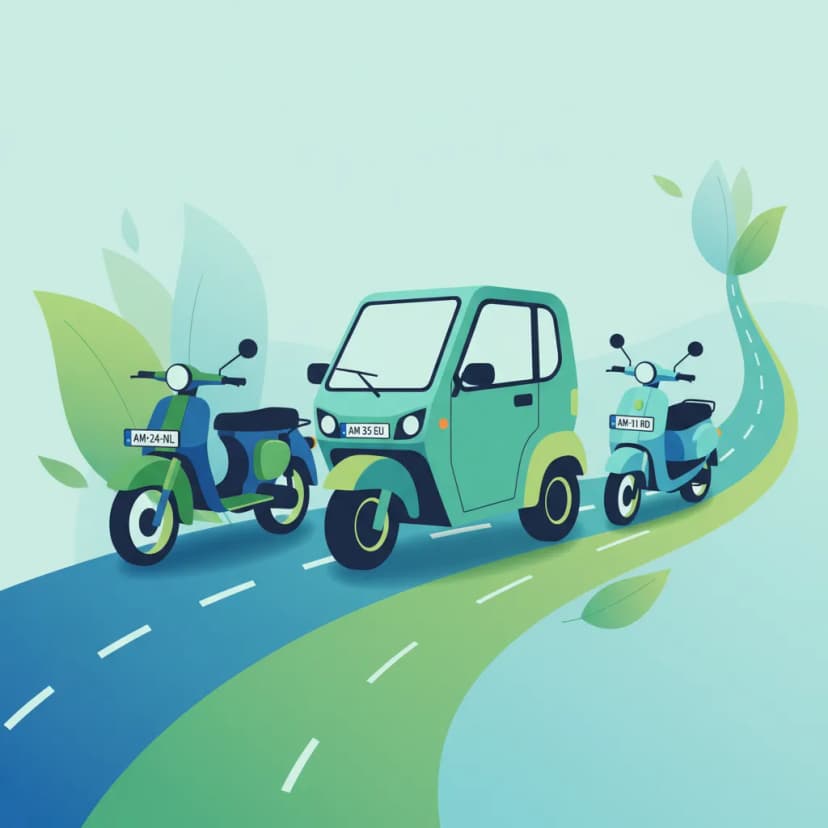
Master the specific vehicle categories for your Dutch AM license.
Master Dutch Helmet Laws for AM Vehicles and Drive Safely
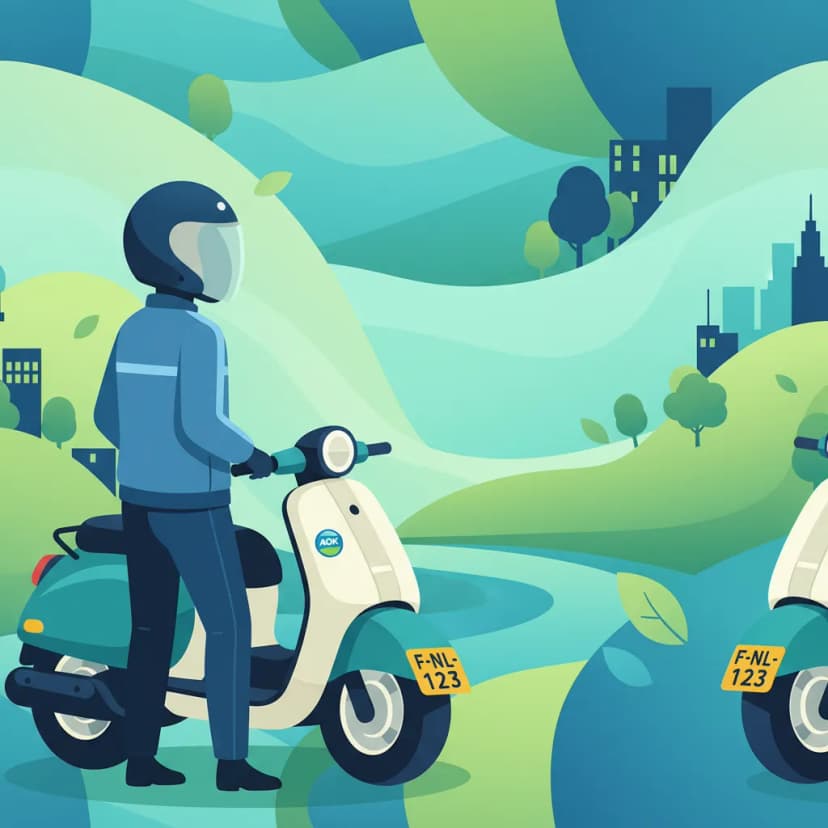
Master the Legal Essentials for Moped Riding in the Netherlands.
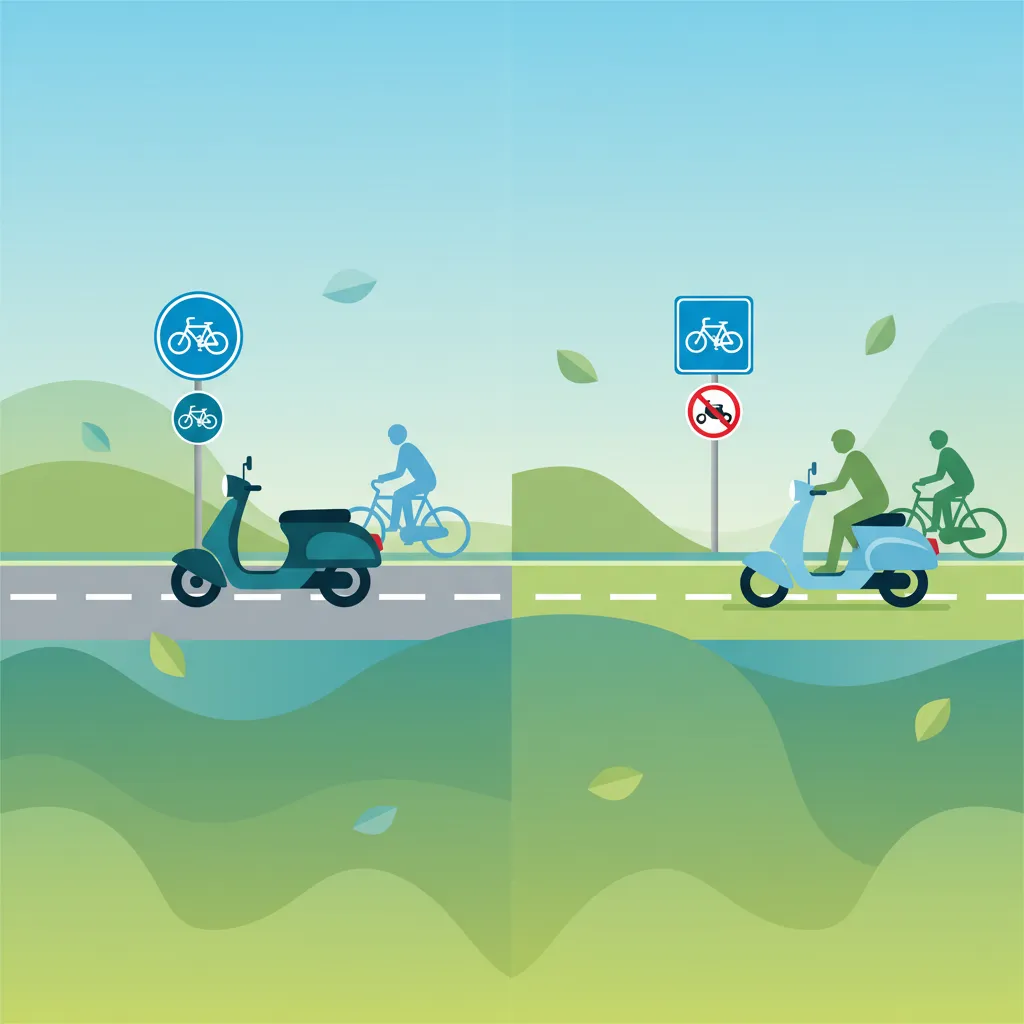
Master the nuances of Dutch moped road rules to confidently pass your theory exam.
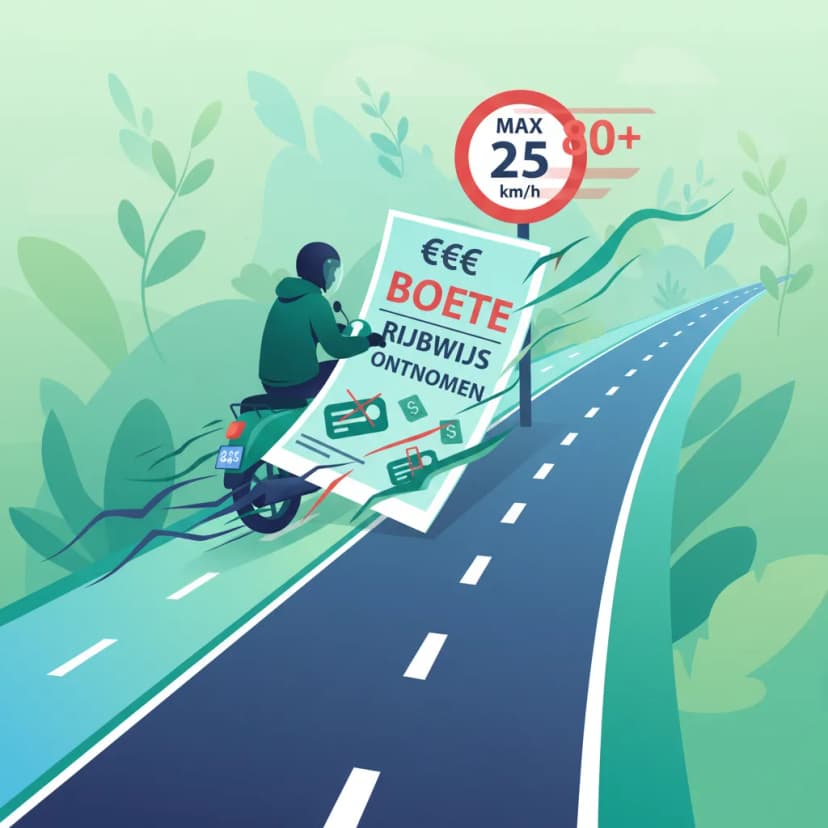
Know the Moped Speed Limits: Avoid Fines, Stay on the Road.
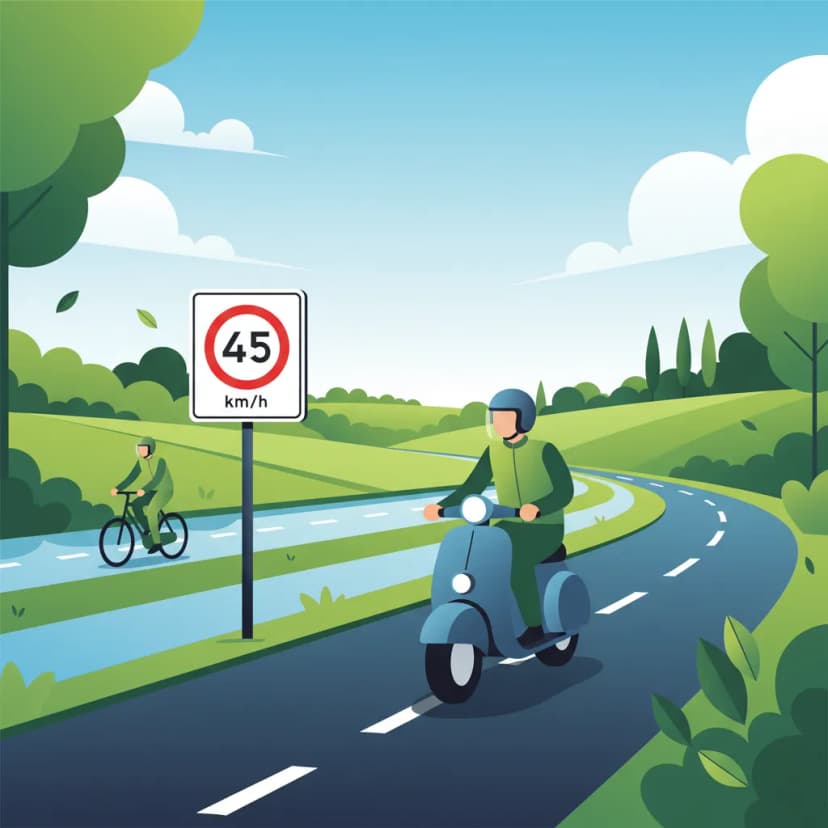
Know your limits: essential speeds for AM vehicle drivers.
Questions in Blue & Yellow Plates
Exam focused questionss
Blue & Yellow Plates offers quick, focused exam style practice to boost your Dutch knowledge for the driving theory exam in the Netherlands.
Blue & Yellow Plates helps learners in the Netherlands with clear explanations and targeted Dutch practice to improve essential driving theory topics.
This practice set is ideal for AM license candidates preparing for the Dutch driving theory exam who find the rules for `snorfietsen` and `bromfietsen` confusing. If you struggle with distinguishing speed limits, helmet requirements, or where each moped type should ride, this set will clarify these critical differences and boost your exam readiness.
Explore more topics for the Dutch driving theory exam in the Netherlands.