
This final unit equips you with essential knowledge for managing post-accident situations and understanding the impact of substances on riding ability. We'll cover your legal responsibilities, safe procedures after an incident, and the critical dangers and laws surrounding impaired riding in the Netherlands. This unit ensures you're prepared for real-world emergencies and exam questions.
Browse all lessons that make up Accident Management, Legal Responsibilities & Substance Use. Each lesson focuses on specific topics, learning objectives, and core concepts, helping you build essential knowledge and follow a clear, structured progression toward your study goals in the Netherlands.
This lesson provides a clear, prioritized list of actions to take in the immediate aftermath of an accident. The primary focus is on safety: securing the scene to prevent further incidents, checking for injuries on yourself and others, and calling emergency services (112). It provides the essential knowledge required to manage a stressful and potentially dangerous situation calmly and effectively until professional help arrives.
This lesson details the legal requirements for reporting a traffic accident in the Netherlands, including the circumstances under which you must involve the police. It explains the correct procedure for exchanging personal, vehicle, and insurance information with any other parties involved. The lesson also covers the use of the European Accident Statement form to document the facts of the incident for insurance purposes.
This lesson provides an overview of the motor vehicle insurance system in the Netherlands, explaining the mandatory third-party liability insurance ('WA-verzekering'). It outlines the process for filing an insurance claim after an accident and the factors that are considered when determining liability or fault. Understanding this process is important for navigating the financial and legal consequences of a collision.
This lesson covers the critical topic of impaired riding, detailing the legal blood alcohol limits for drivers in the Netherlands. It explains how alcohol, illegal drugs, and even some legal medications drastically impair judgment, coordination, and reaction time, making riding a motorcycle extremely dangerous. The severe legal penalties, including fines, license suspension, and imprisonment, are also clearly outlined.
This lesson delves into the psychological aspects of motorcycling, exploring how factors like attitude, emotion, and fatigue can influence decision-making and risk-taking. It encourages self-awareness, helping riders recognize states like overconfidence or distraction that can lead to poor choices. The ultimate goal is to foster a mature, defensive mindset focused on risk mitigation and making safe, responsible decisions on every ride.
Explore high-intent keywords and long-tail search topics learners use when researching Accident Management, Legal Responsibilities & Substance Use. These terms reflect how people search for reliable study materials, structured explanations, and unit-level theory preparation support in the Netherlands.
Find clear answers to the most common questions learners ask about Accident Management, Legal Responsibilities & Substance Use. Understand how the unit is organized, what learning goals it supports, and how it contributes to your study progression with structured explanations and practical guidance tailored for learners in the Netherlands.
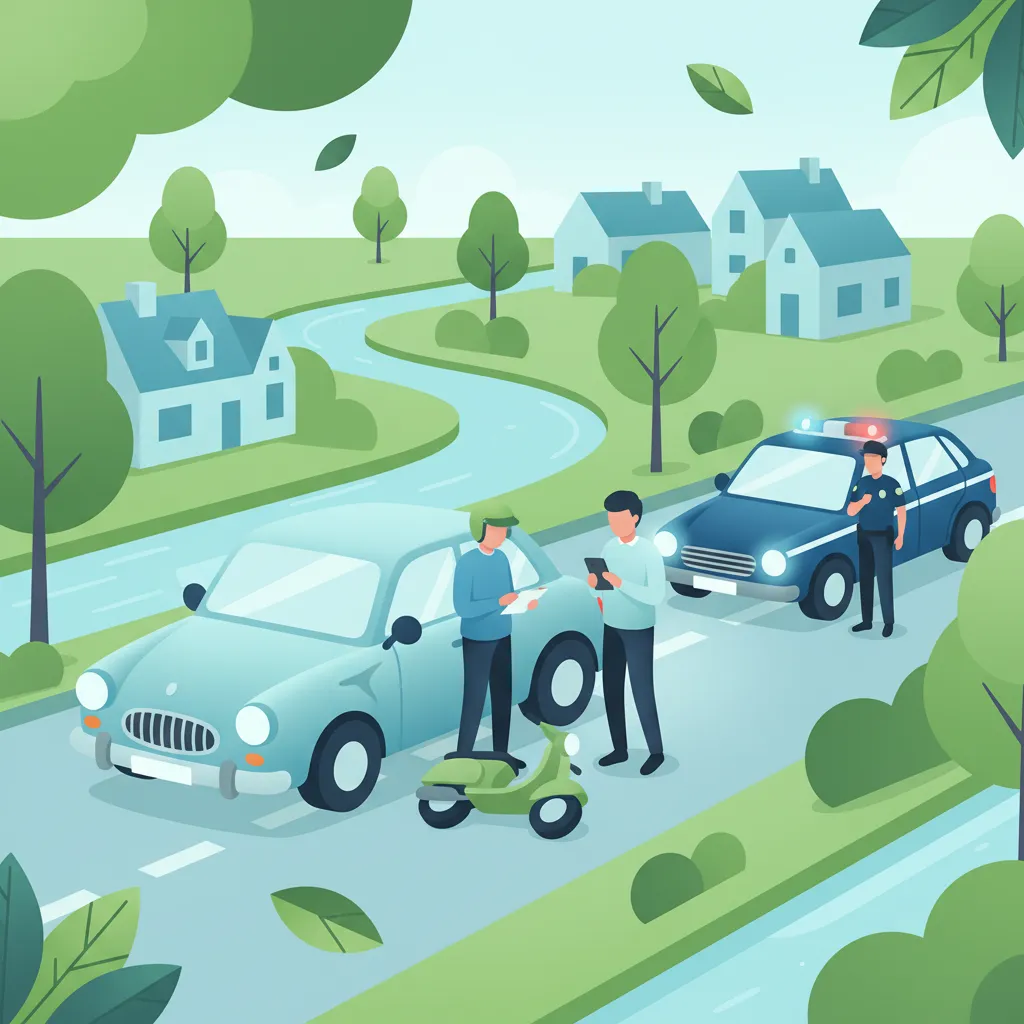
Your primary responsibility is to ensure safety for yourself and others. Stop your motorcycle, check for injuries, and if necessary, call emergency services (112). If there are no serious injuries, you must exchange details with other parties involved and secure the scene if possible. Do not leave the scene without taking these steps.
You must report an accident to the police if there are injuries, significant damage to property, or if one of the parties involved leaves the scene without exchanging details. For minor accidents without injuries, often reporting to your insurance company is sufficient, but check your policy and Dutch regulations.
Riding under the influence of alcohol, drugs, or certain medications is a serious offense in the Netherlands, carrying severe penalties. These can include hefty fines, license suspension or revocation, and even imprisonment, especially if an accident with injuries or fatalities occurs. The legal alcohol limit is very low for drivers.
Certain prescription and over-the-counter medications can impair your ability to ride safely by causing drowsiness, dizziness, blurred vision, or slowed reaction times. Always check the medication's packaging or consult your doctor or pharmacist about potential side effects and whether it's safe to drive or ride. Never ride if you feel your ability is compromised.
Yes, understanding rider psychology, including risk-taking behavior and decision-making processes, is increasingly important for the Dutch theory exam. It helps to explain why accidents happen and how to prevent them by promoting safer attitudes and risk awareness.
You should exchange your name, address, contact details, insurance information (company and policy number), and vehicle registration number. It's also wise to note down details about the other vehicle and driver, and any witnesses present.
All included lessons
Lessons in Accident Management, Legal Responsibilities & Substance Use
See who benefits most from studying Accident Management, Legal Responsibilities & Substance Use. This overview explains how the unit supports different learning needs, what level of knowledge is helpful before starting, and how it fits into the overall study path in the Netherlands.
This unit is crucial for all aspiring A1 motorcycle riders in the Netherlands preparing for their CBR theory exam. It is particularly important for learners who want to fully grasp their legal duties after an accident and understand the critical dangers associated with riding under the influence of alcohol, drugs, or certain medications.

See how Dutch A1 Motorcycle Theory is structured, with key topics, learning objectives, and a step-by-step path for theory preparation in the Netherlands.
Explore all units and lessons included in this driving theory course.