
Navigate the complexities of Dutch road signs and markings from a motorcycle rider's perspective. This unit covers the essential A, B, and C series signs, as well as surface markings, crucial for understanding traffic flow and ensuring safety on Dutch roads. Master these elements to excel in your A1 motorcycle theory exam.
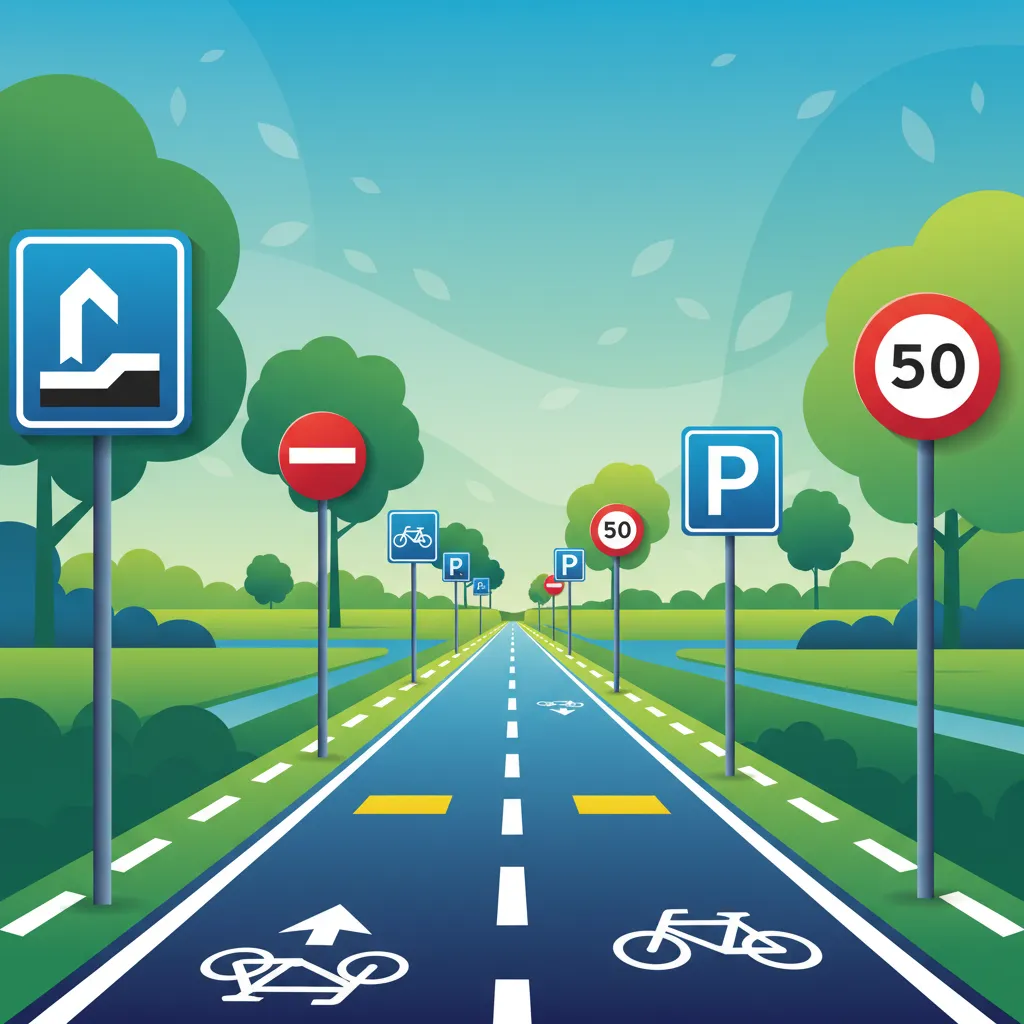
Browse all lessons that make up Road Signs and Markings (Motorcycle Perspective). Each lesson focuses on specific topics, learning objectives, and core concepts, helping you build essential knowledge and follow a clear, structured progression toward your study goals in the Netherlands.
This lesson focuses on C-code regulatory signs, which impose legal obligations and prohibitions on road users. Learners will study signs that establish speed limits, forbid entry, mandate specific directions, and restrict overtaking or parking. Understanding these signs is non-negotiable for legal compliance and safety, as they form the basis of traffic regulation and are a major component of the CBR theory exam for motorcyclists.
This lesson covers A-code signs, which are designed to warn drivers of potential hazards on the road ahead. For motorcyclists, warnings about sharp bends, slippery surfaces, crosswinds, or falling rocks are especially critical for maintaining control and stability. The content explains how to interpret these triangular signs to anticipate changing conditions, adjust speed, and adopt a defensive riding posture well in advance of the hazard.
This lesson focuses on B-code signs, which provide essential information for navigation and route planning. It explains how to read directional signs for cities and motorways, understand route numbering, and identify signs for services like fuel stations or rest areas. For motorcyclists, clear and quick interpretation of these signs is vital for smooth navigation, especially when making decisions about lane changes for upcoming exits or junctions.
This lesson provides a detailed explanation of the various markings painted on the road surface, which are as legally binding as physical signs. It clarifies the rules associated with solid and broken white lines, including restrictions on crossing them, and the function of arrows, chevrons, and text painted in lanes. A thorough understanding of these markings is fundamental for correct lane discipline, positioning, and safe maneuvering on a motorcycle.
This lesson prepares riders for navigating the unique challenges of construction zones and temporary road layouts. It covers the identification of orange-colored temporary signs, understanding detour (omleiding) routes, and adhering to reduced speed limits. Special attention is given to the hazards common in work zones, such as loose gravel, uneven surfaces, and the presence of workers, emphasizing the need for heightened awareness and caution.
Explore high-intent keywords and long-tail search topics learners use when researching Road Signs and Markings (Motorcycle Perspective). These terms reflect how people search for reliable study materials, structured explanations, and unit-level theory preparation support in the Netherlands.
Find clear answers to the most common questions learners ask about Road Signs and Markings (Motorcycle Perspective). Understand how the unit is organized, what learning goals it supports, and how it contributes to your study progression with structured explanations and practical guidance tailored for learners in the Netherlands.
In the Netherlands, A-series signs are warning signs (e.g., for curves or hazards), B-series signs are informational or directional (e.g., for destinations or facilities), and C-series signs are regulatory (e.g., mandatory directions, prohibitions, or speed limits). As an A1 motorcycle rider, understanding the implications of each series is vital for safe navigation and compliance with traffic laws.
Motorcyclists often use lane markings to position themselves for optimal visibility and safety. Markings like lane dividers, edge lines, and arrows guide lane changes and indicate areas to avoid. For instance, understanding the difference between a solid and broken lane line is crucial for safe overtaking or lane splitting, where permitted.
While all signs are important, A1 motorcycle riders should pay special attention to signs related to speed limits (C-series), priority rules (often indicated by specific signs or road markings), prohibition signs (like 'no entry' or 'no motorcycles'), and warning signs for road conditions or hazards that might affect a two-wheeled vehicle differently, such as sharp curves or slippery surfaces.
Temporary signs in construction zones often supersede permanent signs and indicate altered traffic patterns, reduced speed limits, or specific hazards. As a motorcyclist, it's crucial to remain extra vigilant, reduce your speed, and be prepared for unexpected changes in the road ahead. Always follow the directions of temporary signage.
'Sharrows' (shared lane markings) indicate that a lane is shared by both cyclists and motorists, and motorcyclists should be aware of this. Other markings, like bus lanes or specific motorcycle parking zones, dictate where you can and cannot go. Always observe these markings carefully to maintain legal and safe riding.
Yes, the CBR theory exam for motorcycles includes numerous questions specifically testing your knowledge of Dutch road signs and markings. Understanding their meaning and how they apply to motorcycle riding is crucial for achieving a passing score.
All included lessons
Lessons in Road Signs and Markings (Motorcycle Perspective)
See who benefits most from studying Road Signs and Markings (Motorcycle Perspective). This overview explains how the unit supports different learning needs, what level of knowledge is helpful before starting, and how it fits into the overall study path in the Netherlands.
This unit is essential for all aspiring A1 motorcycle license holders in the Netherlands preparing for their CBR theory exam. It's particularly beneficial for riders who need to deepen their understanding of road signs and markings from a motorcycle-specific viewpoint, ensuring they can confidently interpret them while riding.

See how Dutch A1 Motorcycle Theory is structured, with key topics, learning objectives, and a step-by-step path for theory preparation in the Netherlands.
Explore all units and lessons included in this driving theory course.