
This unit focuses on the critical skills of road positioning, lane discipline, and safe overtaking for A1 motorcycle riders in the Netherlands. Understanding these principles is key to maximizing your visibility, ensuring your safety, and complying with Dutch traffic laws as tested by the CBR.
Browse all lessons that make up Road Positioning, Lane Discipline & Overtaking. Each lesson focuses on specific topics, learning objectives, and core concepts, helping you build essential knowledge and follow a clear, structured progression toward your study goals in the Netherlands.
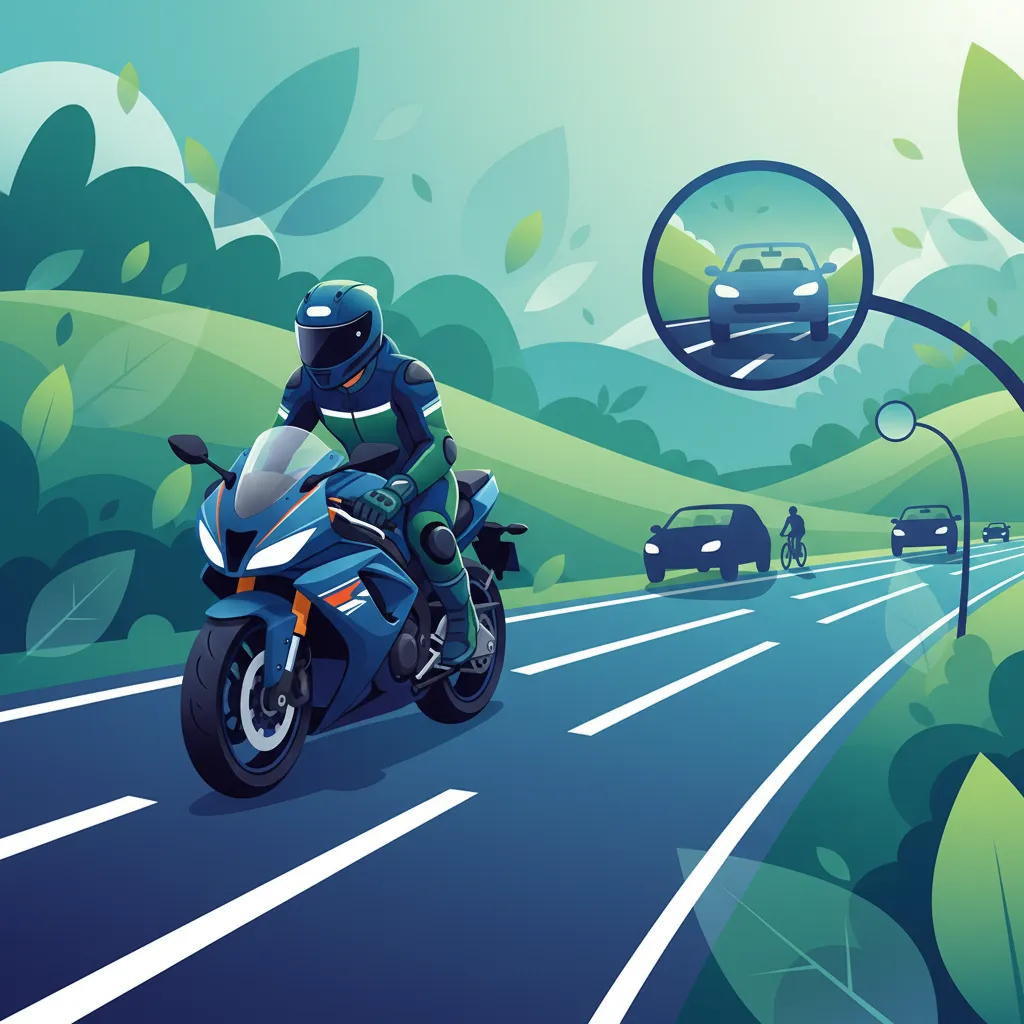
This lesson explains the concept of strategic lane positioning, moving beyond simply staying in the center of the lane. It details how to select a position—typically in the left or right wheel track of cars—to be more visible in other drivers' mirrors, avoid the slippery center strip, and maintain a space cushion. The content emphasizes constantly adjusting position based on traffic, road conditions, and potential hazards.
This lesson provides a step-by-step guide to executing a safe and legal overtaking maneuver. It covers the entire process: assessing the situation for a sufficient gap in oncoming traffic, performing necessary mirror and shoulder checks, signaling intent, and accelerating decisively. The lesson also highlights situations where overtaking is prohibited by law, such as before pedestrian crossings or where there are solid white lines.
This lesson clarifies the legal status and accepted code of conduct for filtering ('gedogen') between lanes of slow or stationary traffic in the Netherlands. It explains the conditions under which it is generally tolerated, such as maintaining a small speed differential. The content focuses heavily on the associated risks, including drivers changing lanes without looking and opening doors, and emphasizes the need for extreme caution and slow speed.
This lesson explains the purpose of audible indicator reminders, often called 'squealers' or 'piepers', which help prevent riders from unintentionally leaving their turn signals on. It also provides a detailed breakdown of the legal nuances and restrictions related to lane splitting and filtering. The content clarifies the distinction between these maneuvers and outlines the specific road situations and traffic conditions where such actions are explicitly prohibited or heavily regulated.
This lesson covers strategies for safely navigating around vehicles at both ends of the size spectrum. It details the large blind spots ('no-zones') around trucks and buses and advises on where to position a motorcycle to remain visible. Equally, it emphasizes the duty of care towards vulnerable road users, teaching riders to anticipate the movements of pedestrians and cyclists and to always provide them with ample space when passing.
Explore high-intent keywords and long-tail search topics learners use when researching Road Positioning, Lane Discipline & Overtaking. These terms reflect how people search for reliable study materials, structured explanations, and unit-level theory preparation support in the Netherlands.
Find clear answers to the most common questions learners ask about Road Positioning, Lane Discipline & Overtaking. Understand how the unit is organized, what learning goals it supports, and how it contributes to your study progression with structured explanations and practical guidance tailored for learners in the Netherlands.
The ideal lane position for a motorcycle varies depending on traffic conditions and intended actions. Generally, you should position yourself to be visible to other road users and to have an escape route. This often means riding in the 'primary' or 'secondary' riding position within your lane. Avoid riding directly beside other vehicles or too close to the edge of the road.
Filtering (or 'filesplitsten') is permitted in the Netherlands under certain conditions, primarily when traffic is congested. You must filter at a safe, low speed, typically between lanes of stationary or slow-moving traffic. Always maintain a safe distance from other vehicles and be aware of your surroundings, especially at junctions and when traffic starts moving.
When overtaking a large vehicle like a truck or bus, ensure you have ample space and a clear view of the road ahead. Position yourself to be seen by the driver and allow sufficient room to complete the maneuver safely. Be aware that large vehicles can obscure your view of what's ahead and may obstruct your path if they change lanes unexpectedly. Always complete the overtake decisively and return to your lane when it's safe.
Lane discipline refers to the practice of staying within your designated lane and following the rules for lane changes and overtaking. For motorcyclists, it also crucially involves choosing a position within the lane that maximizes your visibility and safety, rather than simply riding in the centre. Good lane discipline ensures predictable movement for other road users and helps you anticipate hazards.
Yes, motorcyclists must be particularly aware of cyclists and pedestrians, especially at junctions, crossings, and in areas with mixed traffic. Always give them ample space and be prepared for their movements, as they are more vulnerable. Cyclists may sometimes use the full width of a lane, and you must respect their right to do so while maintaining your own safety.
Choosing the correct road position significantly enhances your ability to perceive and react to hazards. By positioning yourself to see and be seen, you gain more time to identify potential dangers, such as cars pulling out, doors opening, or other vehicles changing lanes. It allows you to make smoother, safer adjustments to avoid collisions.
All included lessons
Lessons in Road Positioning, Lane Discipline & Overtaking
See who benefits most from studying Road Positioning, Lane Discipline & Overtaking. This overview explains how the unit supports different learning needs, what level of knowledge is helpful before starting, and how it fits into the overall study path in the Netherlands.
This unit is essential for all learners preparing for the Dutch A1 motorcycle theory exam. It is particularly beneficial for new riders who need to understand advanced traffic strategy and experienced riders looking to refine their understanding of specific Dutch regulations regarding lane usage and overtaking.

See how Dutch A1 Motorcycle Theory is structured, with key topics, learning objectives, and a step-by-step path for theory preparation in the Netherlands.
Explore all units and lessons included in this driving theory course.