
Welcome to the lesson on 'Use of the “Squealer” and Lane Splitting Restrictions' within the Dutch Traffic Laws unit for your A1 Motorcycle License. This section builds upon your understanding of general road rules and prepares you for specific maneuvers and rider aids crucial for safe urban and highway riding in the Netherlands.
Welcome to this comprehensive lesson, part of your Dutch A1 Motorcycle Theory – Complete Curriculum for CBR Licence Exam. As a future A1 motorcyclist in the Netherlands, mastering the intricacies of safe riding goes beyond basic controls; it involves understanding specific legal requirements and advanced riding techniques that ensure your safety and the safety of others. This lesson focuses on two critical aspects: the mandatory audible turn-signal reminder, often called a "squealer" or "pieper," and the precise rules governing "lane splitting" or "filtering" through traffic. Both concepts are vital for preventing dangerous misunderstandings on the road and navigating congested environments legally and safely.
The audible turn-signal reminder, commonly known as a "squealer" or "pieper" in the Netherlands, is a small but crucial safety feature on many motorcycles. Its primary purpose is to help riders avoid unintentionally leaving their turn signals on, a common mistake that can lead to dangerous situations and traffic violations.
A squealer is an integrated device within a motorcycle's electrical system that emits a continuous audible tone when a turn signal (indicator) remains active for longer than a legally specified duration. This duration is typically around 30 seconds. The sound serves as an immediate auditory cue, prompting the rider to notice and cancel the signal, thereby preventing a "lingering signal."
The importance of the squealer cannot be overstated. An uncancelled turn signal can profoundly mislead other road users, who might incorrectly interpret it as an intention to turn or change lanes further down the road. This misinterpretation can cause drivers to make inappropriate decisions, such as pulling out in front of you, attempting to overtake when it's unsafe, or braking unexpectedly. The squealer directly addresses the human tendency to forget, acting as a vital last line of defence against such communication breakdowns in traffic.
In the Netherlands, the installation and proper functioning of an audible turn-signal reminder on motorcycles equipped with turn signals are not merely a suggestion; they are a legal requirement.
According to Article 11.2 of the Reglement Verkeersregels en Verkeerstekens (RVV 1990), all road-worthy motorcycles in the Netherlands that are fitted with turn signals must also have such an audible reminder. This device must be sufficiently audible to the rider under normal riding conditions, ensuring it effectively captures attention even with engine noise or wind.
The operation is straightforward: once you activate your turn signal, the squealer remains silent. If, after completing your manoeuvre (e.g., a lane change or turn), you forget to manually cancel the signal, the squealer will begin to beep after its set delay, usually around 30 seconds. Upon hearing the beep, your immediate action should be to cancel the turn signal using the control lever. Failure to do so not only continues to mislead other drivers but can also be considered a traffic offence under Dutch law.
Despite the presence of a squealer, riders can still make mistakes regarding turn-signal use. One common error is turn-signal forgetting, which is the failure to cancel the signal immediately after a manoeuvre is completed. While the squealer mitigates the risk, it does not replace the rider's responsibility to cancel the signal promptly.
Never disable or muffle your squealer. Attempting to silence the squealer, for example, by using noise-cancelling headphones that block out critical ambient sounds, is both illegal and extremely dangerous. It bypasses a mandatory safety device and significantly increases your risk of causing a traffic incident due to miscommunication.
Another misconception is assuming that the squealer replaces the need for visual checks. Riders should always visually confirm their signal status, especially after quick manoeuvres, rather than solely relying on the audible cue. The squealer is a backup, not a primary indicator. Misusing the squealer, such as letting it beep continuously to act as a warning to other road users, is also incorrect. Its sole purpose is to remind you, the rider, to cancel your signal. For warnings, you should use your horn or brake lights appropriately.
Lane splitting, more commonly referred to as "filtering" in the Netherlands, is the practice of riding a motorcycle between rows of stopped or slow-moving traffic. While it can improve traffic flow and reduce a motorcyclist's exposure to stop-and-go conditions, it is a manoeuvre governed by very strict rules in the Netherlands to ensure safety.
Filtering allows motorcyclists to use the available space between vehicles to continue their journey when traffic is congested. It exists in two main forms:
The underlying principle behind allowing filtering is to improve overall traffic efficiency by enabling smaller, more agile vehicles like motorcycles to bypass congestion, while also reducing rider fatigue and potential risks associated with prolonged idling in traffic. However, this permission comes with stringent conditions to minimise risk for all road users.
For filtering to be legal and safe, several strict conditions must be met:
Some municipalities might even place specific "filter" lane markings (e.g., a motorcycle icon) on the road to indicate areas where filtering is permissible, but these markings do not supersede the legal conditions. The rules always take precedence.
Understanding when filtering is not allowed is just as crucial as knowing when it is. Filtering is expressly forbidden in the following situations:
When filtering, visibility and predictability are paramount. Due to your smaller size and position between larger vehicles, it can be challenging for other drivers to spot you. Always ensure your headlights (low-beam) are on, even during the day, especially if visibility is reduced (e.g., by rain or dusk). Wearing reflective clothing further enhances your visibility.
Anticipate that other drivers may not see you or expect you to be filtering. Be prepared for sudden lane changes or opening doors. Maintain a vigilant gaze, constantly scanning for potential hazards. It is also advisable to give a light touch to your horn occasionally to alert drivers of your presence, but do so judiciously to avoid startling them.
Furthermore, ensure that your motorcycle is stable and easily manoeuvrable. Filtering with a heavy load or a trailer attached significantly alters your motorcycle's dynamics and handling, making it unsafe and therefore prohibited to filter in such conditions.
The specific rules governing motorcycle turn signals and filtering are enshrined in the Reglement Verkeersregels en Verkeerstekens (RVV 1990) and associated regulations. Understanding these exact articles is crucial for safe and legal riding in the Netherlands.
RVV 1990 – Article 11.2 mandates that any motorcycle equipped with turn signals must also have an audible reminder (squealer) that activates after a continuous signal duration exceeding 30 seconds.
This regulation underscores the importance of preventing lingering signals, recognising the significant safety hazard they pose. It places a legal obligation on motorcycle owners and riders to ensure this safety device is present and fully functional. Disabling or tampering with the squealer is a direct violation of this article.
RVV 1990 – Article 12 applies to all road users, including motorcyclists, and stipulates that turn signals must be activated before a change of direction and cancelled immediately after the manoeuvre is completed.
This article establishes the fundamental principle of clear and timely communication of intent. Failure to cancel a signal, even if the squealer eventually activates, constitutes an offence under this article, as the signal was not cancelled "immediately." The squealer acts as a safety net, but adherence to Article 12 requires active rider discipline.
These articles are central to the legality of motorcycle filtering in the Netherlands:
These articles collectively define the narrow window in which filtering is permitted, balancing traffic efficiency with a stringent proportionality of risk. Any deviation from these conditions renders the filtering manoeuvre illegal.
Beyond the RVV 1990, supplementary regulations like Regeling 1996 – “Verkeersregels en Verkeerstekens” (VRV) Section 15 address lighting and visibility requirements, particularly relevant for filtering in adverse conditions.
This section stipulates that when filtering, the motorcycle must have its headlights on (low-beam) if visibility is reduced below legal minimum standards (e.g., visibility less than 50 meters). Daytime running lights are considered insufficient in such conditions. This rule reinforces the paramount importance of being seen, especially when navigating dense traffic where your presence might be unexpected.
Ignoring these regulations can lead to significant legal penalties, including fines and demerit points on your licence, but more importantly, it substantially increases the risk of accidents and serious injury.
Illegal filtering carries more severe risks and penalties due to the inherent dangers of high-speed or improperly executed manoeuvres in dense traffic.
In all these cases, beyond the legal penalties, the paramount risk is a collision, which can lead to severe injury or even fatality for the motorcyclist, who is a vulnerable road user.
The rules surrounding squealer use and filtering remain constant, but their practical application demands careful consideration of environmental and contextual factors.
When filtering, always be acutely aware of vulnerable road users such as pedestrians, cyclists, and even other motorcyclists.
When filtering near pedestrians or cyclists, increase your lateral clearance to at least 1.5 meters, or even more. These users are less predictable and more vulnerable, requiring extra caution. Consider whether filtering is truly necessary or if waiting patiently would be safer.
A lingering turn signal from a motorcyclist, especially near a cycle path or pedestrian crossing, can cause a cyclist to believe you intend to turn, leading them to misjudge your path. Similarly, filtering aggressively near these users can startle them and cause dangerous reactions. Your behaviour must always prioritise their safety.
Understanding the rules is one thing; applying them effectively in real-world situations requires practice and a deep appreciation for the underlying safety rationale.
Let's consider some practical situations you might encounter:
Scenario 1: Lingering Signal on an Urban Street
Scenario 2: Legal Filtering on a Congested Road
Scenario 3: Prohibited Filtering on a Motorway On-Ramp
The regulations around squealers and filtering are not arbitrary; they are deeply rooted in safety and the principles of traffic psychology and physics.
These insights, often backed by accident statistics (e.g., studies showing correlations between incorrect signal usage or illegal filtering and accident rates), inform the design of Dutch traffic laws, ensuring they promote the highest possible safety standards for all road users, particularly motorcyclists.
To solidify your understanding of these crucial safety topics and prepare for your Dutch A1 motorcycle theory exam, consider exploring related lessons and practice questions. These resources will help you reinforce your knowledge and develop a comprehensive understanding of Dutch traffic laws for motorcyclists.
Lesson content overview
Explore all units and lessons included in this driving theory course.
Explore search topics learners often look for when studying Use of the “Squealer” and Lane Splitting Restrictions. These topics reflect common questions about road rules, driving situations, safety guidance, and lesson level theory preparation for learners in the Netherlands.
Browse additional driving theory lessons that cover connected traffic rules, road signs, and common driving situations related to this topic. Improve your understanding of how different rules interact across everyday traffic scenarios.
Understand the legal requirements for motorcycle filtering and lane splitting in the Netherlands, including speed limits and prohibited areas. Learn about the mandatory 'squealer' audible turn-signal reminder and its importance for safety in Dutch traffic.
This lesson clarifies the legal status and accepted code of conduct for filtering ('gedogen') between lanes of slow or stationary traffic in the Netherlands. It explains the conditions under which it is generally tolerated, such as maintaining a small speed differential. The content focuses heavily on the associated risks, including drivers changing lanes without looking and opening doors, and emphasizes the need for extreme caution and slow speed.
This lesson covers the universal Dutch road rules with a specific focus on their application to light motorcycles. It details the various speed limits for different road types, from urban areas to motorways, and explains the correct procedures for overtaking and lane positioning. The legal aspects of lane filtering in congestion are also examined, alongside mandatory equipment use like daytime running lights, to ensure riders can integrate safely and legally into traffic flow.
This lesson explains the specific rules and best practices for lane filtering in traffic jams ('file rijden') in the Netherlands. You will learn the conditions under which it is permitted, such as the limited speed difference between you and the cars. The content emphasizes heightened awareness, watching for drivers changing lanes unexpectedly, and the importance of performing this manoeuvre at a low, controlled speed.
This lesson covers the mandatory lighting and signaling equipment for A2 motorcycles under Dutch law, ensuring you remain visible and communicate your intentions correctly. You will learn the rules for using headlights, taillights, turn signals, and brake lights in various conditions, including daytime and adverse weather. The content also addresses the importance of maintaining this equipment and using hand signals as a valid secondary method of communication in traffic.

This lesson provides a detailed explanation of the various markings painted on the road surface, which are as legally binding as physical signs. It clarifies the rules associated with solid and broken white lines, including restrictions on crossing them, and the function of arrows, chevrons, and text painted in lanes. A thorough understanding of these markings is fundamental for correct lane discipline, positioning, and safe maneuvering on a motorcycle.

This lesson explains the precise legal definition of a Category A1 motorcycle, including the maximum 125cc displacement and 11 kW power output. It outlines the entire CBR licensing pathway, from meeting the minimum age requirement to passing both the theory and practical exams. Key administrative obligations such as vehicle registration (kenteken), mandatory insurance, and roadworthiness inspections (APK) are also detailed, ensuring a full understanding of legal compliance.
This lesson reinforces the fundamental rule of Dutch highway driving: use the rightmost lane available and use the lanes to the left only for overtaking. You will learn the complete, safe overtaking procedure: check mirrors, signal, perform a shoulder check for the blind spot, smoothly move over, accelerate past the vehicle, and then return to the right lane when safe.

This lesson clarifies the specific Dutch regulations concerning stopping and parking for motorcycles, including designated parking bays and rules for parking on pavements. It also covers the mandatory procedures for safely navigating tunnels, such as required lighting, lane discipline, and actions to take during a breakdown or emergency. By understanding these rules, riders can avoid fines and navigate these specific traffic situations with confidence.
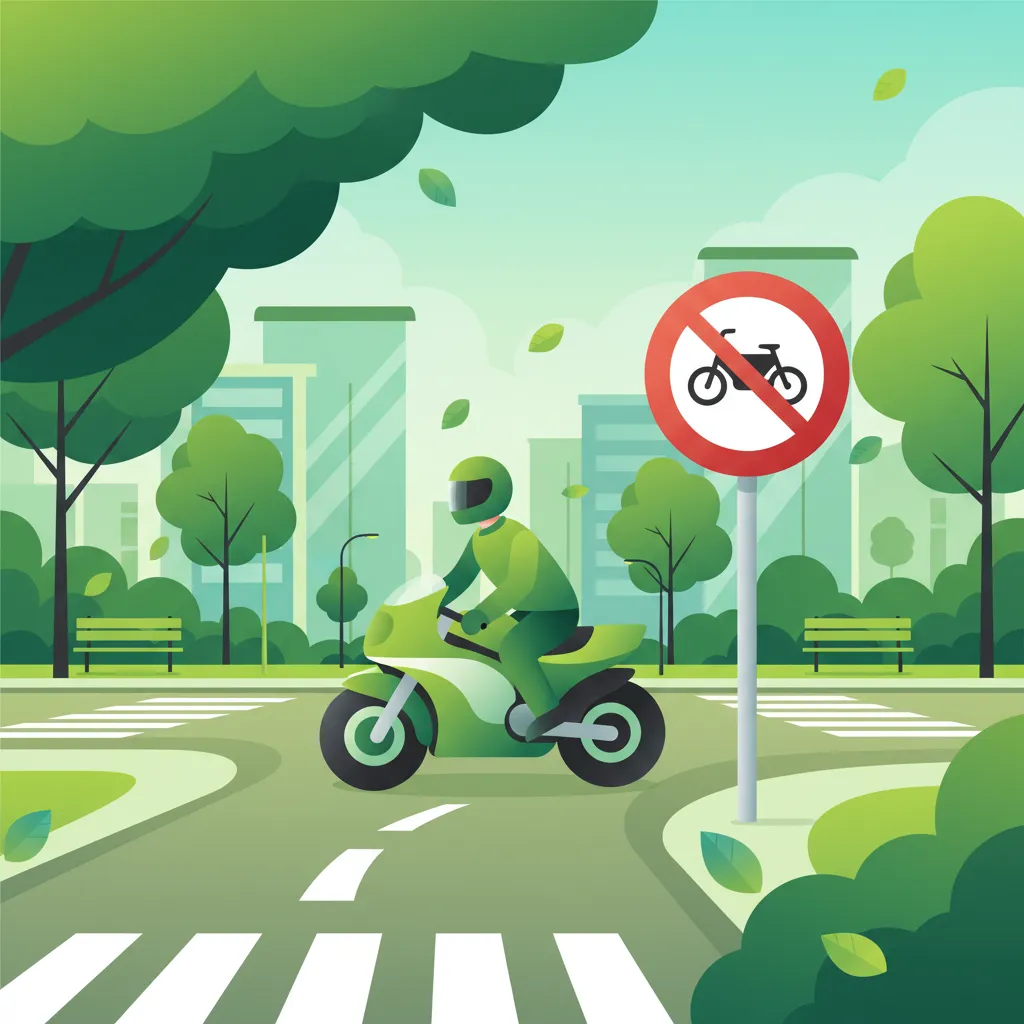
This lesson focuses on Dutch regulatory signs that enforce mandatory rules and restrictions, particularly those impacting A2 motorcyclists. You will learn to recognize and obey prohibition signs, such as those indicating a motorcycle ban (BORD 40), speed limits, and overtaking restrictions (BORD 21). The content explains the legal consequences of non-compliance and how to apply these rules in practical riding scenarios to ensure full adherence to Dutch traffic law.
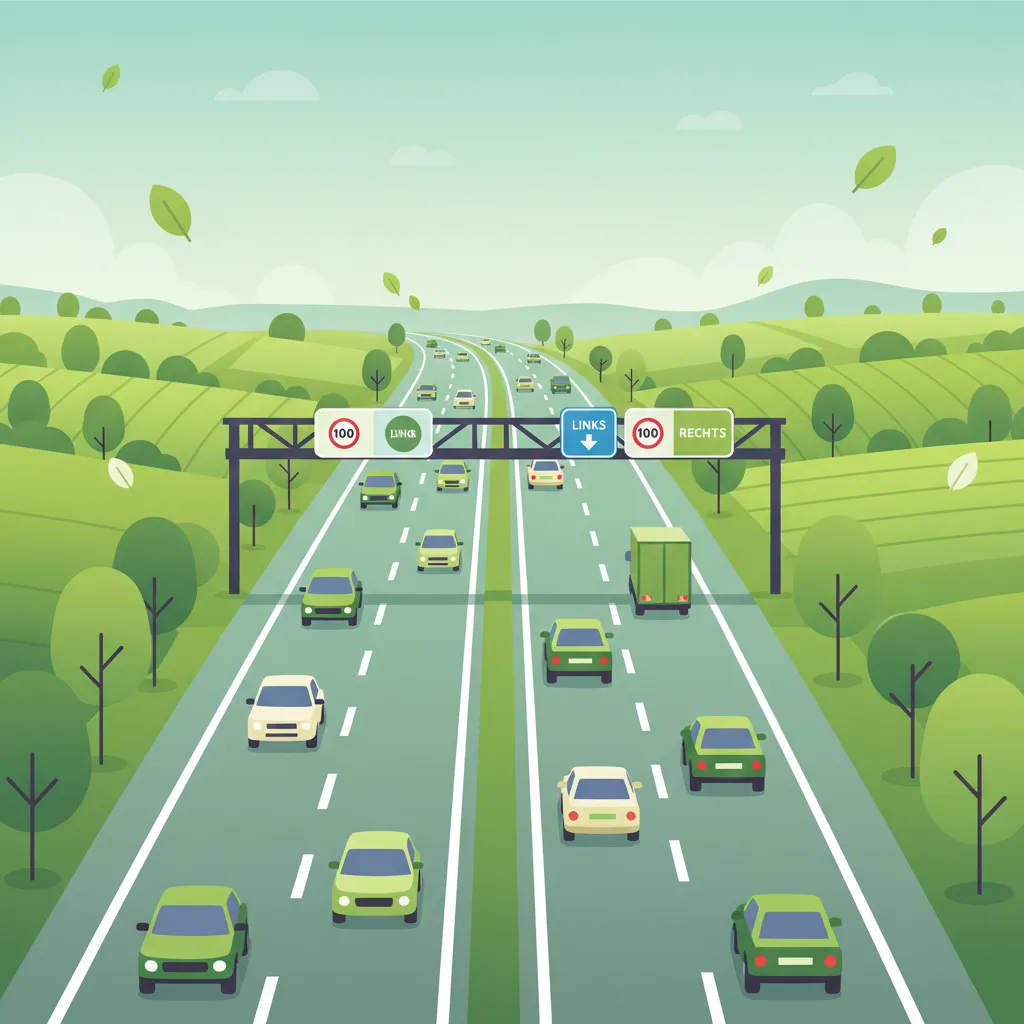
This lesson covers the specific articles of the Dutch Road Traffic Act that apply to motorways, with a primary focus on the strict rule of keeping to the rightmost available lane unless overtaking. It explains the legal and safety reasons for only passing on the left and discusses the correct positioning within a lane for maximum visibility and safety. The content also addresses the nuances of lane usage during heavy congestion, ensuring riders comply with the law and contribute to smooth traffic flow.
Explore the correct usage of turn signals on motorcycles in the Netherlands, the role of audible reminders ('squealers'), and common errors riders make. Learn how to avoid miscommunication and enhance safety when signalling and performing manoeuvres like filtering.
This lesson covers the mandatory lighting and signaling equipment for A2 motorcycles under Dutch law, ensuring you remain visible and communicate your intentions correctly. You will learn the rules for using headlights, taillights, turn signals, and brake lights in various conditions, including daytime and adverse weather. The content also addresses the importance of maintaining this equipment and using hand signals as a valid secondary method of communication in traffic.

Effective communication with other road users is vital for safety. This lesson details the legal requirements and proper use of your vehicle's signaling equipment, including headlights, brake lights, and turn signals (indicators). It also explains the specific situations in which using the horn is permitted to avert danger. Finally, it covers the mandatory placement and type of reflectors that ensure your vehicle remains visible to others, especially in low-light conditions.
This lesson provides a comprehensive overview of all light and audible signals mandated by Dutch traffic law, detailing when and how each must be used for optimal visibility and communication. It covers the correct use of headlights, turn signals, and hazard lights, as well as the legally appropriate situations for using the horn to alert other road users. The curriculum clarifies legal requirements for lighting equipment and the potential penalties for misuse, ensuring riders can signal their intentions clearly and legally.

This lesson covers A-code signs, which are designed to warn drivers of potential hazards on the road ahead. For motorcyclists, warnings about sharp bends, slippery surfaces, crosswinds, or falling rocks are especially critical for maintaining control and stability. The content explains how to interpret these triangular signs to anticipate changing conditions, adjust speed, and adopt a defensive riding posture well in advance of the hazard.
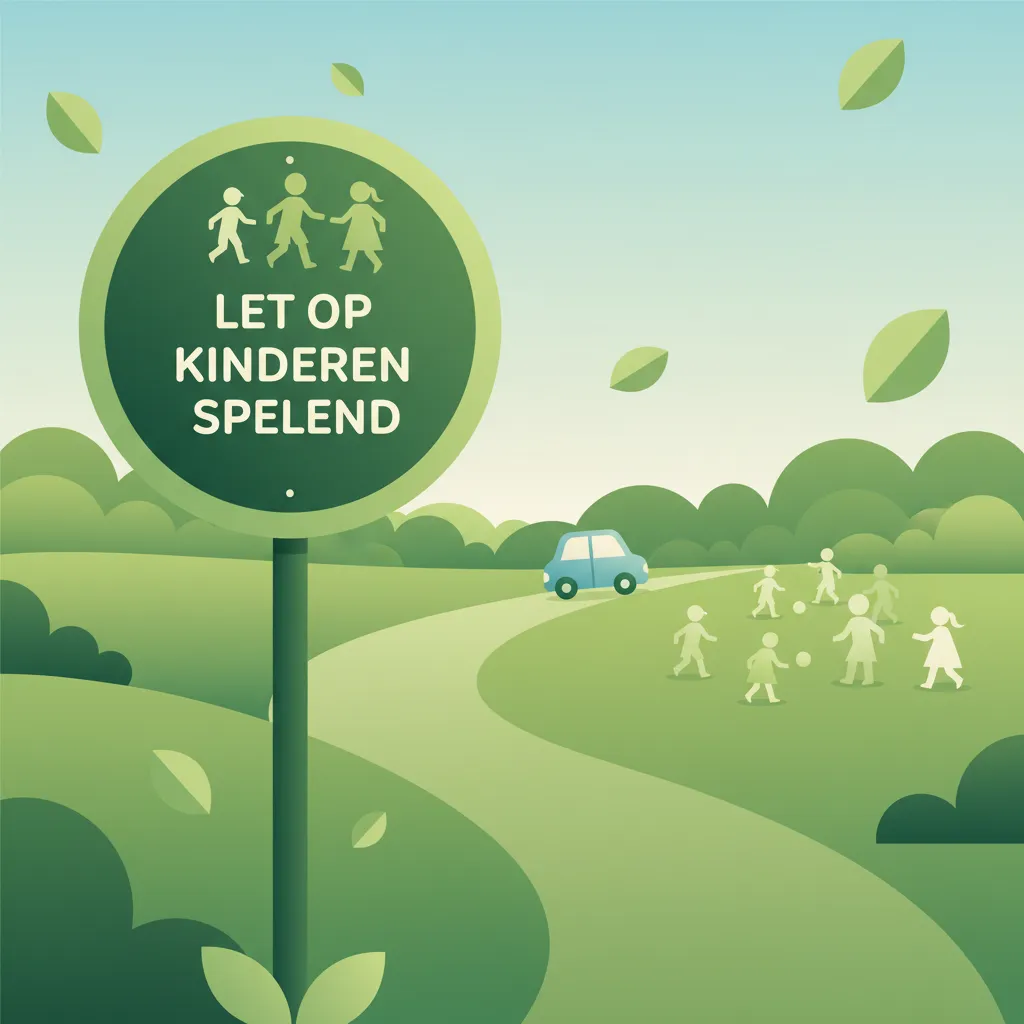
This lesson details the interpretation of Dutch warning signs, which alert riders to potential dangers and changing road conditions. You will study signs indicating sharp curves, road narrowing (BORD 30), and temporary hazards like road works (BORD 36), learning to adjust speed and road position proactively. The content emphasizes how the A2 motorcycle's characteristics require earlier hazard recognition and response compared to other vehicles for maintaining control.
This lesson focuses on Dutch regulatory signs that enforce mandatory rules and restrictions, particularly those impacting A2 motorcyclists. You will learn to recognize and obey prohibition signs, such as those indicating a motorcycle ban (BORD 40), speed limits, and overtaking restrictions (BORD 21). The content explains the legal consequences of non-compliance and how to apply these rules in practical riding scenarios to ensure full adherence to Dutch traffic law.
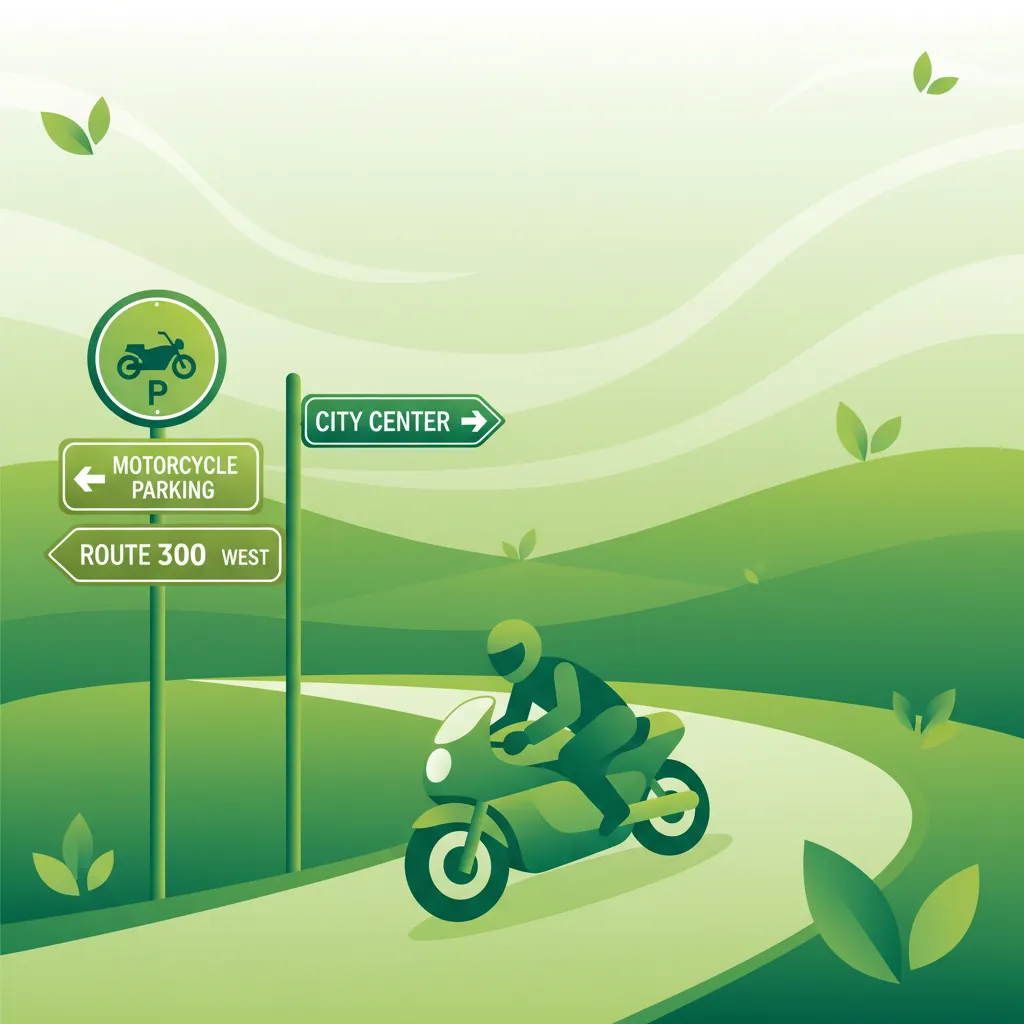
This lesson explains how to interpret directional and informational signs to navigate the Dutch road network effectively. You will learn to read route signs on highways, understand lane guidance arrows for complex intersections, and identify panels indicating services like fuel stations or rest areas. The content focuses on how motorcyclists can use this information for safe and efficient route planning, including adapting to real-time information from electronic signs.
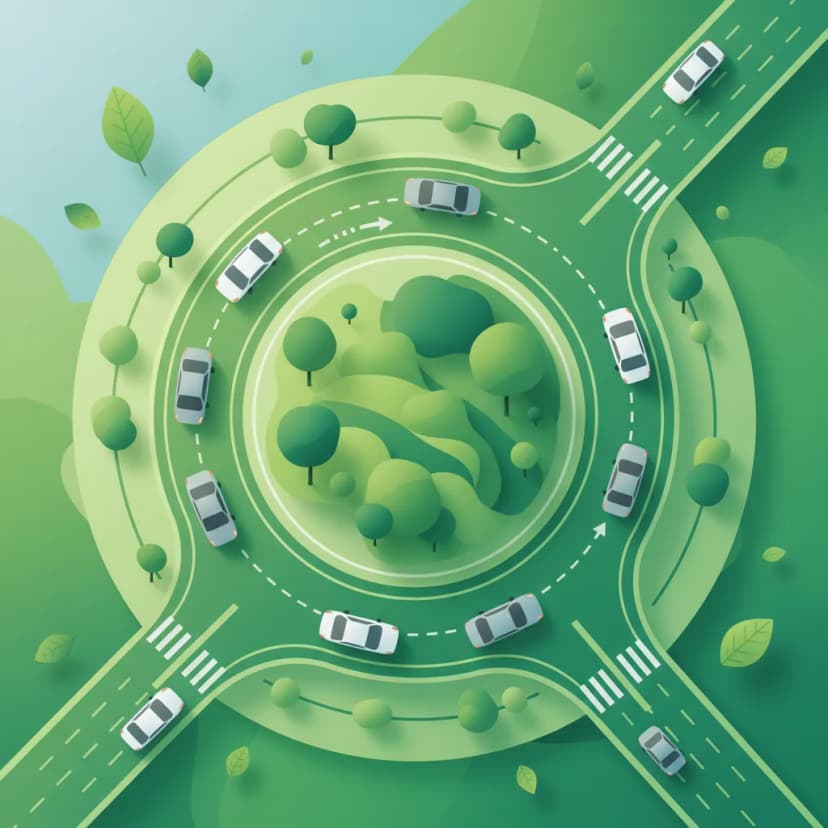
This lesson focuses on the rules and techniques for safely navigating Dutch roundabouts, a common feature of the road network. You will learn that traffic circulating on the roundabout typically has priority and that you must yield before entering. The content covers correct lane selection for your intended exit, proper use of turn signals, and maintaining awareness of cyclists who may have priority on adjacent paths.
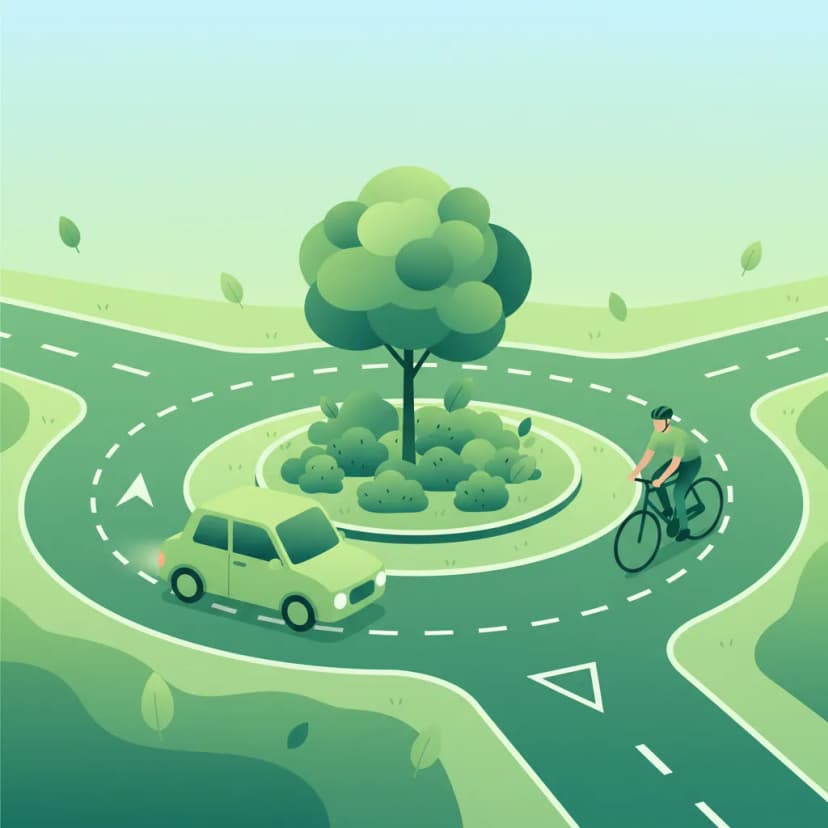
This lesson delves into the hierarchy of priority rules on Dutch roads, clarifying who has the right-of-way in various intersection scenarios. It explains the meaning of signs like 'voorrangsweg' and road markings such as shark's teeth ('haaientanden'). Special attention is given to the correct procedure for entering, navigating, and exiting roundabouts on a motorcycle, including proper signaling and lane choice to ensure safe and efficient passage.

This lesson offers an in-depth study of Dutch regulatory signs, which impose mandatory actions or prohibitions on road users, with a specific focus on their impact on motorcyclists. It explains the visual language of prohibition symbols ('verbodsborden') and obligation symbols ('verplichtingsborden'), the contexts in which they appear, and the strict statutory consequences of non-compliance. Real-world examples are used to illustrate how these signs directly influence route planning, overtaking decisions, and speed management.
Find clear answers to common questions learners have about Use of the “Squealer” and Lane Splitting Restrictions. Learn how the lesson is structured, which driving theory objectives it supports, and how it fits into the overall learning path of units and curriculum progression in the Netherlands. These explanations help you understand key concepts, lesson flow, and exam focused study goals.
A 'squealer' or 'pieper' is an audible reminder, usually a beeping sound, that sounds when your turn signal (indicator) is activated. Its purpose is to alert you that your indicator is still on, preventing you from unintentionally leaving it engaged after a turn or lane change, which is crucial for clear communication with other road users in the Netherlands.
Lane splitting (filtering between lanes of traffic) is not explicitly permitted or prohibited by a single, overarching law for all situations. Instead, its legality depends on specific circumstances and the assessment of risk. Generally, it's tolerated under certain conditions, like slow-moving traffic or at red lights, but it must always be done safely, without causing danger or nuisance. Specific restrictions apply on motorways and in built-up areas, and riders must always adhere to general safety principles and the Dutch Road Traffic Act (WVW 1994).
Lane splitting is strictly prohibited when it creates a hazard, causes inconvenience, or violates specific traffic rules. This includes splitting lanes at high speeds, in dense traffic where there is insufficient space, on road sections with poor visibility, or when it obstructs emergency vehicles. You must also never split lanes in tunnels or on certain marked sections of motorways where it is explicitly forbidden by signage.
While 'squealers' don't directly relate to the act of lane splitting itself, they enhance overall rider awareness. By providing an audible cue when your turn signal is active, they ensure you cancel it promptly after completing a maneuver, such as filtering or changing lanes. This prevents confusion for other road users who might otherwise assume you intend to turn or change direction when you don't.
The CBR A1 theory exam tests your understanding of safety and compliance with Dutch traffic laws. Questions about 'squealers' focus on their role in rider communication and preventing signals from being left on. For lane splitting, expect scenario-based questions where you must judge whether filtering is safe and legal given the traffic conditions, road type, and potential hazards. You'll need to demonstrate knowledge of when it's permitted, when it's dangerous, and the specific restrictions that apply.
While the fundamental principles of safe riding and avoiding hazards apply to all motorcycle categories, the practical implications of lane splitting might differ. A1 motorcycles, being lighter and smaller, may find it easier to filter in tight spaces. However, the legal framework and restrictions, particularly regarding speed and safety assessments, are generally consistent across categories. Always prioritize safety and adhere to the specific rules applicable in the Netherlands.