
Welcome to Unit 8, Lesson 8.2: Lane Discipline and High-Speed Overtaking. This lesson is crucial for safe riding on Dutch highways (autosnelwegen). You'll learn the essential rules for choosing the correct lane and how to perform overtaking manoeuvres safely and legally, a key aspect of the A2 motorcycle theory exam.
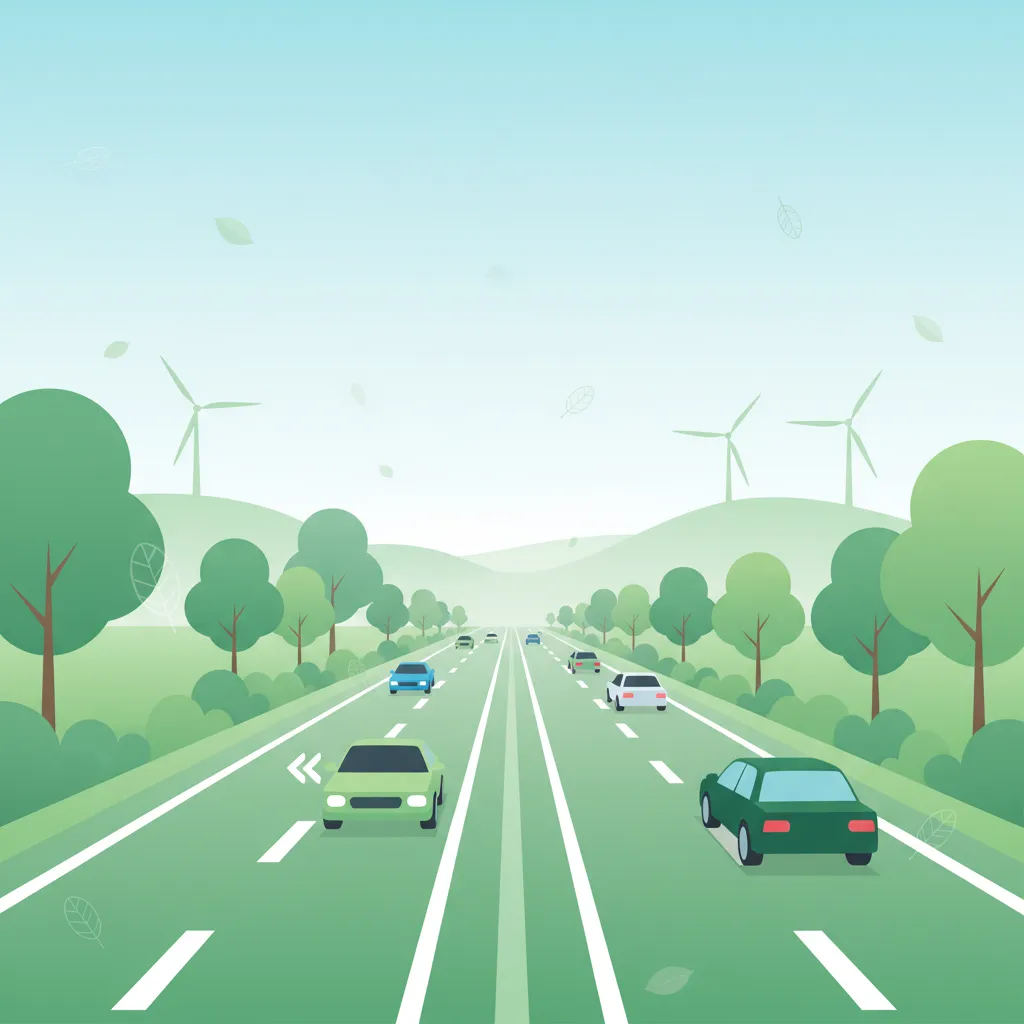
Motorcycle riding on Dutch autosnelwegen (highways) demands precision, situational awareness, and strict adherence to specific traffic regulations. This lesson delves into the critical aspects of lane discipline and the complete, safe procedure for high-speed overtaking. Mastering these techniques is not just about compliance with Dutch traffic law (RVV 1990); it is fundamental to ensuring your safety and contributing to the smooth flow of traffic for all road users, particularly when operating a Category A2 motorcycle.
Proper lane discipline maximizes traffic flow, minimizes conflict points, and significantly reduces the risk of high-speed collisions. Overtaking correctly is essential for maintaining safe separation, preventing side-swipes, and ensuring you can confidently and legally navigate the highway environment. This chapter will equip you with the theoretical foundation to ride safely and confidently, preparing you for the practical demands of the Dutch Category A2 motorcycle theory exam.
On the Dutch autosnelweg, a fundamental principle governs how all vehicles, including motorcycles, must position themselves: riders must travel in the rightmost lane that is usable for their speed and purpose. The lanes to the left are reserved exclusively for overtaking slower traffic. This establishes a predictable and ordered traffic stream, which is crucial for safety at higher speeds.
The right-most lane rule is a cornerstone of Dutch highway driving. It is a legal obligation for all motorised vehicles to occupy the furthest right lane that is free, appropriate for your speed, and not designated for specific purposes other than general driving. This means that a motorcyclist must not occupy a left lane unless they are actively engaged in an overtaking manoeuvre or traffic conditions, such as lane closures or heavy congestion, temporarily force them to do so.
This rule, explicitly mandated by RVV 1990 Article 24 § 1, prevents "road hogging" and ensures that the faster, left-hand lanes remain clear for vehicles wishing to overtake. For example, on a three-lane autosnelweg, if the right lane is empty, a motorcyclist should be riding in it, even if they perceive themselves to be faster than traffic in the middle lane.
Adhering to correct lane discipline offers multiple benefits. From a safety perspective, it reduces the number of lateral conflict zones, providing overtaking riders with a clear, unobstructed path and giving all road users sufficient reaction time. At high speeds, where aerodynamic turbulence and reduced reaction windows amplify the consequences of sudden lane changes, predictable lane usage becomes even more vital.
Psychologically, consistent lane discipline creates a mental model for all drivers, reducing cognitive load and improving overall traffic safety. When drivers can predict where other vehicles will be, they can make quicker and safer decisions. Incorrect lane usage, such as lingering in the left lane when the right lane is clear, can lead to frustration, unpredictable manoeuvres by other drivers, and an increased risk of collisions. It also contributes to traffic congestion, as traffic flow is hindered when lanes are occupied unnecessarily.
Overtaking on a highway is not merely about accelerating past another vehicle; it is a structured, multi-step procedure that demands precision and awareness. For motorcyclists, the stakes are even higher due to their smaller size and greater vulnerability.
A safe overtaking manoeuvre requires a complete sequence of actions performed before, during, and after passing another vehicle. Neglecting any of these steps significantly increases the risk of a collision or a traffic violation.
While mirrors are indispensable, they have limitations. Every vehicle, including a motorcycle, has areas that are not visible in the mirrors – these are known as blind spots. For motorcyclists, the left-hand blind spot is particularly critical when preparing to overtake. Therefore, a shoulder check (or schoudercheck in Dutch) is a non-negotiable step before every leftward lane change.
A shoulder check involves a quick, decisive turn of your head to look directly over your shoulder, specifically into the area your mirrors cannot cover. This visual confirmation is the only way to be absolutely certain that no vehicle, especially another motorcycle or a smaller car, is hidden in that blind spot. Skipping this check is a common and extremely dangerous mistake that significantly increases the risk of a side-swipe collision.
Communicating your intentions clearly and early is paramount on the highway. RVV 1990 Article 41 mandates that all vehicles must indicate their lane changes using turn signals. For motorcyclists, this means activating your electrical turn indicator at least two seconds before you begin to deviate from your lane.
This early signalling provides other road users, particularly those behind you or in adjacent lanes, sufficient time to react to your manoeuvre. It allows them to adjust their speed, position, or even anticipate their own actions, thereby preventing sudden braking or swerving. Activating the signal only as you begin to move, or worse, after you've already started the lane change, is insufficient and dangerous.
Once you have successfully passed a slower vehicle, the procedure is not complete until you have safely returned to your original lane. A crucial element here is the minimum overtaking distance. This refers to the required buffer distance between your motorcycle and the vehicle you have just overtaken before you merge back into the right lane.
To ensure safety and avoid "cutting in," you must maintain a longitudinal gap of at least two seconds ahead of the overtaken vehicle. At speeds above 100 km/h, this translates to approximately 100 metres. This safe distance provides ample reaction time for the overtaken vehicle and subsequent traffic, preventing them from needing to brake abruptly. Returning too early creates an unsafe situation, potentially leading to rear-end or side-swipe collisions.
High-speed overtaking, generally defined as manoeuvres performed at 90 km/h or more, introduces additional challenges and risks that demand heightened attention from motorcyclists. The Dutch autosnelweg often features speed limits up to 130 km/h, meaning most overtaking will fall into this category.
At high speeds, motorcycles are significantly affected by aerodynamic forces. When passing larger vehicles, especially trucks or buses, you will encounter disturbed airflow and aerodynamic turbulence (also known as "wake turbulence" or "dirty air"). This turbulence can momentarily affect your motorcycle's stability, making it feel less planted or causing it to drift slightly.
Maintaining a stable posture, a firm but relaxed grip on the handlebars, and being prepared for these forces is essential. Accelerating decisively through this zone minimises your exposure to the turbulence. A proper lateral clearance of at least 1.5 metres from the overtaken vehicle helps to mitigate the effects of their wake.
The physics of speed dictate that higher velocities dramatically impact both reaction time and stopping distances. At 120 km/h, a motorcyclist covers approximately 33 metres per second. With an average perception-reaction time of 2.5 seconds, you will have travelled about 83 metres before you can even initiate an evasive action or braking.
This reduced visual contact and reaction window means that any error or misjudgement during high-speed overtaking has amplified consequences. The total stopping distance at 120 km/h can be approximately 185 metres (based on Dutch safety data). Therefore, maintaining larger safety margins, executing every step of the overtaking procedure flawlessly, and being extra vigilant for potential hazards are critically important at these speeds.
Adherence to specific articles of the RVV 1990 is not just good practice but a legal requirement on Dutch roads.
RVV 1990 Article 28 clearly states that overtaking must be performed on the lane(s) to the left of the rightmost lane. Overtaking a vehicle from its right side is strictly prohibited on the autosnelweg. This rule reinforces the principle of a clear overtaking corridor on the left and prevents dangerous, unpredictable manoeuvres that can lead to collisions. The only exceptions are specific situations like 'file rijden' (lane filtering) in dense urban traffic, which is not permitted on autosnelwegen, or when traffic in the left lanes is stationary or moving very slowly in queues and the right lane is flowing.
While overtaking requires controlled acceleration, it does not grant permission to exceed the posted speed limit. RVV 1990 Article 3 mandates strict adherence to speed limits at all times. If the speed limit is 130 km/h, you may accelerate to 130 km/h to overtake, but not beyond. Exceeding the speed limit during an overtaking manoeuvre can lead to significant fines, penalty points, and poses a severe safety risk due to increased kinetic energy and reduced control. On sections of the autosnelweg with dynamic speed limits, these variable limits must be obeyed, and your overtaking speed must not exceed the currently displayed limit.
Understanding common errors is key to avoiding them. Many highway incidents, particularly those involving motorcycles, stem from deviations from established lane discipline and overtaking procedures.
One of the most frequent violations on Dutch autosnelwegen is remaining in the left lane when the right lane is clear and available. This act, often referred to as "road hogging" (links rijden or onnodig links aanhouden), breaks the right-most lane rule (RVV 1990 Art. 24 § 1). It hinders traffic flow, forces other vehicles to overtake from the right (which is illegal), and can lead to driver frustration and increased risk of accidents. Motorcyclists, despite their agility, are not exempt from this rule.
As discussed, the shoulder check is non-negotiable. Skipping this quick head-turn before a lane change is a major contributing factor to side-swipe collisions. A vehicle, particularly a smaller one like another motorcycle, can easily be hidden in your blind spot, making a sudden lane change extremely hazardous.
Returning to the right lane immediately after passing a vehicle, creating a gap of less than two seconds, is known as "cutting in." This forces the overtaken vehicle to brake, disrupting traffic flow and creating a dangerous situation. It can lead to rear-end collisions or cause the other driver to swerve. Always ensure a generous, safe gap before merging back.
Certain sections of the highway may prohibit overtaking due to specific hazards (e.g., curves, junctions, narrow sections) or roadworks. These zones are typically marked by solid white lines or explicit "no overtaking" road signs. Ignoring these restrictions significantly increases collision risk and can result in substantial fines and penalty points.
When overtaking large vehicles such as trucks or buses, be acutely aware of their significantly larger blind spots. What you see as a safe gap in your mirrors might still be within a truck's blind zone. Perform extended shoulder checks and maintain even greater lateral distance when passing these vehicles. Strong crosswinds can also destabilise a motorcycle, especially during a lane change at high speed, requiring increased caution and a firm grip.
Safe riding means continuously adapting your technique to the prevailing conditions. What might be acceptable on a dry, clear day can become perilous in adverse weather or at night.
The number of lanes affects lane discipline.
On any motorway with variable speed limits displayed on electronic signs, these dynamic limits must be followed. Your overtaking speed must not exceed the displayed limit, which can change rapidly due to traffic density or incidents.
When a motorcyclist overtakes a heavy goods vehicle (HGV) or a cycle-car, be aware of their unique characteristics. HGVs have significantly larger blind spots and require more space. Perform additional, longer shoulder checks and maintain a greater lateral distance (e.g., more than 1.5 metres) to ensure you are seen and avoid their blind zones. Near highway entry/exit ramps, avoid overtaking and keep to the right lane to remain visible to any crossing pedestrians or cyclists who might be near the ramp areas.
The principles of lane discipline and safe overtaking are not arbitrary rules; they are designed to create a predictable and safe environment for all road users on the autosnelweg.
When all drivers adhere to the right-most lane rule and execute overtaking manoeuvres correctly, traffic flows more smoothly and efficiently. This reduces the need for sudden braking, promotes consistent speeds, and minimises the "stop-and-go" ripple effects that lead to congestion. Studies have shown a significant reduction in high-speed collisions (up to 30%) when lane discipline is consistently enforced. This predictability lowers the cognitive load on drivers, allowing them to focus more on potential hazards rather than anticipating erratic lane changes.
Failing to adhere to these rules can have serious consequences. Legally, violations of RVV 1990 articles related to lane usage, signalling, and speed limits can result in substantial fines, penalty points, and even licence suspension. Practically, unsafe overtaking or poor lane discipline significantly increases the risk of collisions, which for a motorcyclist, can have severe and life-altering outcomes.
By internalising and consistently applying the principles outlined in this lesson, you will not only comply with Dutch traffic laws but also become a safer, more confident, and more responsible motorcyclist on the autosnelweg.
Lesson content overview
Explore all units and lessons included in this driving theory course.
Explore search topics learners often look for when studying Lane Discipline and High-Speed Overtaking. These topics reflect common questions about road rules, driving situations, safety guidance, and lesson level theory preparation for learners in the Netherlands.
Browse additional driving theory lessons that cover connected traffic rules, road signs, and common driving situations related to this topic. Improve your understanding of how different rules interact across everyday traffic scenarios.
Understand the specific rules for lane discipline and overtaking on Dutch autosnelwegen. This lesson covers mandatory lane usage, safe overtaking procedures, and legal requirements according to RVV 1990.
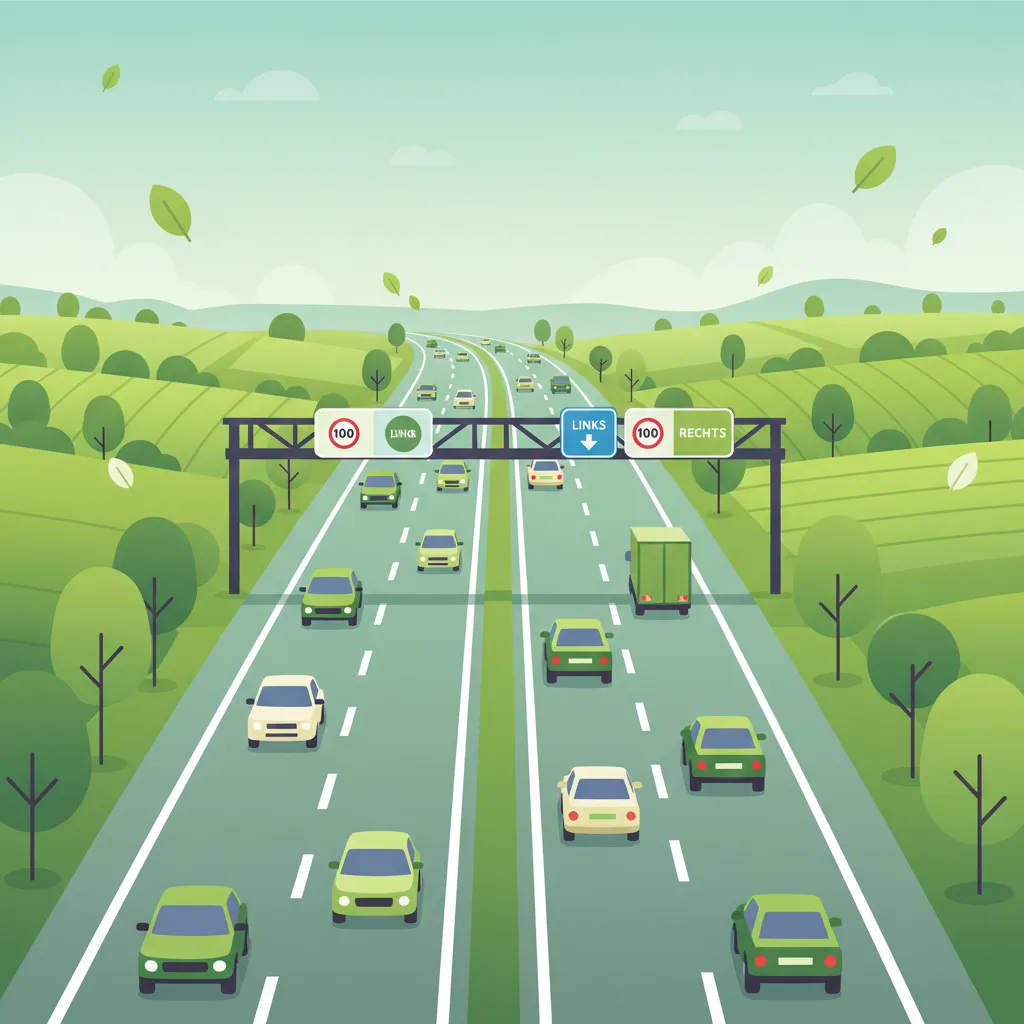
This lesson covers the specific articles of the Dutch Road Traffic Act that apply to motorways, with a primary focus on the strict rule of keeping to the rightmost available lane unless overtaking. It explains the legal and safety reasons for only passing on the left and discusses the correct positioning within a lane for maximum visibility and safety. The content also addresses the nuances of lane usage during heavy congestion, ensuring riders comply with the law and contribute to smooth traffic flow.
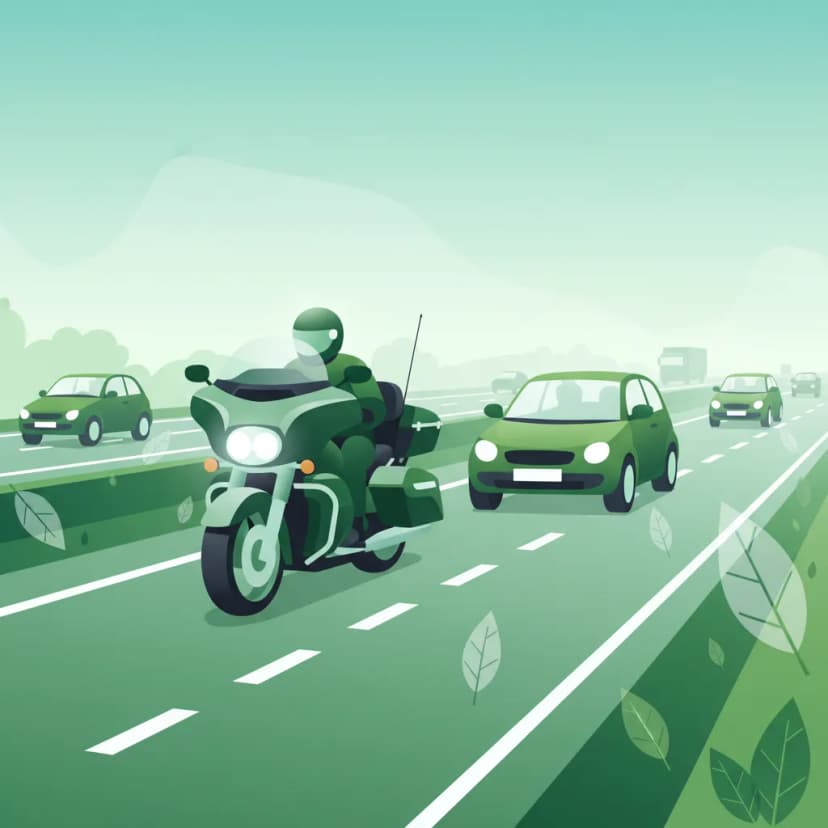
This lesson details the systematic process for safely overtaking on a multi-lane motorway, leveraging the acceleration capabilities of a Category A motorcycle. It covers the 'mirror, signal, maneuver' sequence, with a strong emphasis on the critical shoulder check to clear the blind spot before moving out. The content also discusses how to judge closing speeds, ensure adequate space before returning to the lane, and how to handle situations involving multiple lanes and slower-moving heavy vehicles.

This lesson covers the universal Dutch road rules with a specific focus on their application to light motorcycles. It details the various speed limits for different road types, from urban areas to motorways, and explains the correct procedures for overtaking and lane positioning. The legal aspects of lane filtering in congestion are also examined, alongside mandatory equipment use like daytime running lights, to ensure riders can integrate safely and legally into traffic flow.
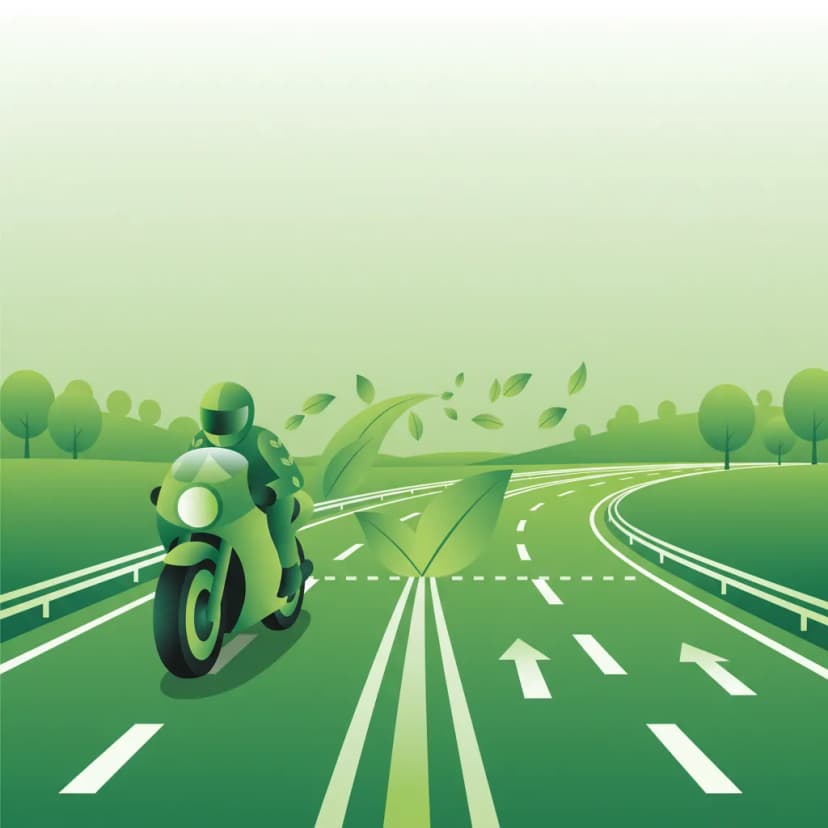
This lesson focuses on the meaning of different road markings and their implications for motorcycle lane discipline. You will learn the legal distinction between solid and broken lines regarding overtaking, how to interpret directional arrows for lane choice, and the rules for using special lanes. The content emphasizes maintaining a safe and strategic position within the lane to maximize visibility and create a safety buffer from other vehicles.
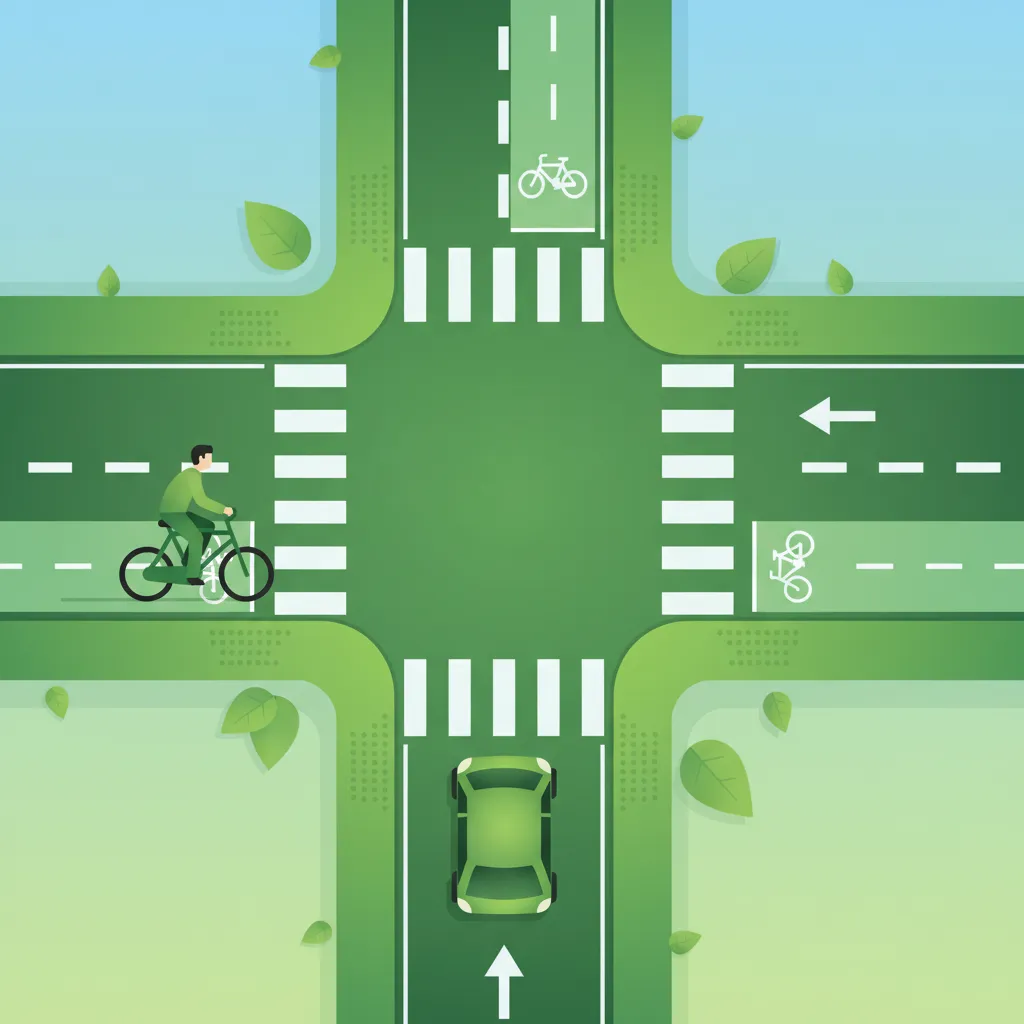
This lesson explores the legal meaning of various road surface markings, including solid and broken lane delimiters, directional arrows, and special-purpose lane indicators. It describes how markings dictate permitted maneuvers, such as overtaking and lane changes, and alert riders to upcoming hazards or changes in road layout. The content also examines the relationship between markings and road design in the Netherlands, emphasizing how a motorcyclist must interpret these visual cues for safe positioning.

This lesson provides a step-by-step guide to executing a safe and legal overtaking maneuver. It covers the entire process: assessing the situation for a sufficient gap in oncoming traffic, performing necessary mirror and shoulder checks, signaling intent, and accelerating decisively. The lesson also highlights situations where overtaking is prohibited by law, such as before pedestrian crossings or where there are solid white lines.
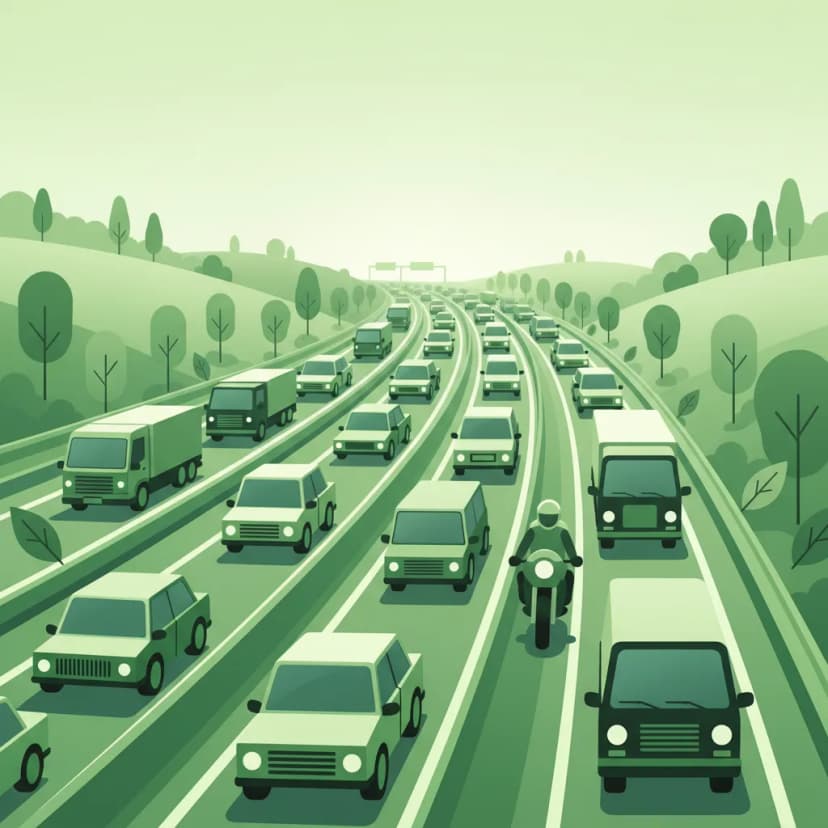
This lesson explains the specific rules and best practices for lane filtering in traffic jams ('file rijden') in the Netherlands. You will learn the conditions under which it is permitted, such as the limited speed difference between you and the cars. The content emphasizes heightened awareness, watching for drivers changing lanes unexpectedly, and the importance of performing this manoeuvre at a low, controlled speed.

This lesson provides a detailed explanation of the various markings painted on the road surface, which are as legally binding as physical signs. It clarifies the rules associated with solid and broken white lines, including restrictions on crossing them, and the function of arrows, chevrons, and text painted in lanes. A thorough understanding of these markings is fundamental for correct lane discipline, positioning, and safe maneuvering on a motorcycle.
This lesson explains the purpose of audible indicator reminders, often called 'squealers' or 'piepers', which help prevent riders from unintentionally leaving their turn signals on. It also provides a detailed breakdown of the legal nuances and restrictions related to lane splitting and filtering. The content clarifies the distinction between these maneuvers and outlines the specific road situations and traffic conditions where such actions are explicitly prohibited or heavily regulated.
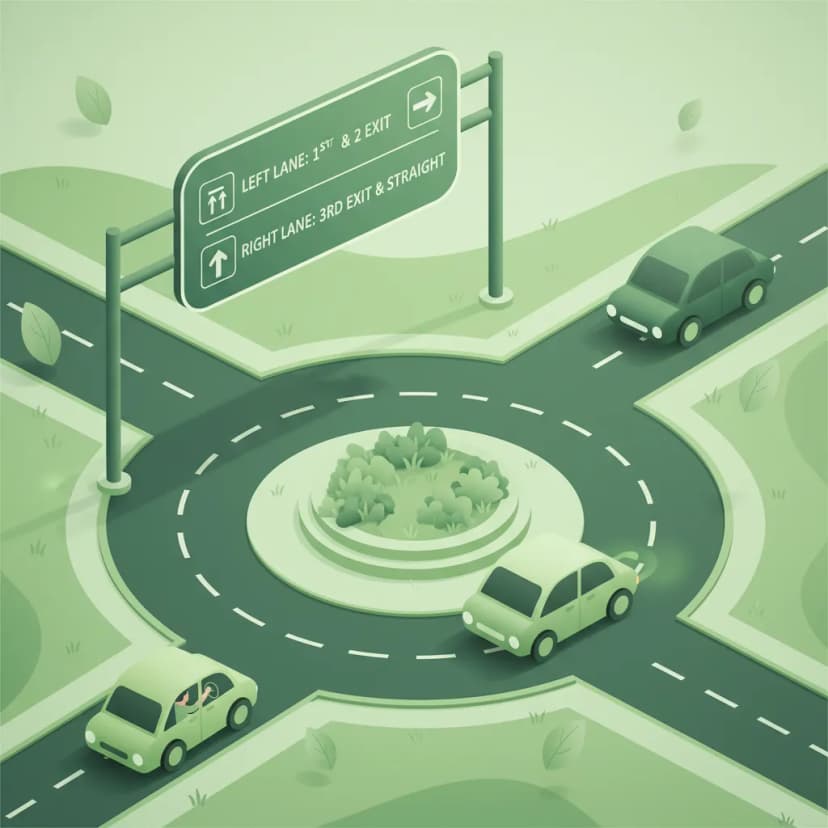
This lesson provides a detailed guide to navigating Dutch roundabouts ('rotondes'), including single-lane, multi-lane, and 'turbo' designs. It clarifies the specific priority rules that apply when entering the roundabout and the critical importance of correct signaling when changing lanes or exiting. Special attention is given to the vulnerable position of motorcyclists and the need to be aware of other vehicles' blind spots and the priority rules concerning cyclists on or near the roundabout.
Explore the critical aspects of executing manoeuvres like overtaking at high speeds on Dutch highways. Learn about aerodynamic forces, reaction times, and specific hazards faced by motorcyclists.
This lesson focuses on the unique demands of riding at sustained high speeds on motorways ('snelwegen'). It covers essential topics such as strict lane discipline, safe overtaking procedures, and maintaining a greater following distance to compensate for higher reaction and braking times. The content also addresses the physical and mental challenges, including managing wind blast, increased noise levels, and maintaining heightened situational awareness over long distances to combat fatigue.
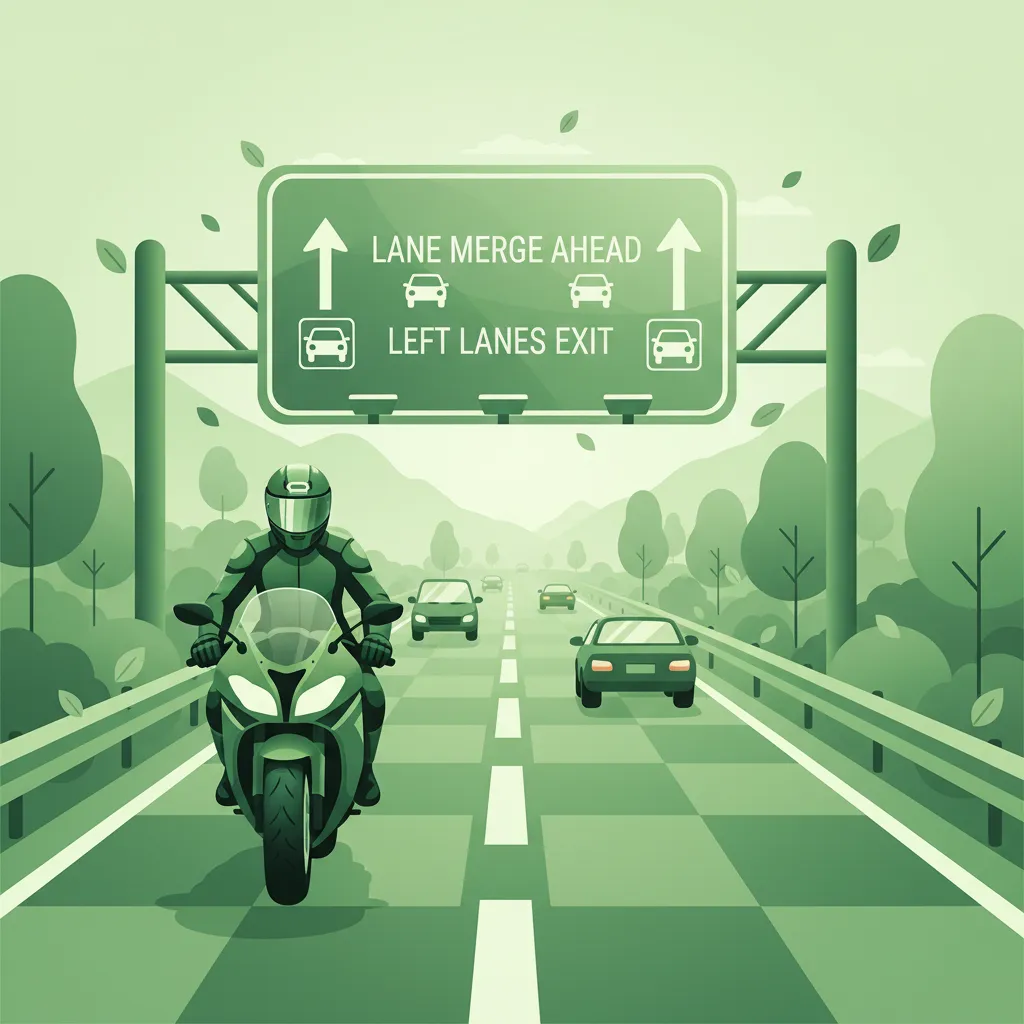
This lesson prepares you for the unique dangers of high-speed highway riding. You will learn to scan for and navigate road hazards like debris, potholes, and slippery steel expansion joints on bridges. The content also addresses the powerful air turbulence created by large trucks that can upset a motorcycle's stability and the mental challenge of maintaining focus on long, monotonous stretches of road.
This lesson teaches you to be a proactive rather than a reactive rider by developing superior hazard perception skills. You will learn to scan your environment constantly—near, far, and to the sides—and to identify potential risks, such as a car waiting to turn or a pedestrian looking to cross. The content focuses on asking 'what if?' to predict the actions of others and position yourself for safety in advance.
This lesson transitions hazard perception skills to the high-speed environment of motorways and tunnels. It covers specific risks such as vehicles merging at different speeds, sudden braking and congestion ahead, road debris, and the aerodynamic effects of crosswinds and large trucks. The curriculum also addresses the challenges of riding in tunnels, including changes in light and surface conditions, and the importance of identifying emergency exits and procedures in case of an incident.

This lesson revisits the concept of following distance, emphasizing its heightened importance in the high-speed motorway environment. It explains how increased speeds dramatically lengthen both reaction and braking distances, making a minimum two-to-three-second gap absolutely critical for safety. The content also stresses the importance of maintaining a space cushion to the sides, creating potential escape routes in case of sudden incidents in adjacent lanes.

This lesson focuses on hazard perception ('gevaarherkenning'), a critical section of the CBR exam. It explains how increasing speed reduces a rider's field of vision and shortens the time available to identify, process, and react to potential dangers. The content explores techniques for actively scanning the road ahead and anticipating the actions of other road users to make safe, proactive decisions rather than reactive ones.
This lesson compares the different skills and awareness levels required for riding in dense urban environments versus high-speed express environments. It discusses managing frequent hazards like intersections and vulnerable road users in the city, contrasted with the need for high-speed stability, smooth lane changes, and managing merging traffic on motorways. Understanding how to adapt riding style is key to navigating these distinct settings safely.
This lesson focuses on the unique and densely packed hazards found in urban traffic environments. It teaches riders to develop a systematic scanning pattern to identify potential risks from multiple sources simultaneously, such as pedestrians stepping off curbs, car doors opening unexpectedly, and buses pulling out. The content also emphasizes the importance of managing speed and always having an 'escape route' planned in case a hazard suddenly materializes in the complex city landscape.

This lesson prepares you for real-world cornering challenges where conditions are not always perfect. You will learn how to identify clues that a corner may be tightening (a decreasing radius) and how to adjust your line accordingly. The content covers strategies for dealing with unexpected hazards like gravel or wet patches mid-corner and emphasizes the importance of always riding in a way that leaves you an escape route or a margin for error.

This lesson synthesizes many of the course's concepts into the overarching philosophy of advanced defensive riding ('verdedigend rijden'). It defines this as a proactive mindset where the rider constantly scans for potential hazards, anticipates the worst-case scenario from other road users, and positions themselves to have time and space to react. This approach moves beyond simply following the rules to actively managing the environment to ensure personal safety at all times.
Find clear answers to common questions learners have about Lane Discipline and High-Speed Overtaking. Learn how the lesson is structured, which driving theory objectives it supports, and how it fits into the overall learning path of units and curriculum progression in the Netherlands. These explanations help you understand key concepts, lesson flow, and exam focused study goals.
The fundamental rule on Dutch highways (autosnelwegen) is to always use the rightmost available lane. Lanes to the left are strictly for overtaking slower vehicles. Once you have completed your overtake, you must return to the rightmost lane as soon as it is safe to do so.
To overtake safely, you must first check your mirrors, then signal your intention to move left. Crucially, perform a shoulder check (blind spot check) before moving into the lane beside you. Accelerate smoothly past the vehicle. Once you are well clear, check your mirrors and signal your intention to move back right, checking your blind spot again before returning to the rightmost lane.
You can only return to the right lane when you can see the vehicle you have overtaken in your right-hand mirror. Ensure there is sufficient space between your motorcycle and the vehicle behind you in the right lane, and that you are not cutting off the vehicle you just passed. Always check your blind spot before merging back.
Lane filtering ('file rijden') is a specific manoeuvre for slow-moving or stopped traffic, usually at lower speeds than typical overtaking. While it involves moving between lanes, it has its own rules and safety considerations. This lesson focuses on overtaking moving traffic at higher speeds, where you must leave the general flow of traffic to pass.
Effective speed management is key to safe overtaking. You need to accelerate sufficiently to pass the slower vehicle quickly and safely, without exceeding speed limits or creating a dangerous situation. You must also be aware of the speed of traffic in the lane you are moving into and the traffic you are passing.