
Riding a motorcycle on highways and through tunnels presents unique hazards. This lesson builds on your basic hazard perception skills, focusing on the high-speed environments of Dutch motorways and tunnels. You'll learn to identify and react to specific risks, ensuring you're prepared for these challenging situations on your Category A theory exam.
Riding a motorcycle on Dutch highways (Autosnelwegen) and through tunnels presents a unique set of challenges compared to urban environments. The significantly higher speeds, increased traffic density, and specific physical constraints of these roadways amplify the risks and compress the time available for a motorcyclist to perceive hazards and react safely. This lesson will equip you with the advanced hazard identification skills crucial for safe navigation in these demanding high-speed contexts, preparing you for the Dutch CBR Category A motorcycle theory exam.
The fundamental physics of motion dictate that higher speeds exponentially increase kinetic energy. This principle profoundly impacts a motorcyclist's ability to react to unforeseen events on motorways and in tunnels. Understanding these dynamics is the first step towards mastering hazard identification in these environments.
At higher speeds, a motorcycle carries substantially more kinetic energy (½ mv²), meaning it requires a greater braking force over a longer distance to come to a stop. For instance, doubling your speed quadruples your kinetic energy and, in ideal conditions, quadruples your braking distance. This inherent physical reality significantly reduces the "reaction window" – the time available for a rider to perceive a hazard, decide on a course of action, and execute that action (braking, steering, or accelerating).
An average perception-reaction time for an experienced motorcyclist is approximately 2.5 seconds. On a motorway, where speeds can reach 130 km/h, even this short delay translates into covering a significant distance before any evasive action begins. For example, at 100 km/h (about 27.8 meters per second), you will travel nearly 70 meters before your brakes are even applied. This underscores the critical need for early hazard detection and proactive riding.
High-speed roads often feature high traffic volumes, which can lead to rapid changes in traffic flow. Anticipating the behavior of other vehicles, often referred to as voorspellend rijgedrag (anticipatory riding behavior) in Dutch theory, is paramount. This involves not just observing the vehicle directly ahead, but scanning far down the road and checking mirrors frequently to build a comprehensive mental picture of the traffic situation.
Look for cues such as cascades of brake lights, vehicles swerving unexpectedly, or changes in gap sizes between vehicles. These can all be early indicators of slowing traffic or potential incidents ahead. Maintaining a safe following distance, beyond the basic two-second rule, becomes even more critical to afford sufficient time and space for reaction.
Motorways are characterized by dynamic traffic situations involving vehicles entering, exiting, and changing lanes at high speeds. These maneuvers, if not executed with precision and awareness, can quickly become significant hazards.
Merging onto a motorway (oprit) or exiting (afrit) involves transitioning between different speed zones. The key to safe merging is to use the acceleration lane (invoegstrook) effectively to match the speed of the traffic you intend to join. This requires judging gaps in the traffic flow accurately. A common mistake is to enter too slowly, forcing traffic behind you to brake, or to assume other drivers will make way for you.
When exiting, use the deceleration lane (uitrijstrook) to reduce your speed after leaving the main traffic flow. Signaling early, at least three seconds before your intended maneuver, is a legal requirement (RVV 1990 art. 15) and gives other road users ample time to anticipate your actions. Always check your blind spots before making any lateral movement.
One of the most dangerous hazards on high-speed roads is sudden and unexpected braking, which can rapidly lead to congestion. This often propagates as a "shockwave" through traffic, with brake lights illuminating sequentially down the line. Early detection is vital. Look beyond the vehicle directly in front of you; scan several cars ahead and observe the traffic further up the road.
If you spot a brake light cascade developing, react promptly but smoothly. Gradually reduce speed, cover your brakes, and be prepared to apply emergency braking if necessary. Avoid harsh braking unless absolutely unavoidable, as this can start a shockwave behind you. Ensure you have ample space in front to avoid a rear-end collision, and also be aware of what is happening behind you via your mirrors.
External environmental elements, both natural and induced by other vehicles, pose specific threats to motorcycle stability and control on highways and in tunnels.
Motorcycles are particularly susceptible to wind forces. Natural crosswinds (zijwind) can push a motorcycle sideways, requiring the rider to constantly adjust their lean angle and position to maintain a straight line. Bridges, overpasses, and gaps between buildings or sound barriers are common areas for sudden wind gusts.
Even more challenging is the aerodynamic effect of large vehicles, often termed "punch-through" or "truck vortex." When you overtake a large truck or are passed by one, the displaced air can create significant turbulence. As you approach the rear of a truck, there's a zone of high pressure, followed by a low-pressure zone directly behind and to the sides. Entering this low-pressure zone can cause a sudden "pull" towards the truck, followed by a "push" away as you clear its front. To mitigate this, maintain a generous lateral distance (at least 1 meter, RVV 1990 art. 31 – interpretive guidance) and be prepared to make subtle steering and body adjustments. Consider reducing your speed slightly to improve stability when passing or being passed by heavy goods vehicles, especially in windy conditions.
High-speed roads can accumulate various forms of debris, from tire fragments and loose cargo to smaller stones and fluid spills. These can be catastrophic for a motorcyclist, leading to loss of traction or punctures. Scan the road surface constantly, especially after construction zones, near exits where vehicles might lose cargo, or after periods of heavy rain that can wash debris onto the road.
Surface conditions also vary. Wet patches, oil slicks, spilled fuel, or even expansion joints can drastically reduce tire grip. In tunnels, water can pool due to condensation or drainage issues, and the road surface itself might change (e.g., from asphalt to concrete). Always adjust your speed and riding line to avoid or safely navigate these hazards. Avoid abrupt braking or steering on compromised surfaces.
Tunnels present a unique and often enclosed environment with distinct challenges that require specific hazard perception strategies.
One of the most significant challenges when entering or exiting a tunnel is the rapid change in illumination. When entering from bright daylight, your eyes need time to adjust to the relative darkness inside (a phenomenon known as "vision-blocking glare"). Conversely, exiting into bright sunlight can cause temporary blinding. This adaptation period, though brief, can momentarily impair your depth perception and ability to spot hazards.
To counteract this:
Inside tunnels, the uniform lighting can also make it harder to judge distances and speeds. There are fewer peripheral visual cues, which can lead to a form of "tunnel vision." Stay focused on lane markings and the brake lights of vehicles ahead.
Tunnels are confined spaces, and any incident can quickly escalate. Therefore, knowing what to do in an emergency and being aware of escape routes is critical. The law (RVV 1990 art. 30) mandates that drivers be aware of the nearest emergency exit.
If you experience a breakdown or incident in a tunnel:
The Dutch traffic regulations (Reglement Verkeersregels en Verkeerstekens 1990, RVV 1990) include specific provisions for riding on motorways and in tunnels. Adhering to these laws is not just about avoiding fines; it's about ensuring safety for all road users.
Speed Limits (RVV 1990 art. 6): Motorways in the Netherlands generally have speed limits of 100 km/h or 130 km/h, which can vary based on time of day and specific road sections. For motorcycles, the general maximum speed on motorways is 130 km/h, but always check local signage. In tunnels, lower limits (e.g., 80 km/h or 100 km/h) are common. Always adhere strictly to the posted speed limits.
Safe Following Distance: While the two-second rule is a fundamental guideline for safe following distance, it's a minimum. On high-speed roads, especially in adverse conditions like rain or heavy traffic, extend this to a three-second or even four-second gap. This provides a crucial buffer zone for reaction and braking.
Headlight Use (RVV 1990 art. 9):
Signalling (RVV 1990 art. 15): All lane changes, merges, or exits must be signaled clearly and in good time, ideally at least 3 seconds before the maneuver. This gives other road users sufficient time to react to your intentions.
Lane Discipline (RVV 1990 art. 12): Motorcyclists must generally keep to the rightmost available lane on multi-lane roads unless overtaking. Overtaking on the right is strictly prohibited. Sudden, unannounced lane changes are dangerous and illegal.
Stopping in Tunnels (RVV 1990 art. 23): Stopping or parking in a tunnel is prohibited unless absolutely necessary due to an emergency, breakdown, or traffic congestion. If forced to stop, immediately activate hazard warning lights and, if possible, move to an emergency lay-by.
Hazard Warning Lights (RVV 1990 art. 28): These lights should only be used when your vehicle is stationary and posing a danger (e.g., broken down) or in an emergency situation. Do not use them while actively riding through a tunnel unless signalling an extreme emergency to vehicles behind you before stopping.
Emergency Exits (RVV 1990 art. 30): You are legally required to be aware of the nearest emergency exit and to use it only in case of an incident.
High-speed environments significantly increase a rider's cognitive load – the mental effort required to process information. Effective hazard identification depends on managing this load to maintain peak situational awareness.
On a motorway or in a tunnel, you are constantly processing information: speed, distance, traffic flow, road signs, mirror checks, and motorcycle control. This high intrinsic load can lead to mental fatigue and, if not managed, to reduced perception and delayed reactions.
To optimize your mental resources:
By actively managing your cognitive load, you ensure that your mental capacity is primarily directed towards germane load – the strategic processing needed for hazard anticipation and safe riding.
Hazard identification and response strategies must be dynamic, adjusting to prevailing conditions such as weather, visibility, road type, and even your motorcycle's state.
Successfully navigating the hazards of Dutch highways and tunnels relies on the consistent application of key principles. These include the constant awareness that reaction windows shrink with speed, the need to understand aerodynamic forces, adaptation to unique tunnel environments, and diligent adherence to legal requirements. By internalizing these principles, you move beyond merely reacting to hazards to proactively anticipating and mitigating them, forming the foundation of defensive riding.
Lesson content overview
Explore all units and lessons included in this driving theory course.
Explore search topics learners often look for when studying Hazard Identification on Highways and Tunnels. These topics reflect common questions about road rules, driving situations, safety guidance, and lesson level theory preparation for learners in the Netherlands.
Browse additional driving theory lessons that cover connected traffic rules, road signs, and common driving situations related to this topic. Improve your understanding of how different rules interact across everyday traffic scenarios.
Deepen your understanding of high-speed hazards on Dutch motorways and tunnels. Learn to manage risks like merging traffic, truck turbulence, and tunnel lighting transitions, crucial for safe riding and passing the CBR A theory exam.
This lesson prepares you for the unique dangers of high-speed highway riding. You will learn to scan for and navigate road hazards like debris, potholes, and slippery steel expansion joints on bridges. The content also addresses the powerful air turbulence created by large trucks that can upset a motorcycle's stability and the mental challenge of maintaining focus on long, monotonous stretches of road.
This lesson details the specific regulations ('tunnelvoorschriften') and best practices for riding through tunnels in the Netherlands. It covers key rules such as removing sunglasses before entry, maintaining a safe following distance, and understanding tunnel-specific signage and traffic lights. The curriculum also explains the location and purpose of emergency exits and refuges, and the importance of tuning into the indicated radio frequency for emergency broadcasts.
This lesson focuses on the unique demands of riding at sustained high speeds on motorways ('snelwegen'). It covers essential topics such as strict lane discipline, safe overtaking procedures, and maintaining a greater following distance to compensate for higher reaction and braking times. The content also addresses the physical and mental challenges, including managing wind blast, increased noise levels, and maintaining heightened situational awareness over long distances to combat fatigue.
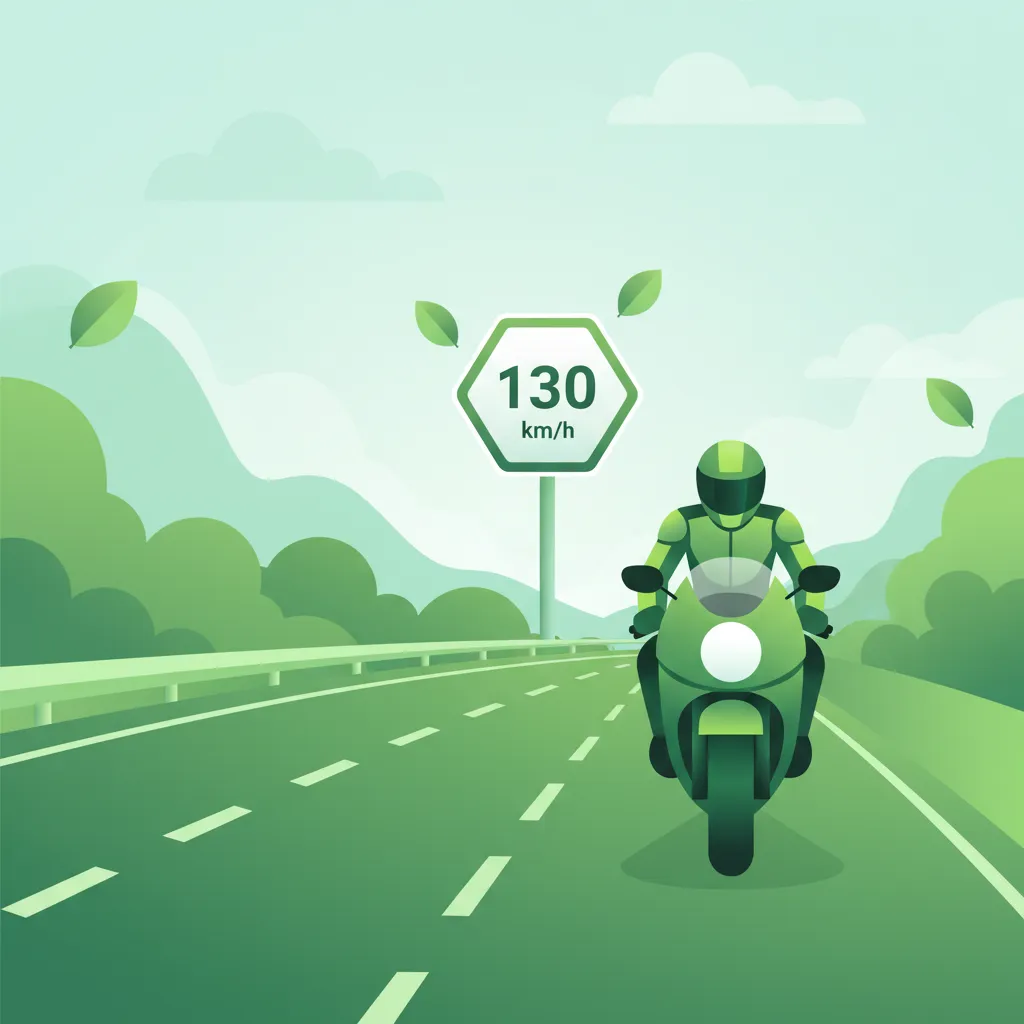
This lesson focuses on the specific skills required for managing speed on high-speed highways (autosnelwegen). You will learn the correct technique for accelerating on the on-ramp to smoothly merge with traffic flow. The content covers how to choose an appropriate cruising speed, maintain a safe following distance, and manage the aerodynamic effects of wind and turbulence from larger vehicles at high speeds.

This lesson clarifies the specific Dutch regulations concerning stopping and parking for motorcycles, including designated parking bays and rules for parking on pavements. It also covers the mandatory procedures for safely navigating tunnels, such as required lighting, lane discipline, and actions to take during a breakdown or emergency. By understanding these rules, riders can avoid fines and navigate these specific traffic situations with confidence.

This lesson revisits the concept of following distance, emphasizing its heightened importance in the high-speed motorway environment. It explains how increased speeds dramatically lengthen both reaction and braking distances, making a minimum two-to-three-second gap absolutely critical for safety. The content also stresses the importance of maintaining a space cushion to the sides, creating potential escape routes in case of sudden incidents in adjacent lanes.
This lesson focuses on the unique and densely packed hazards found in urban traffic environments. It teaches riders to develop a systematic scanning pattern to identify potential risks from multiple sources simultaneously, such as pedestrians stepping off curbs, car doors opening unexpectedly, and buses pulling out. The content also emphasizes the importance of managing speed and always having an 'escape route' planned in case a hazard suddenly materializes in the complex city landscape.
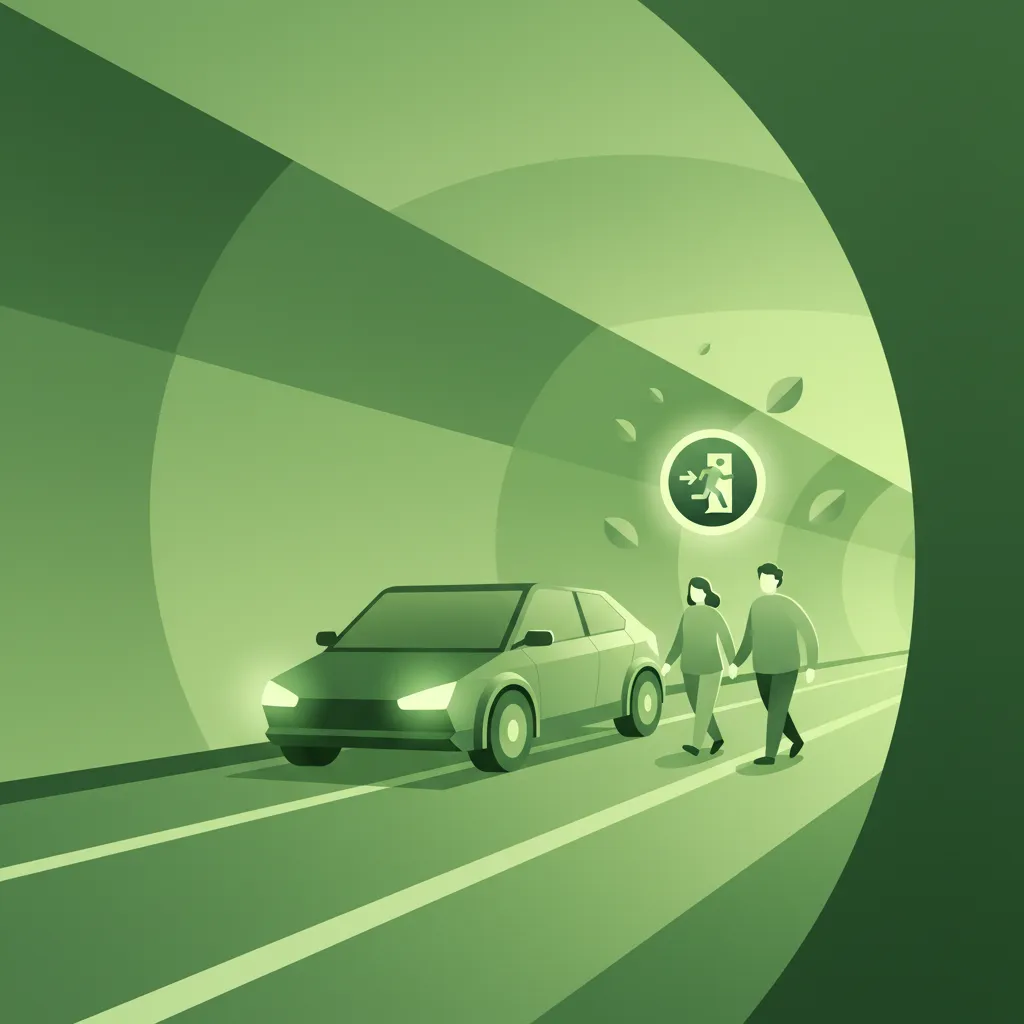
This lesson provides clear, life-saving instructions for handling an emergency stop inside a tunnel. It outlines the correct procedure: pull into an emergency bay if possible, activate hazard lights, turn off the engine, and leave the key. The content emphasizes the importance of moving to a safe location, using the emergency telephones to report the incident, and following all instructions from tunnel operators, including evacuation procedures if necessary.

This lesson details the critical manoeuvres of entering and exiting a highway. You will learn to use the full length of the on-ramp to accelerate to the speed of the highway traffic before looking for a safe gap to merge into. The content also covers the process of exiting, including signaling early, moving into the deceleration lane, and adjusting your speed for the off-ramp curve.

This lesson equips you with the knowledge to safely navigate special traffic situations. It covers the rules for riding through tunnels, including mandatory lighting, and the absolute priority of trains at level crossings, indicated by warning lights and barriers. You will also learn to recognize and react to the temporary signage and altered lane configurations typically found in road work zones, ensuring you can adapt your riding to maintain safety in these potentially hazardous environments.
Understand the specific Dutch traffic laws (RVV 1990) governing highway and tunnel riding for motorcycles. Covers speed limits, headlight use, lane discipline, emergency procedures, and required documentation for CBR A theory preparation.
This lesson details the specific regulations ('tunnelvoorschriften') and best practices for riding through tunnels in the Netherlands. It covers key rules such as removing sunglasses before entry, maintaining a safe following distance, and understanding tunnel-specific signage and traffic lights. The curriculum also explains the location and purpose of emergency exits and refuges, and the importance of tuning into the indicated radio frequency for emergency broadcasts.
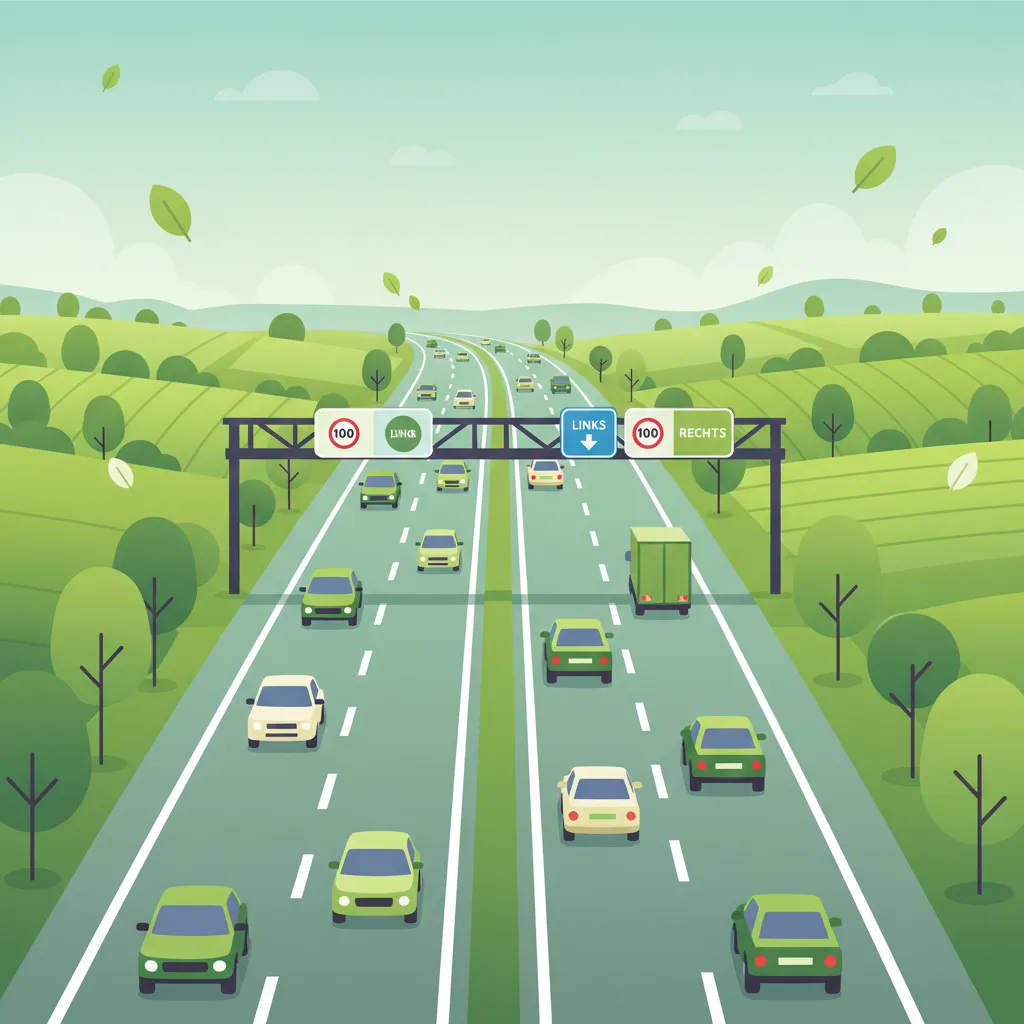
This lesson covers the specific articles of the Dutch Road Traffic Act that apply to motorways, with a primary focus on the strict rule of keeping to the rightmost available lane unless overtaking. It explains the legal and safety reasons for only passing on the left and discusses the correct positioning within a lane for maximum visibility and safety. The content also addresses the nuances of lane usage during heavy congestion, ensuring riders comply with the law and contribute to smooth traffic flow.
This lesson clarifies the specific Dutch regulations concerning stopping and parking for motorcycles, including designated parking bays and rules for parking on pavements. It also covers the mandatory procedures for safely navigating tunnels, such as required lighting, lane discipline, and actions to take during a breakdown or emergency. By understanding these rules, riders can avoid fines and navigate these specific traffic situations with confidence.
This lesson equips you with the knowledge to safely navigate special traffic situations. It covers the rules for riding through tunnels, including mandatory lighting, and the absolute priority of trains at level crossings, indicated by warning lights and barriers. You will also learn to recognize and react to the temporary signage and altered lane configurations typically found in road work zones, ensuring you can adapt your riding to maintain safety in these potentially hazardous environments.

This lesson covers safety procedures for specific infrastructure. You will learn the importance of using dipped headlights in tunnels and what to do in case of a breakdown or fire inside a tunnel. The curriculum explains how to respond to the warning lights and barriers at movable bridges and railway level crossings, emphasizing that you must always stop for flashing red lights. The meaning of the St. Andrew's Crosses, indicating the number of railway tracks, is also covered.

This lesson covers the universal Dutch road rules with a specific focus on their application to light motorcycles. It details the various speed limits for different road types, from urban areas to motorways, and explains the correct procedures for overtaking and lane positioning. The legal aspects of lane filtering in congestion are also examined, alongside mandatory equipment use like daytime running lights, to ensure riders can integrate safely and legally into traffic flow.

This lesson provides a detailed overview of the structure of Dutch traffic legislation, focusing on the Road Traffic Act (Wegenverkeerswet 1994) and its relationship with CBR regulations. It explains the hierarchy from national statutes to local ordinances and how these rules govern rider behavior in various traffic situations. Furthermore, the lesson clarifies the mechanisms for enforcement, the types of sanctions for non-compliance, and the legislative goal of ensuring road safety for all participants.
This lesson provides clear, life-saving instructions for handling an emergency stop inside a tunnel. It outlines the correct procedure: pull into an emergency bay if possible, activate hazard lights, turn off the engine, and leave the key. The content emphasizes the importance of moving to a safe location, using the emergency telephones to report the incident, and following all instructions from tunnel operators, including evacuation procedures if necessary.

This lesson reinforces the fundamental rule of Dutch highway driving: use the rightmost lane available and use the lanes to the left only for overtaking. You will learn the complete, safe overtaking procedure: check mirrors, signal, perform a shoulder check for the blind spot, smoothly move over, accelerate past the vehicle, and then return to the right lane when safe.
This lesson details the specific regulations for driving on Dutch motorways, identifiable by the G1 sign. You will learn the correct procedure for joining the flow of traffic using the acceleration lane and for leaving via the deceleration lane. The curriculum reinforces the 'keep right unless overtaking' rule for lane discipline. It also explains that stopping is strictly forbidden, and the hard shoulder (vluchtstrook) may only be used for genuine emergencies.
Find clear answers to common questions learners have about Hazard Identification on Highways and Tunnels. Learn how the lesson is structured, which driving theory objectives it supports, and how it fits into the overall learning path of units and curriculum progression in the Netherlands. These explanations help you understand key concepts, lesson flow, and exam focused study goals.
The primary risks include vehicles merging at different speeds, sudden braking due to congestion, the 'slipstream' effect from large vehicles creating instability, and potential road debris. Maintaining awareness and a safe distance are key to mitigating these dangers.
Tunnels introduce significant changes in light levels, often causing temporary blindness when entering or exiting. Road surfaces can also be more slippery due to condensation or residue. Furthermore, emergency exits and procedures are critical, and communication can be limited.
The slipstream effect, or aerodynamic turbulence, is caused by large vehicles like trucks and buses. This can buffet a motorcycle, causing instability. Motorcyclists should increase their following distance, avoid riding directly alongside large vehicles, and be prepared for sudden movements.
Yes, the CBR exam includes questions assessing your understanding of hazards specific to motorways and tunnels, including priority rules, speed management, and emergency situations. This lesson directly prepares you for those scenarios.
In case of a breakdown or emergency in a tunnel, it's crucial to try and reach an emergency bay if possible. If not, pull over safely, turn off your engine, activate hazard lights, and evacuate the vehicle if necessary, following the tunnel's safety instructions and signage.