
Welcome to the essential general road rules for A1 motorcycles in the Netherlands. This lesson builds upon your foundational knowledge of traffic laws, focusing specifically on how they apply to light motorcycles. You'll gain clarity on speed limits, safe overtaking, lane discipline, and crucial equipment requirements, all vital for navigating Dutch roads and succeeding in your CBR theory exam.
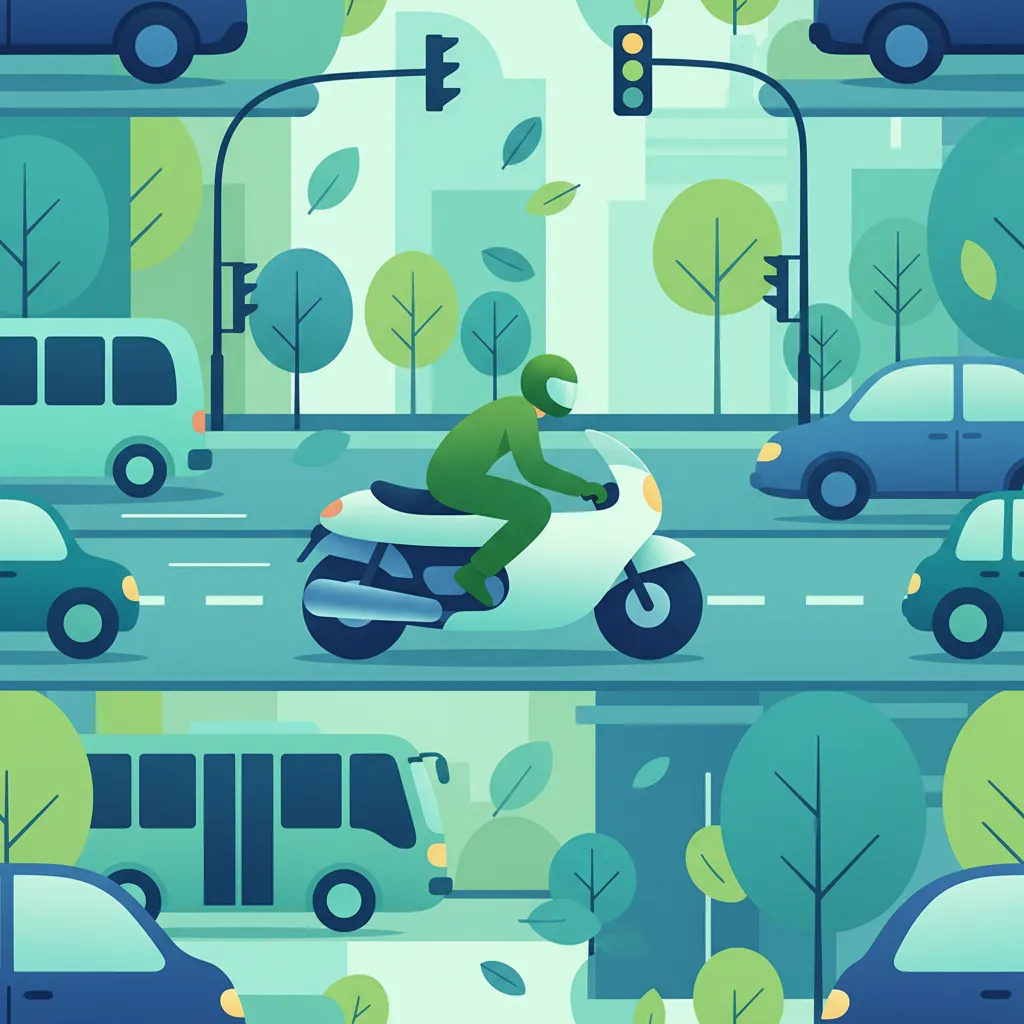
Navigating the roads on a light motorcycle (Category A1, specifically for vehicles up to 125cc and 11 kW) in the Netherlands requires a thorough understanding of the general traffic rules. These regulations are designed to ensure safety, maintain predictable traffic flow, and legally integrate all road users, including motorcyclists. This lesson will detail the universal Dutch road rules with a specific focus on their application to light motorcycles, covering everything from speed limits on various road types to the nuances of lane positioning, safe overtaking, and mandatory lighting.
Mastering these rules is not only crucial for successfully passing your CBR A1 theory exam but, more importantly, for safe and confident participation in Dutch traffic. We will explore the underlying safety principles and legal intentions behind these regulations, providing a solid foundation for responsible motorcycling.
Speed limits in the Netherlands are dynamic, varying significantly based on the type of road and specific local conditions. For light motorcycle riders, it is paramount to accurately identify the prevailing speed limit and adjust accordingly, always prioritizing safety over the posted maximum.
Within built-up areas, the default speed limit is 50 km/h. However, many urban zones, particularly residential streets and areas with high pedestrian or cyclist traffic, operate under a 30 km/h limit. These zones are typically indicated by distinct signage. Even lower limits apply in woonerven (living streets), where the speed must be adjusted to walking pace. Specific lanes designated as bromfietspad (low-speed motorcycle lanes) also often have lower limits, usually 30 km/h, to ensure safety for shared users.
Outside built-up areas, on single-carriageway rural roads, the general speed limit is 80 km/h. These roads can be winding and may have limited visibility, so it's essential to not only adhere to the posted limit but also to reduce speed further when conditions demand it, such as in adverse weather or on challenging curves.
Expressways, known as autowegen, typically have a speed limit of 100 km/h. These are high-speed roads that usually lack a hard shoulder and may have intersections at grade. While cars on motorways often have a minimum speed requirement, light motorcycles are generally not required to adhere to such minimums, allowing riders to choose a safe speed that matches their comfort and the bike's capabilities, as long as it does not unduly impede traffic.
Motorways, or autosnelwegen, represent the highest class of road in the Netherlands. The default maximum speed limit is 130 km/h, although this can be reduced to 100 km/h during certain daytime hours or in specific sections. These roads are characterized by physically separated lanes and grade-separated interchanges, designed for high-speed travel. Riders must always observe overhead gantries and roadside signs for temporary or time-dependent speed limit changes.
Always be aware of road signs, as temporary speed limits (due to roadworks, weather, or specific time slots) always override the default limits for any given road type.
Overtaking is a fundamental maneuver, but it must be executed with precision and caution to prevent collisions. Dutch traffic laws dictate strict guidelines for overtaking, particularly for motorcycles.
The primary method for overtaking another vehicle traveling in the same direction on Dutch roads is on the left side. Before initiating an overtake, a light motorcycle rider must perform several critical checks:
While left-side overtaking is the rule, there are specific, limited circumstances where overtaking on the right is permissible:
Certain situations and road markings strictly prohibit overtaking to prevent dangerous maneuvers:
Proper lane positioning is vital for a light motorcycle's visibility and safety. It ensures predictability for other road users and helps motorcyclists maintain adequate space for maneuvering.
On most single-lane roads or multi-lane roads where you are not actively overtaking, a light motorcycle rider should position themselves generally in the centre of the lane. This provides a good view of the road ahead, maximizes the rider's visibility to other drivers, and offers an escape route to either side if necessary. It also prevents other vehicles from attempting to squeeze past in the same lane.
It is incorrect and unsafe to "ride on the kerb" or close to the extreme edge of the lane, as this can reduce visibility, push you into debris, or invite other drivers to attempt unsafe overtaking maneuvers within your lane.
On Dutch motorways (autosnelwegen), light motorcycles are subject to the same lane discipline as other vehicles: you must primarily use the rightmost available lane. The left lanes are designated for overtaking. Once you have completed an overtaking maneuver, you must return to the rightmost lane as soon as it is safe to do so. Staying in a left lane unnecessarily, often called "lane hogging," is illegal and can impede faster traffic flow.
Bromfietspad (Low-Speed Motorcycle Lane)In some urban or rural areas, you may encounter a bromfietspad, a dedicated lane specifically marked for mopeds and light motorcycles. These lanes are often separated from general traffic and may have lower speed limits (e.g., 30 km/h). When a bromfietspad is present and available for your vehicle type, you are mandatory to use it and must not ride in the adjacent general traffic lanes.
Motorcycles are strictly prohibited from riding on bicycle lanes (fietspad) unless a specific bromfietspad sign indicates it is also for light motorcycles. Riding on a standard bicycle lane endangers cyclists and will result in fines.
Lane filtering, sometimes called "congestion filtering," is a specific maneuver that allows motorcycles to navigate between lanes of stopped or slow-moving traffic. In the Netherlands, this practice is legally permitted under strict conditions, recognizing the agility of motorcycles to help alleviate traffic congestion.
Lane filtering is allowed only on specific road types and under certain traffic conditions:
It is crucial to understand where lane filtering is strictly prohibited:
autosnelwegen (motorways) and autowegen (expressways), regardless of traffic speed.Bromfietspad: If a dedicated bromfietspad is available, you must use that lane instead of filtering between general traffic lanes.The legal framework for lane filtering aims to improve traffic flow while ensuring safety. Riders must constantly assess the situation, traffic density, and speed differential before attempting to filter. If in doubt, do not filter.
Visibility is a critical safety factor for motorcyclists, who have a smaller frontal profile compared to cars. Dutch law mandates specific lighting requirements to enhance a motorcycle's conspicuity day and night.
Light motorcycles are legally required to have their Daytime Running Lights (DRL) illuminated at all times while the vehicle is in motion. This includes clear daylight conditions. DRLs are designed to make the motorcycle more visible to other road users, reducing the risk of being overlooked. They must never be switched off during operation.
Beyond DRLs, full headlamps are required in specific situations:
Hazard warning lights (all turn indicators flashing simultaneously) are strictly for signaling a stationary danger or emergency. They are prohibited for use while the motorcycle is moving, as this can confuse other road users about your intentions (e.g., whether you are turning or simply passing).
Maintaining a safe following distance is a fundamental defensive riding technique that directly prevents rear-end collisions. While not always a specific statutory regulation with a fixed numerical value, it is a crucial best practice emphasized in Dutch rider training and CBR guidelines.
The commonly recommended standard for a safe following distance under normal, dry conditions is the two-second rule. This means you should maintain enough distance so that it takes at least two seconds for you to reach a fixed point on the road that the vehicle ahead of you just passed.
The two-second rule is a minimum for ideal conditions. In less favorable circumstances, you must significantly increase your following distance:
The Reglement Verkeersregels en Verkeerstekens 1990 (RVV 1990) is the foundational legal document for traffic rules in the Netherlands. Several articles directly impact light motorcycle riders:
fietspad) unless specific signage designates it as a bromfietspad also for motorcycles. This protects vulnerable cyclists from faster motorized traffic.Violation of RVV 1990 articles can lead to significant fines, and in some cases, points on your license or even temporary license suspension.
Understanding and adhering to general road rules is fundamental. Many common violations by light motorcycle riders stem from either a lack of awareness or misjudgment.
bromfietspad if available.Algemene Periodieke Keuring (APK) means your vehicle might not meet safety standards and is illegal.
Road rules are not static; they adapt to changing environmental and traffic conditions. Light motorcycle riders must apply conditional logic to ensure safety.
fietspad) unless it's a designated bromfietspad.Every road rule, seemingly simple or complex, is underpinned by principles of safety and the legal intent to create a harmonious traffic system. For light motorcycle riders, these principles are particularly critical due to the inherent vulnerability of two-wheeled vehicles.
By understanding the "why" behind these rules, you develop a more robust defensive riding mindset, contributing to your own safety and that of all others on the road.
Understanding rules in theory is one thing; applying them safely in dynamic traffic situations is another. These scenarios demonstrate how various rules interact.
Setting: A residential street in Amersfoort, marked 30 km/h. The sun is setting, and light levels are dropping.
Relevant Rules:
Correct Behaviour: The rider ensures their DRLs are on. As the light fades, they manually switch their low-beam headlamp on. They maintain a speed below 30 km/h, aware of potential children playing or pedestrians.
Incorrect Behaviour: The rider continues with only DRLs, believing it's still "light enough," and exceeds the 30 km/h limit to get home faster. This reduces their visibility to others and increases stopping distance in an area with vulnerable users.
Setting: Riding on the A2 motorway near Utrecht at 120 km/h, approaching a slower car traveling at 100 km/h in the rightmost lane. The left lane is clear.
Relevant Rules:
Correct Behaviour: The rider checks mirrors, signals left, performs a head check, moves into the left lane, accelerates past the slower car, and then, after seeing the car in their right mirror, signals right and returns to the rightmost lane.
Incorrect Behaviour: The rider overtakes and then stays in the left lane, even though the right lane is open, or attempts to overtake the car on the right side. Both actions violate lane discipline and create potential hazards.
Setting: A busy avenue in Rotterdam city centre, with a 50 km/h speed limit. Traffic is bumper-to-bumper, moving at an average of 10-15 km/h.
Relevant Rules:
Correct Behaviour: The rider assesses the traffic speed and density. Seeing it's genuinely congested and on a 50 km/h road, they carefully start filtering between the lanes, maintaining a safe lateral distance from cars and keeping their speed below 30 km/h, prepared to stop instantly.
Incorrect Behaviour: The rider tries to filter on the adjacent autoweg (expressway) where traffic is also slow due to an accident, or filters aggressively at 40 km/h through a 20 km/h traffic jam on the city avenue. Both actions are illegal and highly dangerous.
Setting: Riding on an N-weg (rural road) with an 80 km/h limit. Suddenly, thick fog reduces visibility to about 50 meters.
Relevant Rules:
Correct Behaviour: The rider immediately reduces speed well below 80 km/h, turns on their low-beam headlamps (DRLs are already on), and significantly increases their following distance to 3-4 seconds from the vehicle ahead. They avoid using high-beam, which would cause glare in the fog.
Incorrect Behaviour: The rider continues at 80 km/h, relies only on DRLs, and maintains a 2-second following distance, severely underestimating the reduced visibility and increased braking distance.
To solidify your understanding of these crucial road rules for light motorcycles, consider exploring related topics and practicing with specific questions.
Lesson content overview
Explore all units and lessons included in this driving theory course.
Explore search topics learners often look for when studying General Road Rules for Light Motorcycles. These topics reflect common questions about road rules, driving situations, safety guidance, and lesson level theory preparation for learners in the Netherlands.
Browse additional driving theory lessons that cover connected traffic rules, road signs, and common driving situations related to this topic. Improve your understanding of how different rules interact across everyday traffic scenarios.
Learn how general Dutch road rules for A1 motorcycles adapt to specific situations like adverse weather, tunnels, roadworks, and interacting with vulnerable road users. Essential theory for safe riding.

This lesson clarifies the specific Dutch regulations concerning stopping and parking for motorcycles, including designated parking bays and rules for parking on pavements. It also covers the mandatory procedures for safely navigating tunnels, such as required lighting, lane discipline, and actions to take during a breakdown or emergency. By understanding these rules, riders can avoid fines and navigate these specific traffic situations with confidence.
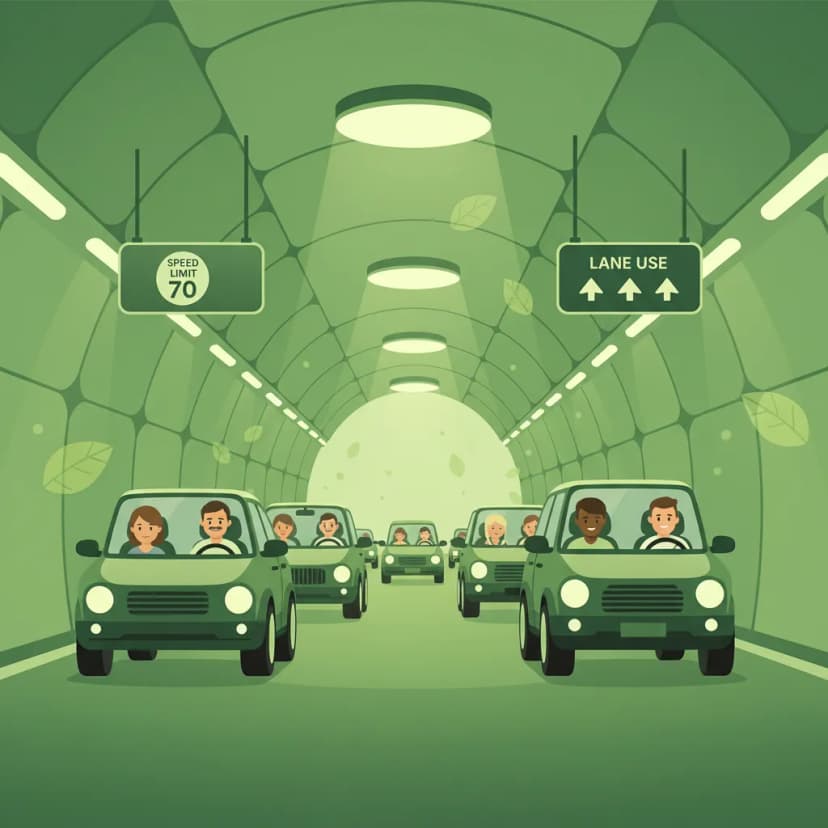
This lesson details the specific regulations ('tunnelvoorschriften') and best practices for riding through tunnels in the Netherlands. It covers key rules such as removing sunglasses before entry, maintaining a safe following distance, and understanding tunnel-specific signage and traffic lights. The curriculum also explains the location and purpose of emergency exits and refuges, and the importance of tuning into the indicated radio frequency for emergency broadcasts.

This lesson addresses the dual challenge of poor visibility: being able to see the road ahead and ensuring other road users can see you. It covers techniques for riding in fog and heavy rain, such as using appropriate lights and reducing speed to match sight distance. The lesson also discusses practical issues like helmet visor fogging and the importance of wearing high-visibility or reflective clothing to enhance conspicuity in low-light conditions.
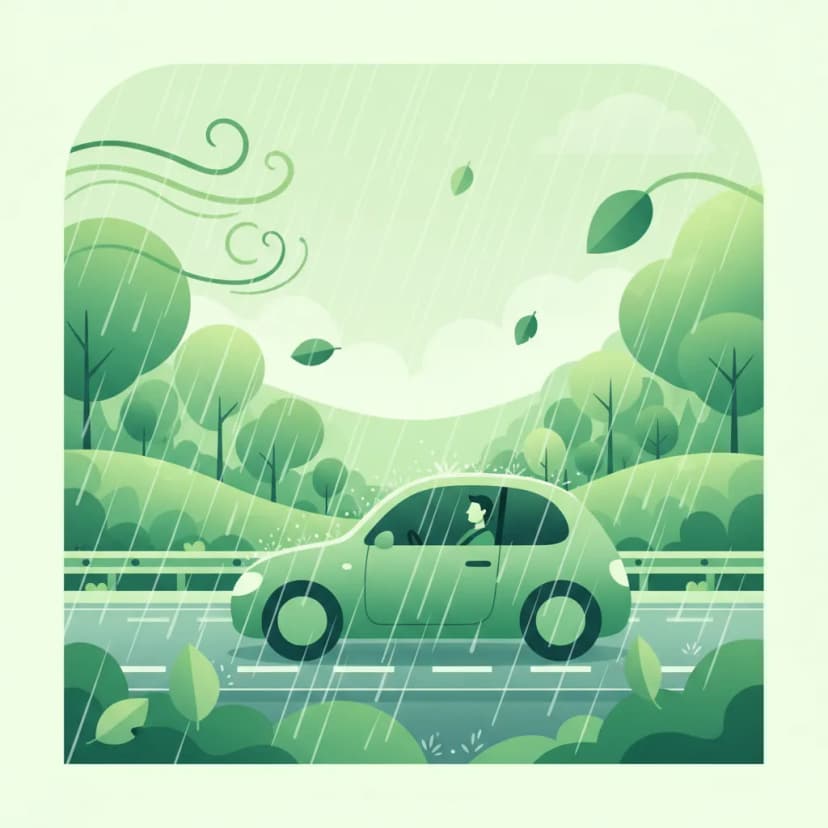
This lesson covers the critical decision-making process of when to stop riding altogether because weather conditions have become too hazardous to continue safely. It provides procedures for safely pulling off the road, finding suitable shelter, and making yourself and your motorcycle as visible as possible to other traffic. The content emphasizes that there is no shame in stopping, and that rider preservation is the highest priority when faced with extreme conditions like gale-force winds or torrential downpours.
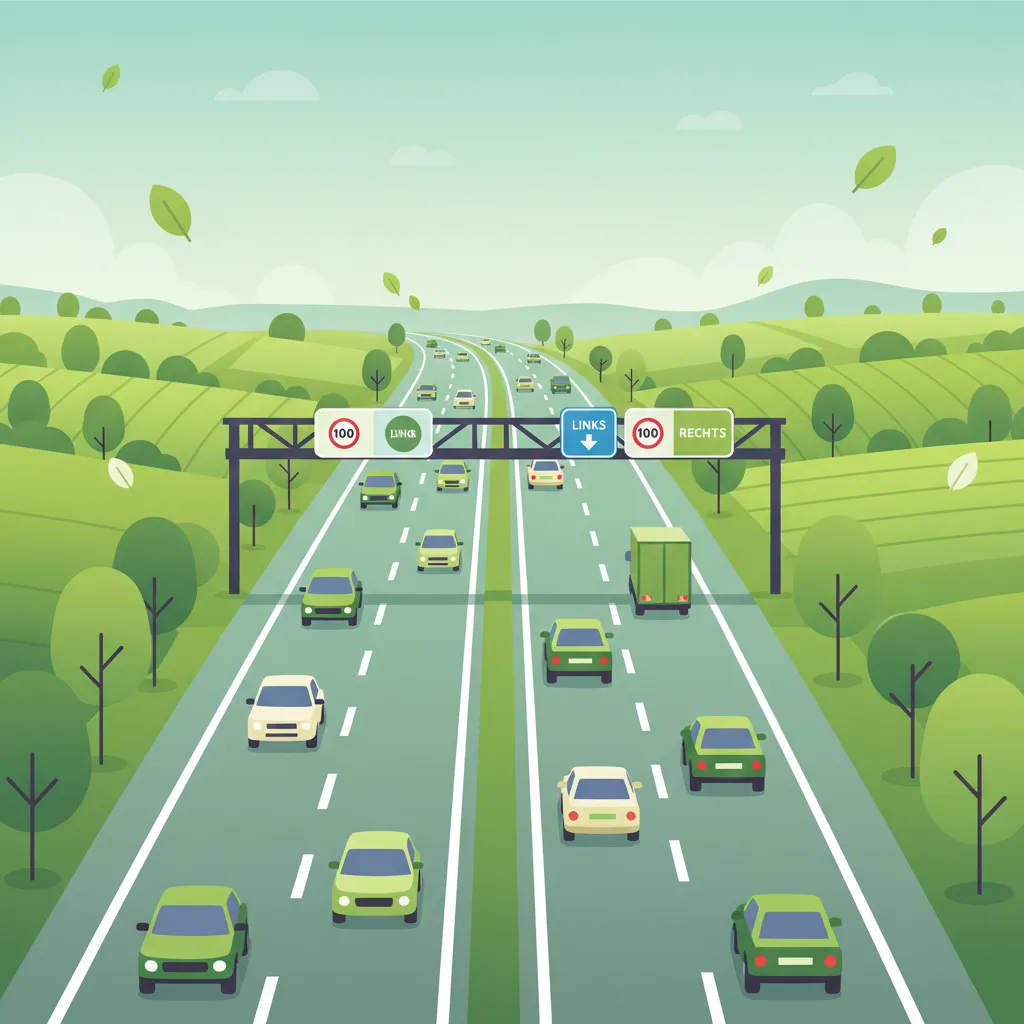
This lesson covers the specific articles of the Dutch Road Traffic Act that apply to motorways, with a primary focus on the strict rule of keeping to the rightmost available lane unless overtaking. It explains the legal and safety reasons for only passing on the left and discusses the correct positioning within a lane for maximum visibility and safety. The content also addresses the nuances of lane usage during heavy congestion, ensuring riders comply with the law and contribute to smooth traffic flow.
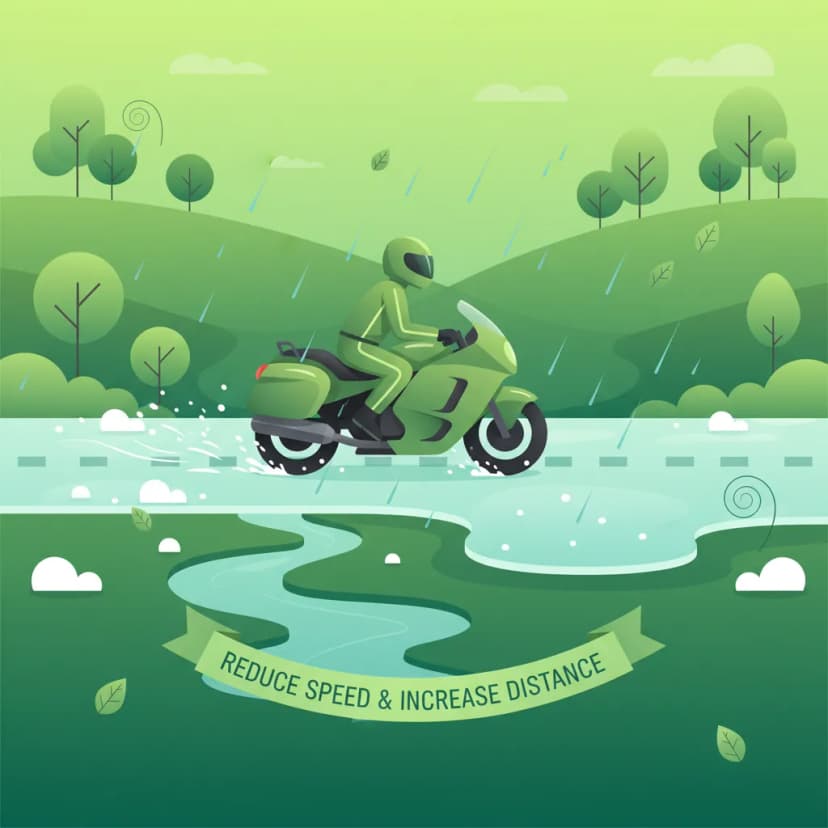
This lesson provides survival strategies for riding in the most challenging weather conditions, including heavy rain, snow, and potential ice. It emphasizes the importance of mental preparation, drastically reduced speeds, and hyper-smooth inputs for throttle, brakes, and steering. The content also covers identifying high-risk areas for 'black ice,' such as bridges and shaded spots, and the critical role of appropriate waterproof and insulated gear in preventing hypothermia and maintaining concentration.
This lesson covers the mandatory lighting and signaling equipment for A2 motorcycles under Dutch law, ensuring you remain visible and communicate your intentions correctly. You will learn the rules for using headlights, taillights, turn signals, and brake lights in various conditions, including daytime and adverse weather. The content also addresses the importance of maintaining this equipment and using hand signals as a valid secondary method of communication in traffic.
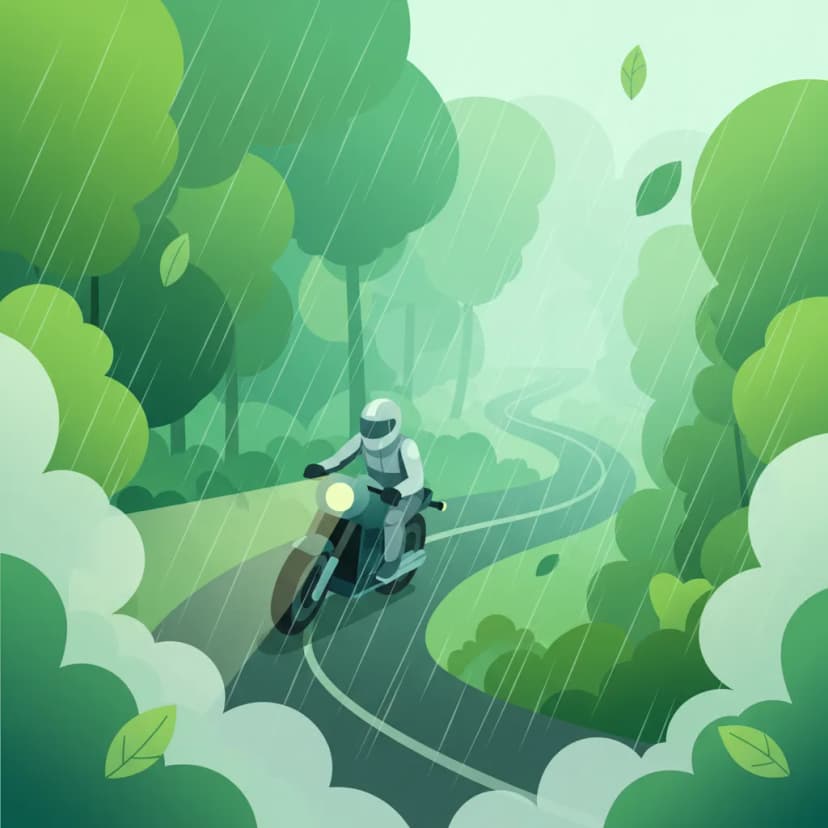
This lesson provides a detailed guide to riding in wet and low-visibility conditions. You will learn to make all your control inputs—braking, accelerating, and steering—exceptionally smooth to avoid breaking traction on slippery surfaces. The content covers the dangers of painted lines and manhole covers when wet, and the importance of increasing your following distance dramatically to account for longer braking distances.

This lesson explains how to counteract the effects of strong winds, which can easily upset a motorcycle's stability. It covers techniques like maintaining a relaxed grip on the handlebars and leaning into a steady crosswind. The lesson also addresses the impact of temperature, explaining how cold weather affects both the rider (risk of hypothermia, reduced concentration) and the motorcycle (reduced tire grip until warmed up), and emphasizes the need for appropriate protective gear.
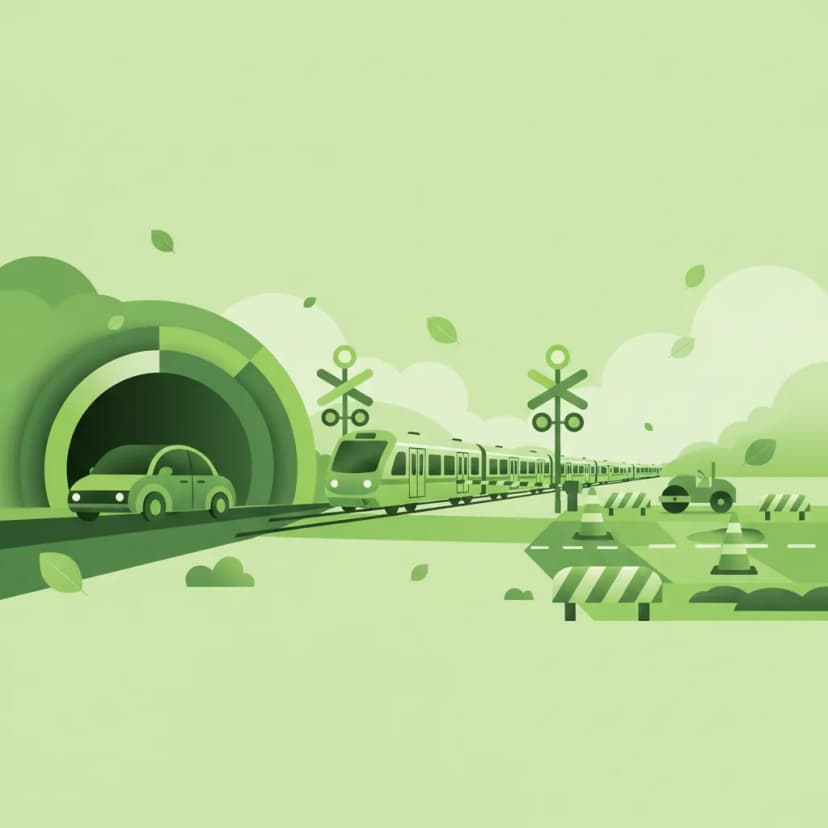
This lesson equips you with the knowledge to safely navigate special traffic situations. It covers the rules for riding through tunnels, including mandatory lighting, and the absolute priority of trains at level crossings, indicated by warning lights and barriers. You will also learn to recognize and react to the temporary signage and altered lane configurations typically found in road work zones, ensuring you can adapt your riding to maintain safety in these potentially hazardous environments.
Understand typical mistakes light motorcycle riders make with general Dutch road rules, including speed limits, lane discipline, and filtering. Learn how to avoid violations and improve safety.
This lesson covers the specific articles of the Dutch Road Traffic Act that apply to motorways, with a primary focus on the strict rule of keeping to the rightmost available lane unless overtaking. It explains the legal and safety reasons for only passing on the left and discusses the correct positioning within a lane for maximum visibility and safety. The content also addresses the nuances of lane usage during heavy congestion, ensuring riders comply with the law and contribute to smooth traffic flow.
This lesson clarifies the specific Dutch regulations concerning stopping and parking for motorcycles, including designated parking bays and rules for parking on pavements. It also covers the mandatory procedures for safely navigating tunnels, such as required lighting, lane discipline, and actions to take during a breakdown or emergency. By understanding these rules, riders can avoid fines and navigate these specific traffic situations with confidence.

This lesson covers A-code signs, which are designed to warn drivers of potential hazards on the road ahead. For motorcyclists, warnings about sharp bends, slippery surfaces, crosswinds, or falling rocks are especially critical for maintaining control and stability. The content explains how to interpret these triangular signs to anticipate changing conditions, adjust speed, and adopt a defensive riding posture well in advance of the hazard.
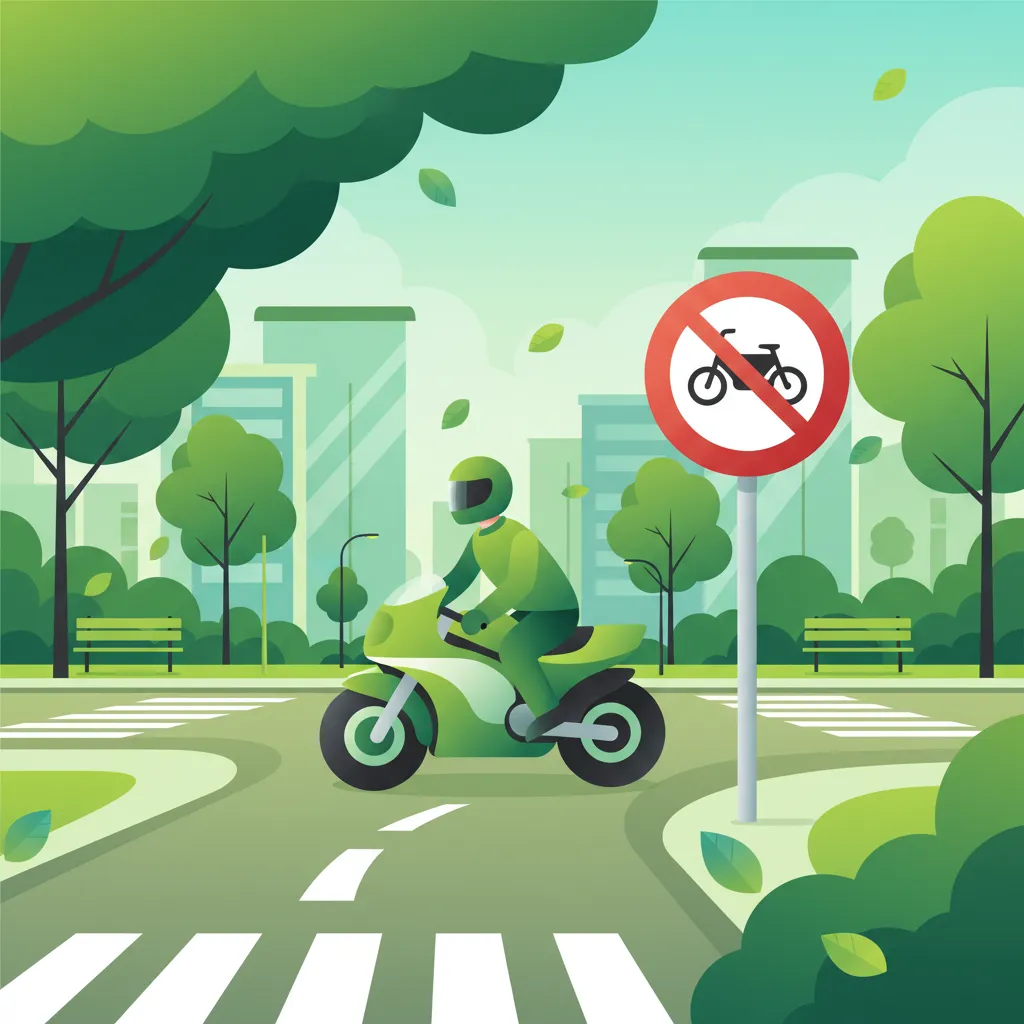
This lesson focuses on Dutch regulatory signs that enforce mandatory rules and restrictions, particularly those impacting A2 motorcyclists. You will learn to recognize and obey prohibition signs, such as those indicating a motorcycle ban (BORD 40), speed limits, and overtaking restrictions (BORD 21). The content explains the legal consequences of non-compliance and how to apply these rules in practical riding scenarios to ensure full adherence to Dutch traffic law.

This lesson provides a step-by-step guide to executing a safe and legal overtaking maneuver. It covers the entire process: assessing the situation for a sufficient gap in oncoming traffic, performing necessary mirror and shoulder checks, signaling intent, and accelerating decisively. The lesson also highlights situations where overtaking is prohibited by law, such as before pedestrian crossings or where there are solid white lines.
This lesson reinforces the fundamental rule of Dutch highway driving: use the rightmost lane available and use the lanes to the left only for overtaking. You will learn the complete, safe overtaking procedure: check mirrors, signal, perform a shoulder check for the blind spot, smoothly move over, accelerate past the vehicle, and then return to the right lane when safe.
This lesson clarifies the legal status and accepted code of conduct for filtering ('gedogen') between lanes of slow or stationary traffic in the Netherlands. It explains the conditions under which it is generally tolerated, such as maintaining a small speed differential. The content focuses heavily on the associated risks, including drivers changing lanes without looking and opening doors, and emphasizes the need for extreme caution and slow speed.
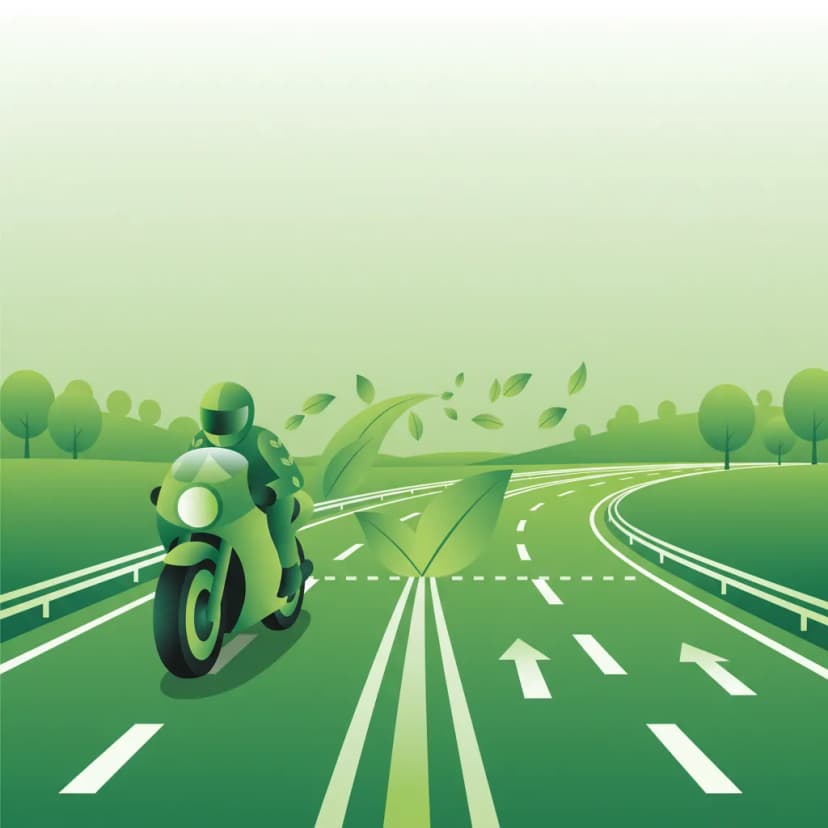
This lesson focuses on the meaning of different road markings and their implications for motorcycle lane discipline. You will learn the legal distinction between solid and broken lines regarding overtaking, how to interpret directional arrows for lane choice, and the rules for using special lanes. The content emphasizes maintaining a safe and strategic position within the lane to maximize visibility and create a safety buffer from other vehicles.

This lesson provides a detailed overview of the structure of Dutch traffic legislation, focusing on the Road Traffic Act (Wegenverkeerswet 1994) and its relationship with CBR regulations. It explains the hierarchy from national statutes to local ordinances and how these rules govern rider behavior in various traffic situations. Furthermore, the lesson clarifies the mechanisms for enforcement, the types of sanctions for non-compliance, and the legislative goal of ensuring road safety for all participants.

This lesson explains the precise legal definition of a Category A1 motorcycle, including the maximum 125cc displacement and 11 kW power output. It outlines the entire CBR licensing pathway, from meeting the minimum age requirement to passing both the theory and practical exams. Key administrative obligations such as vehicle registration (kenteken), mandatory insurance, and roadworthiness inspections (APK) are also detailed, ensuring a full understanding of legal compliance.
Find clear answers to common questions learners have about General Road Rules for Light Motorcycles. Learn how the lesson is structured, which driving theory objectives it supports, and how it fits into the overall learning path of units and curriculum progression in the Netherlands. These explanations help you understand key concepts, lesson flow, and exam focused study goals.
In built-up areas (binnen de bebouwde kom), the general speed limit is 50 km/h, unless otherwise indicated. Outside built-up areas (buiten de bebouwde kom) on roads without a physical separation from oncoming traffic, the limit is typically 80 km/h. On motorways (autosnelwegen), the general limit is 130 km/h, but this can be reduced to 100 km/h or 120 km/h depending on signage, and potentially lower during specific times (e.g., for nitrogen reduction). Always pay close attention to road signs.
Lane filtering (filteren) is generally permitted in congested traffic. You may ride between lanes of slow-moving or stationary traffic. It's crucial to do so at a safe speed, often no faster than walking pace, and to be highly aware of your surroundings, including other vehicles and pedestrians. You must not exceed the speed of the surrounding traffic and should always ensure there is enough space to maneuver safely.
Your lane position should maximize your visibility to other road users and provide a safety buffer. Typically, riding in the center or slightly to one side of the lane (often the left side in a single lane, or towards the right when preparing to overtake) is recommended. This makes you more visible and gives you space to react. Avoid riding in the gutter or too close to parked cars.
Yes, all motorcycles, including A1 category, must use their headlights (dim or dipped beam) during the day. This is to improve visibility for other road users, especially in various light conditions. Failing to use your lights can result in a fine and is a significant safety risk.
You must overtake on the left. Check your mirrors and blind spot, signal your intention, and ensure there is sufficient space and no oncoming traffic or hazards. Do not overtake at intersections, level crossings, or on blind bends. Always return to your lane once you have safely passed the vehicle, checking mirrors again.