
This foundational lesson kicks off your A1 motorcycle theory journey by diving into the specific legal requirements for light motorcycles in the Netherlands. You'll learn the precise definition of an A1 motorcycle, the full CBR licensing process, and crucial administrative obligations. This knowledge is essential for both your theory exam and understanding your responsibilities as an A1 rider.

Embarking on the journey to obtain your Dutch Category A1 motorcycle licence involves understanding a precise set of legal definitions, technical specifications, and a clear licensing pathway. This lesson provides a comprehensive overview of what constitutes an A1 motorcycle in the Netherlands, the steps required to earn your licence, and the administrative duties that ensure legal compliance on public roads. Mastery of these fundamentals is not only essential for passing your CBR theory and practical exams but also for ensuring your safety and legal standing as a motorcyclist.
The Dutch legal framework categorizes motor-controlled two-wheelers to provide a clear structure for licensing, registration, and safety standards. For the Category A1 licence, specific technical limitations define which motorcycles you are permitted to ride. These regulations are primarily outlined in the Reglement Verkeersregels en Verkeerstekens 1990 (RVV 1990).
A motorcycle falls under the Category A1 classification if it meets all of the following technical criteria:
All three criteria must be met simultaneously. If a motorcycle exceeds even one of these limits, it is no longer considered an A1-compliant vehicle and requires an A2 or A licence to be legally ridden.
While cylinder capacity and net power are straightforward, the power-to-weight ratio often leads to misunderstandings. This ratio prevents lightweight motorcycles with moderate power from being overly quick or agile for novice riders. For instance, a very light 125 cm³ motorcycle with 11 kW of power might still exceed the 0.1 kW/kg ratio if its dry weight is too low. Always check the vehicle's registration documents or manufacturer specifications carefully to ensure full compliance.
Any modification that increases the motorcycle's cylinder capacity or net power output can alter its legal classification. For example, installing a performance exhaust system or tuning the engine to increase power beyond 11 kW would reclassify the motorcycle from A1 to A2 or A. Riding a reclassified motorcycle with only an A1 licence is illegal and can lead to severe penalties, including fines, vehicle impoundment, and insurance invalidation. It is your responsibility to ensure your motorcycle remains compliant with A1 specifications at all times.
Obtaining your A1 motorcycle licence through the Centraal Bureau Rijvaardigheidsbewijzen (CBR) involves a structured progressive licensing system. This pathway ensures that riders gain theoretical knowledge and practical skills in a controlled and safe manner.
To even begin the A1 licensing process, you must meet two fundamental requirements:
The first official step in the A1 licensing pathway is passing the theory exam, known as Verkeersregels. This multiple-choice test is administered by the CBR and assesses your knowledge of Dutch traffic laws, road signs, and specific regulations relevant to light motorcycles.
The A1 theory exam consists of 45 questions. To pass, you must correctly answer at least 35 questions. Crucially, the exam includes specific questions pertaining to A1 motorcycle regulations, such as power limits and operational restrictions. Passing this exam awards you a theory certificate, which is valid for 1.5 years and is a prerequisite for applying for your provisional A1 licence and eventually taking the practical exam.
RVV 1990 and CBR guidelines. Pay special attention to category-specific rules for A1 motorcycles, as these are frequently tested.Upon successfully passing your theory exam, you can apply for a provisional A1 licence, often referred to as a voorschot. This temporary permission allows you to practice riding a compliant A1 motorcycle under specific conditions, preparing you for the practical exam.
autosnelwegen).Violating any of these conditions can lead to immediate revocation of your provisional licence and potential penalties. The provisional licence is designed to provide a safe, controlled environment for skill development before you are granted full riding privileges.
The final step to obtaining your full A1 licence is passing the practical driving test, conducted by the CBR. This hands-on exam assesses your ability to control a motorcycle, perform various manoeuvres, and navigate traffic safely and in compliance with all rules.
The practical exam typically has two parts:
To be eligible for the practical exam, you must hold a valid theory certificate and a provisional A1 licence. Successful completion of the practical exam grants you a full A1 licence, which is valid for 10 years and subject to renewal.
Beyond obtaining your licence, several administrative and operational obligations must be met to legally ride an A1 motorcycle on Dutch public roads. These rules ensure traceability, financial responsibility, and vehicle safety.
Every road-legal motor vehicle in the Netherlands, including A1 motorcycles, must be nationally registered. This process with the Rijksdienst voor het Wegverkeer (RDW) assigns a unique licence plate (kenteken) and issues a registration certificate (kentekencard).
When you purchase a motorcycle, you are legally required to register it with the RDW within two weeks. This process typically involves providing proof of ownership, valid insurance, and ensuring the vehicle's roadworthiness. Riding an unregistered motorcycle is illegal and can result in significant fines and vehicle impoundment.
In the Netherlands, it is mandatory to have Wettelijk Aansprakelijkheidsverzekeringswet (WA) insurance for all motor vehicles that use public roads. This third-party liability insurance covers damages or injuries you might cause to other road users or their property.
Riding a motorcycle without valid WA insurance is a criminal offence. It can lead to vehicle seizure, hefty fines, and the suspension of your driving licence. Furthermore, any costs resulting from an accident you cause will fall entirely on you if you are uninsured.
The Algemene Periodieke Keuring (APK) is a periodic technical inspection designed to ensure vehicles meet safety and environmental standards. For A1 motorcycles (which typically fall under the >125cc category for APK purposes, as the category technically covers up to 125cc displacement):
The APK checks critical components such as brakes, lights, exhaust systems, tire tread depth, and chassis integrity. Driving a motorcycle without a valid APK means it is legally unroadworthy, leading to fines and potential invalidation of your insurance coverage in the event of an accident.
Specific operational restrictions apply to A1 licence holders:
autosnelwegen). These high-speed, limited-access roads are deemed too demanding for novice riders. The only rare exception is if the motorcycle is equipped with a side-car that meets specific regulatory standards.Compliance with these restrictions is vital for avoiding fines and ensuring your safety and the safety of others.
Understanding and adhering to the A1 regulations is crucial to avoid legal issues. Here are some common violations and their potential consequences:
Staying informed and regularly verifying your motorcycle's compliance and your licence status are paramount for safe and legal riding.
Successfully navigating the world of Dutch A1 motorcycling requires diligent attention to both the technical specifications of your vehicle and the legal requirements for your licence. Here's a summary of the critical points:
kenteken) with the RDW within two weeks of purchase, have mandatory WA liability insurance, and undergo regular APK inspections (first after four years, then every two years).Understanding these rules ensures you remain a responsible and legally compliant motorcyclist in the Netherlands, contributing to safer roads for everyone.
Lesson content overview
Explore all units and lessons included in this driving theory course.
Explore search topics learners often look for when studying Legal Definition & Licence Requirements. These topics reflect common questions about road rules, driving situations, safety guidance, and lesson level theory preparation for learners in the Netherlands.
Browse additional driving theory lessons that cover connected traffic rules, road signs, and common driving situations related to this topic. Improve your understanding of how different rules interact across everyday traffic scenarios.
Understand the complete CBR A1 licence application process, including age, prior AM licence requirements, theory exam details, provisional licence rules, and practical exam stages. Learn about ongoing obligations for legal riding.
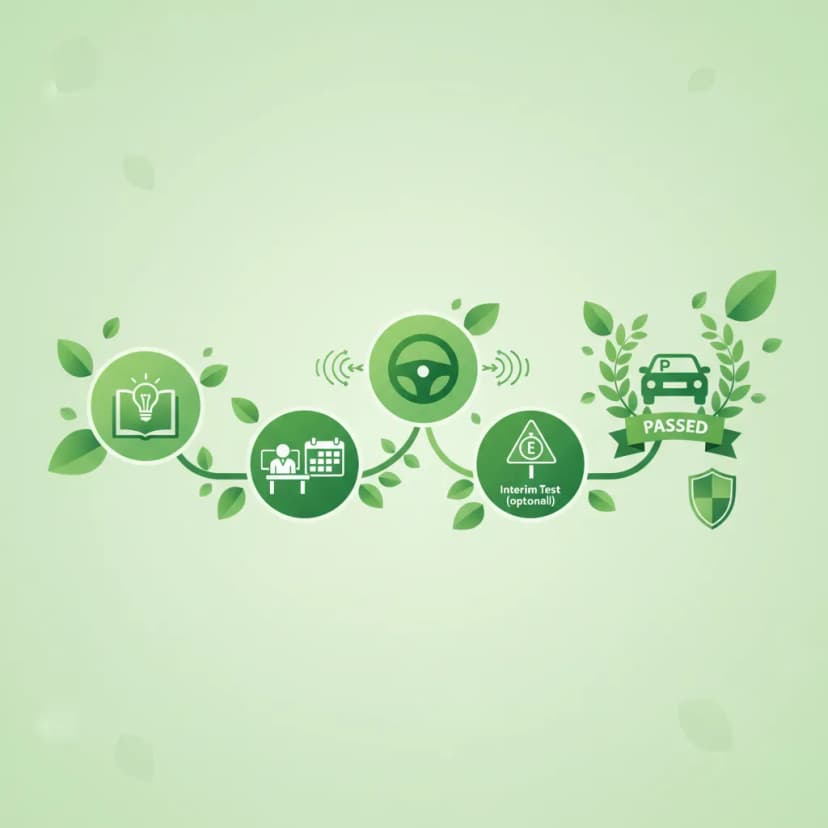
This lesson outlines every stage of the motorcycle licensing pathway, from the initial application to the successful completion of the CBR theory and practical examinations. It explains the mandatory documentation, exam scheduling procedures, and the specific composition of the theory test, including hazard perception and knowledge questions. The content also covers important procedural details such as re-examination policies, time limits for completion, and the legal validity of the final issued driver's license.
This lesson provides a definitive list of the documents a motorcyclist must carry at all times when riding in the Netherlands. It specifies the requirement for a valid driving license ('rijbewijs') for the correct category, the vehicle registration card ('kentekenbewijs'), and proof of valid third-party liability insurance ('verzekeringsbewijs'). The content clarifies that failure to produce these documents during a police check can result in significant fines and legal complications.
This lesson covers the mandatory lighting and signaling equipment for A2 motorcycles under Dutch law, ensuring you remain visible and communicate your intentions correctly. You will learn the rules for using headlights, taillights, turn signals, and brake lights in various conditions, including daytime and adverse weather. The content also addresses the importance of maintaining this equipment and using hand signals as a valid secondary method of communication in traffic.
This lesson covers the universal Dutch road rules with a specific focus on their application to light motorcycles. It details the various speed limits for different road types, from urban areas to motorways, and explains the correct procedures for overtaking and lane positioning. The legal aspects of lane filtering in congestion are also examined, alongside mandatory equipment use like daytime running lights, to ensure riders can integrate safely and legally into traffic flow.
This lesson details the precise technical and legal definitions distinguishing Category A motorcycles from other vehicle classes in the Netherlands. It explores key parameters such as engine capacity, minimum power output, and power-to-weight ratios, clarifying how these factors dictate licensing requirements for unrestricted bikes. Learners will also gain insight into the European harmonisation of motorcycle categories and its implications for vehicle registration and cross-border travel.

This lesson details the Dutch regulations for carrying passengers on a motorcycle, including the minimum age for the passenger and the mandatory use of approved helmets. It explains the rider's legal responsibility for the passenger's safety and how to properly secure loads to avoid affecting the motorcycle's stability and balance. Understanding these rules is crucial for ensuring safety and legality when riding with a pillion or luggage.

This lesson clarifies the specific Dutch regulations concerning stopping and parking for motorcycles, including designated parking bays and rules for parking on pavements. It also covers the mandatory procedures for safely navigating tunnels, such as required lighting, lane discipline, and actions to take during a breakdown or emergency. By understanding these rules, riders can avoid fines and navigate these specific traffic situations with confidence.
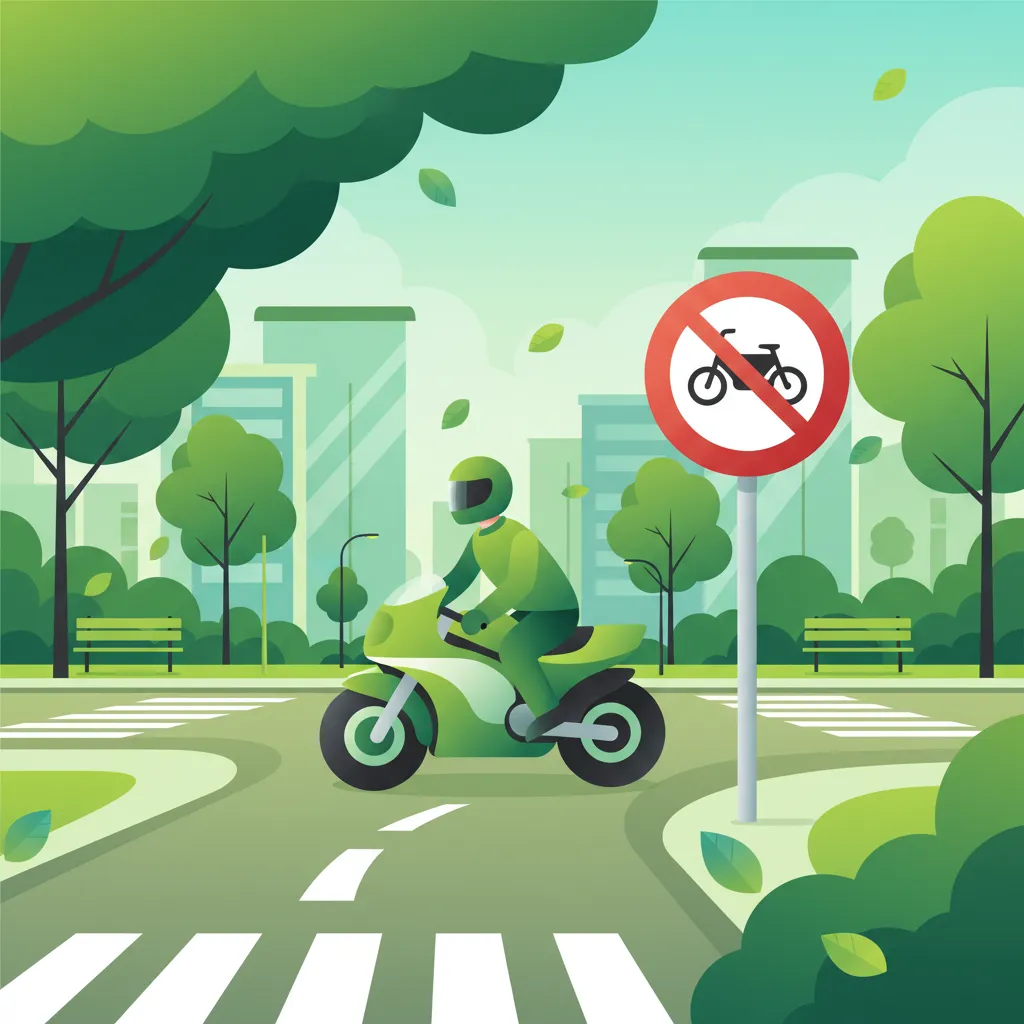
This lesson focuses on Dutch regulatory signs that enforce mandatory rules and restrictions, particularly those impacting A2 motorcyclists. You will learn to recognize and obey prohibition signs, such as those indicating a motorcycle ban (BORD 40), speed limits, and overtaking restrictions (BORD 21). The content explains the legal consequences of non-compliance and how to apply these rules in practical riding scenarios to ensure full adherence to Dutch traffic law.

This lesson provides a step-by-step guide to executing a safe and legal overtaking maneuver. It covers the entire process: assessing the situation for a sufficient gap in oncoming traffic, performing necessary mirror and shoulder checks, signaling intent, and accelerating decisively. The lesson also highlights situations where overtaking is prohibited by law, such as before pedestrian crossings or where there are solid white lines.

This lesson outlines the precise age requirements for obtaining and holding a Category AM driving license in the Netherlands. It details the minimum age for operating various AM vehicles and explains the validity period of the license and the renewal process. Furthermore, the content clarifies how an AM license relates to other categories like B (car) or A (motorcycle), and what age-related restrictions may apply to novice riders. This knowledge is crucial for ensuring full legal compliance from the start of your riding journey.
Master the strict technical definitions for A1 motorcycles (125cc, 11kW, power-to-weight ratio) and understand mandatory administrative requirements like kenteken registration, WA insurance, and APK inspections for legal operation.
This lesson covers the mandatory lighting and signaling equipment for A2 motorcycles under Dutch law, ensuring you remain visible and communicate your intentions correctly. You will learn the rules for using headlights, taillights, turn signals, and brake lights in various conditions, including daytime and adverse weather. The content also addresses the importance of maintaining this equipment and using hand signals as a valid secondary method of communication in traffic.
This lesson covers the universal Dutch road rules with a specific focus on their application to light motorcycles. It details the various speed limits for different road types, from urban areas to motorways, and explains the correct procedures for overtaking and lane positioning. The legal aspects of lane filtering in congestion are also examined, alongside mandatory equipment use like daytime running lights, to ensure riders can integrate safely and legally into traffic flow.
This lesson details the precise technical and legal definitions distinguishing Category A motorcycles from other vehicle classes in the Netherlands. It explores key parameters such as engine capacity, minimum power output, and power-to-weight ratios, clarifying how these factors dictate licensing requirements for unrestricted bikes. Learners will also gain insight into the European harmonisation of motorcycle categories and its implications for vehicle registration and cross-border travel.
This lesson provides a definitive list of the documents a motorcyclist must carry at all times when riding in the Netherlands. It specifies the requirement for a valid driving license ('rijbewijs') for the correct category, the vehicle registration card ('kentekenbewijs'), and proof of valid third-party liability insurance ('verzekeringsbewijs'). The content clarifies that failure to produce these documents during a police check can result in significant fines and legal complications.
This lesson focuses on Dutch regulatory signs that enforce mandatory rules and restrictions, particularly those impacting A2 motorcyclists. You will learn to recognize and obey prohibition signs, such as those indicating a motorcycle ban (BORD 40), speed limits, and overtaking restrictions (BORD 21). The content explains the legal consequences of non-compliance and how to apply these rules in practical riding scenarios to ensure full adherence to Dutch traffic law.

This lesson provides an overview of the motor vehicle insurance system in the Netherlands, explaining the mandatory third-party liability insurance ('WA-verzekering'). It outlines the process for filing an insurance claim after an accident and the factors that are considered when determining liability or fault. Understanding this process is important for navigating the financial and legal consequences of a collision.
This lesson details the Dutch regulations for carrying passengers on a motorcycle, including the minimum age for the passenger and the mandatory use of approved helmets. It explains the rider's legal responsibility for the passenger's safety and how to properly secure loads to avoid affecting the motorcycle's stability and balance. Understanding these rules is crucial for ensuring safety and legality when riding with a pillion or luggage.
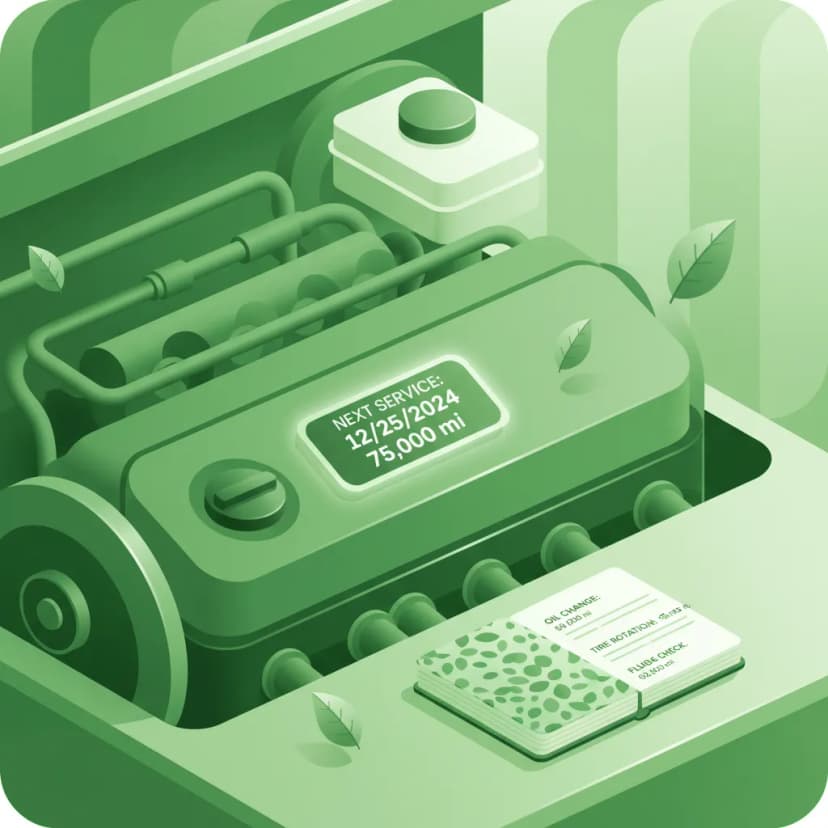
This lesson highlights the importance of adhering to the manufacturer's recommended maintenance schedule, which can be found in the owner's manual. It explains that regular servicing by qualified technicians is vital for long-term reliability and safety. The lesson also discusses the benefits of keeping a detailed service log, which not only helps track maintenance needs but also preserves the motorcycle's resale value.

This lesson outlines the rider's responsibility for ensuring their motorcycle's engine and exhaust system comply with Dutch legal standards. It covers basic but vital pre-ride checks, such as verifying engine oil and coolant levels. A significant focus is placed on exhaust compliance, explaining the regulations regarding noise levels ('geluidseisen') and the rules surrounding aftermarket exhaust systems, including the requirement for approved markings and the use of 'dB-killers'.
This lesson clarifies the specific Dutch regulations concerning stopping and parking for motorcycles, including designated parking bays and rules for parking on pavements. It also covers the mandatory procedures for safely navigating tunnels, such as required lighting, lane discipline, and actions to take during a breakdown or emergency. By understanding these rules, riders can avoid fines and navigate these specific traffic situations with confidence.
Find clear answers to common questions learners have about Legal Definition & Licence Requirements. Learn how the lesson is structured, which driving theory objectives it supports, and how it fits into the overall learning path of units and curriculum progression in the Netherlands. These explanations help you understand key concepts, lesson flow, and exam focused study goals.
In the Netherlands, an A1 motorcycle has a maximum cylinder capacity of 125cc. It also has specific power limits of up to 11 kW (kilowatts) and a power-to-weight ratio of no more than 0.1 kW per kilogram. This definition is crucial for the CBR theory exam.
Yes, in the Netherlands, you can take the A1 motorcycle theory exam from the age of 16. However, you must be at least 17 years old to start practical lessons and 18 to take the practical exam and receive your A1 licence.
'Kenteken' refers to the vehicle registration number and associated documentation in the Netherlands. For your A1 motorcycle, having a valid kenteken is a legal requirement. It's essential for identifying your vehicle and is linked to mandatory insurance and ownership records, which are frequently tested topics.
Unlike cars, motorcycles in the Netherlands are generally not subject to mandatory periodic vehicle inspections (APK). However, you are still responsible for ensuring your A1 motorcycle is roadworthy and safe at all times, which includes regular maintenance.
No, an A1 licence explicitly limits the engine capacity to a maximum of 125cc, in addition to the 11 kW power output and power-to-weight ratio. Even if a larger motorcycle is restricted in power, its engine size would exceed the A1 legal definition in the Netherlands.