
Logo
Dutch Driving Theory Courses

Lesson 6 of the Vehicle Inspection, Maintenance, and Documentation unit

Dutch Motorcycle Theory A: Required Documentation (rijbewijs, verzekeringsbewijs, kenteken)

This lesson details all mandatory documents Category A motorcyclists must carry in the Netherlands. Understanding requirements like your rijbewijs, kentekenbewijs, and verzekeringsbewijs is crucial for legal compliance and avoiding hefty fines during police checks. It's a key part of your legal responsibilities for the Dutch CBR theory exam and safe riding.
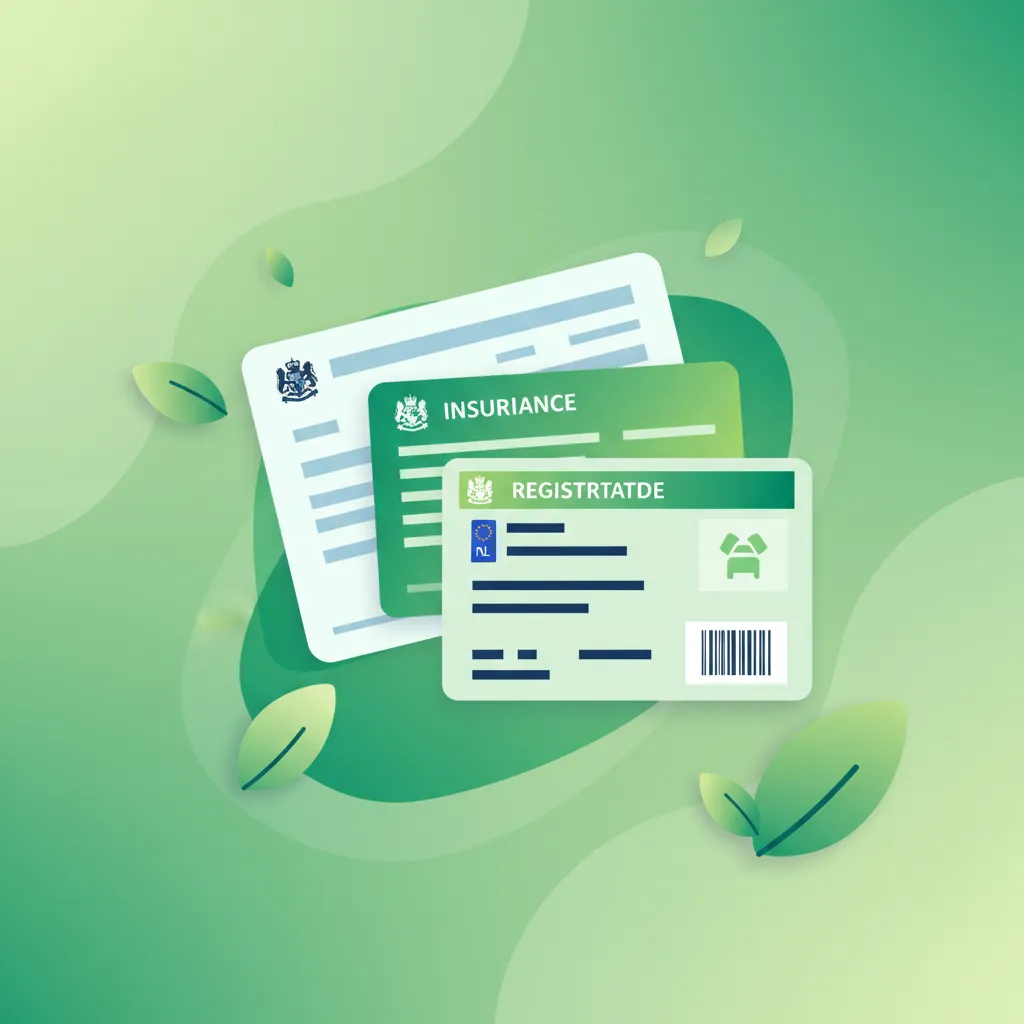
Dutch motorcycle documentsCBR Category Arijbewijskentekenbewijsverzekeringsbewijs
Dutch Motorcycle Theory A: Required Documentation (rijbewijs, verzekeringsbewijs, kenteken)
Dutch Motorcycle Theory A

Essential Documentation for Motorcyclists in the Netherlands

Riding a motorcycle in the Netherlands is an exhilarating experience, offering freedom and efficiency on the open road. However, this privilege comes with significant responsibilities, including ensuring you always carry the correct and valid documentation. This lesson, part of your Dutch Motorcycle Theory – Category A Comprehensive Preparation, provides a definitive guide to the essential documents every motorcyclist must possess when riding on public roads. Failure to produce these documents during a police check can lead to substantial fines, vehicle impoundment, and severe legal consequences.

Carrying the right documents isn't just a bureaucratic formality; it's a fundamental aspect of road safety, legal compliance, and personal accountability. These documents collectively prove your entitlement to ride, the vehicle's lawful registration, and that you are financially covered for potential damages to third parties.

The underlying logic behind these requirements is multi-faceted:

  • Safety and Accountability: Official documents allow law enforcement to quickly identify both the rider and the motorcycle. This is vital for enforcing traffic rules, investigating incidents, and attributing liability after an accident. Without proper identification, the system of traffic law enforcement would quickly break down.
  • Insurance Fraud Prevention: Requiring proof of third-party liability insurance guarantees that victims of an accident can receive compensation for damages or injuries, even if the responsible party cannot pay directly. This protects innocent parties and maintains the integrity of the insurance system.
  • Regulatory Consistency: Standardized documentation simplifies roadside inspections, tolling systems, and cross-border verification, making it easier for authorities to manage road traffic and ensure compliance across the Netherlands and within the European Union.

Tip

Always treat your essential motorcycle documents with the same care as your personal identification. They are your legal passport to riding.

The Three Mandatory Documents for Dutch Motorcyclists

When riding a motorcycle in the Netherlands, there are three primary documents you must carry at all times. These are your driving licence, the vehicle registration certificate, and proof of third-party liability insurance.

1. Your Driving Licence (Rijbewijs)

The driving licence, or rijbewijs in Dutch, is a government-issued identity card that confirms your legal entitlement to operate a motor vehicle. For motorcyclists, it specifically denotes the category of motorcycle you are permitted to ride.

Definition

Rijbewijs

The official Dutch driving licence, a government-issued card confirming legal authorization to operate specific vehicle categories, including motorcycles (A1, A2, A).

Motorcycle Licence Categories in the Netherlands

The Netherlands, like other EU countries, uses a progressive access system for motorcycle licences, meaning you typically start with a lower power category and can upgrade over time:

  • Rijbewijs A1: This licence category allows you to ride light motorcycles with a maximum engine capacity of 125 cc and a maximum power output of 11 kW. The minimum age for obtaining an A1 licence is 18 years.
  • Rijbewijs A2: This intermediate licence permits you to ride medium motorcycles with a maximum power output of 35 kW. You must be at least 20 years old to obtain an A2 licence, often after holding an A1 licence for a certain period.
  • Rijbewijs A: This is the full, unrestricted motorcycle licence, allowing you to ride any motorcycle, regardless of power or engine capacity. You can obtain this licence at 24 years old directly, or at 21 years old if you have held an A2 licence for at least two years.

Practical Meaning and Requirements

Your rijbewijs must always be in your physical possession when you are riding. This usually means carrying it in your wallet or a secure pocket. It must be unexpired and not subject to any suspension or revocation (known as an ontzegging or driving ban).

Warning

Riding with an expired, suspended, or revoked licence, or a licence that does not cover the category of motorcycle you are operating, is a serious traffic offence that can result in significant fines, vehicle impoundment, and further legal penalties.

Common Misunderstandings About Your Rijbewijs

Some riders mistakenly believe that any "green licence" (referring to the credit-card sized European format) automatically grants full motorcycle privileges, or that an international driving permit negates the need for a proper Dutch conversion if residing in the Netherlands. Always ensure your licence is specifically for the correct motorcycle category and is valid under Dutch law.

2. Vehicle Registration Certificate (Kentekenbewijs)

The kentekenbewijs is the official document issued by the Rijksdienst voor het Wegverkeer (RDW), the Dutch vehicle authority. This certificate officially links your motorcycle's unique registration number (kenteken) to its technical specifications and its registered owner.

Definition

Kentekenbewijs

The official Dutch vehicle registration certificate issued by the RDW, containing the motorcycle's registration number, VIN, technical data, and registered owner details.

Components of the Kentekenbewijs

The kentekenbewijs typically consists of two parts:

  • Kentekenbewijs Part I (Card): This is the physical card, similar to a credit card, which contains the vehicle's registration number, chassis number (VIN), and the registered owner's details. This part must be kept in the motorcycle or readily available, as it is the most frequently requested document during roadside checks.
  • Kentekenbewijs Part II (Registration Code): This part consists of two numerical codes (tenaamstellingscode) that you receive when registering a vehicle or transferring ownership. These codes are essential for selling the motorcycle or changing its registration details. You should keep these codes secure and separate from the Part I card, ideally at home, to prevent unauthorized transfers if your card is lost or stolen.

Practical Meaning and Requirements

The Kentekenbewijs Part I (card) must be kept inside the motorcycle or immediately accessible to the rider. Many motorcyclists use a waterproof holder affixed to the bike or carry it in a secure compartment. The registration number itself must also be visibly displayed on the motorcycle's licence plates, which must be clean and unobstructed at all times.

Tip

When you purchase a second-hand motorcycle, you are legally required to update the registration with the RDW within 7 days. This process ensures the kentekenbewijs reflects the current owner. Riding with the previous owner's registration can lead to complications and fines.

Common Misunderstandings About Your Kentekenbewijs

It is incorrect to assume that temporary plates (kentekenplaten) or a vehicle inspection sticker can substitute for the official kentekenbewijs. Always ensure you have the valid, official certificate for the specific motorcycle you are riding.

3. Proof of Third-Party Liability Insurance (Verzekeringsbewijs)

Dutch law mandates that every motor vehicle on public roads must have valid third-party liability insurance, known as Wet Aansprakelijkheidsverzekering Motorvoertuigen (WA-verzekering). The verzekeringsbewijs is the document proving this compulsory coverage.

Definition

Verzekeringsbewijs

Proof of compulsory third-party liability insurance for a motor vehicle in the Netherlands, typically a green insurance card or verifiable electronic proof.

Types of Insurance Proof

  • Printed Green Card: This is a physical card provided by your insurer, internationally recognized across the EU and many other countries (hence "green card"). It details your policy number, vehicle information, and the period of validity.
  • Electronic Proof (e-proof): Many insurers now offer digital proof, often accessible via a QR code or through their dedicated mobile application. While increasingly accepted, riders should ensure they can reliably access this proof, even without network coverage or with a flat phone battery.

Practical Meaning and Requirements

Similar to the kentekenbewijs, your verzekeringsbewijs must be either physically present in the motorcycle (e.g., in a waterproof holder) or readily available on your smartphone for immediate display upon request. The insurance must be continuous; any lapse, even for a single day due to a missed renewal, invalidates the proof and means you are riding uninsured.

Common Misunderstandings About Your Verzekeringsbewijs

A common misconception is believing that older motorcycles are exempt from WA-verzekering, or that a policy for another vehicle (like a car) automatically extends coverage to your motorcycle. Each motor vehicle requires its own specific, continuous third-party liability insurance policy.

Tip

Always check your insurance policy's expiry date. Insurers typically issue new green cards or e-proofs automatically upon renewal, but it is your responsibility to ensure you have the current proof before riding.

Key Principles of Document Compliance

Beyond simply possessing the correct documents, several core principles govern their use and validity.

Document Availability and Accessibility

The legal requirement specifies that all three documents must be immediately producible upon request by a police officer. This implies:

  • Physical Presence: The documents must be physically with you or in the motorcycle. Relying on cloud storage or an obscure location is not sufficient.
  • Prompt Presentation: During a police check, you typically have a maximum of 5 minutes to present the requested documents. Deliberately delaying or failing to present them within this timeframe can be treated as non-cooperation and lead to additional penalties.
  • Legibility: Documents must be legible and undamaged. Faded, torn, or otherwise unreadable documents may be deemed invalid.

Document Validity and Renewal Timing

All your documents must be current and not expired.

  • Rijbewijs: While a Dutch driving licence has a validity period (typically 10 years), the CBR (Central Office for Driving Test) typically handles renewals, and expirations are rare for active riders. However, always check the expiry date on your card. Foreign licences may have shorter validity periods or require conversion.
  • Kentekenbewijs: The kentekenbewijs itself does not expire. However, its validity is indirectly linked to the Algemene Periodieke Keuring (APK), the mandatory technical inspection for motorcycles, if applicable to your vehicle type and age. Ensure your vehicle's APK status is current, as this can affect the vehicle's overall legal status on the road.
  • Verzekeringsbewijs: Insurance policies are typically annual contracts. It is paramount to renew your insurance before the expiry date to ensure continuous coverage. The RDW does not send reminders for insurance renewal; this is solely your responsibility.

The requirement to carry these documents is enshrined in specific Dutch and European Union legislation. Understanding these legal foundations clarifies the seriousness of compliance.

  • Article 2, Wet Wegvervoer (Dutch Road Transport Act): This article mandates that every driver must possess a valid driving licence corresponding to the category of vehicle they are operating. This ensures driver competence and authorization.
  • Article 9, Wet Wegverkeer (Dutch Road Traffic Act 1990): This regulation stipulates that a motor vehicle must carry its registration certificate (Kentekenbewijs) and prominently display its registration number on official licence plates. This enables vehicle identification and traceability.
  • Article 2, Wet Aansprakelijkheidsverzekering Motorvoertuigen (Act on Motor Vehicle Liability Insurance): This fundamental law makes third-party liability insurance compulsory for all motor vehicles on public roads. It also requires proof of this insurance (Verzekeringsbewijs) to be carried. This guarantees financial compensation for victims of accidents.
  • Article 26, Road Traffic Act (RVV 1990) – Spot Checks: This article grants police officers the authority to request immediate presentation of your rijbewijs, kentekenbewijs, and verzekeringsbewijs during any traffic stop. Failure to comply within a reasonable period (typically 5 minutes) is an offence.
  • Regulation (EU) 2018/1809 (Cross-border insurance): For international riding within the EU, this regulation ensures that proof of insurance (such as the Green Card) issued in one EU member state is recognized in all others, guaranteeing continuity of coverage.

Common Mistakes and How to Avoid Them

Riders often face penalties due to easily avoidable errors regarding their documentation.

  1. Expired Insurance Proof:

    • Mistake: Riding on May 1st when your insurance expired on April 30th.
    • Correction: Always renew your insurance well in advance of the expiry date. Obtain and carry the new verzekeringsbewijs immediately upon renewal.
    • Consequence: Fine, increased liability in case of an accident, potential vehicle impoundment.
  2. Missing Kentekenbewijs After Ownership Transfer:

    • Mistake: Riding a newly purchased motorcycle using the previous owner's kentekenbewijs or without registering the transfer.
    • Correction: Within 7 days of purchasing a used motorcycle, ensure you register the change of ownership with the RDW and obtain your new kentekenbewijs.
    • Consequence: Administrative fine, liability complications in accidents.
  3. Using a Foreign Licence with Insufficient Category:

    • Mistake: Riding a powerful Category A motorcycle with a foreign licence valid only for Category A2, or without a proper Dutch conversion if residing in the Netherlands.
    • Correction: Confirm your licence category matches the motorcycle you are riding. If moving to the Netherlands, ensure your foreign licence is converted or supplemented as required.
    • Consequence: Fine, possible licence suspension, mandatory re-testing.
  4. Electronic Proof Inaccessible (e.g., Dead Phone Battery):

    • Mistake: Relying solely on digital insurance proof, only to find your phone battery dead during a police check.
    • Correction: Always carry a printed backup of your verzekeringsbewijs (green card) in addition to electronic proof, or ensure you have a portable charger for your phone.
    • Consequence: Fine for inability to present proof on request.
  5. Obscured Licence Plates:

    • Mistake: Riding with licence plates covered by mud, snow, or a poorly positioned bag, making the registration number unreadable.
    • Correction: Regularly clean your licence plates and ensure they are visible and unobstructed at all times.
    • Consequence: Fine for non-readable registration plates (RVV 1990 Art 9).

Tip

Create a simple, waterproof document pouch that fits neatly on your motorcycle. This keeps your essential paperwork protected, organized, and easily accessible.

Situational Awareness: Contextual Variations

While the core requirements remain constant, certain situations can affect how you manage or present your documents.

Weather Conditions

Heavy rain, snow, or strong winds can damage physical documents if not properly protected. Ensure your documents are stored in a sturdy, waterproof container. Visibility-reducing weather does not exempt you from the legal requirement to present your documents; police may request verbal confirmation if visibility is poor.

Light Conditions

At night, your documents must still be legible when presented to an officer. If necessary, use your motorcycle's headlights or a handheld torch to illuminate them.

Road Type

While police spot checks are less frequent on motorways, organized "control points" can appear anywhere. In urban or congested zones, routine "traffic stops" are more common, where all three documents will typically be requested. The type of road does not change the requirement.

Vehicle State

  • Towing a Trailer: If your motorcycle is towing a small trailer, the same documents apply to the motorcycle itself. The trailer usually does not require separate insurance proof, but its registration or identification might be subject to specific rules.
  • Heavy Loading: Ensure that any heavy loading does not exceed your motorcycle's legal weight limits or affect your licence category. For example, some A2 licence holders might inadvertently exceed their licence limits if carrying very heavy loads.

Interaction with Vulnerable Road Users

In the unfortunate event of an accident involving pedestrians or cyclists, the immediate presence of correct and valid documentation is critical. It streamlines the process of establishing liability and ensuring prompt compensation for the vulnerable party, reducing potential stress and legal complexities.

International Riding

When travelling across borders within the European Union, your Dutch rijbewijs and kentekenbewijs are valid. For insurance, your Dutch Green Card is recognized throughout the EU. However, if travelling outside the EU, or if you hold a non-EU licence, an International Driving Permit (IDP) might be required in addition to your national licence. Always research the specific documentation requirements for your destination country well in advance.

Consequences of Non-Compliance

Failing to meet documentation requirements can lead to serious consequences that extend beyond simple fines:

  • Fines: The most immediate consequence is a monetary fine, which can be substantial for each missing or invalid document.
  • Vehicle Impoundment: For serious offences, such as riding without valid insurance, your motorcycle can be impounded by the police until valid proof is provided or the situation is resolved.
  • Increased Liability: Riding without valid insurance means that in the event of an accident, you are personally liable for all damages and injuries to third parties, which can amount to hundreds of thousands of euros.
  • Driving Ban (Ontzegging): Repeated or severe offences, particularly riding without a valid licence or while under a suspension, can result in a court-ordered driving ban.
  • Criminal Prosecution: In extreme cases, such as riding with a suspended licence, the offence can escalate to criminal charges, potentially leading to imprisonment.

Essential Vocabulary for Motorcycle Documentation

Rijbewijs
The official Dutch driving licence, confirming legal entitlement to operate a vehicle category.
Category A
The full, unrestricted motorcycle licence, allowing operation of any motorcycle regardless of power.
Kentekenbewijs
The official Dutch vehicle registration certificate, linking a vehicle to its owner and technical data.
RDW
Rijksdienst voor het Wegverkeer, the Dutch national road traffic authority responsible for vehicle registration.
Verzekeringsbewijs
Official proof of compulsory third-party liability insurance for a motor vehicle.
Green Card
An internationally recognized document proving valid third-party motor insurance coverage, especially within the EU.
e-proof
Electronic proof of insurance, accessible digitally via a smartphone app or QR code.
Spot Check
An unscheduled police inspection of a vehicle and its documentation on public roads.
Ontzegging
A legal ban or suspension of driving privileges, often resulting from serious traffic offences.
Tijdelijke Vergunning
A temporary permit allowing limited vehicle use, not a substitute for full registration or a valid licence.
WA-verzekering
Wettelijke Aansprakelijkheid verzekering, the compulsory third-party liability insurance in the Netherlands.
RVV 1990
Reglement Verkeersregels en Verkeerstekens 1990, the main Dutch regulation for traffic rules and signs.
APK
Algemene Periodieke Keuring, the mandatory periodic technical inspection for vehicles in the Netherlands.

Practical Scenarios: Applying Documentation Rules

Let's explore a few scenarios to solidify your understanding of documentation requirements.

Scenario 1: Urban Spot Check

Setting: You are riding your motorcycle through a busy city centre on a sunny afternoon. A police officer signals you to pull over for a routine spot check.

Correct Behavior: You calmly pull over, turn off your engine, and immediately reach for your waterproof document pouch. You present your valid Rijbewijs A, the Kentekenbewijs Part I card, and your current Green Card (or digital verzekeringsbewijs on your charged phone) within a few minutes. The officer quickly verifies your documents, and you are allowed to proceed.

Incorrect Behavior: You frantically search your pockets and bags, unable to find your verzekeringsbewijs, claiming it's "at home" or "on my phone, but the battery died." The officer, after the allotted 5 minutes, issues a fine for failure to present proof of insurance and potentially other documents.

Explanation: The law requires immediate and legible proof. Anticipating such checks and organizing your documents ensures a smooth interaction and prevents unnecessary penalties.

Scenario 2: Cross-Border Ride to Germany

Setting: You plan a weekend trip from the Netherlands to Germany on your motorcycle.

Correct Behavior: Before departure, you confirm your Dutch Rijbewijs A is valid, your Kentekenbewijs Part I is in your document pouch, and you have your Green Card from your insurer. This Green Card is recognized throughout the EU, ensuring your third-party liability coverage is valid in Germany. You confidently cross the border knowing your documents are in order.

Incorrect Behavior: You rely only on a printout from your insurer's website, which isn't the official Green Card, or you forget to check if your insurance covers international travel. Upon a random check by German police, your unofficial proof is not accepted, leading to complications and potential fines.

Explanation: While digital proof is common domestically, for international travel, a widely recognized document like the Green Card is invaluable.

Scenario 3: Post-Purchase Registration

Setting: You just bought a used motorcycle from a private seller on a Friday afternoon. You're eager to ride it home.

Correct Behavior: You understand that legally, you must transfer ownership and obtain a new Kentekenbewijs from the RDW within 7 days. You arrange for the transfer immediately, ensuring the new Kentekenbewijs Part I card is either issued or pending before you take the motorcycle on its first significant ride. For the interim, you ensure you have temporary documentation if provided and necessary.

Incorrect Behavior: You ride the motorcycle home and continue using it for several days, still with the previous owner's registration. During a police check, you cannot present a kentekenbewijs that reflects you as the current owner.

Explanation: Ownership transfer triggers a legal obligation to update vehicle registration. Riding without this updated proof contravenes Dutch traffic law and can lead to fines and legal complications.

Safety and Reasoning Insights

The stringent documentation requirements serve crucial safety and societal functions:

  • Legal Transparency: Clear and immediate documentation reduces ambiguity in assigning liability after accidents, leading to faster resolution of claims and improved public confidence in road safety.
  • Psychological Deterrence: The knowledge that police can swiftly verify documentation discourages individuals from riding without valid licences or insurance, thereby significantly reducing the incidence of uninsured and unauthorized driving.
  • Data Insight: Robust enforcement of documentation requirements contributes to accurate traffic statistics. This data helps authorities understand driving patterns, identify risk areas, and implement targeted safety campaigns, ultimately making Dutch roads safer for all users.
  • Risk Perception: Riders who consciously ensure their documentation is always in order often demonstrate a more responsible and risk-aware mindset overall, contributing to safer riding habits.
  • Human Factors: Easy accessibility of documents during a police stop minimizes stress and potential confrontation, fostering more positive interactions between riders and law enforcement.

Final Summary and Operational Checklist

Ensuring you have the correct and valid documentation is a cornerstone of responsible motorcycling in the Netherlands. It's a legal obligation that protects you, other road users, and ensures the smooth functioning of traffic law and insurance systems.

The three mandatory documents are:

  1. Rijbewijs (Driving Licence): Valid for your motorcycle's specific category (A1, A2, or A).
  2. Kentekenbewijs (Vehicle Registration Certificate): The Part I card, showing current ownership and vehicle details.
  3. Verzekeringsbewijs (Proof of Liability Insurance): A Green Card or verifiable electronic proof of continuous third-party liability coverage.

Key Legal Obligations:

  • Present all three documents promptly upon police request (within ~5 minutes).
  • Keep your documents legible, undamaged, and easily accessible.
  • Ensure each document is current and renewed before its expiry date.
  • Maintain compliance across international borders (e.g., Green Card for EU travel).

Operational Checklist for Every Ride:

Pre-Ride Document Checklist

  1. Check your Rijbewijs: Is it valid and does it cover the motorcycle category you are riding?
  2. Confirm Kentekenbewijs: Is the Part I card for your current motorcycle and does it reflect you as the registered owner?
  3. Verify Verzekeringsbewijs: Is your insurance proof current? If using e-proof, is your phone charged and accessible? Consider a printed backup.
  4. Store Safely: Are all documents in a waterproof, secure, and easily reachable holder on your motorcycle or on your person?
  5. Licence Plates: Are your licence plates clean, visible, and unobstructed?
  6. Monitor Expiry Dates: Regularly check the expiry dates for your licence and insurance to ensure timely renewal.

By diligently adhering to these documentation requirements, you ensure a safe, legal, and hassle-free riding experience on Dutch roads and beyond.

Learn more with these articles

Check out these practice sets


Search topics related to Required Documentation (rijbewijs, verzekeringsbewijs, kenteken)

Explore search topics learners often look for when studying Required Documentation (rijbewijs, verzekeringsbewijs, kenteken). These topics reflect common questions about road rules, driving situations, safety guidance, and lesson level theory preparation for learners in the Netherlands.

mandatory motorcycle documents NetherlandsCBR A theory required paperswhat documents to carry on motorcycle in NLrijbewijs kenteken verzekeringsbewijs meaningfines for not carrying motorcycle documents Dutch lawDutch motorcycle theory exam document questionsproof of motorcycle insurance Netherlandswhat is kentekenbewijsmotorcycle legal paperwork CBR

Related driving theory lessons for Required Documentation (rijbewijs, verzekeringsbewijs, kenteken)

Browse additional driving theory lessons that cover connected traffic rules, road signs, and common driving situations related to this topic. Improve your understanding of how different rules interact across everyday traffic scenarios.

Motorcycle Document Checks and Legal Consequences in NL

Understand how Dutch police enforce documentation requirements for motorcyclists. Learn the legal basis for checks, typical penalties for non-compliance, and how to avoid fines and legal issues with your rijbewijs, kentekenbewijs, and verzekeringsbewijs.
legal requirementspolice checkdocumentation enforcementDutch lawfinesmotorcycle compliance
Documentation Required During Stops (verkeersdocumenten) lesson image

Documentation Required During Stops (verkeersdocumenten)

This lesson serves as a critical reinforcement of the legal requirement to carry specific documents ('verkeersdocumenten') while riding. It explicitly lists the mandatory items—driving license, vehicle registration, and proof of insurance—and explains the legal consequences of failing to produce them on demand during a police stop. The content stresses that having these documents readily accessible is a basic and non-negotiable aspect of legal motorcycling in the Netherlands.
Dutch Motorcycle Theory ALegal Responsibilities, Police Interaction, and International Riding
View lesson
Understanding Police Checks (controle) and Rights lesson image

Understanding Police Checks (controle) and Rights

This lesson details the procedures of a typical traffic stop ('verkeerscontrole') from a rider's perspective. It outlines the authority of police officers to check documents, inspect the vehicle, and administer sobriety tests, while also explaining the basic rights of the rider during such an interaction. The goal is to demystify the process and encourage a calm, cooperative, and respectful demeanor, which facilitates a more positive and efficient roadside encounter for both parties.
Dutch Motorcycle Theory ALegal Responsibilities, Police Interaction, and International Riding
View lesson
Preparing for Police Checks and Spot Inspections lesson image

Preparing for Police Checks and Spot Inspections

This lesson prepares riders for the possibility of a routine police check ('verkeerscontrole'). It explains what officers typically inspect, which includes the required documentation, the roadworthiness of the motorcycle (e.g., tire tread depth, exhaust legality), and the rider's sobriety. The curriculum provides guidance on how to interact calmly and cooperatively with law enforcement, ensuring the stop proceeds smoothly and efficiently while being aware of one's basic rights.

Dutch Motorcycle Theory AVehicle Inspection, Maintenance, and Documentation
View lesson
Record‑Keeping, Renewal, and Continuing Obligations lesson image

Record‑Keeping, Renewal, and Continuing Obligations

Holding a license and owning a vehicle comes with continuous legal responsibilities. This lesson reminds you of the importance of renewing your driving license before it expires and ensuring your vehicle's insurance policy remains active. It also covers your duty to inform the relevant authorities (like the RDW) of any changes, such as a change of address. Fulfilling these administrative obligations is essential to remaining a legal and responsible road user in the Netherlands.
Dutch Driving Theory AMLegal Responsibilities & Incident Procedures
View lesson
Interaction with Police and CBR Enforcement Officers lesson image

Interaction with Police and CBR Enforcement Officers

This lesson prepares you for a routine traffic stop by law enforcement. It outlines your legal obligation to stop when signaled to do so and to provide your driving license, vehicle registration certificate, and proof of insurance upon request. The lesson covers expected procedures, such as breathalyzer tests, and advises on maintaining a respectful and cooperative attitude. Understanding the process ensures any interaction with police is handled correctly and without unnecessary complications.
Dutch Driving Theory AMLegal Responsibilities & Incident Procedures
View lesson
Registration, Plates, and Insurance lesson image

Registration, Plates, and Insurance

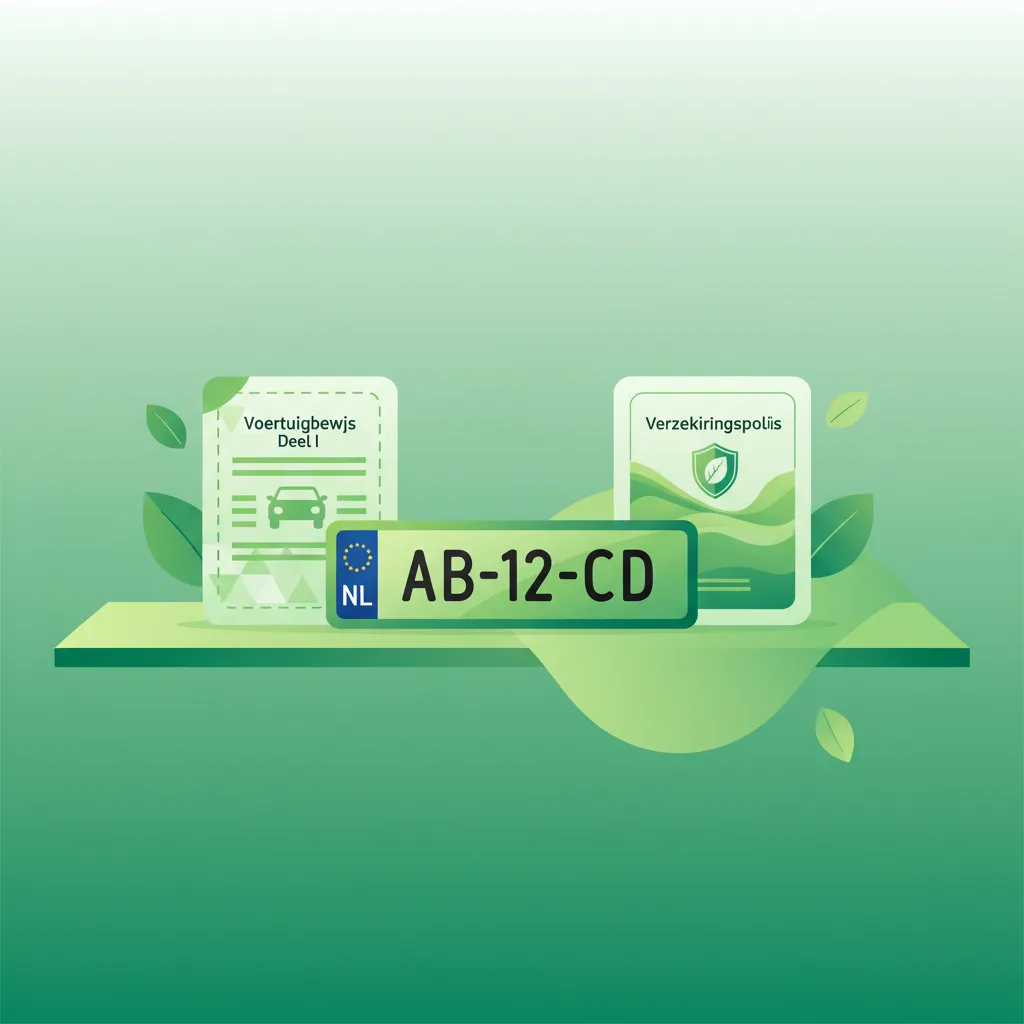
Explore the essential administrative requirements for any Category AM vehicle owner. This lesson covers the mandatory vehicle registration process, the distinction between yellow plates for bromfietsen and blue plates for snorfietsen, and the legal obligation for third-party liability insurance (WA-verzekering). You will learn what documentation is required, the consequences of non-compliance, and how these elements are verified during traffic enforcement, ensuring your vehicle is always road-legal.

Dutch Driving Theory AMLegal Foundations & Vehicle Types
View lesson
Reporting Obligations and Interaction with Police lesson image

Reporting Obligations and Interaction with Police

This lesson details the legal requirements for reporting a traffic accident in the Netherlands, including the circumstances under which you must involve the police. It explains the correct procedure for exchanging personal, vehicle, and insurance information with any other parties involved. The lesson also covers the use of the European Accident Statement form to document the facts of the incident for insurance purposes.
Dutch A1 Motorcycle TheoryAccident Management, Legal Responsibilities & Substance Use
View lesson
Mandatory Technical Inspection (APK) for Motorcycles lesson image

Mandatory Technical Inspection (APK) for Motorcycles

This lesson explains the legal framework for the mandatory periodic technical inspection (APK) as it applies to motorcycles in the Netherlands, although noting its specific applicability rules. It outlines the key safety and environmental components that are scrutinized during the inspection, such as brakes, tires, lighting, and exhaust emissions. Understanding these criteria helps riders maintain their vehicle in a constant state of roadworthiness and prepare for the formal inspection when required.

Dutch Motorcycle Theory AVehicle Inspection, Maintenance, and Documentation
View lesson

International Riding Documentation for Motorcyclists

Navigate the specific documentation requirements for riding your motorcycle internationally, particularly within the EU. Learn about the validity of your Dutch rijbewijs, kentekenbewijs, and the essential Green Card for insurance across borders.
international ridingEU driving rulesGreen Carddriving licence validitymotorcycle travelcross-border compliance
Cross-Border Riding Regulations (EU-rijregels) lesson image

Cross-Border Riding Regulations (EU-rijregels)

This lesson provides essential information for riders planning to travel outside the Netherlands into other European countries. It highlights that while many rules are harmonized, significant local variations exist regarding speed limits, motorway tolls or vignettes, and mandatory equipment (e.g., carrying a first-aid kit or visibility vest). The curriculum advises riders to research the specific regulations for each country on their itinerary to ensure a safe and legally compliant international journey.

Dutch Motorcycle Theory ALegal Responsibilities, Police Interaction, and International Riding
View lesson
Insurance Requirements for International Travel lesson image

Insurance Requirements for International Travel

This lesson addresses the crucial topic of insurance validity for international motorcycle travel. It explains the purpose of the International Motor Insurance Card (Green Card) and clarifies in which countries it is mandatory versus recommended. The content guides riders on how to check their existing policy for territorial limits and what steps to take to ensure they have the necessary third-party liability coverage required to ride legally and be protected financially when traveling outside the Netherlands.

Dutch Motorcycle Theory ALegal Responsibilities, Police Interaction, and International Riding
View lesson

Frequently asked questions about Required Documentation (rijbewijs, verzekeringsbewijs, kenteken)

Find clear answers to common questions learners have about Required Documentation (rijbewijs, verzekeringsbewijs, kenteken). Learn how the lesson is structured, which driving theory objectives it supports, and how it fits into the overall learning path of units and curriculum progression in the Netherlands. These explanations help you understand key concepts, lesson flow, and exam focused study goals.

Do I need to carry physical copies of all documents for my Category A motorcycle in the Netherlands?

Yes, it is mandatory to carry physical copies of your rijbewijs (driving license), kentekenbewijs (vehicle registration card part 1B), and valid proof of third-party liability insurance. While some digital documents are accepted in other contexts, for roadside police checks, physical originals or official copies are generally required to avoid potential fines for your Category A motorcycle.

What happens if I forget my documents during a police check on my motorcycle?

Forgetting your mandatory documents, such as your rijbewijs or verzekeringsbewijs, can result in significant fines in the Netherlands. Depending on the specific document and situation, police may issue a warning, require you to present the documents at a station later, or impose an immediate fine. Repeated offenses can lead to more severe penalties for motorcyclists.

Is my foreign driving license valid for riding a Category A motorcycle in the Netherlands?

If you have an EU/EFTA driving license, it is generally valid in the Netherlands for Category A. However, for non-EU/EFTA licenses, specific rules apply, and you may need an international driving permit or be required to exchange your license within a certain period. Always check the official CBR guidelines or local municipality for your specific situation to ensure full compliance.

Do I need to carry the complete kentekenbewijs, including Part II, for my motorcycle?

No, you only need to carry Part 1B (kentekencard) of your kentekenbewijs when riding your motorcycle. Part II, which contains ownership information, should be kept safely at home. Carrying Part 1B is sufficient for verifying the vehicle's registration during a police check in the Netherlands.

How can I prove my third-party liability insurance (WA-verzekering) if I don't have a paper document?

While a paper insurance certificate is common, some insurers provide digital proof. It's best to have a printed copy of your valid insurance policy or a digital version readily accessible on your phone, ensuring it's clearly legible and verifiable. The key is to be able to immediately demonstrate valid third-party coverage if requested by an officer for your Category A motorcycle.

Continue your Dutch driving theory learning journey

Dutch road signsDutch article topicsSearch Dutch road signsDutch driving theory homeDutch road sign categoriesSearch Dutch theory articlesDutch driving theory coursesDutch Driving Theory B courseDutch driving theory articlesDutch driving theory practiceDutch practice set categoriesDutch Driving Theory AM courseDutch Motorcycle Theory A courseDutch A1 Motorcycle Theory courseDutch Motorcycle Theory (A2) courseSearch Dutch driving theory practiceTowing, Trailers, and Loads unit in Dutch Driving Theory BRoadway Access & Navigation unit in Dutch Driving Theory AMVehicle Positioning and Lane Use unit in Dutch Driving Theory BHuman Factors & Risk Management unit in Dutch Driving Theory AMInfrastructure and Special Roads unit in Dutch Driving Theory BLegal Foundations & Vehicle Types unit in Dutch Driving Theory AMLegal Responsibilities & Incident Procedures unit in Dutch Driving Theory AMHighway (Autosnelweg) Rules for Motorcycles unit in Dutch Motorcycle Theory (A2)Advanced Riding Techniques and High-Speed Control unit in Dutch Motorcycle Theory AAccident Management, Legal Responsibilities & Substance Use unit in Dutch A1 Motorcycle TheoryLight and Indicator Functionality Tests lesson in Vehicle Inspection, Maintenance, and DocumentationBrake System Checks and Fluid Maintenance lesson in Vehicle Inspection, Maintenance, and DocumentationPreparing for Police Checks and Spot Inspections lesson in Vehicle Inspection, Maintenance, and DocumentationTire Pressure, Wear, and Selection (bandenspanning) lesson in Vehicle Inspection, Maintenance, and DocumentationEngine and Exhaust System Compliance (geluidseisen) lesson in Vehicle Inspection, Maintenance, and DocumentationMandatory Technical Inspection (APK) for Motorcycles lesson in Vehicle Inspection, Maintenance, and DocumentationRequired Documentation (rijbewijs, verzekeringsbewijs, kenteken) lesson in Vehicle Inspection, Maintenance, and Documentation