
Welcome to the 'Age Requirements & Licence Validity' lesson, a crucial part of the Dutch Driving License Theory Course for Category AM. This lesson will guide you through the specific legal ages and licence durations essential for mopeds and scooters in the Netherlands. Understanding these details is fundamental to ensuring you meet all requirements before you even start riding.

Navigating the rules for obtaining and maintaining a driving licence in the Netherlands is a crucial first step for anyone aspiring to ride a moped, scooter, or speed pedelec. This comprehensive lesson outlines the precise age requirements, licence validity periods, and renewal procedures for the Dutch Category AM driving licence. Understanding these legal foundations is essential for ensuring full compliance and safe operation on Dutch roads.
The Category AM licence is specifically designed for lighter, often lower-speed motor vehicles. It forms the legal gateway for many young riders in the Netherlands, offering independent mobility before they are eligible for car or motorcycle licences.
In the Netherlands, a Category AM driving licence permits the operation of various light motor vehicles, primarily bromfietsen (mopeds), snorfietsen (light mopeds), and speed pedelecs. These vehicles are defined by specific technical characteristics, most notably their maximum design speed and engine capacity. A bromfiets, for instance, has a maximum speed of 45 km/h, while a snorfiets is limited to 25 km/h. Speed pedelecs, electrically assisted bicycles, also fall under the AM category when their assistance extends up to 45 km/h. Acquiring this licence signifies that a rider has demonstrated the necessary theoretical knowledge and, for some vehicle types, practical skills to operate these vehicles safely and legally.
Compliance with age and licence validity rules is not merely a formality; it is a fundamental legal prerequisite. The law sets minimum age thresholds to ensure that riders possess adequate physiological maturity, cognitive abilities, and risk-assessment skills before operating a motor vehicle on public roads. These age limits are rooted in safety principles, acknowledging that younger individuals, with less experience, may be at a higher risk.
Similarly, fixed licence validity periods serve a vital purpose. They ensure that licence holders periodically update their identification, photographs, and health data. This process allows the authorities (like the RDW) to maintain accurate records, monitor driver fitness, and align with broader European Union regulations. Failure to meet these criteria, whether by riding underage or with an expired licence, can lead to immediate legal consequences, including fines, vehicle impoundment, and potential criminal liability.
The age at which you can legally begin your riding journey in the Netherlands is a critical starting point. The minimum age of 16 years applies to all vehicles requiring an AM licence or certificate of competency.
For most motor-driven vehicles falling under Category AM, specifically bromfietsen (mopeds with a maximum speed of 45 km/h) and speed pedelecs (electrically assisted bicycles up to 45 km/h), the minimum age to obtain the licence is 16 years. This means that once you turn 16, you are eligible to take both the theory and practical exams required to earn your AM licence. This age threshold is carefully chosen to ensure riders have developed sufficient cognitive and motor skills for safe operation of these vehicles.
While snorfietsen (light mopeds with a maximum speed of 25 km/h) also fall under the AM category, there's a slight distinction in the licensing process. Riders can operate a snorfiets from the age of 16 after passing the AM theory exam. Upon passing the theory exam, a "certificate of competency" is issued, which is effectively the AM category entry on your driving licence. Unlike bromfietsen or speed pedelecs, a separate practical exam is not required for snorfietsen. It is a common misconception that a snorfiets can be ridden at any age without a licence; the minimum age of 16 and possession of the AM certificate remain mandatory.
To obtain your Category AM licence once you turn 16, you must follow a clear process. First, you need to pass the AM theory exam, which consists of multiple-choice questions covering traffic rules, vehicle knowledge, and hazard perception. A pass mark of 85% is typically required. After successfully completing the theory exam, if you intend to ride a bromfiets or speed pedelec, a practical exam is compulsory. This exam assesses your ability to control the vehicle, handle traffic situations, and perform specific manoeuvres safely. Only after passing both the theory and practical exams (or just the theory for snorfietsen) will the RDW issue your AM driving licence.
Always carry a valid form of identification, such as your passport or ID card, when attending exams or applying for your licence.
Once you have successfully obtained your Category AM driving licence, it is not valid indefinitely. All Dutch driving licences, including AM, have a fixed validity period, after which they must be renewed.
For most licence holders, specifically those under the age of 65, the Category AM driving licence is valid for a period of 10 years. This standard validity period applies from the date of issue. For example, if you obtain your AM licence at 16, it will be valid until your 26th birthday. This periodicity ensures regular updates to driver information and helps maintain high safety standards across the road network. It also aligns with harmonised European Union regulations regarding driving licence administration.
As drivers age, specific health considerations can impact driving fitness. To account for this, Dutch driving licences, including Category AM, have a reduced validity period of 5 years for individuals aged 65 and older. This shorter period ensures more frequent checks on a driver's health and physical capabilities, enhancing overall road safety. The renewal process for this age group may also involve additional requirements, such as a medical fitness statement.
Operating any motor vehicle, including a bromfiets, snorfiets, or speed pedelec, with an expired driving licence is illegal in the Netherlands. Even if your licence has only recently expired, it is no longer legally valid. This can lead to significant penalties, including substantial fines. In some cases, your vehicle may even be impounded. Furthermore, if you are involved in an accident while riding with an expired licence, your insurance policy may be invalidated, leaving you personally liable for damages and injuries. Therefore, it is crucial to be aware of your licence's expiry date and initiate the renewal process well in advance.
Renewing your driving licence is a straightforward process, but it requires timely action and attention to detail to avoid any interruption in your legal riding privileges.
The renewal of your Dutch driving licence, including Category AM, is primarily handled by the Rijksdienst voor het Wegverkeer (RDW), the national vehicle authority. The most common and convenient method is to apply online via the RDW website, using your DigiD. DigiD is the official Dutch government authentication system, providing secure access to various public services. The online application typically involves verifying your personal details, confirming your identity, and uploading a recent passport-style photograph that meets strict national standards.
When renewing your licence, you will need a valid identification document (such as a Dutch passport or ID card) to confirm your identity. A recent, high-quality passport photograph is also mandatory for every renewal cycle, regardless of whether you're renewing physically or digitally. The renewal process also incurs a fee. This fee covers the administrative costs of processing your application and issuing the new licence. It is advisable to check the current RDW website for the most up-to-date fee structure.
For riders aged 70 and above, an additional step is required during the licence renewal process: a medical fitness statement. This statement, often called a 'Gezondheidsverklaring' (health declaration), ensures that you are medically fit to operate a motor vehicle safely. You may need to visit a doctor for a medical examination to obtain this statement. The RDW uses this information to assess your driving fitness, ensuring that any age-related health changes do not pose a risk to yourself or other road users.
Understanding how the Category AM licence interacts with other driving licence categories, such as those for cars or motorcycles, is crucial for comprehensive legal compliance.
A common misunderstanding is the belief that holding a Category B (car) driving licence automatically includes privileges for Category AM vehicles. In the Netherlands, this is not the case. While some other countries have this overlap, Dutch law requires an explicit AM entry on your driving licence to legally operate a bromfiets, speed pedelec, or snorfiets. Even if you hold a valid B licence, you must ensure the AM category is also listed if you intend to ride these vehicles. The AM licence is often the first licence a young rider obtains, typically at 16, before being eligible for a B licence at 17 (with supervision) or 18 (stand-alone).
The Dutch licensing system for powered two-wheelers often involves a progressive structure. Category A (motorcycles) is divided into A1 (light motorcycles), A2 (medium motorcycles), and A (heavy motorcycles), with increasing age requirements for each. While an AM licence is distinct from these motorcycle categories, a rider can hold multiple categories on a single physical licence card. For example, if you obtain your AM licence at 16 and later progress to an A1 or B licence, all valid categories will be displayed on the same card. However, the validity period for each category remains independent; renewing a B licence does not automatically extend the validity of your AM entry.
Beyond the general rules, specific restrictions apply to younger or novice riders, designed to mitigate risks associated with inexperience.
One of the most significant age-based restrictions concerns alcohol consumption. For all driving licence holders under the age of 21, a strict zero-tolerance policy applies regarding blood-alcohol concentration (BAC). This means the legal BAC limit is 0.0‰ (zero point zero per mille). Any detectable amount of alcohol in the blood while operating an AM vehicle for riders under 21 years old is illegal and will result in penalties. This strict rule acknowledges the increased impairment risk and slower reaction times typically observed in younger drivers, aiming to reduce alcohol-related accidents.
For riders under 21, even a single alcoholic drink can lead to a positive BAC test and subsequent legal consequences. Always ensure you are completely alcohol-free before riding.
While the national speed limit for bromfietsen and speed pedelecs is 45 km/h, some municipalities in the Netherlands have implemented local ordinances imposing lower speed limits for specific vehicle types, particularly for young riders. For instance, in dense urban areas like Amsterdam or Rotterdam, a 30 km/h limit might apply to electric scooters, especially for riders under 18. These local caps aim to enhance safety in congested zones where young riders might be more vulnerable. It is crucial for riders to be aware of and comply with any such local by-laws, as violations can lead to municipal fines.
Irrespective of age or experience, several general safety rules apply to all AM riders in the Netherlands. Most importantly, wearing a helmet is mandatory for all AM vehicle riders, including snorfietsen since 2023. This measure significantly reduces the risk of head injury in case of an accident. Furthermore, AM vehicles are strictly prohibited from motorways (Category A roads). Riders must also ensure their vehicle is roadworthy, with functional brakes and lights, before operating it on public roads.
Ignoring the rules regarding age, licence validity, and specific restrictions can lead to a range of legal issues, from fines to more severe penalties. Understanding these common violations can help you avoid them.
| Violation Scenario | Why It's Illegal / Incorrect | Correct Behaviour | Legal Consequence |
|---|---|---|---|
| Riding a bromfiets at 15 years old without an AM licence. | Minimum age of 16 for an AM licence not met. | Wait until your 16th birthday, then pass the AM theory and practical exams. | Fine, possible vehicle impoundment, negative record on future licence applications. |
| Continuing to ride a speed pedelec after the licence expiry date. | Licence is no longer legally valid. | Renew your licence through RDW and DigiD before its expiry date. | Fine (€100+), possible temporary suspension of renewed licence, invalid insurance. |
| Operating a snorfiets at 19 years old with a BAC of 0.2‰. | Strict zero-BAC policy for all riders under 21 years old. | Consume no alcohol before riding any AM vehicle. | Fine (€150+), 2 penalty points, possible licence suspension for repeat offences. |
| Modifying a bromfiets to exceed the 45 km/h national speed limit. | Vehicle no longer falls under Category AM; requires re-classification. | Keep the vehicle unmodified or apply for an A1 (light motorcycle) licence if modified. | Vehicle re-classified (e.g., to A1), fine for illegal modification, requirement for a higher category licence. |
| Riding an electric scooter at 40 km/h in an Amsterdam city centre zone with a local 30 km/h cap for young riders. | Violation of municipal speed ordinance specific to that area and rider age. | Observe the lower local speed limit (30 km/h) while within that jurisdiction. | Local fine (e.g., €50-€150), warning, possible effect on licence points if repeated. |
| Failing to provide a new, recent passport photo during licence renewal. | Photo must be recent to ensure accurate identification and compliance. | Submit a fresh, compliant photo that meets RDW standards each renewal cycle. | Renewal application denied; licence remains expired until correct photo submitted. |
The rules surrounding age requirements and licence validity for Category AM vehicles are not arbitrary; they are meticulously designed to enhance road safety for riders and other road users.
These rules collectively form a robust framework designed to promote safety, accountability, and responsible riding behaviour within the Dutch Category AM context.
Lesson content overview
Explore all units and lessons included in this driving theory course.
Explore search topics learners often look for when studying Age Requirements & Licence Validity. These topics reflect common questions about road rules, driving situations, safety guidance, and lesson level theory preparation for learners in the Netherlands.
Browse additional driving theory lessons that cover connected traffic rules, road signs, and common driving situations related to this topic. Improve your understanding of how different rules interact across everyday traffic scenarios.
Understand the minimum age to obtain a Category AM licence in the Netherlands, including specific rules for mopeds, snorfietsen, and speed pedelecs. Learn about licence validity periods and renewal procedures.

Holding a license and owning a vehicle comes with continuous legal responsibilities. This lesson reminds you of the importance of renewing your driving license before it expires and ensuring your vehicle's insurance policy remains active. It also covers your duty to inform the relevant authorities (like the RDW) of any changes, such as a change of address. Fulfilling these administrative obligations is essential to remaining a legal and responsible road user in the Netherlands.

This lesson covers the critical topic of driving under the influence, explaining the legal blood alcohol concentration (BAC) limits for Category AM riders. It highlights the distinction between the lower limit for novice drivers and the standard limit for experienced drivers. The lesson also addresses the zero-tolerance policy for driving under the influence of drugs, the types of police tests conducted, and the severe legal penalties, including fines, license suspension, and mandatory courses, for any violations.
This lesson provides a definitive list of the documents a motorcyclist must carry at all times when riding in the Netherlands. It specifies the requirement for a valid driving license ('rijbewijs') for the correct category, the vehicle registration card ('kentekenbewijs'), and proof of valid third-party liability insurance ('verzekeringsbewijs'). The content clarifies that failure to produce these documents during a police check can result in significant fines and legal complications.

This lesson explains the precise legal definition of a Category A1 motorcycle, including the maximum 125cc displacement and 11 kW power output. It outlines the entire CBR licensing pathway, from meeting the minimum age requirement to passing both the theory and practical exams. Key administrative obligations such as vehicle registration (kenteken), mandatory insurance, and roadworthiness inspections (APK) are also detailed, ensuring a full understanding of legal compliance.
Explore the essential administrative requirements for any Category AM vehicle owner. This lesson covers the mandatory vehicle registration process, the distinction between yellow plates for bromfietsen and blue plates for snorfietsen, and the legal obligation for third-party liability insurance (WA-verzekering). You will learn what documentation is required, the consequences of non-compliance, and how these elements are verified during traffic enforcement, ensuring your vehicle is always road-legal.
This lesson covers the mandatory lighting and signaling equipment for A2 motorcycles under Dutch law, ensuring you remain visible and communicate your intentions correctly. You will learn the rules for using headlights, taillights, turn signals, and brake lights in various conditions, including daytime and adverse weather. The content also addresses the importance of maintaining this equipment and using hand signals as a valid secondary method of communication in traffic.

This lesson details the Dutch regulations for carrying passengers on a motorcycle, including the minimum age for the passenger and the mandatory use of approved helmets. It explains the rider's legal responsibility for the passenger's safety and how to properly secure loads to avoid affecting the motorcycle's stability and balance. Understanding these rules is crucial for ensuring safety and legality when riding with a pillion or luggage.
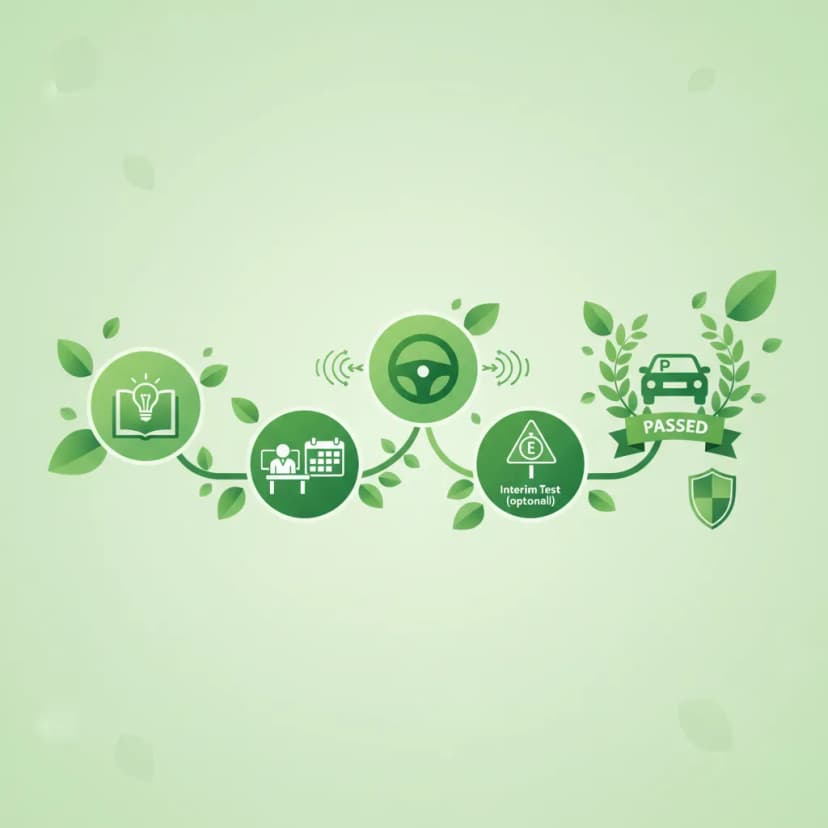
This lesson outlines every stage of the motorcycle licensing pathway, from the initial application to the successful completion of the CBR theory and practical examinations. It explains the mandatory documentation, exam scheduling procedures, and the specific composition of the theory test, including hazard perception and knowledge questions. The content also covers important procedural details such as re-examination policies, time limits for completion, and the legal validity of the final issued driver's license.

Riding at night presents two main challenges: seeing the road and being seen by others. This lesson covers the legal requirements for your vehicle's lighting system and how to use it effectively, including when to use high beams. It also emphasizes strategies to increase your own conspicuity, such as wearing bright or reflective clothing. You will learn how darkness affects your perception of speed and distance and how to adapt your riding to compensate for these limitations.

Each season brings unique challenges for riders. This lesson discusses common seasonal hazards, such as wet autumn leaves that are as slippery as ice, the risk of black ice in winter, and increased agricultural traffic in the summer. It also highlights the importance of seasonal vehicle maintenance. For example, after winter, it is crucial to wash away corrosive road salt, and before winter, to check antifreeze and battery health, ensuring your vehicle is prepared for the conditions ahead.
Explore the relationship between the Dutch Category AM licence and other driving categories like B (car) and A (motorcycle). Understand progressive licensing and how these categories interact under Dutch law.
This lesson outlines every stage of the motorcycle licensing pathway, from the initial application to the successful completion of the CBR theory and practical examinations. It explains the mandatory documentation, exam scheduling procedures, and the specific composition of the theory test, including hazard perception and knowledge questions. The content also covers important procedural details such as re-examination policies, time limits for completion, and the legal validity of the final issued driver's license.
This lesson explains the specific regulations determining what kind of trailer you can legally tow with a Category B license. You will learn the two main rules: you can always tow a trailer with a Maximum Authorised Mass (MAM) of up to 750 kg, or you can tow a heavier trailer provided the combined MAM of the car and trailer does not exceed 3,500 kg. The content clarifies how to find these weights on the vehicle's registration documents and explains when a higher license category like BE is required.
This lesson explains the precise legal definition of a Category A1 motorcycle, including the maximum 125cc displacement and 11 kW power output. It outlines the entire CBR licensing pathway, from meeting the minimum age requirement to passing both the theory and practical exams. Key administrative obligations such as vehicle registration (kenteken), mandatory insurance, and roadworthiness inspections (APK) are also detailed, ensuring a full understanding of legal compliance.
This lesson details the precise technical and legal definitions distinguishing Category A motorcycles from other vehicle classes in the Netherlands. It explores key parameters such as engine capacity, minimum power output, and power-to-weight ratios, clarifying how these factors dictate licensing requirements for unrestricted bikes. Learners will also gain insight into the European harmonisation of motorcycle categories and its implications for vehicle registration and cross-border travel.

This lesson provides a detailed breakdown of the official classifications for Category AM vehicles under Dutch law. You will learn to distinguish between a bromfiets, snorfiets, speed pedelec, and brommobiel based on technical criteria like maximum speed and engine power. Understanding these definitions is fundamental, as they determine which traffic rules, licensing requirements, and road access permissions apply to each vehicle type, forming the basis for the entire CBR theory exam.
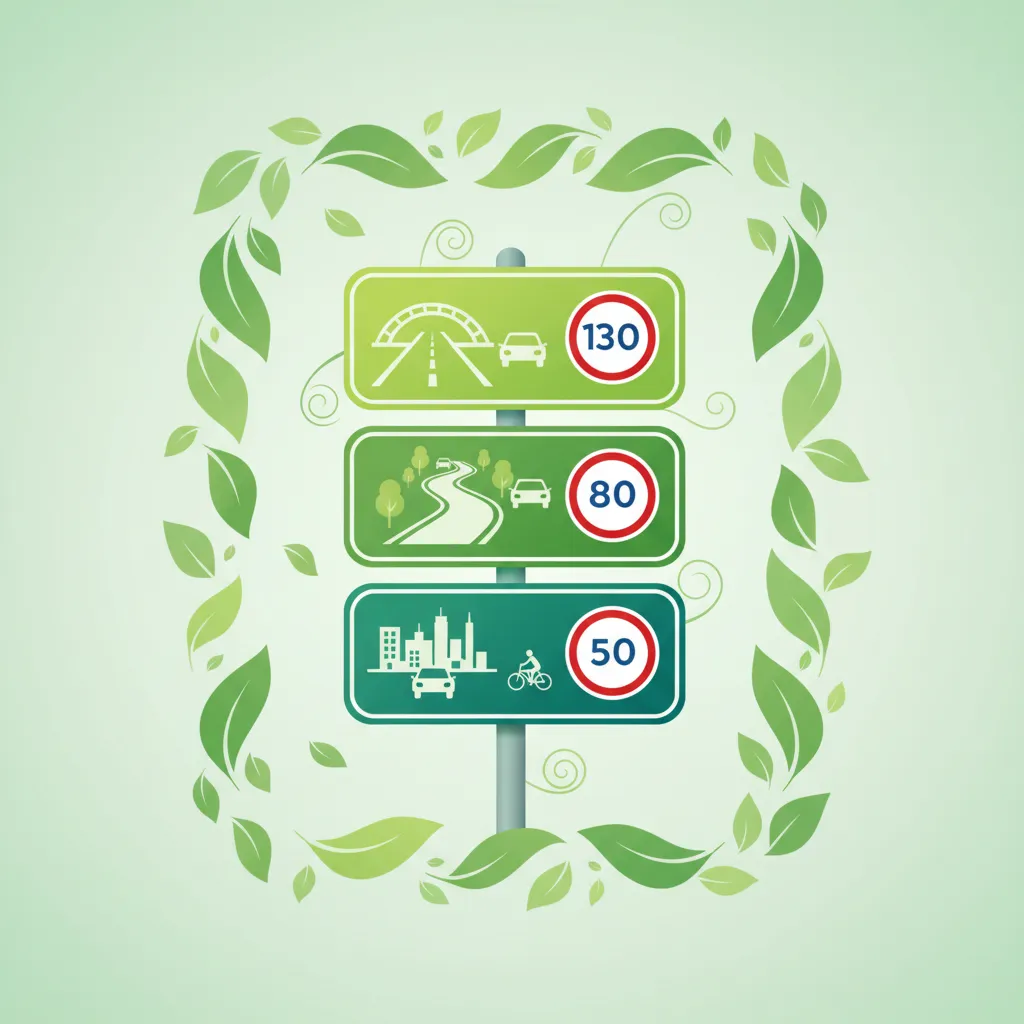
This lesson provides a definitive guide to the legal speed limits on different types of Dutch roads. It covers the rules for built-up areas (typically 50 km/h), rural roads (80 km/h), expressways ('autowegen'), and motorways ('snelwegen'), including time-dependent variations. Understanding these official limits is the first step in managing speed legally and appropriately for the road environment, a core topic on the CBR theory test.
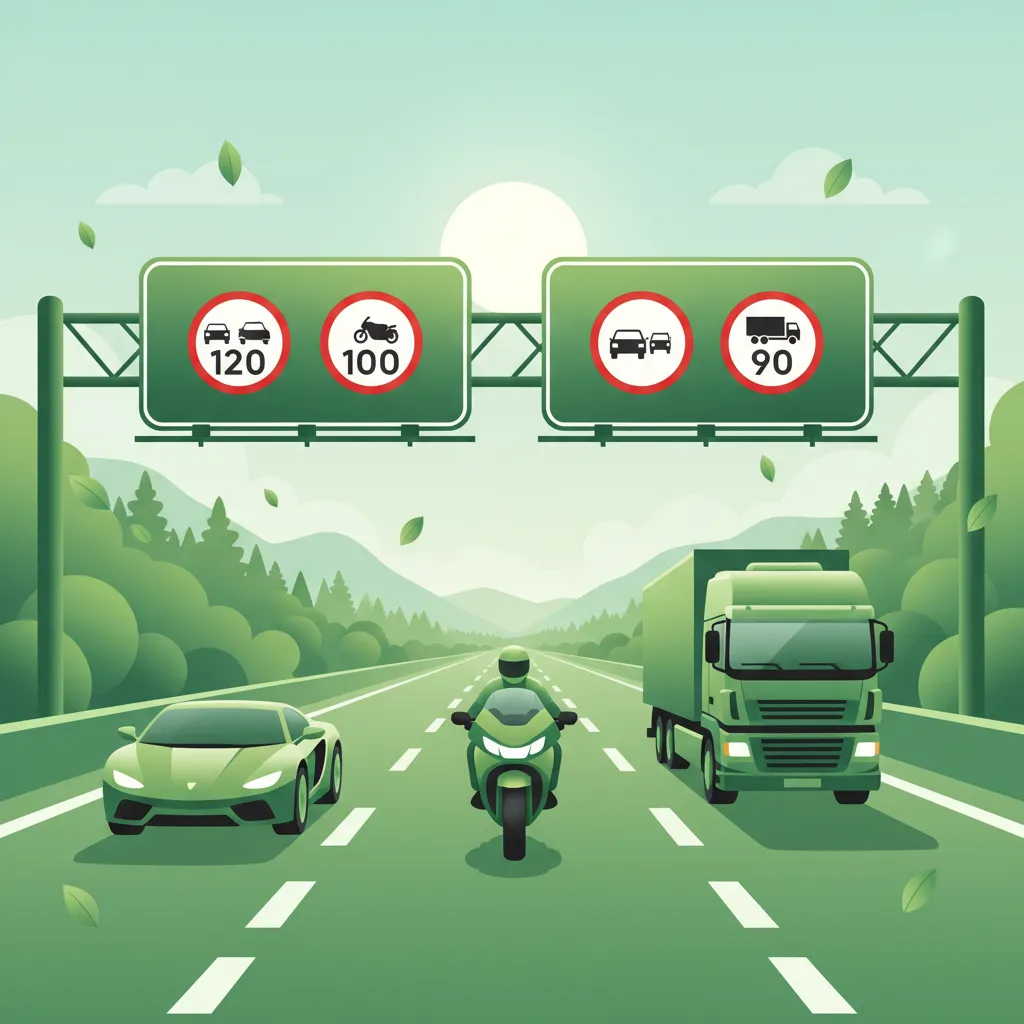
This lesson details the statutory maximum speeds for each Category AM vehicle: 25 km/h for snorfietsen, and 45 km/h for both bromfietsen and speed pedelecs on the carriageway. It explains how these limits apply within built-up areas, outside built-up areas, and on specific road types like residential zones ('woonerf'). The content covers how to interpret speed limit signs and the legal consequences of exceeding these strict limits, which is a key component of the CBR theory exam.
This lesson focuses on Dutch regulatory signs that enforce mandatory rules and restrictions, particularly those impacting A2 motorcyclists. You will learn to recognize and obey prohibition signs, such as those indicating a motorcycle ban (BORD 40), speed limits, and overtaking restrictions (BORD 21). The content explains the legal consequences of non-compliance and how to apply these rules in practical riding scenarios to ensure full adherence to Dutch traffic law.
Understand the meaning of various road markings and how they dictate your position on the road. This lesson covers the rules associated with solid and broken white lines, bicycle lane symbols, suggestion strips, and arrows painted on the road surface. Proper lane discipline, including when overtaking is permitted and how to position yourself correctly within a lane or on a cycle path, is a fundamental skill for safe and predictable riding that is tested by the CBR.

This lesson covers A-code signs, which are designed to warn drivers of potential hazards on the road ahead. For motorcyclists, warnings about sharp bends, slippery surfaces, crosswinds, or falling rocks are especially critical for maintaining control and stability. The content explains how to interpret these triangular signs to anticipate changing conditions, adjust speed, and adopt a defensive riding posture well in advance of the hazard.
Find clear answers to common questions learners have about Age Requirements & Licence Validity. Learn how the lesson is structured, which driving theory objectives it supports, and how it fits into the overall learning path of units and curriculum progression in the Netherlands. These explanations help you understand key concepts, lesson flow, and exam focused study goals.
The minimum age to obtain a Category AM driving licence in the Netherlands is 16 years old. This allows you to ride a bromfiets or snorfiets. For a speed pedelec, which is a faster type of moped, the minimum age is also 16, but additional requirements may apply.
A Category AM driving licence issued in the Netherlands is typically valid for 10 years. After this period, it needs to be renewed. For individuals aged 65 and older, the validity period might be shorter, requiring renewal every 5 years.
Yes, for novice riders (rijbewijsbezitters) under the age of 24 who have held their first Category B (car) or AM (moped) licence for less than 5 years, stricter alcohol limits apply. While the AM licence itself doesn't impose a probationary period like the B licence, related traffic laws might affect very young or new drivers.
No, an AM licence specifically covers two- or three-wheeled mopeds (bromfietsen and snorfietsen) and speed pedelecs. To legally operate a brommobiel, which is a four-wheeled light motor vehicle, you will need a Category B (car) driving licence.
If your Category AM driving licence expires, you are no longer legally permitted to drive any AM-category vehicle. You must renew your licence before its expiry date. The renewal process involves submitting an application and potentially a medical declaration if you are over 65.