
Welcome to the first lesson of Unit 1! Before you hit the Dutch roads on your moped or scooter, it’s crucial to understand the different types of vehicles you might encounter or ride. This lesson clarifies the official definitions and classifications of AM category vehicles as per Dutch law, forming a vital foundation for all subsequent topics and your theory exam.
Welcome to the foundational lesson of the Dutch Driving License Theory Course for Category AM. Understanding the official classifications of low-speed motorized vehicles under Dutch law is not merely an academic exercise; it is fundamental to safe, legal, and responsible participation in Dutch traffic. This lesson will provide a detailed breakdown of vehicle types such as the bromfiets, snorfiets, speed pedelec, and brommobiel. Each classification comes with specific rules regarding speed, power, licensing, road access, and helmet requirements. Mastering these distinctions is crucial for anyone preparing for the CBR theory exam, as they form the basis for many other traffic rules you will encounter.
The Netherlands has a unique and precise system for classifying various low-speed motorized vehicles. This system ensures that all road users, from cyclists to car drivers, can safely share the road infrastructure. These classifications are based on a set of technical criteria, primarily maximum design speed and engine power.
Correct vehicle classification has far-reaching implications for every aspect of driving theory and practice. It directly determines:
fietspad) or must stay on the main carriageway, specific speed limits, and even parking regulations differ significantly between classes.An in-depth understanding of these definitions is not just for passing your exam; it's about ensuring your safety and the safety of others on Dutch roads, as well as avoiding legal penalties.
Dutch law employs several core principles to categorize low-speed motorized vehicles, aligning safety requirements with technical capabilities and traffic flow needs. These principles are rooted in the Dutch Road Traffic Act (RVV 1990) and European L-category vehicle directives, with national adaptations.
The Maximum Design Speed (MDS) is the highest speed a vehicle can legally travel under its own propulsion, as limited by its design or electronic governor. This is a critical factor, as it controls the kinetic energy a vehicle can generate and its stopping distance, thereby aligning it with an appropriate traffic environment. For example, vehicles designed to go faster require more stringent controls.
Maximum Continuous Engine Power refers to the rated power output of the internal combustion engine (ICE) or electric motor, typically expressed in kilowatts (kW). This parameter prevents excessive acceleration and top speeds, linking directly to licensing and insurance categories. Different vehicle types have distinct power caps.
The Age & Licence Thresholds define the minimum legal age and the specific license type required to operate each vehicle class. This principle safeguards less experienced riders from higher-risk vehicles. For instance, the Category AM license is specifically designed for lighter, slower motor vehicles.
Registration & Plate Requirement mandates that vehicles be registered with the RDW (Rijksdienst voor het Wegverkeer) and display a license plate. This facilitates identification, liability tracking, and compliance checks, which are essential for road safety and law enforcement.
Road-Access Allocation dictates which road types each class may use. This principle is crucial for safe traffic flow, preventing the mixing of very slow motorized traffic with fast motor traffic or vulnerable cyclists, thereby reducing conflict points.
Lastly, the Helmet Obligation is a safety measure. Mandatory wearing of an approved helmet reduces the risk of head injuries, with the requirement generally increasing proportionally to a vehicle's speed and power.
The Category AM driving license covers a range of specific vehicle types in the Netherlands. Each has distinct characteristics and rules that riders must understand.
The bromfiets (fast moped or scooter) is a motorized two-wheel vehicle with a maximum design speed greater than 25 km/h and up to 45 km/h. Its continuous motor power must not exceed 4 kW, applicable to both internal combustion engines and electric motors.
In practical terms, a bromfiets often looks like a classic scooter or a small motorbike. It is capable of keeping up with slower motor vehicle traffic within urban and suburban areas, but it is generally too slow for major highways.
Key Rules and Conditions for Bromfiets Riders:
fietspaden) where local signage explicitly permits it, which is rare.Examples: A 125 cc gasoline scooter limited to 45 km/h or an electric scooter with a 3 kW motor reaching 40 km/h are both classified as bromfietsen.
A snorfiets (slow moped or light scooter) is a motorized two-wheel vehicle designed for a maximum speed of up to 25 km/h, with a continuous motor power not exceeding 0.25 kW. These are almost exclusively electric models today, though older, small internal combustion engine models exist.
Functionally, a snorfiets behaves much like a fast bicycle. It is designed to be integrated into bicycle traffic, allowing it to share bicycle paths and park in bicycle parking zones, often without the need for registration plates for electric models.
Key Rules and Conditions for Snorfiets Riders:
fietspaden) and shared paths. They are prohibited from motor-vehicle lanes.Examples: An electric scooter limited to 25 km/h with a 200 W motor, or a small 50 cc gasoline moped limited to 25 km/h (which still requires an AM licence), are both examples of snorfietsen.
A speed pedelec (or snelle pedelec) is a pedal-assist electric bicycle that provides motor assistance up to 45 km/h, with a continuous motor power of up to 0.25 kW. A crucial defining characteristic is that it has no throttle; the motor only assists when the rider is actively pedalling, and assistance cuts off if pedalling stops.
Practically, a speed pedelec functions similarly to a moped in terms of speed, but it requires continuous rider input through pedalling. It is classified as an L1e-B vehicle under EU regulations and is treated as a motor vehicle in the Netherlands due to its higher speed capabilities.
Key Rules and Conditions for Speed Pedelec Riders:
bromfiets.Examples: An electric bicycle with a powerful motor system that assists the rider up to 45 km/h, without a throttle, is a speed pedelec.
A brommobiel (light motor vehicle) is a small motorized three- or four-wheel vehicle with a maximum design speed of up to 45 km/h and a continuous motor power of up to 4 kW. It also has a weight limit of up to 350 kg (excluding batteries if electric). These are often referred to as "light quads" or microcars.
A brommobiel offers enclosed mobility, making it a popular choice for individuals who prefer a four-wheel platform over a two-wheeler, or who may not hold a full car driving licence. It behaves like a low-speed moped but with added stability and protection.
Key Rules and Conditions for Brommobiel Drivers:
Examples: A small, enclosed electric or gasoline quadricycle weighing 300 kg with a 3 kW motor, capable of 42 km/h, is a brommobiel.
Understanding the precise definitions of these technical parameters is vital for correct vehicle classification and legal compliance.
snorfiets.bromfiets, speed pedelec, and brommobiel.snorfiets and speed pedelec.bromfiets and brommobiel.brommobiel vehicles, which must not exceed 350 kg (excluding the weight of batteries for electric models).The following rules are fundamental and are derived from the Dutch Reglement Verkeersregels en Verkeersborden (RVV 1990) – the Road Traffic Regulations and Traffic Signs – and related legislation like the Wet aansprakelijkheidsverzekering motorrijtuigen (Mandatory Motor Vehicle Liability Insurance Act).
Operating any Category AM vehicle on public roads necessitates a valid driving licence.
bromfiets, speed pedelec, or brommobiel requires a valid Category AM licence, with a minimum age of 16 years. For snorfietsen powered solely by an electric motor of 0.25 kW or less, a driving licence is not required. However, snorfietsen with an internal combustion engine (ICE) still require an AM licence.All motorized vehicles (with limited exceptions) must be officially recorded and insured.
snorfietsen (≤ 0.25 kW & ≤ 25 km/h), must be registered with the RDW, display an official licence plate, and hold a valid civil liability insurance policy.Protective headgear is critical for rider safety.
bromfietsen, speed pedelecs, and brommobielen must wear an approved helmet (meeting EN 1078 or EN 1080 standards) at all times while the vehicle is in motion on public roads.Where a vehicle can be driven is determined by its classification.
| Vehicle Class | Allowed Road Types | Bicycle Lane Usage | Motor-Vehicle Lane Usage | Highway Access |
|---|---|---|---|---|
| Snorfiets | Urban streets, residential roads, shared paths | Allowed (default, unless prohibited by signage) | Not allowed | Prohibited |
| Bromfiets | Urban, suburban, secondary roads | Rarely allowed (only if local signage permits, indicated by sign C9 or G11) | Allowed | Prohibited (except specific roads with special permission, e.g., N-roads, if speed limit matches) |
| Speed Pedelec | Same as bromfiets; may use bike lanes only where explicitly permitted | Conditional (check local signage) | Allowed | Prohibited |
| Brommobiel | Same as bromfiets; only motor-vehicle lanes | Never | Allowed | Prohibited |
Snorfietsen may use bicycle lanes unless prohibited by specific signage. Bromfietsen, speed pedelecs, and brommobielen must use motor-vehicle lanes and are generally prohibited from bicycle lanes unless local signs explicitly allow it.Impairment laws apply equally to AM vehicles.
Many riders inadvertently violate regulations or operate under incorrect assumptions about their vehicle's classification or associated rules.
Traffic rules are rarely static; they adapt to prevailing conditions. For AM vehicles, various factors influence how and where you can safely and legally operate.
bromfietsen and speed pedelecs, experience significantly reduced grip and increased braking distances. Riders must exercise extreme caution, reduce speed, and ensure lights are on. Mandatory helmets become even more critical.snorfietsen may be effectively prohibited from certain roads due to low traction and increased risk. Specific regulations might require speed pedelecs to use winter tyres for better grip.Bromfietsen, speed pedelecs, and brommobielen require low-beam headlights and rear lights. Snorfietsen also need lights, though sometimes less powerful. Enhanced visibility (reflective clothing) is always recommended.Snorfietsen often share bicycle lanes, but bromfietsen, speed pedelecs, and brommobielen must generally use the main carriageway. Speed limits are typically low, demanding extra vigilance for vulnerable road users.Speed pedelecs and bromfietsen can use motor-vehicle lanes, but must be mindful of speed differences with faster car traffic. Brommobielen should only use roads where their maximum speed does not impede traffic flow excessively.brommobiel carries a load (including passengers) that pushes its total weight above 350 kg (excluding batteries), it may technically be reclassified into a heavier category (e.g., L5e), potentially invalidating its AM licence status and requiring different rules.bromfiets or speed pedelec, allowing it to exceed 45 km/h, the rider is liable for operating an unregistered, higher-speed vehicle without the correct licence. This is a severe legal offense.Snorfietsen must give way to pedestrians on shared paths. Bromfietsen and speed pedelecs must be exceptionally careful if local signage permits them to use bicycle lanes, always prioritizing slower cyclists and pedestrians. Brommobielen should maintain a safe distance from all vulnerable users.speed pedelecs on certain bicycle lanes, or, conversely, may restrict snorfietsen to the main carriageway in specific areas for safety reasons. Always pay attention to local signage.The Dutch vehicle classification system is designed to create clear cause-and-effect relationships that promote safety and order on the roads.
bromfiets)
bromfiets due to a de-restricted snorfiets)
bromfiets in a forbidden bicycle lane)
Understanding theory is one thing; applying it to real-world situations is another. These scenarios illustrate how classification rules impact daily riding decisions.
Setting: A bustling residential street in Amsterdam during daylight, with a marked bicycle lane and pedestrians on the sidewalk.
Actors: A 17-year-old rider on an electric snorfiets, traveling to school.
Relevant Rule: A snorfiets (electric, ≤ 0.25 kW) does not require a licence or helmet, and it is allowed to use bicycle lanes unless prohibited. Riders must yield to pedestrians on shared paths.
Correct Behaviour: The rider stays within the clearly marked blue bicycle lane, maintains a safe speed, stops at a red traffic light, and respectfully yields to pedestrians who are crossing the lane. They consider wearing a helmet for added safety, even though it's not legally mandated.
Incorrect Behaviour: The rider decides the bicycle lane is too slow and moves onto the main carriageway, which is designated for cars. While doing so, they fail to notice a car turning left and cause a collision.
Explanation: The snorfiets is designed for low-speed, shared spaces like bicycle lanes. Using the motor-vehicle lane when prohibited is illegal and significantly increases the risk of collision with faster traffic, as the rider is in a traffic environment they are not intended for.
Setting: A suburban road with a 50 km/h speed limit, no designated bicycle lane, on an overcast day.
Actors: A 19-year-old rider with an AM licence, commuting on a speed pedelec, approaching a traffic light.
Relevant Rule: A speed pedelec must use the motor-vehicle lane (unless local signs permit bicycle lane use), and a helmet is mandatory.
Correct Behaviour: The rider, wearing an approved helmet, remains in the motor-vehicle lane, maintaining a speed appropriate for traffic conditions and the road's speed limit. They stop safely at the red light and proceed when it turns green.
Incorrect Behaviour: Seeing no immediate cars, the rider decides to use an adjacent bicycle path that has a sign explicitly prohibiting speed pedelecs (e.g., a round blue sign with a bicycle symbol and a red cross-out). They cut off a regular cyclist who was already on the path.
Explanation: Due to its higher speed capability, the speed pedelec is treated as a motor vehicle and belongs on the main road. Ignoring signage and entering a prohibited bicycle lane creates conflict and danger for slower cyclists.
Setting: A rural road with an 80 km/h speed limit, during light rain.
Actors: A 22-year-old, holding an AM licence, driving a brommobiel.
Relevant Rule: A brommobiel is limited to 45 km/h and is prohibited from roads with speed limits exceeding 45 km/h, such as highways or fast rural roads. A helmet is mandatory for occupants.
Correct Behaviour: Recognizing the road's high speed limit, the driver consults their navigation or road signs and detours onto a parallel road with a 45 km/h limit, which is suitable for their brommobiel. They ensure all occupants wear helmets.
Incorrect Behaviour: The driver continues on the 80 km/h road, significantly impeding the flow of faster traffic. This causes cars to dangerously overtake, leading to a near-miss with an approaching vehicle.
Explanation: The brommobiel's limited speed makes it unsafe on higher-speed roads where large speed differentials create hazards. The law explicitly prohibits their use on such roads for the safety of all road users.
Setting: A busy city center with mixed traffic during a clear day.
Actors: A 20-year-old rider, whose snorfiets was originally registered to go 25 km/h, has illegally removed the speed limiter, allowing it to reach 35 km/h.
Relevant Rule: Exceeding 25 km/h re-classifies the vehicle as a bromfiets, requiring a new registration, yellow licence plate, mandatory insurance, and a helmet.
Correct Behaviour: The rider reinstalls the speed limiter, ensuring the snorfiets operates within its legal 25 km/h limit. They then ride in the designated bicycle lane, as per snorfiets regulations.
Incorrect Behaviour: The rider continues to operate the de-restricted vehicle at 35 km/h in the bicycle lane. They are stopped by police, who identify the illegal modification. The rider is fined for operating an unregistered and uninsured bromfiets without the correct license, and the vehicle may be impounded.
Explanation: Vehicle classification is based on its design speed. Any modification that allows a snorfiets to exceed 25 km/h changes its legal classification. Failing to re-register and re-insure the vehicle accordingly, and ride with the appropriate licence and helmet, results in serious legal breaches and nullifies any insurance coverage.
The rigorous classification and associated rules for AM vehicles are founded on fundamental principles of physics and human behavior, all aimed at enhancing road safety.
snorfietsen and even speed pedelecs at lower speeds, can be less conspicuous to other, faster road users. Mandatory lighting, often combined with reflective materials, is crucial, especially during night-time or adverse weather, to mitigate this inherent risk.By understanding these underlying safety rationales, riders can appreciate why certain rules are in place and why compliance is not just about avoiding fines, but about protecting lives.
Lesson content overview
Explore all units and lessons included in this driving theory course.
Explore search topics learners often look for when studying Definitions and Classifications. These topics reflect common questions about road rules, driving situations, safety guidance, and lesson level theory preparation for learners in the Netherlands.
Browse additional driving theory lessons that cover connected traffic rules, road signs, and common driving situations related to this topic. Improve your understanding of how different rules interact across everyday traffic scenarios.
Understand the legal definitions and technical differences between bromfiets, snorfiets, speed pedelec, and brommobiel in the Netherlands. Crucial knowledge for your AM driving licence theory exam regarding road access and rules.
This lesson details the statutory maximum speeds for each Category AM vehicle: 25 km/h for snorfietsen, and 45 km/h for both bromfietsen and speed pedelecs on the carriageway. It explains how these limits apply within built-up areas, outside built-up areas, and on specific road types like residential zones ('woonerf'). The content covers how to interpret speed limit signs and the legal consequences of exceeding these strict limits, which is a key component of the CBR theory exam.

This lesson clarifies the regulations determining where each type of Category AM vehicle is allowed to travel. It explains the rules for using mandatory cycle paths (fietspad) and combined moped/cycle paths (bromfietspad), identified by specific road signs. You will also learn the conditions under which a bromfiets must use the main carriageway. Understanding these positioning rules is essential for legal compliance and for ensuring safety in mixed traffic environments with cyclists and cars.
Explore the essential administrative requirements for any Category AM vehicle owner. This lesson covers the mandatory vehicle registration process, the distinction between yellow plates for bromfietsen and blue plates for snorfietsen, and the legal obligation for third-party liability insurance (WA-verzekering). You will learn what documentation is required, the consequences of non-compliance, and how these elements are verified during traffic enforcement, ensuring your vehicle is always road-legal.

This lesson details the statutory helmet regulations applicable to all Category AM vehicles. It clearly defines the mandatory helmet use for bromfiets and speed pedelec riders and the specific rules for snorfiets riders, including the required ECE safety certification for all approved helmets. The content also provides information on recommended protective gear, such as gloves and sturdy footwear, explaining how proper equipment enhances rider safety and is a key part of responsible riding culture in the Netherlands.

This lesson outlines the precise age requirements for obtaining and holding a Category AM driving license in the Netherlands. It details the minimum age for operating various AM vehicles and explains the validity period of the license and the renewal process. Furthermore, the content clarifies how an AM license relates to other categories like B (car) or A (motorcycle), and what age-related restrictions may apply to novice riders. This knowledge is crucial for ensuring full legal compliance from the start of your riding journey.
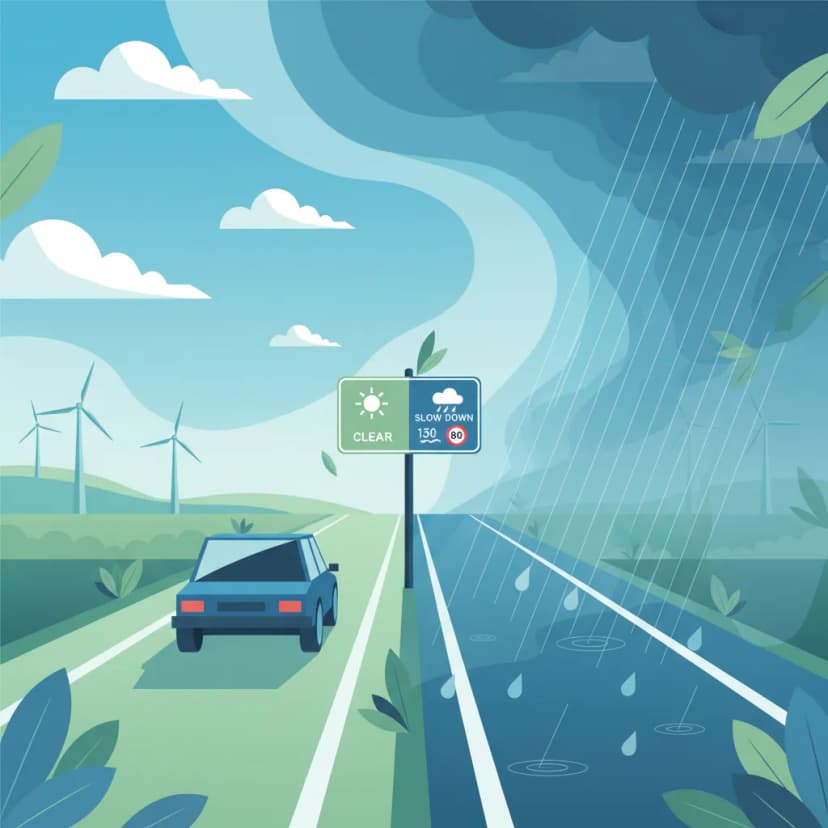
The posted speed limit is a maximum, not a target. This lesson teaches the crucial skill of adapting your speed to prevailing conditions. You will learn how to assess factors like traffic density, poor weather (rain, fog), limited visibility (at night), and slippery road surfaces. Adjusting your speed downwards in these situations provides you with more time to react to hazards and significantly reduces the risk of losing control or being involved in a collision.
Carrying a passenger or heavy luggage significantly changes how your vehicle handles. This lesson covers the legal regulations for carrying a passenger, including the requirement for proper seating and footpegs. It also explains the importance of adhering to the vehicle's maximum load limit. You will learn how extra weight, especially when positioned high up, raises the center of gravity and affects balance, steering, and braking distances, requiring adjustments to your riding style.
This lesson details the precise technical and legal definitions distinguishing Category A motorcycles from other vehicle classes in the Netherlands. It explores key parameters such as engine capacity, minimum power output, and power-to-weight ratios, clarifying how these factors dictate licensing requirements for unrestricted bikes. Learners will also gain insight into the European harmonisation of motorcycle categories and its implications for vehicle registration and cross-border travel.

Holding a license and owning a vehicle comes with continuous legal responsibilities. This lesson reminds you of the importance of renewing your driving license before it expires and ensuring your vehicle's insurance policy remains active. It also covers your duty to inform the relevant authorities (like the RDW) of any changes, such as a change of address. Fulfilling these administrative obligations is essential to remaining a legal and responsible road user in the Netherlands.
Learn the specific rules for bromfiets, snorfiets, speed pedelec, and brommobiel, including road access, helmet obligations, licensing, and registration in the Netherlands. Essential theory for safe and legal riding.
This lesson details the statutory helmet regulations applicable to all Category AM vehicles. It clearly defines the mandatory helmet use for bromfiets and speed pedelec riders and the specific rules for snorfiets riders, including the required ECE safety certification for all approved helmets. The content also provides information on recommended protective gear, such as gloves and sturdy footwear, explaining how proper equipment enhances rider safety and is a key part of responsible riding culture in the Netherlands.
This lesson clarifies the regulations determining where each type of Category AM vehicle is allowed to travel. It explains the rules for using mandatory cycle paths (fietspad) and combined moped/cycle paths (bromfietspad), identified by specific road signs. You will also learn the conditions under which a bromfiets must use the main carriageway. Understanding these positioning rules is essential for legal compliance and for ensuring safety in mixed traffic environments with cyclists and cars.
This lesson outlines the precise age requirements for obtaining and holding a Category AM driving license in the Netherlands. It details the minimum age for operating various AM vehicles and explains the validity period of the license and the renewal process. Furthermore, the content clarifies how an AM license relates to other categories like B (car) or A (motorcycle), and what age-related restrictions may apply to novice riders. This knowledge is crucial for ensuring full legal compliance from the start of your riding journey.
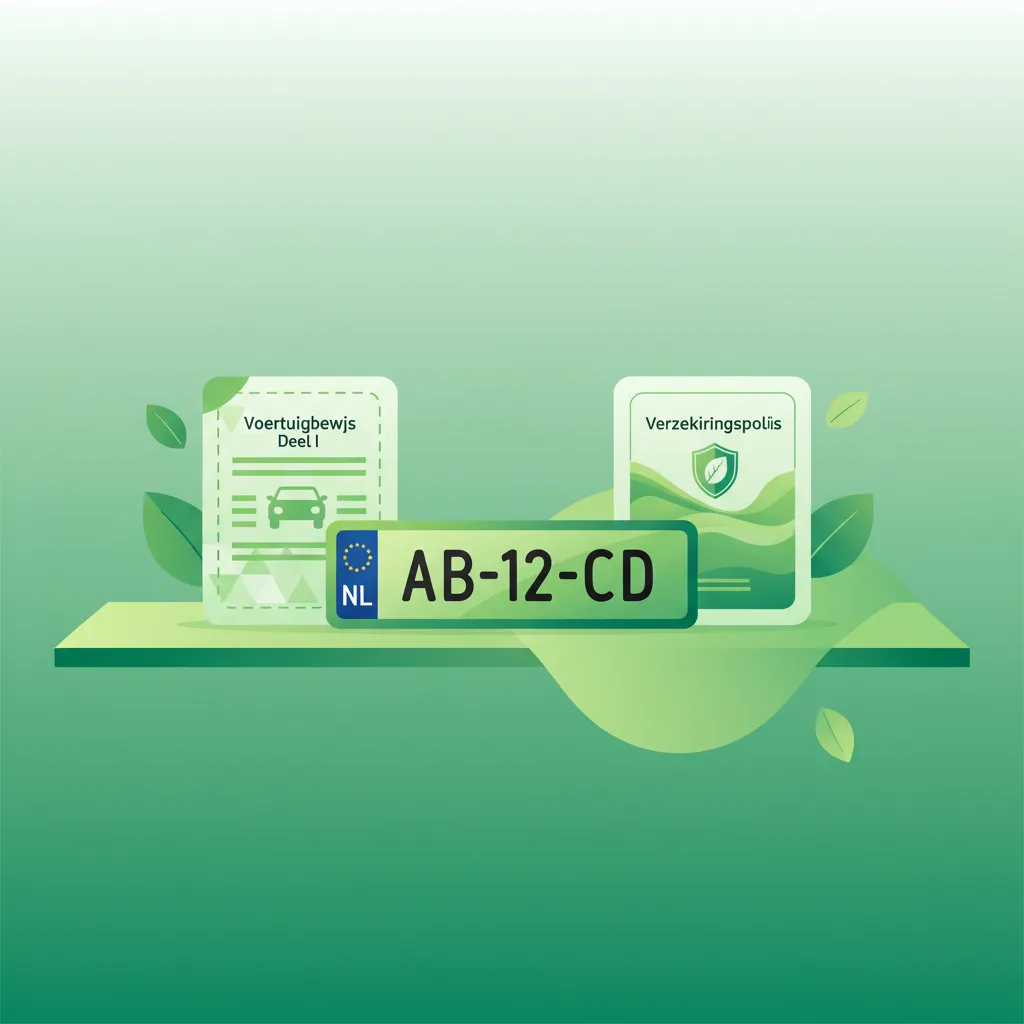
Explore the essential administrative requirements for any Category AM vehicle owner. This lesson covers the mandatory vehicle registration process, the distinction between yellow plates for bromfietsen and blue plates for snorfietsen, and the legal obligation for third-party liability insurance (WA-verzekering). You will learn what documentation is required, the consequences of non-compliance, and how these elements are verified during traffic enforcement, ensuring your vehicle is always road-legal.
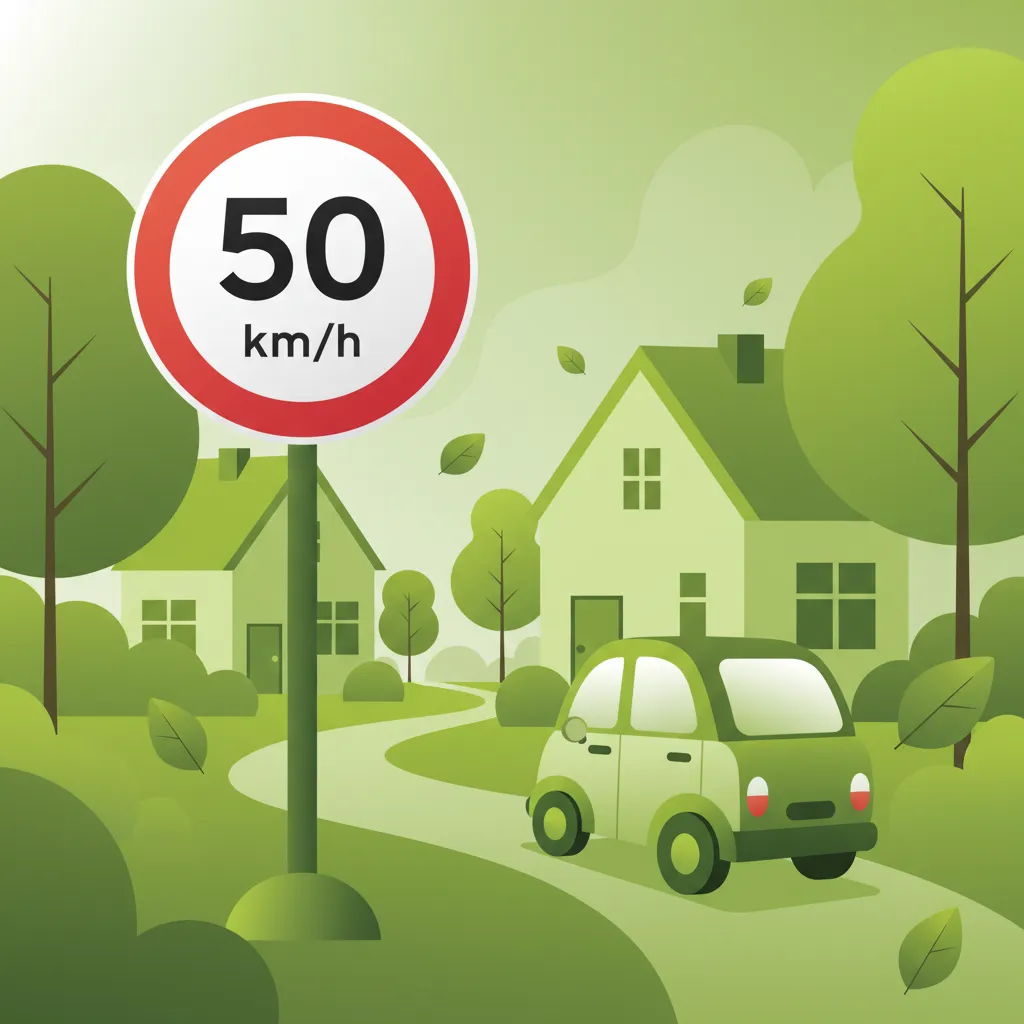
This lesson details the statutory maximum speeds for each Category AM vehicle: 25 km/h for snorfietsen, and 45 km/h for both bromfietsen and speed pedelecs on the carriageway. It explains how these limits apply within built-up areas, outside built-up areas, and on specific road types like residential zones ('woonerf'). The content covers how to interpret speed limit signs and the legal consequences of exceeding these strict limits, which is a key component of the CBR theory exam.
Effective communication with other road users is vital for safety. This lesson details the legal requirements and proper use of your vehicle's signaling equipment, including headlights, brake lights, and turn signals (indicators). It also explains the specific situations in which using the horn is permitted to avert danger. Finally, it covers the mandatory placement and type of reflectors that ensure your vehicle remains visible to others, especially in low-light conditions.

Riding at night presents two main challenges: seeing the road and being seen by others. This lesson covers the legal requirements for your vehicle's lighting system and how to use it effectively, including when to use high beams. It also emphasizes strategies to increase your own conspicuity, such as wearing bright or reflective clothing. You will learn how darkness affects your perception of speed and distance and how to adapt your riding to compensate for these limitations.
Holding a license and owning a vehicle comes with continuous legal responsibilities. This lesson reminds you of the importance of renewing your driving license before it expires and ensuring your vehicle's insurance policy remains active. It also covers your duty to inform the relevant authorities (like the RDW) of any changes, such as a change of address. Fulfilling these administrative obligations is essential to remaining a legal and responsible road user in the Netherlands.

Each season brings unique challenges for riders. This lesson discusses common seasonal hazards, such as wet autumn leaves that are as slippery as ice, the risk of black ice in winter, and increased agricultural traffic in the summer. It also highlights the importance of seasonal vehicle maintenance. For example, after winter, it is crucial to wash away corrosive road salt, and before winter, to check antifreeze and battery health, ensuring your vehicle is prepared for the conditions ahead.
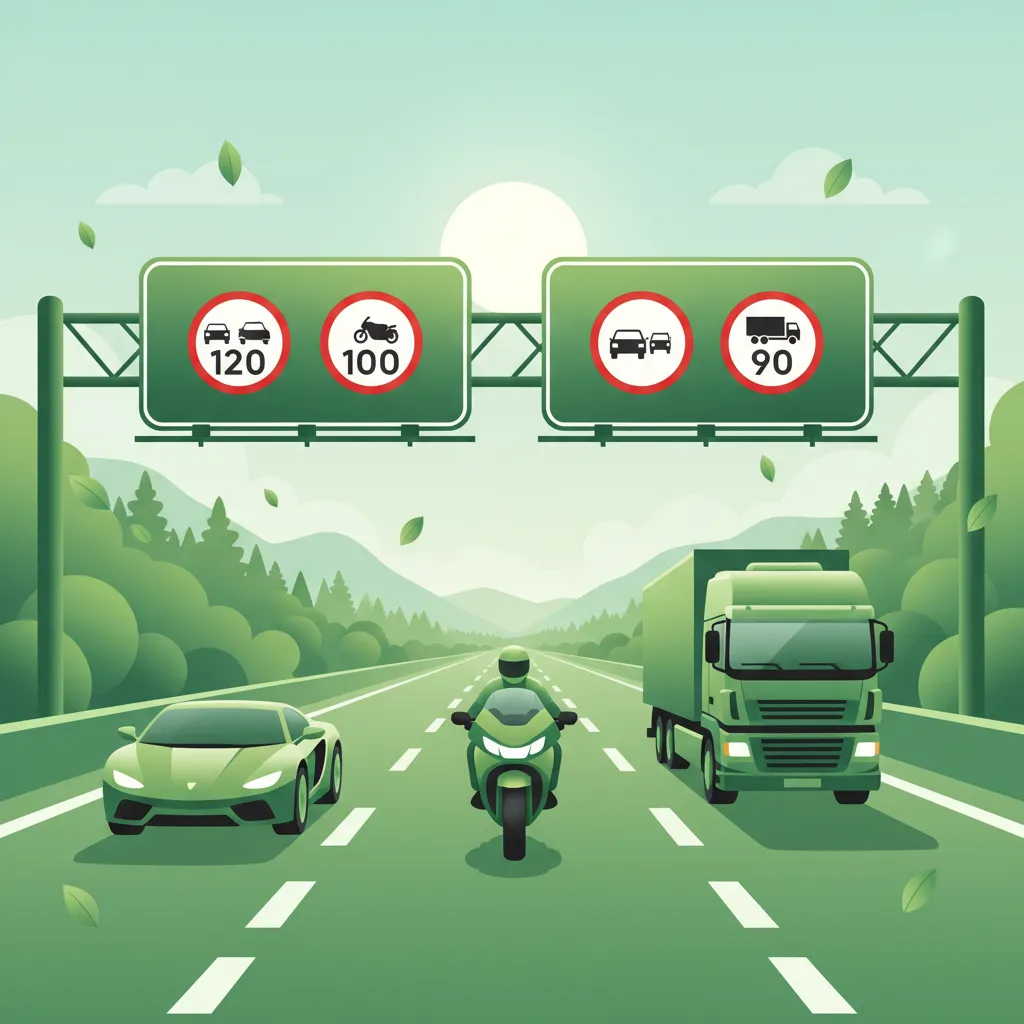
This lesson covers the universal Dutch road rules with a specific focus on their application to light motorcycles. It details the various speed limits for different road types, from urban areas to motorways, and explains the correct procedures for overtaking and lane positioning. The legal aspects of lane filtering in congestion are also examined, alongside mandatory equipment use like daytime running lights, to ensure riders can integrate safely and legally into traffic flow.
Find clear answers to common questions learners have about Definitions and Classifications. Learn how the lesson is structured, which driving theory objectives it supports, and how it fits into the overall learning path of units and curriculum progression in the Netherlands. These explanations help you understand key concepts, lesson flow, and exam focused study goals.
The primary distinction lies in their maximum design speed and intended use. A bromfiets typically has a higher speed limit and often uses the main carriageway, while a snorfiets has a lower speed limit and is usually restricted to cycle paths. The exact speed limits are defined by Dutch law and are a key focus of this lesson.
A speed pedelec is a type of high-speed electric bicycle, capable of reaching higher speeds than a standard bromfiets, typically up to 45 km/h. This classification brings specific requirements regarding licensing, helmet use (often a type-approved helmet), and road access, which are distinct from other AM category vehicles.
No, a brommobiel (light quadricycle) is legally distinct from a bromfiets or snorfiets. While it falls under Category AM for licensing purposes, it is a four-wheeled vehicle with specific regulations concerning its construction, speed, and where it can be operated, often treated more like a small car in traffic.
The CBR theory exam frequently includes questions that test your understanding of these classifications. Correctly identifying a vehicle type is crucial for applying the right rules regarding speed limits, road usage, priority, and safety equipment. Misinterpreting these can lead to incorrect answers.
Yes, absolutely. Each classification has specific legal requirements for registration (e.g., yellow license plate for bromfiets/snorfiets, specific plates for brommobiel), mandatory insurance, and technical inspections. Understanding the definitions helps you know which rules apply to your specific vehicle.