
This lesson provides a definitive guide to legal speed limits on different types of Dutch roads for A1 motorcycles. Understanding these official limits is crucial for your CBR theory exam and for ensuring safe, compliant riding. You will learn the specific rules for built-up areas, rural roads, expressways, and motorways, including important time-dependent variations. This knowledge forms the essential foundation for managing your speed responsibly as a motorcyclist.
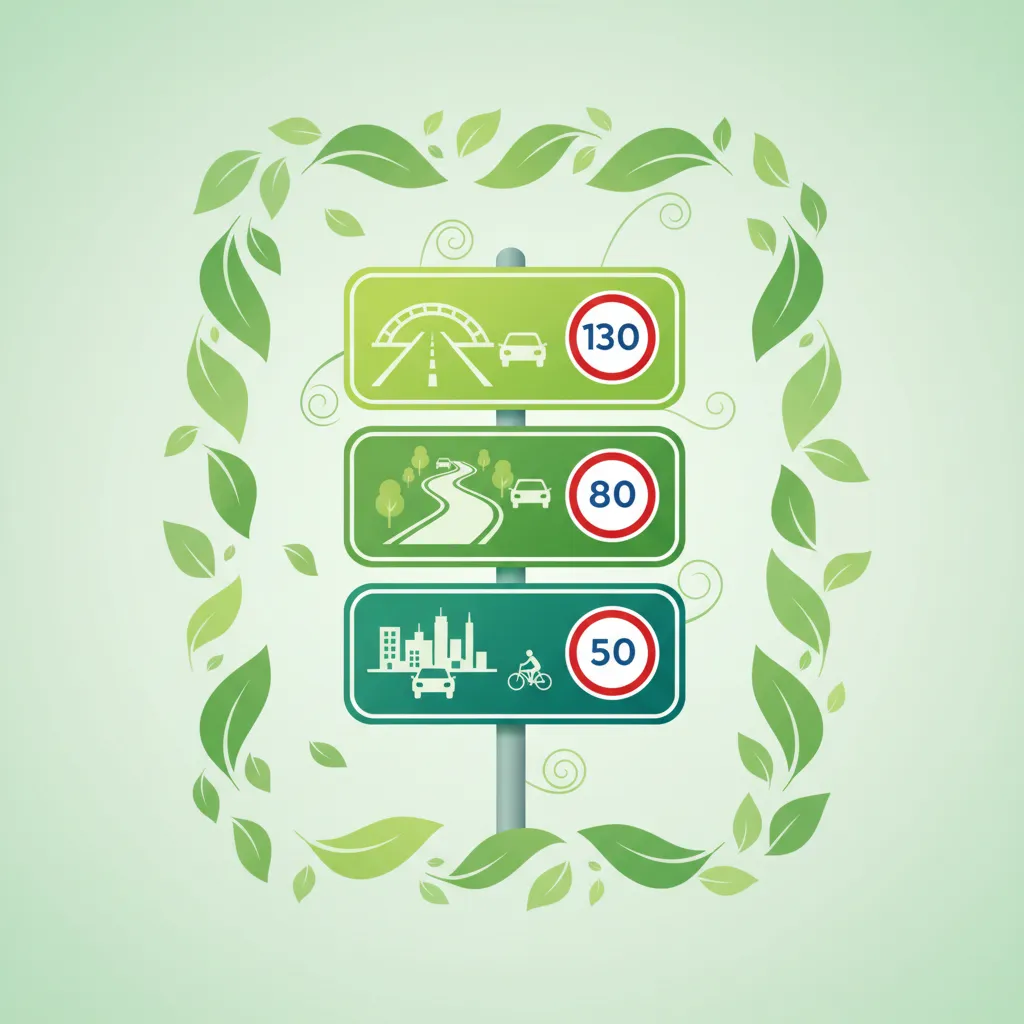
Welcome to this essential lesson for the Dutch A1 Motorcycle Theory course, focusing on legal speed limits across various road categories in the Netherlands. Understanding and adhering to these limits is paramount for your safety, the safety of others, and for passing your CBR theory test. Speed limits are not arbitrary figures; they are carefully set to balance efficient traffic flow with the critical need for road safety, considering road design, environmental factors, and the presence of vulnerable road users.
This chapter provides a definitive guide to the legal maximum speeds for A1 motorcycle riders in built-up areas, on rural roads, expressways ('autowegen'), and motorways ('snelwegen'). It also delves into crucial variations such as time-dependent and variable speed limits, equipping you with the knowledge to make safe and lawful speed choices in any situation.
The maximum permissible speed on any given road in the Netherlands is a fundamental aspect of traffic law. These limits directly influence the safety of all road users, especially motorcyclists, who are more vulnerable in a collision. Your ability to correctly identify the road type and its corresponding speed limit, as well as any overriding signage, is a core skill tested by the CBR.
Speed limits are established through national legislation, primarily the RVV 1990 (Reglement Verkeersregels en Verkeerstekens – Regulations on Traffic Rules and Traffic Signs), which defines the framework for safe road use. The underlying logic for setting these limits is multifaceted:
Several core principles govern how speed limits are applied and understood on Dutch roads:
The Netherlands categorizes its roads based on their design, function, and the environment they pass through. Each category has a specific default speed limit for motorcycles, which you must know.
A "built-up area" (Bebouwde Kom) is typically identified by a white rectangular sign featuring a black silhouette of houses and/or by the presence of street lighting at regular intervals (generally ≤ 150 metres apart).
Rural roads are any public roads outside built-up areas that are not expressways or motorways. They can vary greatly in design, from narrow country lanes to wider arterial routes.
An expressway ('autoweg') is a high-speed road specifically designed for motorized vehicles. Key characteristics include at least two lanes per direction, grade-separated intersections (meaning no crossings at the same level), and no direct access to adjacent properties.
Motorways ('snelwegen') represent the highest class of roads in the Netherlands. They are characterized by multiple lanes per direction (typically three or more), a central barrier, and complete separation from local traffic and other road users.
Beyond the default limits for road categories, various factors can lead to temporary or dynamic changes in speed limits. Recognizing and responding to these is critical for safe and legal riding.
These limits apply only during specified periods, often indicated by a clock icon or text on the speed limit sign itself.
These are dynamic speed limits displayed on electronic panels, typically above motorways and some expressways.
Temporary speed limits are imposed for a limited duration due to specific circumstances like road construction, maintenance, or special events.
Understanding the specific rules associated with speed limits is vital for your A1 motorcycle license theory exam and for safe riding.
Bebouwde Kom) is 50 km/h, unless a lower limit is explicitly signposted. This is mandatory for all motor vehicles.Failing to adhere to speed limits carries legal consequences and significantly increases the risk of accidents.
Legal speed limits represent the maximum permissible speed, but they are not always the safest speed. A responsible motorcycle rider always adjusts their speed to prevailing conditions, even if it means going slower than the posted limit.
Adverse weather significantly impacts road grip, visibility, and stopping distances.
The condition of your motorcycle and the load it carries directly affect its performance.
Pedestrians, cyclists, and other motorcyclists are considered vulnerable road users as they have little or no protection in a collision.
Certain areas are specifically designated for lower speeds due to their function or the presence of sensitive environments.
The rules surrounding speed limits are not arbitrary; they are rooted in the physics of motion and human perception. Understanding these principles reinforces why adherence to limits is crucial.
Let's look at a few common situations to solidify your understanding of speed limits.
You are riding your A1 motorcycle on a rural road with a default 80 km/h limit. You see a white rectangular sign with a black house silhouette ahead, indicating the start of a built-up area. There are streetlights present.
You are on a Dutch motorway (snelweg) where the default limit is 100 km/h during the day. It starts raining heavily, and an electronic overhead panel changes the displayed speed limit from 100 km/h to 70 km/h.
You are riding through a residential 30 km/h zone (inside a built-up area) and come across a cyclist traveling at 15 km/h. The road has limited width, and you estimate there is just enough space to pass with about 1 meter clearance.
Mastering speed limits is fundamental to safe and legal motorcycle riding in the Netherlands. It's not just about obeying the law, but about understanding the safety implications of your speed choices.
Key Takeaways:
Learner's Checklist for Every Ride:
By diligently applying these principles, you will not only be well-prepared for your Dutch A1 Motorcycle Theory exam but will also develop into a safer, more responsible rider on the road.
Lesson content overview
Explore all units and lessons included in this driving theory course.
Explore search topics learners often look for when studying Speed Limits per Road Category. These topics reflect common questions about road rules, driving situations, safety guidance, and lesson level theory preparation for learners in the Netherlands.
Browse additional driving theory lessons that cover connected traffic rules, road signs, and common driving situations related to this topic. Improve your understanding of how different rules interact across everyday traffic scenarios.
Understand the specific legal speed limits for A1 motorcycles on Dutch built-up areas, rural roads, expressways, and motorways. Learn how weather, time of day, and road conditions dynamically affect speed requirements. Essential knowledge for the CBR theory test.
This lesson outlines the statutory national speed limits applicable to motorcycles in the Netherlands. It clearly defines the maximum permitted speeds on motorways ('snelwegen'), non-motorway rural roads ('buiten de bebouwde kom'), and within built-up areas ('binnen de bebouwde kom'). The content also addresses variations, such as time-dependent speed limits on certain motorways, ensuring riders have a complete and accurate understanding of the legal requirements for speed.

This lesson covers the universal Dutch road rules with a specific focus on their application to light motorcycles. It details the various speed limits for different road types, from urban areas to motorways, and explains the correct procedures for overtaking and lane positioning. The legal aspects of lane filtering in congestion are also examined, alongside mandatory equipment use like daytime running lights, to ensure riders can integrate safely and legally into traffic flow.
This lesson provides a detailed overview of fixed speed limits on the Dutch road network and the signs that indicate them. You will learn to identify signs for maximum speed (BORD 50) and understand the default limits that apply within built-up areas, on rural roads, and on motorways. The content emphasizes the importance of constant awareness and legal compliance to avoid penalties and ensure road safety for yourself and others.
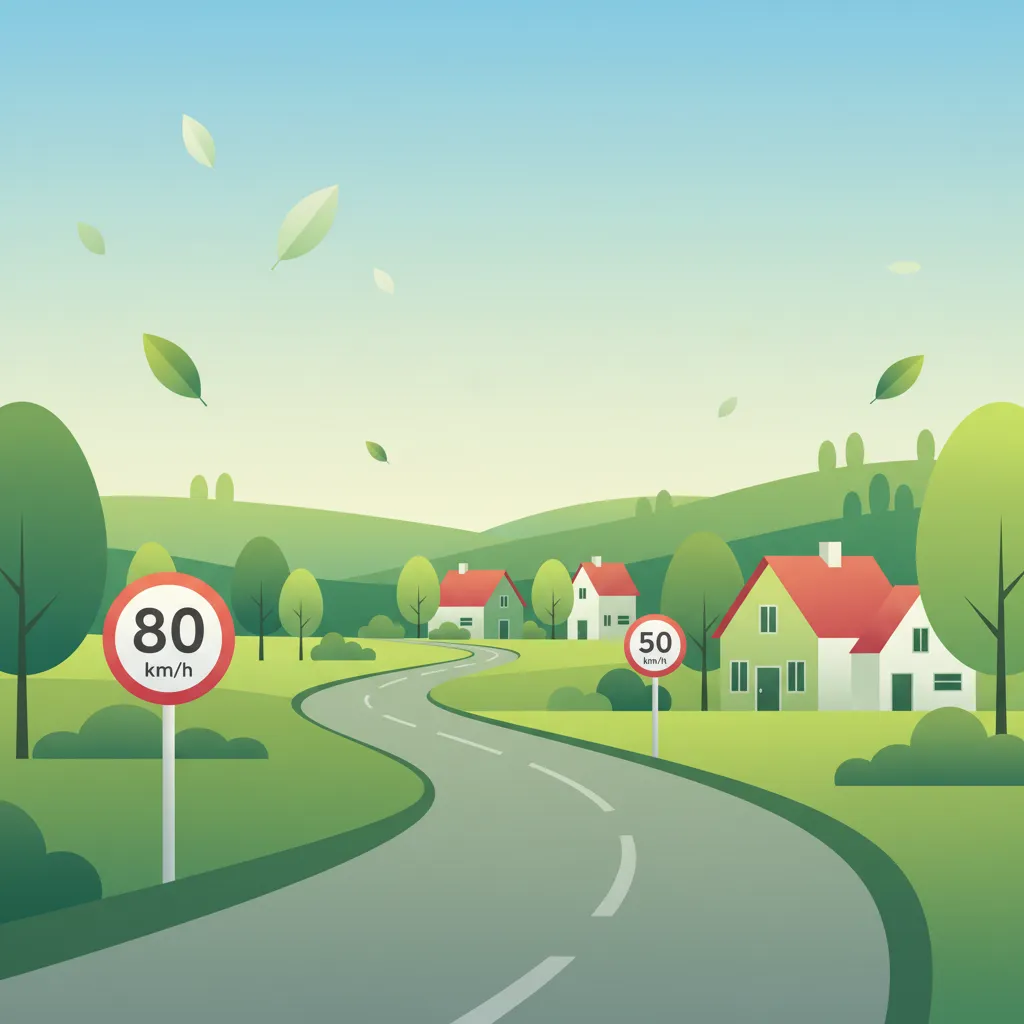
This lesson focuses on identifying different types of speed zones and understanding the rationale behind their limits. It explains how to recognize the start and end of a 'built-up area' ('binnen de bebouwde kom') via place-name signs and discusses special zones like 30 km/h zones and 'woonerven' (residential yards). The curriculum emphasizes adapting riding style to the specific hazards present in each type of zone, from high pedestrian activity in urban areas to unexpected curves on rural roads.
This lesson focuses on the unique demands of riding at sustained high speeds on motorways ('snelwegen'). It covers essential topics such as strict lane discipline, safe overtaking procedures, and maintaining a greater following distance to compensate for higher reaction and braking times. The content also addresses the physical and mental challenges, including managing wind blast, increased noise levels, and maintaining heightened situational awareness over long distances to combat fatigue.
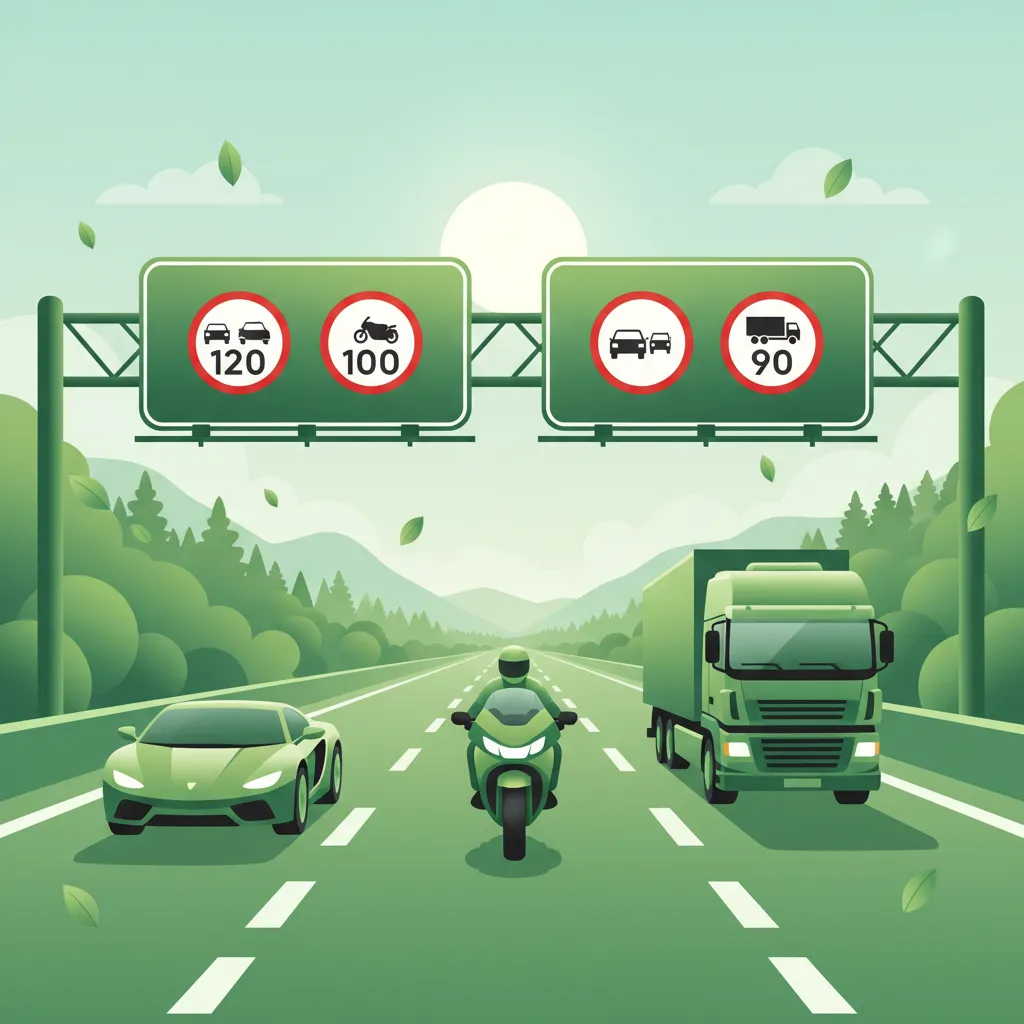
This lesson details the statutory maximum speeds for each Category AM vehicle: 25 km/h for snorfietsen, and 45 km/h for both bromfietsen and speed pedelecs on the carriageway. It explains how these limits apply within built-up areas, outside built-up areas, and on specific road types like residential zones ('woonerf'). The content covers how to interpret speed limit signs and the legal consequences of exceeding these strict limits, which is a key component of the CBR theory exam.

This lesson explains how to respond to variable speed limits shown on overhead electronic signs, which are used to manage traffic flow in real-time. You will learn why these limits are adjusted for factors like congestion, accidents, or bad weather, and the legal requirement to obey them. The content focuses on the importance of anticipatory riding, scanning far ahead for these signs to allow for smooth and safe speed adjustments.

The posted speed limit is a maximum, not a target. This lesson teaches the crucial skill of adapting your speed to prevailing conditions. You will learn how to assess factors like traffic density, poor weather (rain, fog), limited visibility (at night), and slippery road surfaces. Adjusting your speed downwards in these situations provides you with more time to react to hazards and significantly reduces the risk of losing control or being involved in a collision.
This lesson covers the specific articles of the Dutch Road Traffic Act that apply to motorways, with a primary focus on the strict rule of keeping to the rightmost available lane unless overtaking. It explains the legal and safety reasons for only passing on the left and discusses the correct positioning within a lane for maximum visibility and safety. The content also addresses the nuances of lane usage during heavy congestion, ensuring riders comply with the law and contribute to smooth traffic flow.

This lesson focuses on Dutch regulatory signs that enforce mandatory rules and restrictions, particularly those impacting A2 motorcyclists. You will learn to recognize and obey prohibition signs, such as those indicating a motorcycle ban (BORD 40), speed limits, and overtaking restrictions (BORD 21). The content explains the legal consequences of non-compliance and how to apply these rules in practical riding scenarios to ensure full adherence to Dutch traffic law.
Learn how to safely adjust your motorcycle speed based on real-world conditions like weather, visibility, and the presence of vulnerable road users in the Netherlands. Covers hazard perception and safe stopping distances theory.

This lesson reinforces the critical relationship between adverse conditions, reduced traction, and massively increased stopping distances. It provides a clear framework for how much riders need to increase their following distance and reduce their overall speed to maintain a safe margin for error. The curriculum teaches riders to constantly reassess their speed based on visual feedback from the road surface and the level of visibility, ensuring they can always stop within the distance they can clearly see.
The posted speed limit is a maximum, not a target. This lesson teaches the crucial skill of adapting your speed to prevailing conditions. You will learn how to assess factors like traffic density, poor weather (rain, fog), limited visibility (at night), and slippery road surfaces. Adjusting your speed downwards in these situations provides you with more time to react to hazards and significantly reduces the risk of losing control or being involved in a collision.

This lesson teaches the crucial skill of assessing road surfaces and adjusting speed accordingly to maintain maximum traction. It covers a variety of hazardous conditions, including wet asphalt, loose gravel, oil patches, metal manhole covers, and painted road markings, all of which can significantly reduce grip. Riders will learn to constantly scan the road ahead, identify potential traction-reducing surfaces, and proactively manage their speed to prevent slides and loss of control.

This lesson transitions hazard perception skills to the high-speed environment of motorways and tunnels. It covers specific risks such as vehicles merging at different speeds, sudden braking and congestion ahead, road debris, and the aerodynamic effects of crosswinds and large trucks. The curriculum also addresses the challenges of riding in tunnels, including changes in light and surface conditions, and the importance of identifying emergency exits and procedures in case of an incident.
This lesson prepares you for the unique dangers of high-speed highway riding. You will learn to scan for and navigate road hazards like debris, potholes, and slippery steel expansion joints on bridges. The content also addresses the powerful air turbulence created by large trucks that can upset a motorcycle's stability and the mental challenge of maintaining focus on long, monotonous stretches of road.
This lesson explains how to respond to variable speed limits shown on overhead electronic signs, which are used to manage traffic flow in real-time. You will learn why these limits are adjusted for factors like congestion, accidents, or bad weather, and the legal requirement to obey them. The content focuses on the importance of anticipatory riding, scanning far ahead for these signs to allow for smooth and safe speed adjustments.

This lesson explains why the standard two-second rule is insufficient in adverse conditions and requires extension. It details how factors like rain, fog, and darkness reduce both visibility and tire grip, thereby significantly increasing total stopping distance. The content provides practical guidelines, such as extending the following gap to four seconds or more in the wet, to ensure the rider always has enough time and space to stop safely, regardless of the conditions.
This lesson compares the different skills and awareness levels required for riding in dense urban environments versus high-speed express environments. It discusses managing frequent hazards like intersections and vulnerable road users in the city, contrasted with the need for high-speed stability, smooth lane changes, and managing merging traffic on motorways. Understanding how to adapt riding style is key to navigating these distinct settings safely.
This lesson focuses on the unique demands of riding at sustained high speeds on motorways ('snelwegen'). It covers essential topics such as strict lane discipline, safe overtaking procedures, and maintaining a greater following distance to compensate for higher reaction and braking times. The content also addresses the physical and mental challenges, including managing wind blast, increased noise levels, and maintaining heightened situational awareness over long distances to combat fatigue.
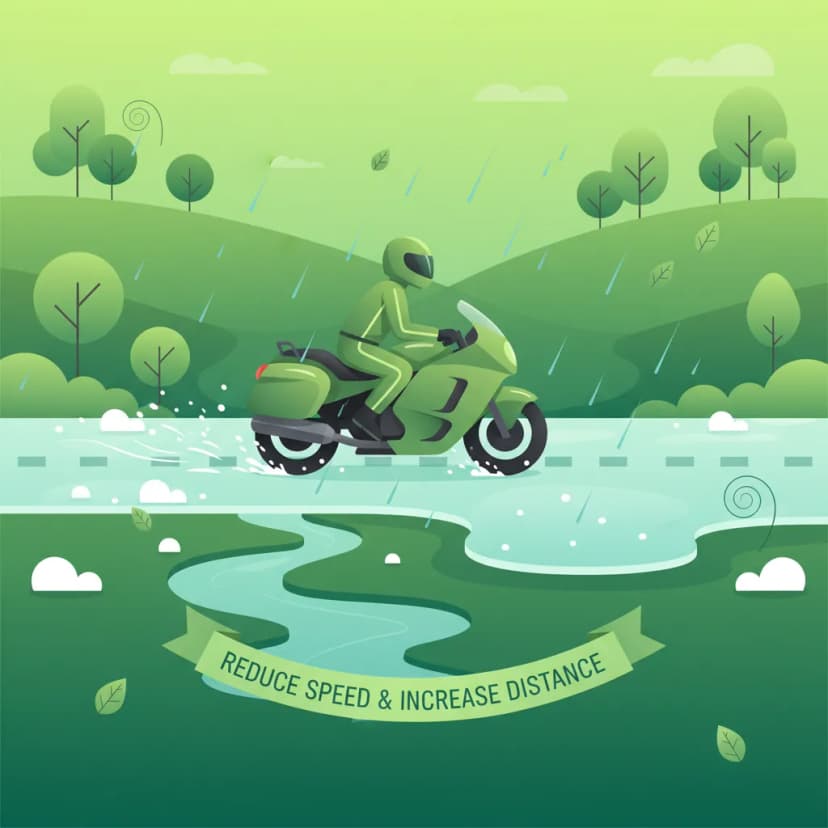
This lesson provides survival strategies for riding in the most challenging weather conditions, including heavy rain, snow, and potential ice. It emphasizes the importance of mental preparation, drastically reduced speeds, and hyper-smooth inputs for throttle, brakes, and steering. The content also covers identifying high-risk areas for 'black ice,' such as bridges and shaded spots, and the critical role of appropriate waterproof and insulated gear in preventing hypothermia and maintaining concentration.
Find clear answers to common questions learners have about Speed Limits per Road Category. Learn how the lesson is structured, which driving theory objectives it supports, and how it fits into the overall learning path of units and curriculum progression in the Netherlands. These explanations help you understand key concepts, lesson flow, and exam focused study goals.
Generally, yes, A1 motorcycles follow the same legal speed limits as cars on Dutch roads. However, always be aware of any specific signage that might indicate different limits for motorcycles or certain vehicle types. It's crucial to check local signs as deviations can occur, especially in urban or residential areas.
The standard speed limit in Dutch built-up areas (binnen de bebouwde kom) for A1 motorcycles is 50 km/h. This applies unless otherwise indicated by road signs. Always be vigilant for 30 km/h zones or even 15 km/h residential areas.
Autowegen (expressways) are typically indicated by a blue sign with a white car symbol, and the standard speed limit is 100 km/h. Snelwegen (motorways) are indicated by a blue sign with a white motorway symbol, and the maximum speed limit is typically 130 km/h, though often reduced to 100 km/h between 06:00 and 19:00. Always check the specific signs present.
Yes, particularly on motorways (snelwegen), speed limits for all vehicles, including A1 motorcycles, are often reduced to 100 km/h between 06:00 and 19:00. Outside of these hours, the limit typically reverts to 130 km/h where permitted. Always observe the electronic signs above the road or static signage for current regulations.
Exceeding speed limits in the Netherlands can lead to significant fines, penalty points, or even suspension of your driving license, depending on the severity and location of the offence. For A1 motorcyclists, legal compliance is essential not only for safety but also to maintain your driving privileges.