
This lesson focuses on the critical elements of rider posture and ergonomics for A1 motorcycle riders in the Netherlands. Proper positioning is key to maintaining control, reducing fatigue, and enhancing awareness, all vital aspects tested in the CBR theory exam. We'll guide you on achieving an optimal riding stance that ensures both safety and comfort.

Developing an optimal rider posture and understanding motorcycle ergonomics are fundamental skills for any motorcyclist, especially for those pursuing their Dutch A1 motorcycle licence. This lesson delves into the critical principles that ensure not only comfort but also superior control, enhanced safety, and sustained alertness during your rides. By consciously adopting correct body positioning and understanding the interplay between your body and the motorcycle, you can significantly improve your riding experience and reduce risks on the road.
Proper rider posture is more than just about looking good on a motorcycle; it's a cornerstone of safe and effective riding. Your body acts as a crucial interface with the motorcycle, directly influencing its stability, handling, and your ability to react to various road conditions and hazards. An ergonomically sound posture allows the rider to become an integrated part of the machine, absorbing road irregularities, transmitting steering inputs smoothly, and distributing weight efficiently during acceleration, braking, and cornering.
This physical connection dictates how well you can maintain balance, especially at low speeds or during emergency manoeuvres. A well-aligned posture also critically delays the onset of physical fatigue, which can impair concentration and reaction times over longer rides. The Dutch CBR (Centraal Bureau Rijvaardigheidsbewijzen) emphasizes these principles, recognizing their direct impact on overall road safety and the rider's capacity to handle their vehicle under diverse circumstances.
At its heart, rider posture is a blend of biomechanics and ergonomics. Biomechanics refers to the mechanical principles of the human body, specifically how forces are generated and transmitted through your skeletal and muscular systems. On a motorcycle, this means understanding how your limbs and torso interact with the bike's movements. Ergonomics, on the other hand, focuses on designing or arranging the riding environment to fit the rider, optimizing for efficiency, comfort, and safety.
The underlying logic is clear: a neutral, well-aligned posture keeps the rider's mass balanced within the motorcycle's natural centre of gravity. This stability is crucial for maintaining optimal tyre traction and preventing unexpected loss of control. It allows the rider to become a movable mass, capable of shifting to aid counter-steering, stabilizing the bike during braking, and absorbing vertical shocks without compromising grip. Furthermore, good ergonomics reduces muscular strain, preserving cognitive resources that are vital for hazard perception and quick decision-making.
Mastering rider posture involves understanding and applying several core principles simultaneously. These principles work together to create a dynamic, responsive, and comfortable riding position.
The neutral posture is the foundational stance for all motorcycle riding. It is a balanced body position where your spine is slightly inclined forward, shoulders are relaxed, elbows and knees are gently bent, weight is centred over the footpegs, and your head is aligned with your line of travel. This posture ensures that you are neither rigidly holding onto the bike nor excessively loose, providing a stable yet flexible platform.
This baseline posture allows for a balanced centre of gravity (CG), which is the point where the total weight of the rider-motorcycle system acts. Keeping the CG within optimal limits is essential for stability, especially during steering inputs and shock absorption. Riders often mistakenly believe a perfectly upright posture is neutral, which can shift the CG rearward and compromise front-wheel grip.
A truly effective riding posture is relaxed-but-engaged. This means your muscles are toned enough to maintain control and respond to the bike's movements, but not so tense that they quickly fatigue. Imagine your arms and legs as natural springs, ready to absorb road irregularities rather than transmitting every jolt directly to your spine.
Excessive tension, often seen in a "death grip" on the handlebars or locked elbows, stiffens your body. This not only causes rapid fatigue but also reduces your ability to absorb shocks and feel what the motorcycle is doing beneath you. A relaxed stance allows you to absorb bumps through your elbows and knees, preventing your body from becoming a rigid structure that transmits road shocks directly, which could lead to discomfort and reduced control.
The way you position your arms and hands is critical for precise control over the throttle, brakes, and steering. These actions are performed constantly and require both sensitivity and strength.
Your elbows should be bent approximately 30–45 degrees while gripping the handlebars, and your wrists should remain neutral, neither excessively flexed nor extended. This slight bend allows your arms to act as natural shock absorbers and provides leverage for steering inputs. When your arms are straight and locked, you reduce your steering leverage, making it harder to initiate turns smoothly and react quickly.
Straight arms also transmit road shocks directly to your shoulders and upper back, accelerating fatigue. This position also makes it difficult to modulate the throttle and front brake precisely, as any body movement directly affects your inputs. Maintaining the correct arm bend ensures smooth, controlled movements and reduces strain on your wrists and shoulders.
Grip pressure refers to the force you apply to the handlebars. It should be moderate and firm enough to maintain control, but without excessive clenching. A light, yet secure, grip prevents hand fatigue and allows you to maintain sensitivity to the motorcycle's feedback. Many riders develop a "death grip" when nervous or riding aggressively, which quickly leads to tired hands, reduced tactile feedback, and even numbness.
This excessive tension can also subtly interfere with steering, as you might inadvertently put pressure on the handlebars when you should be letting the bike's natural geometry guide the turn. Practicing a relaxed grip is essential for long-term comfort and precise control, allowing you to feel the nuances of the road surface and the bike's handling.
Your legs and feet play an equally vital role in motorcycle control, providing stability, aiding weight shifts, and acting as crucial shock absorbers.
Similar to your arms, your knees should be bent approximately 30–45 degrees when seated on the motorcycle. This bend allows your legs to act as a spring, absorbing vertical shocks from bumps and potholes, preventing these impacts from jarring your spine. Straight, locked knees eliminate this natural suspension, transmitting every jolt directly to your body and leading to rapid fatigue and discomfort.
Additionally, bent knees enable you to easily shift your weight laterally during cornering or to stabilize the bike at low speeds. They also provide a stable platform for modulating the rear brake pressure, which is essential for controlled stopping.
The correct footpeg placement involves resting the ball of your foot on the footpeg, with your ankle in a neutral position and your toes slightly off the edge. This position allows for rapid transition between operating the rear brake and the gear shifter without having to reposition your entire foot.
A common mistake is riding with a "flat-footed" stance, where the arch or heel of the foot rests on the peg. This slows down your reaction time for braking or shifting and can reduce your ability to absorb shocks through your legs. Proper foot positioning ensures that you can quickly and precisely activate controls when needed, contributing to safer riding.
Your head and eye alignment are fundamental to motorcycle control and hazard perception. The principle of "look-where-you-go" means your head should be positioned forward, and your eyes should be focused on your intended path of travel, not directly at the motorcycle's front wheel or immediate obstacles.
This enhances your peripheral awareness, allowing you to anticipate hazards well in advance. In corners, it naturally guides your body lean and helps the motorcycle follow the desired line. Constantly looking down at mirrors or directly at obstacles shortens your field of vision, delays your reaction time, and can disrupt your balance, making it harder to predict and respond to upcoming situations.
While good posture is primarily about rider technique, the motorcycle's setup significantly impacts how easily you can achieve and maintain an ergonomic position. Adjustments to the bike can tailor it to your body, enhancing comfort and control.
The seat height is the vertical distance from the ground to the top of the saddle. It is crucial that you can place both feet flat on the ground when the motorcycle is stationary. This ensures stability at stops, aids in mounting and dismounting, and provides confidence, especially for new riders. If the seat is too high, you might struggle to support the bike's weight, making low-speed manoeuvres and stops more challenging and potentially unsafe.
While some motorcycles offer adjustable seat heights, choosing a bike that naturally fits your inseam is ideal. If adjustments are necessary, ensuring that you can comfortably plant your feet without stretching is paramount, as recommended by CBR guidelines.
Handlebar reach is the horizontal distance from your grip point on the handlebars to the saddle. This distance, along with the handlebar width, should allow for a natural elbow bend of 30-45 degrees without requiring you to stretch excessively or hunch over. Handlebars that are too far away or too wide can cause shoulder and back strain, compromising your ability to shift weight quickly and maintain precise control.
The correct reach ensures that your arms are in an optimal position for steering leverage and shock absorption. For some motorcycles, aftermarket handlebars or risers can be installed to adjust the reach and width, allowing you to customize the bike to your specific body dimensions for improved ergonomics.
The placement of any additional load, such as luggage or backpacks, profoundly affects the motorcycle's centre of gravity (CG) and, consequently, its handling. Heavy rear-mounted luggage, for example, shifts the CG rearward, potentially reducing front-wheel traction during braking and causing the front wheel to feel light. This can necessitate a compensatory forward lean from the rider, leading to an awkward and fatiguing posture.
Rider-carried gear, such as a heavy backpack, should also be considered. While convenient, a heavy backpack can push your CG rearward and upwards, affecting the bike's balance and forcing you into a less ergonomic posture. Distributing weight evenly and using proper motorcycle-specific luggage systems can mitigate these issues.
Your protective riding gear is essential for safety, but its design and fit can also significantly impact your posture and overall comfort.
Jackets, trousers, and boots should offer adequate protection without restricting your natural range of motion. Overly stiff leather jackets or ill-fitting textile gear can limit your elbow and knee bend, forcing you into an incorrect and fatiguing posture. For example, a jacket that is too tight in the arms might prevent you from maintaining the optimal 30-45 degree elbow bend, leading to locked arms and reduced steering control.
Modern ergonomic gear often incorporates articulated sections, stretch panels, and adjustable features to ensure protection without compromising flexibility. When trying on gear, perform typical riding motions to ensure it allows for full, unrestricted movement of your joints.
A properly fitting helmet is crucial for safety and also plays a role in ergonomics. An ill-fitting helmet can shift or create pressure points, leading to discomfort and distraction. Furthermore, the helmet's design and your ability to maintain head-eye alignment are vital for clear vision. A clear visor, free from scratches or fog, is essential. Riding with an open visor in adverse weather, such as rain or fog, can lead to glare and reduced visibility, causing you to tilt your head awkwardly and strain your neck.
Motorcycle riding, especially over long distances, can be physically demanding. Managing fatigue and mitigating vibrations are key to maintaining concentration and comfort.
Motorcycles transmit vibrations from the engine and road to the rider's body. Continuous exposure to these vibrations can cause numbness in the hands, arms, and feet, leading to reduced sensitivity and control. This phenomenon, known as vibration dampening, can be addressed through several strategies:
Even with optimal posture and vibration mitigation, long rides can lead to fatigue. Strategies for managing this include:
While a neutral posture is the baseline, effective riding requires dynamic adjustments based on varying conditions and environments. Your ability to adapt your posture subtly can dramatically enhance safety and control.
When carrying a passenger or heavy rear luggage, the motorcycle's centre of gravity shifts rearward. This requires compensatory adjustments:
Beyond personal comfort and control, certain aspects of rider posture and equipment are mandated by Dutch traffic law or strongly recommended by the CBR for safety.
While article 48 of the RVV 1990 specifically addresses footwear, emphasizing its role in safe operation, the CBR guidelines strongly recommend protective gloves and suitable riding clothing. These items prevent skin abrasion, maintain grip, and contribute to fatigue reduction, all of which are crucial for maintaining control. Riding in sandals or other inappropriate footwear is illegal and ergonomically unsafe.
The CBR rider guidelines emphasize that any load carried on a motorcycle must not impair safe handling. This is not always a statutory rule with a specific article number for fines, but it's a critical safety recommendation. An improperly secured or excessively heavy load can shift the motorcycle's centre of gravity (CG), forcing the rider into compensatory and awkward postures, which dramatically increases the risk of an accident.
The CBR also recommends that the rider must be able to place both feet flat on the ground when the motorcycle is stationary. This ensures stability, confidence, and ease of mounting/dismounting, especially for new A1 riders who may be less experienced with balancing a motorcycle at a standstill.
Ignoring the principles of proper rider posture and ergonomics can lead to a cascade of negative consequences, affecting both your safety and your riding enjoyment.
A stiff, locked posture reduces your body's ability to absorb road shocks, transmitting vibrations directly to your spine and joints. This accelerates muscle fatigue, leading to discomfort, pain, and a significant reduction in cognitive resources. Studies indicate that muscular fatigue can add precious tenths of a second to your reaction time, which can be critical for avoiding hazards at typical urban speeds.
Improper arm and leg bends restrict your leverage for steering and your ability to absorb bumps. This compromises your fine control over the motorcycle, making it less responsive to your inputs and more susceptible to road irregularities. A shifted centre of gravity due to poor posture or load placement can also lead to instability, making the bike feel unpredictable during braking, acceleration, or cornering.
The cumulative effect of increased fatigue, reduced reaction time, and compromised control directly translates to a higher risk of accidents. When you can't react quickly or control your motorcycle precisely, your ability to avoid collisions or recover from unexpected events is severely diminished. Poor posture can also lead to chronic pain and injuries over time, impacting your long-term ability to ride.
As highlighted, certain aspects of posture and equipment are legally mandated. Failure to wear a helmet correctly, use appropriate footwear, or maintain both hands on the handlebars can result in legal penalties under the RVV 1990. While not always directly legislated, impaired handling due to improper load can also be deemed unsafe and subject to intervention by law enforcement.
Mastering rider posture and ergonomics is a continuous process that evolves with your riding experience and different contexts. By consistently applying these principles, you will enhance your control, comfort, and safety on every ride for your Dutch A1 motorcycle licence.
Lesson content overview
Explore all units and lessons included in this driving theory course.
Explore search topics learners often look for when studying Rider Posture and Ergonomics. These topics reflect common questions about road rules, driving situations, safety guidance, and lesson level theory preparation for learners in the Netherlands.
Browse additional driving theory lessons that cover connected traffic rules, road signs, and common driving situations related to this topic. Improve your understanding of how different rules interact across everyday traffic scenarios.
Explore advanced techniques for rider posture and ergonomics that enhance motorcycle control, feedback, and stability. Understand how subtle body positioning impacts your connection with the bike in various riding scenarios relevant to Dutch theory.

This lesson explains the critical role of the rider's body in controlling the motorcycle's dynamics, especially during cornering. It details how shifting body weight alters the combined center of gravity, allowing for greater cornering speed at a given lean angle or a safer lean angle for a given speed. Techniques for correct posture, footpeg weighting, and active body positioning are covered to enhance stability, maximize grip, and provide more precise control.

This lesson explains how you, the rider, are an active part of the motorcycle's dynamics. You will learn how shifting your body weight into the turn can reduce the required lean angle of the motorcycle itself, increasing the margin of safety and grip. The content covers correct posture, the importance of looking through the turn with your head up, and how to stay relaxed on the controls to allow the bike to work effectively.

This lesson demystifies the concept of counter-steering, the primary method for steering a motorcycle at speed. It explains how a small push on the handlebar initiates a lean, allowing the bike to turn effectively. The lesson also details how a rider's body position and weight shifting are used in conjunction with steering inputs to control the motorcycle's center of gravity, ensuring stability and precision while cornering.

This lesson focuses on the critical skill of throttle control, which directly influences the motorcycle's stability and traction. It covers the techniques for smooth roll-on and roll-off of the throttle to prevent abrupt weight shifts and potential loss of grip. Learners will understand the relationship between throttle input, engine response, and power delivery to the rear wheel, a concept essential for safe riding in all conditions, especially during cornering and on wet surfaces.

This lesson provides a comprehensive guide to safe and effective deceleration on a motorcycle. You will learn the principles of controlled braking, including the progressive application of both the front and rear brakes to maximize stopping power while maintaining stability. The content also explains the role of engine braking in managing speed and how the Anti-lock Braking System (ABS) helps prevent wheel lock-up during hard braking.

This lesson teaches the technique of progressive braking, which involves applying the brakes smoothly and gradually rather than abruptly. This method allows the motorcycle's weight to transfer forward in a controlled manner, compressing the front suspension and increasing the size of the front tire's contact patch. This, in turn, maximizes available grip and allows for harder, safer braking without unsettling the chassis or locking a wheel.

This lesson outlines the step-by-step procedure for executing a controlled emergency stop in a straight line. It emphasizes keeping the motorcycle upright, looking ahead, and applying both brakes firmly and progressively up to the point of maximum traction (or ABS activation). Understanding this technique is critical for minimizing stopping distance in a sudden hazard scenario and is a key skill assessed in practical motorcycle training.

This lesson explains the function of the clutch and gearbox in managing the motorcycle's power and speed. It details the correct techniques for upshifting and downshifting, including the concept of rev-matching for smoother transitions. The principles of engine braking are also covered, illustrating how releasing the throttle in gear provides controlled deceleration, which is a key skill for managing speed and reducing brake wear.

This lesson focuses on the critical relationship between speed, braking, and throttle control in cornering. You will learn the golden rule: complete your braking while the motorcycle is still upright, before initiating your lean. The content then explains how to use a neutral or slightly positive 'maintenance throttle' to keep the suspension settled mid-corner, followed by smoothly rolling on the throttle as you exit the turn to aid stability.

This lesson explains the principle of counter-steering, the primary method for steering a motorcycle at speeds above a walking pace. You will learn that to turn right, you must momentarily press forward on the right handlebar, and to turn left, you press the left one. The content demystifies the physics behind this technique, explaining how it uses gyroscopic forces to initiate a lean, which is what actually makes the motorcycle turn.
Learn how correct rider posture and ergonomic setup minimize fatigue and improve concentration, leading to safer riding. Essential theory for A1 licence holders to maintain alertness and control on longer journeys in the Netherlands.
This lesson addresses the significant dangers of rider fatigue, which are amplified during night riding. It explains the physiological effects of tiredness on reaction time, decision-making, and vision. Strategies for managing fatigue are presented, including the importance of proper pre-ride rest, taking regular breaks, staying hydrated, and recognizing the early warning signs of drowsiness to know when it is essential to stop riding and rest.

This lesson explains that fatigue is a major contributor to single-vehicle motorcycle accidents. You will learn to recognize its subtle symptoms, such as slow reaction times, poor judgment, and difficulty concentrating. The content provides essential strategies for prevention and management, including planning for regular rest stops, staying hydrated, and knowing when to stop riding for the day.

This lesson details the significant negative impact that both psychological stress and physical fatigue have on a rider's cognitive functions. It explains how these states can narrow attention, slow reaction times, and lead to irritable or irrational decision-making on the road. The content emphasizes the importance of self-assessment before every ride and having the discipline to postpone a journey when not mentally or physically fit to operate a motorcycle safely.
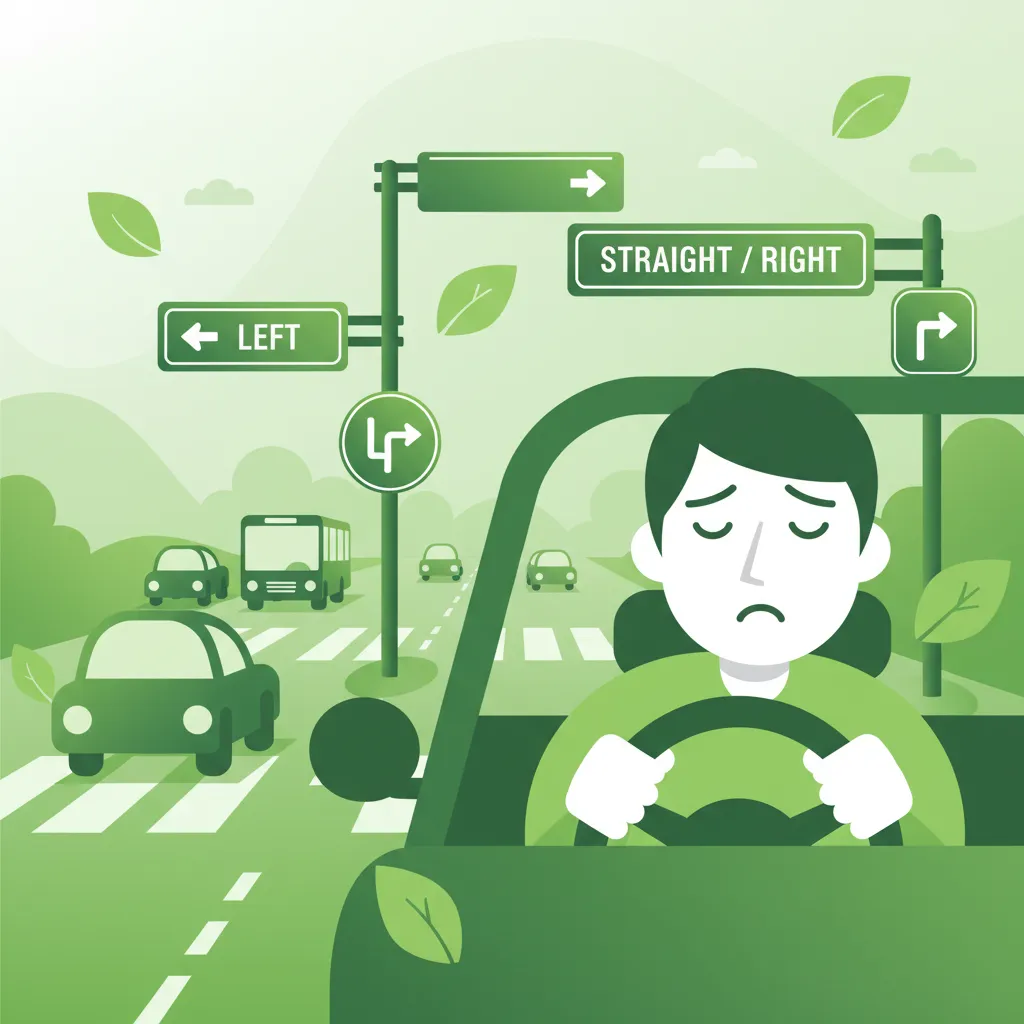
Fatigue and stress are major contributors to rider error and accidents. This lesson explains how physical tiredness and mental stress can slow your reaction time, impair your decision-making abilities, and lead to poor judgment on the road. You will learn to identify the early warning signs of fatigue and the importance of taking regular rest breaks on long journeys. The lesson also provides techniques for managing stress to ensure you are in a fit state to ride safely.
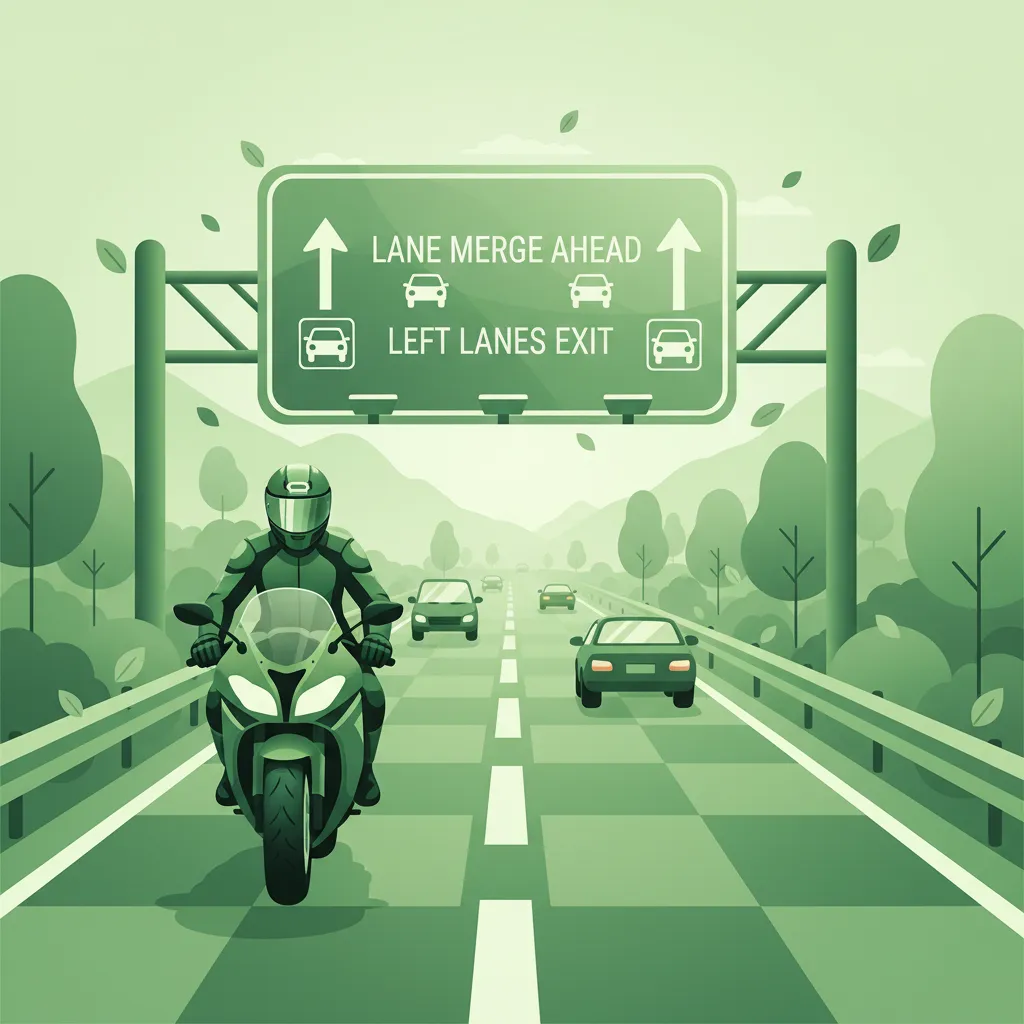
This lesson prepares you for the unique dangers of high-speed highway riding. You will learn to scan for and navigate road hazards like debris, potholes, and slippery steel expansion joints on bridges. The content also addresses the powerful air turbulence created by large trucks that can upset a motorcycle's stability and the mental challenge of maintaining focus on long, monotonous stretches of road.

This lesson provides critical instruction on managing blind spots ('dode hoek') to prevent collisions, particularly during lane changes. It covers the correct setup and use of mirrors, but stresses their limitations and the absolute necessity of the 'lifesaver' shoulder check before any lateral movement. Furthermore, it teaches riders how to be aware of the large blind spots around cars and especially trucks, and how to position themselves on the road to remain visible to other drivers at all times.

This lesson explores the psychological factors that underpin safe riding, focusing on the concept of cognitive load—the amount of mental effort required to process information. It explains how fatigue, stress, and distractions can overload a rider's capacity to process information, leading to a loss of situational awareness and poor decisions. The content provides strategies for managing mental resources, maintaining focus, and ensuring that the rider's brain is always ahead of the motorcycle.

This lesson delves into the psychological aspects of motorcycling, exploring how factors like attitude, emotion, and fatigue can influence decision-making and risk-taking. It encourages self-awareness, helping riders recognize states like overconfidence or distraction that can lead to poor choices. The ultimate goal is to foster a mature, defensive mindset focused on risk mitigation and making safe, responsible decisions on every ride.

Defensive riding means riding to prevent collisions, despite the actions of others or the conditions around you. This lesson teaches the core principles of this proactive safety strategy. Key techniques include managing the space cushion around your vehicle, positioning yourself in your lane for maximum visibility, constantly planning an escape route, and communicating your intentions clearly to other road users. This mindset acknowledges your vulnerability and empowers you to take control of your own safety.

This lesson synthesizes many of the course's concepts into the overarching philosophy of advanced defensive riding ('verdedigend rijden'). It defines this as a proactive mindset where the rider constantly scans for potential hazards, anticipates the worst-case scenario from other road users, and positions themselves to have time and space to react. This approach moves beyond simply following the rules to actively managing the environment to ensure personal safety at all times.
Find clear answers to common questions learners have about Rider Posture and Ergonomics. Learn how the lesson is structured, which driving theory objectives it supports, and how it fits into the overall learning path of units and curriculum progression in the Netherlands. These explanations help you understand key concepts, lesson flow, and exam focused study goals.
The CBR theory exam tests your understanding of safe riding practices. Proper posture and ergonomics directly impact your control, reaction time, and ability to concentrate, all of which are crucial for safety. Understanding these principles helps you answer questions related to hazard perception and risk management.
An incorrect or tense posture can lead to muscle strain and rapid fatigue, especially on longer rides. This fatigue can impair concentration and slow reaction times. Learning to maintain a relaxed, balanced posture helps distribute weight evenly and allows your body to absorb vibrations and bumps, reducing overall tiredness.
For A1 motorcycles, aim for a relaxed but engaged posture. Keep a slight bend in your elbows and knees to act as suspension, absorbing road imperfections. Your back should be relatively straight but flexible, allowing you to move with the bike. Ensure your feet are comfortably placed on the footpegs for stability and control.
Ergonomics refers to how well the motorcycle's controls and seating position fit the rider. Good ergonomics means the rider can easily reach and operate all controls without strain, maintain a stable body position, and have good visibility. This comfortable and efficient setup directly contributes to better bike handling and rider confidence.
You should maintain a relaxed but firm grip on the handlebars and a slight bend in your elbows and knees. Stiffness reduces your ability to react quickly and absorb shocks from the road. A relaxed posture allows your body to act as a natural suspension system, improving both comfort and control.