
This lesson focuses on defensive riding techniques, a crucial aspect of safe operation for mopeds, scooters, and speed pedelecs. As part of the Human Factors & Risk Management unit, it builds on previous lessons about traffic rules and signs, empowering you to proactively manage risks on Dutch roads and prepare for the AM theory exam.
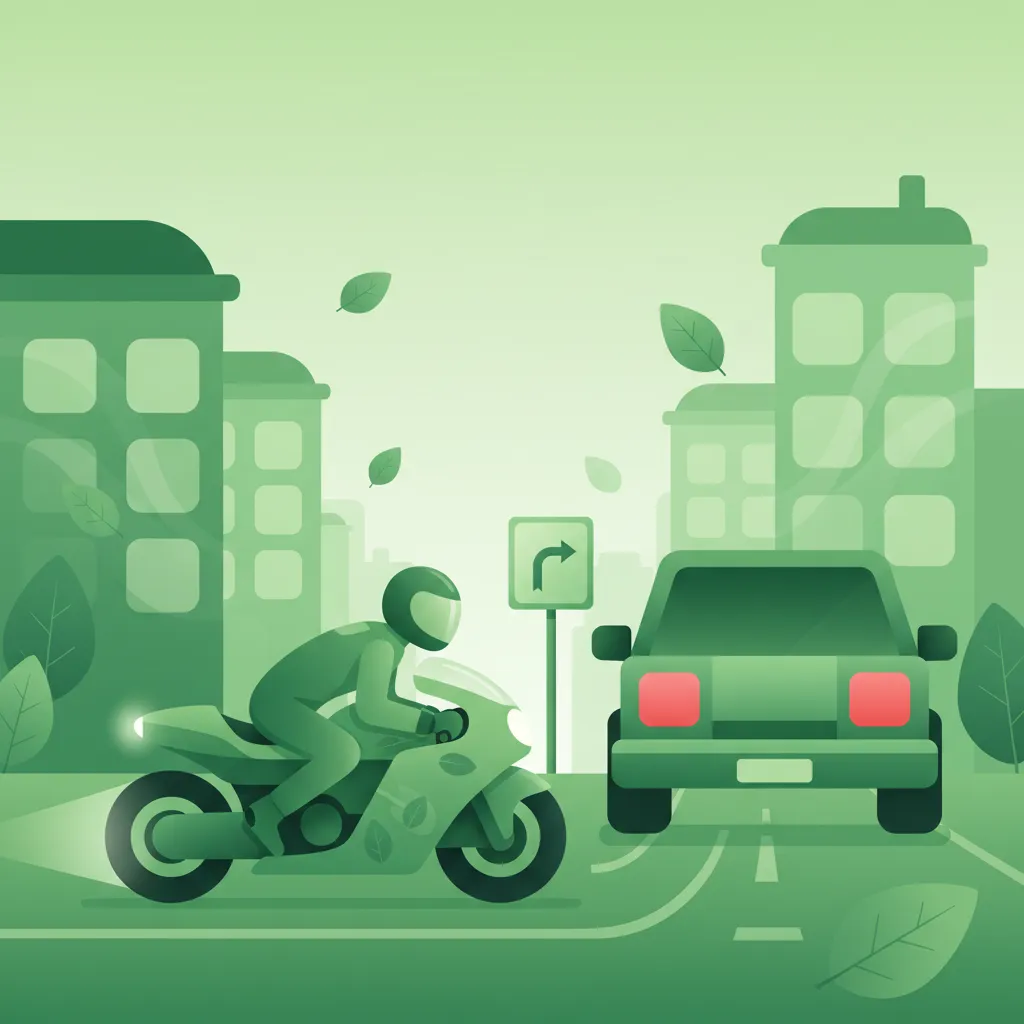
Learning to ride a moped, scooter, or speed pedelec (Category AM vehicles) on Dutch roads requires more than just mastering vehicle control. It demands a proactive safety mindset known as defensive riding. This strategy focuses on anticipating potential conflicts and taking preemptive actions to avoid them, regardless of what other road users might do or what conditions prevail. By understanding and applying these principles, you can significantly reduce your collision risk and enhance your safety on the road.
This lesson will provide a comprehensive understanding of defensive riding tailored for Category AM two-wheelers within the Dutch traffic environment. It will equip you with the knowledge and techniques to anticipate hazards, maintain safe distances, position your vehicle optimally, plan escape routes, and communicate your intentions clearly to others. This proactive approach not only keeps you safer but also ensures compliance with the Dutch Road Traffic Act (Wet verkeer) and the Dutch Traffic Rules (Reglement Verkeersregels en Verkeerstekens – RVV 1990).
Defensive riding is a philosophy that puts the rider in control of their own safety. It acknowledges the inherent vulnerability of two-wheelers compared to larger vehicles and provides strategies to compensate for this. The core idea is to always expect the unexpected from other drivers, pedestrians, and cyclists, and to ride in a way that allows you to react safely to any situation.
Defensive riding is a proactive safety mindset where you constantly analyze the traffic environment for potential hazards and prepare actions to mitigate risks before they fully materialize. It's about preventing accidents, rather than reacting to them as they happen. This includes observing traffic patterns, predicting actions of others, and always having an "out" or an escape plan.
Two-wheelers offer less stability and significantly less protection in a collision than cars. Even minor incidents can lead to serious injuries. Defensive riding compensates for these physical vulnerabilities by emphasizing situational awareness, pre-emptive action, and maintaining a substantial safety margin. It's a fundamental skill for operating a bromfiets, snorfiets, or speed pedelec safely on busy Dutch roads.
Dutch traffic law places a strong emphasis on road users' responsibility to prevent danger. The RVV 1990 outlines several obligations that form the basis of defensive riding. For instance, Article 3-22 requires every road user to avoid danger, Article 3-9a mandates keeping a safe distance, and Article 3-5 obligates drivers to anticipate the actions of others. Adhering to these rules is not just about avoiding fines; it's about fulfilling your duty to ride responsibly and safely.
Familiarity with traffic laws, vehicle control, and environmental influences, as covered in earlier units, provides the essential foundation for effective defensive riding.
Defensive riding is built upon a set of interconnected principles designed to maximize safety and minimize risk. Mastering these principles will enable you to navigate complex traffic situations with confidence and control.
A space cushion is the dynamic, three-dimensional buffer zone of time and distance around your two-wheel vehicle. This crucial safety margin allows you sufficient time and distance to react to sudden changes, such as another vehicle braking unexpectedly or a pedestrian stepping into your path.
The longitudinal cushion refers to the distance you maintain from vehicles in front of you and behind you. On dry roads, a minimum 2-second gap to the vehicle ahead is recommended for two-wheelers. This means choosing a fixed point (like a lamppost) and counting "one-thousand-one, one-thousand-two" after the vehicle in front passes it; if you reach the point before finishing the count, you are too close. In adverse conditions like rain, this gap should increase to 3-4 seconds. While the RVV 1990 Article 3-9a mandates a "safe distance," specific time-gap recommendations provide practical guidance.
The lateral cushion is the side-to-side distance you maintain from parked cars, roadside obstacles, adjacent lanes of traffic, and vulnerable road users like cyclists and pedestrians. A minimum lateral distance of 0.5 meters from curbs and parked vehicles is a good starting point, increasing significantly when passing cyclists (at least 1.5 meters if possible) or when road conditions are poor. This buffer prevents you from being too close to potential hazards like opening car doors or unexpected swerves from other vehicles.
Optimal Lane Positioning (OLP) is the strategic placement of your moped or scooter within its lane to maximize your visibility to other road users, improve your sight lines, and provide a buffer from roadside hazards. Your lane position should be dynamic, changing constantly based on your surroundings.
On multi-lane roads or high-speed routes where overtaking is frequent, riding in the central position within your lane (often slightly to the left of the lane's center) is generally preferred. This makes you more visible to drivers approaching from behind, who are less likely to overlook you. It also gives you more maneuvering space on either side if needed.
In narrow urban streets with parked cars, road furniture, or frequent pedestrian activity, you might adopt a more edge position, but always with caution. This could mean riding slightly away from the curb (e.g., 0.5 to 1 meter) to avoid potholes, debris, and sudden opening car doors, while still being clearly visible to oncoming traffic. The key is to avoid riding so far to the edge that you become invisible or get trapped by obstacles. RVV 1990 Article 3-5 emphasizes staying within your lane and not obstructing it unnecessarily.
Escape Route Planning (ERP) is the continuous mental mapping of at least one viable path to exit a potential conflict zone safely. This means always looking ahead and around you, considering options like braking, swerving, or even accelerating slightly, to avoid a collision if your primary path suddenly becomes unsafe.
When a hazard appears, your primary escape route is often the most direct and safest option, typically involving controlled braking. However, relying solely on braking can be insufficient. Therefore, you should also identify secondary escape routes, such as swerving into a clear adjacent lane, an open shoulder, or a safe area off the road. Having these options mentally prepared reduces panic and allows for a quicker, more effective response.
ERP requires constant scanning of your environment, looking not just at the road immediately ahead but also further down the road, to the sides, and in your mirrors. As traffic conditions, road surfaces, or visibility change, you must continuously adjust your planned escape routes. RVV 1990 Article 3-22, which imposes a duty to avoid danger, implies the necessity of such proactive planning.
Effective communication of intentions is vital for defensive riding. Two-wheelers can be less conspicuous than cars, making it even more important to signal your planned maneuvers explicitly. This reduces uncertainty for other road users, lowering the probability of conflict.
Use your vehicle's turn signals consistently before changing lanes or turning. Additionally, hand signals (e.g., left arm extended for a left turn, left arm bent upwards for a right turn, left arm bent downwards for slowing/stopping) are often recommended for two-wheelers, especially if your vehicle's signals are not clearly visible. Modulating your headlight (e.g., a quick flash of high beam) can also be used to attract attention, but avoid causing glare. A quick tap of the brake pedal can flash your brake light to signal early deceleration. RVV 1990 Article 3-3 explicitly states the mandatory nature of signalling before turns or lane changes.
Your horn is an important safety device, not just for emergencies. A brief, polite tap of the horn can alert a distracted pedestrian or a driver in a blind spot to your presence. In the Netherlands, the horn may only be used when necessary to avert immediate danger or outside built-up areas. Be mindful that an aggressive horn blast can startle rather than inform.
Risk anticipation and hazard perception involve continuously scanning and assessing your environment for potential dangers. This cognitive process allows you to recognize cues that might develop into hazards, enabling you to prepare defensive actions before a situation becomes critical.
Your scanning technique should cover both static hazards (e.g., potholes, gravel, faded road markings, parked vehicles, road construction) and dynamic hazards (e.g., merging traffic, distracted drivers, pedestrians about to cross, children playing near the road, turning vehicles). Look far ahead (12-15 seconds of travel time), check your mirrors frequently (every 5-8 seconds), and scan side-to-side. This comprehensive scanning pattern, often called a "visual lead," helps you detect potential issues early.
The Netherlands has a high density of vulnerable road users (VRUs), including pedestrians and cyclists. Anticipate their actions, which may sometimes be unpredictable. A cyclist might suddenly swerve to avoid a pothole; a pedestrian might step into the road without looking. Always assume they may not see you and be prepared to react. This aligns with the obligation to keep a safe distance and avoid danger (RVV 1990 art. 3-5 and 3-22).
Mindful speed management means selecting and continuously adjusting your speed based on prevailing road, traffic, and environmental conditions. This ensures you can always maintain your space cushion, effectively execute your escape routes, and react safely to unexpected events.
While there are posted speed limits for bromfietsen (maximum 45 km/h) and snorfietsen (maximum 25 km/h), simply adhering to the maximum allowed speed is not always safe. You must adapt your speed to circumstances, as mandated by RVV 1990 Article 3-4. This involves slowing down for wet roads, limited visibility (fog or heavy rain), busy urban areas, blind curves, or when approaching intersections. Reducing your speed significantly shortens your braking distance and increases your reaction time.
Riding at maximum legal speed in hazardous conditions like heavy fog or on icy roads drastically increases collision risk, even if technically within the limit. Always prioritize safety over speed.
Defensive riding strategies are deeply intertwined with specific Dutch traffic laws. Understanding these regulations is not only about legal compliance but also about performing safer maneuvers.
The law requires drivers to "keep a distance that allows safe braking and maneuvering under prevailing conditions." For two-wheelers, this translates directly to maintaining an adequate space cushion, especially a longitudinal gap. Failing to do so can lead to rear-end collisions, which are particularly dangerous for moped and scooter riders.
RVV 1990 Article 3-5 states that "the driver must keep the vehicle within the lane." This rule underpins the concept of Optimal Lane Positioning. While it allows flexibility within the lane, it prohibits erratic movements or riding partially in an adjacent lane without proper indication. Consistent lane positioning ensures predictability for other road users.
Before turning or changing lanes, drivers must indicate their intention using hand signals, lights, or vehicle signals. For two-wheelers, clear signalling with your indicators and supplementary hand signals is crucial, especially in busy traffic where your small size might make your vehicle's lights less noticeable.
The duty to "take appropriate measures to avoid danger" is particularly relevant at intersections. These are major conflict points where different traffic flows converge. Even when you have right-of-way, a defensive rider will always slow down, scan thoroughly, and be prepared to stop if another road user makes an error.
Article 3-4 mandates that "the driver must adapt speed to road, traffic, weather, and visibility conditions." This rule directly supports mindful speed management. It means slowing down below the posted limit when conditions warrant, such as during heavy rain, fog, or in congested areas with many pedestrians and cyclists.
Headlights are mandatory from sunset to sunrise and in conditions of reduced visibility. For two-wheelers, using your dipped beam (low beam) during the day is also highly recommended to increase your visibility to other drivers, even if not always legally required. Flashing your headlights should only be done to signal immediate danger, not to assert right-of-way.
All Category AM riders (mopeds, scooters, snorfietsen, speed pedelecs) are legally required to wear an approved, securely fastened helmet. This is a fundamental safety measure that directly mitigates the severity of head injuries in a crash, reinforcing the core purpose of defensive riding: personal safety.
Understanding common mistakes helps you proactively avoid them. Many collisions involving two-wheelers stem from a lack of defensive riding application.
Insufficient Longitudinal Cushion in Wet Conditions
Riding Too Close to the Curb (Edge Positioning Misuse)
Failure to Signal Lane Change on a Multi-Lane Road
Continuing at Maximum Legal Speed in Low Visibility Fog
Improper Use of High-Beam Headlights in Urban Areas
Neglecting Secondary Escape Route in a Blind Corner
Overloading the Vehicle Beyond Manufacturer Limits
Riding without Helmet or with Improper Fit
Assuming Right-of-Way at Intersection Without Checking
Riding on the Wrong Side of the Road Due to Misinterpretation of Signage
Effective defensive riding is not static; it constantly adapts to the prevailing environment. Different conditions demand specific adjustments to your core principles.
Wet roads significantly reduce tire grip and increase braking distances.
When visibility is poor, the time available to react to hazards decreases dramatically.
The density and nature of hazards differ significantly between urban and high-speed environments.
Intersections are high-risk areas due to converging traffic.
Adding weight to your two-wheeler alters its handling characteristics.
Pedestrians and cyclists are highly vulnerable in a collision.
Potholes, gravel, tram tracks, or worn asphalt can cause loss of control for two-wheelers.
Defensive riding principles are rooted in fundamental physics, human physiology, and psychology. Understanding these underpinnings reinforces why these strategies are so effective.
Two-wheelers have a smaller "visual mass" than cars, making them harder for other drivers to detect, especially against complex backgrounds. Defensive riding's emphasis on OLP and visible communication techniques directly addresses this. By making yourself more prominent in a driver's visual field, you increase their visual angle, reducing the time it takes for them to perceive and react to your presence.
The average human reaction time from perceiving a hazard to initiating a response is approximately 1 second. This might seem short, but at 50 km/h, your vehicle travels about 14 meters in that second before you even begin to brake. Maintaining a 2-second time-based space cushion provides you with an additional 28 meters of safety buffer at that speed, effectively giving you 3 seconds (1 reaction + 2 buffer) to decide and act, which is often the difference between avoiding a crash and being involved in one.
The distance required to stop a vehicle increases exponentially with speed. Specifically, braking distance is proportional to the square of your speed. Reducing your speed from 45 km/h to 30 km/h (a 33% reduction) can cut your actual braking distance by roughly 55%. This dramatic difference highlights why mindful speed management is critical for defensive riding, as it directly impacts your ability to stop within the available space.
By constantly scanning and planning with ERP, you reduce the element of surprise in critical situations. When you have pre-planned options, your brain experiences less cognitive load and stress, allowing for clearer, quicker decision-making rather than panicked, reflexive reactions. This systematic approach contributes to safer outcomes.
Dutch traffic data consistently show that two-wheelers are overrepresented in injury and fatal collisions. Common contributing factors often include insufficient following distance, failure to signal, and improper speed adaptation. By addressing these specific behaviors, defensive riding directly targets the most prevalent causes of two-wheeler accidents. For example, analyses often show insufficient following distance to be a factor in a significant percentage of two-wheeler collisions.
Risk homeostasis is a psychological principle suggesting that individuals tend to maintain a constant level of perceived risk. If a rider feels safer (e.g., due to advanced safety features or less traffic), they might subconsciously adopt riskier behaviors to return to their preferred level of risk. Defensive riding counters this by providing a structured framework that encourages continuous, conscious evaluation and mitigation of risks, regardless of how "safe" the situation might initially feel.
Let's look at practical examples of how defensive riding principles are applied in various real-world situations.
Navigating a Wet Urban Street with Obstacles
Approaching a Blind Curve on a Rural Road
Managing an Urban Intersection with Changing Lights
Safe Night Riding on a Highway
Operating an Overloaded Snorfiets in City Traffic
Defensive riding is an indispensable skill for anyone operating a moped, scooter, or speed pedelec in the Netherlands. It is a proactive safety framework built on anticipation, visibility, and controlled maneuvering, designed to prevent collisions regardless of the actions of others or environmental conditions.
The core principles of defensive riding include:
These principles are not merely suggestions; they are often supported by specific articles in the Dutch Traffic Rules (RVV 1990), such as those pertaining to safe distances, lane discipline, mandatory signalling, and speed adaptation. Adherence to these legal obligations forms the bedrock of safe and responsible riding.
By consistently applying these strategies, Category AM riders can significantly reduce their risk of accidents, enhance their safety, and contribute to a smoother, more predictable traffic flow for everyone on Dutch roads.
Lesson content overview
Explore all units and lessons included in this driving theory course.
Explore search topics learners often look for when studying Defensive Riding Strategies for Two‑Wheelers. These topics reflect common questions about road rules, driving situations, safety guidance, and lesson level theory preparation for learners in the Netherlands.
Browse additional driving theory lessons that cover connected traffic rules, road signs, and common driving situations related to this topic. Improve your understanding of how different rules interact across everyday traffic scenarios.
Explore practical, real-world scenarios illustrating defensive riding techniques for mopeds and scooters. Learn to apply principles of visibility, space management, and hazard anticipation in common Dutch traffic situations to enhance safety.

This lesson synthesizes many of the course's concepts into the overarching philosophy of advanced defensive riding ('verdedigend rijden'). It defines this as a proactive mindset where the rider constantly scans for potential hazards, anticipates the worst-case scenario from other road users, and positions themselves to have time and space to react. This approach moves beyond simply following the rules to actively managing the environment to ensure personal safety at all times.

This lesson equips riders with cognitive strategies for managing ambiguous or conflicting traffic situations where priority rules may be misinterpreted by other road users. It focuses on the principles of defensive riding, such as making eye contact, using clear signals, and being prepared to yield the right-of-way to avoid a collision. The content teaches how to resolve uncertainty safely by prioritizing hazard avoidance over asserting one's legal right-of-way, a critical skill for motorcyclist survival.

This lesson introduces the Dutch concept of 'voorspellend rijgedrag,' or anticipatory riding, a proactive approach to safety. It teaches motorcyclists how to look beyond the immediate vehicle in front and scan for clues that predict the actions of other road users, such as turn signals, wheel direction, and driver head movement. By anticipating potential conflicts before they happen, riders can position themselves to avoid danger and ensure a smoother, safer journey through complex traffic.
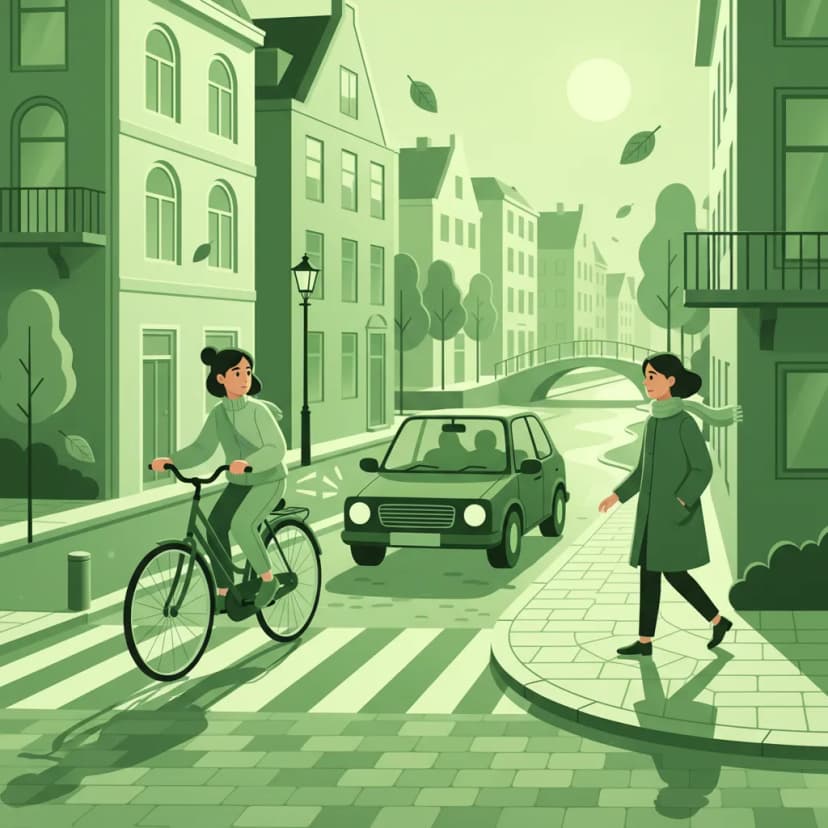
This lesson focuses on the unique and densely packed hazards found in urban traffic environments. It teaches riders to develop a systematic scanning pattern to identify potential risks from multiple sources simultaneously, such as pedestrians stepping off curbs, car doors opening unexpectedly, and buses pulling out. The content also emphasizes the importance of managing speed and always having an 'escape route' planned in case a hazard suddenly materializes in the complex city landscape.
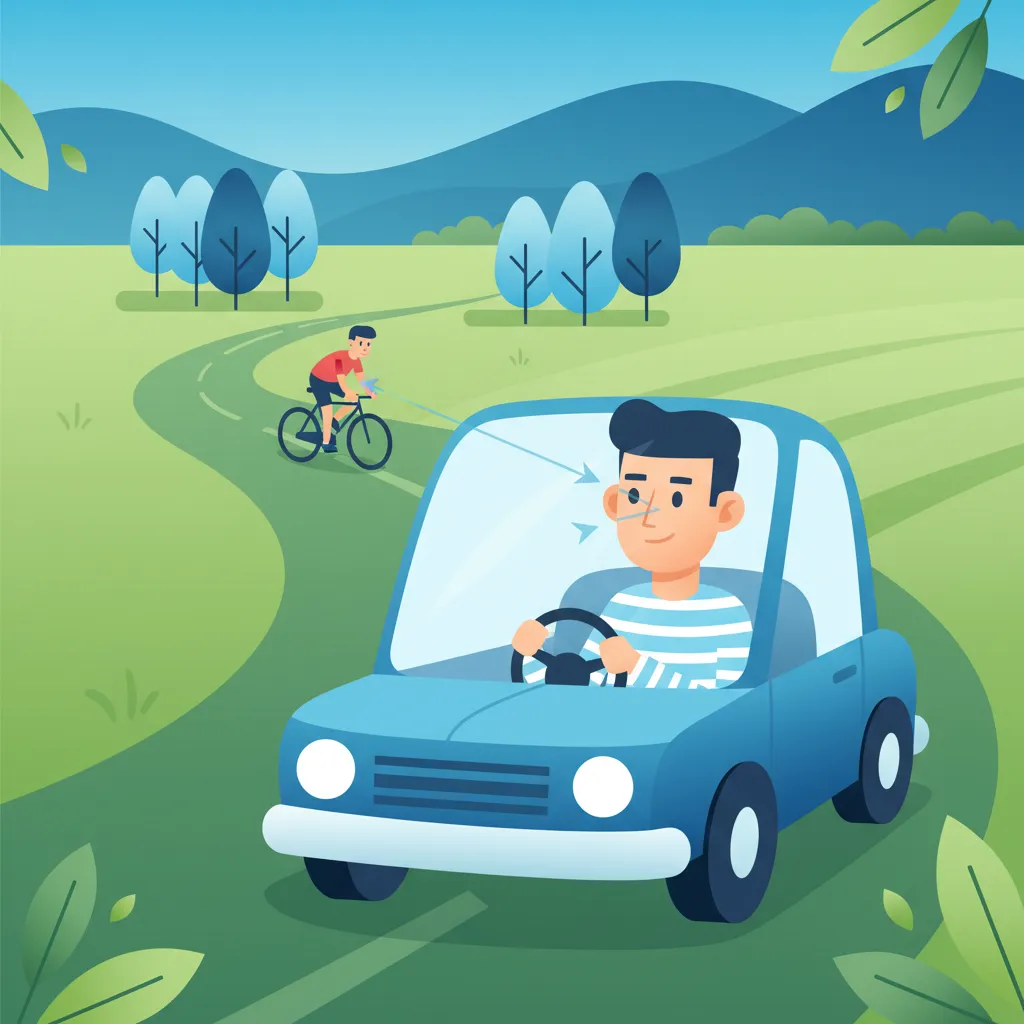
This lesson focuses on training the brain to become a more effective hazard detection system. It introduces psychological techniques like 'commentary riding,' where the rider verbalizes all perceived hazards and their planned responses, which enhances focus and processing. The practice of constantly running 'what-if' scenarios helps to pre-plan reactions to potential events, reducing the time it takes to respond if a real hazard materializes, turning anticipation into a deeply ingrained habit.
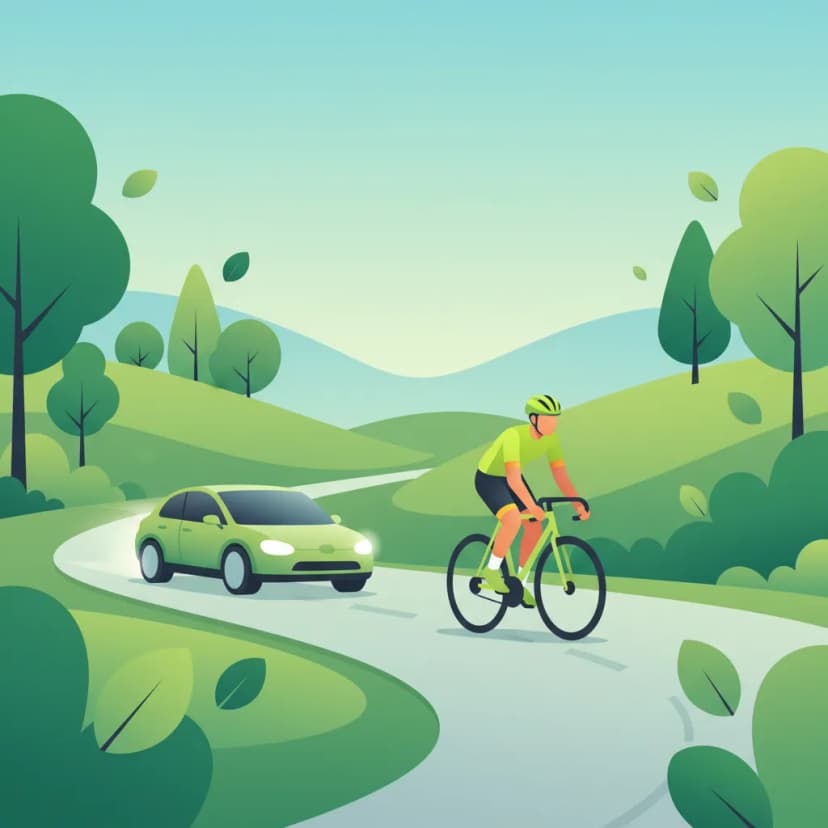
This lesson explains that where you ride in your lane is a critical safety choice. You will learn to avoid lingering in the blind spots ('dode hoek') of cars and trucks, and how to position yourself to be clearly visible in their mirrors. The content teaches you to constantly adjust your lane position to create a space cushion and ensure you always have a planned escape path in case of an emergency.

Your ability to react quickly to danger depends on your reaction time, which is affected by alertness, fatigue, and distractions. This lesson explores these factors and teaches proactive hazard perception skills. You will learn how to scan the road ahead, identify potential risks early (e.g., a child near the road, a car waiting to pull out), and predict the actions of other road users. This anticipatory mindset is more effective than simply reacting to events as they happen.
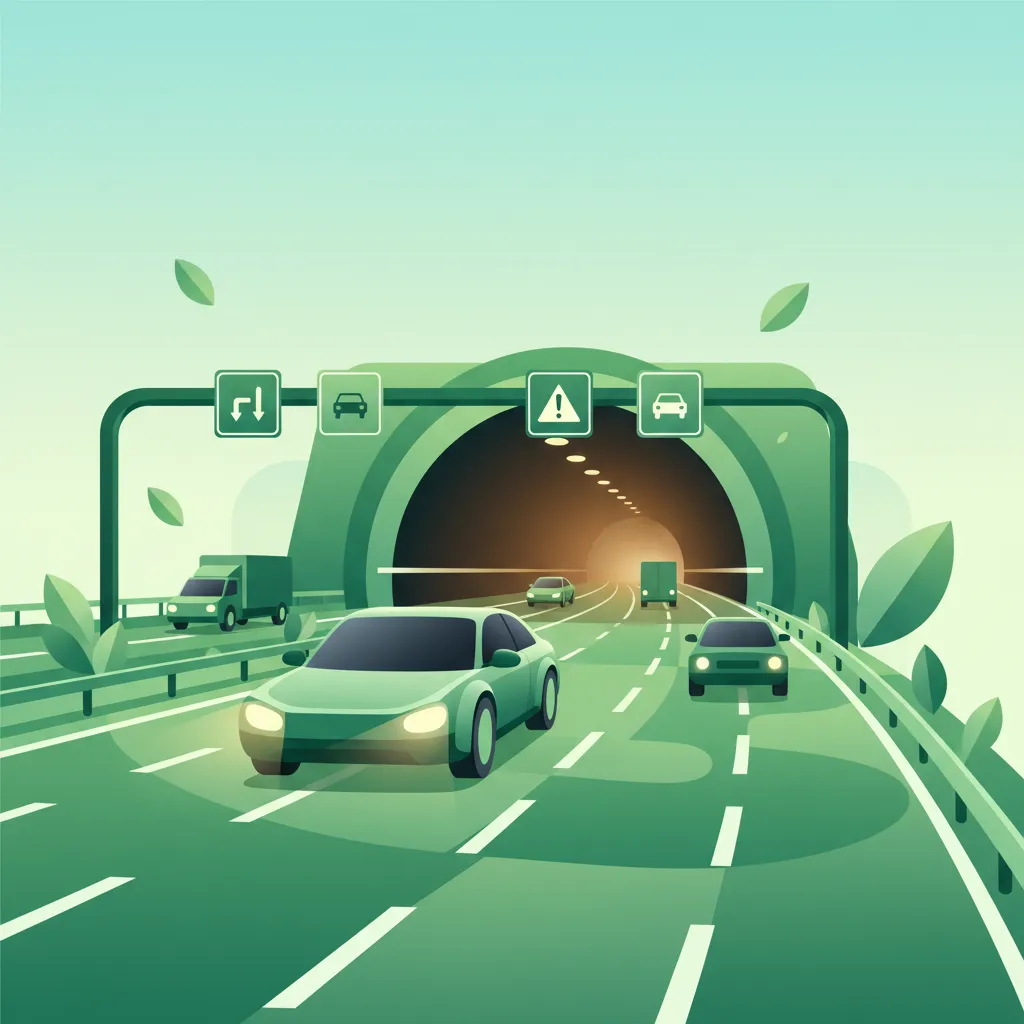
This lesson transitions hazard perception skills to the high-speed environment of motorways and tunnels. It covers specific risks such as vehicles merging at different speeds, sudden braking and congestion ahead, road debris, and the aerodynamic effects of crosswinds and large trucks. The curriculum also addresses the challenges of riding in tunnels, including changes in light and surface conditions, and the importance of identifying emergency exits and procedures in case of an incident.
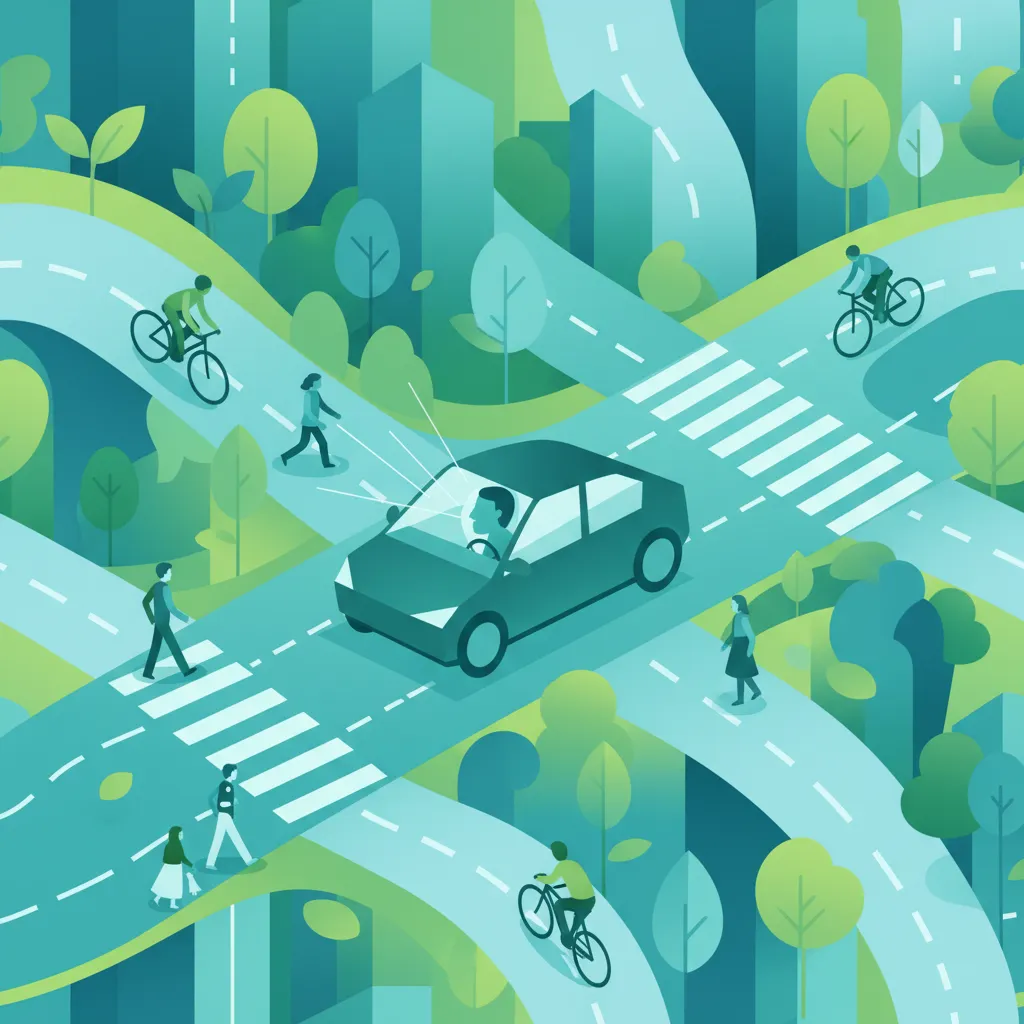
This lesson teaches you to be a proactive rather than a reactive rider by developing superior hazard perception skills. You will learn to scan your environment constantly—near, far, and to the sides—and to identify potential risks, such as a car waiting to turn or a pedestrian looking to cross. The content focuses on asking 'what if?' to predict the actions of others and position yourself for safety in advance.
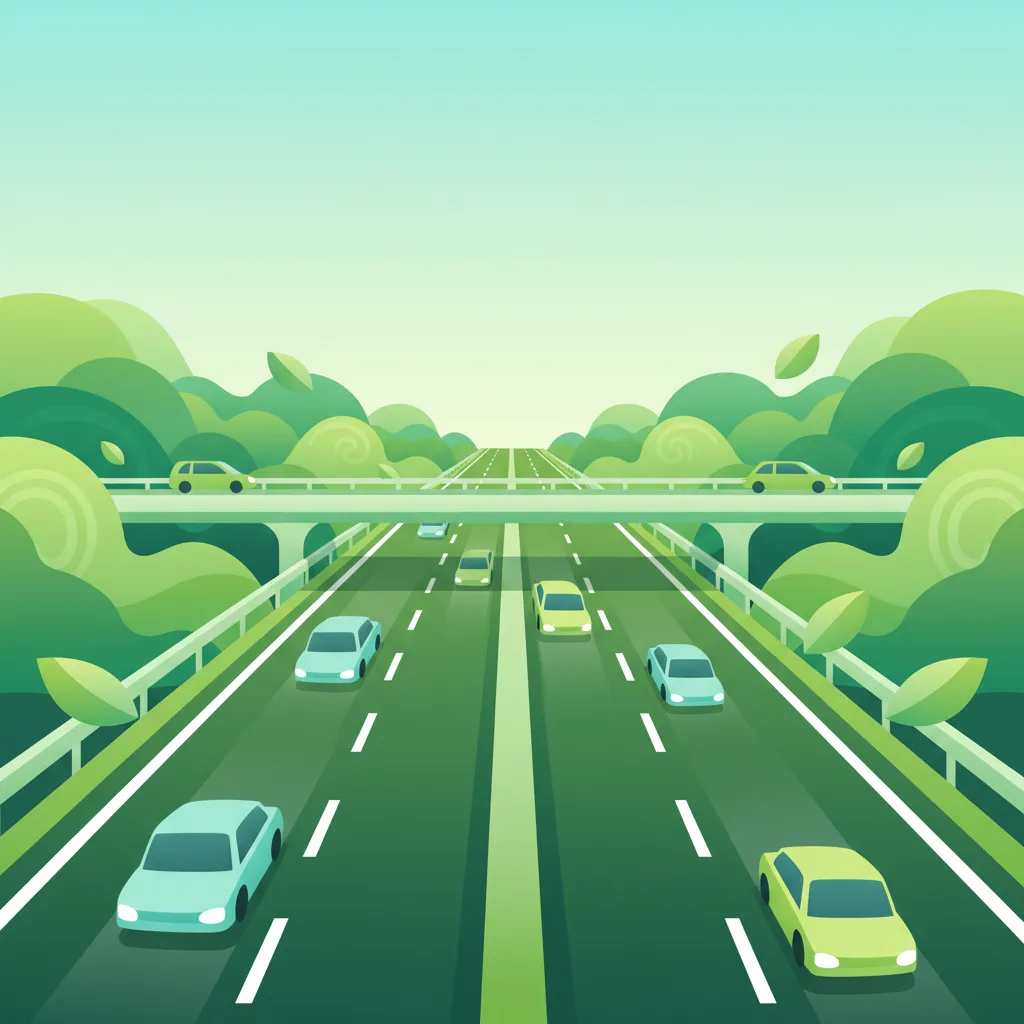
This lesson revisits the concept of following distance, emphasizing its heightened importance in the high-speed motorway environment. It explains how increased speeds dramatically lengthen both reaction and braking distances, making a minimum two-to-three-second gap absolutely critical for safety. The content also stresses the importance of maintaining a space cushion to the sides, creating potential escape routes in case of sudden incidents in adjacent lanes.
Understand frequent errors made by two-wheeler riders in defensive riding and learn the correct theory and legal requirements in the Netherlands to avoid them. Focuses on improving hazard perception and safe maneuvering.

Properly parking and securing your vehicle is the final step of any journey. This lesson covers how to park legally, choosing a location that does not obstruct pedestrians or other traffic. It explains the use of both side stands and center stands, emphasizing the importance of parking on firm, level ground. Finally, it provides essential advice on vehicle security, including using the built-in steering lock and an additional high-quality chain or disc lock to deter theft.

This lesson details the statutory helmet regulations applicable to all Category AM vehicles. It clearly defines the mandatory helmet use for bromfiets and speed pedelec riders and the specific rules for snorfiets riders, including the required ECE safety certification for all approved helmets. The content also provides information on recommended protective gear, such as gloves and sturdy footwear, explaining how proper equipment enhances rider safety and is a key part of responsible riding culture in the Netherlands.

Riding at night presents two main challenges: seeing the road and being seen by others. This lesson covers the legal requirements for your vehicle's lighting system and how to use it effectively, including when to use high beams. It also emphasizes strategies to increase your own conspicuity, such as wearing bright or reflective clothing. You will learn how darkness affects your perception of speed and distance and how to adapt your riding to compensate for these limitations.

Riding on two wheels requires special care on surfaces with reduced grip. This lesson teaches you how to handle challenging conditions like rain, ice, wet leaves, or tram tracks. Key principles include reducing speed significantly, making all control inputs (braking, accelerating, steering) much more smoothly and gradually, and increasing your following distance to allow for much longer stopping distances. Recognizing potentially slippery areas is a critical part of proactive hazard perception.
This lesson examines the statutory duties imposed on motorcyclists, with a strong emphasis on the 'duty of care' (zorgplicht) and the conditions under which legal liability arises after a traffic incident. It clarifies the relationship between personal responsibility, mandatory insurance coverage, and the legal expectation for proactive risk mitigation to prevent accidents. The content also analyzes scenarios to illustrate how liability is typically determined within Dutch traffic jurisprudence, preparing riders for their legal responsibilities.

Overtaking is a high-risk maneuver that must be executed correctly. This lesson provides a step-by-step guide: assess if it is safe and legal, check mirrors and blind spots, signal your intention, accelerate smoothly past the other vehicle, and return to your lane leaving adequate space. You will also learn to identify situations where overtaking is prohibited, such as before a pedestrian crossing or when approaching a blind corner.

Your vehicle's lights and horn are your primary tools for seeing, being seen, and communicating warnings. This lesson guides you through a simple but vital check of all electrical components before you ride. You will learn how to verify the function of your headlight (high and low beam), taillight, brake light (using both front and rear brake levers), and turn signals. It also covers checking the horn's operation and ensuring all mandatory reflectors are clean and intact.

Rain significantly reduces tire grip and rider visibility. This lesson covers the essential adjustments needed for wet-weather riding, including reducing speed, increasing following distance, and applying all controls more smoothly. It explains the danger of hydroplaning (aquaplaning) when tires lose contact with the road over standing water and how to avoid it. You will also learn about the importance of good tire tread depth for channeling water away and maintaining traction.

A vehicle breakdown can be a dangerous situation if not handled correctly. This lesson provides a clear safety protocol: switch on your hazard lights immediately, and move your vehicle as far to the right of the road or onto the hard shoulder as possible. For your personal safety, you should get away from the vehicle and stand behind a safety barrier if one is available. You will learn the steps for calling for roadside assistance and the legal requirements regarding warning triangles if applicable.

Effective communication with other road users is vital for safety. This lesson details the legal requirements and proper use of your vehicle's signaling equipment, including headlights, brake lights, and turn signals (indicators). It also explains the specific situations in which using the horn is permitted to avert danger. Finally, it covers the mandatory placement and type of reflectors that ensure your vehicle remains visible to others, especially in low-light conditions.
Find clear answers to common questions learners have about Defensive Riding Strategies for Two‑Wheelers. Learn how the lesson is structured, which driving theory objectives it supports, and how it fits into the overall learning path of units and curriculum progression in the Netherlands. These explanations help you understand key concepts, lesson flow, and exam focused study goals.
The most important aspect is a proactive mindset, always assuming other road users might make mistakes and preparing for them. This means constantly scanning, anticipating, and having an escape route planned, rather than passively reacting to traffic situations.
Proper lane positioning allows you to be more visible to other traffic, especially in complex situations like approaching intersections or when cars are parked. It also provides space to maneuver and create an escape route if needed, avoiding blind spots.
A space cushion is the safety buffer you maintain around your vehicle. This includes the space in front, behind, and to the sides. Maintaining adequate space gives you time to react and stop if a hazard appears, and prevents others from cutting you off.
Communication involves making eye contact with other drivers, using your indicators clearly and early, and positioning your vehicle to signal your intentions. Even a slight head turn to check blind spots can signal your awareness and intent to others.
Yes, absolutely. While speed pedelecs travel faster, the principles of defensive riding – anticipating hazards, managing space, and ensuring visibility – are even more critical due to their higher speeds and the greater potential for severe consequences in a collision.