
Distractions, especially mobile phones, are a major cause of accidents. This lesson in our Dutch Driving License Theory Course for Category AM focuses on the critical dangers of using electronic devices while riding. We'll cover the strict Dutch laws and the psychological impact of inattention blindness, ensuring you understand why a focused ride is the only safe ride.

Distractions are a primary cause of traffic accidents, particularly for riders of Category AM vehicles like mopeds and scooters. While navigating the dynamic environment of Dutch roads, maintaining unwavering focus is paramount. This lesson delves into the severe risks posed by mobile phones and other electronic devices, outlining the specific prohibitions under Dutch law and exploring the cognitive science behind why even a momentary lapse in attention can have catastrophic consequences. By understanding these dangers and committing to a "focused ride," you can significantly enhance your safety and that of others.
Distraction occurs when a rider's attention is diverted from the critical task of safely controlling their vehicle. For two-wheelers such as mopeds and scooters, which require constant balance, steering, and immediate reaction to maintain stability, any distraction is exceptionally hazardous. The act of riding involves a complex interplay of visual scanning, manual control, and cognitive processing. Disrupting any of these elements compromises safety.
The legislation surrounding mobile device use in the Netherlands reflects a risk-based policy. It acknowledges that handling a device creates immediate manual and visual distractions. Furthermore, even hands-free device use imposes a significant cognitive load that can lead to a dangerous phenomenon known as inattention blindness. The stringent rules for Category AM vehicles emphasize that a rider's ability to balance, brake, and steer is heavily dependent on continuous and undivided attention.
This lesson, part of your Dutch Category AM theory course, builds upon concepts introduced in:
Distractions are broadly categorized into three types, each independently degrading a rider's performance and significantly increasing crash risk. When combined, their negative effects are often multiplied.
Visual distraction occurs when a rider takes their eyes off the road ahead to look at a device screen, a map, or the device itself. Even a momentary glance can be perilous. At 30 km/h, a moped travels approximately 8.3 metres per second. A two-second glance away means you have traveled over 16 metres effectively blind to changes in the traffic environment.
For Category AM riders, a brief glance can lead to:
Example: Reading a text message while approaching a busy roundabout diverts your eyes from traffic flow, potential priority conflicts, and other road users.
Manual distraction involves taking one or both hands off the handlebars or controls to operate a mobile phone or another electronic device. On a two-wheeled vehicle, continuous manual input is essential for maintaining balance, steering accurately, and operating brakes and throttle.
Removing a hand, even briefly, can lead to:
Example: Attempting to hold your phone to adjust navigation settings while riding can compromise your ability to steer smoothly and apply brakes effectively.
Cognitive distraction happens when your mental focus is diverted from the primary task of riding, even if your eyes are on the road and hands are on the controls. Engaging in a conversation, thinking about a message you just read, or mentally planning a response takes valuable processing power away from observing and reacting to traffic.
This type of distraction is insidious because it often goes unnoticed by the rider, who may believe they are still fully attentive. However, the brain's capacity for processing information is limited, and diverting this capacity to non-riding tasks compromises hazard perception and decision-making.
Example: Engaging in an absorbing hands-free phone conversation can consume significant mental resources, making you less likely to notice a car suddenly pulling out from a side street.
One of the most dangerous consequences of cognitive distraction is inattention blindness, sometimes referred to as "looked-but-didn't-see." This phenomenon occurs when a rider physically sees an object or hazard within their visual field but fails to consciously register or process it because their attention is focused elsewhere.
Imagine you are having a vivid hands-free conversation. Your eyes may technically be on the road, and a pedestrian might step into your path. Your brain processes the visual input, but because your conscious attention is deeply engaged in the conversation, the signal from the pedestrian is not prioritized, and you fail to react. You literally "look" at the hazard but "don't see" it in a way that prompts an action.
Inattention blindness is a critical factor in many distraction-related accidents. It demonstrates that merely having your eyes pointed forward is not sufficient; your brain must be actively engaged in processing the road environment.
Dutch traffic law is exceptionally clear and strict regarding the use of mobile electronic devices while operating a vehicle. These regulations apply to all road users, including those on Category AM vehicles like mopeds (bromfietsen), light mopeds (snorfietsen), and speed pedelecs. The core principle is to eliminate visual and manual distractions at their source and to minimize cognitive load.
The primary legal articles are:
"It is prohibited to hold a mobile electronic device while driving, operating, or controlling a vehicle." This article directly addresses the physical act of holding and using a device.
"The driver shall not use any electronic device that distracts attention from traffic." This broader article covers any electronic device and aims to penalize situations where a device, even if not held, causes cognitive distraction to a dangerous degree.
These regulations mean that any interaction with a handheld mobile phone, navigation device, tablet, music player, or even a fitness tracker that requires holding or manual manipulation while riding is strictly forbidden.
Violations of these rules carry significant penalties, including substantial fines and potential penalty points on your driving record. This underscores the serious view the Dutch legal system takes on distracted driving.
While hands-free communication devices are generally permitted for car drivers in the Netherlands (provided they don't involve holding the device), this allowance does not fully extend to Category AM riders. For mopeds and scooters, any use of a mobile phone – whether handheld or hands-free – is strongly discouraged and may still be interpreted as a distraction under the broader "distraction rule" (RVV 1990, article 5-2, paragraph 6).
The distinction is crucial: Two-wheelers require a much higher degree of physical and mental engagement to maintain balance and control. A car driver has the vehicle's stability to rely on, allowing for some cognitive multitasking. A moped rider does not have this luxury; the slightest loss of focus can lead to immediate loss of control or a missed hazard.
Therefore, even if you are using a Bluetooth earpiece, engaging in a phone conversation or listening to a podcast while riding a moped can significantly increase your cognitive load and reduce your capacity to react to the traffic environment. It is best practice for Category AM riders to avoid all forms of mobile phone communication while in motion.
Cognitive load theory explains the mental effort required to process information. Our working memory, which handles immediate tasks, has a limited capacity. When this capacity is exceeded, performance degrades rapidly.
Applied to riding, cognitive load can be broken down into:
When an extraneous load (like a phone call) is introduced, it reduces the capacity available for intrinsic and germane loads. This means your brain has less "room" to process the road, anticipate hazards, or make quick decisions. For a moped rider, whose safety margin is often smaller than a car driver's, this reduction in cognitive capacity can quickly lead to dangerous situations and slower reaction times.
The only truly safe ride is a focused ride. This principle means that the rider must maintain continuous visual, manual, and cognitive focus on the road, the vehicle's dynamics, and the surrounding traffic environment.
Here are key strategies to eliminate distractions and ensure a focused ride:
The dangers of distraction are not static; they intensify under specific environmental and traffic conditions:
Let's examine some typical scenarios where distractions commonly occur and outline the safest responses.
You are riding your scooter through a residential area, and your phone, stored in your jacket pocket, begins to ring with an urgent work call.
You are using voice-guided navigation on your mounted smartphone, but you've taken a wrong turn and need to re-route. The screen shows a complex map.
You're stopped at a red light in heavy traffic, and your phone vibrates with a new message.
Every split second counts in traffic. The total reaction time from perceiving a hazard to taking action involves several stages:
Distractions, especially cognitive ones, significantly lengthen the perception and decision phases. Studies, including data from the Dutch Ministry of Infrastructure, indicate that device use can add an additional 0.8 to 1.2 seconds to a rider's reaction time. In those extra seconds, a moped traveling at 45 km/h will cover an additional 10 to 15 meters before any evasive action even begins. This added distance can be the difference between avoiding an accident and being involved in a severe collision.
Riding a moped or scooter demands your full and undivided attention. Mobile phones and other electronic devices are potent sources of distraction that dramatically increase the risk of accidents.
To ensure your safety and comply with Dutch traffic laws:
Your life and the lives of other road users depend on your ability to ride without distraction. Make the conscious choice to keep your focus on the road.
Lesson content overview
Explore all units and lessons included in this driving theory course.
Explore search topics learners often look for when studying Distractions: Mobile Phones and Electronic Devices. These topics reflect common questions about road rules, driving situations, safety guidance, and lesson level theory preparation for learners in the Netherlands.
Browse additional driving theory lessons that cover connected traffic rules, road signs, and common driving situations related to this topic. Improve your understanding of how different rules interact across everyday traffic scenarios.
Explore the concept of cognitive load theory and its critical impact on rider attention. Understand how distractions like mobile phones overload mental capacity, increasing risks and impairing hazard perception in Dutch traffic.
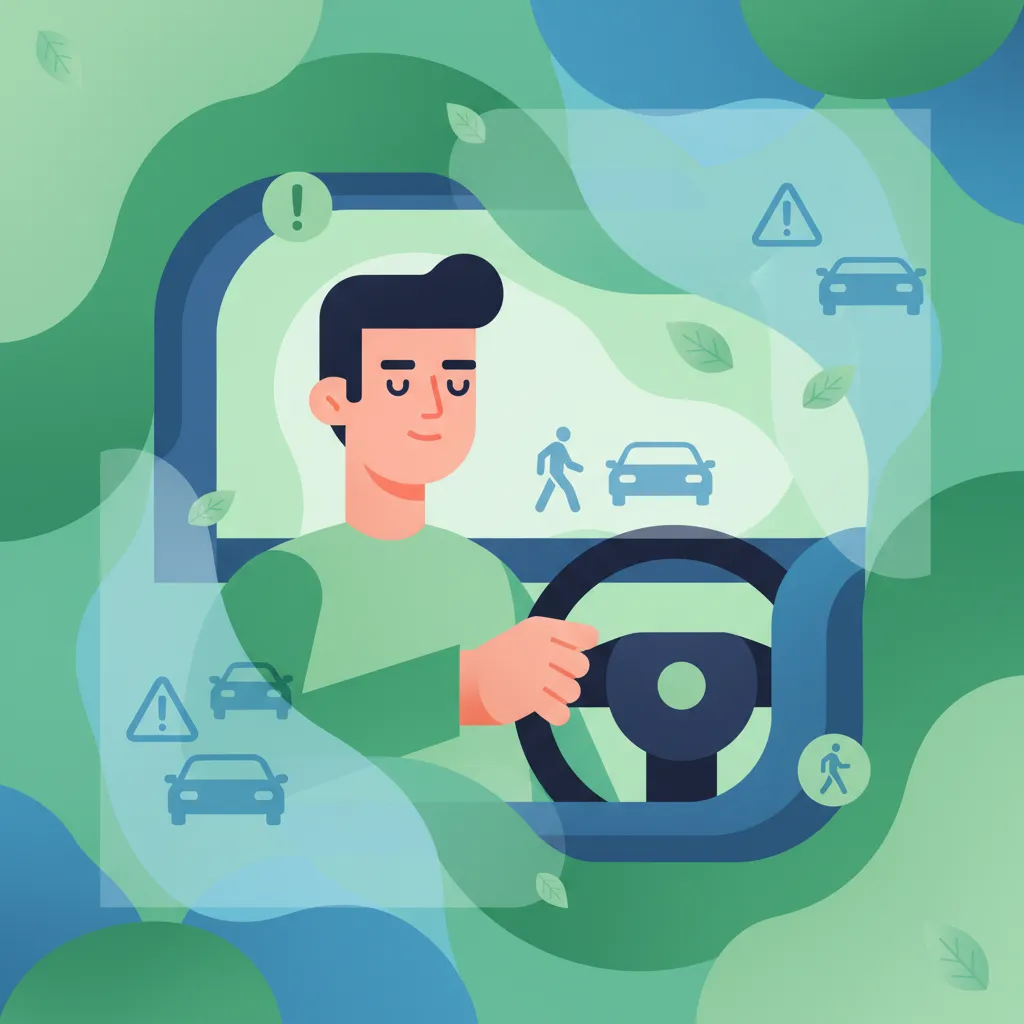
This lesson explores the psychological factors that underpin safe riding, focusing on the concept of cognitive load—the amount of mental effort required to process information. It explains how fatigue, stress, and distractions can overload a rider's capacity to process information, leading to a loss of situational awareness and poor decisions. The content provides strategies for managing mental resources, maintaining focus, and ensuring that the rider's brain is always ahead of the motorcycle.
This lesson explores how subconscious mental shortcuts, or cognitive biases, can negatively impact a rider's risk perception ('risicoperceptie') and lead to poor decisions. It discusses common examples like 'optimism bias' (the belief that accidents happen to others) and overconfidence, explaining how these psychological traps can cause riders to underestimate risks. Developing an awareness of these biases is the first step toward consciously overriding them and making more rational, safer choices.
Fatigue and stress are major contributors to rider error and accidents. This lesson explains how physical tiredness and mental stress can slow your reaction time, impair your decision-making abilities, and lead to poor judgment on the road. You will learn to identify the early warning signs of fatigue and the importance of taking regular rest breaks on long journeys. The lesson also provides techniques for managing stress to ensure you are in a fit state to ride safely.

This lesson focuses on training the brain to become a more effective hazard detection system. It introduces psychological techniques like 'commentary riding,' where the rider verbalizes all perceived hazards and their planned responses, which enhances focus and processing. The practice of constantly running 'what-if' scenarios helps to pre-plan reactions to potential events, reducing the time it takes to respond if a real hazard materializes, turning anticipation into a deeply ingrained habit.
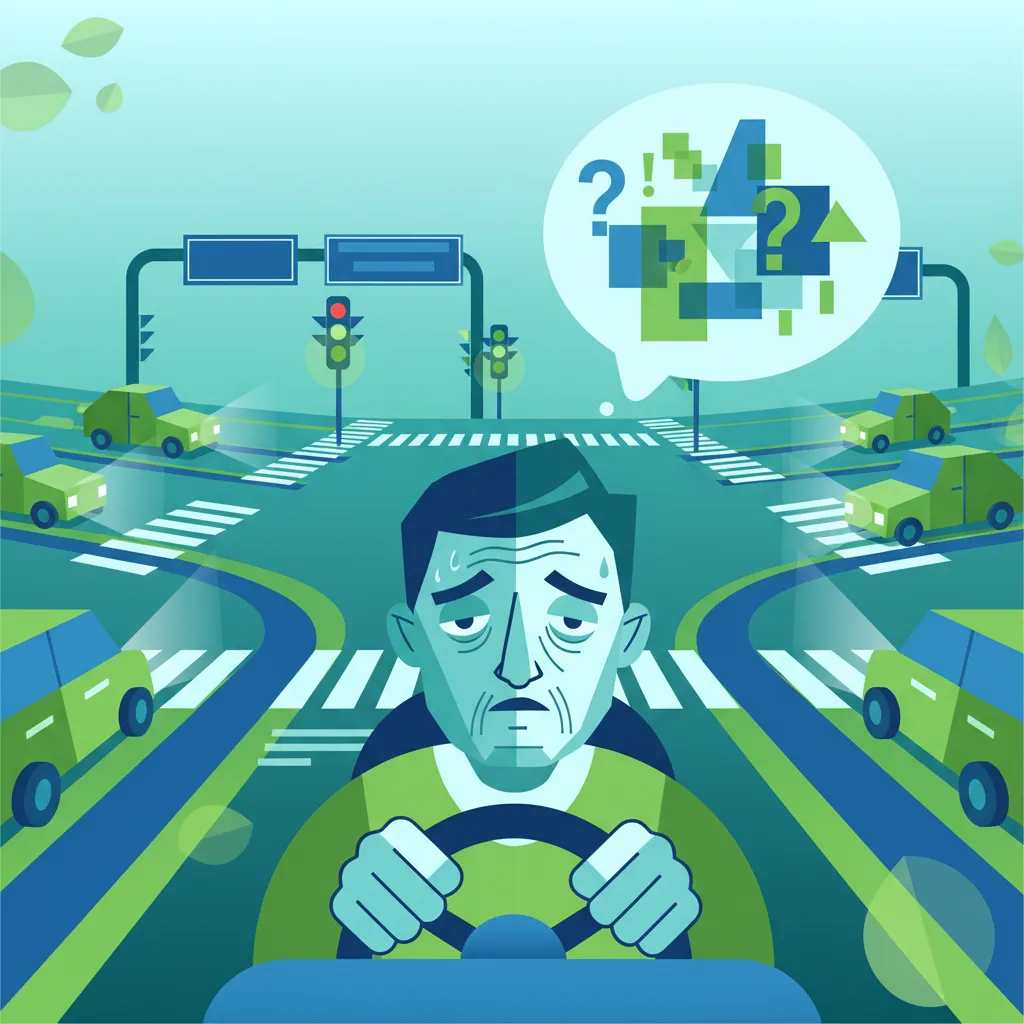
This lesson details the significant negative impact that both psychological stress and physical fatigue have on a rider's cognitive functions. It explains how these states can narrow attention, slow reaction times, and lead to irritable or irrational decision-making on the road. The content emphasizes the importance of self-assessment before every ride and having the discipline to postpone a journey when not mentally or physically fit to operate a motorcycle safely.

This lesson explains that fatigue is a major contributor to single-vehicle motorcycle accidents. You will learn to recognize its subtle symptoms, such as slow reaction times, poor judgment, and difficulty concentrating. The content provides essential strategies for prevention and management, including planning for regular rest stops, staying hydrated, and knowing when to stop riding for the day.

This lesson delves into the mental side of safe riding. You will explore how a rider's emotional state, attitude, and level of experience can influence their perception of risk. The content addresses the common pitfall of overconfidence, especially among newer riders, and the importance of resisting peer pressure to ride beyond your skill level, emphasizing a mature and responsible approach to risk management.

This lesson introduces riders to formal risk assessment models, such as the 'Identify, Predict, Decide, Execute' (IPDE) framework, to structure their thinking in dynamic traffic situations. This provides a systematic mental checklist for constantly scanning the environment, identifying potential threats, predicting their likely outcomes, deciding on a safe course of action, and executing it smoothly. Using such a model helps to ensure that no critical information is missed, even under pressure.
Learn the strict Dutch legal framework prohibiting mobile phone use while riding Category AM vehicles. Understand the laws, fines, and consequences for distracted riding to ensure compliance and safety on the road.

This lesson details the statutory helmet regulations applicable to all Category AM vehicles. It clearly defines the mandatory helmet use for bromfiets and speed pedelec riders and the specific rules for snorfiets riders, including the required ECE safety certification for all approved helmets. The content also provides information on recommended protective gear, such as gloves and sturdy footwear, explaining how proper equipment enhances rider safety and is a key part of responsible riding culture in the Netherlands.

This lesson covers the critical topic of driving under the influence, explaining the legal blood alcohol concentration (BAC) limits for Category AM riders. It highlights the distinction between the lower limit for novice drivers and the standard limit for experienced drivers. The lesson also addresses the zero-tolerance policy for driving under the influence of drugs, the types of police tests conducted, and the severe legal penalties, including fines, license suspension, and mandatory courses, for any violations.

Effective communication with other road users is vital for safety. This lesson details the legal requirements and proper use of your vehicle's signaling equipment, including headlights, brake lights, and turn signals (indicators). It also explains the specific situations in which using the horn is permitted to avert danger. Finally, it covers the mandatory placement and type of reflectors that ensure your vehicle remains visible to others, especially in low-light conditions.
This lesson covers the specific articles of the Dutch Road Traffic Act that apply to motorways, with a primary focus on the strict rule of keeping to the rightmost available lane unless overtaking. It explains the legal and safety reasons for only passing on the left and discusses the correct positioning within a lane for maximum visibility and safety. The content also addresses the nuances of lane usage during heavy congestion, ensuring riders comply with the law and contribute to smooth traffic flow.

This lesson outlines the precise age requirements for obtaining and holding a Category AM driving license in the Netherlands. It details the minimum age for operating various AM vehicles and explains the validity period of the license and the renewal process. Furthermore, the content clarifies how an AM license relates to other categories like B (car) or A (motorcycle), and what age-related restrictions may apply to novice riders. This knowledge is crucial for ensuring full legal compliance from the start of your riding journey.
Carrying a passenger or heavy luggage significantly changes how your vehicle handles. This lesson covers the legal regulations for carrying a passenger, including the requirement for proper seating and footpegs. It also explains the importance of adhering to the vehicle's maximum load limit. You will learn how extra weight, especially when positioned high up, raises the center of gravity and affects balance, steering, and braking distances, requiring adjustments to your riding style.

This lesson covers the universal Dutch road rules with a specific focus on their application to light motorcycles. It details the various speed limits for different road types, from urban areas to motorways, and explains the correct procedures for overtaking and lane positioning. The legal aspects of lane filtering in congestion are also examined, alongside mandatory equipment use like daytime running lights, to ensure riders can integrate safely and legally into traffic flow.
This lesson examines the statutory duties imposed on motorcyclists, with a strong emphasis on the 'duty of care' (zorgplicht) and the conditions under which legal liability arises after a traffic incident. It clarifies the relationship between personal responsibility, mandatory insurance coverage, and the legal expectation for proactive risk mitigation to prevent accidents. The content also analyzes scenarios to illustrate how liability is typically determined within Dutch traffic jurisprudence, preparing riders for their legal responsibilities.

A vehicle breakdown can be a dangerous situation if not handled correctly. This lesson provides a clear safety protocol: switch on your hazard lights immediately, and move your vehicle as far to the right of the road or onto the hard shoulder as possible. For your personal safety, you should get away from the vehicle and stand behind a safety barrier if one is available. You will learn the steps for calling for roadside assistance and the legal requirements regarding warning triangles if applicable.

Holding a license and owning a vehicle comes with continuous legal responsibilities. This lesson reminds you of the importance of renewing your driving license before it expires and ensuring your vehicle's insurance policy remains active. It also covers your duty to inform the relevant authorities (like the RDW) of any changes, such as a change of address. Fulfilling these administrative obligations is essential to remaining a legal and responsible road user in the Netherlands.
Find clear answers to common questions learners have about Distractions: Mobile Phones and Electronic Devices. Learn how the lesson is structured, which driving theory objectives it supports, and how it fits into the overall learning path of units and curriculum progression in the Netherlands. These explanations help you understand key concepts, lesson flow, and exam focused study goals.
Yes, Dutch law strictly prohibits holding any mobile electronic device, including a phone, while operating a bromfiets, snorfiets, or speed pedelec. You must not hold the device in your hand or have it lodged between your body and the handlebars.
Inattention blindness, also known as look-but-fail-to-see blindness, is a phenomenon where your brain is so focused on one task (like a phone call) that it fails to process important visual information, even if it's directly in your field of vision. For riders, this means you might not see a red traffic light, a pedestrian, or another vehicle, leading to serious accidents.
While technically legal in many situations, hands-free devices are not truly safe. The cognitive distraction of a conversation, even without holding the phone, can cause inattention blindness. Your brain is still occupied, reducing your ability to fully concentrate on the road, traffic, and potential hazards.
The safest approach is to plan your route before you start riding and set your navigation to play audio prompts only, or mount your phone securely in a way that requires no interaction while moving. If you need to adjust settings or check something, pull over to a safe location first. Never hold or operate a device while riding.
The exam will test your knowledge of the legal rules regarding device use and your understanding of the risks. You might see scenarios asking what you should do when your phone rings, or what the main danger of a hands-free conversation is. Scenario questions will often present situations where a rider is distracted and ask you to identify the hazard or the correct course of action.