
This lesson is crucial for Category A motorcycle riders in the Netherlands, focusing on emergency procedures during severe weather. It builds upon earlier units concerning adverse conditions and hazard perception, preparing you for the specific challenges of extreme weather events on Dutch roads. Understanding when to stop riding is a key component of safe riding, ensuring you are ready for all types of CBR theory exam questions.
Riding a motorcycle in the Netherlands offers a unique sense of freedom, but it also demands a high level of situational awareness, especially when facing challenging weather conditions. This lesson, part of your Dutch Motorcycle Theory – Category A Comprehensive Preparation, focuses on the crucial decision-making process of when to stop riding altogether because weather conditions have become too hazardous to continue safely. It provides essential procedures for safely pulling off the road, finding suitable shelter, and making yourself and your motorcycle as visible as possible to other traffic. Prioritizing rider preservation in extreme conditions like gale-force winds or torrential downpours is not a sign of weakness; it is a core safety competency.
Severe weather can transform a routine ride into a dangerous ordeal, dramatically increasing the risk of accidents. Conditions such as heavy rain, strong cross-winds, thunderstorms, hail, snow, and ice significantly reduce tire traction, extend stopping distances, and severely limit visibility. Recognizing these hazards early is the first step in ensuring your safety.
The ability to identify specific meteorological phenomena that significantly impair motorcycle control is vital for every rider. This includes evaluating the intensity of precipitation, the direction and speed of wind, and any factors that reduce visibility.
When you perceive a noticeable reduction in road grip, observe significant water accumulation, or feel your motorcycle being buffeted by strong gusts, these are clear indicators that conditions are becoming unsafe. Dutch traffic law, specifically RVV 1990 Art. 5.2, obliges all road users, including motorcyclists, to adapt their speed and behavior to prevailing weather, road, and traffic conditions. Continuing to ride at normal speed despite adverse conditions is a violation and a serious risk.
There comes a point when the environmental factors outweigh a rider’s ability to maintain safe control. This is the risk threshold, the moment you must decide whether to continue or cease forward motion. This decision is not always a slow, gradual process; sometimes, conditions can deteriorate so rapidly that an immediate stop becomes necessary, such as during a flash flood. More often, it involves a gradual withdrawal, where you slow down and actively seek the nearest safe refuge.
It's a common misconception that one can simply pull over on the hard shoulder of a motorway. This is generally not permitted unless in an absolute emergency. Motorways have designated lay-bys or emergency bays for such situations. Making this critical decision requires scanning your surroundings for a suitable pull-off location and preparing your signaling to inform other road users of your intentions.
When severe weather strikes, a structured approach to ensure your safety is paramount. Several core principles guide effective emergency procedures for motorcyclists.
This principle involves the continuous evaluation of weather-induced risks against your riding skill, the condition of your equipment, and current traffic conditions. Its purpose is to identify the precise moment when external conditions become too challenging for you to operate your motorcycle safely. This assessment should trigger your decision to either significantly reduce speed or, more critically, to stop and seek shelter. Ignoring this continuous evaluation can lead to loss of control, collisions, and severe injury.
Safe withdrawal means executing a controlled stop off the active carriageway or moving to a safe refuge area, all while maintaining control of your motorcycle and ensuring visibility. This provides a legal and practical method to exit hazardous traffic flow. It requires pre-existing knowledge of appropriate pull-off locations, proper use of lighting, and signaling to other drivers. An abrupt stop on the main road, for instance, can create a greater hazard than the weather itself.
Once stopped, it is crucial to make yourself and your motorcycle as conspicuous as possible. This involves using high-intensity lighting, wearing reflective gear, and activating hazard warning signals. These measures compensate for the reduced sight distances caused by rain, fog, or darkness, significantly reducing the risk of being struck by passing traffic. Even during the day, severe weather can dramatically lower visibility.
Choosing an appropriate location that offers protection from the elements, such as wind and water, is essential. This could be a covered rest area, a service station, or a structure with an overhang. The chosen shelter must also not compromise your safety by exposing you to ongoing traffic or creating an obstruction. This choice impacts your comfort, protects your equipment from further exposure, and prepares you to resume riding safely when conditions improve.
Before you resume your journey, a systematic reassessment of the weather, road conditions, and your personal state is necessary. This prevents premature re-entry into unsafe conditions. It may involve checking real-time weather forecasts, visually inspecting the road for lingering hazards like standing water or debris, and ensuring your gear is dry and you are not overly fatigued or cold.
Executing a safe stop and subsequent resumption of travel requires specific techniques and adherence to regulations.
Accurately identifying weather hazards is the first step. This goes beyond merely noticing rain. You need to assess its intensity, the presence of strong winds (especially cross-winds), and any reduction in visibility.
Loss of traction due to a thin film of water separating the tire from the road. On motorcycles, this can occur at lower speeds than for cars due to a narrower tire contact patch.
A sudden, strong gust of wind pushing your motorcycle sideways, or the feeling of the tires losing grip due to standing water, are immediate indicators. RVV 1990 explicitly states that riders must adapt their speed and behavior to conditions (Art. 5.2). It is a common misunderstanding that "a short rain shower is harmless"; any sudden change in conditions can cause a loss of traction or stability.
The moment you decide that conditions exceed your safe operating threshold is the decision point. This could be an immediate stop if conditions suddenly become untenable (e.g., flash flood, sudden hailstorm) or a gradual withdrawal, where you slow down and seek the nearest safe refuge.
As you begin to decelerate, scan your surroundings for the safest pull-off location. Remember, stopping on the main carriageway is only allowed if absolutely unavoidable (RVV 1990 Art. 8.1). On motorways, you must use designated emergency bays or lay-bys, not just the hard shoulder for a non-emergency stop. For example, if you encounter a sudden gust that pushes your motorcycle sideways on a bridge, deciding to stop at the nearest emergency bay is the correct action.
When pulling off the road, your primary goals are to maintain control, ensure sufficient clearance from traffic, and avoid further collisions.
Remember, RVV 1990 Art. 8.1 permits parking on the hard shoulder only in emergencies. Misunderstanding this rule and thinking "any roadside ditch is safe" can lead to additional hazards like uneven ground, water-filled depressions, or being too close to fast-moving traffic.
Once you have safely pulled over, enhancing your visibility is paramount, especially in adverse weather conditions where natural visibility is low.
alarmlichten or Universele Waarschuwingslichten). These flashing amber lights are specifically designed to be used when your vehicle is stationary on the road and presents a danger to other traffic (RVV 1990 Art. 12.2). Never use hazard lights while riding, as this is illegal and can confuse other drivers.The goal of shelter selection is to protect yourself and your motorcycle from the elements while remaining safe from traffic.
When using shelter, park your motorcycle securely, ideally on a stable, flat surface. If you can, remove wet gear to prevent hypothermia. Waiting for conditions to improve in a dry, safe environment will help you regain composure and prepare for the remainder of your journey.
Before re-entering traffic, a systematic reassessment is crucial. Do not rush back onto the road simply because the rain has stopped.
Even if the road appears dry, it may still be slick from residual moisture or oil films. Always resume travel gradually, increasing your speed cautiously and maintaining an increased following distance until you are certain of the road conditions.
Understanding the specific legal framework governing motorcycle operation in the Netherlands is essential for safe and compliant riding, especially during emergencies.
| Regulation | Statement | Applicability | Legal Status | Rationale | Correct Example | Incorrect Example |
|---|---|---|---|---|---|---|
| RVV 1990 Art. 5.2 | Riders must adapt speed and riding style to weather, road, and traffic conditions. | All riding situations; especially adverse weather. | Mandatory | Ensures traffic safety under variable conditions. | Reducing speed when rain starts and pulling over when visibility drops below 50 m. | Maintaining normal speed despite standing water causing hydroplaning. |
| RVV 1990 Art. 8.1 | Stopping on a road is allowed only when necessary (e.g., emergency) and must be done safely. | Emergency stops, severe weather shutdowns. | Mandatory | Allows temporary cessation for safety while preventing obstruction. | Pulling into a designated emergency lane on a motorway during a thunderstorm. | Stopping on the carriageway middle to wait for rain to pass. |
| RVV 1990 Art. 12.2 | Hazard warning lights (UWV) may be used when the vehicle is stationary on the road and presents a danger. | Stationary vehicle on active road. | Mandatory (when applicable) | Increases conspicuity of halted vehicles. | Turning on UWV after pulling over on a wet rural road. | Using UWV while riding through rain (illegal). |
| RVV 1990 Art. 13 | The driver must place a warning triangle at an appropriate distance if the vehicle is stopped and causes obstruction. | Any stationary vehicle that impedes traffic for >30 seconds. | Mandatory | Alerts approaching traffic to the stopped vehicle. | Placing triangle 30 m behind the motorcycle after stopping on a single-lane road. | Not placing a triangle when stopped on a narrow road, leading to rear-end collisions. |
| RVV 1990 Annex 11 — Lighting | Motorcycles must use dipped beam (low beam) in normal conditions; high beam only when no oncoming traffic. | Night or low-visibility conditions. | Mandatory | Provides adequate illumination without dazzling others. | Using dipped beam at night on a wet road, switching to high beam only when no traffic ahead. | Keeping high beam on while stopped on a motorway, causing glare. |
| RVV 1990 Annex 13 — Protective Clothing | Riders must wear a helmet, reflective clothing, and protective gear appropriate for weather. | All riding, especially severe weather. | Mandatory | Enhances rider visibility and reduces injury risk. | Wearing a waterproof, reflective jacket with high-visibility strips during heavy rain. | Riding in standard summer gear during a hailstorm. |
Adhering to these regulations is not only a legal requirement but also a fundamental aspect of defensive riding, minimizing risks for yourself and others.
Ignoring proper procedures during severe weather can lead to serious consequences. Understanding common mistakes is key to preventing them.
One prevalent mistake is stopping on the carriageway without a hazard triangle. This drastically reduces your visibility and increases the risk of a rear-end collision, especially in poor weather. Always move your motorcycle as far off the road as safely possible, activate your hazard lights, and if obstructing traffic for more than 30 seconds, place a warning triangle at the appropriate distance (30-45 meters depending on road type) behind your bike.
Another common error is activating hazard warning lights while still riding. Under RVV 1990, hazard lights (UWV) are for stationary vehicles that pose a danger. Using them while moving can confuse other drivers, who might misinterpret your intentions (e.g., thinking you are stopping or having an emergency, when you are simply riding through rain). Use your regular braking signals and indicators as appropriate.
Continuing to ride at normal speed through heavy cross-winds on a bridge is a dangerous decision. Exposed structures are particularly vulnerable to strong gusts, which can destabilize your motorcycle. The correct action is to reduce your speed significantly, widen your steering angle to absorb gusts, and consider pulling over at the nearest safe lay-by or emergency bay if the wind becomes unmanageable. Loss of control in such conditions can lead to a serious crash.
Similarly, resuming full speed immediately after the rain stops is risky. The road surface may still be wet, or hidden puddles and slick oil deposits might remain. Braking distances are still increased, and there's a higher chance of hydroplaning. Always proceed with reduced speed until the road is visibly dry and you have confirmed safe conditions.
Pulling over on a narrow shoulder that blocks traffic creates a severe bottleneck and increases collision risk, particularly on motorways where speeds are high. Always seek designated emergency bays or safe, wide pull-off areas. If no such area is available, move as far as possible to the side without creating an obstruction.
Also, leaving the motorcycle unattended on a wet road without securing it is a mistake. Wet surfaces are slippery, and a parked motorcycle can be easily pushed over by strong winds or even by the spray from passing vehicles. Always ensure your bike is placed upright on a stable, flat surface, with the side stand securely engaged, and your hazard lights activated.
The principles and procedures for emergency stops are not one-size-fits-all. They must be adapted based on several contextual factors.
Understanding the direct consequences of your actions is crucial for safe riding.
These relationships highlight that safe riding in adverse weather is a chain of interconnected decisions, where each correct action contributes to overall safety, and each incorrect one amplifies risk.
Mastering emergency procedures during severe weather for your Dutch Category A motorcycle theory involves a comprehensive understanding and application of key principles and regulations.
This lesson directly builds upon your knowledge from Wet-Road Dynamics and Visibility Requirements, and prepares you for Emergency Braking, Crash Avoidance and Accident Handling and Human Factors & Defensive Riding. Your proactive decision-making in severe weather is a testament to responsible and safe riding.
Lesson content overview
Explore all units and lessons included in this driving theory course.
Explore search topics learners often look for when studying Emergency Procedures During Severe Weather. These topics reflect common questions about road rules, driving situations, safety guidance, and lesson level theory preparation for learners in the Netherlands.
Browse additional driving theory lessons that cover connected traffic rules, road signs, and common driving situations related to this topic. Improve your understanding of how different rules interact across everyday traffic scenarios.
Understand critical procedures for motorcyclists in severe Dutch weather. Learn when to stop, find safe shelter, and ensure visibility to avoid hazards and comply with traffic laws.
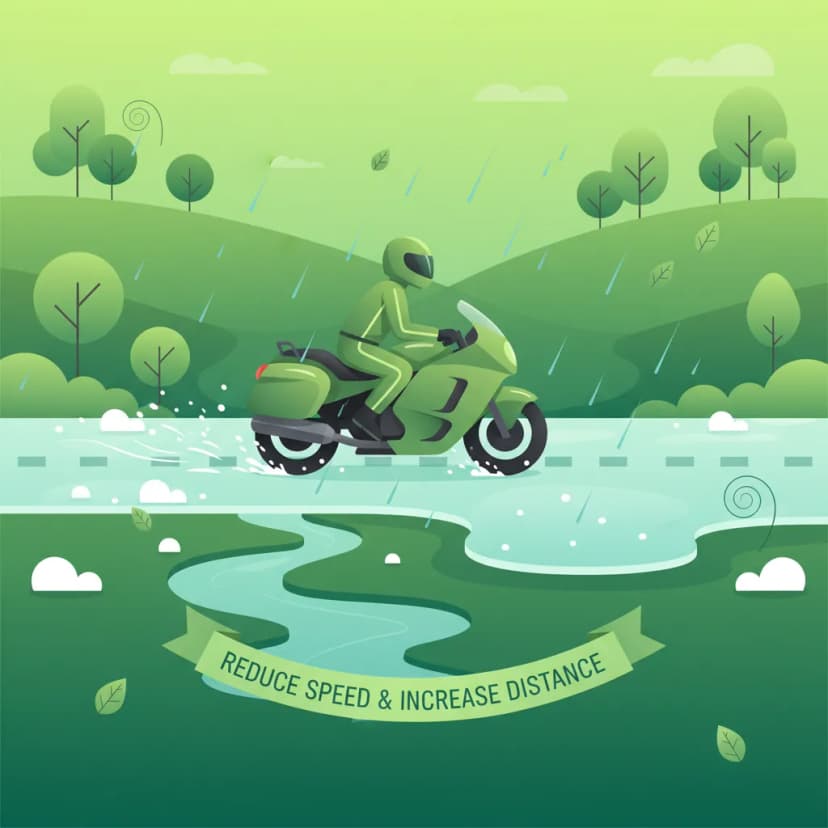
This lesson provides survival strategies for riding in the most challenging weather conditions, including heavy rain, snow, and potential ice. It emphasizes the importance of mental preparation, drastically reduced speeds, and hyper-smooth inputs for throttle, brakes, and steering. The content also covers identifying high-risk areas for 'black ice,' such as bridges and shaded spots, and the critical role of appropriate waterproof and insulated gear in preventing hypothermia and maintaining concentration.
This lesson provides practical advice for driving in challenging weather. You will learn about the risk of aquaplaning in heavy rain and how to react, as well as how to manage the effects of strong crosswinds. The curriculum covers winter driving, explaining the danger of black ice, the benefits of winter tires, and techniques for avoiding and correcting a skid. A key focus is on adjusting driving style: increasing following distances, reducing speed, and making gentle steering and braking inputs.

Riding on two wheels requires special care on surfaces with reduced grip. This lesson teaches you how to handle challenging conditions like rain, ice, wet leaves, or tram tracks. Key principles include reducing speed significantly, making all control inputs (braking, accelerating, steering) much more smoothly and gradually, and increasing your following distance to allow for much longer stopping distances. Recognizing potentially slippery areas is a critical part of proactive hazard perception.

This lesson provides a detailed guide to riding in wet and low-visibility conditions. You will learn to make all your control inputs—braking, accelerating, and steering—exceptionally smooth to avoid breaking traction on slippery surfaces. The content covers the dangers of painted lines and manhole covers when wet, and the importance of increasing your following distance dramatically to account for longer braking distances.

This lesson reinforces the critical relationship between adverse conditions, reduced traction, and massively increased stopping distances. It provides a clear framework for how much riders need to increase their following distance and reduce their overall speed to maintain a safe margin for error. The curriculum teaches riders to constantly reassess their speed based on visual feedback from the road surface and the level of visibility, ensuring they can always stop within the distance they can clearly see.

Rain significantly reduces tire grip and rider visibility. This lesson covers the essential adjustments needed for wet-weather riding, including reducing speed, increasing following distance, and applying all controls more smoothly. It explains the danger of hydroplaning (aquaplaning) when tires lose contact with the road over standing water and how to avoid it. You will also learn about the importance of good tire tread depth for channeling water away and maintaining traction.

This lesson addresses the dual challenge of poor visibility: being able to see the road ahead and ensuring other road users can see you. It covers techniques for riding in fog and heavy rain, such as using appropriate lights and reducing speed to match sight distance. The lesson also discusses practical issues like helmet visor fogging and the importance of wearing high-visibility or reflective clothing to enhance conspicuity in low-light conditions.
This lesson explains why the standard two-second rule is insufficient in adverse conditions and requires extension. It details how factors like rain, fog, and darkness reduce both visibility and tire grip, thereby significantly increasing total stopping distance. The content provides practical guidelines, such as extending the following gap to four seconds or more in the wet, to ensure the rider always has enough time and space to stop safely, regardless of the conditions.

This lesson explains how to counteract the effects of strong winds, which can easily upset a motorcycle's stability. It covers techniques like maintaining a relaxed grip on the handlebars and leaning into a steady crosswind. The lesson also addresses the impact of temperature, explaining how cold weather affects both the rider (risk of hypothermia, reduced concentration) and the motorcycle (reduced tire grip until warmed up), and emphasizes the need for appropriate protective gear.

Each season brings unique challenges for riders. This lesson discusses common seasonal hazards, such as wet autumn leaves that are as slippery as ice, the risk of black ice in winter, and increased agricultural traffic in the summer. It also highlights the importance of seasonal vehicle maintenance. For example, after winter, it is crucial to wash away corrosive road salt, and before winter, to check antifreeze and battery health, ensuring your vehicle is prepared for the conditions ahead.
Develop skills to identify dangerous weather conditions on Dutch roads. Learn to assess risks like wind, rain, and visibility reduction to make informed decisions about continuing to ride.
This lesson provides survival strategies for riding in the most challenging weather conditions, including heavy rain, snow, and potential ice. It emphasizes the importance of mental preparation, drastically reduced speeds, and hyper-smooth inputs for throttle, brakes, and steering. The content also covers identifying high-risk areas for 'black ice,' such as bridges and shaded spots, and the critical role of appropriate waterproof and insulated gear in preventing hypothermia and maintaining concentration.
This lesson explains how to counteract the effects of strong winds, which can easily upset a motorcycle's stability. It covers techniques like maintaining a relaxed grip on the handlebars and leaning into a steady crosswind. The lesson also addresses the impact of temperature, explaining how cold weather affects both the rider (risk of hypothermia, reduced concentration) and the motorcycle (reduced tire grip until warmed up), and emphasizes the need for appropriate protective gear.
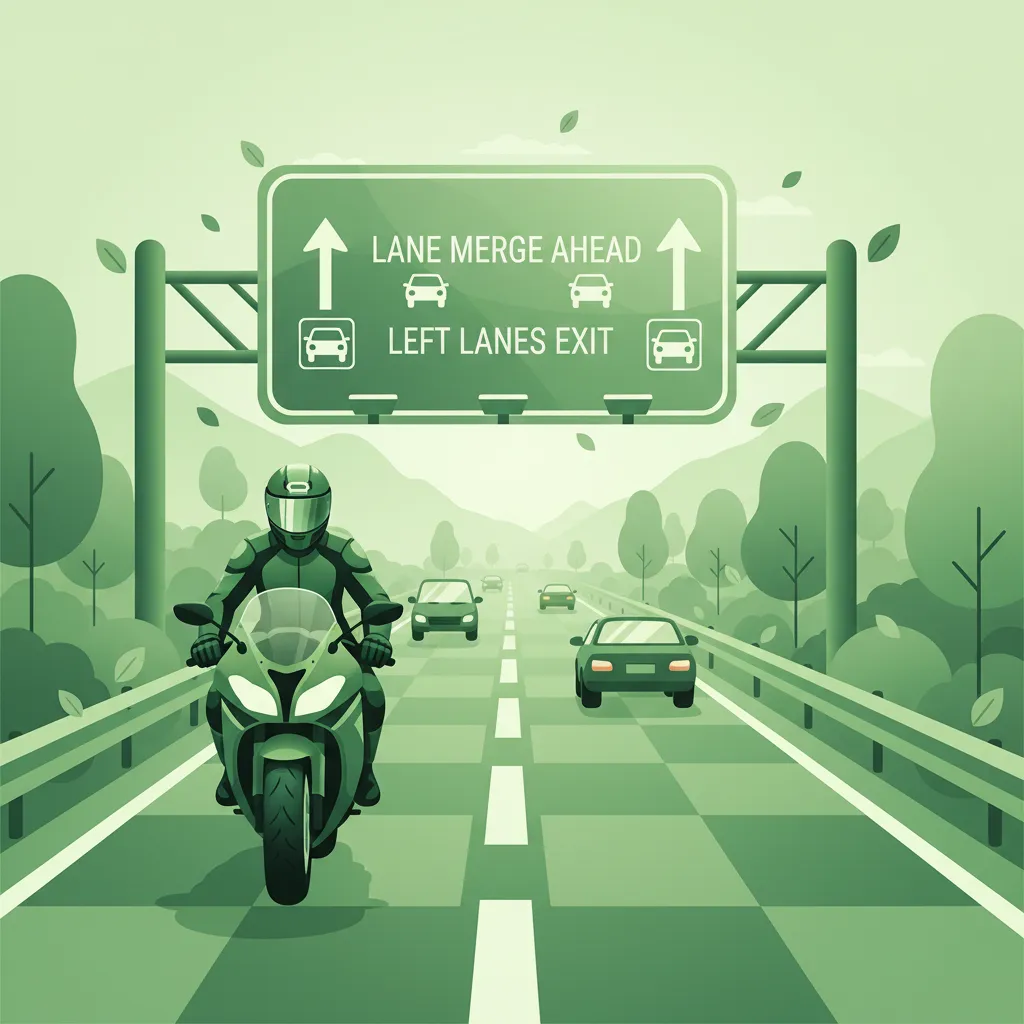
This lesson prepares you for the unique dangers of high-speed highway riding. You will learn to scan for and navigate road hazards like debris, potholes, and slippery steel expansion joints on bridges. The content also addresses the powerful air turbulence created by large trucks that can upset a motorcycle's stability and the mental challenge of maintaining focus on long, monotonous stretches of road.
This lesson addresses the dual challenge of poor visibility: being able to see the road ahead and ensuring other road users can see you. It covers techniques for riding in fog and heavy rain, such as using appropriate lights and reducing speed to match sight distance. The lesson also discusses practical issues like helmet visor fogging and the importance of wearing high-visibility or reflective clothing to enhance conspicuity in low-light conditions.

This lesson covers the principles of selecting and using appropriate protective gear to combat the effects of low temperatures and wind chill. It explains the concept of layering with a base, mid, and outer layer to trap heat and manage moisture. The content also discusses the benefits of heated grips and clothing, effective waterproofing, and solutions like Pinlock inserts to prevent visor fogging, all of which are crucial for maintaining comfort, concentration, and control in the cold.
Rain significantly reduces tire grip and rider visibility. This lesson covers the essential adjustments needed for wet-weather riding, including reducing speed, increasing following distance, and applying all controls more smoothly. It explains the danger of hydroplaning (aquaplaning) when tires lose contact with the road over standing water and how to avoid it. You will also learn about the importance of good tire tread depth for channeling water away and maintaining traction.
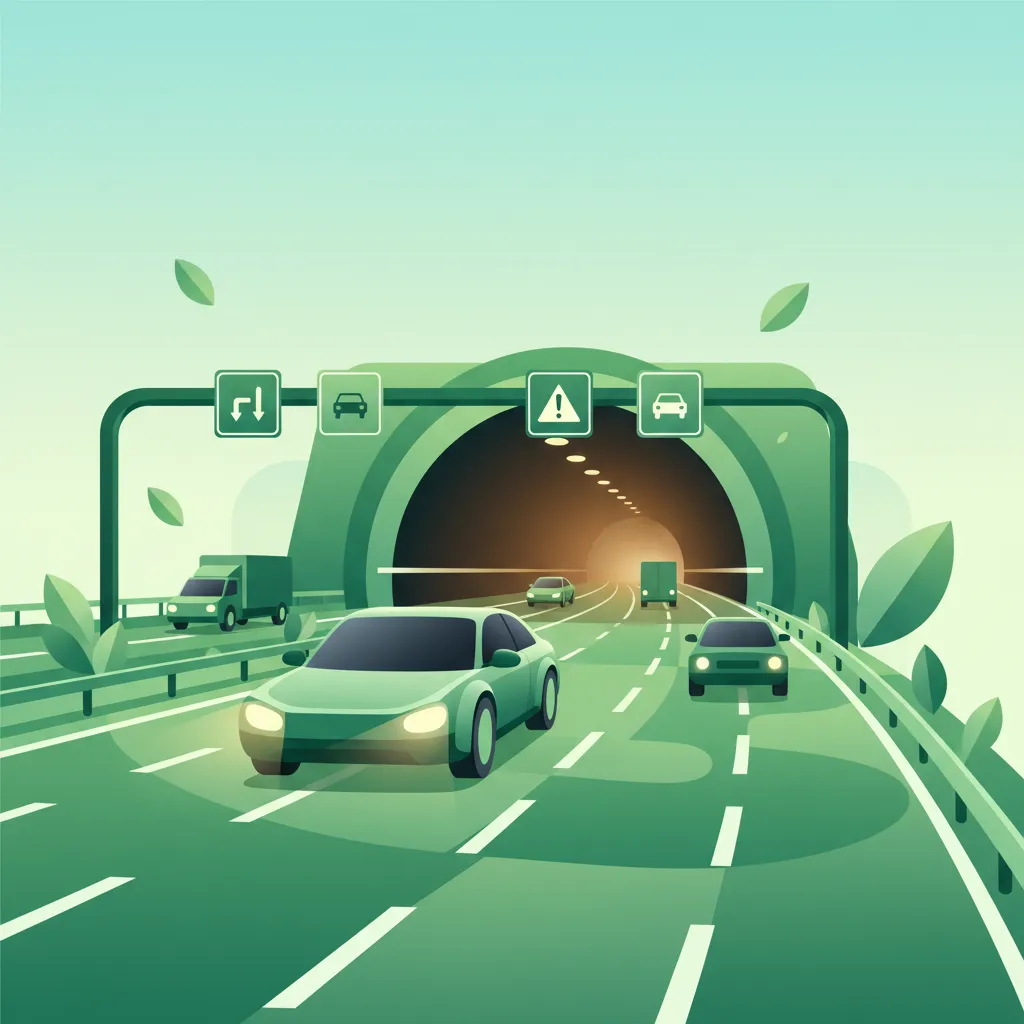
This lesson transitions hazard perception skills to the high-speed environment of motorways and tunnels. It covers specific risks such as vehicles merging at different speeds, sudden braking and congestion ahead, road debris, and the aerodynamic effects of crosswinds and large trucks. The curriculum also addresses the challenges of riding in tunnels, including changes in light and surface conditions, and the importance of identifying emergency exits and procedures in case of an incident.
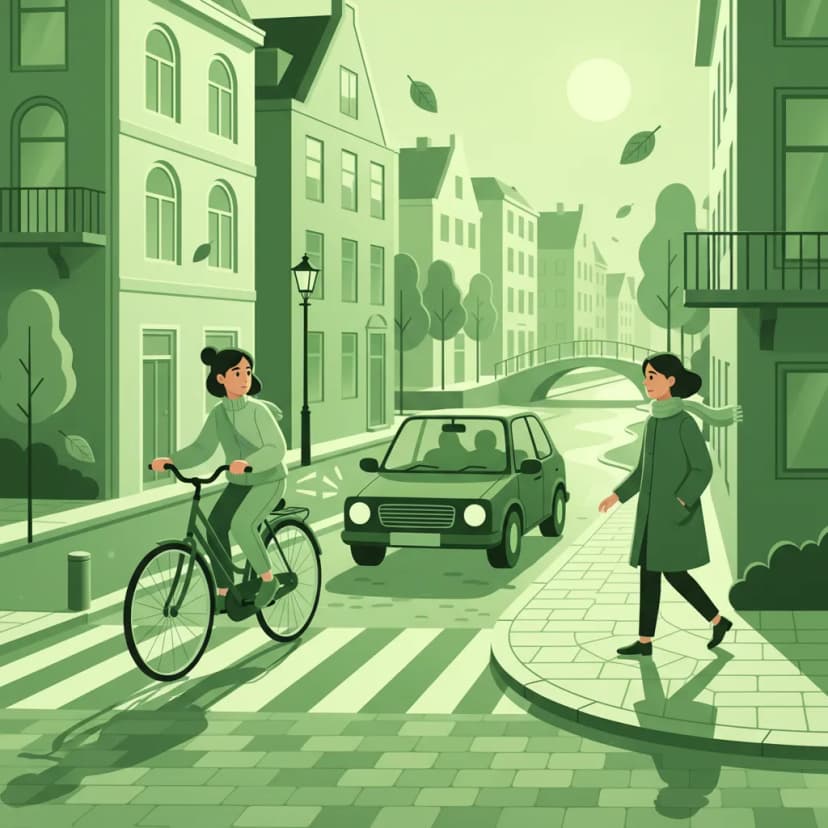
This lesson focuses on the unique and densely packed hazards found in urban traffic environments. It teaches riders to develop a systematic scanning pattern to identify potential risks from multiple sources simultaneously, such as pedestrians stepping off curbs, car doors opening unexpectedly, and buses pulling out. The content also emphasizes the importance of managing speed and always having an 'escape route' planned in case a hazard suddenly materializes in the complex city landscape.
This lesson provides a detailed guide to riding in wet and low-visibility conditions. You will learn to make all your control inputs—braking, accelerating, and steering—exceptionally smooth to avoid breaking traction on slippery surfaces. The content covers the dangers of painted lines and manhole covers when wet, and the importance of increasing your following distance dramatically to account for longer braking distances.
Each season brings unique challenges for riders. This lesson discusses common seasonal hazards, such as wet autumn leaves that are as slippery as ice, the risk of black ice in winter, and increased agricultural traffic in the summer. It also highlights the importance of seasonal vehicle maintenance. For example, after winter, it is crucial to wash away corrosive road salt, and before winter, to check antifreeze and battery health, ensuring your vehicle is prepared for the conditions ahead.
Find clear answers to common questions learners have about Emergency Procedures During Severe Weather. Learn how the lesson is structured, which driving theory objectives it supports, and how it fits into the overall learning path of units and curriculum progression in the Netherlands. These explanations help you understand key concepts, lesson flow, and exam focused study goals.
You should consider stopping if you encounter gale-force winds that significantly affect your stability and control, extremely heavy rainfall or snowfall that drastically reduces visibility to near zero, or icy conditions that make traction unpredictable. If the weather feels beyond your skill level or makes you feel unsafe, it's always best to pull over.
Prioritize finding a safe location away from traffic. This could be a designated rest area, a sturdy building with an overhang, or even a substantial tree off the main road if no other options are available. Avoid stopping on the travelled part of the road or in areas prone to flooding or falling debris.
If safe to do so, turn on your hazard lights (if equipped) or use your headlights. Wear highly visible clothing, and if possible, position your motorcycle so it is not obscured by rain, fog, or other vehicles. Use reflective gear and consider a reflective triangle placed safely behind your motorcycle if you are stopped close to traffic lanes.
Absolutely. Rider safety and preservation are the highest priorities. There is no shame in deciding that conditions are too challenging or uncomfortable to continue riding safely. It's far better to pause your journey and wait for conditions to improve than to risk an accident due to fatigue, poor visibility, or loss of control.
Riding in severe weather significantly increases risks such as hydroplaning, reduced braking effectiveness, poor visibility for both you and other drivers, and loss of control due to strong winds or slippery surfaces. For powerful Category A motorcycles, these risks are amplified, making it crucial to recognize when to stop.