
As an A1 motorcycle rider in the Netherlands, you'll share the road with vehicles of all sizes, from large trucks and buses to pedestrians and cyclists. This lesson focuses on the critical skills needed to navigate these interactions safely. We'll cover how to manage the blind spots of larger vehicles and ensure you remain visible, while also learning to anticipate and protect vulnerable road users, preparing you thoroughly for the Dutch CBR theory exam.
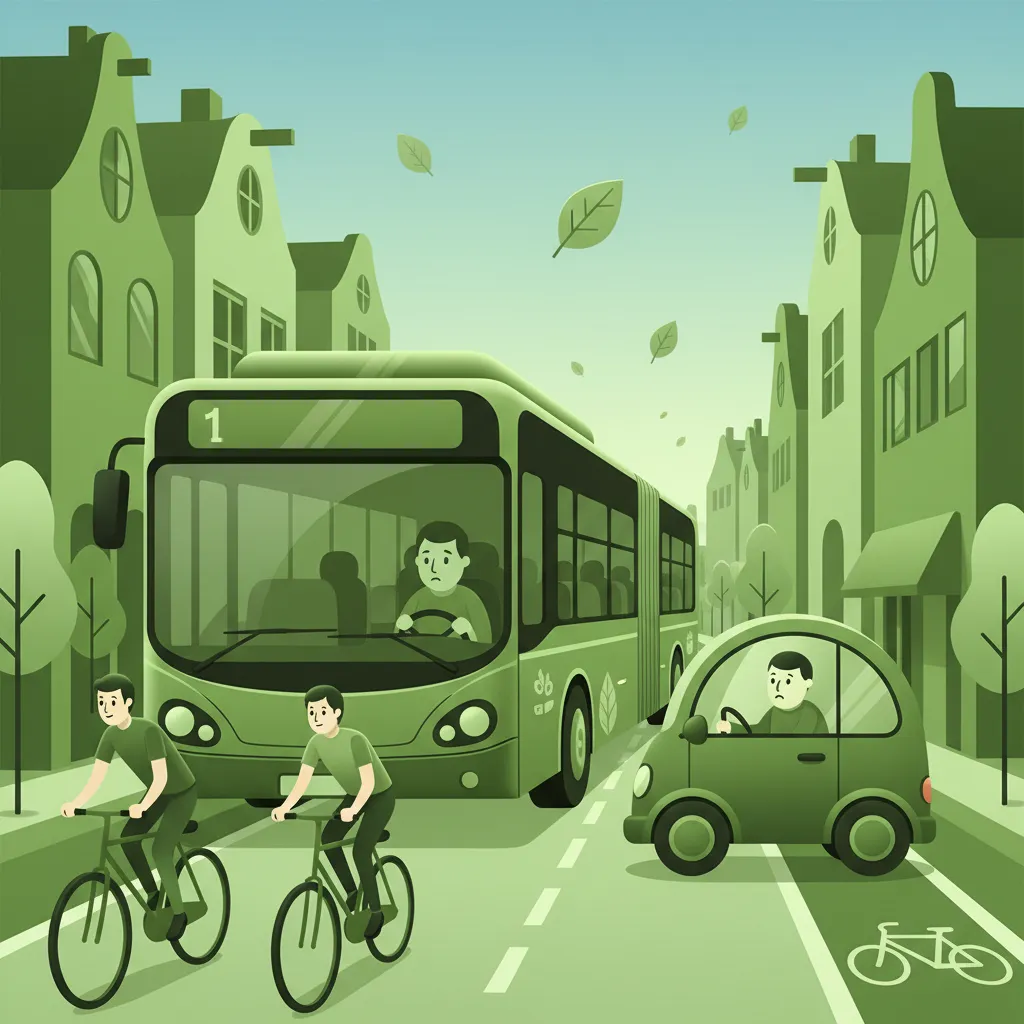
As an A1 motorcyclist in the Netherlands, mastering safe interaction with large vehicles like buses and trucks, as well as vulnerable road users such as pedestrians and cyclists, is crucial for your safety and the safety of others. This lesson, part of your Dutch A1 Motorcycle Theory curriculum, delves into the specific strategies and regulations designed to minimize risks on the road. Understanding the limitations of large vehicles and the inherent fragility of vulnerable users will allow you to anticipate hazards, provide adequate space, and ultimately ride more defensively and responsibly.
Successfully navigating around these diverse road users requires a keen awareness of specific hazards, such as the extensive blind spots (or 'no-zones') of large vehicles, and a strong sense of duty of care towards those with less protection. By the end of this lesson, you will understand how to remain visible, respect legal passing distances, and make predictive judgments to ensure safe passage for everyone.
Large vehicles, including buses, coaches, and heavy-goods vehicles (trucks), present unique challenges to motorcyclists due to their sheer size, limited maneuverability, and substantial blind spots. These challenges necessitate specific riding strategies to ensure your safety.
No-zones, commonly referred to as blind spots, are areas around a large vehicle where the driver cannot see other traffic. For motorcyclists, entering these zones significantly increases the risk of a collision, as the truck or bus driver may be unaware of your presence, especially during lane changes, turns, or braking. These areas are not merely small points; they extend laterally and rearward, varying in size based on the vehicle type and configuration.
Types of No-zones:
The practical meaning of these no-zones is that if you are riding within them, you are effectively invisible to the driver. This becomes especially dangerous when the large vehicle needs to change lanes, make a turn, or even simply come to a stop. Many collisions between motorcycles and large vehicles occur precisely because the motorcyclist was riding in one of these blind spots.
When overtaking large vehicles, it is legally mandated and absolutely essential to maintain a minimum safe passing distance. This distance ensures that even if the large vehicle swerves slightly or a driver makes a sudden maneuver, you have enough lateral clearance to remain safe.
It's a common misunderstanding to measure this distance only to the body of the vehicle, or to assume a "one-meter" buffer is sufficient across the board. Always consider the vehicle's mirrors and the specific requirements for different types of large vehicles. Riding too close can result in you being swept into the side of the vehicle if it turns, or struck if the driver does not see you and makes a lateral movement.
Motorcyclists share the road with pedestrians, cyclists, and users of mobility aids, who are collectively known as vulnerable road users (VRUs). These individuals have significantly less protection than vehicle occupants, making them highly susceptible to severe injury in a collision. As a motorcyclist, you carry a greater responsibility, often termed a "duty of care," to ensure their safety.
The concept of "duty of care" is a legal and ethical obligation for all road users, but it weighs particularly heavily on those operating vehicles that pose a greater risk to others. For motorcyclists, this means actively riding in a manner that anticipates the movements of vulnerable users and minimizes any potential danger to them.
This duty is enshrined in Dutch traffic law, specifically RVV 1990 Article 5, which states that all road users must act "considerately and safely." This general principle is supported by more specific rules regarding right of way and safe distances.
Key aspects of Duty of Care:
Similar to large vehicles, specific minimum lateral clearance distances apply when passing vulnerable road users to ensure their safety and your compliance with traffic laws.
Predictive anticipation is a critical skill for safe motorcycle riding, especially when interacting with vulnerable road users. It involves actively forecasting the likely movements of others based on visual cues, environmental context, and an understanding of human behavior.
By developing predictive anticipation, you can adjust your speed and road position before a hazard materializes, rather than relying solely on reactive braking or swerving, which can often be too late.
Visibility is a motorcyclist's primary defense mechanism. Because motorcycles are smaller than other vehicles, they are inherently less noticeable. It is your responsibility to employ every strategy available to maximize your visibility to other road users, thereby reducing the chance of being overlooked.
Several key strategies contribute to your visibility:
Adhering to specific Dutch traffic regulations (RVV 1990) is paramount for safe interaction with large vehicles and vulnerable users. These laws codify the principles discussed and are directly tested in your CBR theory exam.
Rule Statement: A vehicle must overtake only if it can do so safely and with sufficient clearance. For motorcycles overtaking large vehicles, a minimum lateral distance of 1.5 metres from the side of the vehicle must be maintained; for buses and trams, 2 metres is required.
Applicability: This rule applies whenever you are passing a large vehicle, including trucks, coaches, buses, and trams, regardless of road type or speed.
Rationale: This regulation prevents collisions that result from drivers of large vehicles not seeing motorcyclists in their blind spots, and ensures enough physical clearance for unexpected movements.
Example: When overtaking a stationary city bus, you must position your motorcycle at least 2 metres to the left of its side mirror. This allows passengers to exit safely and ensures the bus driver can see you if they decide to pull away.
Rule Statement (Article 6.2 - Pedestrians): Motorcyclists must give way to pedestrians at marked crossings and must not endanger pedestrians when passing them on the road.
Rule Statement (Article 6 - Cyclists): Motorcyclists must keep a safe distance when overtaking cyclists, defined as at least 1.5 metres lateral clearance.
Applicability: These rules apply to pedestrians on zebra crossings, at traffic lights, or those crossing at unmarked points where reasonable. For cyclists, it applies whenever you are overtaking them on any part of the road or a designated cycle lane.
Rationale: These articles recognize the vulnerability of pedestrians and cyclists, granting them priority in specific situations and requiring safe interaction distances to prevent severe injuries.
Example: Approaching a zebra crossing, you see pedestrians waiting. You must slow down, check for their intent, and stop before the crossing line to allow them to cross safely. When passing a cyclist, you must move over to the left to ensure at least 1.5 metres of space.
Rule Statement: Headlights must be on from sunset to sunrise and during conditions of reduced visibility (rain, fog, smoke, snow). Motorcycles are also generally required to use dipped beam headlights during the day.
Applicability: This applies to all riding periods with insufficient daylight or when visibility is reduced due to weather conditions.
Rationale: Consistent use of headlights significantly improves the motorcycle's visibility to other road users, reducing the risk of being unseen.
Example: Riding at dusk, you must turn on your dipped beam headlight. If you encounter heavy fog during the day, your low beam must also be on.
Guideline Statement: The use of the "squealer" (excessive exhaust noise from revving) is forbidden when overtaking a large vehicle to avoid startling drivers, except where genuinely required for safety alerts (e.g., an immediate, unavoidable hazard).
Applicability: This guideline is particularly relevant when in close proximity to buses, trucks, or vulnerable users.
Rationale: Sudden loud noises can startle drivers, causing them to react unpredictably or focus away from the road, potentially leading to dangerous situations. The CBR enforces this as part of safe riding practice.
Example: When preparing to overtake a truck, rely on visual signals (indicators, horn if necessary and used sparingly), not loud revving, to indicate your presence.
Even experienced riders can sometimes fall into habits that compromise safety. Being aware of common violations and unsafe practices is the first step to avoiding them.
Safe interaction is dynamic and requires constant adjustment based on changing conditions. Your strategies must evolve with the environment, time of day, and the state of other vehicles.
Understanding theory is one thing; applying it in dynamic real-world situations is another. Here are some scenarios illustrating how to apply the principles discussed.
Setting: Urban street, dry daylight, speed limit 50 km/h. A city bus is stopped at a bus stop with its doors open.
Relevant rule: RVV 1990 Article 7.4 mandates ≥2 metres side clearance for buses. Predictive anticipation for exiting passengers is also crucial.
Correct behavior: The motorcyclist slows down, checks their rear-view mirror for following traffic, and positions their motorcycle to the left of the bus. They ensure a minimum of 2 metres lateral distance from the bus's side mirror, staying centered in their portion of the lane. They also watch the bus doors for any exiting passengers and are prepared to stop if necessary before proceeding.
Incorrect behavior: The motorcyclist attempts to squeeze past the bus on the right side with only about 0.7 metres clearance, oblivious to the driver's potential blind spots and passengers exiting.
Why correct: Maintaining the correct distance ensures the bus driver can see the motorcyclist and provides sufficient space for the bus to close its doors safely or for passengers to exit without collision.
Setting: Residential street, light rain, twilight conditions (low visibility), speed limit 30 km/h. A cyclist is riding in a designated bike lane adjacent to the traffic lane.
Relevant rule: Minimum 1.5 metres lateral distance to cyclists (RVV 1990 Article 6). Use of headlights (RVV 1990 Article 20). Increased caution in wet conditions.
Correct behavior: The motorcyclist reduces speed significantly, checks mirrors, and moves to the far left of their lane. They overtake the cyclist, ensuring at least a 1.5 metre gap (or more due to wet conditions). They keep their dipped beam headlights on and are wearing a reflective vest for maximum visibility.
Incorrect behavior: The motorcyclist maintains their speed, overtakes with only a 0.5-metre gap, and uses their high-beam, creating glare for the cyclist in the reduced light.
Why correct: The extra distance compensates for reduced tire grip on wet surfaces and the cyclist's potential need for sudden maneuvers. Dipped beam headlights improve the motorcyclist's visibility without dazzling the cyclist.
Setting: Urban road, darkness, a zebra crossing with pedestrians waiting to cross, speed limit 50 km/h.
Relevant rule: RVV 1990 Article 6.2 mandates yielding to pedestrians at marked crossings. Headlights are required (RVV 1990 Article 20).
Correct behavior: The motorcyclist reduces speed well in advance, switches to dipped beam headlights, and actively scans for pedestrians. Seeing pedestrians waiting, they stop completely before the crossing line, allowing the pedestrians to cross safely before proceeding.
Incorrect behavior: The motorcyclist continues at speed, assuming they have priority because they are on a motorcycle, and passes the crossing without slowing down.
Why correct: Pedestrians have the right of way at marked crossings. Stopping prevents a collision and fulfills the legal and ethical duty of care.
Setting: Highway, dense fog with visibility less than 30 metres, speed limit 80 km/h. A heavy-load truck is ahead.
Relevant rule: Maintain a safe following distance; significantly increase clearance in reduced visibility. No-zone awareness is critical.
Correct behavior: The motorcyclist immediately increases their following distance to at least double the normal 2-second rule, ensuring they stay well out of the truck's rear no-zone (keeping more than 1 metre behind the trailer). They use their low-beam headlights and any equipped fog lights. They are prepared to brake sooner than usual.
Incorrect behavior: The motorcyclist follows at a normal distance and rides directly behind the truck's trailer, making them invisible and leaving insufficient braking distance.
Why correct: Greater following distance provides essential reaction time in poor visibility. Staying out of the rear blind spot ensures the truck driver has a chance to see the motorcyclist if a sudden stop or maneuver is required.
Setting: Urban shared path (mixed pedestrians, cyclists, and occasional bus stop), bus doors opening on the right side, daylight.
Relevant rule: Duty of care to vulnerable users; provide sufficient clearance. Predictive anticipation of passenger movements.
Correct behavior: The motorcyclist slows down considerably and positions themselves to the left of the bus. They maintain at least 2 metres lateral distance, watching intently for passengers exiting the bus, and are prepared to yield or stop if necessary to ensure passenger safety.
Incorrect behavior: The motorcyclist maintains speed and passes directly behind the bus without anticipating passengers stepping out, risking a collision.
Why correct: This approach prevents "dooring" accidents and respects the safety of vulnerable users, recognizing that people exiting a bus may not immediately check for approaching traffic.
Understanding the 'why' behind these rules is as important as knowing the rules themselves. They are rooted in fundamental physics, human perception, and statistical data, all aimed at preventing accidents and minimizing harm.
Adhering to these principles transforms theoretical knowledge into life-saving practice, fostering a culture of mutual respect and safety on the road.
This lesson has provided a comprehensive overview of how to safely interact with large vehicles and vulnerable road users. To further solidify your understanding and prepare for your Dutch A1 Motorcycle Theory exam, it is crucial to review related topics and practice applying these concepts.
Lesson content overview
Explore all units and lessons included in this driving theory course.
Explore search topics learners often look for when studying Interaction with Buses, Trucks, and Vulnerable Users. These topics reflect common questions about road rules, driving situations, safety guidance, and lesson level theory preparation for learners in the Netherlands.
Browse additional driving theory lessons that cover connected traffic rules, road signs, and common driving situations related to this topic. Improve your understanding of how different rules interact across everyday traffic scenarios.
Explore the specific articles within the Dutch RVV 1990 that govern safe overtaking distances for trucks, buses, and trams, as well as interaction rules for cyclists and pedestrians. Understand the legal basis for safe road sharing.
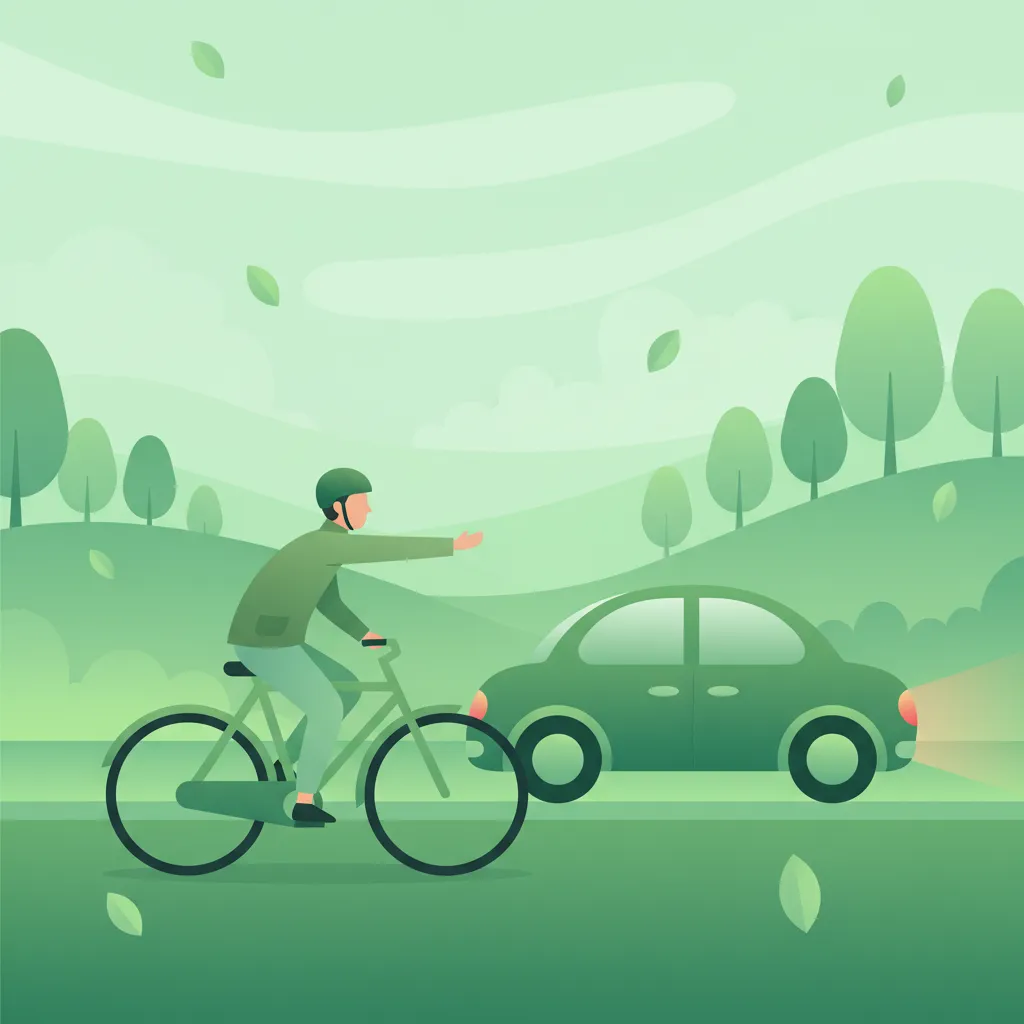
This lesson provides a detailed framework for how motorcyclists must safely and legally interact with diverse road users, including cars, trucks, cyclists, and pedestrians. It covers the required communication signals, anticipatory behaviors, and specific positioning techniques necessary to coexist in complex traffic environments like urban centers and shared spaces. Emphasis is placed on legal expectations and practical methods that actively reduce collision risk and promote smooth traffic flow.
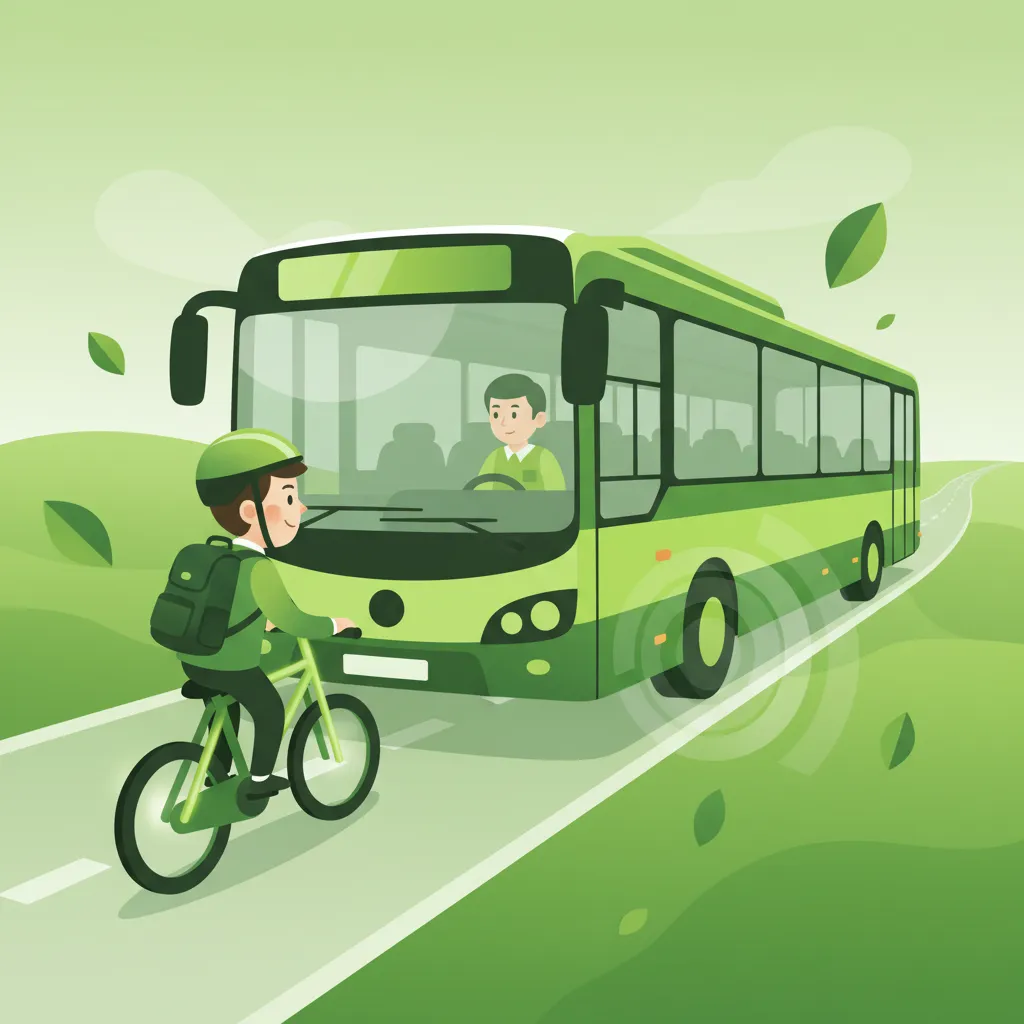
This lesson focuses on the specific hazards and techniques for safely sharing the road with heavy goods vehicles (HGVs) and buses. It provides a detailed explanation of their extensive blind spots ('dode hoek') and teaches riders where to position themselves to remain visible. The curriculum also covers how to manage the significant air turbulence created by these vehicles when overtaking and how to anticipate their wide turning circles at junctions and roundabouts.
This lesson addresses interactions with other types of road users. You will learn about motorcyclists, who can accelerate and brake quickly and may filter through slow traffic. The curriculum explains how to anticipate their movements and check for them carefully at junctions. It also covers how to safely approach and overtake slow-moving vehicles, such as agricultural tractors, and how to behave around horse riders, which requires slowing down and giving a very wide berth.

This lesson introduces the Dutch concept of 'voorspellend rijgedrag,' or anticipatory riding, a proactive approach to safety. It teaches motorcyclists how to look beyond the immediate vehicle in front and scan for clues that predict the actions of other road users, such as turn signals, wheel direction, and driver head movement. By anticipating potential conflicts before they happen, riders can position themselves to avoid danger and ensure a smoother, safer journey through complex traffic.
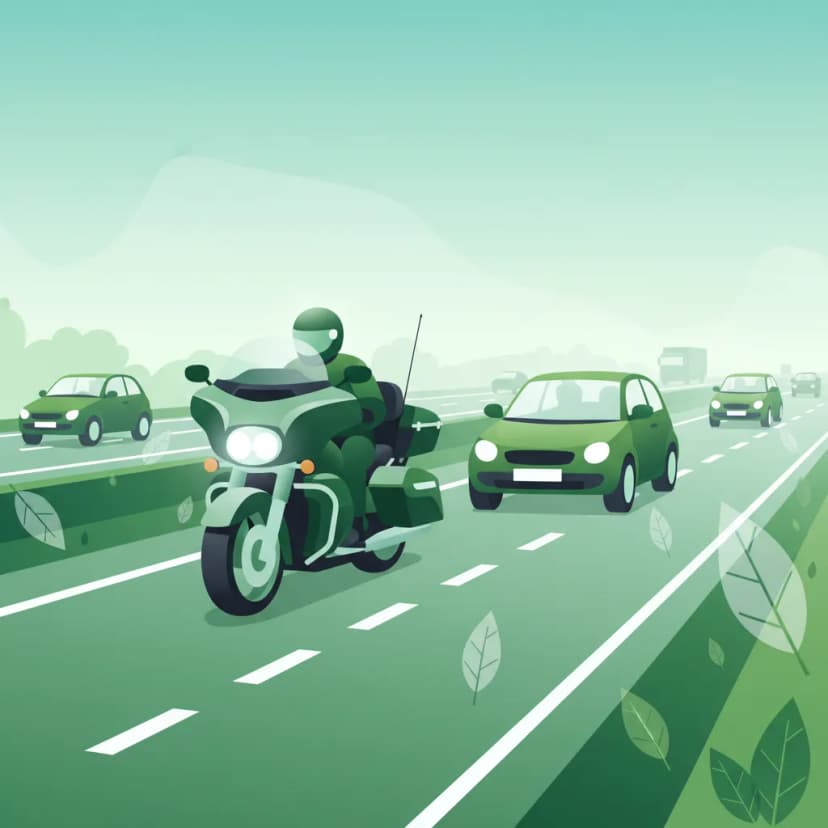
This lesson details the systematic process for safely overtaking on a multi-lane motorway, leveraging the acceleration capabilities of a Category A motorcycle. It covers the 'mirror, signal, maneuver' sequence, with a strong emphasis on the critical shoulder check to clear the blind spot before moving out. The content also discusses how to judge closing speeds, ensure adequate space before returning to the lane, and how to handle situations involving multiple lanes and slower-moving heavy vehicles.
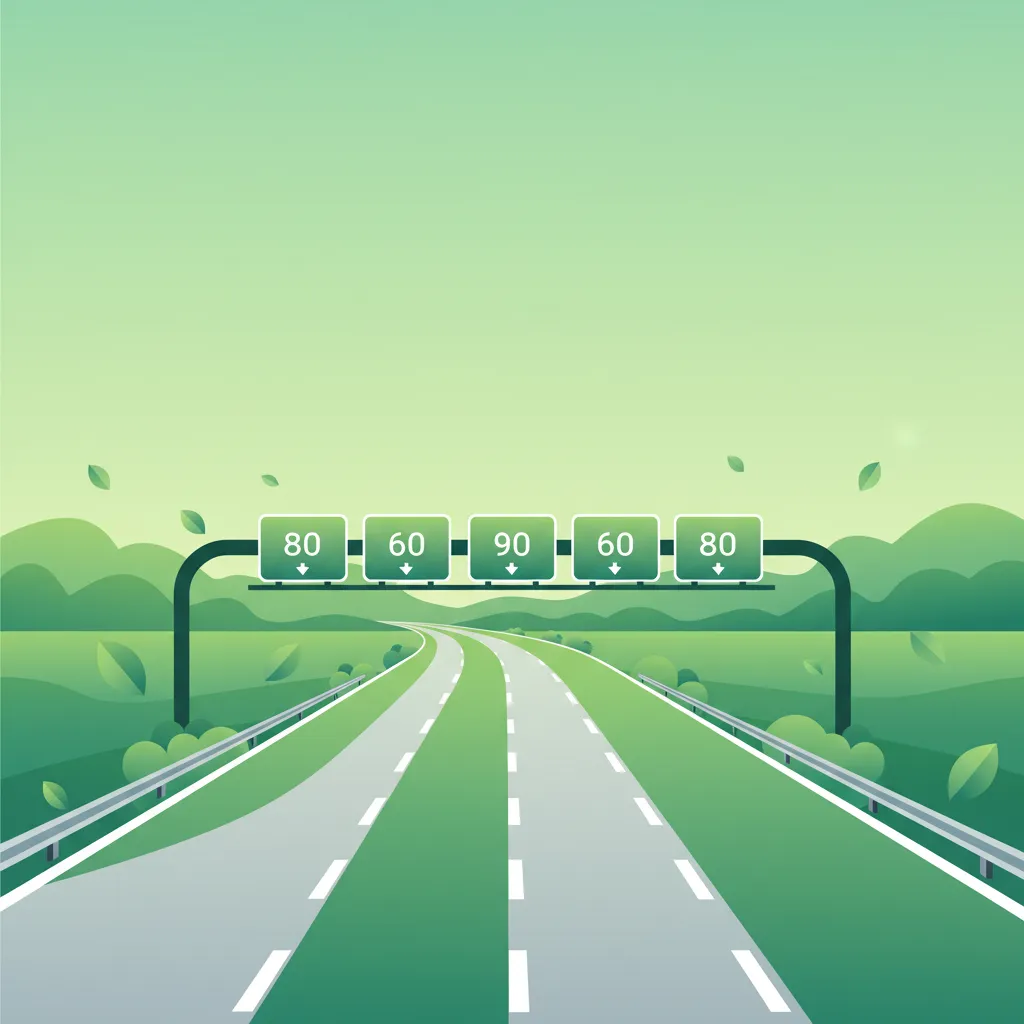
This lesson explains how to respond to variable speed limits shown on overhead electronic signs, which are used to manage traffic flow in real-time. You will learn why these limits are adjusted for factors like congestion, accidents, or bad weather, and the legal requirement to obey them. The content focuses on the importance of anticipatory riding, scanning far ahead for these signs to allow for smooth and safe speed adjustments.
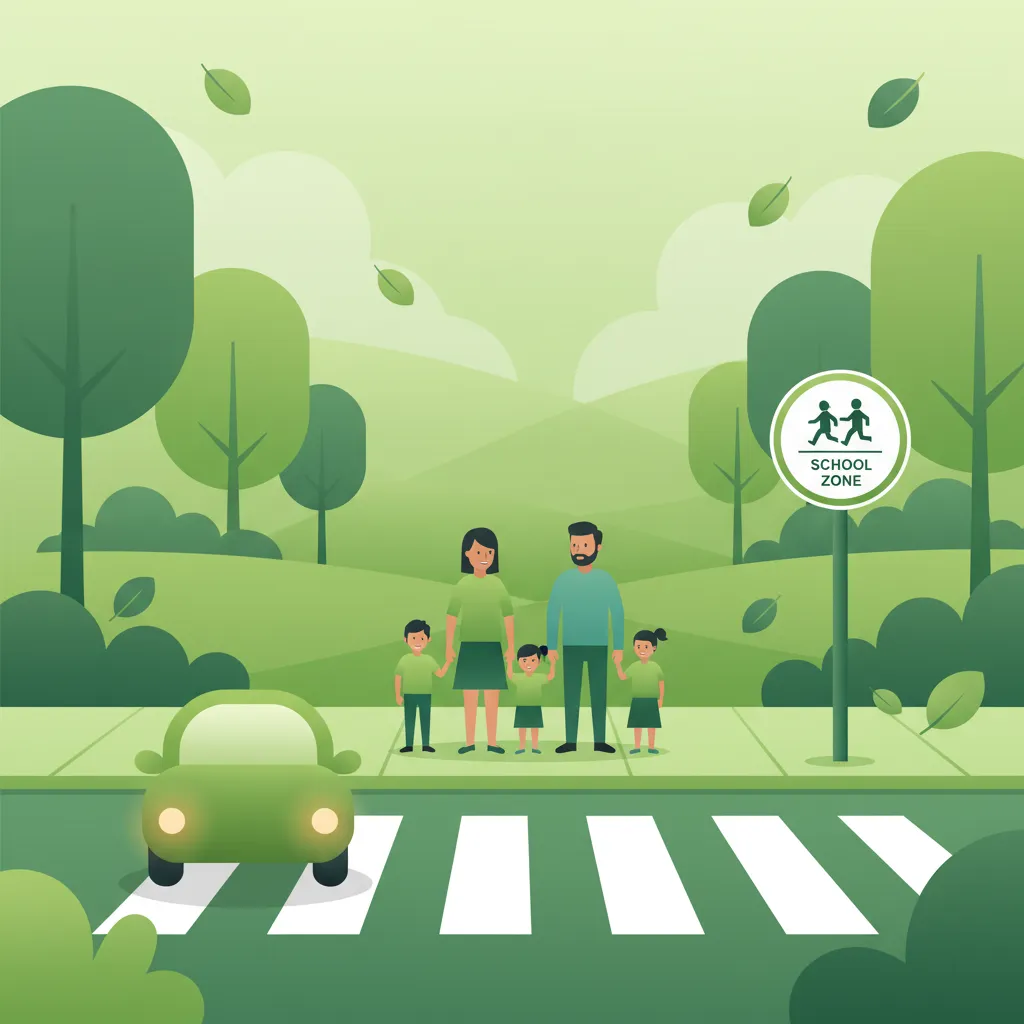
This lesson focuses on the legal requirements and safe practices for riding near pedestrian crossings ('zebrapaden') and designated school zones. It details the absolute obligation to yield to pedestrians on or about to use a crossing and the need for significantly reduced speeds and heightened vigilance in areas with children. The content underscores the importance of anticipation and being prepared for unpredictable movements from vulnerable road users to prevent serious incidents.
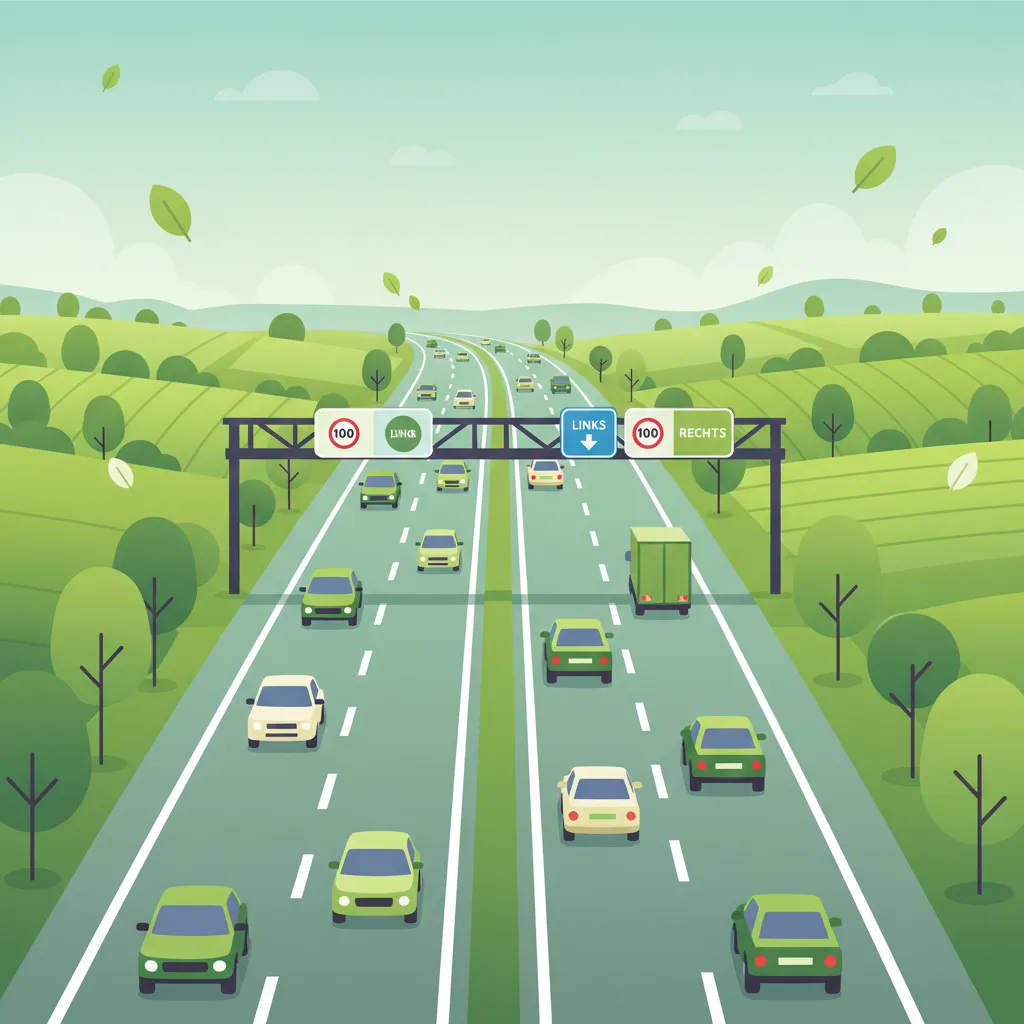
This lesson covers the specific articles of the Dutch Road Traffic Act that apply to motorways, with a primary focus on the strict rule of keeping to the rightmost available lane unless overtaking. It explains the legal and safety reasons for only passing on the left and discusses the correct positioning within a lane for maximum visibility and safety. The content also addresses the nuances of lane usage during heavy congestion, ensuring riders comply with the law and contribute to smooth traffic flow.

This lesson provides a detailed overview of the structure of Dutch traffic legislation, focusing on the Road Traffic Act (Wegenverkeerswet 1994) and its relationship with CBR regulations. It explains the hierarchy from national statutes to local ordinances and how these rules govern rider behavior in various traffic situations. Furthermore, the lesson clarifies the mechanisms for enforcement, the types of sanctions for non-compliance, and the legislative goal of ensuring road safety for all participants.
This lesson examines the function and interpretation of variable message signs (VMS) and other digital displays that provide real-time traffic information on Dutch roads. It explains how these systems communicate dynamic speed limits, congestion alerts, lane closures, and diversion routes, and how motorcyclists must legally comply with these instructions. Understanding these 'matrixborden' is critical for adapting to changing road conditions and ensuring safety on motorways and in tunnels.
Develop critical hazard perception skills for navigating around large vehicles and vulnerable road users. Learn to anticipate their movements, identify risks like blind spots and unpredictable behavior, and apply defensive riding techniques.
This lesson focuses on the specific hazards and techniques for safely sharing the road with heavy goods vehicles (HGVs) and buses. It provides a detailed explanation of their extensive blind spots ('dode hoek') and teaches riders where to position themselves to remain visible. The curriculum also covers how to manage the significant air turbulence created by these vehicles when overtaking and how to anticipate their wide turning circles at junctions and roundabouts.
This lesson focuses on the unique and densely packed hazards found in urban traffic environments. It teaches riders to develop a systematic scanning pattern to identify potential risks from multiple sources simultaneously, such as pedestrians stepping off curbs, car doors opening unexpectedly, and buses pulling out. The content also emphasizes the importance of managing speed and always having an 'escape route' planned in case a hazard suddenly materializes in the complex city landscape.
This lesson transitions hazard perception skills to the high-speed environment of motorways and tunnels. It covers specific risks such as vehicles merging at different speeds, sudden braking and congestion ahead, road debris, and the aerodynamic effects of crosswinds and large trucks. The curriculum also addresses the challenges of riding in tunnels, including changes in light and surface conditions, and the importance of identifying emergency exits and procedures in case of an incident.
This lesson provides a detailed framework for how motorcyclists must safely and legally interact with diverse road users, including cars, trucks, cyclists, and pedestrians. It covers the required communication signals, anticipatory behaviors, and specific positioning techniques necessary to coexist in complex traffic environments like urban centers and shared spaces. Emphasis is placed on legal expectations and practical methods that actively reduce collision risk and promote smooth traffic flow.

This lesson focuses on hazard perception ('gevaarherkenning'), a critical section of the CBR exam. It explains how increasing speed reduces a rider's field of vision and shortens the time available to identify, process, and react to potential dangers. The content explores techniques for actively scanning the road ahead and anticipating the actions of other road users to make safe, proactive decisions rather than reactive ones.
This lesson focuses on the legal and moral responsibility to be extra vigilant around certain groups of vulnerable road users. You will learn that children can be impulsive and have poor traffic awareness, requiring drivers to be prepared to stop suddenly, especially near schools and playgrounds. The content also discusses the need for patience with elderly or disabled road users, who may move more slowly. You will learn to recognize signs of disability, like a white cane or a guide dog, and give these individuals extra space and time.

Riding in Dutch cities often means interacting with trams, which present unique risks for two-wheeled vehicles. This lesson details the absolute priority that trams have in most situations and explains how to interpret specific tram traffic signals. It provides crucial safety techniques for crossing tram tracks at a safe angle to prevent your wheels from getting stuck and emphasizes maintaining a safe distance from moving trams, which is a vital aspect of urban hazard perception.
This lesson is critical for driving in the Netherlands, a country with more bicycles than people. You will learn about the different types of cycle paths and how priority rules apply, especially at junctions. The content stresses the importance of checking the blind spot for cyclists before turning right ('dode hoek'). It also covers the rules for different types of mopeds (snorfiets and bromfiets) and the importance of giving all two-wheeled road users ample space when overtaking.
How you perceive risk directly influences your riding behavior. This lesson encourages you to honestly assess your own attitude towards risk, highlighting the dangers of overconfidence, especially in new riders. It teaches you to move beyond simply seeing hazards to actively anticipating them. By asking 'what if?' questions (e.g., 'What if that car pulls out?'), you can mentally prepare for potential dangers and create a safer space cushion around yourself at all times.
This lesson addresses interactions with other types of road users. You will learn about motorcyclists, who can accelerate and brake quickly and may filter through slow traffic. The curriculum explains how to anticipate their movements and check for them carefully at junctions. It also covers how to safely approach and overtake slow-moving vehicles, such as agricultural tractors, and how to behave around horse riders, which requires slowing down and giving a very wide berth.
Find clear answers to common questions learners have about Interaction with Buses, Trucks, and Vulnerable Users. Learn how the lesson is structured, which driving theory objectives it supports, and how it fits into the overall learning path of units and curriculum progression in the Netherlands. These explanations help you understand key concepts, lesson flow, and exam focused study goals.
Trucks and buses have large blind spots, often called 'no-zones', around their sides, front, and especially their rear. For an A1 motorcycle, these areas mean the driver may not see you. Key no-zones include the area directly in front of the cab, alongside the vehicle, and immediately behind it. Always try to be visible and avoid lingering in these zones.
To ensure visibility, maintain a safe position in your lane, preferably where the driver can see you in their mirrors. Avoid riding directly beside a truck or bus. If you need to overtake, do so quickly and decisively when safe, and once clear, return to your lane ensuring you are well ahead. Use your headlight, even during the day, to increase your conspicuition.
In the Netherlands, as an A1 motorcycle rider, you have a heightened duty of care towards vulnerable road users like cyclists and pedestrians. This means anticipating their movements, especially at junctions, crossings, or when they are near the road edge. Always be prepared for them to change direction unexpectedly and provide ample space when overtaking, typically at least 1.5 meters.
When passing a cyclist on your A1 motorcycle, slow down and ensure there is sufficient space (at least 1.5 meters). Check behind you and signal if necessary. Pass only when your path is clear and there's no oncoming traffic. Be mindful that cyclists may need to swerve to avoid road defects.
If a pedestrian suddenly appears near your path, your primary reaction should be to brake safely and be prepared to stop. Look for an escape route if possible, but prioritize controlled braking over swerving into danger. Always assume pedestrians, especially children, might behave unpredictably near the road.
Yes, the CBR theory exam frequently includes questions about interacting with large vehicles and vulnerable road users. These questions often assess your understanding of blind spots, safe passing distances, right of way, and anticipating the actions of others. Mastering this lesson will directly help you answer these critical exam questions correctly.