
Prepare for your Dutch driving theory exam with this comprehensive practice set on moped and light moped road positioning. Learn where bromfietsen (yellow plate) and snorfietsen (blue plate) must ride – on cycle paths, cycle/moped paths, or the main carriageway – based on specific Dutch traffic legislation and signage. This set clarifies subtle legal differences to help you avoid common mistakes and confidently pass your AM theory test.
Start targeted Dutch driving theory preparation for learners in the Netherlands. Train with exam style questions, learn core rules, and build the knowledge needed for the official theory test.
Understand the critical differences between bromfietsen and snorfietsen regarding their mandatory placement on cycle paths or the carriageway. This set covers various scenarios, including the presence or absence of dedicated paths and the role of specific traffic signs, helping you avoid common mistakes in the Dutch driving theory exam.
Preview sample questions from the Moped Road Rules practice set to see how they help you prepare for the driving theory exam in the Netherlands.
Learners choose Moped Road Rules to improve accuracy and understanding of key exam themes in the Netherlands. It offers realistic driving theory questions and targeted revision for effective preparation.
Find answers to the most common queries learners have when practising Moped Road Rules, including how questions match the official theory exam in the Netherlands, how scoring works, and how this practice improves exam readiness.
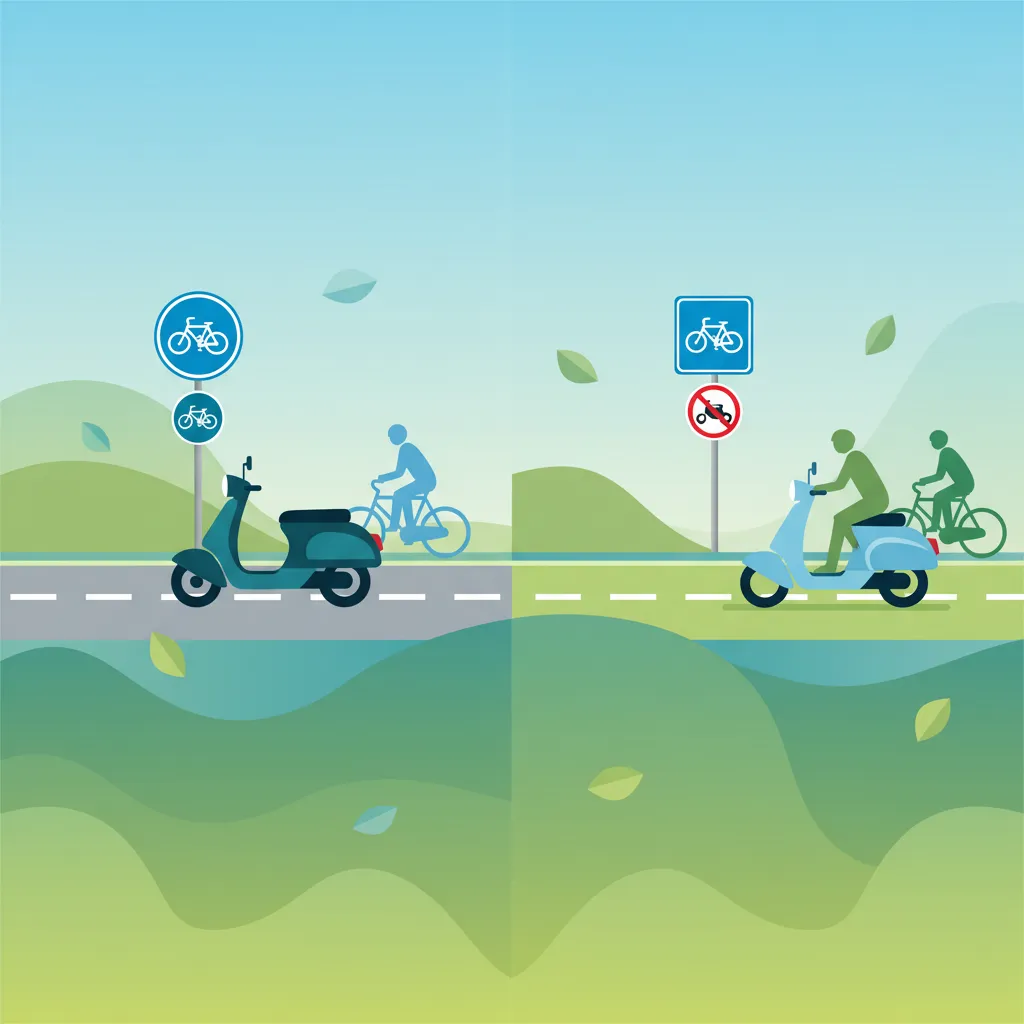
Bromfietsen (yellow plate, helmet required) generally ride on the carriageway within built-up areas unless a mandatory cycle/moped path is indicated. Snorfietsen (blue plate, no helmet generally) typically ride on the cycle path or cycle/moped path, or the carriageway if no dedicated path is present.
Snorfietsers must use a mandatory cycle path or cycle/moped path if present. If no such mandatory path is available, they must use the carriageway. Specific local signage may also direct snorfietsers to the carriageway, even if a cycle path is present.
A bromfiets must use the carriageway inside built-up areas unless a mandatory cycle/moped path (G12a) is available, which they must then use. Outside built-up areas, a bromfiets must use the cycle/moped path if present; otherwise, they use the carriageway.
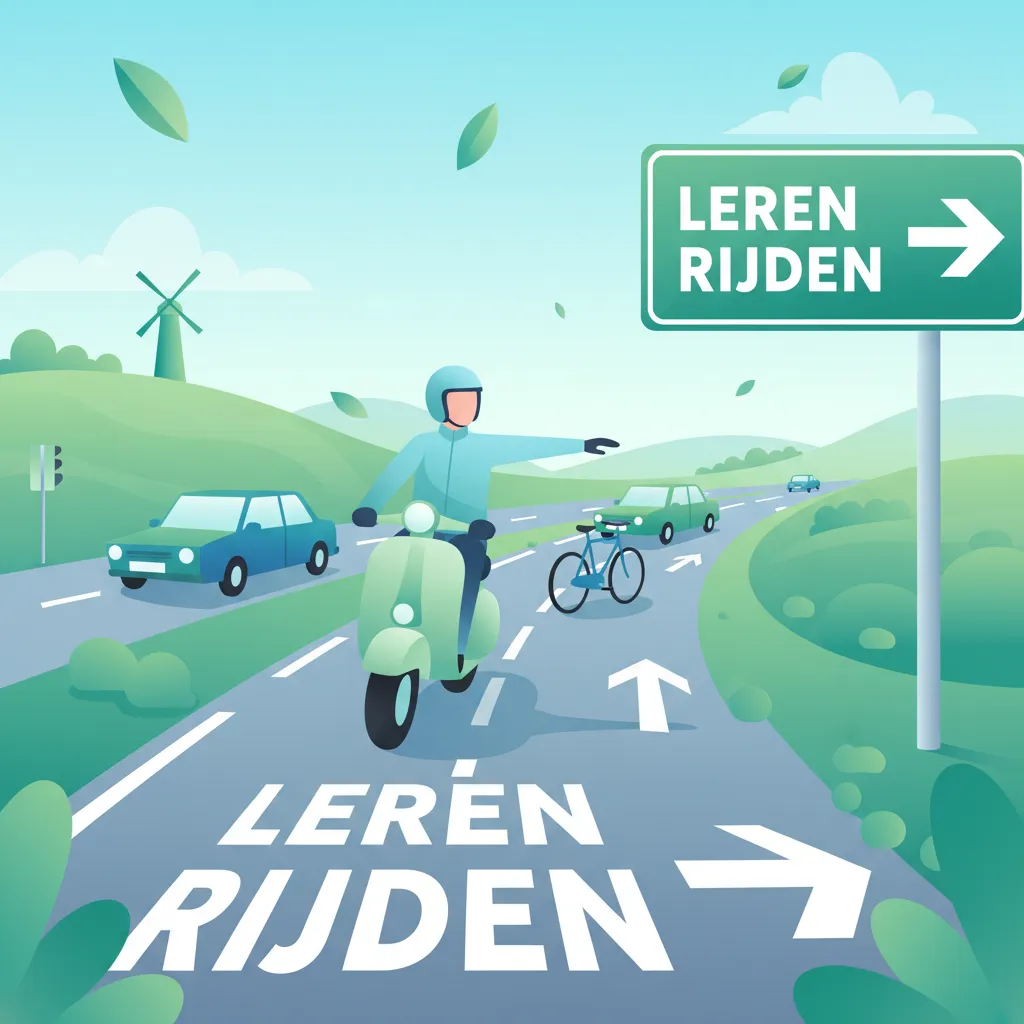
Signs D-103 and D-104 indicate an obligation for moped riders to change their road position. They direct moped riders to either leave the cycle/moped path to enter the carriageway (D-104) or leave the carriageway to enter a cycle/moped path (D-103), based on the direction of the arrow.
Snorfietsers are generally not permitted on non-mandatory cycle paths (G-13) if their internal combustion engine is switched on. They may use it only if they have switched off their engine or are operating an electric motor.
By completing Moped Road Rules, you will gain stronger rule knowledge, faster recognition of signs and situations, better decision making in traffic scenarios, and increased accuracy on exam style questions used in the Netherlands. These outcomes directly support higher scoring exam performance.
Discover more Dutch driving theory practice sets created for exam preparation in the Netherlands. Train with realistic questions on traffic rules, road signs, priority situations, and safety topics to build knowledge and pass your theory test with confidence.
Master Moped Positioning and Signalling to Drive Safely and Pass Your Exam!
Navigate Dutch Roads Confidently: Master Moped Road Markings for Your Theory Exam

Master the Legal Essentials for Moped Riding in the Netherlands.

Mastering Moped Overtaking: Navigate Dutch Roads Safely and Pass Your CBR Exam

Master how to be seen: Essential knowledge for safe moped riding in the Netherlands.

Master the specific vehicle categories for your Dutch AM license.
Questions in Moped Road Rules
Exam focused questionss
Moped Road Rules offers quick, focused exam style practice to boost your Dutch knowledge for the driving theory exam in the Netherlands.
Moped Road Rules helps learners in the Netherlands with clear explanations and targeted Dutch practice to improve essential driving theory topics.
This practice set is ideal for AM license candidates and learners preparing for the Dutch CBR exam who find the specific rules for bromfietsen and snorfietsen confusing. If you struggle with distinguishing when to use cycle paths versus the carriageway, especially with different types of mopeds and varying signage, this set will clarify these critical distinctions.
Explore more topics for the Dutch driving theory exam in the Netherlands.