
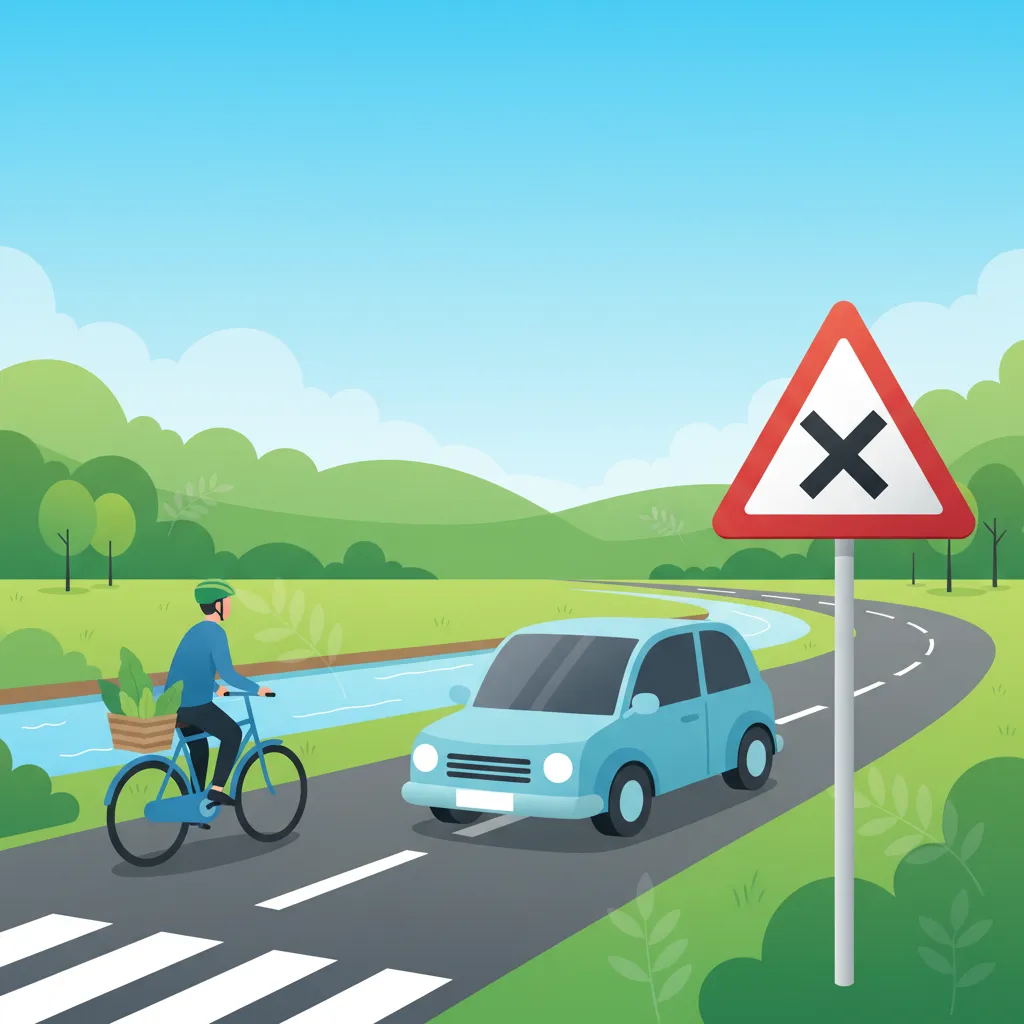
Prepare for the Dutch driving theory exam by mastering warning signs at intersections. This practice set covers crucial signs like crossroad ahead and T-junction ahead, teaching you correct speed adaptation, hazard anticipation, and how these signs inform but do not always define priority. Boost your confidence for real-world Dutch traffic situations.
Start targeted Dutch driving theory preparation for learners in the Netherlands. Train with exam style questions, learn core rules, and build the knowledge needed for the official theory test.
This set focuses on crucial warning signs that alert drivers to upcoming intersections in the Netherlands. You will practice recognising signs like "crossroad ahead" or "T-junction ahead," understanding their implications for speed and alertness, and preparing for situations where you might need to yield or anticipate hidden traffic.
Preview sample questions from the Intersection Warnings practice set to see how they help you prepare for the driving theory exam in the Netherlands.
Learners choose Intersection Warnings to improve accuracy and understanding of key exam themes in the Netherlands. It offers realistic driving theory questions and targeted revision for effective preparation.
Find answers to the most common queries learners have when practising Intersection Warnings, including how questions match the official theory exam in the Netherlands, how scoring works, and how this practice improves exam readiness.
The main purpose of warning signs is to alert drivers to potential dangers or changes in road conditions ahead, such as an upcoming intersection. They give you time to adjust your speed and prepare for the situation.
No, warning signs merely inform you of an upcoming intersection but do not automatically assign priority. Priority is determined by specific priority signs (like B signs), traffic lights, or the general right-of-way rules.
When you see a warning sign for an intersection, you should generally reduce your speed. This allows you more time to observe the situation, react to other traffic, and be prepared to stop or yield if necessary.
Intersection warning signs help you anticipate hazards such as crossing traffic, turning vehicles, pedestrians, cyclists, and situations with reduced visibility, allowing you to prepare mentally and physically for the junction.
Understanding Dutch intersection warning signs and appropriate approach behaviour is crucial for the CBR driving theory exam. Questions often test your ability to interpret these signs and react safely in various traffic scenarios.
By completing Intersection Warnings, you will gain stronger rule knowledge, faster recognition of signs and situations, better decision making in traffic scenarios, and increased accuracy on exam style questions used in the Netherlands. These outcomes directly support higher scoring exam performance.
Discover more Dutch driving theory practice sets created for exam preparation in the Netherlands. Train with realistic questions on traffic rules, road signs, priority situations, and safety topics to build knowledge and pass your theory test with confidence.
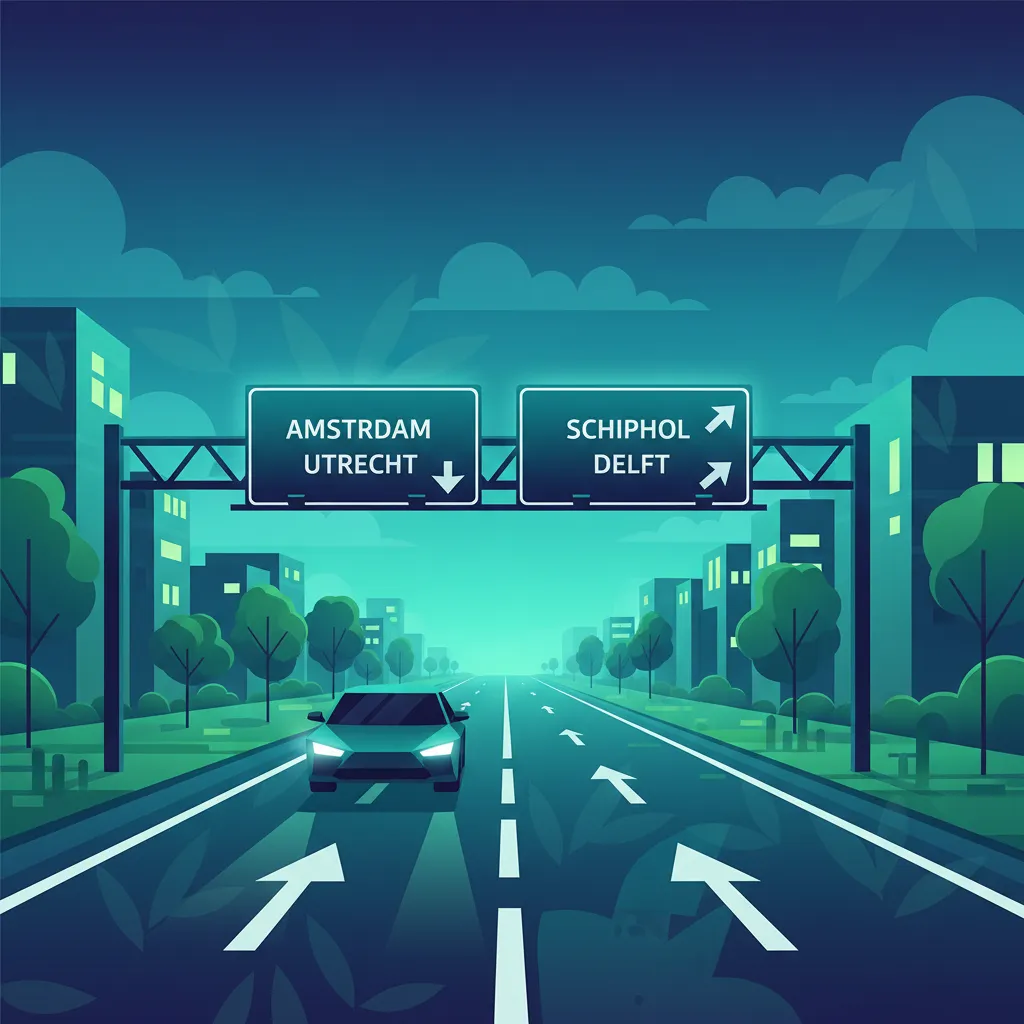
Decode Junction Clues: Master Information Signs for Safer Driving
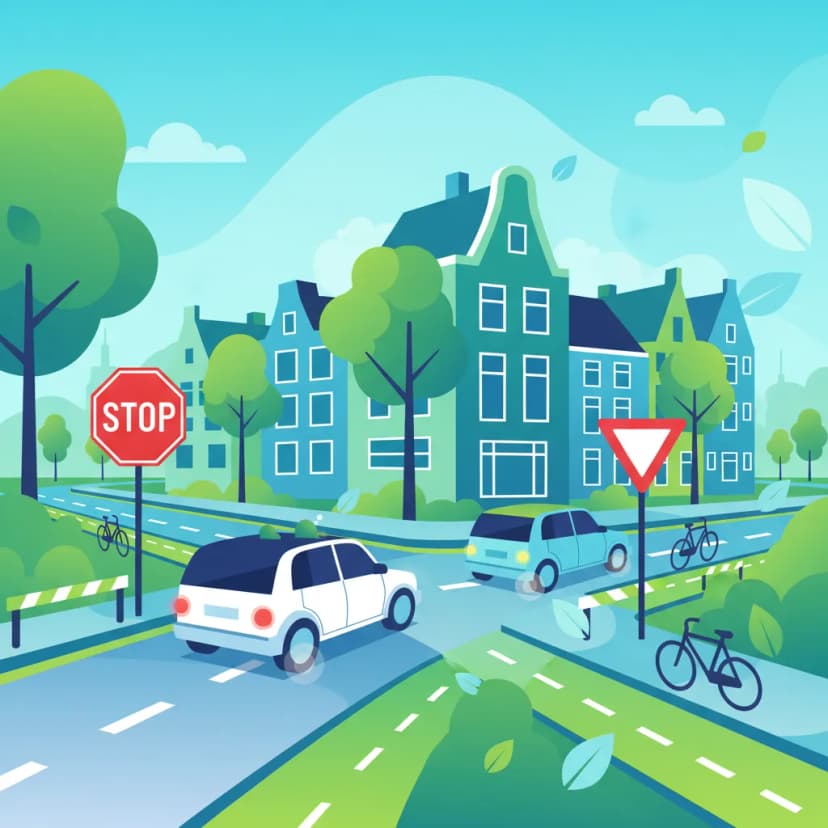
Navigate Intersections Confidently: Know When to Stop, When to Yield.

Master the Regulatory Signs That Govern Right of Way in Dutch Traffic
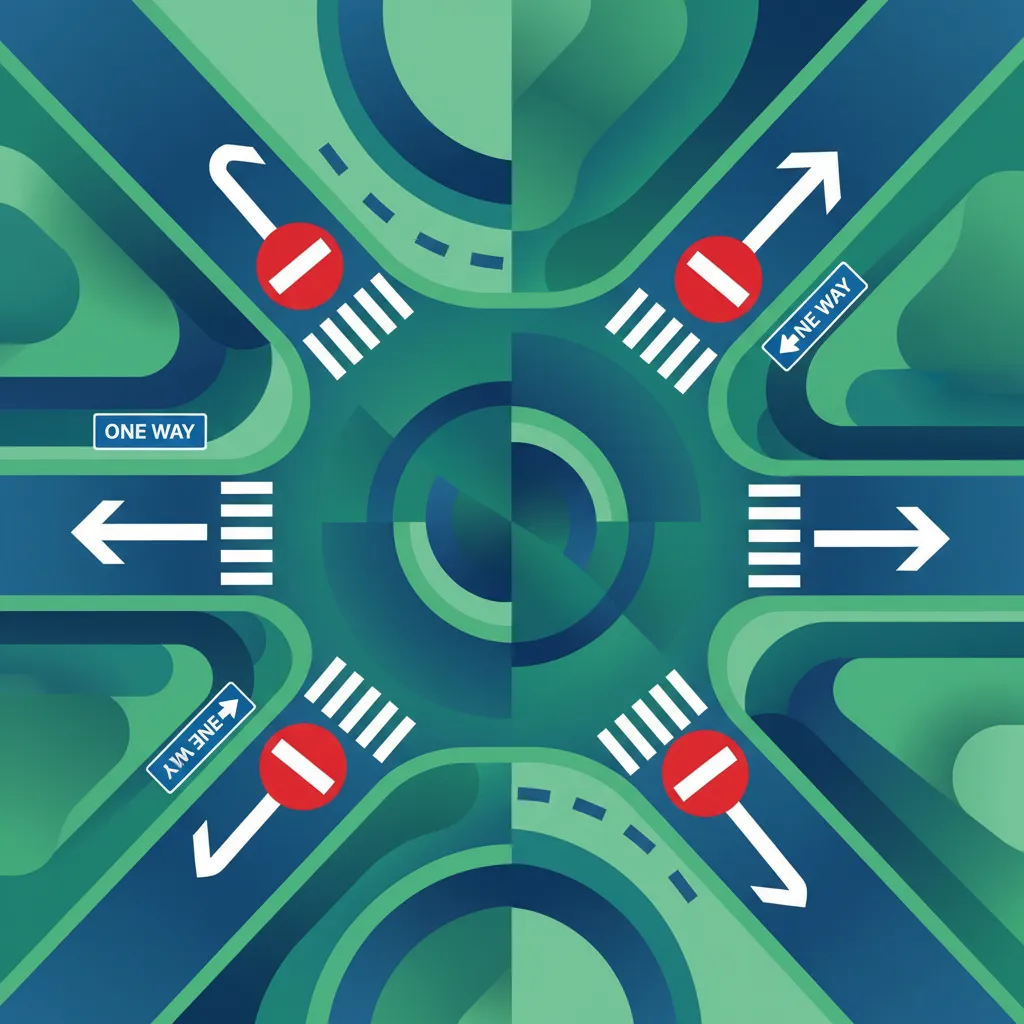
Avoid costly mistakes and understand critical directional signs for your Dutch driving exam.
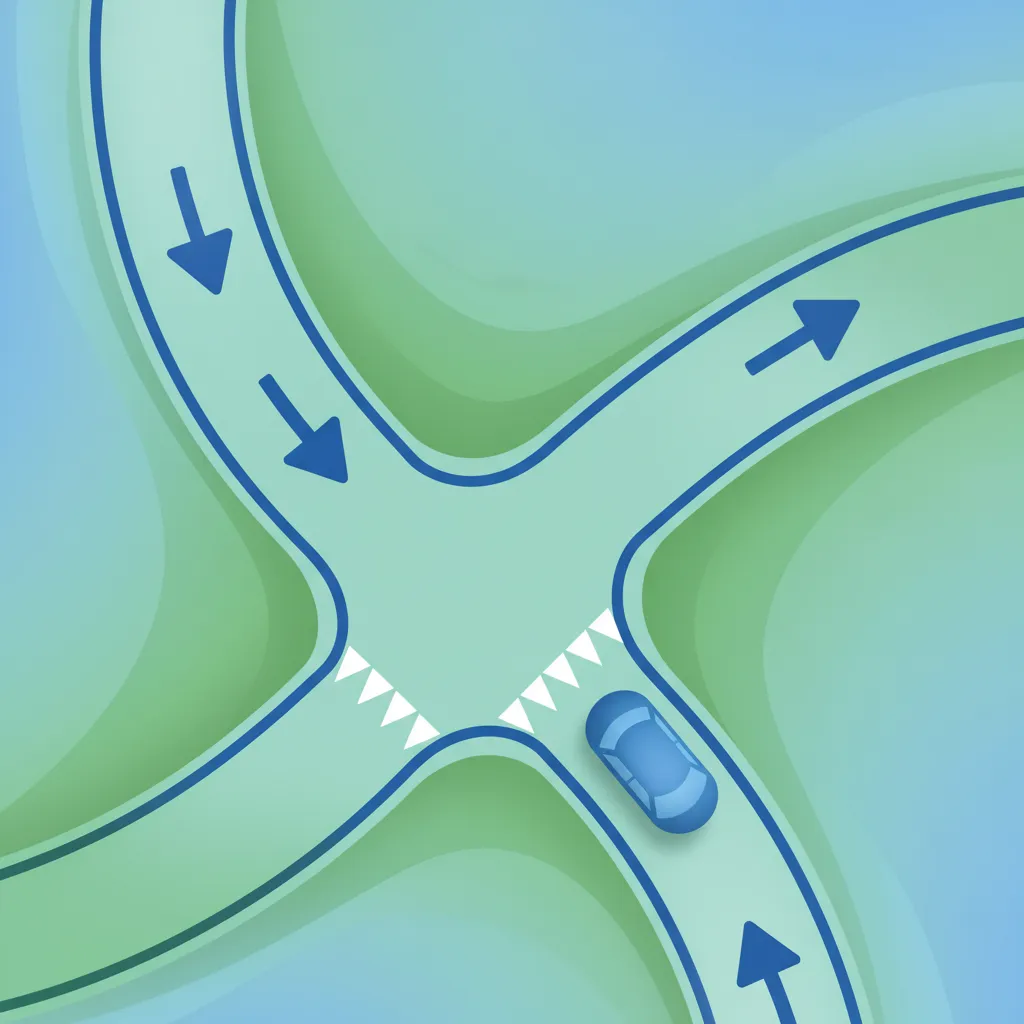
Navigate Tricky Priority Road Intersections with Confidence for Your Dutch Exam.
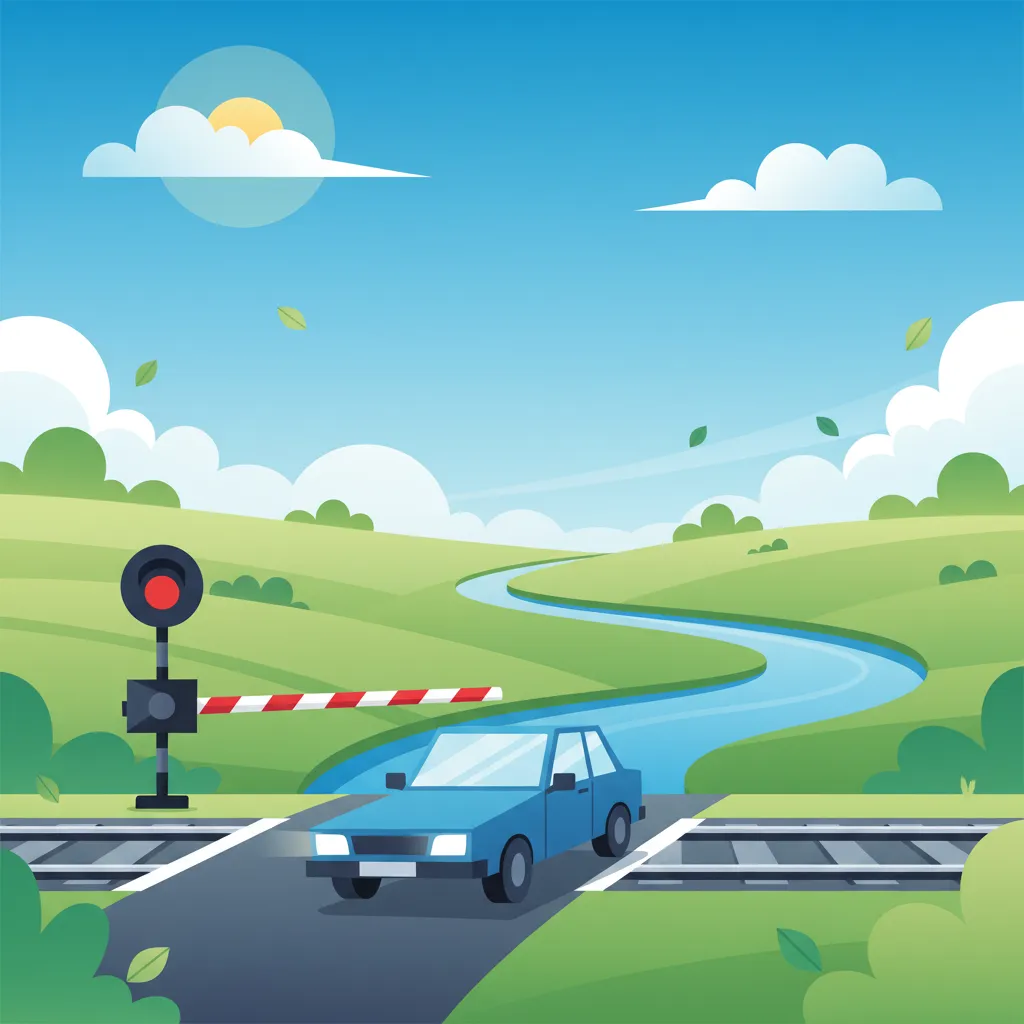
Master Railway Crossing Safety for Your Dutch Driving Exam
Questions in Intersection Warnings
Exam focused questionss
Intersection Warnings offers quick, focused exam style practice to boost your Dutch knowledge for the driving theory exam in the Netherlands.
Intersection Warnings helps learners in the Netherlands with clear explanations and targeted Dutch practice to improve essential driving theory topics.
This practice set is ideal for beginners and intermediate learners preparing for the Dutch driving theory exam who want to solidify their understanding of intersection warning signs. It addresses common misconceptions about warning signs defining priority and helps learners develop safer approach behaviours for various junction scenarios in the Netherlands.
Explore more topics for the Dutch driving theory exam in the Netherlands.