
Prepare for the official Dutch driving theory exam by practicing with questions on regulatory priority signs. This set in Dutch Driving License Theory helps you distinguish between priority roads, yield situations, and stop requirements, ensuring you apply the correct right of way rules even in tricky real-world scenarios. Master B-signs and their implications for safe driving.

Start targeted Dutch driving theory preparation for learners in the Netherlands. Train with exam style questions, learn core rules, and build the knowledge needed for the official theory test.
Navigate complex intersections by correctly interpreting regulatory signs. This set covers scenarios where signs are placed at bends, near side streets, or slightly before junctions, helping you understand their immediate and ongoing impact on priority, crucial for your Dutch driving theory exam.
Preview sample questions from the Regulatory Priority Signs practice set to see how they help you prepare for the driving theory exam in the Netherlands.
Learners choose Regulatory Priority Signs to improve accuracy and understanding of key exam themes in the Netherlands. It offers realistic driving theory questions and targeted revision for effective preparation.
Find answers to the most common queries learners have when practising Regulatory Priority Signs, including how questions match the official theory exam in the Netherlands, how scoring works, and how this practice improves exam readiness.
Regulatory priority signs, also known as B-signs, are essential in Dutch traffic to clearly indicate who has the right of way at intersections. They override the general 'right has priority' rule, ensuring a predictable and safe flow of traffic.
Both the B-6 (Give Way) and B-7 (Stop) signs require you to give right of way to traffic on the intersecting road. The key difference is that with a B-7 Stop sign, you must always come to a complete stop, even if no traffic is visible, whereas with a B-6 sign, stopping is only mandatory if you need to yield to crossing drivers.
A B-1 Priority Road sign means you have priority at all upcoming intersections on that road until you encounter a B-2 End of Priority Road sign. Within built-up areas, the B-1 sign is typically repeated before each intersection, and outside built-up areas, after each intersection, to confirm your status.
Generally, no. Regulatory priority signs like B-3, B-4, B-5, B-6, and B-7 are primarily intended for drivers, directing them to give or be given right of way by other drivers. Pedestrians usually do not have right of way over drivers based on these specific signs alone.
By completing Regulatory Priority Signs, you will gain stronger rule knowledge, faster recognition of signs and situations, better decision making in traffic scenarios, and increased accuracy on exam style questions used in the Netherlands. These outcomes directly support higher scoring exam performance.
Discover more Dutch driving theory practice sets created for exam preparation in the Netherlands. Train with realistic questions on traffic rules, road signs, priority situations, and safety topics to build knowledge and pass your theory test with confidence.
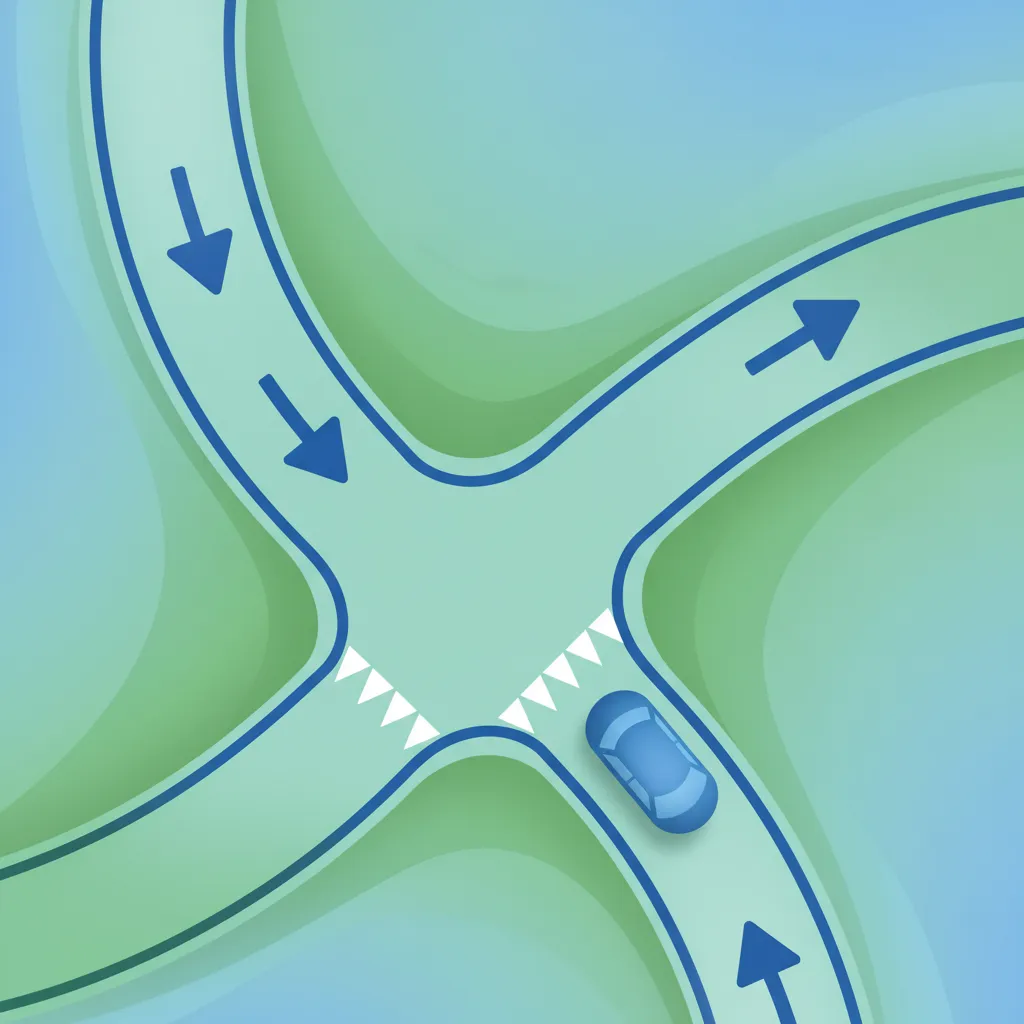
Navigate Tricky Priority Road Intersections with Confidence for Your Dutch Exam.
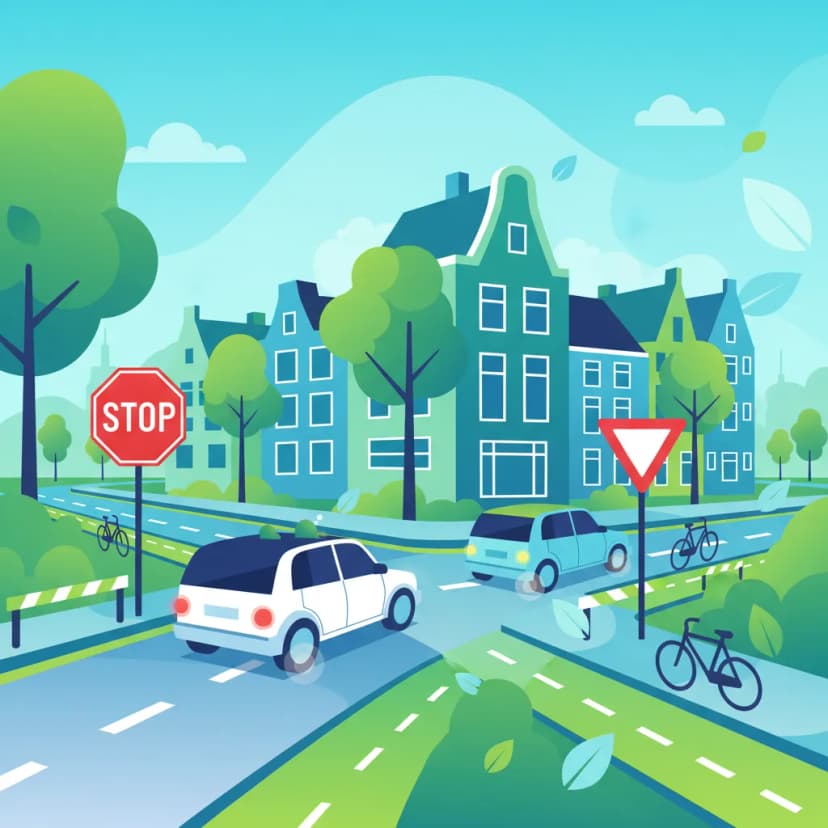
Navigate Intersections Confidently: Know When to Stop, When to Yield.
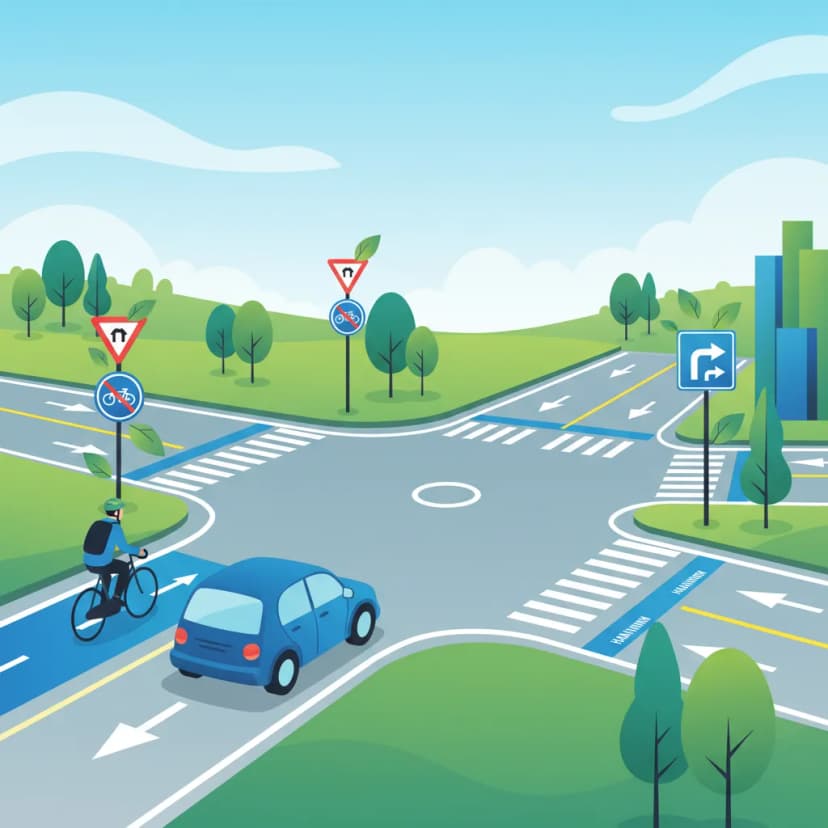
Unravel the Trickiest Junctions: Don't Let Complex Layouts Confuse Your Priority Decisions.
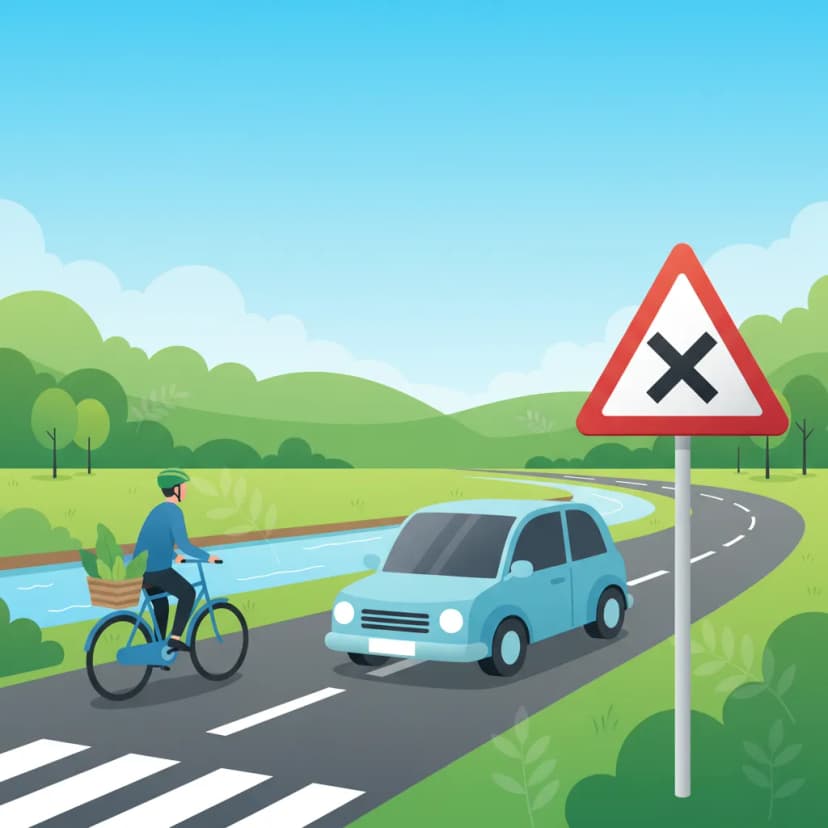
Master Dutch Intersection Warning Signs: Drive Safely and Pass Your CBR Exam.
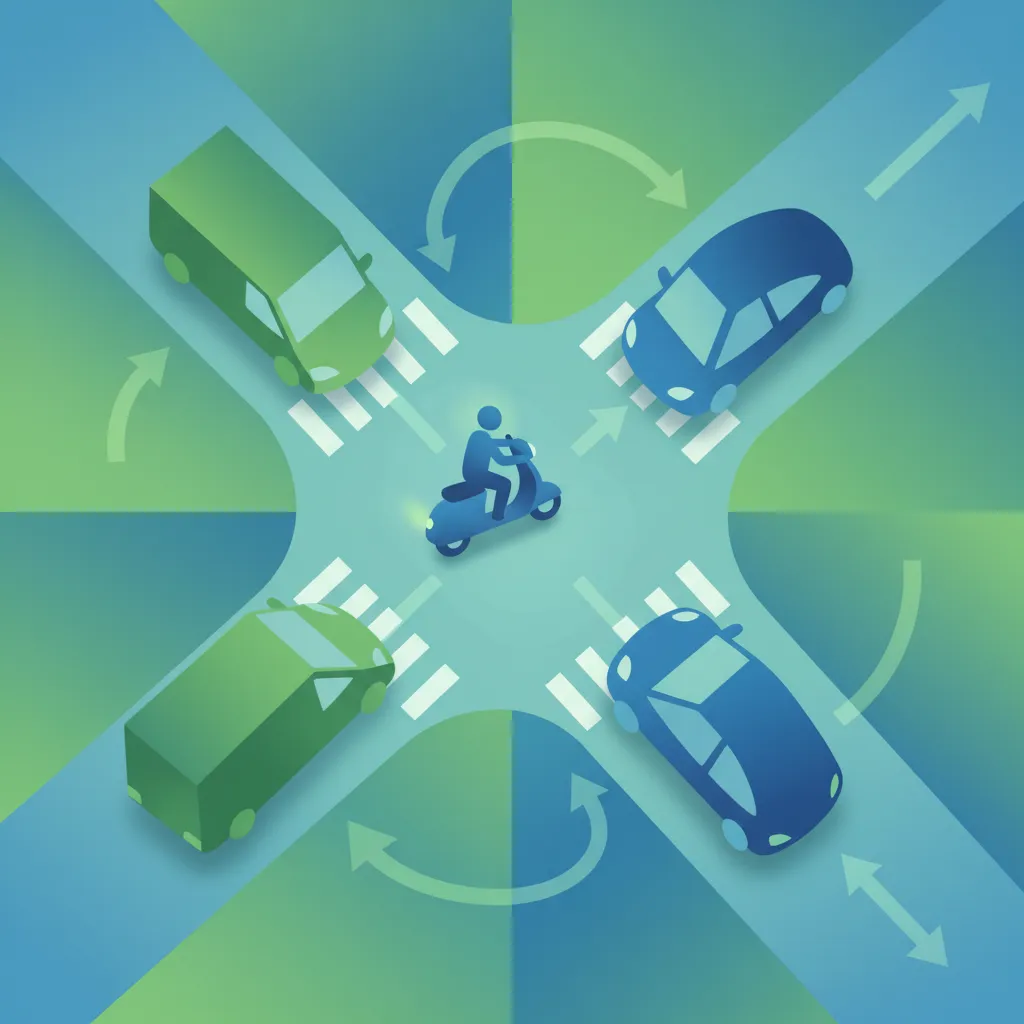
Mastering Uncontrolled Junctions: Essential for Your Dutch Theory Exam Success!
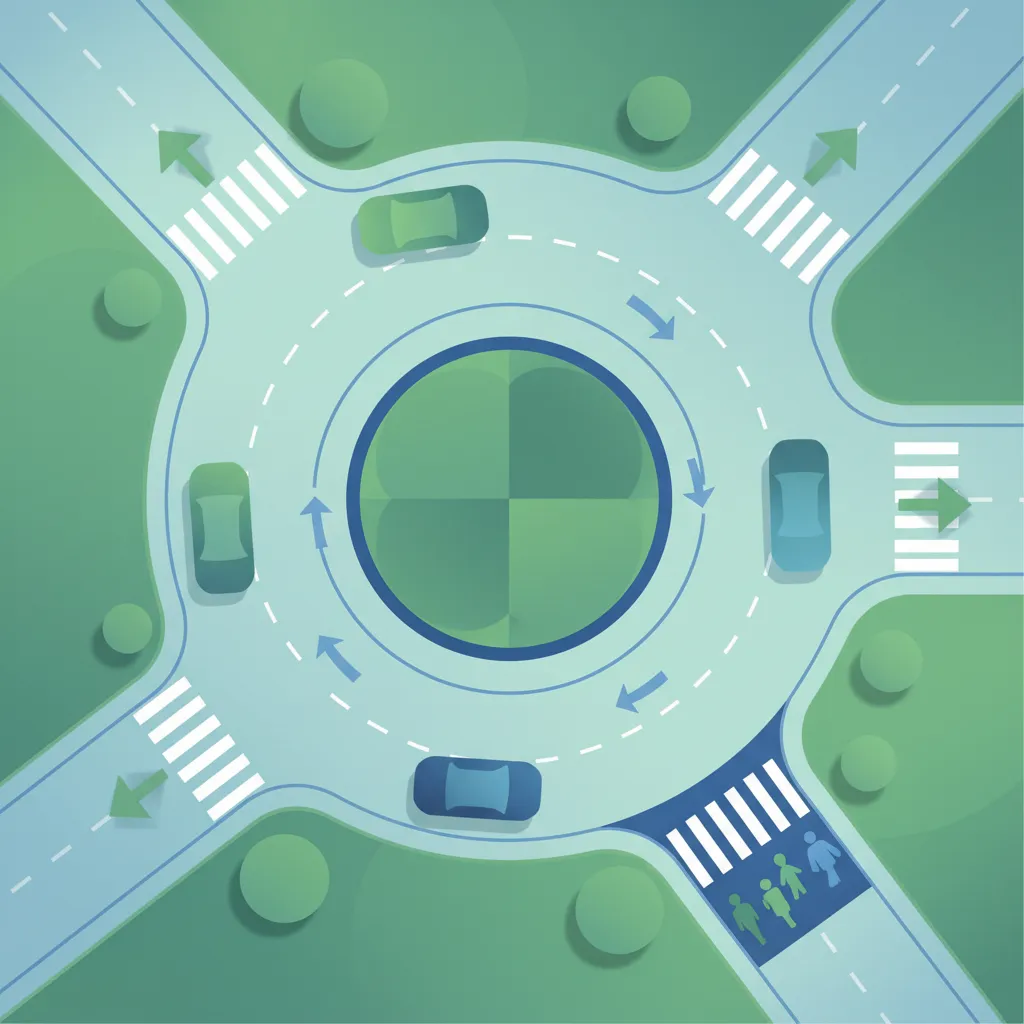
Navigate Dutch Roundabouts with Confidence: Your Guide to Entry and Priority.
Questions in Regulatory Priority Signs
Exam focused questionss
Regulatory Priority Signs offers quick, focused exam style practice to boost your Dutch knowledge for the driving theory exam in the Netherlands.
Regulatory Priority Signs helps learners in the Netherlands with clear explanations and targeted Dutch practice to improve essential driving theory topics.
This practice set is for intermediate learners preparing for their Dutch driving theory exam who want to solidify their understanding of right of way rules. It's especially useful for those who find regulatory signs confusing at complex intersections or struggle with situations where signs appear to give misleading impressions. Mastering these rules is vital for safe driving and passing the CBR exam.
Explore more topics for the Dutch driving theory exam in the Netherlands.