
Prepare for your Dutch driving theory exam by practicing complex priority road scenarios. This set covers intersections with priority roads, side roads, and challenging situations like bending priority roads. Learn to correctly interpret signs and road markings to avoid common mistakes and confidently apply Dutch traffic rules in real-world driving situations.
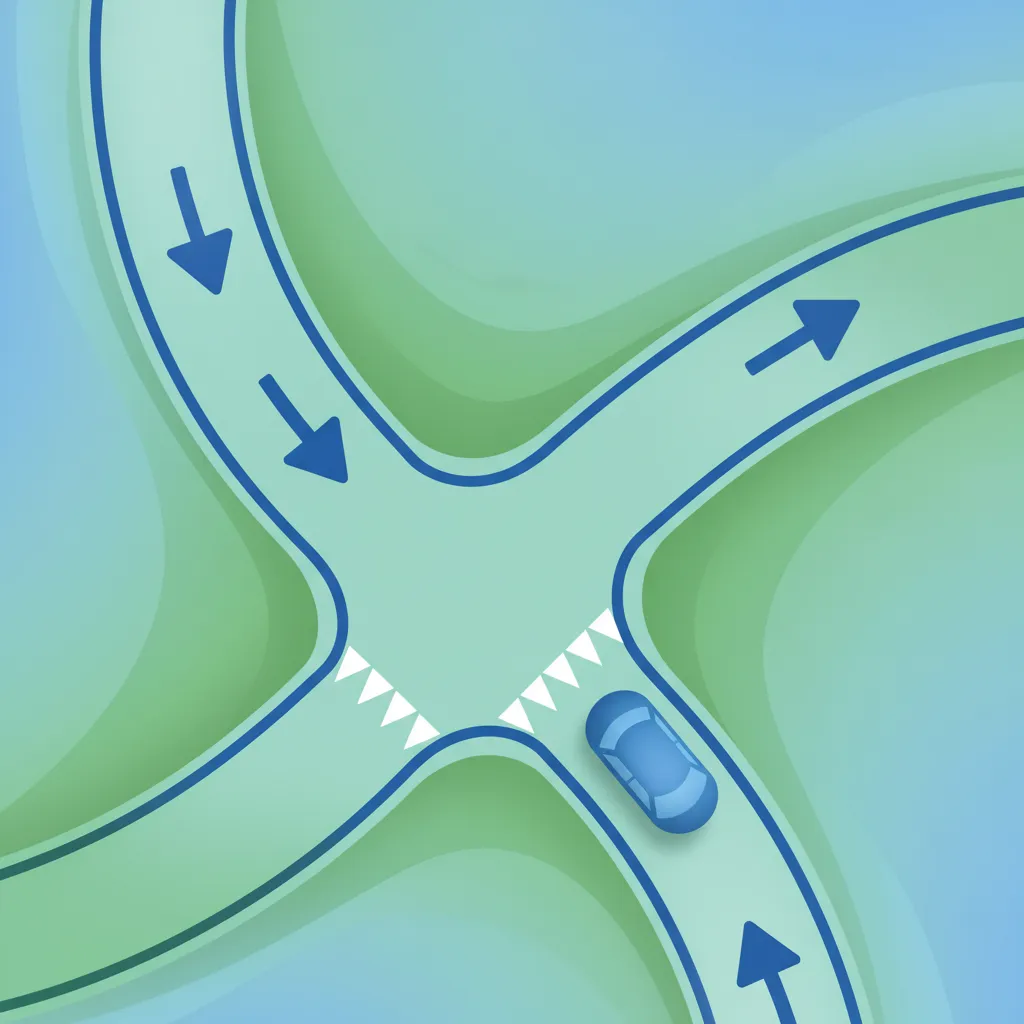
Start targeted Dutch driving theory preparation for learners in the Netherlands. Train with exam style questions, learn core rules, and build the knowledge needed for the official theory test.
This practice set delves into intersections where one road is designated as a priority road. You'll tackle scenarios involving straight and bending priority roads, turning situations, and common misinterpretations, preparing you for the intricacies of the Dutch driving theory exam.
Preview sample questions from the Priority Road Intersections practice set to see how they help you prepare for the driving theory exam in the Netherlands.
Learners choose Priority Road Intersections to improve accuracy and understanding of key exam themes in the Netherlands. It offers realistic driving theory questions and targeted revision for effective preparation.
Find answers to the most common queries learners have when practising Priority Road Intersections, including how questions match the official theory exam in the Netherlands, how scoring works, and how this practice improves exam readiness.
A priority road is indicated by specific traffic signs (like B1, the yellow diamond) or road markings, granting drivers on it right of way over traffic entering from side roads. These signs are crucial for establishing priority.
Bending priority roads (also known as divergent priority roads) are typically indicated by a supplementary plate placed under the main priority sign (e.g., B1). This plate visually shows the thick line for the main priority path and thin lines for the side roads.
Yes, even if you are simply following the main priority road as it bends, it is expected that you indicate your direction. This helps to clearly communicate your intentions to other road users, enhancing safety at the intersection.
Failing to give priority when required at a priority road intersection is a serious traffic violation in the Netherlands. It can result in significant fines and may lead to penalty points on your driving record, impacting your license.
Priority signs (B1, B3, B4, B5) primarily regulate the right of way between drivers. Generally, pedestrians do not automatically have priority over drivers at priority road intersections unless other specific rules, signs, or traffic lights grant it.
By completing Priority Road Intersections, you will gain stronger rule knowledge, faster recognition of signs and situations, better decision making in traffic scenarios, and increased accuracy on exam style questions used in the Netherlands. These outcomes directly support higher scoring exam performance.
Discover more Dutch driving theory practice sets created for exam preparation in the Netherlands. Train with realistic questions on traffic rules, road signs, priority situations, and safety topics to build knowledge and pass your theory test with confidence.
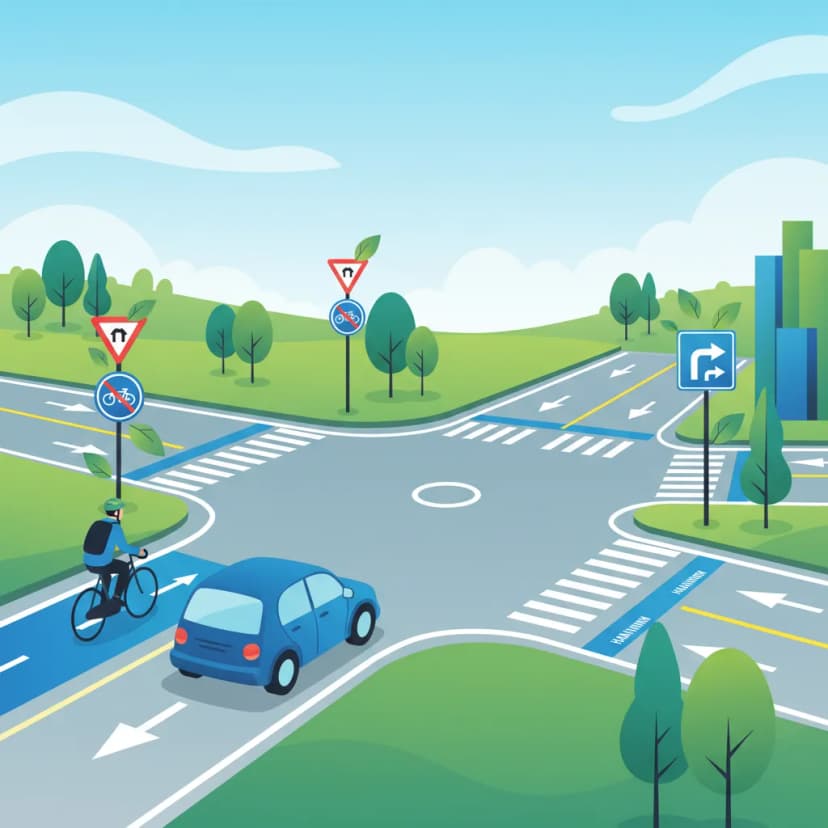
Unravel the Trickiest Junctions: Don't Let Complex Layouts Confuse Your Priority Decisions.

Master the Regulatory Signs That Govern Right of Way in Dutch Traffic
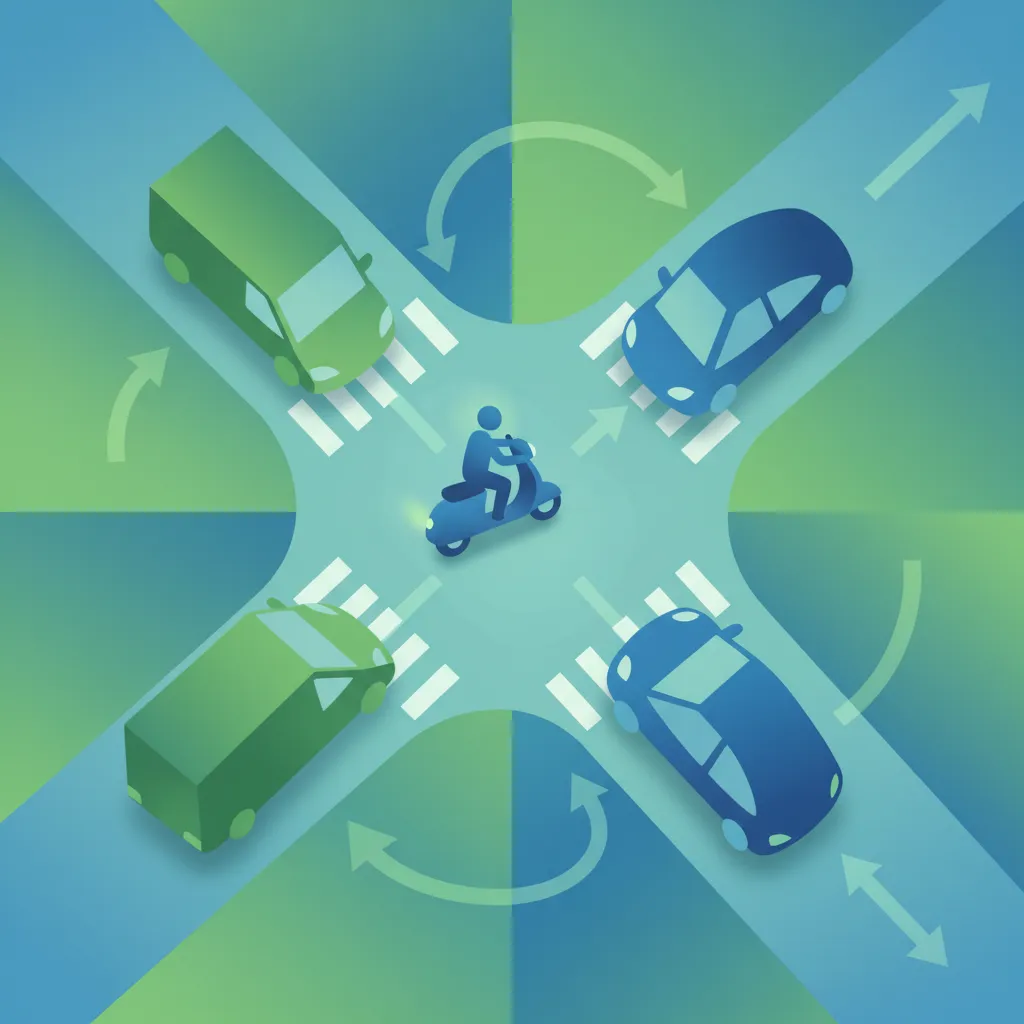
Mastering Uncontrolled Junctions: Essential for Your Dutch Theory Exam Success!
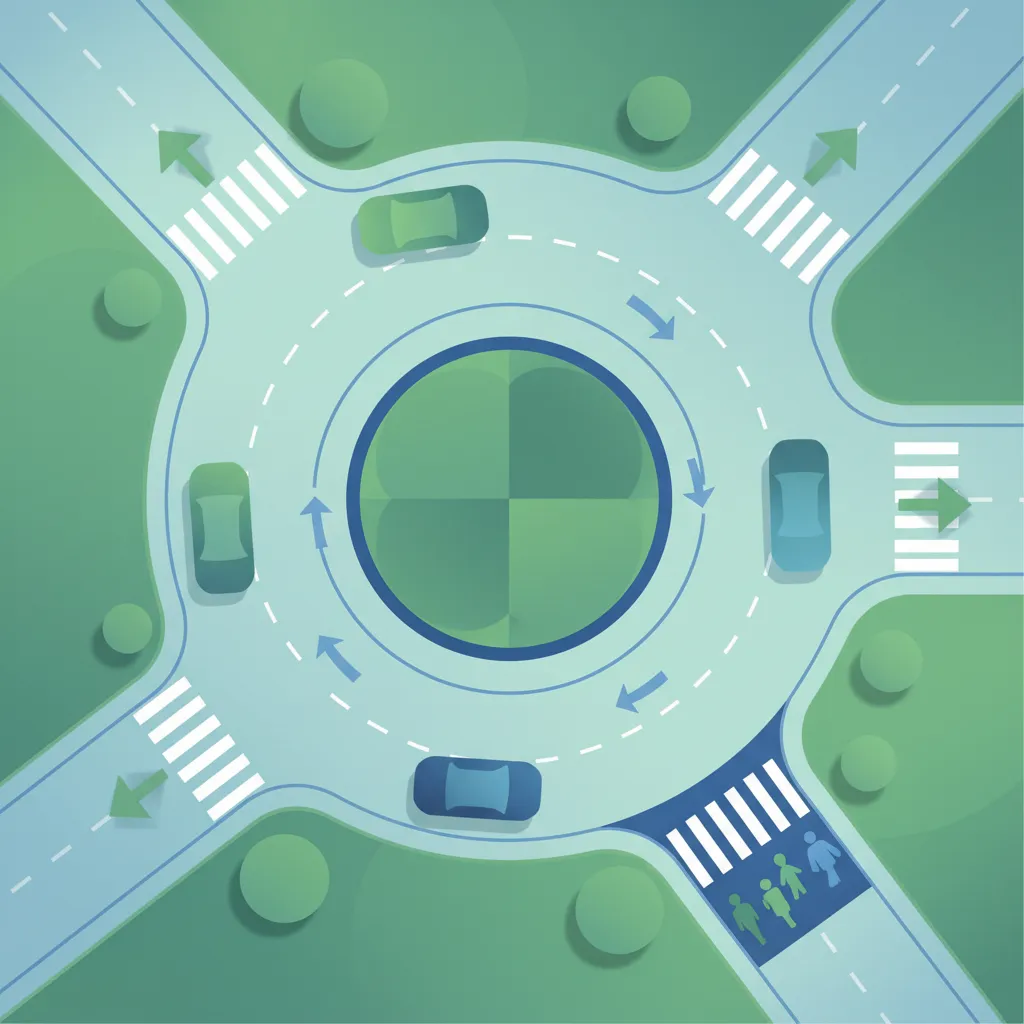
Navigate Dutch Roundabouts with Confidence: Your Guide to Entry and Priority.
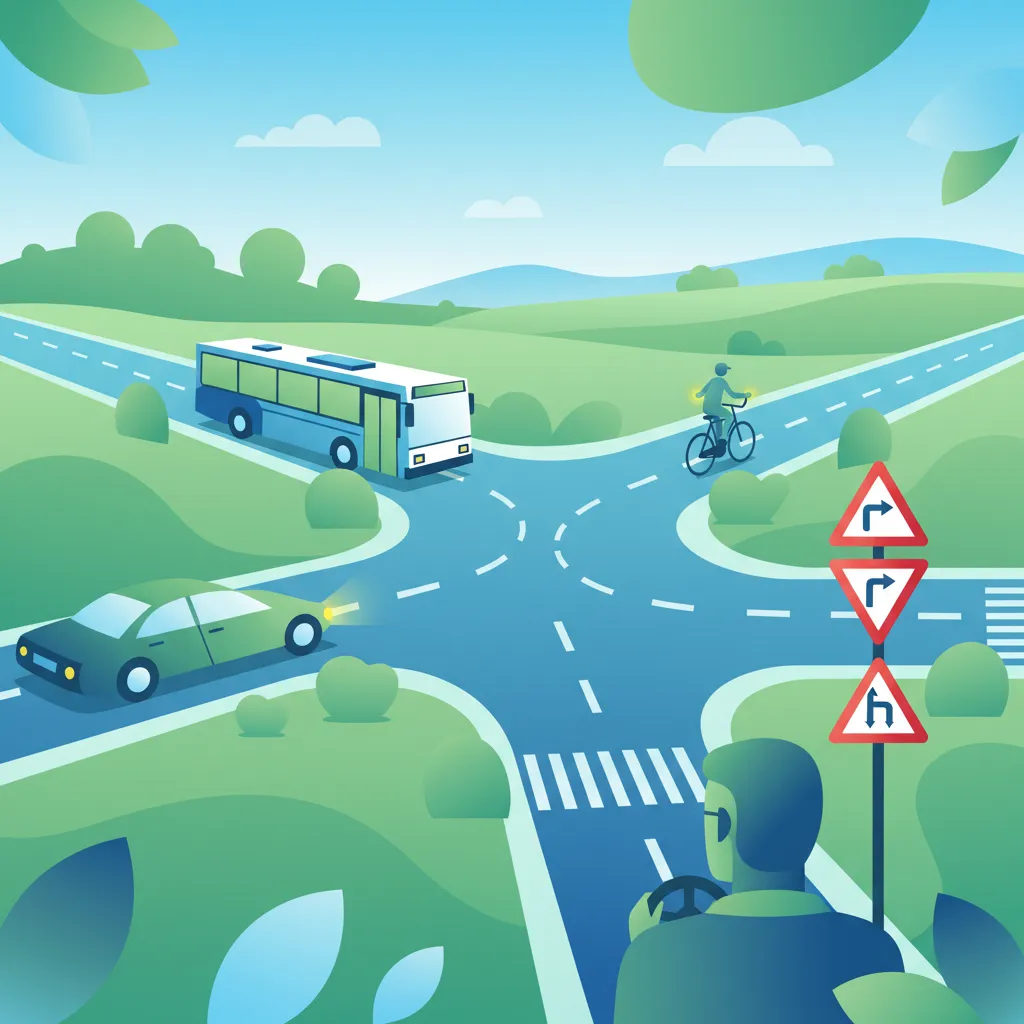
Don't let T-junctions trick you – master priority with confidence!
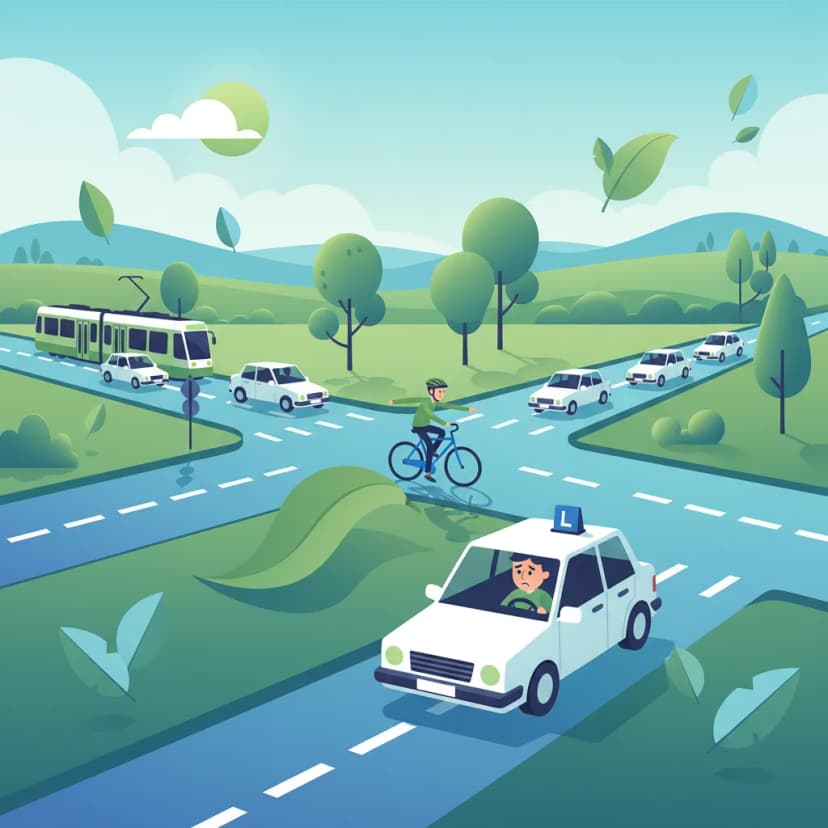
Unravel the complexities of offset junctions and nail every priority question.
Questions in Priority Road Intersections
Exam focused questionss
Priority Road Intersections offers quick, focused exam style practice to boost your Dutch knowledge for the driving theory exam in the Netherlands.
Priority Road Intersections helps learners in the Netherlands with clear explanations and targeted Dutch practice to improve essential driving theory topics.
This practice set is ideal for intermediate learners preparing for the Dutch driving theory exam who struggle with complex priority situations. It addresses common confusion at intersections, particularly when priority roads curve or have misleading layouts, helping you to confidently apply the correct CBR standards.
Explore more topics for the Dutch driving theory exam in the Netherlands.