
Prepare for the Dutch driving theory exam by practicing scenarios involving 'no entry' and 'one-way street' signs at intersections. This set from Dutch Driving License Theory covers how to correctly interpret these crucial directional signs, understand their impact on road positioning, and avoid common errors, helping you pass your CBR exam with confidence.
Start targeted Dutch driving theory preparation for learners in the Netherlands. Train with exam style questions, learn core rules, and build the knowledge needed for the official theory test.
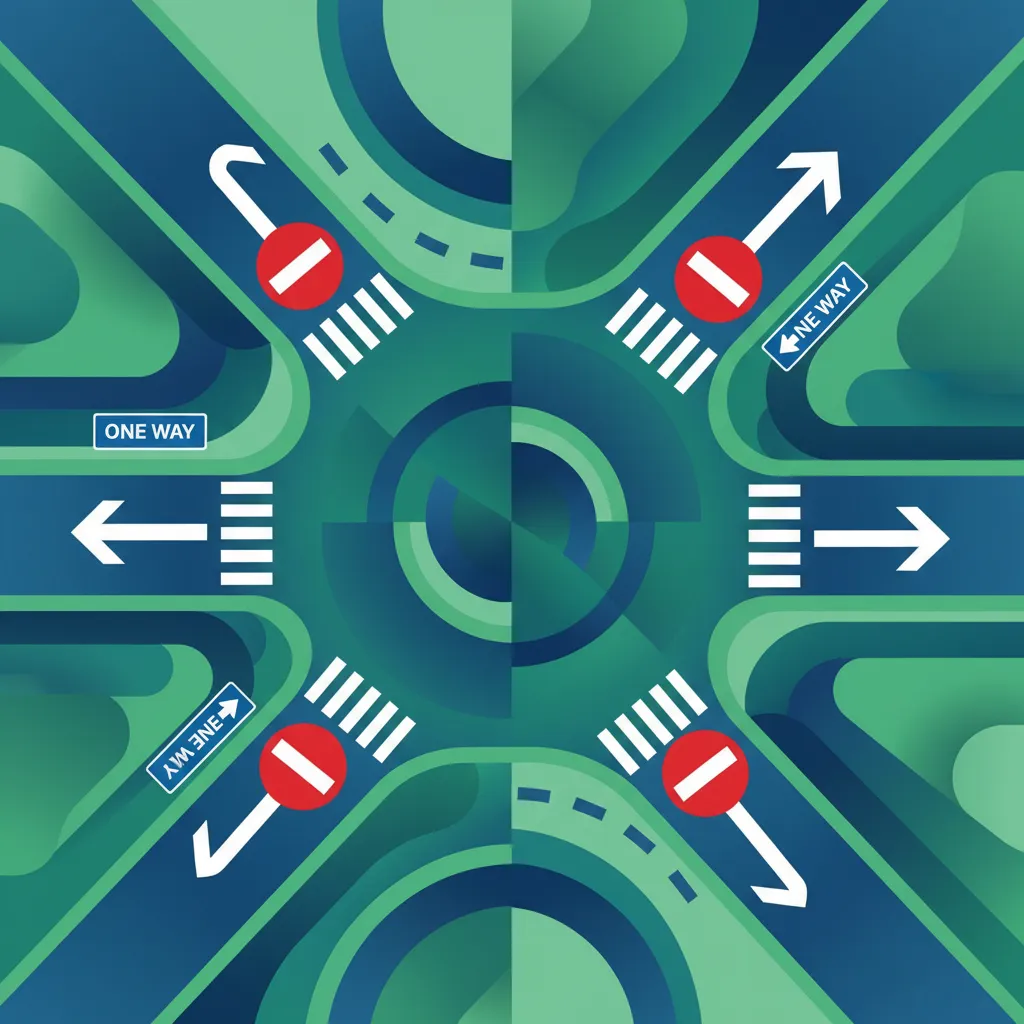
This practice set focuses on interpreting 'no entry' (C-2) and 'one-way street' (C-3) signs when approaching and turning at intersections in the Netherlands. You'll learn how to correctly identify allowed directions, prepare your vehicle position, and understand how these signs affect traffic flow, which is crucial for the CBR exam.
Preview sample questions from the No Entry & One-Way Streets practice set to see how they help you prepare for the driving theory exam in the Netherlands.
Learners choose No Entry & One-Way Streets to improve accuracy and understanding of key exam themes in the Netherlands. It offers realistic driving theory questions and targeted revision for effective preparation.
Find answers to the most common queries learners have when practising No Entry & One-Way Streets, including how questions match the official theory exam in the Netherlands, how scoring works, and how this practice improves exam readiness.
The C-2 'no entry' sign (red circle with a white bar) indicates you cannot enter a road from that direction. The C-3 'one-way street' sign (blue square with a white arrow) indicates that traffic only flows in the direction of the arrow, and you are allowed to enter from that side.
No entry and one-way signs primarily regulate the permitted direction of travel. They do not automatically override general right-of-way rules (like giving way to traffic from the right) unless combined with other priority signs such as give way or stop signs.
When turning left into a one-way street, you should pre-sort by positioning your car on the left side of your current road. When turning right, you should move to the right side of the carriageway as soon as possible, as with any right turn.
Entering a street marked with a 'no entry' sign (C-2) is a serious traffic offense in the Netherlands, as it means you are driving against the flow of traffic, which is highly dangerous and carries significant penalties according to CBR standards.
Generally, yes, pedestrians are allowed in streets marked with C-1 (closed to all vehicles) and C-2 (no entry in this direction for vehicles). These signs specifically restrict vehicles, horse riders, and handlers of horses and livestock unless explicitly stated otherwise.
By completing No Entry & One-Way Streets, you will gain stronger rule knowledge, faster recognition of signs and situations, better decision making in traffic scenarios, and increased accuracy on exam style questions used in the Netherlands. These outcomes directly support higher scoring exam performance.
Discover more Dutch driving theory practice sets created for exam preparation in the Netherlands. Train with realistic questions on traffic rules, road signs, priority situations, and safety topics to build knowledge and pass your theory test with confidence.
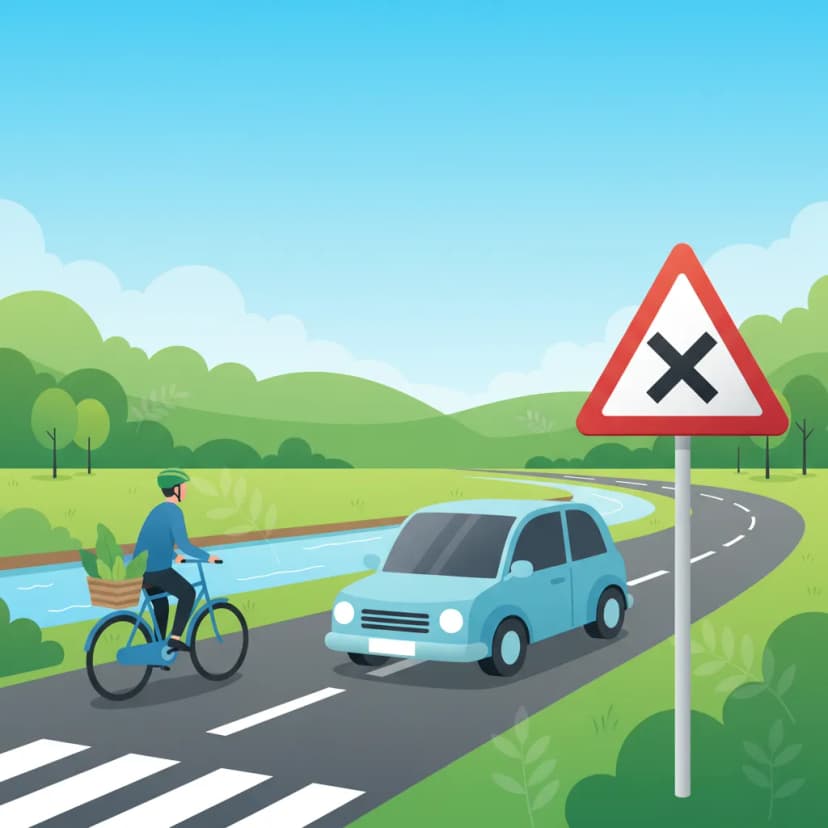
Master Dutch Intersection Warning Signs: Drive Safely and Pass Your CBR Exam.
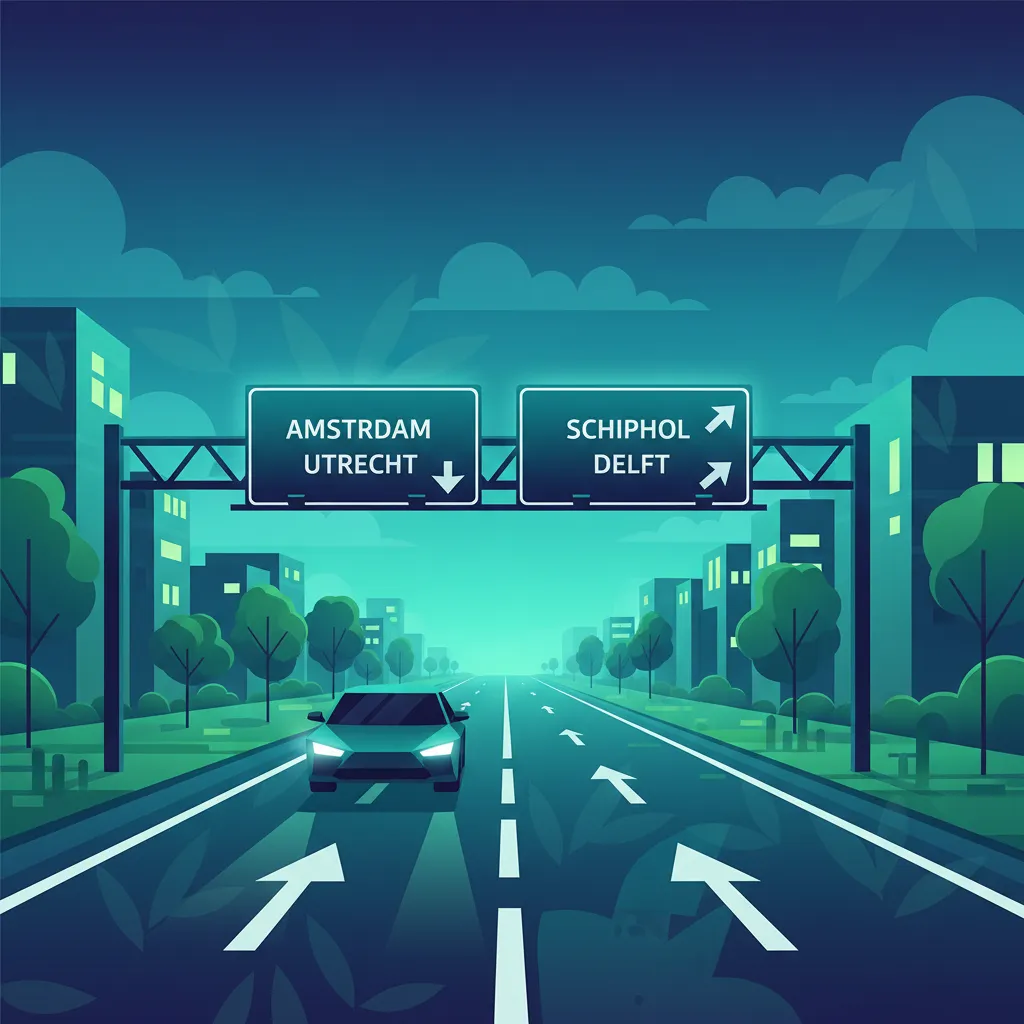
Decode Junction Clues: Master Information Signs for Safer Driving
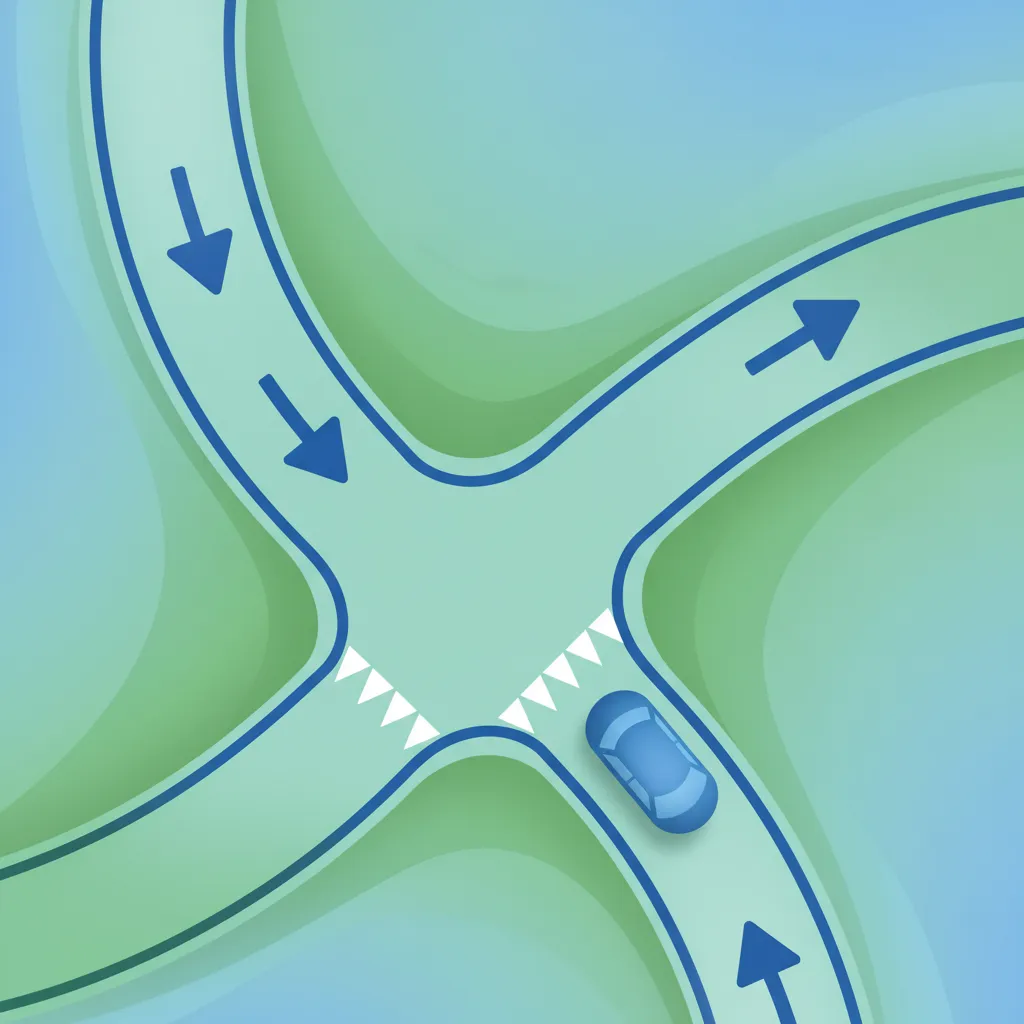
Navigate Tricky Priority Road Intersections with Confidence for Your Dutch Exam.

Master the Regulatory Signs That Govern Right of Way in Dutch Traffic

Navigate Intersections with Confidence: Master Dutch Lane Arrows and Markings.
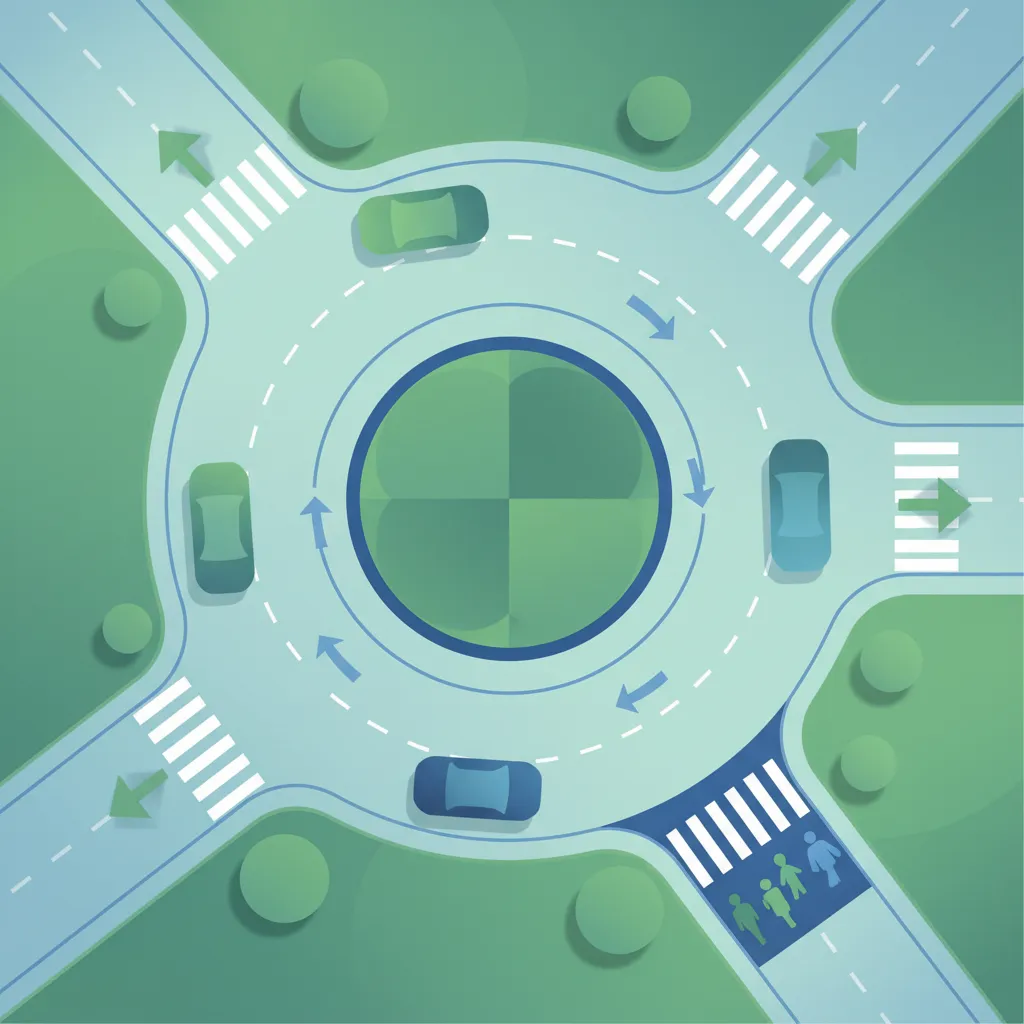
Navigate Dutch Roundabouts with Confidence: Your Guide to Entry and Priority.
Questions in No Entry & One-Way Streets
Exam focused questionss
No Entry & One-Way Streets offers quick, focused exam style practice to boost your Dutch knowledge for the driving theory exam in the Netherlands.
No Entry & One-Way Streets helps learners in the Netherlands with clear explanations and targeted Dutch practice to improve essential driving theory topics.
This practice set is ideal for intermediate learners preparing for the Dutch CBR driving theory exam. If you often confuse directional signs, struggle with understanding one-way street rules, or want to avoid typical exam traps related to restricted entry, this set will clarify these complex intersection scenarios for you.
Explore more topics for the Dutch driving theory exam in the Netherlands.