
Prepare for your Dutch driving theory exam by mastering information signs found near intersections. This practice set helps you interpret signs indicating dead ends, town centers, lane usage, and recommended routes, crucial for anticipating traffic flow and making informed decisions in complex junction scenarios, according to CBR standards.
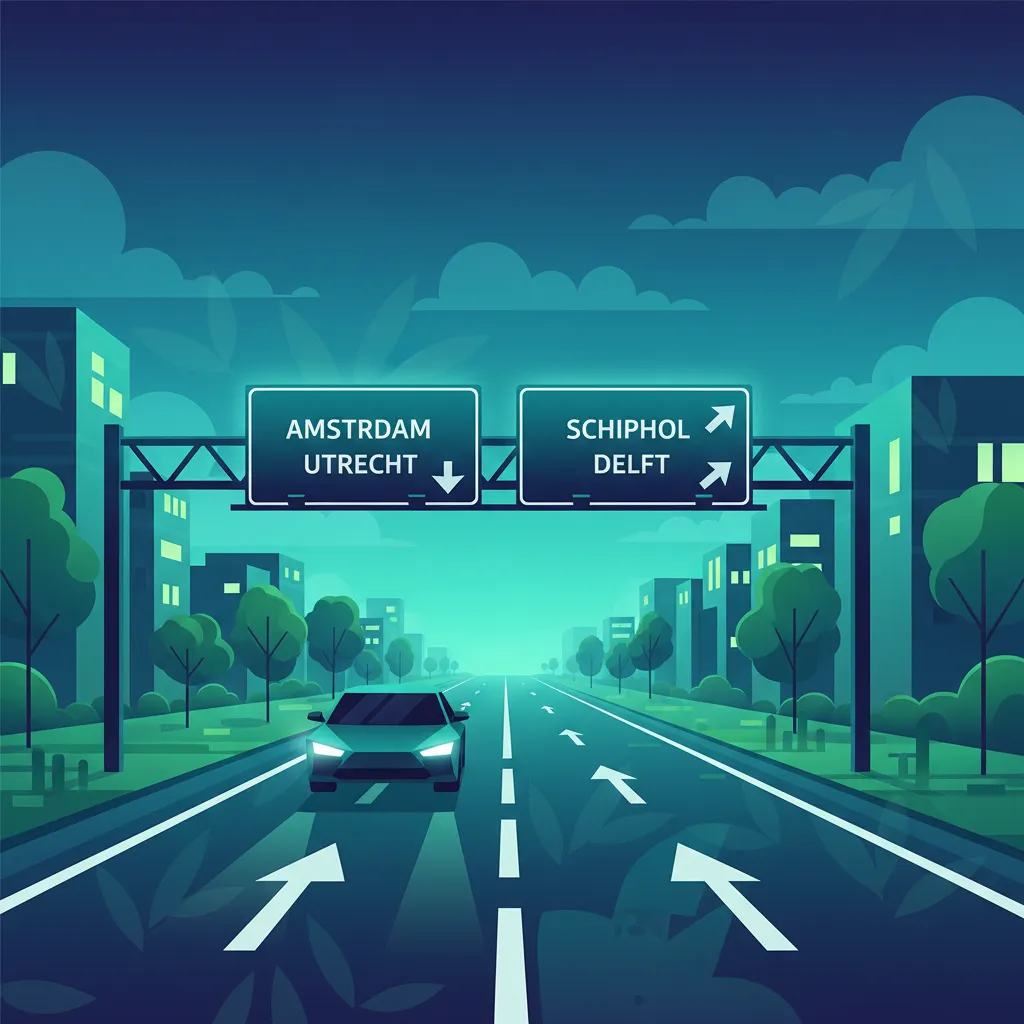
Start targeted Dutch driving theory preparation for learners in the Netherlands. Train with exam style questions, learn core rules, and build the knowledge needed for the official theory test.
Navigate Dutch intersections with confidence by understanding the subtle messages of information signs. This set covers signs that guide lane choices, indicate destinations, or warn about road layouts, helping you anticipate actions and avoid common mistakes during your driving theory exam.
Preview sample questions from the Intersection Info Signs practice set to see how they help you prepare for the driving theory exam in the Netherlands.
Learners choose Intersection Info Signs to improve accuracy and understanding of key exam themes in the Netherlands. It offers realistic driving theory questions and targeted revision for effective preparation.
Find answers to the most common queries learners have when practising Intersection Info Signs, including how questions match the official theory exam in the Netherlands, how scoring works, and how this practice improves exam readiness.
Information signs at intersections primarily provide guidance, indicate destinations, or inform drivers about road layouts or special conditions. They help drivers anticipate traffic flow and make informed choices, but they do not assign priority.
A dead-end sign indicates that a road leads nowhere for through traffic. At an intersection, this suggests that vehicles entering or exiting this road might quickly turn around or be less likely to continue straight, helping you anticipate their movements and plan your approach.
No, information signs never override priority rules. Priority is determined by traffic lights, priority signs (like B-category signs), or the general rule of 'right of way to traffic from the right' in the Netherlands. Information signs merely provide additional context for navigation.
Common types include signs for dead ends, specific destinations (like a town center), lane use indications (e.g., 'only for turning left'), or recommended routes. These signs help you understand the purpose of different lanes and directions.
By completing Intersection Info Signs, you will gain stronger rule knowledge, faster recognition of signs and situations, better decision making in traffic scenarios, and increased accuracy on exam style questions used in the Netherlands. These outcomes directly support higher scoring exam performance.
Discover more Dutch driving theory practice sets created for exam preparation in the Netherlands. Train with realistic questions on traffic rules, road signs, priority situations, and safety topics to build knowledge and pass your theory test with confidence.
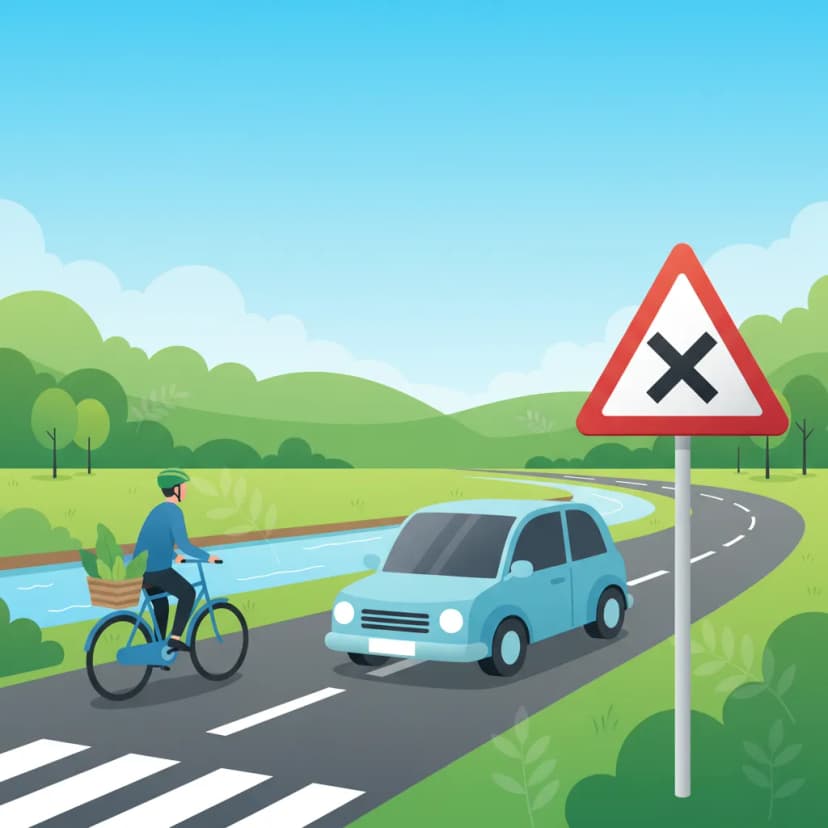
Master Dutch Intersection Warning Signs: Drive Safely and Pass Your CBR Exam.
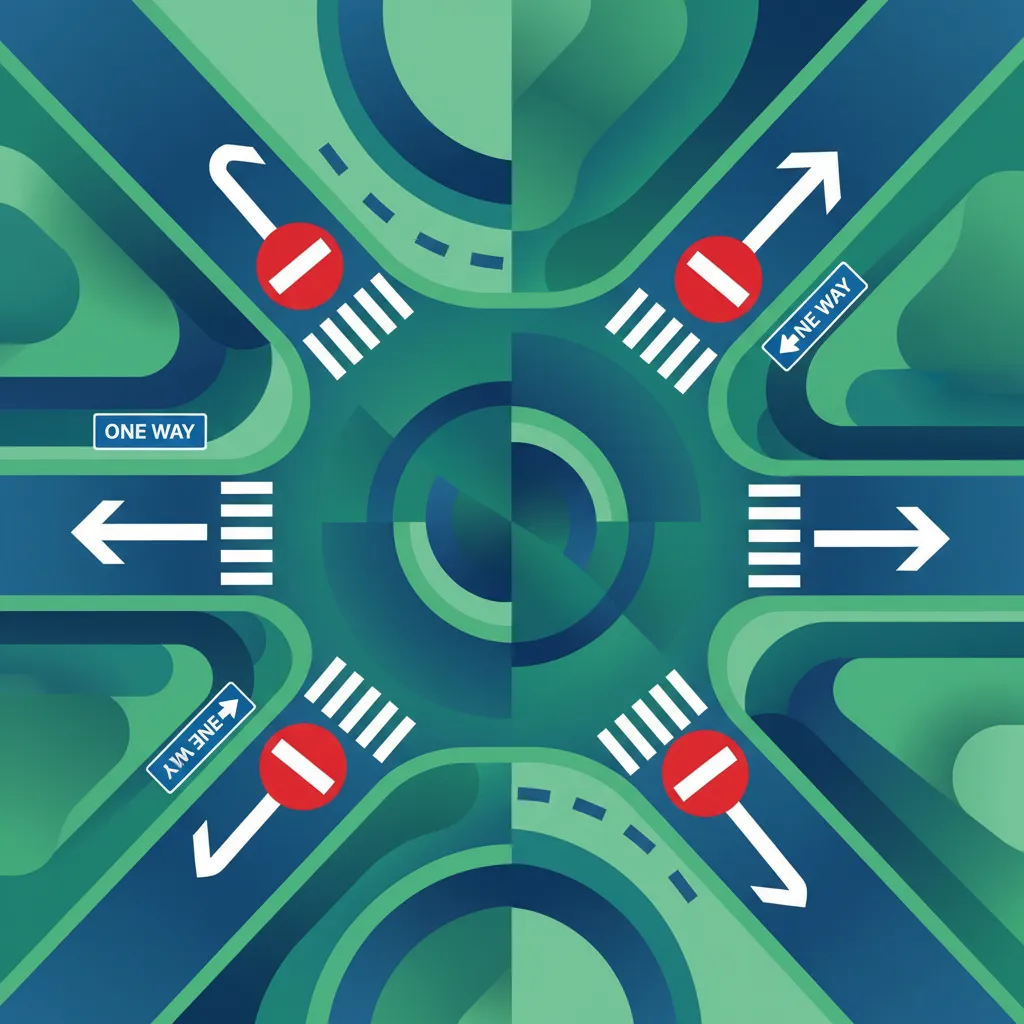
Avoid costly mistakes and understand critical directional signs for your Dutch driving exam.
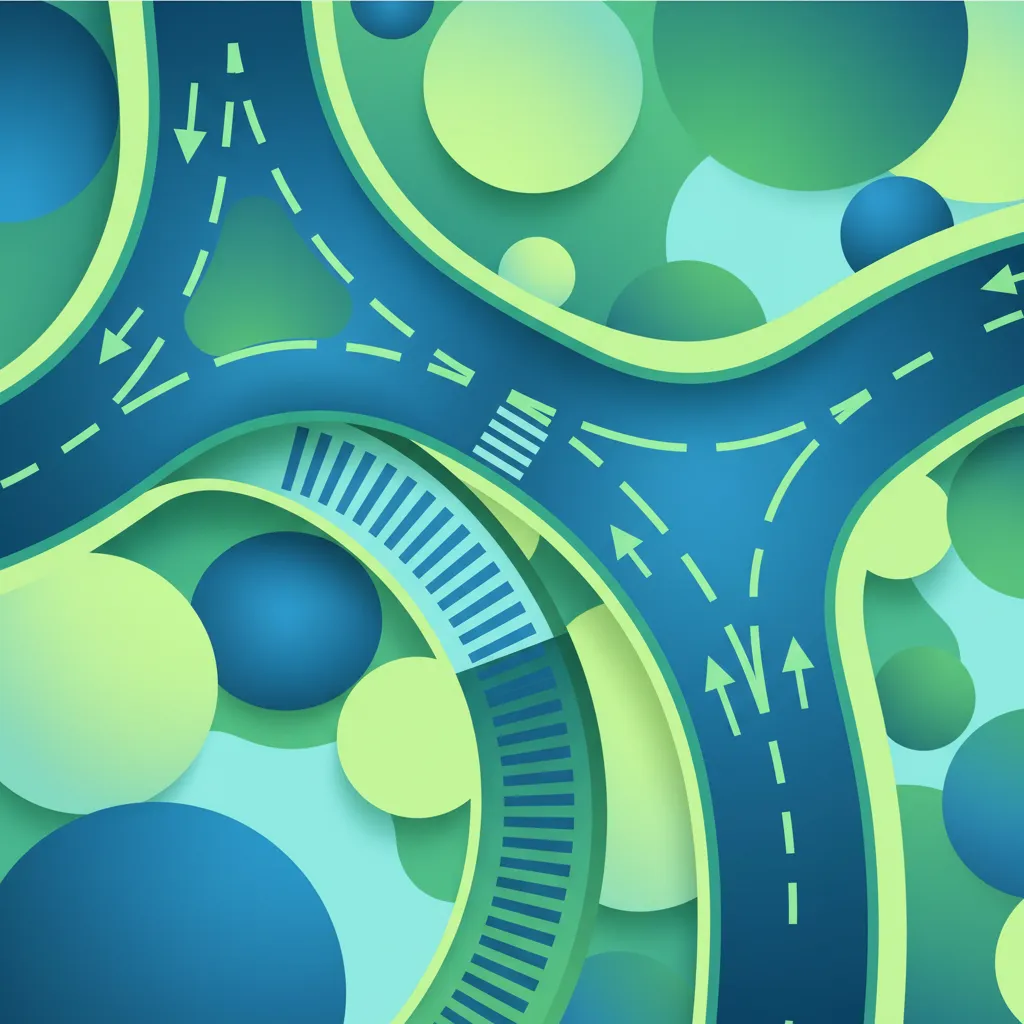
Navigate Intersections with Confidence: Master Dutch Lane Arrows and Markings.

Master the Regulatory Signs That Govern Right of Way in Dutch Traffic
Navigate Dutch Roads with Confidence: Master Lane Markings
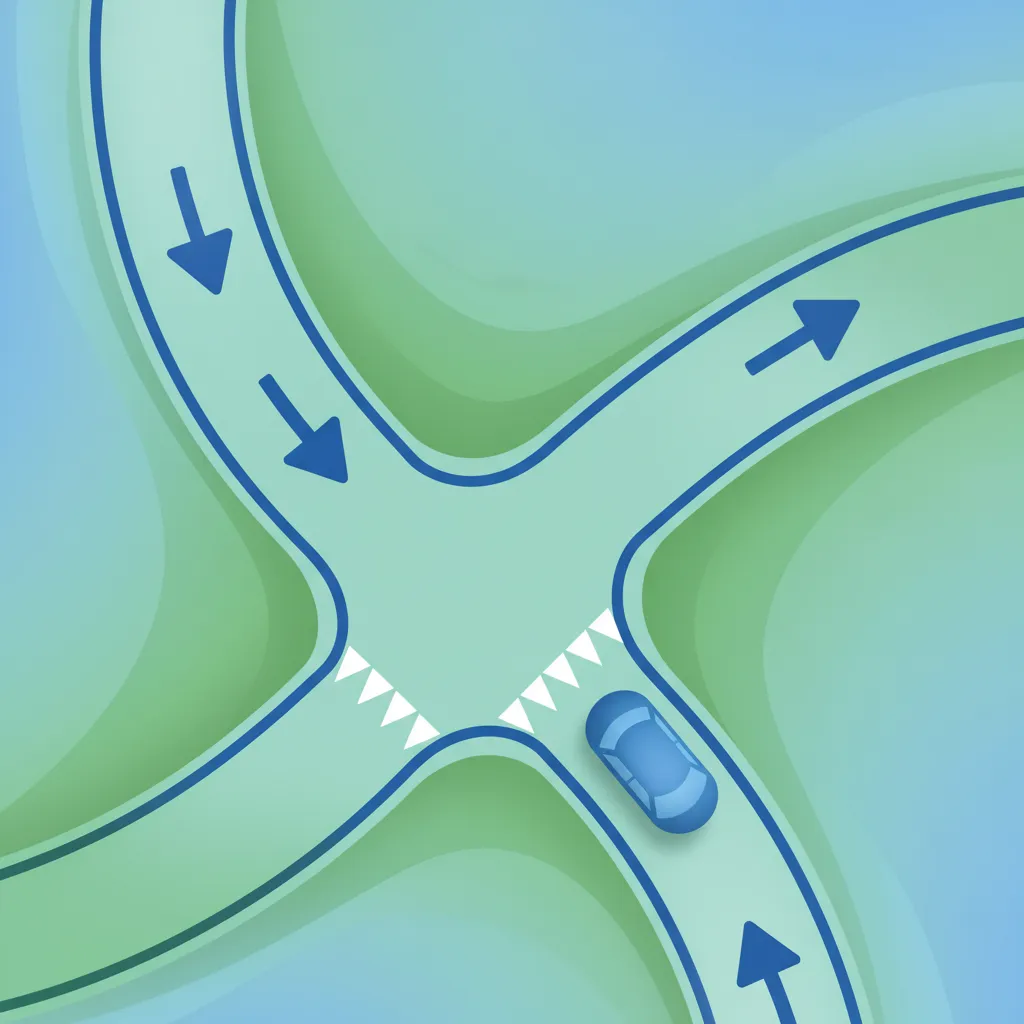
Navigate Tricky Priority Road Intersections with Confidence for Your Dutch Exam.
Questions in Intersection Info Signs
Exam focused questionss
Intersection Info Signs offers quick, focused exam style practice to boost your Dutch knowledge for the driving theory exam in the Netherlands.
Intersection Info Signs helps learners in the Netherlands with clear explanations and targeted Dutch practice to improve essential driving theory topics.
This practice set is for intermediate learners preparing for the Dutch driving theory exam. If you sometimes struggle with anticipating traffic movements or understanding the subtle cues around intersections, this set will help you build confidence. It's ideal for refining your observational skills and reducing uncertainty at complex junctions.
Explore more topics for the Dutch driving theory exam in the Netherlands.