
This lesson, part of the Priority Rules unit, teaches you the vital skill of safely yielding to emergency vehicles (noodvoertuigen) on your Category A motorcycle. You'll learn the legal obligations and practical steps to create space for emergency services using audible and visual warnings, without creating new hazards. Mastering these rules is crucial for your Dutch CBR theory exam and for ensuring swift, safe passage in real-world traffic situations.
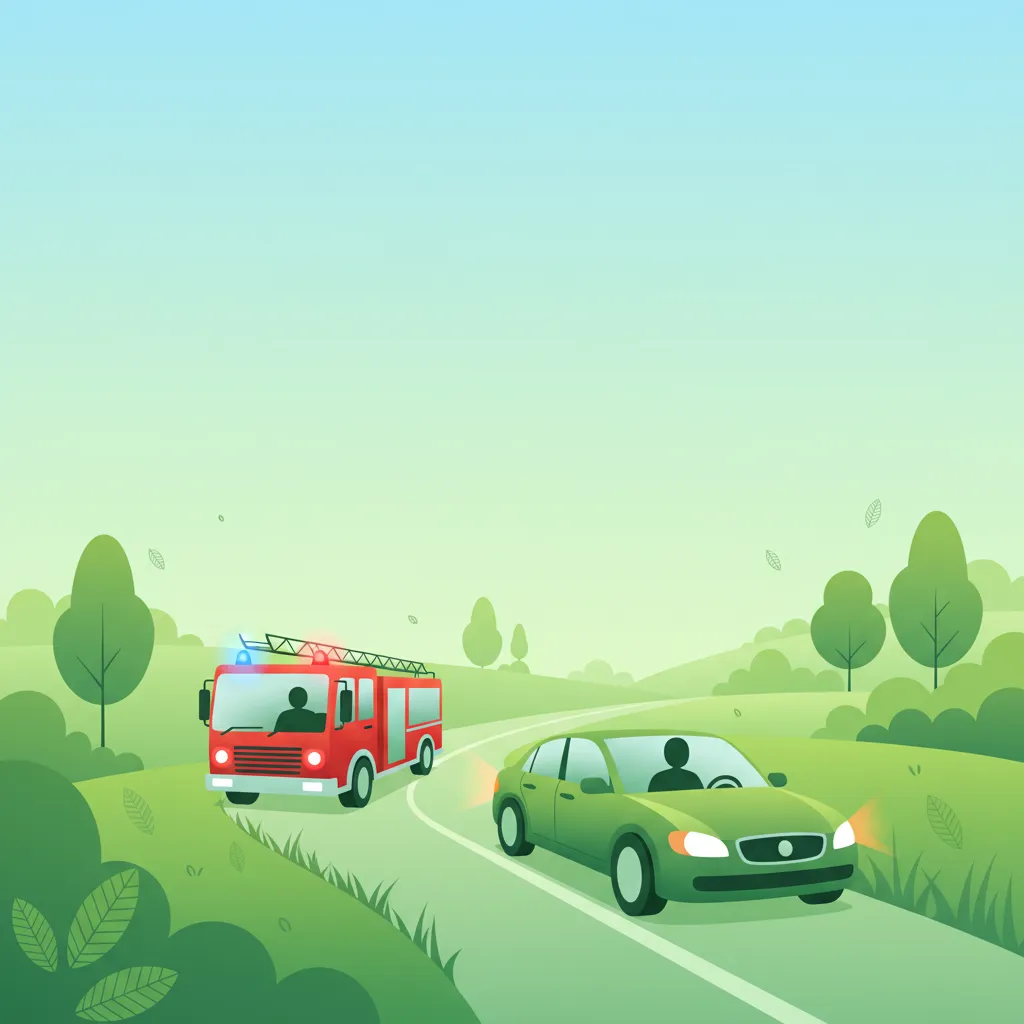
Navigating the roads safely as a motorcyclist in the Netherlands requires a thorough understanding of all traffic regulations, especially those concerning priority. Among the most critical rules for ensuring road safety and facilitating essential services is the obligation to yield to emergency vehicles, known in Dutch as noodvoertuigen or voorrangsvoertuigen. This lesson provides comprehensive guidance on your legal duties and the safest procedures for responding to these vehicles, crucial knowledge for the Dutch CBR Category A motorcycle theory exam.
Emergency services operate under immense time pressure, where every second can impact the outcome of an incident. Your ability to react promptly, predictably, and safely when an emergency vehicle approaches directly contributes to their efficiency and the overall safety of all road users. Understanding how to properly yield prevents secondary accidents, ensures that emergency personnel can reach their destination without delay, and fulfills your legal responsibilities as a motorist.
In the Netherlands, specific vehicles are granted special priority status due to the urgent nature of their duties. These voorrangsvoertuigen are essential for public safety and emergency response. Knowing how to identify them and understanding their signals is the first step towards safe yielding.
A noodvoertuig (emergency vehicle) is officially designated to respond to emergencies. This category primarily includes vehicles from the Police (politievoertuig), Ambulance (ambulance), and Fire Brigade (brandweerwagen). Additionally, some roadside assistance vehicles (pechhulpvoertuigen) may also be granted priority status when engaged in urgent tasks. The crucial identifier for these vehicles exercising their priority is the active use of both audible and visual warning signals.
It is vital to distinguish between different types of warning lights. Vehicles equipped with blue flashing lights (blauwe knipperlichten) are officially designated voorrangsvoertuigen. Other vehicles, such as tow trucks or utility service vehicles, may display amber flashing lights. While amber lights indicate a warning or a hazardous situation, they do not grant the vehicle top priority status; these vehicles must still follow regular traffic rules unless specific circumstances or directions dictate otherwise. Only vehicles with blue lights, combined with an audible siren, demand immediate yielding.
The combination of both audible (siren) and visual (blue flashing lights) signals is what legally designates a vehicle as a voorrangsvoertuig actively exercising its right of way. This dual alert system is designed to maximize public awareness and minimize the risk of a collision.
If you hear a siren but cannot see a blue flashing light, you must still assume it is an emergency vehicle and prepare to yield. Do not wait for visual confirmation if it delays your response. Similarly, if you see blue lights but hear no siren (which can happen, though less common when exercising priority), maintain extreme caution and prepare to yield. The presence of both signals constitutes the clearest and highest legal priority.
Dutch traffic law is very clear about the duty of all road users to facilitate the passage of emergency vehicles. This obligation is not merely a courtesy but a strict legal requirement, designed to protect life and property.
Yielding, or voorrang verlenen, means actively giving way to another road user who has priority. When it comes to emergency vehicles, this obligation requires you to take immediate and decisive action. You must adjust your speed, position, or trajectory to create a clear, unobstructed path for the noodvoertuig. The underlying rationale is that the urgent mission of these vehicles outweighs the convenience or right-of-way of individual motorists.
Motorcyclists, due to their smaller size and greater maneuverability, sometimes have unique considerations when yielding. However, the core principle remains: your actions must be predictable, safe, and effective in clearing the way without creating a new hazard for yourself or others.
The primary regulations governing yielding to emergency vehicles are found in the Reglement verkeersregels en verkeerstekens (RVV 1990), specifically articles 37 and 38. These articles mandate that all road users must give way to voorrangsvoertuigen that are using both their specific audible and visual signals.
Here are the key legal requirements for yielding:
Always use your turn signals when preparing to move over or change lanes to yield. This makes your intentions clear to both the emergency vehicle driver and other motorists, preventing confusion and enhancing safety.
Motorcycles respond differently to braking and steering inputs compared to cars. Therefore, specific considerations are necessary when performing yielding maneuvers to maintain stability and control.
When you first detect an approaching emergency vehicle, your immediate response should be a smooth and controlled reduction in speed. Abrupt hard braking can lead to loss of traction, especially on wet or uneven surfaces, which is particularly dangerous for motorcyclists. Instead, ease off the throttle and apply brakes progressively.
Simultaneously, assess your lane position. If you are on a multi-lane road, determine which lane the emergency vehicle is likely to use. Generally, emergency vehicles will seek the clearest path. On a two-lane road, this might mean you moving to the rightmost lane or shoulder to allow them to pass on your left. On motorways, forming an emergency corridor is key. Your goal is to create a predictable and wide gap for the emergency vehicle to pass through without needing to maneuver around you.
The method of pulling over will depend heavily on the road environment:
Intersections and roundabouts are high-risk areas because traffic movements converge. Your actions here are critical to prevent collisions:
Never attempt to make a U-turn or suddenly change direction at an intersection when an emergency vehicle is approaching. This unpredictable maneuver greatly increases the risk of a collision.
When an emergency vehicle passes you or if you find yourself following one, maintaining a safe distance is paramount. Due to their high speed and potential for sudden stops, a greater following distance is required.
Yielding safely often requires adjusting your strategy based on the specific conditions of the road, weather, and surrounding traffic.
Your yielding actions must also consider the safety of kwetsbare verkeersdeelnemers (vulnerable road users), which include pedestrians, cyclists, and other motorcyclists.
Even with good intentions, incorrect yielding maneuvers can create new hazards. Being aware of these common pitfalls can help you avoid them.
Failing to yield to an emergency vehicle is a serious traffic offense in the Netherlands, reflecting the high priority placed on facilitating emergency services. This violation can result in significant penalties.
The legal consequences can include a substantial fine, and in some cases, penalty points may be added to your driving license. More severely, if your failure to yield leads to an accident or obstructs emergency services to the extent that it results in injury or property damage, you could face criminal liability. Understanding and adhering to the yielding rules is not just about passing your exam, but about legal compliance and responsible, safe riding.
Your ability to correctly and safely yield to emergency vehicles is a cornerstone of responsible motorcycle riding in the Netherlands. It demonstrates your understanding of traffic law, your commitment to road safety, and your respect for the vital work of emergency services.
Lesson content overview
Explore all units and lessons included in this driving theory course.
Explore search topics learners often look for when studying Yielding to Emergency Vehicles (noodvoertuigen). These topics reflect common questions about road rules, driving situations, safety guidance, and lesson level theory preparation for learners in the Netherlands.
Browse additional driving theory lessons that cover connected traffic rules, road signs, and common driving situations related to this topic. Improve your understanding of how different rules interact across everyday traffic scenarios.
Explore challenging scenarios and advanced techniques for yielding to emergency vehicles on Dutch roads. Understand how to react in diverse traffic conditions and ensure safety for all road users while fulfilling legal obligations.
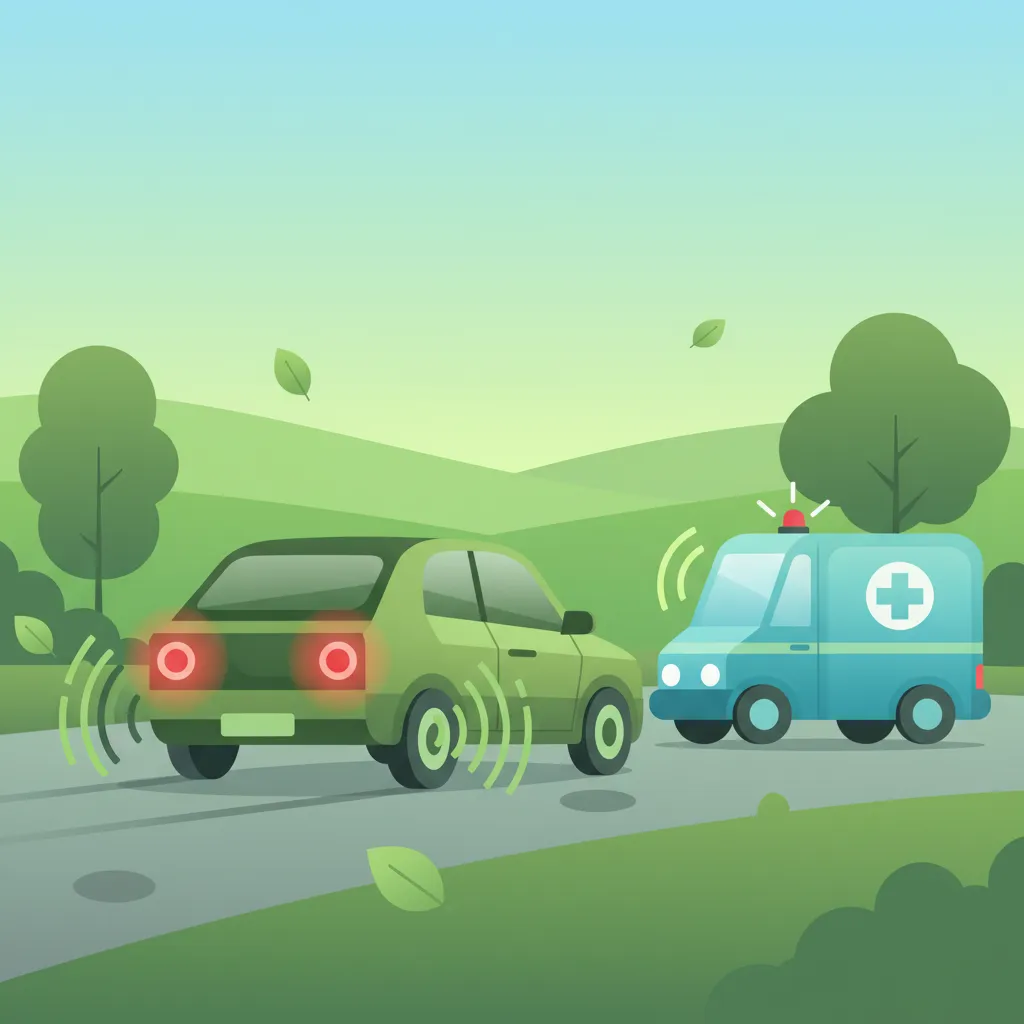
When an emergency vehicle approaches with sirens and blue flashing lights, you are legally required to give way. This lesson explains the correct procedure: check your surroundings, signal your intention, and move to the side of the road as safely and quickly as possible to create a clear path. It also covers the procedure for making an emergency stop due to a vehicle breakdown, including the use of hazard warning lights and positioning your vehicle for maximum safety.
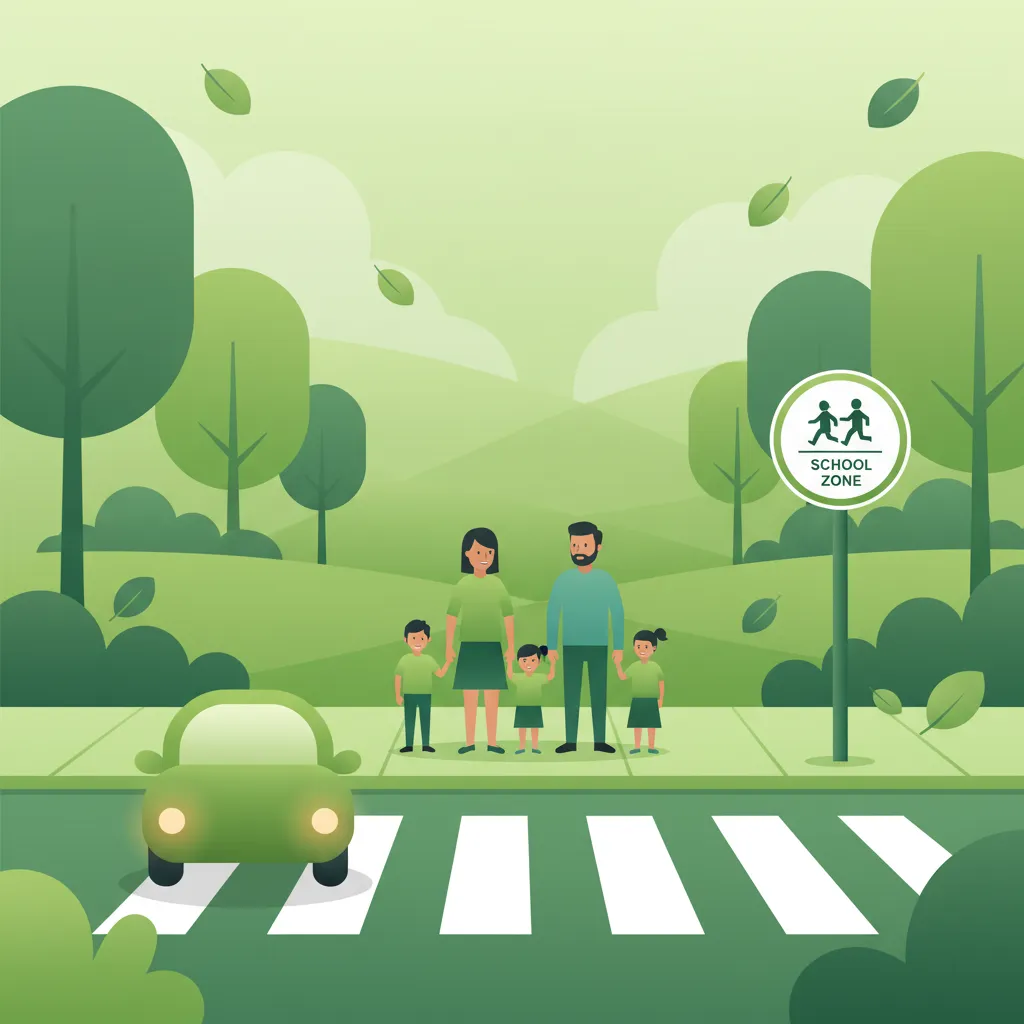
This lesson focuses on the legal requirements and safe practices for riding near pedestrian crossings ('zebrapaden') and designated school zones. It details the absolute obligation to yield to pedestrians on or about to use a crossing and the need for significantly reduced speeds and heightened vigilance in areas with children. The content underscores the importance of anticipation and being prepared for unpredictable movements from vulnerable road users to prevent serious incidents.
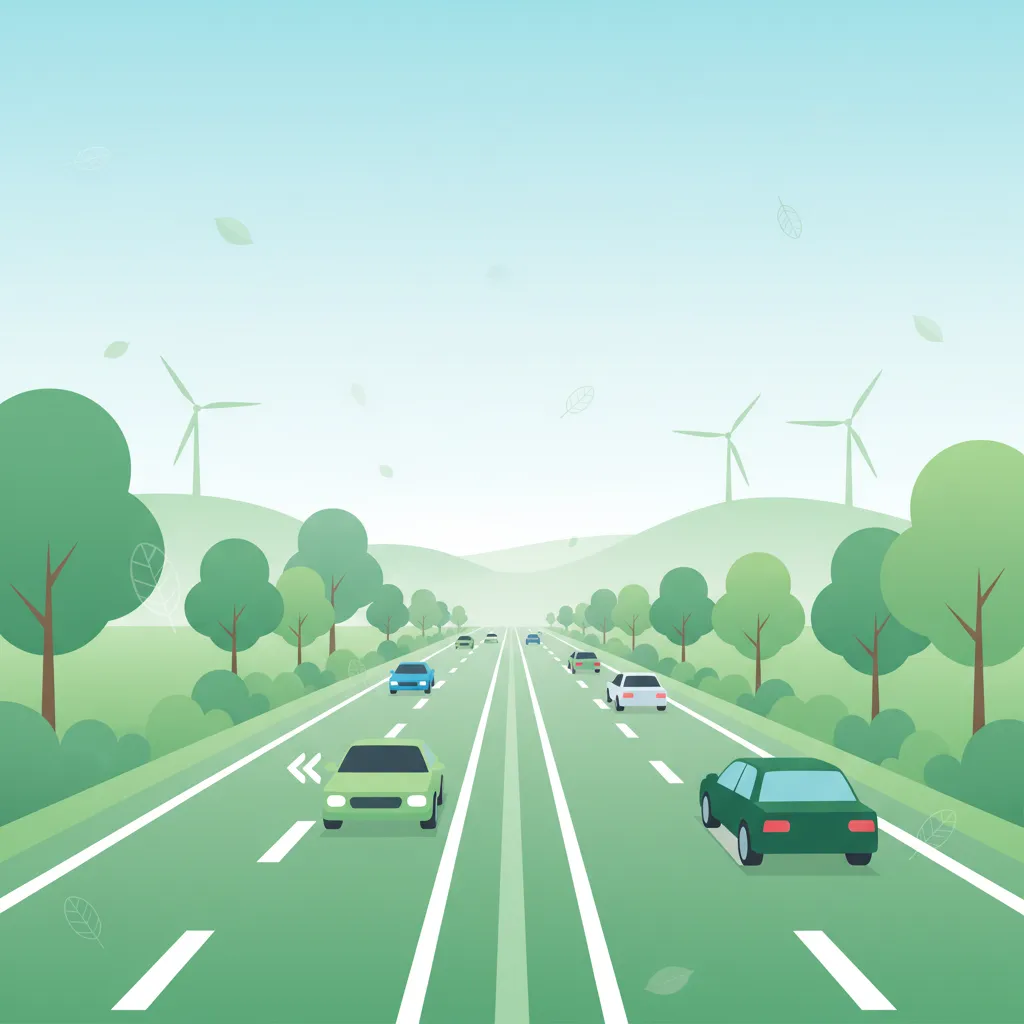
This lesson reinforces the fundamental rule of Dutch highway driving: use the rightmost lane available and use the lanes to the left only for overtaking. You will learn the complete, safe overtaking procedure: check mirrors, signal, perform a shoulder check for the blind spot, smoothly move over, accelerate past the vehicle, and then return to the right lane when safe.

This lesson equips riders with cognitive strategies for managing ambiguous or conflicting traffic situations where priority rules may be misinterpreted by other road users. It focuses on the principles of defensive riding, such as making eye contact, using clear signals, and being prepared to yield the right-of-way to avoid a collision. The content teaches how to resolve uncertainty safely by prioritizing hazard avoidance over asserting one's legal right-of-way, a critical skill for motorcyclist survival.
This lesson focuses on the unique demands of riding at sustained high speeds on motorways ('snelwegen'). It covers essential topics such as strict lane discipline, safe overtaking procedures, and maintaining a greater following distance to compensate for higher reaction and braking times. The content also addresses the physical and mental challenges, including managing wind blast, increased noise levels, and maintaining heightened situational awareness over long distances to combat fatigue.
This lesson addresses interactions with other types of road users. You will learn about motorcyclists, who can accelerate and brake quickly and may filter through slow traffic. The curriculum explains how to anticipate their movements and check for them carefully at junctions. It also covers how to safely approach and overtake slow-moving vehicles, such as agricultural tractors, and how to behave around horse riders, which requires slowing down and giving a very wide berth.
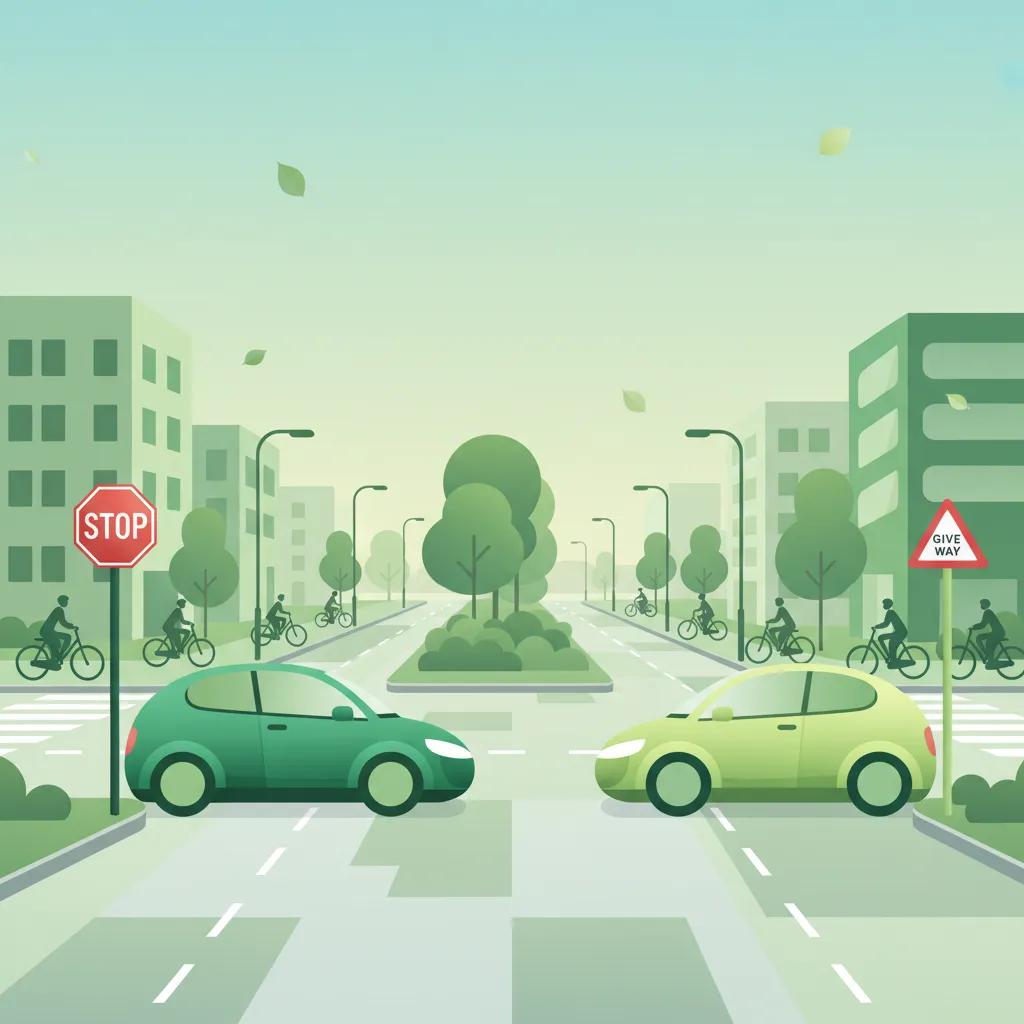
This lesson details the specific actions required at intersections controlled by 'Stop' and 'Give Way' signs. You will learn the legal requirement to come to a complete stop at a stop line (BORD 44) and the obligation to yield to all crossing traffic when encountering give-way markings ('haaientanden'). The content covers safe approach speeds and effective scanning techniques for motorcyclists to accurately assess gaps in traffic before proceeding.
This lesson prepares riders for the possibility of a routine police check ('verkeerscontrole'). It explains what officers typically inspect, which includes the required documentation, the roadworthiness of the motorcycle (e.g., tire tread depth, exhaust legality), and the rider's sobriety. The curriculum provides guidance on how to interact calmly and cooperatively with law enforcement, ensuring the stop proceeds smoothly and efficiently while being aware of one's basic rights.
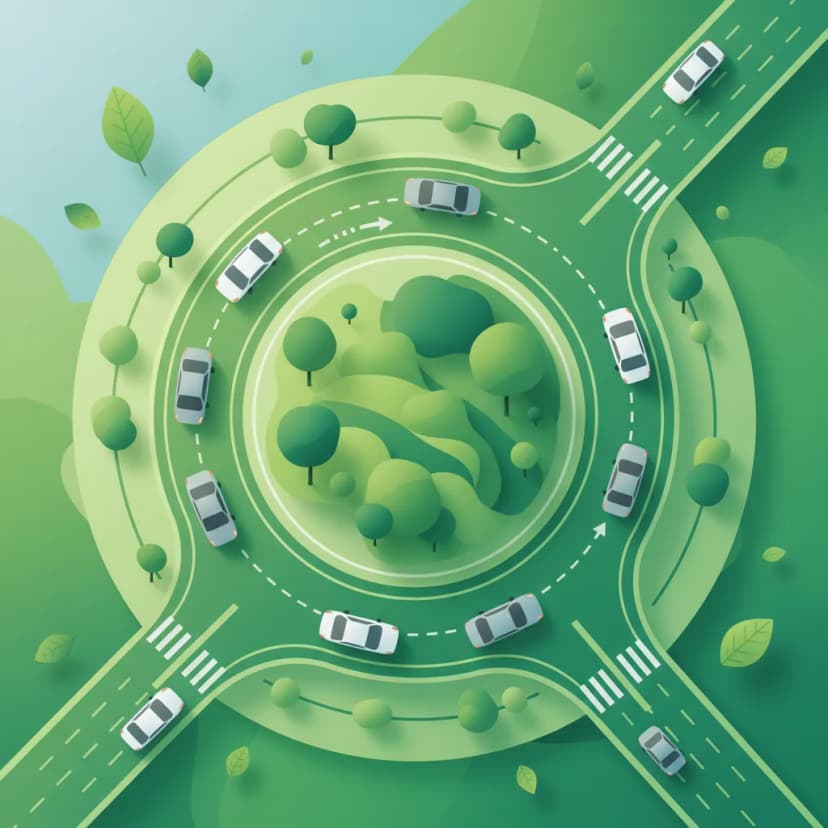
This lesson focuses on the rules and techniques for safely navigating Dutch roundabouts, a common feature of the road network. You will learn that traffic circulating on the roundabout typically has priority and that you must yield before entering. The content covers correct lane selection for your intended exit, proper use of turn signals, and maintaining awareness of cyclists who may have priority on adjacent paths.
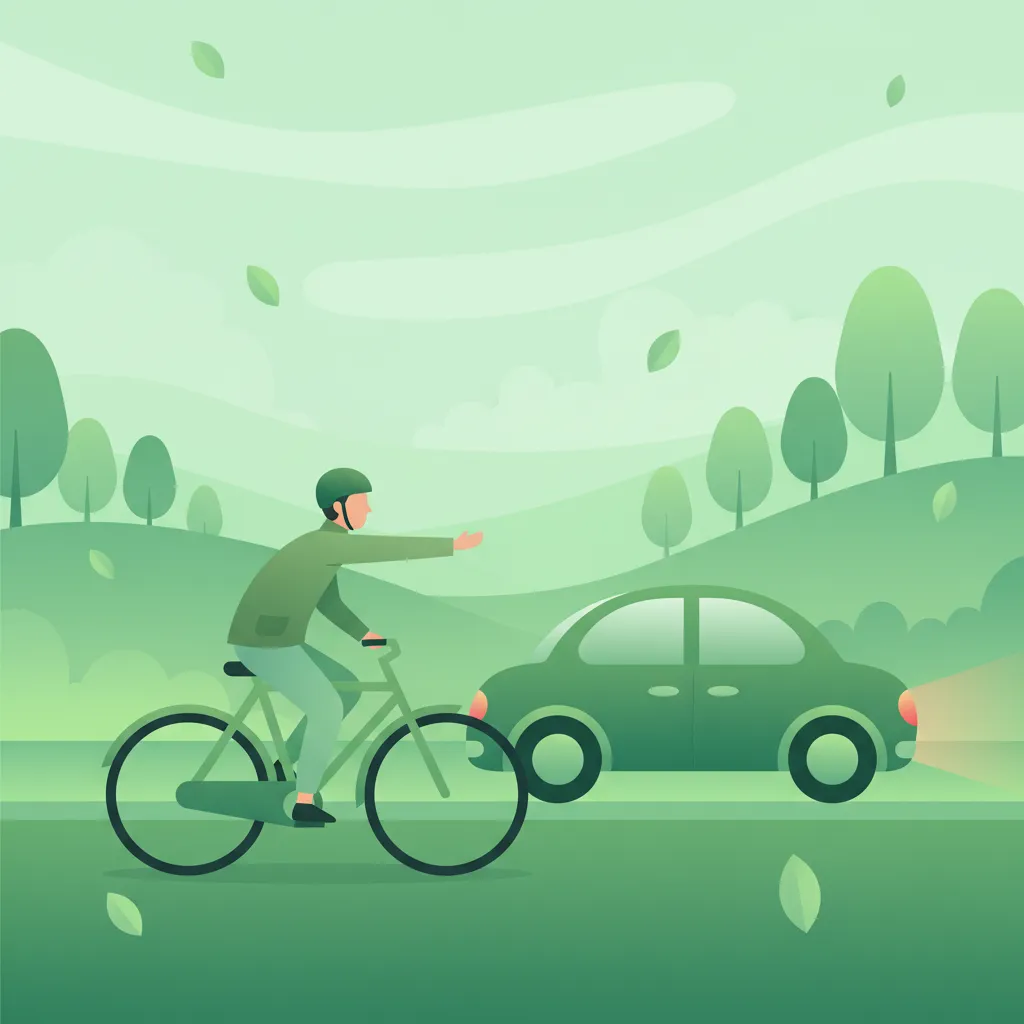
This lesson provides a detailed framework for how motorcyclists must safely and legally interact with diverse road users, including cars, trucks, cyclists, and pedestrians. It covers the required communication signals, anticipatory behaviors, and specific positioning techniques necessary to coexist in complex traffic environments like urban centers and shared spaces. Emphasis is placed on legal expectations and practical methods that actively reduce collision risk and promote smooth traffic flow.
Understand the specific legal requirements and your responsibilities as a motorcyclist when emergency vehicles use audible and visual signals in the Netherlands. Covers Dutch traffic law and safe response procedures.
This lesson covers the full range of lights and signals required on a vehicle for visibility and communication. You will learn about the mandatory requirements for headlights, taillights, brake lights, indicators, and reflectors. The curriculum emphasizes the driver's legal responsibility to ensure all lights are clean and functional before every journey. The correct use and function of the horn as an audible warning device in case of imminent danger are also explained.
When an emergency vehicle approaches with sirens and blue flashing lights, you are legally required to give way. This lesson explains the correct procedure: check your surroundings, signal your intention, and move to the side of the road as safely and quickly as possible to create a clear path. It also covers the procedure for making an emergency stop due to a vehicle breakdown, including the use of hazard warning lights and positioning your vehicle for maximum safety.
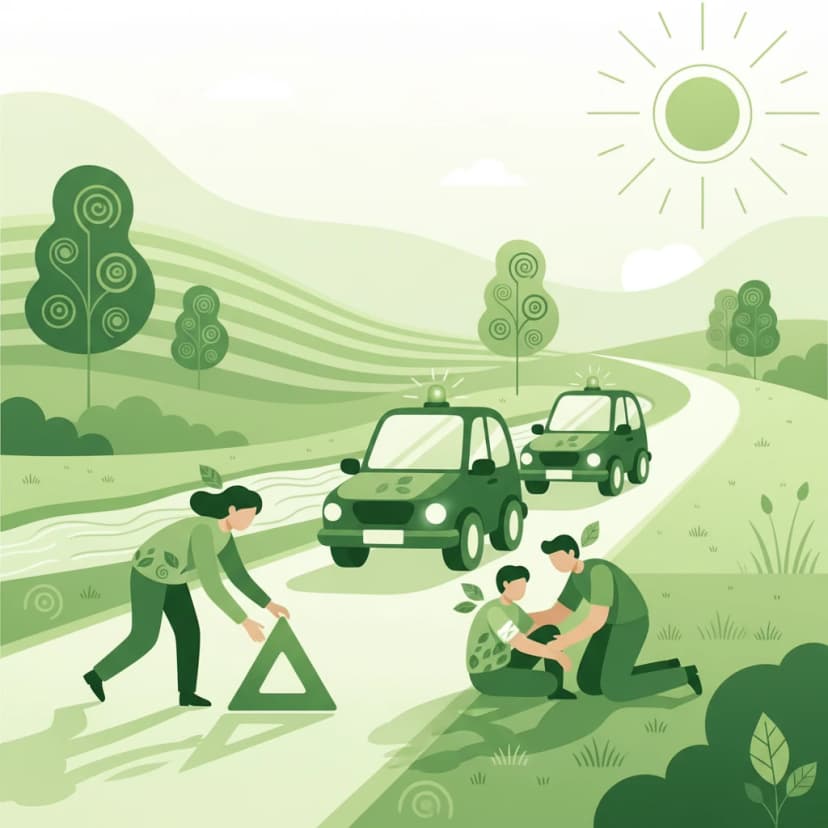
This lesson outlines the correct protocol to follow after a traffic accident. The first priority is to ensure the safety of everyone involved by securing the scene and checking for injuries. You will learn when it is mandatory to call the emergency services (112), such as when there are injuries or significant road blockage. The curriculum also explains the legal requirement to stop and exchange insurance and contact details with other parties involved. The use of the European Accident Statement form to record the details is also covered.
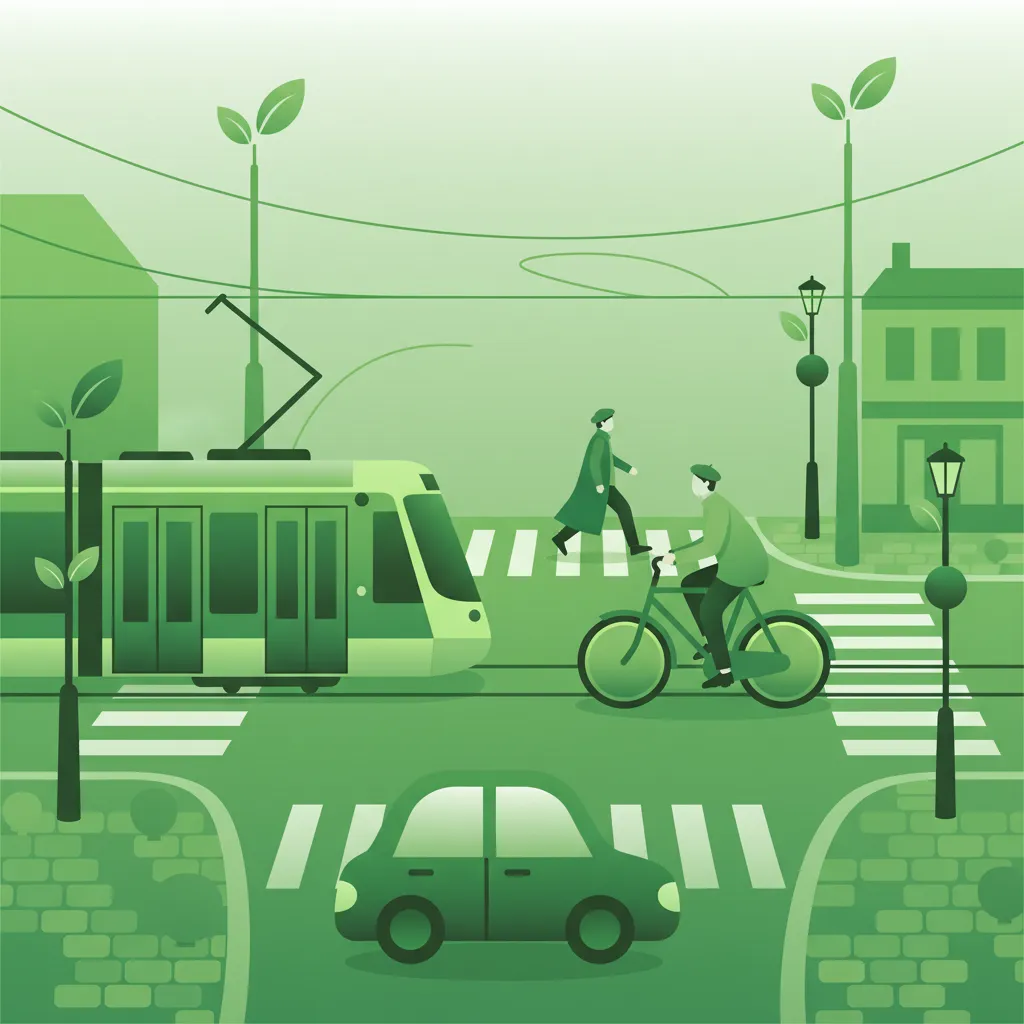
This lesson addresses special situations where standard priority rules are superseded. You will learn the absolute priority of emergency vehicles using sirens and flashing lights, and the correct procedure for giving them way safely. The content also explains the specific priority rules for trams, which often have right-of-way over other traffic, as well as for military columns and official funeral processions. Furthermore, the lesson reinforces the rules for yielding to pedestrians at designated zebra crossings.
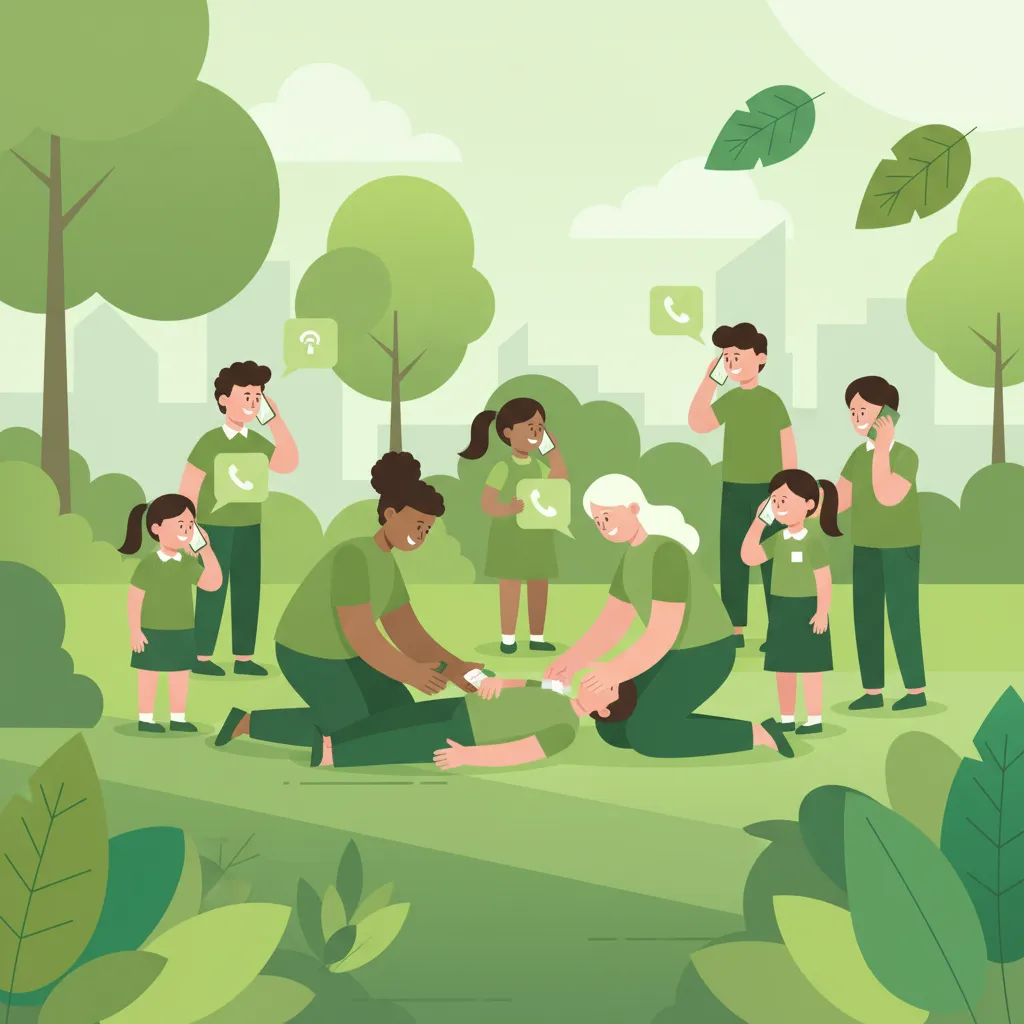
This lesson provides foundational knowledge in emergency response. While not a full first aid course, it covers the basic principles of assisting an injured person until professional help arrives, such as ensuring their airway is clear. You will learn exactly what information to provide when you call 112, including the precise location, the number of vehicles and people involved, and the nature of any injuries. This ensures that the correct emergency services can be dispatched as quickly as possible.
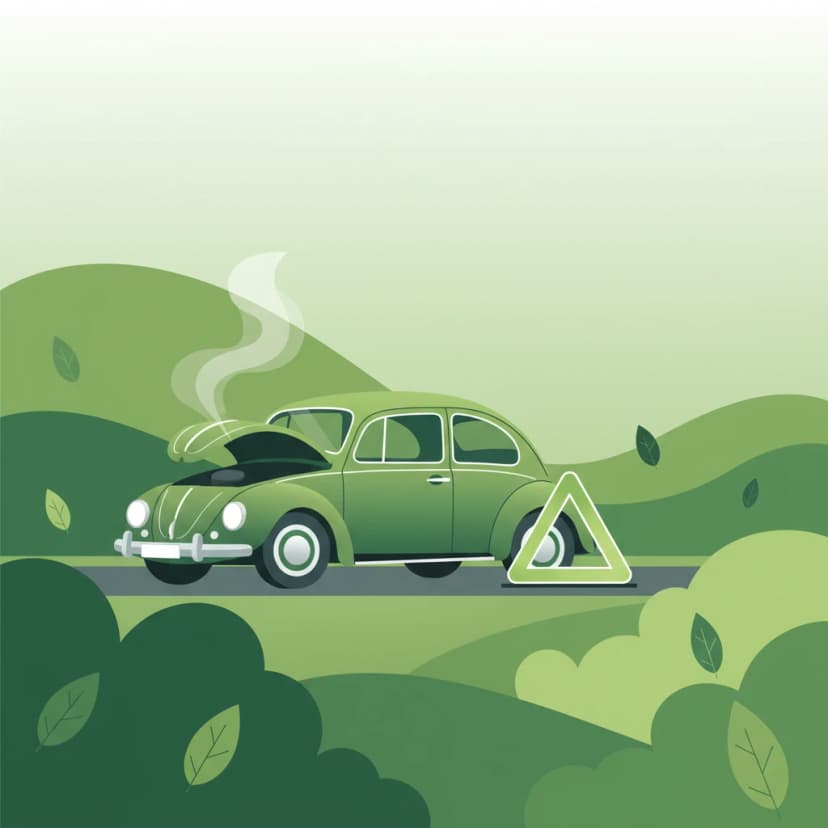
This lesson provides a clear action plan for when your car breaks down. You will learn to pull over to a safe location, preferably the hard shoulder on a motorway, and immediately activate your hazard warning lights. The curriculum explains the legal requirement to place a warning triangle a suitable distance behind the vehicle (if safe to do so) and the strong recommendation to wear a high-visibility jacket. Crucially, it instructs that all occupants should exit the vehicle on the safe side and wait behind the guardrail for assistance.

A vehicle breakdown can be a dangerous situation if not handled correctly. This lesson provides a clear safety protocol: switch on your hazard lights immediately, and move your vehicle as far to the right of the road or onto the hard shoulder as possible. For your personal safety, you should get away from the vehicle and stand behind a safety barrier if one is available. You will learn the steps for calling for roadside assistance and the legal requirements regarding warning triangles if applicable.
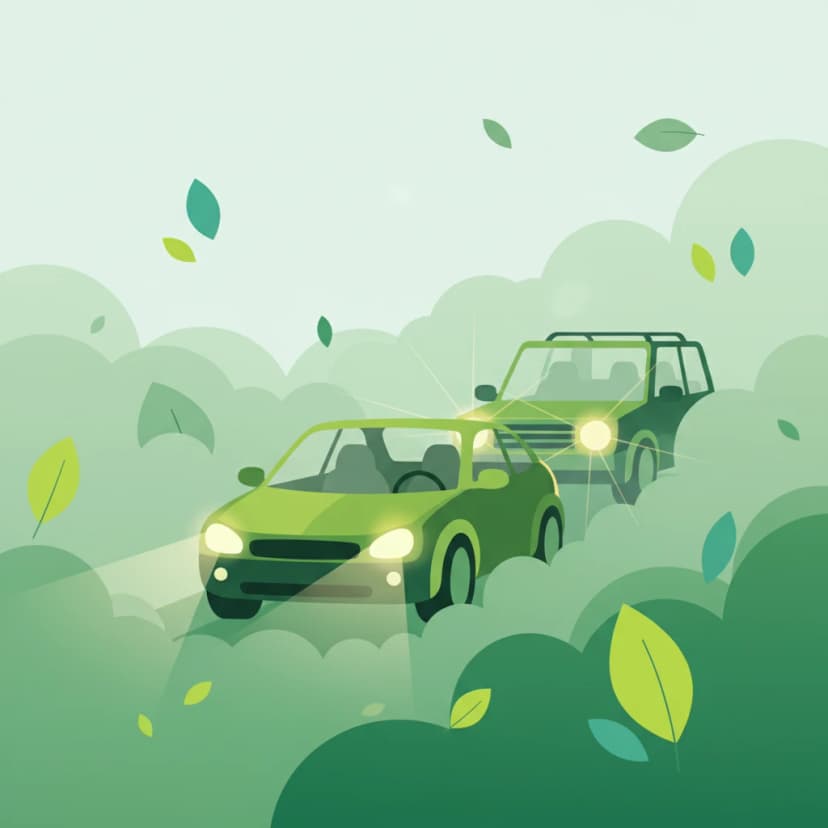
This lesson focuses on the use of specialized lights for specific situations. You will learn the strict conditions under which fog lights may be used: the rear fog light is only permitted when visibility from fog or snow is less than 50 meters, and not in rain. The lesson also explains the correct use of hazard warning lights, which are intended to warn other drivers of a stationary obstruction (like a breakdown or the tail end of a sudden traffic jam) or while being towed.
This lesson focuses on the legal and moral responsibility to be extra vigilant around certain groups of vulnerable road users. You will learn that children can be impulsive and have poor traffic awareness, requiring drivers to be prepared to stop suddenly, especially near schools and playgrounds. The content also discusses the need for patience with elderly or disabled road users, who may move more slowly. You will learn to recognize signs of disability, like a white cane or a guide dog, and give these individuals extra space and time.
This lesson examines the statutory duties imposed on motorcyclists, with a strong emphasis on the 'duty of care' (zorgplicht) and the conditions under which legal liability arises after a traffic incident. It clarifies the relationship between personal responsibility, mandatory insurance coverage, and the legal expectation for proactive risk mitigation to prevent accidents. The content also analyzes scenarios to illustrate how liability is typically determined within Dutch traffic jurisprudence, preparing riders for their legal responsibilities.
Find clear answers to common questions learners have about Yielding to Emergency Vehicles (noodvoertuigen). Learn how the lesson is structured, which driving theory objectives it supports, and how it fits into the overall learning path of units and curriculum progression in the Netherlands. These explanations help you understand key concepts, lesson flow, and exam focused study goals.
Not necessarily. You must create free passage, which might mean pulling over, slowing down, or carefully clearing an intersection. The key is to make a predictable and safe maneuver without creating a new hazard, ensuring the emergency vehicle can pass without obstruction.
If it's safe and you can do so without endangering others, you are permitted to carefully cross the red light or move into an intersection to clear the path for the emergency vehicle. Always check for cross-traffic first and proceed with extreme caution. Once the emergency vehicle has passed, return to your original position if possible, or wait for the light to change.
On a narrow road, carefully pull over to the right side as far as safely possible. Signal your intention early. If there's no safe space, slow down and be prepared to stop, allowing the emergency vehicle to use any available space, including the shoulder, to pass. Avoid sudden braking or swerving.
Emergency vehicles (noodvoertuigen or voorrangsvoertuigen) are legally defined and only have special priority rights when using both their audible (siren) and visual (flashing blue light) warning signals simultaneously. If only one is used, they are considered regular traffic. However, it's always wise to exercise caution and make space if possible, regardless.