
Access every driving theory lesson in the Dutch Motorcycle Theory (A2) course. Learn the rules, signs, and traffic situations that appear in the official the Netherlands driving theory exam. Each lesson focuses on a specific topic to help you study faster, understand more clearly, and improve your chance of passing the Dutch theory test on your first attempt.
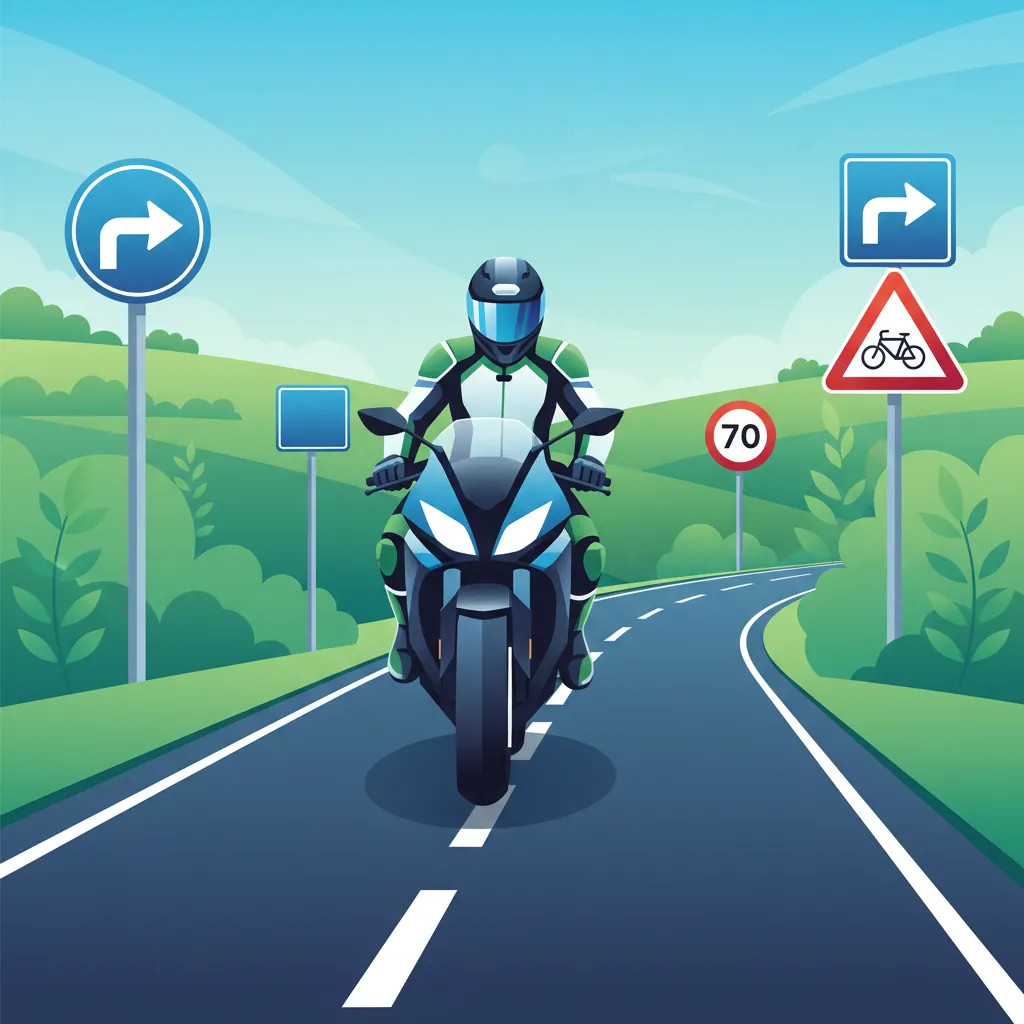
Browse the complete list of driving theory lessons in the Dutch Motorcycle Theory (A2) course. Find topics covering traffic rules, road signs, priority situations, and safety procedures used in the the Netherlands theory exam. Use this page to jump to the lesson you need and prepare efficiently for the Dutch driving theory test.

Understand mandatory regulatory signs that dictate speed, direction, and access for motorcycles. This lesson covers key prohibition signs like BORD 40 and their legal implications for A2 riders.
Identify warning signs that indicate potential hazards ahead, such as sharp turns or slippery surfaces. Learn to anticipate risks and adjust your riding technique for maximum safety on an A2 motorcycle.
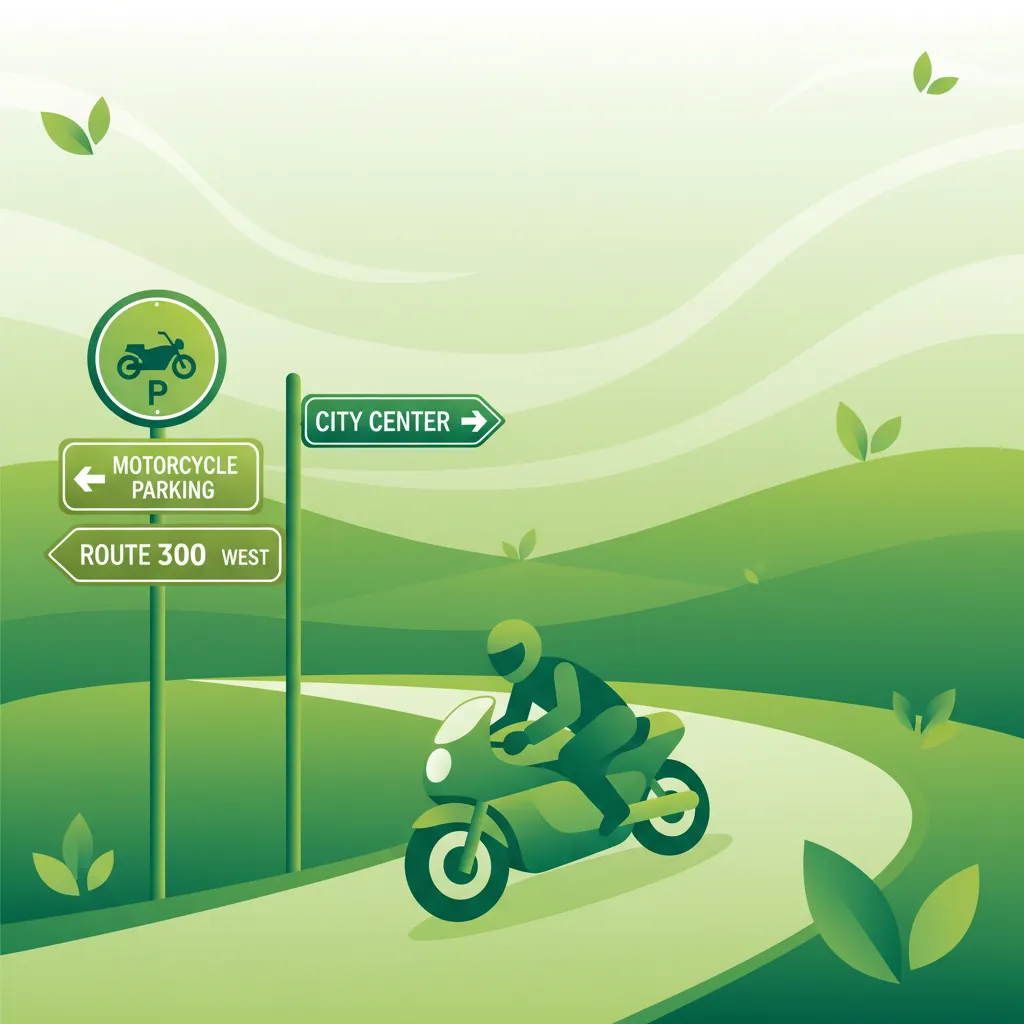
Master the use of directional and informational signs for effective navigation and route planning. This lesson covers highway signage, lane choice indicators, and service location panels for A2 riders.
Learn the legal requirements and best practices for using your A2 motorcycle's lighting and signal devices. This lesson covers mandatory lights, proper indicator use, and techniques to maximize your visibility.
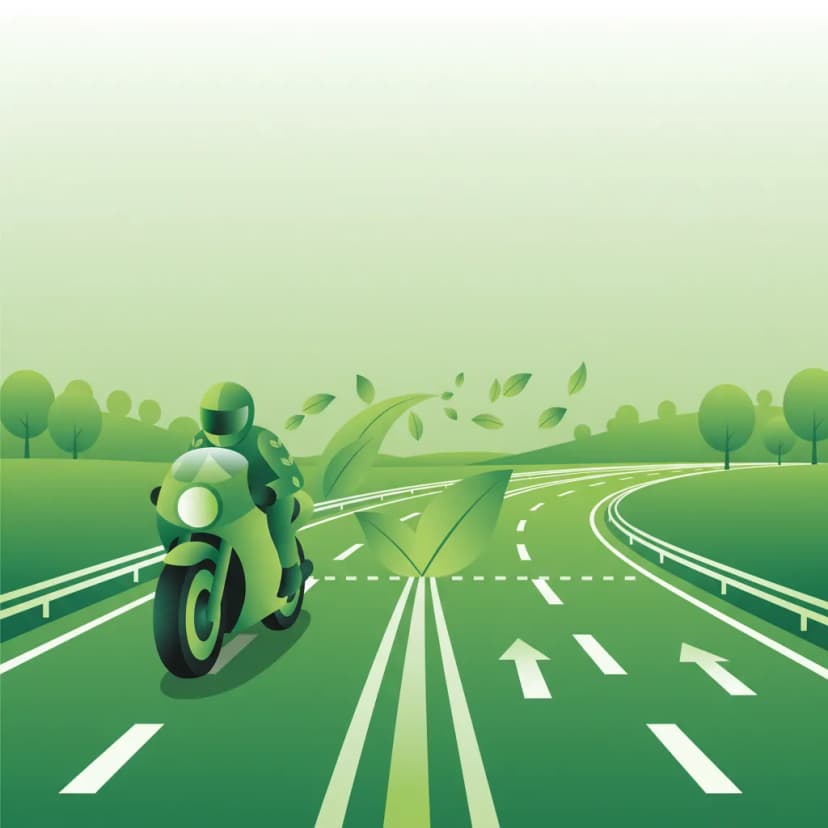
Interpret road markings to maintain correct lane discipline and safe positioning. This lesson explains the rules for solid and broken lines, lane arrows, and special zones relevant to motorcyclists.

Learn the fundamental principles of priority in the Netherlands, including the concept of priority roads and the default 'priority to the right' rule. Understand the hierarchy that governs traffic flow.
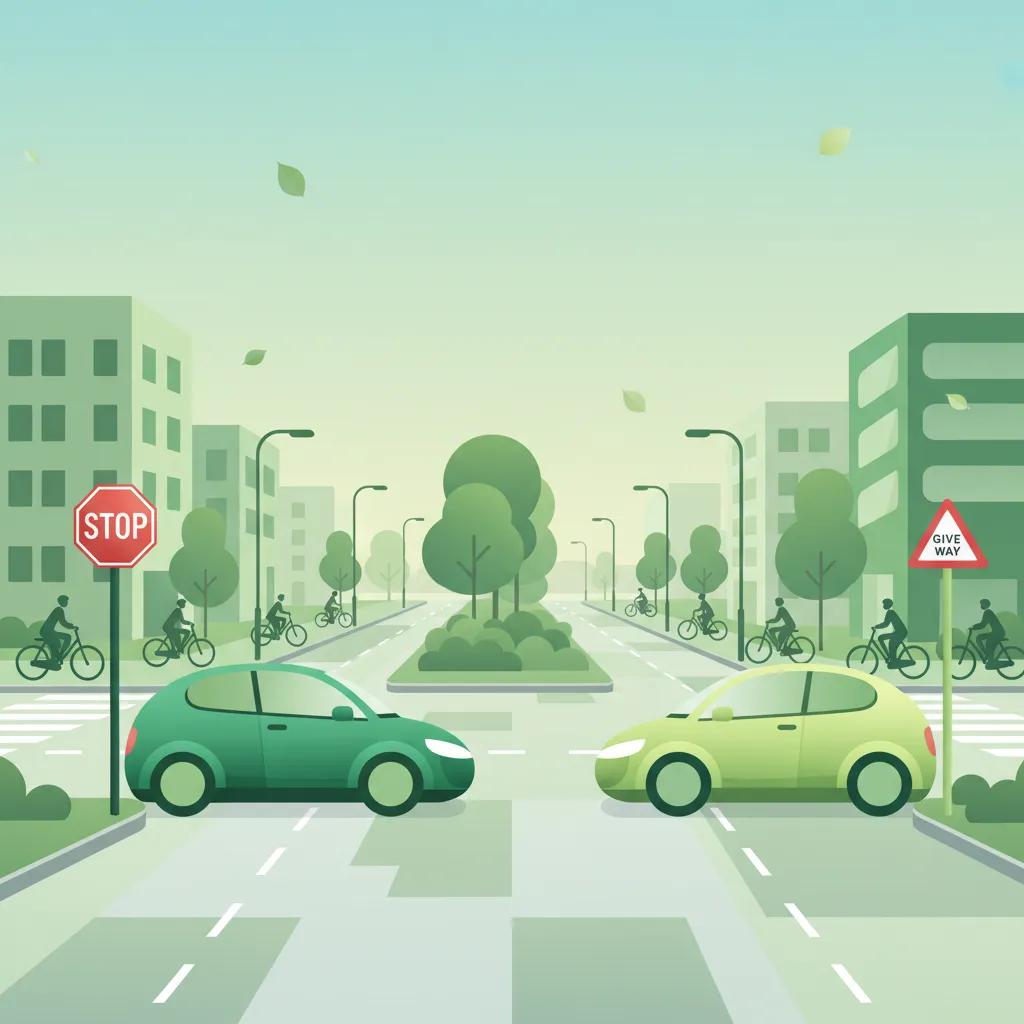
Understand the absolute obligations at intersections controlled by Stop (BORD 44) and Give Way signs. Learn the correct procedures for stopping, scanning, and proceeding safely on a motorcycle.
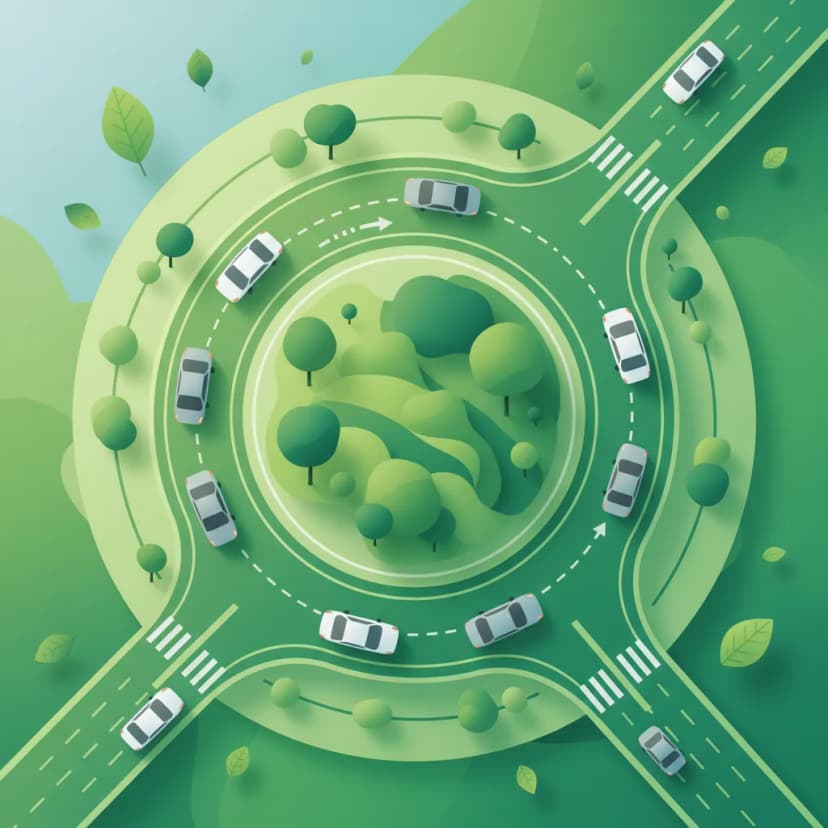
Navigate Dutch roundabouts correctly by understanding the specific priority rules. This lesson covers yielding on entry, choosing the correct lane, and signaling your exit for single and multi-lane roundabouts.

Learn the priority rules concerning vulnerable road users. This lesson covers your obligations at pedestrian crossings (zebrapaden) and when interacting with bicycle lanes and cyclists.
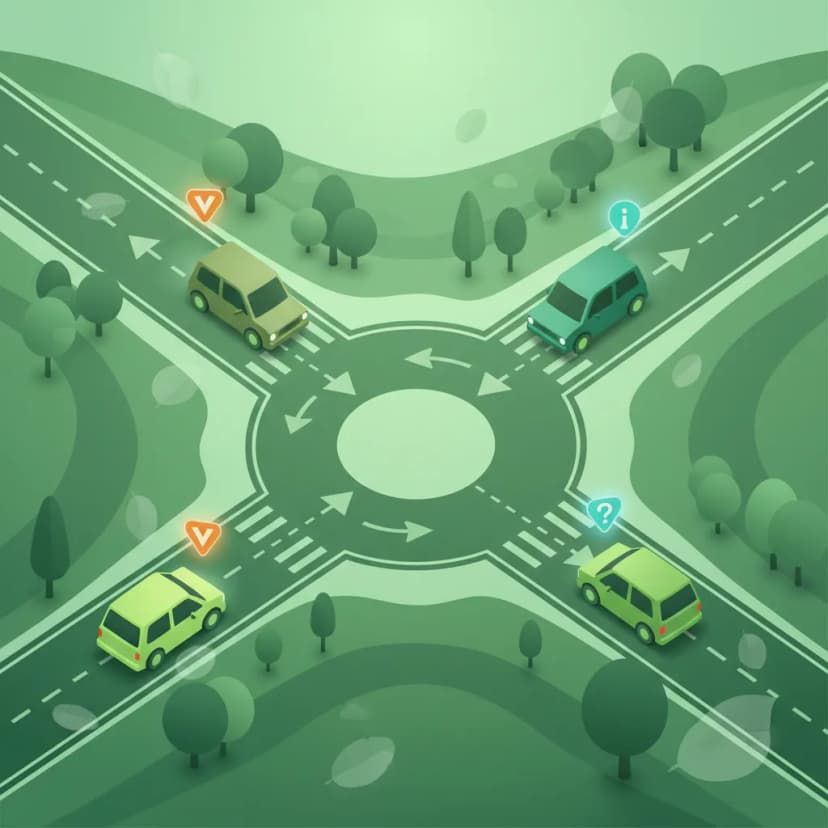
Master the 'priority to the right' rule at equal-priority intersections. Develop advanced decision-making skills to safely navigate junctions without signs or markings, especially in urban environments.
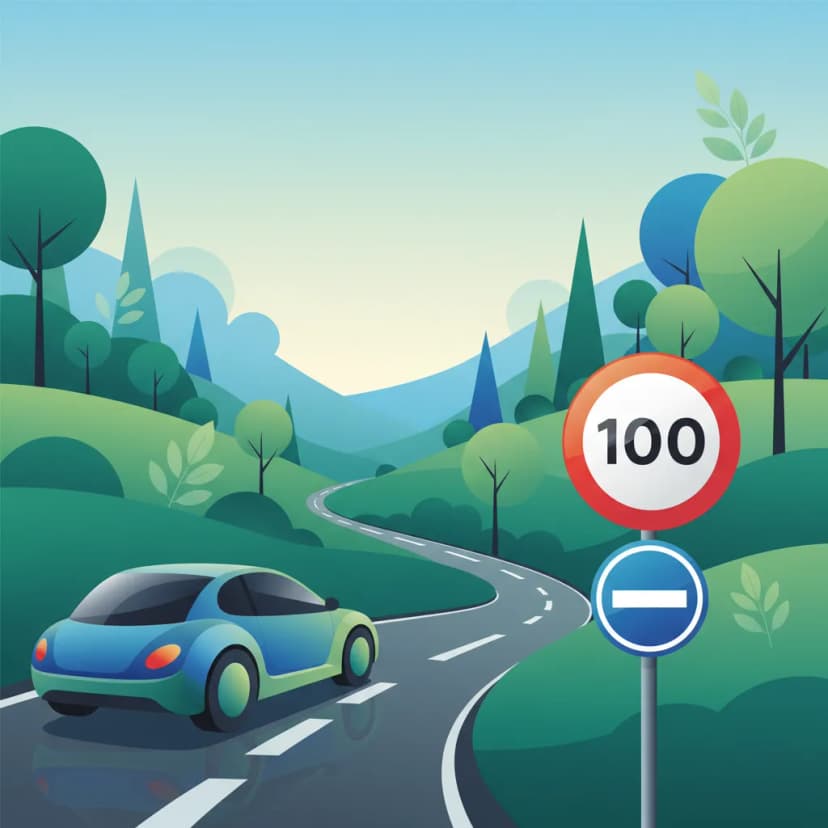
Recognize and adhere to fixed speed limits indicated by signs like BORD 50. This lesson covers the standard speed limits for different types of Dutch roads, from urban areas to highways.

Interpret variable speed limits displayed on electronic matrix signs (BORD 60). Learn to adjust your speed dynamically in response to traffic congestion, weather, or road incidents.

Understand how the 35 kW power limit of an A2 motorcycle affects its performance. This lesson teaches smooth throttle control and gear selection to manage acceleration safely and effectively.

Master the techniques for controlled deceleration and braking on an A2 motorcycle. This lesson covers the coordinated use of front, rear, and engine braking, as well as the function of ABS.
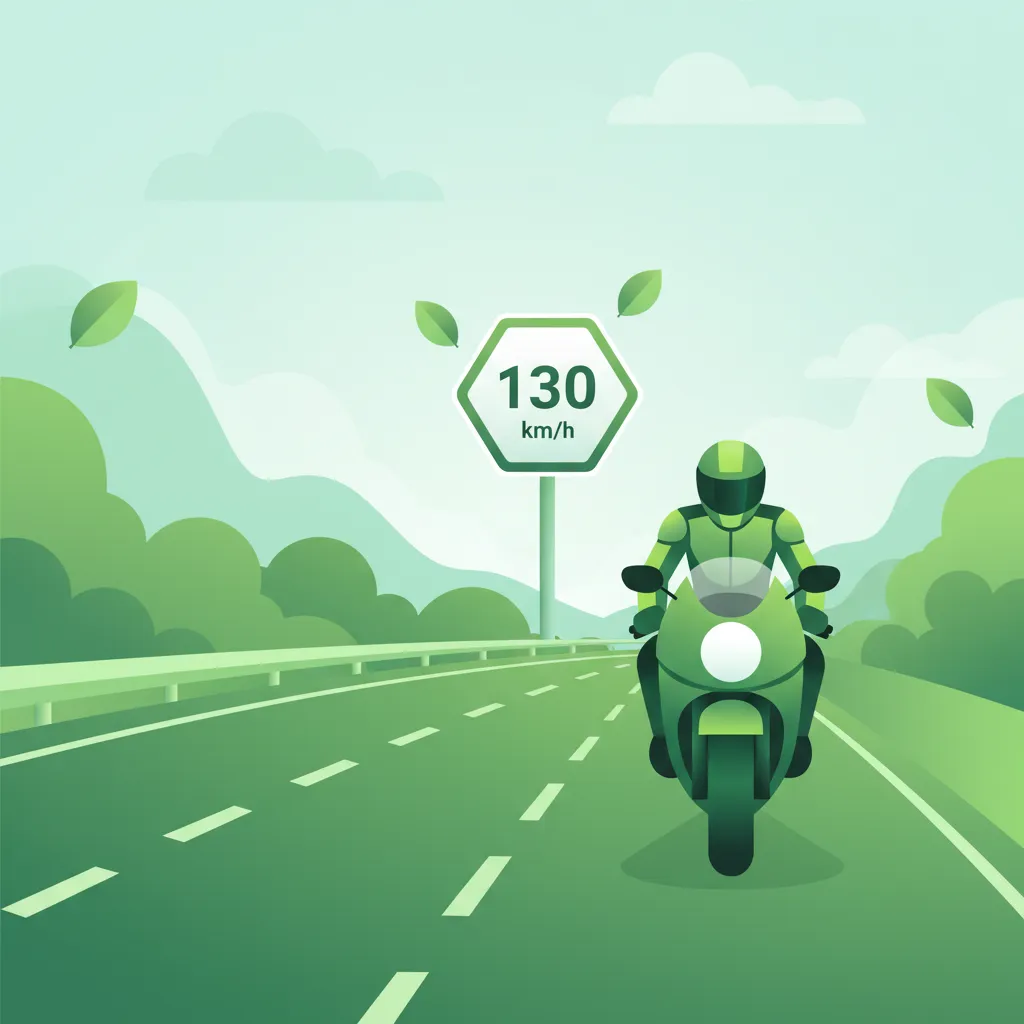
Apply specific speed management strategies for riding on the Dutch autosnelweg. Learn to merge into fast-moving traffic, maintain a safe speed, and handle the unique challenges of highway riding.
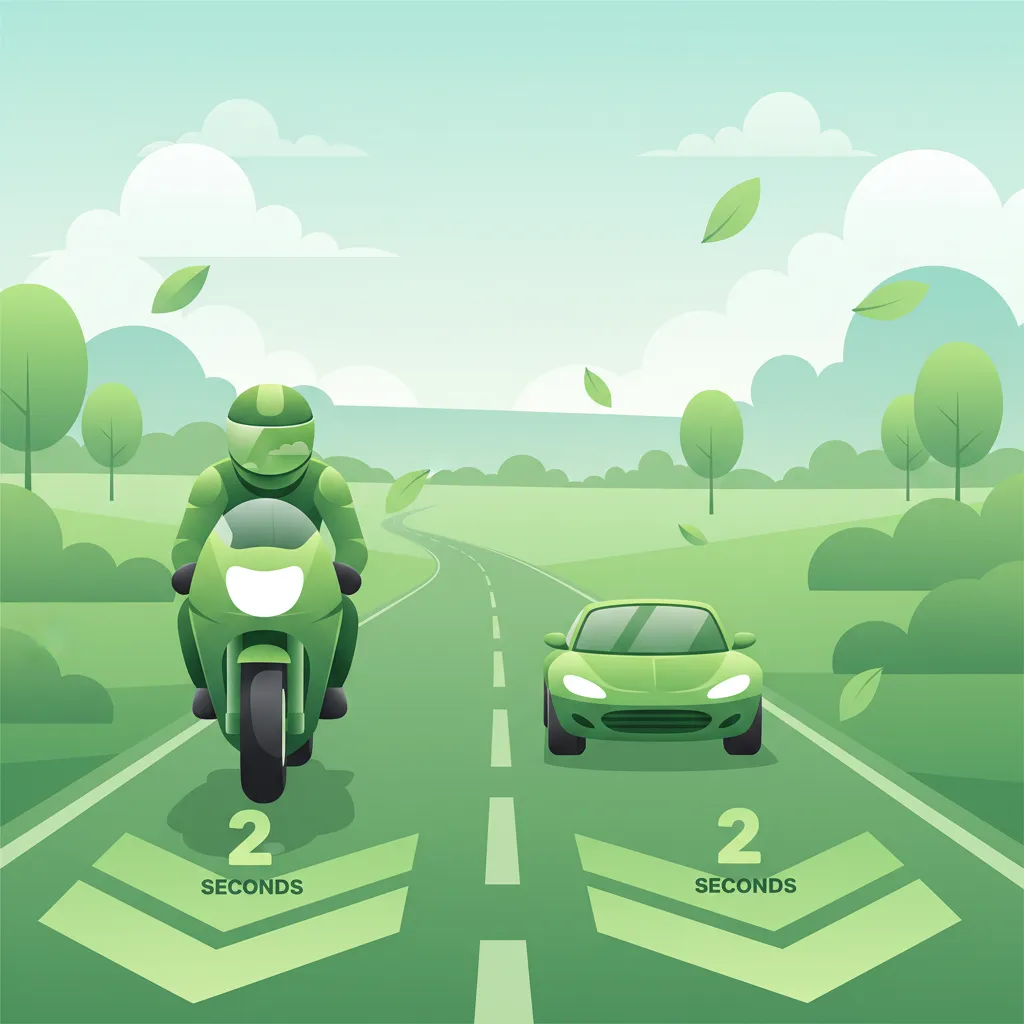
Master the two-second rule as a reliable method for maintaining a safe following distance. Learn how to apply and adjust this rule for different speeds and riding conditions on a motorcycle.
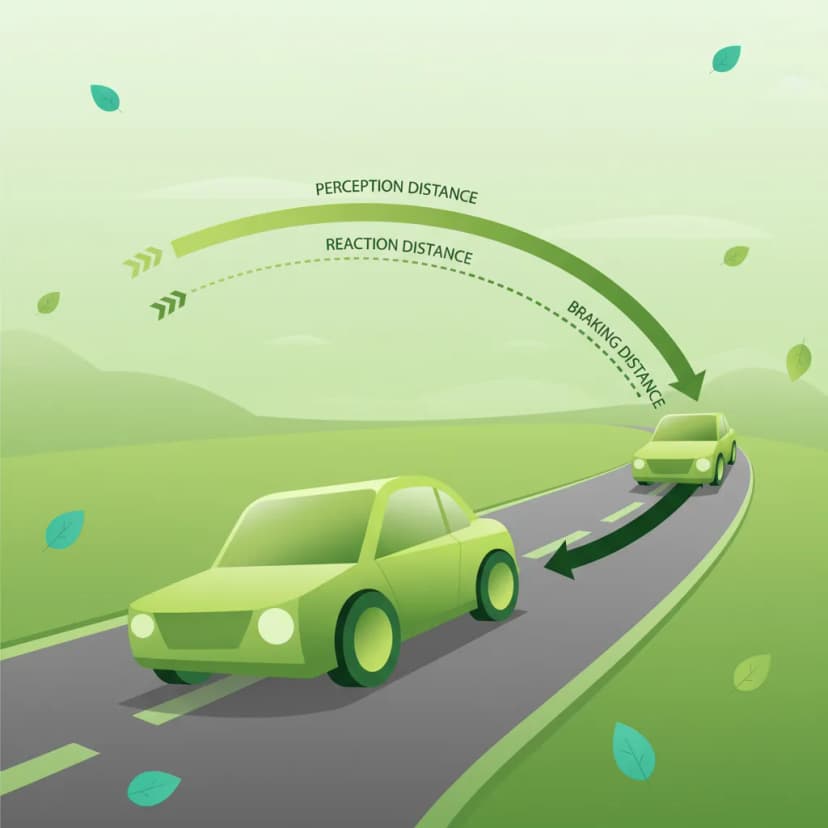
Understand the components of total stopping distance: reaction distance and braking distance. Learn how factors like speed, weather, and rider alertness dramatically affect how quickly you can stop.

Develop advanced braking skills by learning to coordinate the use of the front and rear brakes. This lesson covers how to balance brake application for maximum stopping power while maintaining stability.

Learn the correct procedure for performing an emergency stop on an A2 motorcycle. Understand how the Anti-lock Braking System (ABS) functions to prevent skids and maintain control during panic braking.

Learn why and how to significantly increase your following distance in adverse conditions. This lesson covers riding in rain, fog, high winds, and darkness, focusing on managing reduced grip and visibility.

Understand the essential technique of counter-steering to initiate turns on a motorcycle. Learn why pushing the handlebar in one direction makes the motorcycle lean and turn in the same direction.
Learn how to choose the safest and most efficient path through a corner by identifying the entry, apex, and exit points. This lesson teaches you to 'straighten' the curve for better visibility and stability.

Master the 'slow in, fast out' principle of cornering. Learn to do all your significant braking before the turn and use smooth throttle application to maintain stability through the curve.

Understand how your body position affects the motorcycle's handling in a corner. Learn to shift your weight and use your body to help steer the bike and maintain balance while leaning.

Learn to anticipate and manage potential hazards within a corner. This lesson covers issues like tightening curves, poor road surfaces, and oncoming traffic, and how to adjust your line and speed.

Learn the critical pre-ride checks and adjustments needed before carrying a passenger or heavy luggage. This lesson covers adjusting tyre pressure, suspension preload, and ensuring all loads are secure.
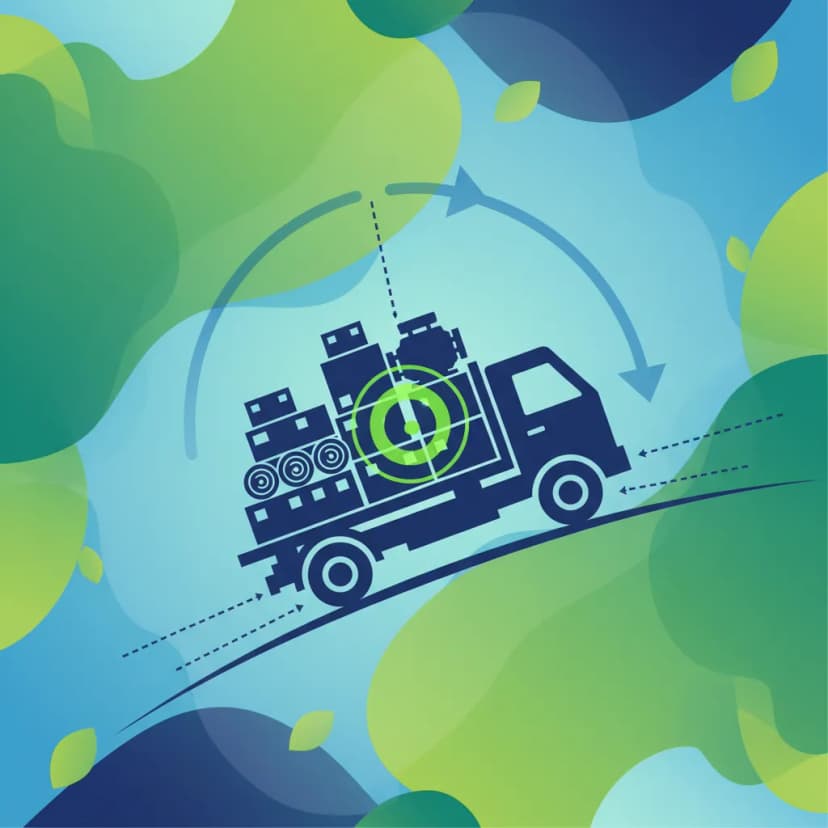
Discover the principles of correct load distribution to maintain your motorcycle's balance. Learn where to place heavy items and how to pack luggage to minimize negative effects on handling.

Learn the complete process for safely carrying a passenger, from the initial briefing to on-road communication. This lesson covers legal requirements and techniques for a smooth, safe ride.

Understand how extra weight from a passenger or luggage directly impacts your motorcycle's performance. Learn to adapt your inputs for longer braking distances, slower acceleration, and altered cornering.

Learn how to use your motorcycle's lighting system not just for illumination, but as an active tool to increase your visibility to other drivers in daylight and at night.

Master the art of defensive road positioning to stay out of other vehicles' blind spots. Learn to choose a lane position that maximizes your visibility to others and provides an escape route.

Acquire the essential skills for riding safely in rain and fog. This lesson covers managing reduced grip, preventing hydroplaning, and using your senses to navigate when visibility is poor.

Learn techniques to maintain stability when riding in strong crosswinds and turbulence. This lesson covers body positioning, steering inputs, and anticipating windy areas like bridges and open plains.

Learn the step-by-step process for safely merging onto and exiting a highway. This lesson covers using the acceleration lane effectively to match traffic speed and signaling your intentions clearly.

Understand the rules of lane discipline on Dutch highways, including 'keep right unless overtaking'. Master the safe procedure for overtaking vehicles at high speed.
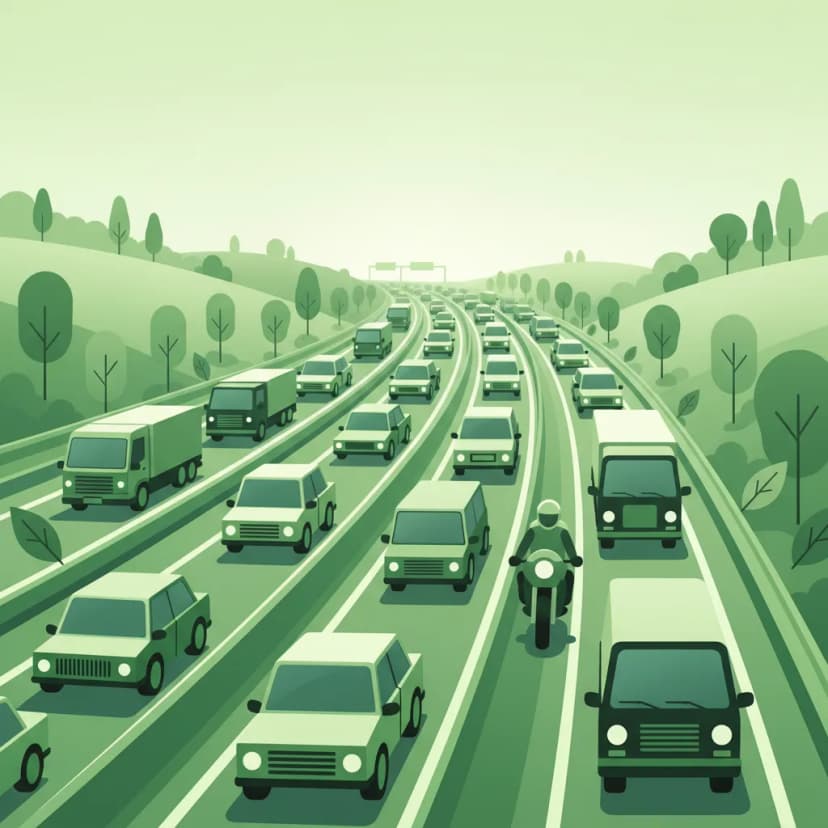
Learn the official Dutch code of conduct for 'file rijden'—filtering between lanes in slow-moving or stationary traffic. Understand the rules and risks associated with this manoeuvre.
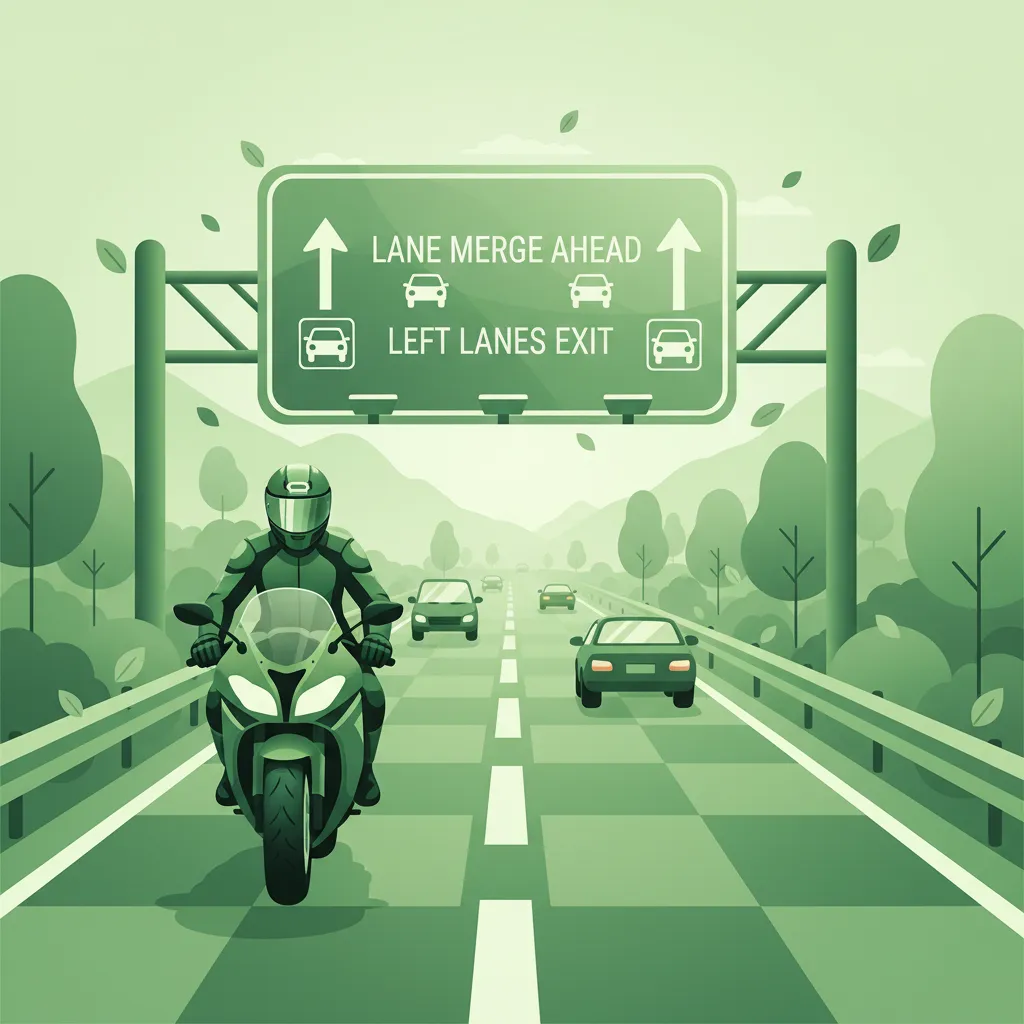
Identify and manage hazards that are unique to or more pronounced on highways. This lesson covers road surface irregularities, turbulence from large vehicles, and the risk of highway hypnosis.
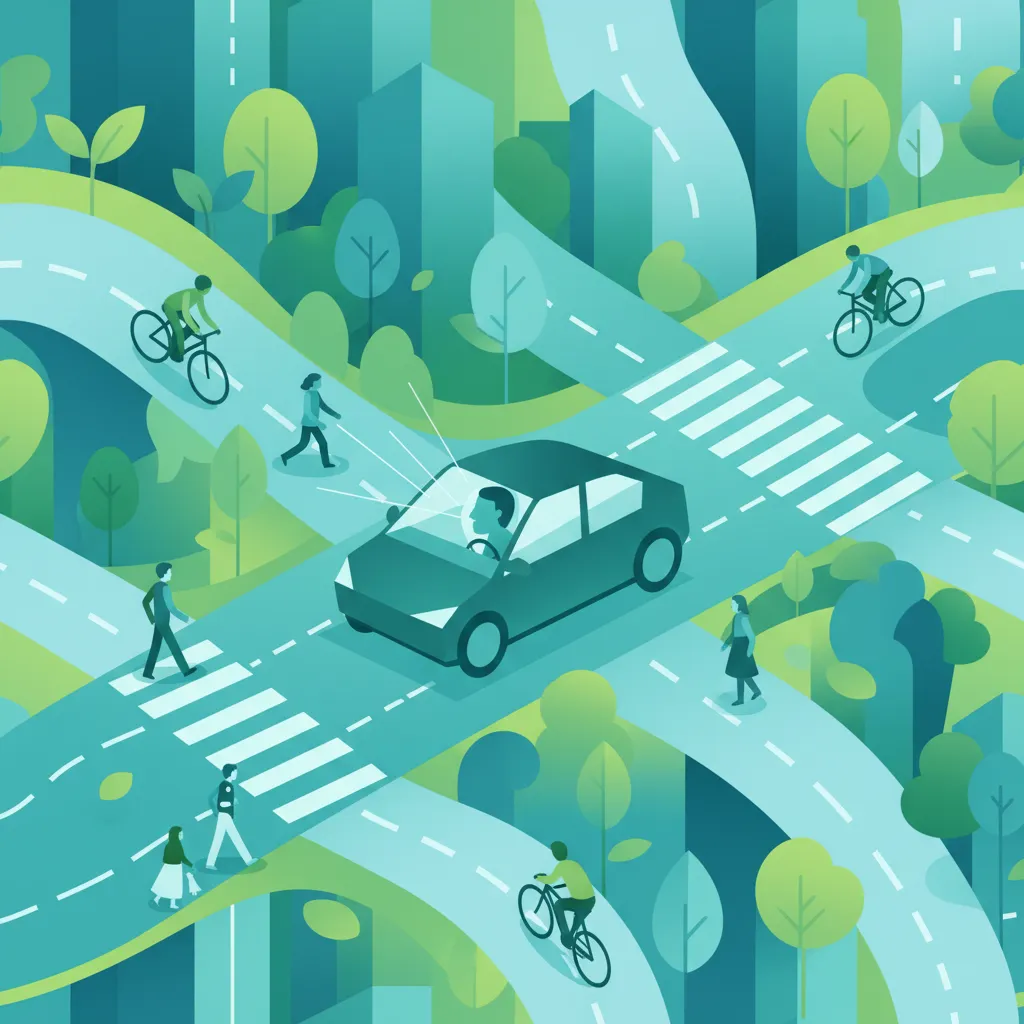
Elevate your hazard perception skills by learning advanced scanning techniques. Understand how to read the road and traffic ahead to anticipate potential dangers before they materialize.

Learn the precise technique for achieving the shortest possible stopping distance in an emergency. This lesson covers body positioning and applying maximum, progressive brake pressure without losing control.

Master the emergency swerve, a critical collision avoidance manoeuvre. Learn to use a sharp counter-steering input to quickly change your path of travel around an obstacle.
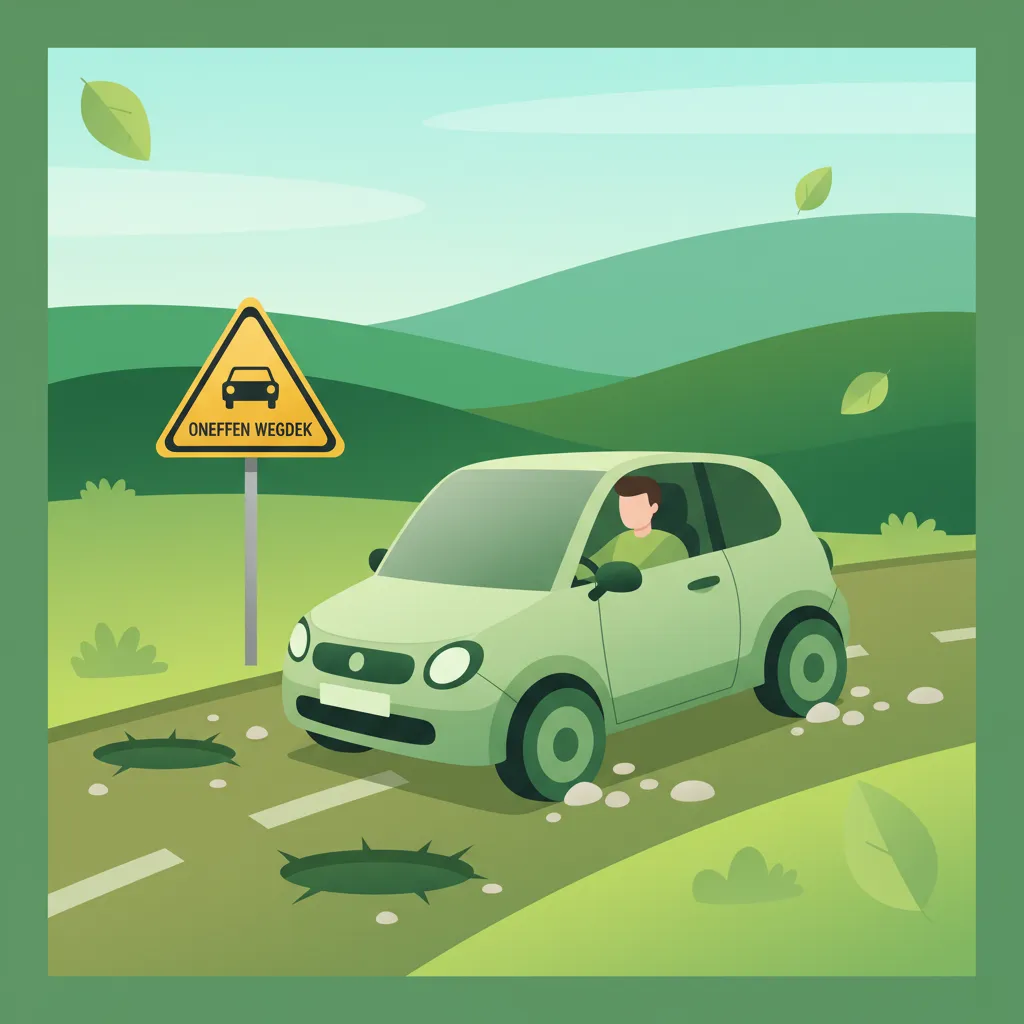
Learn strategies for safely navigating common road surface hazards like gravel, oil, wet leaves, and steel surfaces. This lesson focuses on maintaining control when traction is compromised.

Learn to identify the early warning signs of rider fatigue and its dangerous effects on concentration and reaction time. This lesson provides practical strategies for managing fatigue on long rides.
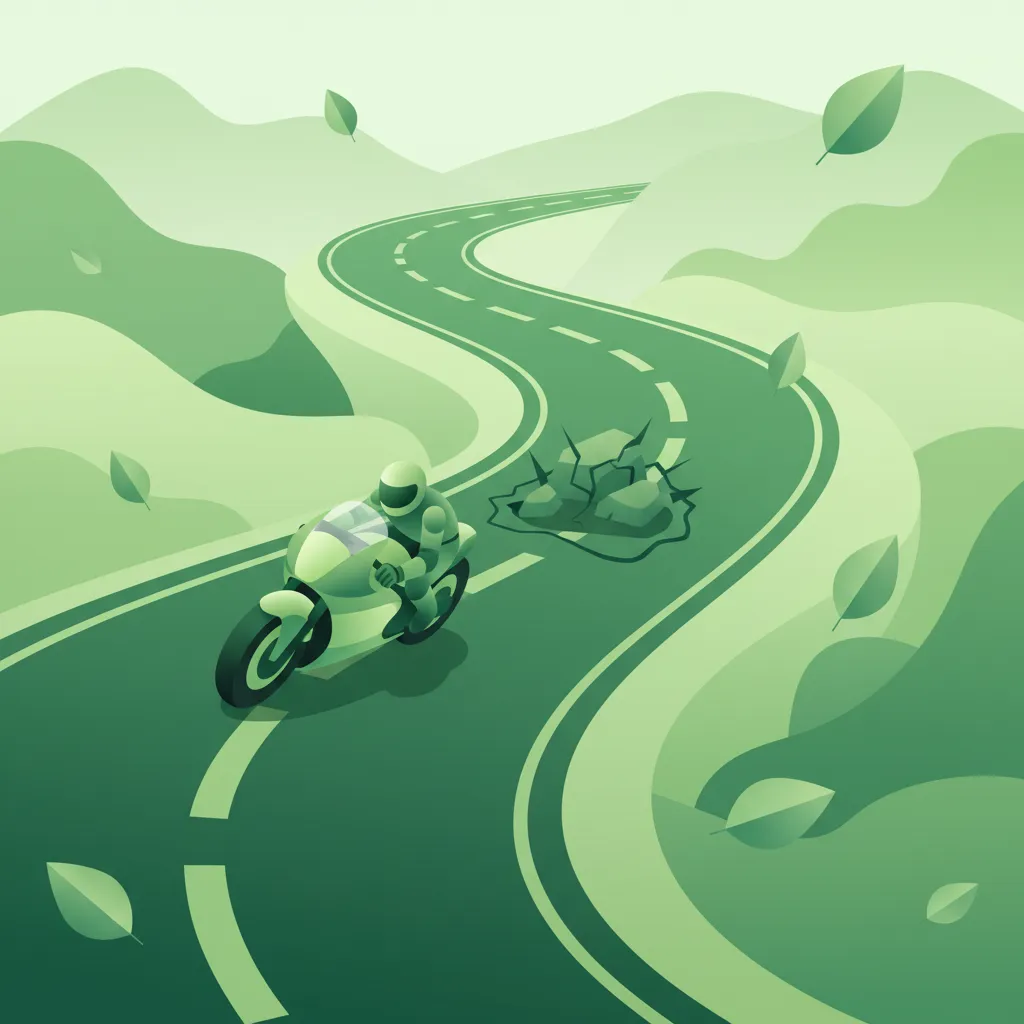
Explore the psychological aspects of motorcycling, including the dangers of overconfidence and peer pressure. Learn to make rational risk assessments and maintain self-control in all riding situations.

Learn how to effectively plan and prepare for a long-distance motorcycle trip. This lesson covers everything from route selection and scheduling rest stops to preparing your bike and packing essentials.

Master the fundamentals of safe and organized group riding. This lesson covers standard riding formations, essential hand signals for communication, and the roles of the ride leader and sweep rider.