
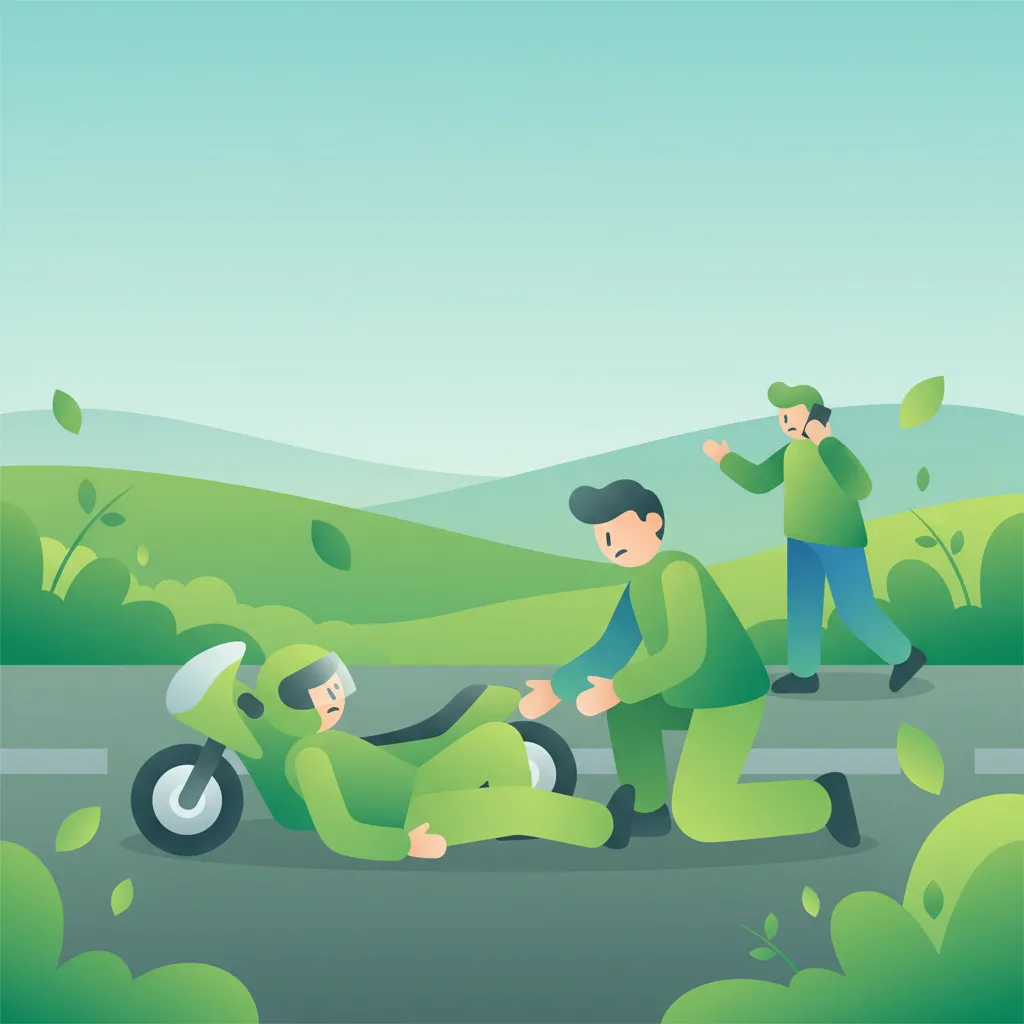
As a Category A motorcyclist in the Netherlands, knowing how to react in an emergency is crucial. This lesson focuses on essential first-aid techniques specific to motorcycle accident scenarios, building on your knowledge of road safety and accident prevention. It's a vital component of your preparation for the Dutch CBR theory exam and for safe riding in general.

Motorcycle riding, while exhilarating, carries inherent risks. Despite all precautions and advanced riding techniques, accidents can occur. In such critical moments, possessing basic first-aid knowledge can be the difference between life and death for yourself or a fellow rider. This lesson, part of your Dutch Motorcycle Theory – Category A Comprehensive Preparation, equips you with essential life-saving skills, focusing on immediate interventions that a layperson can perform safely and effectively until professional medical help arrives.
In the Netherlands, every road user has a legal obligation to render reasonable assistance after a collision. This duty is enshrined in Article 3:54 of the Reglement Verkeersregels en Verkeerstekens (RVV 1990). Prompt and correct first-aid, especially in high-speed motorcycle crashes where injuries are often severe due to high kinetic energy transfer, is crucial. Understanding the principles outlined here will not only prepare you for emergencies but also ensure you comply with your legal responsibilities.
When a motorcycle accident occurs, the nature of the injuries can be complex and severe, often involving multiple trauma patterns like fractures, head injuries, and internal bleeding. Unlike car drivers, motorcyclists lack a protective enclosure, making them more vulnerable to direct impact. The first few minutes following a severe incident are often referred to as the "golden hour" – a period during which prompt medical intervention significantly improves a victim's chances of survival. Your actions as a first responder during this time can stabilize the victim and prevent secondary injuries.
The physics of a motorcycle crash mean that even at moderate speeds, significant kinetic energy is transferred to the rider upon impact. This can lead to serious injuries that require immediate attention. Recognizing and addressing life-threatening conditions quickly can maintain vital functions and prevent the situation from deteriorating further while awaiting emergency services.
In the Netherlands, the law is clear regarding your responsibilities at the scene of an accident. Article 3:54 of the RVV 1990 states that any road user involved in or witnessing an accident is obliged to render reasonable assistance to those injured and to report the incident. This is not merely a moral imperative but a legal requirement.
Under Dutch law (RVV 1990, Article 3:54), any road user witnessing or involved in an accident is legally obliged to render reasonable assistance and not to flee the scene.
"Reasonable assistance" means taking actions proportionate to the situation and within your knowledge and skill level. This includes securing the scene, calling emergency services (112), and performing basic first aid as you are able. Failure to comply with this duty can lead to significant legal consequences, including fines, penalty points on your license, or even criminal prosecution. Therefore, understanding and applying basic first-aid principles is not only about saving lives but also about fulfilling your legal obligations as a responsible road user.
The DRABC protocol is a systematic approach to assessing a casualty in an emergency. It ensures that life-threatening conditions are identified and addressed in a specific order, preventing critical steps from being missed. This structured primary survey is the cornerstone of effective first aid in any trauma situation, especially after a motorcycle accident.
The very first step in any emergency situation is to ensure scene safety. You cannot help others if you become a casualty yourself. Before approaching any victim, you must assess and mitigate immediate dangers.
If danger persists and cannot be safely mitigated, you should only move the casualty if their life is in immediate peril (e.g., from fire or traffic) and it can be done with minimal risk of exacerbating existing injuries, particularly spinal trauma.
Once the scene is safe, your next step is to assess the victim's level of consciousness. This helps you understand the severity of their condition and how to proceed. The AVPU scale is a quick and effective method:
If the victim is unresponsive, it indicates a serious condition, potentially a head injury or shock, requiring immediate attention to their airway and breathing.
An open airway is paramount for survival. An unconscious victim's tongue can fall back and block their airway, or their airway could be obstructed by blood, vomit, or debris.
Critical Warning on Helmet Removal: A motorcycle helmet should never be removed by a layperson unless it is absolutely essential to clear an obstructed airway or the helmet itself is compromising breathing. Improper removal can cause or worsen severe spinal injuries.
To open an airway while minimizing neck movement (crucial due to potential spinal injuries in motorcycle crashes):
If the helmet is obstructing the airway, or the visor is broken and pressing against the face, removal might be necessary. This is an advanced and risky procedure that should ideally be performed by trained medical personnel. However, in a life-or-death situation where the airway cannot otherwise be cleared, you may need to act. The next section provides detailed guidance on this critical step.
Once the airway is open, you need to check if the victim is breathing effectively.
If the victim is not breathing or is only gasping, immediately call 112 if you haven't already. If you are trained and equipped for rescue breathing (CPR), initiate it. Otherwise, focus on maintaining an open airway until professional help arrives.
The "C" in DRABC stands for Circulation, which primarily involves checking for a pulse and, most importantly in trauma, controlling severe external bleeding. Uncontrolled bleeding is a leading cause of preventable death after accidents.
If you identify severe bleeding, immediate action is required. This leads to the next crucial topic: hemorrhage control.
Severe external bleeding can rapidly lead to a life-threatening condition called hypovolemic shock. Controlling bleeding is often the most immediate and impactful first-aid intervention you can perform.
The primary method for controlling most external bleeding is direct pressure.
If blood soaks through the dressing, do not remove it. Instead, apply more pads and another bandage on top, maintaining pressure.
For life-threatening arterial bleeding that cannot be controlled by direct pressure or pressure dressings, a tourniquet may be necessary. This is a critical intervention for saving a limb or a life.
A device applied proximal to a severe arterial bleed to occlude blood flow, used only for life-threatening hemorrhage where direct pressure fails.
Shock is a life-threatening condition that occurs when the body's organs and tissues do not receive enough blood flow, leading to insufficient oxygen delivery. In motorcycle accidents, the most common type of shock is hypovolemic shock, caused by significant blood loss.
A life-threatening medical condition where inadequate blood flow leads to insufficient oxygen delivery to tissues, commonly caused by significant blood loss.
Recognizing the signs of shock quickly is vital for effective management:
Managing shock is about supporting the victim's circulatory system and keeping them stable until emergency medical services arrive.
Prompt action in managing shock can prevent circulatory collapse and improve the victim's prognosis.
This is perhaps one of the most contentious and critical aspects of motorcycle first aid. The overarching principle is to avoid removing the helmet unless it is absolutely necessary. The primary concern is the risk of exacerbating a cervical (neck) spinal injury, which could lead to permanent paralysis or even death.
Always assume a spinal injury in a motorcycle accident. Removing a helmet can cause significant movement of the head and neck, potentially worsening an unstable spinal fracture.
The helmet should only be removed if:
If the victim is breathing adequately and their airway is clear with the helmet on, do not remove it. Instead, keep it in place and maintain spinal immobilization if possible until professional help arrives. You can try to open the visor to improve airflow without removing the helmet.
If helmet removal is absolutely necessary, ideally it should be performed by two people to maintain constant cervical spine stabilization. If you are alone, the priority is to maintain head and neck alignment as much as possible.
Assess and Prepare: Reconfirm that helmet removal is essential due to airway compromise. Have a second person (if available) dedicated solely to maintaining inline cervical stabilization.
First Responder - Head Stabilization: The first person kneels at the victim's head and places their hands on both sides of the helmet, maintaining firm, steady pressure to prevent any head or neck movement. This person is responsible for head and neck alignment throughout the process.
Second Responder - Helmet Strap Release: The second person (or the first person, if working alone and only after securing the head as best as possible) carefully cuts or unfastens the helmet chin strap.
Careful Helmet Removal (Two-Person):
Careful Helmet Removal (One-Person - Last Resort): If alone, you must perform the cutting of the strap and then maintain the jaw-thrust with one hand while gently guiding the helmet off with the other. This is extremely difficult to do safely and carries a very high risk of spinal injury. It is truly a last resort.
Post-Removal: Once the helmet is off, immediately ensure the airway is clear. Maintain manual cervical spine stabilization until emergency services arrive.
Even with good intentions, common errors can worsen a victim's condition or put the rescuer at risk. Being aware of these pitfalls can help you respond more effectively.
First-aid situations are rarely textbook perfect. Your response will need to be adapted based on the environmental and circumstantial factors surrounding the accident.
Understanding the "why" behind first-aid actions reinforces their importance and helps in decision-making under pressure.
The principles of first aid for motorcyclists are interwoven with other crucial aspects of safe riding and post-accident procedures covered in your Dutch Motorcycle Theory course. Effective first aid builds upon your understanding of collision avoidance strategies (9.4) by anticipating trauma patterns, and it directly precedes post-accident procedures and reporting (9.5) by laying the groundwork for victim care and scene management. It also reinforces concepts from human factors (12) by emphasizing the need for structured decision-making under stress.
Lesson content overview
Explore all units and lessons included in this driving theory course.
Explore search topics learners often look for when studying First-Aid Basics for Motorcyclists. These topics reflect common questions about road rules, driving situations, safety guidance, and lesson level theory preparation for learners in the Netherlands.
Browse additional driving theory lessons that cover connected traffic rules, road signs, and common driving situations related to this topic. Improve your understanding of how different rules interact across everyday traffic scenarios.
Understand essential first aid for motorcycle accidents in the Netherlands, including the DRABC survey, bleeding control, shock management, and your legal duty to assist. This lesson covers immediate actions until emergency services arrive.

This lesson provides a clear, step-by-step guide for actions to take immediately following a traffic accident. It covers the priorities of personal safety, securing the scene to prevent further incidents, and providing aid to the injured. The curriculum details the legal requirements for reporting an accident ('ongevalrapportage') and the correct procedure for exchanging information with other parties involved, including the use of the European Accident Statement form.
This lesson provides a clear, prioritized list of actions to take in the immediate aftermath of an accident. The primary focus is on safety: securing the scene to prevent further incidents, checking for injuries on yourself and others, and calling emergency services (112). It provides the essential knowledge required to manage a stressful and potentially dangerous situation calmly and effectively until professional help arrives.

This lesson details the legal requirements for reporting a traffic accident in the Netherlands, including the circumstances under which you must involve the police. It explains the correct procedure for exchanging personal, vehicle, and insurance information with any other parties involved. The lesson also covers the use of the European Accident Statement form to document the facts of the incident for insurance purposes.

This lesson explains the processes that follow a road accident, focusing on legal and insurance matters. It describes how liability is determined, the steps involved in filing an insurance claim, and the importance of accurate documentation and evidence, such as photos and witness statements. The content also touches upon potential legal consequences, such as fines or prosecution if traffic laws were violated, providing a comprehensive overview of the post-accident landscape.

In the event of an accident, a calm and methodical approach is essential. This lesson details the necessary actions, from stopping safely and assessing the situation to exchanging driver and insurance details with the other party. It explains how to fill out the European Accident Statement form ('schadeformulier'), which is a vital document for insurance claims. You will also learn when it is mandatory to call the police and the importance of gathering evidence like photos and witness contact information.

This lesson examines the statutory duties imposed on motorcyclists, with a strong emphasis on the 'duty of care' (zorgplicht) and the conditions under which legal liability arises after a traffic incident. It clarifies the relationship between personal responsibility, mandatory insurance coverage, and the legal expectation for proactive risk mitigation to prevent accidents. The content also analyzes scenarios to illustrate how liability is typically determined within Dutch traffic jurisprudence, preparing riders for their legal responsibilities.

This lesson provides an in-depth exploration of Article 5 of the Dutch Road Traffic Act, which establishes the general 'duty of care' ('zorgplicht'). It explains that every road user has a fundamental obligation to behave in a way that does not cause danger or hindrance to others. The curriculum clarifies how this broad principle is applied in determining legal liability after an accident, especially in incidents involving vulnerable road users, reinforcing the rider's constant accountability.
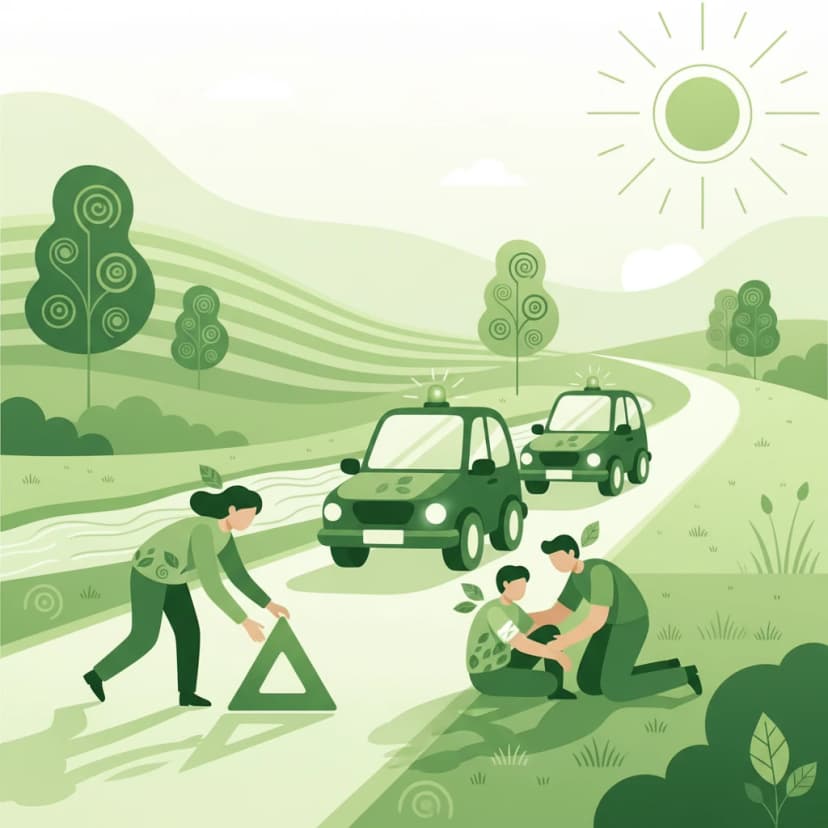
This lesson outlines the correct protocol to follow after a traffic accident. The first priority is to ensure the safety of everyone involved by securing the scene and checking for injuries. You will learn when it is mandatory to call the emergency services (112), such as when there are injuries or significant road blockage. The curriculum also explains the legal requirement to stop and exchange insurance and contact details with other parties involved. The use of the European Accident Statement form to record the details is also covered.

This lesson provides an overview of the motor vehicle insurance system in the Netherlands, explaining the mandatory third-party liability insurance ('WA-verzekering'). It outlines the process for filing an insurance claim after an accident and the factors that are considered when determining liability or fault. Understanding this process is important for navigating the financial and legal consequences of a collision.

This lesson provides a practical guide for the unfortunate event of an accident while riding abroad. It outlines the steps for contacting local emergency services, the importance of involving local police, and how to use the European Accident Statement form, which is standardized across languages. The content offers advice on overcoming potential language barriers and the critical steps for gathering evidence and notifying your insurance provider promptly to ensure a smooth claims process.
Find clear answers to common questions learners have about First-Aid Basics for Motorcyclists. Learn how the lesson is structured, which driving theory objectives it supports, and how it fits into the overall learning path of units and curriculum progression in the Netherlands. These explanations help you understand key concepts, lesson flow, and exam focused study goals.
As a general rule, do not remove the helmet unless absolutely necessary to maintain an open airway or if there is immediate danger to the rider from fire or explosion. Improper removal can cause further injury to the neck and spine. If airway is compromised and helmet removal is necessary, it should be done by at least two trained individuals, one stabilising the head and neck.
The absolute first step is to ensure your own safety and the safety of the scene (Danger). Check for ongoing hazards like traffic, fire, or fuel leaks. Only then should you approach the casualty to assess their condition (Response, Airway, Breathing, Circulation).
Apply firm, direct pressure to the wound using a clean cloth or your hands if nothing else is available. If the bleeding is on a limb and direct pressure isn't enough, consider applying a tourniquet as a last resort for life-threatening bleeding, but only if you are trained and have no other options.
Signs of shock include pale, cold, clammy skin; rapid, shallow breathing; rapid pulse; nausea; and a feeling of weakness or dizziness. Keep the casualty lying down, warm, and reassured, and elevate their legs slightly if no head, neck, or back injury is suspected.
The DRABC (Danger, Response, Airway, Breathing, Circulation) survey is universal. For motorcyclists, the 'Danger' phase is critical due to potential hazards like leaking fuel or the bike's position. When assessing 'Airway', be mindful of the helmet, and if it must be removed, do so with extreme caution to protect the neck.
The theory exam focuses on rules and hazard perception, not practical first aid skills. However, understanding emergency procedures, including basic first aid, is part of demonstrating awareness of accident handling, which is assessed through scenario-based questions. Knowing these basics is part of your overall responsibility as a road user in the Netherlands.