

This final unit focuses on the critical 'human factors' that influence rider safety, delving into the psychology of risk perception ('risicoperceptie') and decision-making. It explores common cognitive biases that can lead to errors in judgment and discusses the impact of stress and fatigue on performance. The curriculum culminates in teaching the principles of advanced defensive riding ('verdedigend rijden'), a mindset that prioritizes anticipation and proactive risk mitigation to ensure long-term survival on the road.
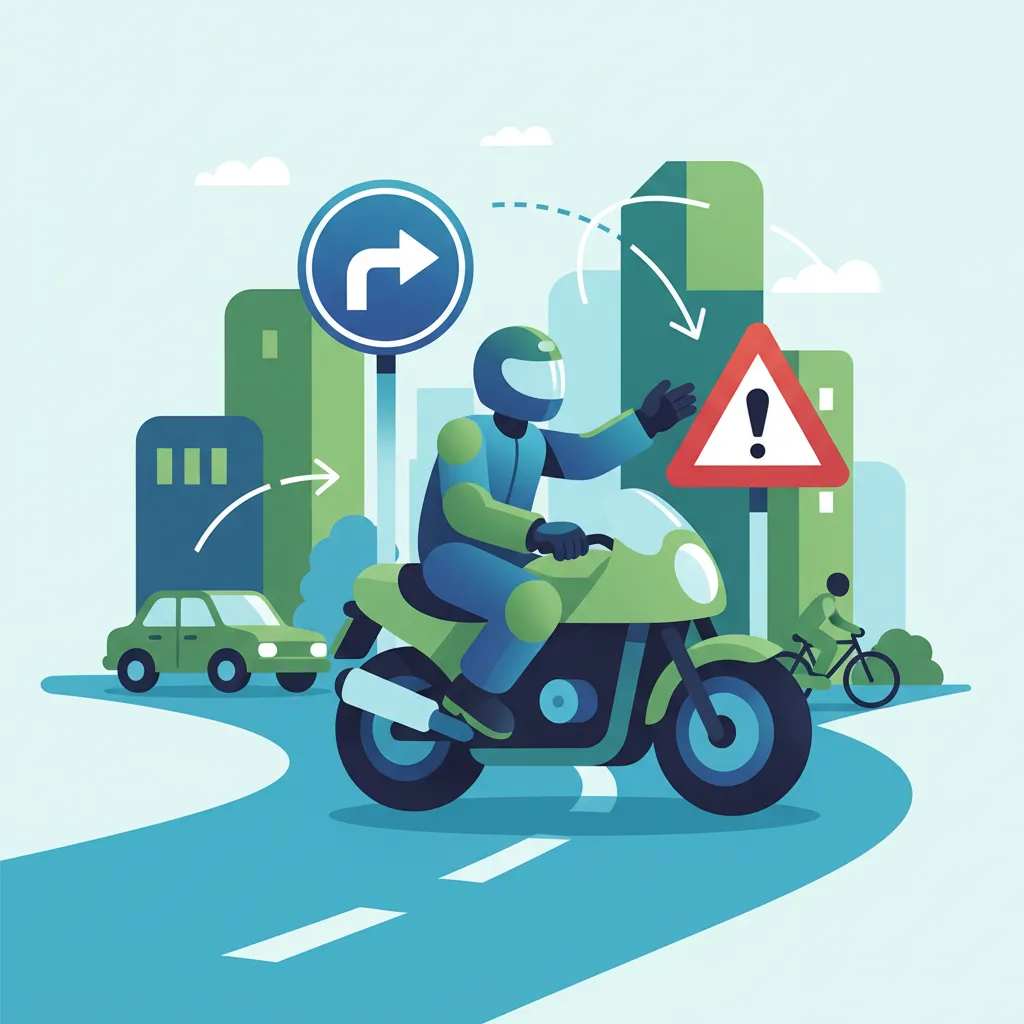
This comprehensive course provides the essential knowledge for the Dutch CBR Category A motorcycle theory exam. It delves into Dutch traffic legislation, road sign interpretation, priority rules, and advanced riding techniques specific to high-performance motorcycles. Learners will explore risk psychology, emergency handling, and legal responsibilities, ensuring a thorough preparation for safe and legal riding in the Netherlands.
The Human Factors, Risk Psychology and Defensive Riding unit is a key part of the Dutch Motorcycle Theory A curriculum and helps learners in the Netherlands understand essential theory topics in a clear and practical way. Each lesson breaks down a specific theme that often appears in the Dutch driving theory exam. With structured explanations and examples taken from real traffic situations, this unit helps learners study smarter, fix common misunderstandings, and build the knowledge required for confident exam performance.
Upon completing this unit, you will possess a profound understanding of the psychological elements that influence motorcycle safety. You'll be equipped to recognize how your own perception and cognitive biases, as well as the effects of stress and fatigue, impact your decision-making. This knowledge is vital for navigating complex traffic situations safely and for excelling in the more nuanced questions on the CBR theory exam. You will internalize the principles of advanced defensive riding, enabling you to anticipate potential hazards, mitigate risks proactively, and adopt a safety-first mindset that extends far beyond the exam, promoting responsible and survivable riding practices throughout your motorcycle career in the Netherlands.


This unit is ideal for all Category A motorcycle learners preparing for their Dutch CBR theory exam. It's especially beneficial for riders who want to deepen their understanding beyond basic rules, focusing on the psychological aspects of safe riding and advanced defensive strategies.
See all lessonsExplore key lessons that shape the Human Factors, Risk Psychology and Defensive Riding unit in the Dutch Motorcycle Theory A curriculum. These lessons focus on exam related topics, important rules, and practical skills that help you progress faster and prepare effectively for the driving theory exam in the Netherlands.

Cognitive biases like optimism bias and overconfidence distort risk perception, leading to dangerous mistakes for motorcycle riders. For Category A learners in the Netherlands, understanding and counteracting these mental traps is critical for passing the CBR theory exam and practicing safe, defensive riding on Dutch roads by focusing on essential human factors.

This lesson teaches how stress and fatigue significantly impair motorcycle riding decisions. Learn vital self-assessment techniques to ensure you're always fit to ride, crucial for your Dutch CBR Category A exam and road safety.

This lesson teaches Dutch Category A motorcyclists essential strategies to safely deal with aggressive driving and road rage, emphasizing de-escalation and prioritizing personal safety over confrontation for the CBR exam.

Master advanced defensive riding ('verdedigend rijden') by proactively scanning, anticipating hazards, and managing space. This crucial mindset prepares you for complex situations and the Dutch Category A theory exam, ensuring safer riding through constant risk assessment and mitigation strategies. It moves beyond rules to actively controlling your environment for maximum safety on the road and success in your test for Category A license in NL.

Learn the IPDE model to systematically assess risks, predict hazards, and make safe decisions while riding your motorcycle. Essential for passing your Dutch Category A theory exam and staying safe on the road.

Master psychological strategies like commentary riding and 'what-if' scenarios to sharpen motorcycle hazard anticipation. Boost focus, improve reaction time, and prepare for the Dutch CBR A theory exam.

This lesson emphasizes that passing your theory exam is the start, not the end. Learn why continuous learning and skill maintenance are vital for lifelong safe riding as a Dutch motorcyclist, preparing you for real-world challenges beyond the CBR test. It encourages ongoing training and self-reflection to stay sharp and confident on the road.
Get answers to common questions about the Human Factors, Risk Psychology and Defensive Riding unit and how it fits within the Dutch Motorcycle Theory A curriculum. Learn how long the unit takes, how the lessons are structured, and how this unit supports your preparation for the driving theory exam in the Netherlands.

The Human Factors, Risk Psychology and Defensive Riding unit stands out because it teaches essential topics in a way that is simple, clear, and focused on exam success. All content is aligned with real requirements in the Netherlands and designed to help learners build practical understanding, not just memorise facts. Whether you are revising or learning the material for the first time, this unit provides reliable guidance that supports measurable progress inside the Dutch Motorcycle Theory A curriculum.
Discover additional units that form the complete Dutch Motorcycle Theory A curriculum. These units cover a wide range of essential topics that help learners in the Netherlands strengthen their understanding of road rules, traffic behaviour, and exam relevant theory. Exploring the other units gives you a broader view of the full learning path and helps you continue your progress with confidence.

Grasp the legal framework, rider obligations, and CBR exam structure for your Dutch Category A motorcycle theory test. Essential for safe and legal riding.
7 lessons
Master all Dutch road signs, signals, and markings crucial for Category A motorcyclists. Essential preparation for the CBR theory exam and safe riding.
7 lessons
Master Dutch priority rules ('voorrangsregels') and intersection navigation. Learn to handle junctions, roundabouts, trams, and emergency vehicles safely for your CBR exam.
7 lessons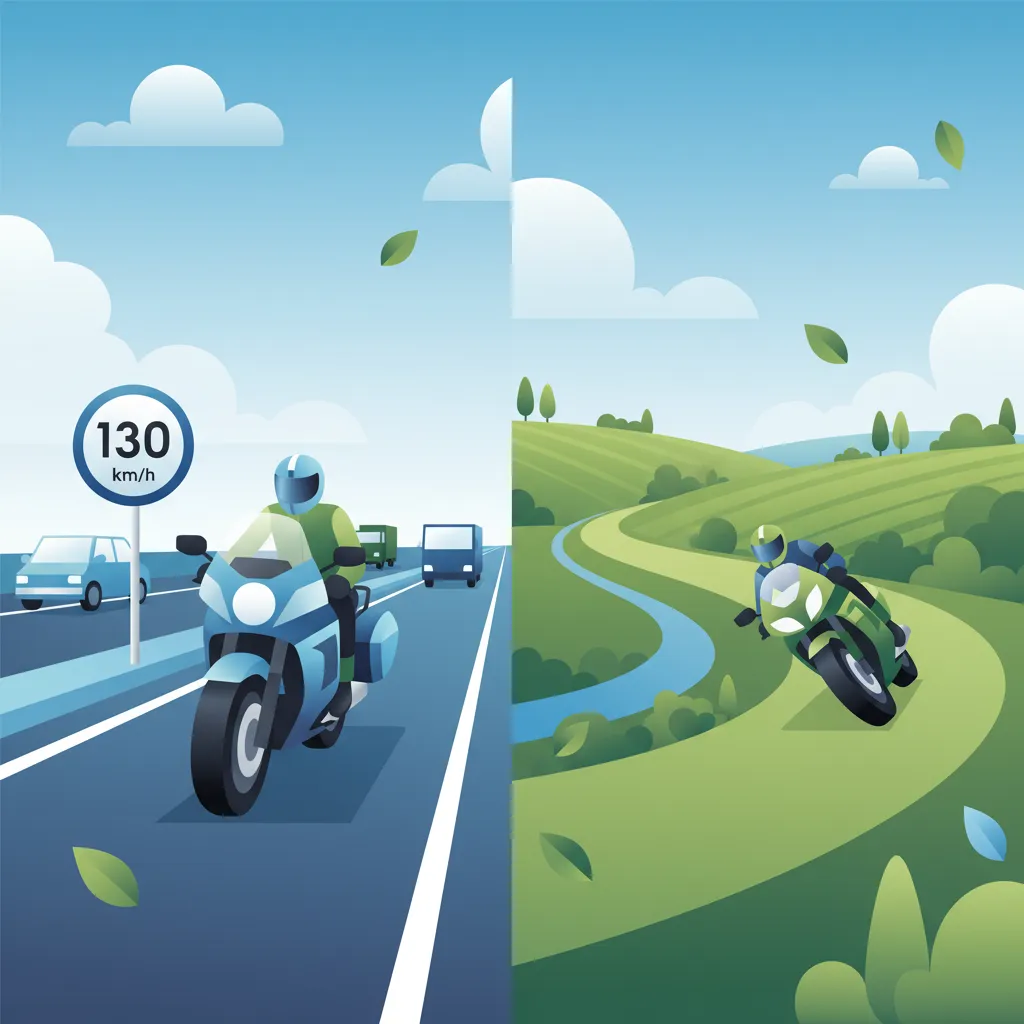
Learn Dutch speed limits for Category A motorcycles and how to choose a safe speed for any situation, including cornering physics and environmental factors. Essential for your CBR theory test.
7 lessons
Learn critical motorcycle survival skills: hazard perception, safe following distances using the two-second rule, and blind spot management for the Dutch theory exam.
7 lessons
Master advanced control techniques for powerful motorcycles, including counter-steering, lean management, and high-speed cornering for the Dutch Category A theory exam.
7 lessons
Master safe motorcycle riding in adverse weather and at night. Learn essential techniques for rain, ice, fog, and darkness to pass your Dutch Category A CBR theory exam.
7 lessons
Master Dutch highway and tunnel riding strategies, including safe merging, lane discipline, and emergency tunnel procedures, crucial for your Category A theory exam.
7 lessons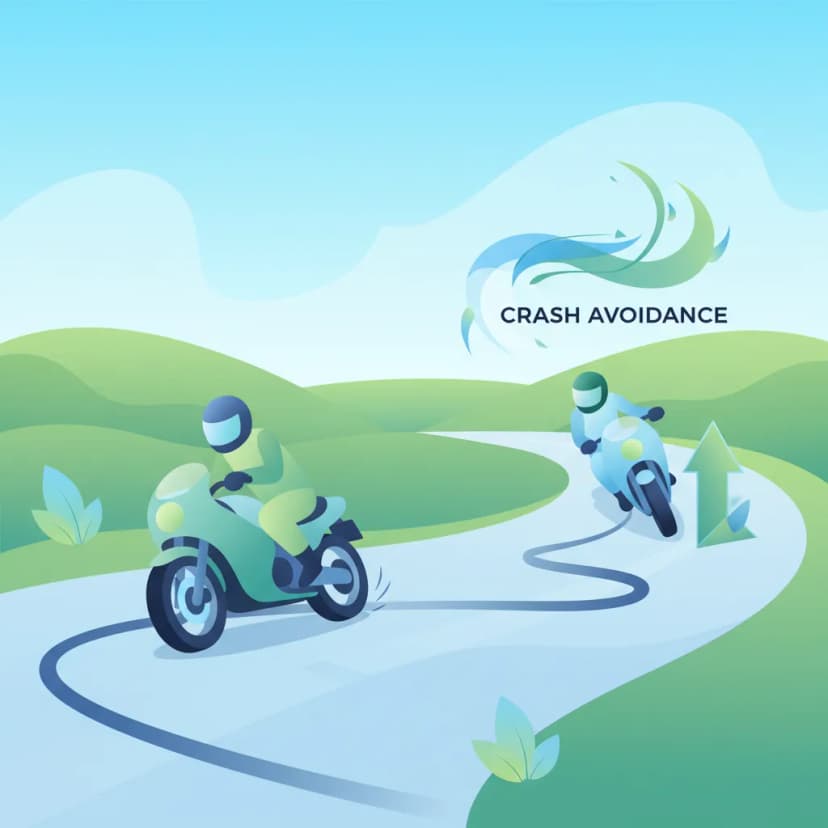
Learn essential emergency braking, crash avoidance, and accident handling skills crucial for motorcycle safety and passing your Dutch theory exam. Be prepared for the unexpected.
7 lessons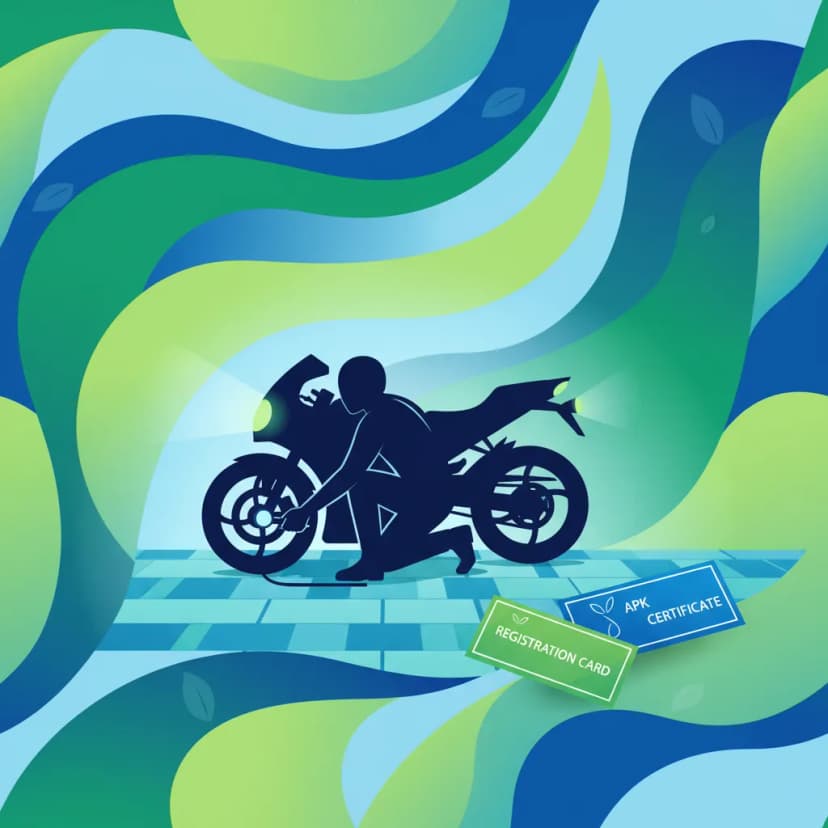
Master motorcycle checks, maintenance, and required legal documents to ensure safety and compliance with Dutch law for your CBR Category A theory test.
7 lessons
Understand your legal duties, handle police interactions, and prepare for international motorcycle riding. Essential for the Dutch CBR A theory exam.
7 lessonsStart studying the Human Factors, Risk Psychology and Defensive Riding unit and continue your progress in the Dutch Motorcycle Theory A curriculum. With structured lessons, real examples, and clear explanations, this unit helps you study confidently and prepare effectively for the Dutch driving theory exam in the Netherlands.