

Logo
Learn with Dutch Theory Courses

Dutch Motorcycle Theory A: Aggressive Driving Behaviours and De-Escalation

Aggressive Driving Behaviours and De-Escalation lesson overview image

This lesson equips riders with strategies for dealing with aggressive driving or 'road rage' from other road users. It teaches techniques for de-escalation, which primarily involve not engaging with the aggressor, creating space, and letting the other vehicle pass. The core principle is to prioritize personal safety over ego, recognizing that winning a confrontation on the road is never as important as arriving safely at your destination.
Aggressive DrivingRoad RageDe-escalationMotorcycle SafetyHuman FactorsCBR Theory
Dutch Motorcycle Theory A curriculum

Part of the full Dutch Motorcycle Theory A curriculum

The Aggressive Driving Behaviours and De-Escalation lesson belongs to the structured Dutch Motorcycle Theory A curriculum, a complete learning program designed to help learners in the Netherlands master every key topic required for the Dutch driving theory exam. By studying this lesson, you continue building the knowledge, traffic awareness, and exam readiness developed throughout the units of the curriculum.
motorcycle theorycategory ADutch driving theoryCBR examroad signspriority ruleshazard perceptiontraffic lawNetherlandstheory prepsafe riding
Dutch Motorcycle Theory A curriculum image

Dutch Motorcycle Theory – Category A Comprehensive Preparation

This comprehensive course provides the essential knowledge for the Dutch CBR Category A motorcycle theory exam. It delves into Dutch traffic legislation, road sign interpretation, priority rules, and advanced riding techniques specific to high-performance motorcycles. Learners will explore risk psychology, emergency handling, and legal responsibilities, ensuring a thorough preparation for safe and legal riding in the Netherlands.

12 units84 lessons
View curriculum

Why the Aggressive Driving Behaviours and De-Escalation lesson matters

The Aggressive Driving Behaviours and De-Escalation lesson explains one of the most important subjects in the Human Factors, Risk Psychology and Defensive Riding unit of the Dutch Motorcycle Theory A curriculum. It focuses on essential exam content that every learner in the Netherlands needs for the Dutch driving theory exam. Through clear explanations, practical examples, and real traffic situations, this lesson helps you understand how the rules work in practice and strengthens your overall exam preparation.

Browse curriculum
Learning objectives

What you will learn in the Aggressive Driving Behaviours and De-Escalation lesson

Identify common aggressive driving behaviours on Dutch roads.
Apply effective de-escalation techniques when confronted by road rage.
Understand the importance of creating space and non-engagement to prioritize safety.
Recognize how aggressive driving scenarios are typically presented in the Dutch CBR theory exam.
Develop a mindset that prioritizes personal safety over confrontation in traffic situations.
What you will gain

What you will understand after completing the Aggressive Driving Behaviours and De-Escalation lesson

Upon completing this lesson, you will be proficient in identifying various forms of aggressive driving and knowing how to respond effectively without escalating the situation. You will understand that the most crucial aspect is your personal safety, not winning a confrontation. This knowledge is not only vital for passing the Dutch CBR Category A theory exam, where scenarios involving difficult road users may appear, but also for ensuring your well-being on the road.

You will learn practical de-escalation techniques, such as creating distance, avoiding eye contact, and allowing aggressors to pass, all while maintaining calm and control. This lesson reinforces the importance of defensive riding, enabling you to confidently navigate stressful traffic situations and reduce your risk of becoming involved in an incident triggered by another driver's behaviour. Ultimately, you will gain the psychological tools to maintain a safe and legal riding experience.


Start reading topics
a modern, dynamic vector illustration of a learner sitting at a desk using a laptop, with floating simplified Dutch road signs, a car silhouette, and a bicycle lane icon around them.
Who should study this

Learners who benefit the most from the Aggressive Driving Behaviours and De-Escalation lesson

This lesson is ideal for Category A motorcycle theory learners who want to confidently handle challenging road interactions. It's particularly helpful for those seeking strategies to maintain composure and safety when encountering aggressive drivers, a common real-world scenario and potential exam topic.

View all lesson topics
Questions

FAQs about the Aggressive Driving Behaviours and De-Escalation lesson

Find answers to common questions about the Aggressive Driving Behaviours and De-Escalation lesson, including how it connects to the Human Factors, Risk Psychology and Defensive Riding unit and the full Dutch Motorcycle Theory A curriculum. Learn how long the lesson takes, what topics it covers, and how it supports your preparation for the driving theory exam in the Netherlands.

a modern, dynamic vector illustration of a learner sitting at a desk using a laptop, with floating simplified Dutch road signs, a car silhouette, and a bicycle lane icon around them.

Why learners trust the Aggressive Driving Behaviours and De-Escalation lesson

The Aggressive Driving Behaviours and De-Escalation lesson is designed to make complex driving theory topics easier to understand. Content is written in a clear and practical way, aligned with exam expectations in the Netherlands, and supported by examples that reflect real traffic situations. Whether you are reviewing or starting from scratch, this lesson helps you study efficiently and make steady progress inside the Dutch Motorcycle Theory A curriculum.

Covers all important concepts linked to this lessonCreated using exam relevant topics from the NetherlandsEvery topic explained using real world traffic situationsLesson layout that guides you step by stepReflects the latest rules required for the driving theory examStrengthens your preparation for the Dutch theory exam
Start now

More units in the Dutch Motorcycle Theory A curriculum

Explore additional units that make up the complete Dutch Motorcycle Theory A curriculum. Each unit focuses on important driving theory subjects, helping learners in the Netherlands build strong exam knowledge and improve understanding of rules, signs, and traffic behaviour.

Fundamentals of Motorcycle Theory & Dutch Traffic Law unit image
1

Fundamentals of Motorcycle Theory & Dutch Traffic Law

Grasp the legal framework, rider obligations, and CBR exam structure for your Dutch Category A motorcycle theory test. Essential for safe and legal riding.

7 lessons

Learn more
Road Signs and Signals for Motorcyclists unit image
2

Road Signs and Signals for Motorcyclists

Master all Dutch road signs, signals, and markings crucial for Category A motorcyclists. Essential preparation for the CBR theory exam and safe riding.

7 lessons

Learn more
Priority Rules and Intersection Navigation unit image
3

Priority Rules and Intersection Navigation

Master Dutch priority rules ('voorrangsregels') and intersection navigation. Learn to handle junctions, roundabouts, trams, and emergency vehicles safely for your CBR exam.

7 lessons
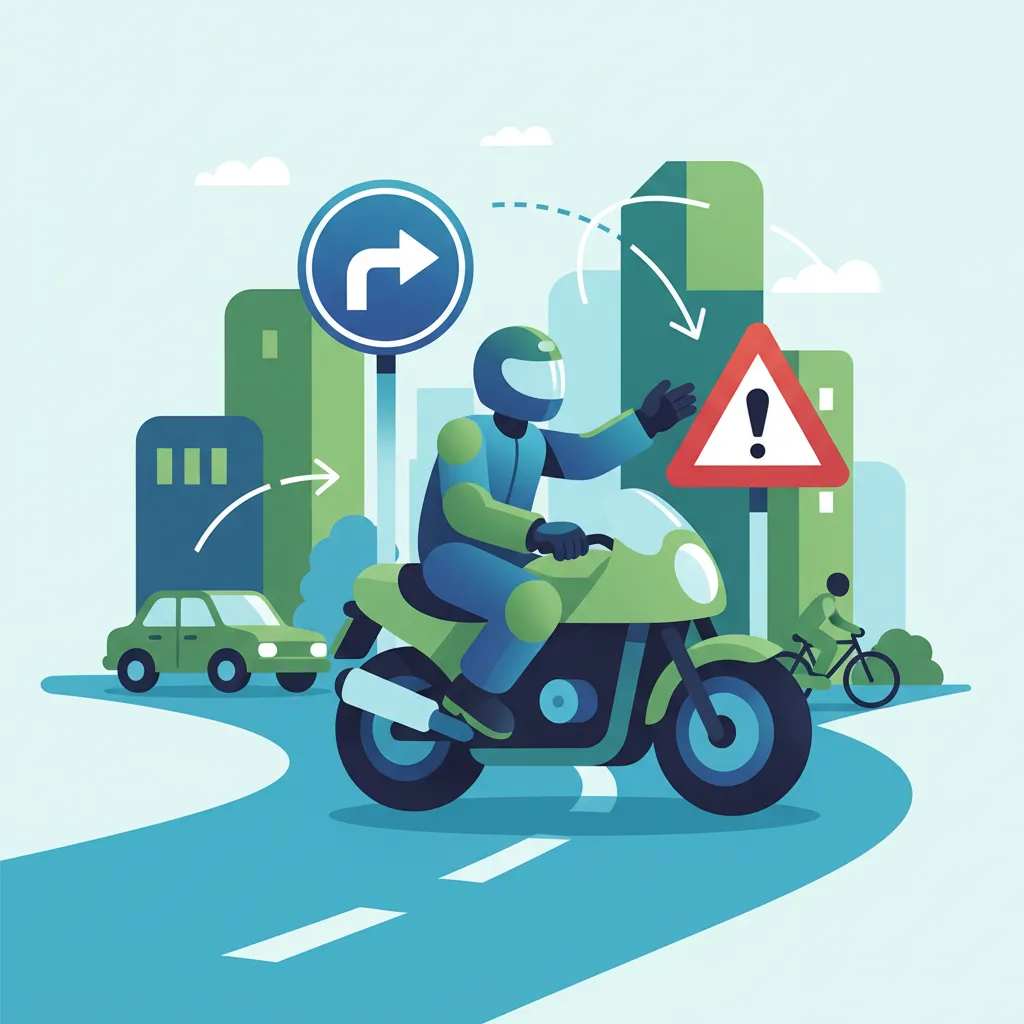
Learn more
Speed Management and Legal Limits unit image
4

Speed Management and Legal Limits

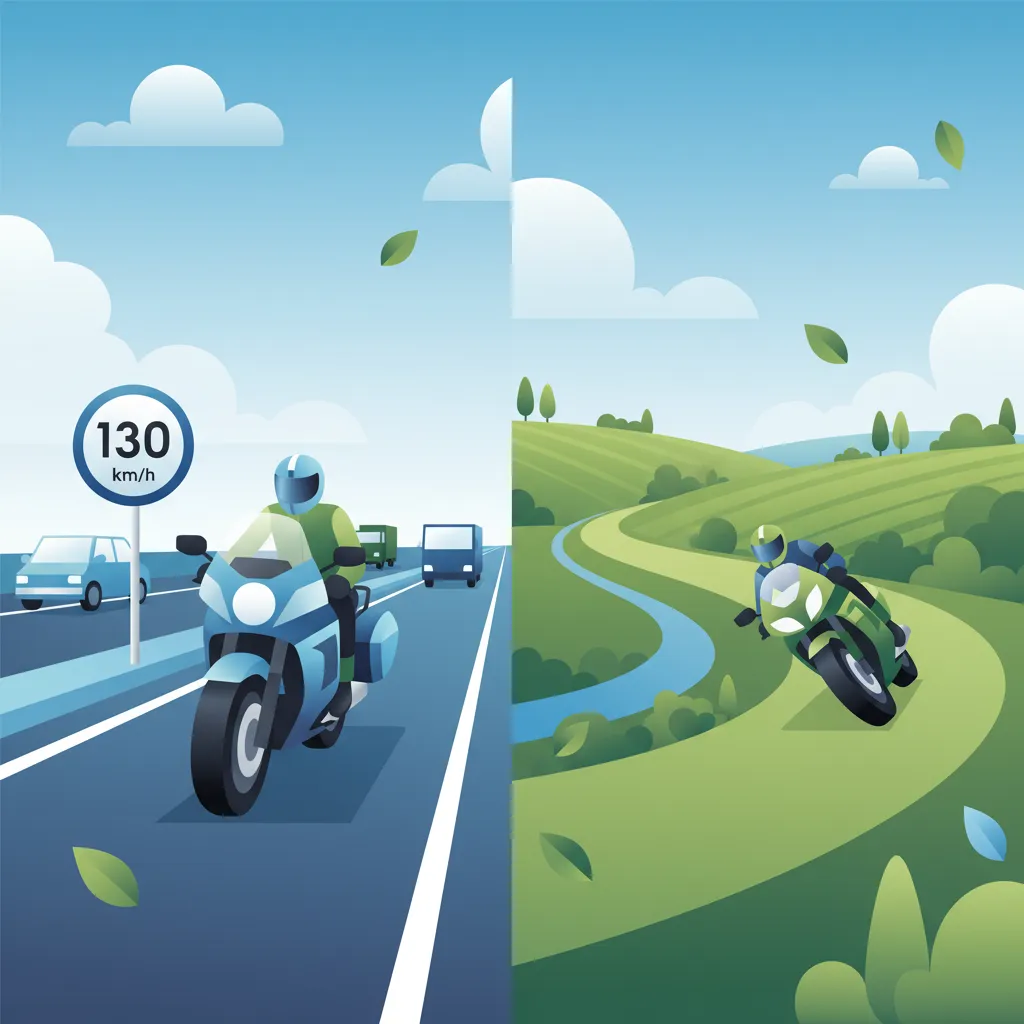
Learn Dutch speed limits for Category A motorcycles and how to choose a safe speed for any situation, including cornering physics and environmental factors. Essential for your CBR theory test.

7 lessons

Learn more
Safe Following Distance and Hazard Perception unit image
5

Safe Following Distance and Hazard Perception

Learn critical motorcycle survival skills: hazard perception, safe following distances using the two-second rule, and blind spot management for the Dutch theory exam.

7 lessons

Learn more
Advanced Riding Techniques and High-Speed Control unit image
6

Advanced Riding Techniques and High-Speed Control

Master advanced control techniques for powerful motorcycles, including counter-steering, lean management, and high-speed cornering for the Dutch Category A theory exam.

7 lessons

Learn more
Riding in Adverse Weather and Night Conditions unit image
7

Riding in Adverse Weather and Night Conditions

Master safe motorcycle riding in adverse weather and at night. Learn essential techniques for rain, ice, fog, and darkness to pass your Dutch Category A CBR theory exam.

7 lessons

Learn more
Highway and Tunnel Riding Strategies unit image
8

Highway and Tunnel Riding Strategies

Master Dutch highway and tunnel riding strategies, including safe merging, lane discipline, and emergency tunnel procedures, crucial for your Category A theory exam.

7 lessons
Learn more
Emergency Braking, Crash Avoidance and Accident Handling unit image
9

Emergency Braking, Crash Avoidance and Accident Handling

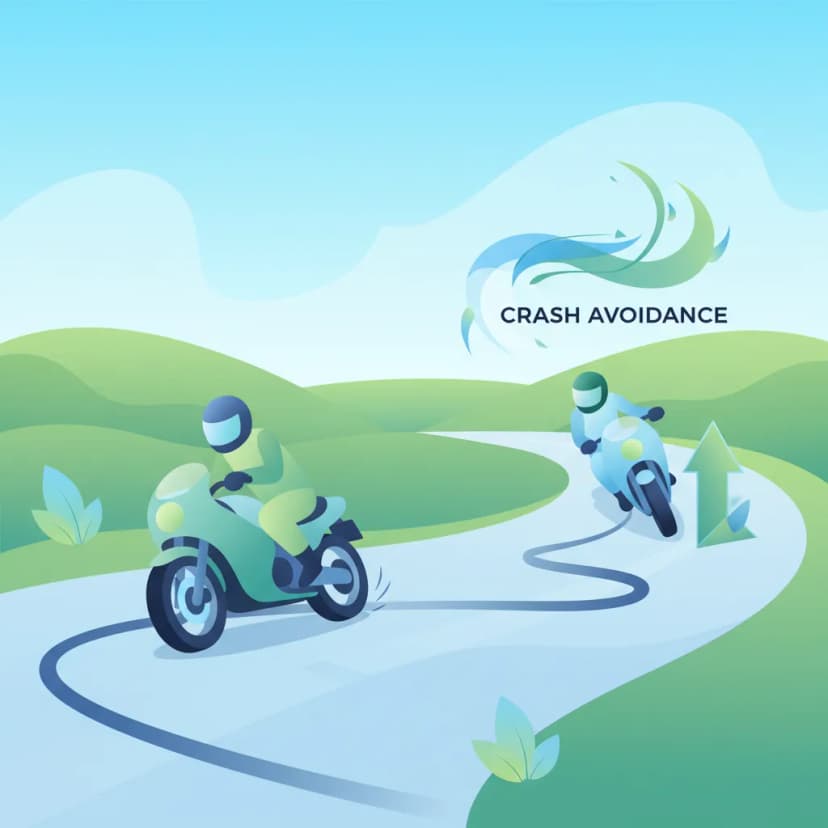
Learn essential emergency braking, crash avoidance, and accident handling skills crucial for motorcycle safety and passing your Dutch theory exam. Be prepared for the unexpected.

7 lessons
Learn more
Vehicle Inspection, Maintenance, and Documentation unit image
10

Vehicle Inspection, Maintenance, and Documentation

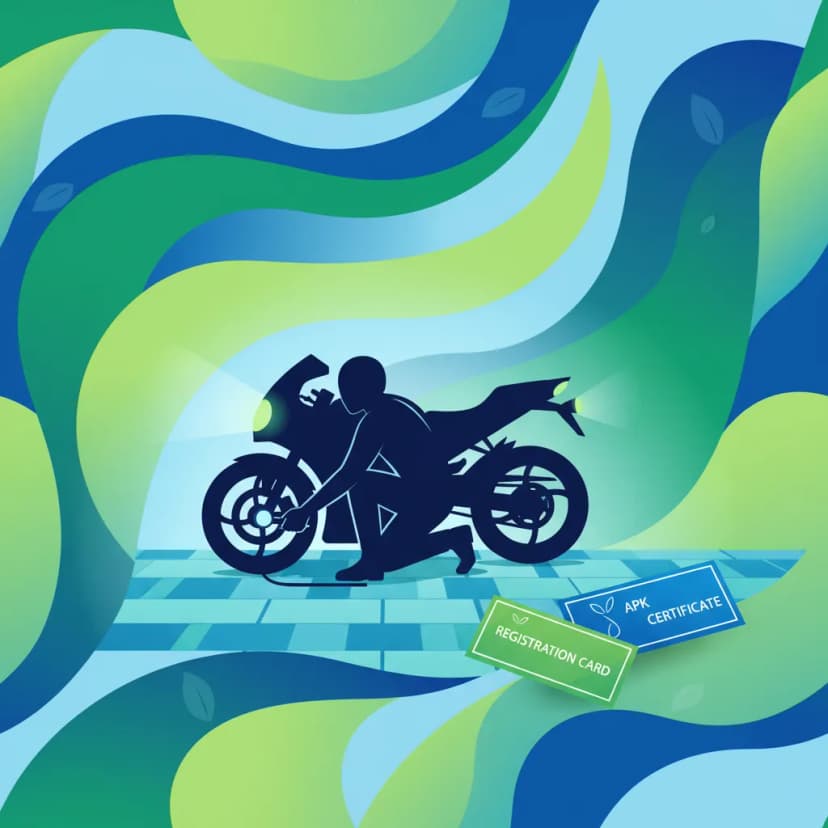
Master motorcycle checks, maintenance, and required legal documents to ensure safety and compliance with Dutch law for your CBR Category A theory test.

7 lessons

Learn more
Legal Responsibilities, Police Interaction, and International Riding unit image
11

Legal Responsibilities, Police Interaction, and International Riding

Understand your legal duties, handle police interactions, and prepare for international motorcycle riding. Essential for the Dutch CBR A theory exam.

7 lessons

Learn more
Human Factors, Risk Psychology and Defensive Riding unit image
12

Human Factors, Risk Psychology and Defensive Riding

Master the human factors, risk psychology, and defensive riding strategies crucial for passing your Dutch motorcycle theory test and ensuring lifelong road safety.

7 lessons
Learn more

Start the Aggressive Driving Behaviours and De-Escalation lesson today

Begin studying the Aggressive Driving Behaviours and De-Escalation lesson and keep advancing through the Dutch Motorcycle Theory A curriculum. With clear explanations, structured topics, and practical examples, this lesson helps you learn confidently and prepare more effectively for the Dutch driving theory exam in the Netherlands.

Start the lesson

Explore more content on Dutch driving theory

Dutch road signsDutch article topicsSearch Dutch road signsDutch driving theory homeDutch road sign categoriesSearch Dutch theory articlesDutch driving theory coursesDutch Driving Theory B courseDutch driving theory articlesDutch driving theory practiceDutch practice set categoriesDutch Driving Theory AM courseDutch Motorcycle Theory A courseDutch A1 Motorcycle Theory courseDutch Motorcycle Theory (A2) courseSearch Dutch driving theory practiceTowing, Trailers, and Loads unit in Dutch Driving Theory BRoadway Access & Navigation unit in Dutch Driving Theory AMVehicle Positioning and Lane Use unit in Dutch Driving Theory BHuman Factors & Risk Management unit in Dutch Driving Theory AMInfrastructure and Special Roads unit in Dutch Driving Theory BLegal Foundations & Vehicle Types unit in Dutch Driving Theory AMLegal Responsibilities & Incident Procedures unit in Dutch Driving Theory AMHighway (Autosnelweg) Rules for Motorcycles unit in Dutch Motorcycle Theory (A2)Advanced Riding Techniques and High-Speed Control unit in Dutch Motorcycle Theory AAccident Management, Legal Responsibilities & Substance Use unit in Dutch A1 Motorcycle TheorySituational Risk Assessment Models lesson in Human Factors, Risk Psychology and Defensive RidingContinuous Learning and Skill Maintenance lesson in Human Factors, Risk Psychology and Defensive RidingAggressive Driving Behaviours and De-Escalation lesson in Human Factors, Risk Psychology and Defensive RidingPsychological Strategies for Hazard Anticipation lesson in Human Factors, Risk Psychology and Defensive RidingCognitive Biases Affecting Riders (risicoperceptie) lesson in Human Factors, Risk Psychology and Defensive RidingStress, Fatigue, and Their Impact on Decision-Making lesson in Human Factors, Risk Psychology and Defensive RidingAdvanced Defensive Riding Concepts (verdedigend rijden) lesson in Human Factors, Risk Psychology and Defensive Riding