
As electric vehicles become more common, understanding how to care for their batteries is crucial. This lesson focuses on the specific needs of speed pedelec batteries, covering correct charging habits, the influence of environmental factors, and proper storage techniques. Mastering these points is key for both maintaining your vehicle and answering related questions accurately on your Category AM theory test.
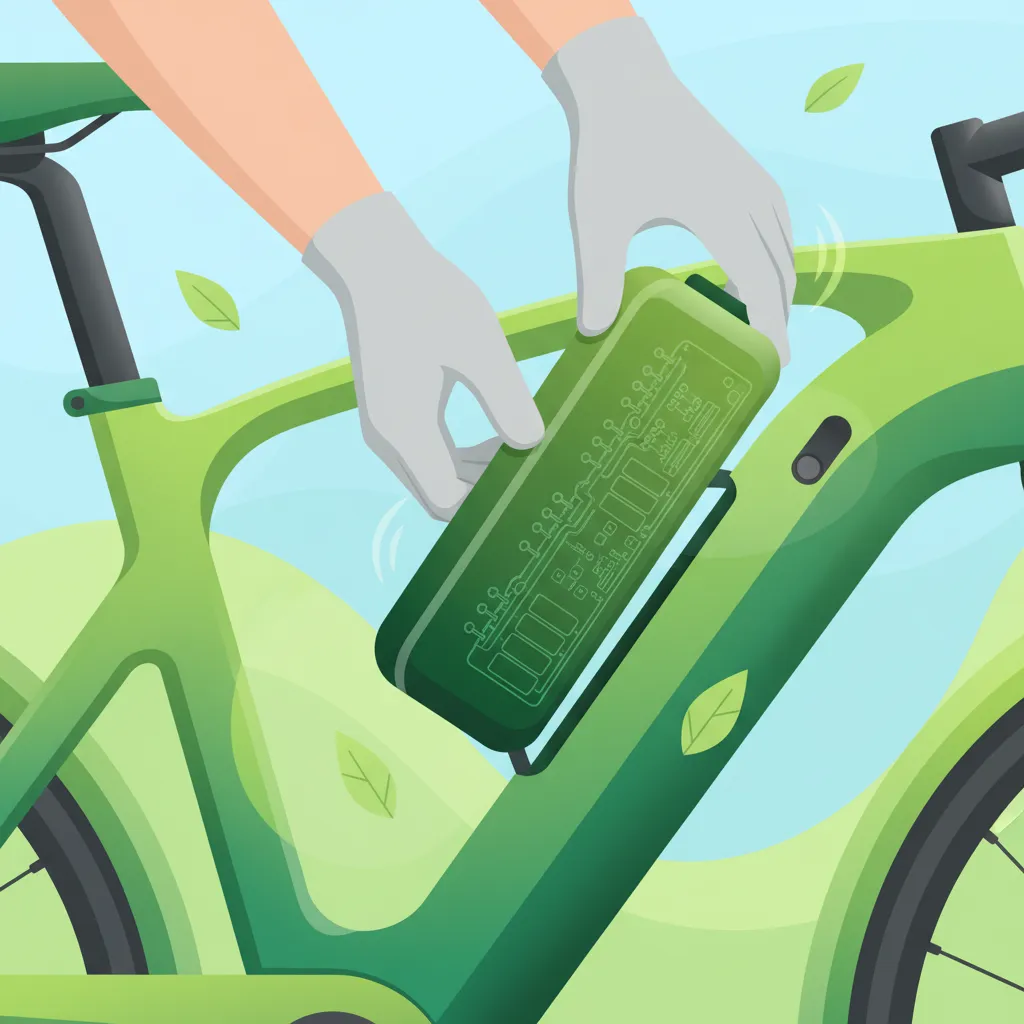
For riders aiming to pass their Dutch Driving License Theory Course for Category AM, understanding the nuances of vehicle maintenance is crucial. This includes specialized knowledge for modern electric vehicles. The battery is undeniably the core component of any speed pedelec, dictating its range, performance, and overall reliability. Proper care for this essential power source, alongside the vehicle's entire electrical system, is not merely about extending its lifespan; it is a fundamental safety measure and a legal obligation under Dutch traffic regulations. This lesson delves into the critical aspects of battery and electrical system care, equipping you with the knowledge to ensure your speed pedelec remains a safe and efficient mode of transport.
At the heart of every speed pedelec lies a sophisticated energy storage unit. These vehicles, which provide motor assistance up to 45 km/h, primarily rely on lithium-ion (Li-ion) battery technology. Understanding the fundamental chemistry and how these batteries operate is the first step towards proper maintenance.
Speed pedelecs typically use either Lithium-ion (Li-ion) or Lithium-polymer (Li-Po) battery types. Both are forms of rechargeable batteries where lithium ions move from the negative electrode to the positive electrode during discharge and back when charging.
The specific chemistry of your battery determines critical factors like its nominal voltage, the precise charging voltage requirements, the allowable depth of discharge, and its tolerance to varying temperatures. Using the correct charging equipment and following manufacturer guidelines, which are typically aligned with EU Directive 2002/24/EC and EN 15194 type-approval standards, is paramount for safety and performance.
An indispensable component of any speed pedelec battery pack is the Battery Management System (BMS). This embedded electronic system acts as the battery's guardian, constantly monitoring and protecting the individual cells within the pack.
The BMS performs several vital functions:
The BMS is a safety-critical component. Under Dutch vehicle-maintenance law, disabling or bypassing the BMS is illegal and severely compromises the safety of the vehicle and its rider. Regular checks of your speed pedelec's display for any BMS warnings or error messages are part of responsible ownership.
Proper charging is perhaps the most significant factor in prolonging your battery's life and ensuring safe operation. Following specific guidelines can dramatically impact the longevity and reliability of your speed pedelec.
State-of-Charge (SoC) refers to the current percentage of battery capacity that is stored, with 0% being empty and 100% being full. While it might seem intuitive to always fully charge your battery, lithium-ion cells experience increased stress when kept at very high (above 80%) or very low (below 20%) SoC for extended periods.
For daily use, aim to keep your speed pedelec battery's SoC between 20% and 80%. This practice significantly reduces the chemical stress on the cells, extending their overall lifespan.
A full charge (to 100%) should generally be reserved for instances where you require the maximum possible range, such as a long-distance trip. If you charge to 100%, try to start your ride shortly after charging completes rather than letting it sit at full charge for days. Conversely, avoid riding until the battery is completely drained (below 10%), as this deep discharge accelerates degradation and can even lead to the BMS cutting power unexpectedly.
Always adhere to the following procedures for safe and effective charging:
Use the Manufacturer-Specified Charger: Only use the charger supplied with your speed pedelec or an approved replacement that matches the battery's voltage and current specifications. Aftermarket chargers, especially "rapid-charge" adapters, can deliver incorrect voltage or current, bypassing BMS protections and causing damage or fire.
Inspect Charger and Cables: Before each charge, visually inspect the charger, its cables, and the charging port for any signs of damage, fraying, exposed wires, or corrosion. A damaged charger is a fire hazard.
Charge in a Stable Environment: Plug the charger into a stable AC outlet. Avoid charging in direct sunlight, in extremely hot or cold conditions, or near flammable materials. A well-ventilated, dry, and temperate location (ideally between 10°C and 25°C) is best.
Monitor the Charging Process: Although modern chargers have safety features, it is advisable to be present or nearby, especially during the first few charges or if you suspect any issues. Disconnect the charger once charging is complete, particularly if you've charged to 100% for a long ride.
Allow Cooling After Use: If you've just completed a strenuous ride, especially in warm weather, allow the battery to cool down for at least 15-30 minutes before connecting the charger. Charging a hot battery can accelerate degradation and increase thermal risks.
Under Dutch law, a damaged charger or charging cable can be considered negligent and unsafe, potentially leading to legal consequences if it contributes to an incident.
While the BMS is designed to prevent these issues, it's crucial for riders to understand the consequences of overcharging and deep discharging, as these are primary causes of battery degradation and safety incidents.
Temperature profoundly influences a lithium-ion battery's performance, capacity, and lifespan. Both extreme cold and excessive heat pose significant challenges.
When temperatures drop below 0°C, you will notice several impacts on your speed pedelec battery:
In cold conditions, store your battery indoors at room temperature. If your speed pedelec allows, consider pre-heating the battery before a long ride. When charging in winter, ensure the battery has warmed up to at least 5°C before connecting the charger.
High temperatures (above 30°C) are equally detrimental to battery health, primarily by accelerating chemical degradation.
To mitigate heat damage:
EN 15194, the EU standard for speed pedelecs, mandates that batteries must operate safely between –10°C and +45°C. However, optimal performance and longevity are achieved within a narrower range, typically 0°C to 30°C.
Beyond daily operation, how you store and protect your battery, especially during periods of inactivity, significantly influences its long-term health.
If you plan not to use your speed pedelec for an extended period (e.g., over winter, or longer than a month), follow these storage practices:
Achieve Optimal SoC: Charge the battery to approximately 40% to 60% SoC. Storing a battery fully charged or fully discharged for long periods is highly detrimental.
Remove from Bike: If possible, remove the battery from your speed pedelec. This prevents parasitic drains from the bike's electrical system.
Choose a Suitable Environment: Store the battery in a cool, dry, and well-ventilated location. Ideal temperatures are below 25°C, with low humidity. Avoid basements with excessive dampness or garages exposed to extreme temperature fluctuations.
Protect Physically: Place the battery in a protective bag or case to prevent dust accumulation and accidental physical damage, such as punctures or impacts.
Periodic Checks: For very long storage (several months), check the SoC every few months and top it up to the 40-60% range if it has self-discharged significantly.
Storing a fully charged battery indefinitely accelerates capacity loss and can lead to internal pressure buildup or swelling. The Dutch Vehicle Inspection (APK) may require proof of proper battery storage if a vehicle is inspected after a long period of inactivity, emphasizing the importance of these guidelines.
Maintaining the physical integrity and cleanliness of your battery is crucial for reliable electrical contact and preventing internal damage.
Dutch law requires all electrical connections to be in good condition. A corroded or faulty connector can be deemed a "defect" under RVV 1990 Article 37, potentially leading to fines or vehicle impoundment.
A speed pedelec's electrical system extends beyond just the battery pack. The wiring, connectors, and protective fuses that link the battery to the motor, controller, lights, and display are equally vital for safe and reliable operation.
Routine visual inspections can prevent many electrical issues:
Dutch vehicle inspection mandates that all wiring be intact, without exposed conductors, as per RVV 1990 § 39.
Most speed pedelec electrical systems incorporate fuses or circuit breakers. These are critical safety devices designed to protect the battery and other components from over-current situations caused by short circuits or component failures.
The inherent energy density of lithium-ion batteries means that while safe under normal conditions, they can pose significant risks if mishandled or damaged. Understanding and adhering to safety precautions is non-negotiable.
Thermal runaway is the most severe risk associated with lithium-ion batteries. It is an uncontrolled self-heating process that can lead to rapid gas release, smoke, fire, or even explosion.
If you observe any signs of thermal runaway, immediately stop using the battery. If possible and safe, move the battery to a non-flammable outdoor location, such as a concrete surface, and place it in a fire-proof container (e.g., a metal bucket filled with sand). Do NOT attempt to extinguish a lithium-ion battery fire with water, as it can worsen the situation. Use a Class D fire extinguisher if available, or sand. Call emergency services immediately.
The Netherlands mandates that any vehicle with a damaged battery (showing swelling, leakage, or fire damage) must be taken out of service until professionally repaired or replaced, according to the "Regeling Voertuiginspectie" (Vehicle Inspection Regulation).
High-voltage battery packs carry a risk of electric shock if handled improperly. Additionally, damaged cells can leak electrolytes, which are corrosive and toxic.
The Electrical Safety Act (Arbowet) in the Netherlands, specifically Article 2, recommends that maintenance on high-voltage components should only be performed by individuals with proper training and protective equipment. DIY repairs on internal battery components or the BMS are strongly discouraged and can be extremely dangerous.
Operating a speed pedelec in the Netherlands means adhering to specific regulations designed to ensure road safety and environmental protection. Battery care plays a direct role in meeting these legal requirements.
The Dutch Road Traffic Regulations (Reglement Verkeersregels en Verkeerstekens 1990, or RVV 1990) include general provisions that mandate vehicles to be kept in a road-worthy condition.
Vehicles participating in traffic must be kept in such a condition that they do not endanger road safety. This implies that all components, including electrical systems, lights, and brakes, must be functional and safely secured.
For speed pedelecs, this means the battery, its housing, and all associated electrical connections must be free from damage, securely mounted, and operating correctly. A visibly damaged battery, frayed charging cable, or corroded connections can lead to penalties during a roadside check or if involved in an incident.
Speed pedelecs fall under European Union regulations, specifically requiring EN 15194 type-approval. This standard sets out safety requirements and test methods for electrically power-assisted cycles (EPAC), including speed pedelecs.
The European standard for electrically power assisted cycles, ensuring safety and performance requirements for vehicles like speed pedelecs (max 45 km/h, 250 W continuous motor power). It mandates the inclusion of a BMS that prevents over-charge, over-discharge, over-current, and overheating.
This standard guarantees a baseline level of safety for batteries and their BMS, ensuring they are designed to prevent common failure modes. Riders should never modify or bypass the original, type-approved components of their speed pedelec, especially the battery or BMS.
Furthermore, EU Directive 2002/24/EC (and subsequent amendments like EU Battery Directive 2006/66/EC) governs battery labeling and safety, requiring batteries to display clear information on charging voltage, maximum current, and safe operating/storage temperature ranges. Always refer to these labels.
Under the Dutch Vehicle Inspection Regulation (Voertuiginspectie), owners are responsible for ensuring their speed pedelec remains road-worthy. This includes:
Mistakes in battery care often stem from misunderstanding or convenience. Being aware of common pitfalls and adopting best practices can prevent significant issues.
Wrong: Charging your speed pedelec battery to 100% every single day, even for short trips. Correct: For routine daily rides, charge your battery only to about 80% SoC. Reserve full 100% charges for long journeys where maximum range is essential, and try to start riding shortly after it finishes charging. Consequence: Daily full charges accelerate chemical degradation, leading to premature capacity loss and reduced overall battery lifespan.
Wrong: Leaving your fully charged battery in a hot garage or direct sunlight for weeks. Correct: If storing for more than a few days, charge the battery to 40-60% SoC and store it in a cool, dry place, ideally between 10-25°C. Consequence: High SoC combined with high temperatures dramatically increases the rate of capacity fade, making the battery lose significant range over just a few months.
Wrong: Using a damaged charger, or one with an incorrect voltage or current rating, because it fits the port. Correct: Always inspect your charger for any signs of damage (frayed cables, bent pins). Only use the charger provided by the manufacturer or an approved replacement that exactly matches your battery's specifications. Consequence: An incorrect or damaged charger can bypass the BMS, leading to overcharging, overheating, short circuits, or even fire. This also voids warranty and violates safety regulations.
Wrong: Attempting to perform DIY repairs on the battery's internal components, such as the BMS or individual cells. Correct: For any internal battery issues, swelling, or suspected BMS malfunction, immediately take the battery to an authorized speed pedelec service center. These components require specialized knowledge, tools, and safety training to handle. Consequence: Risk of severe electric shock, short circuits, uncontrolled thermal runaway, and voiding of warranty. It also violates Dutch vehicle-maintenance laws.
Wrong: Ignoring warning lights or error messages displayed by the speed pedelec's BMS or control panel. Correct: If your display shows a battery or system error, consult your owner's manual immediately. Stop riding if the warning indicates a critical issue (e.g., high temperature, cell imbalance). Consequence: Ignoring warnings can lead to abrupt power loss, component damage, or unsafe riding conditions.
Battery care is not a one-size-fits-all approach; it requires adaptation based on environmental factors, riding styles, and the specific demands placed on the speed pedelec.
| Condition | Impact on Battery Care | Reasoning |
|---|---|---|
| Cold Weather (< 0°C) | - Expect reduced effective capacity (up to 30% loss).- Avoid charging a battery that is below 5°C.- Store indoors. | Low temperatures slow ion movement, increasing internal resistance and decreasing available power. Charging a very cold battery can cause lithium plating, which is irreversible damage. |
| Hot Weather (> 30°C) | - Anticipate accelerated aging and slightly reduced peak power.- Allow battery to cool down before charging.- Park in shade. | Elevated temperatures accelerate chemical degradation within the cells, reducing their lifespan. Charging a hot battery adds further thermal stress. |
| Rain / High Humidity | - Ensure all battery seals and connector covers are intact.- Wipe down the battery and connections thoroughly after riding.- Avoid charging a visibly wet battery. | Water and moisture can bridge electrical contacts, leading to short circuits, corrosion, and power fluctuations. Charging a wet battery is a safety hazard due to the risk of electrical leakage or shorting. |
| Condition | Impact on Battery Care | Reasoning |
|---|---|---|
| High Load (heavy rider, cargo, steep hills) | - Leads to higher discharge rates and increased heat generation.- Monitor SoC more closely to avoid rapid deep discharge. | Drawing more power from the battery generates more internal heat (due to I²R losses). Frequent high-power demands can stress the cells and reduce overall range faster than expected. |
| Urban Stop-And-Go Traffic | - Frequent acceleration and deceleration cycles. These rapid power demands can cause more thermal cycling.- Regenerative braking may contribute charge. | Constant changes in current draw and regenerative braking (where applicable) stress the battery more than steady cruising. Ensure your BMS is functioning optimally to handle these fluctuations and prevent overcharging from regenerative braking. |
| Long-Distance Rural Ride | - Critical to start with a sufficient SoC (e.g., 90-100% if needed).- Plan potential charging stops carefully as infrastructure may be limited. | Extended range requires high initial energy reserves. A detailed route plan that includes potential charging points is vital to avoid range anxiety and being stranded due to an empty battery in remote areas. Avoid pushing the battery to 0% SoC if possible. |
By integrating these core principles into your riding and maintenance routine, you will ensure your speed pedelec battery performs optimally, lasts longer, and, most importantly, operates safely and in compliance with Dutch regulations.
Lesson content overview
Explore all units and lessons included in this driving theory course.
Explore search topics learners often look for when studying Battery Care for Speed Pedelecs and Electrical Systems. These topics reflect common questions about road rules, driving situations, safety guidance, and lesson level theory preparation for learners in the Netherlands.
Browse additional driving theory lessons that cover connected traffic rules, road signs, and common driving situations related to this topic. Improve your understanding of how different rules interact across everyday traffic scenarios.
Understand the critical role of wiring, fuses, and connectors in your speed pedelec's electrical system. Learn about inspection, protection, and compliance with Dutch regulations for safe vehicle operation.
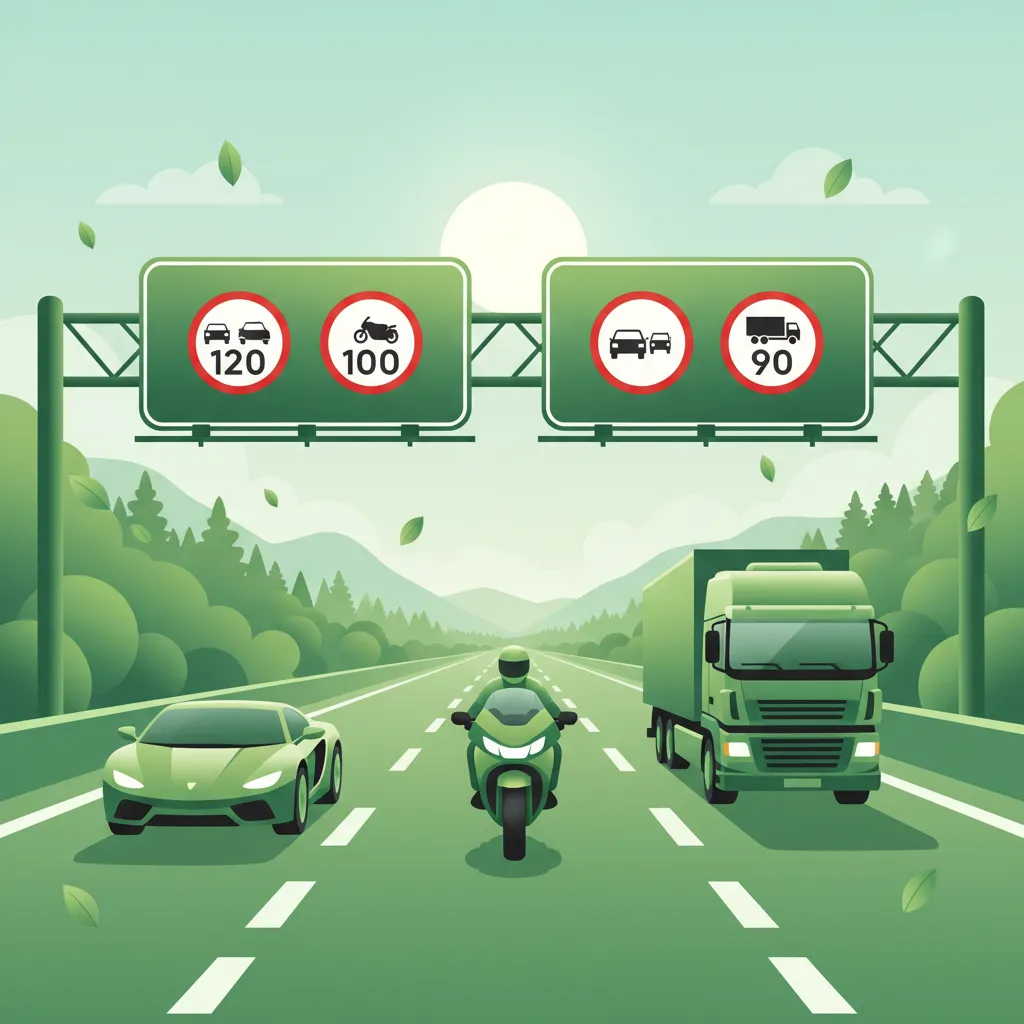
This lesson details the statutory maximum speeds for each Category AM vehicle: 25 km/h for snorfietsen, and 45 km/h for both bromfietsen and speed pedelecs on the carriageway. It explains how these limits apply within built-up areas, outside built-up areas, and on specific road types like residential zones ('woonerf'). The content covers how to interpret speed limit signs and the legal consequences of exceeding these strict limits, which is a key component of the CBR theory exam.
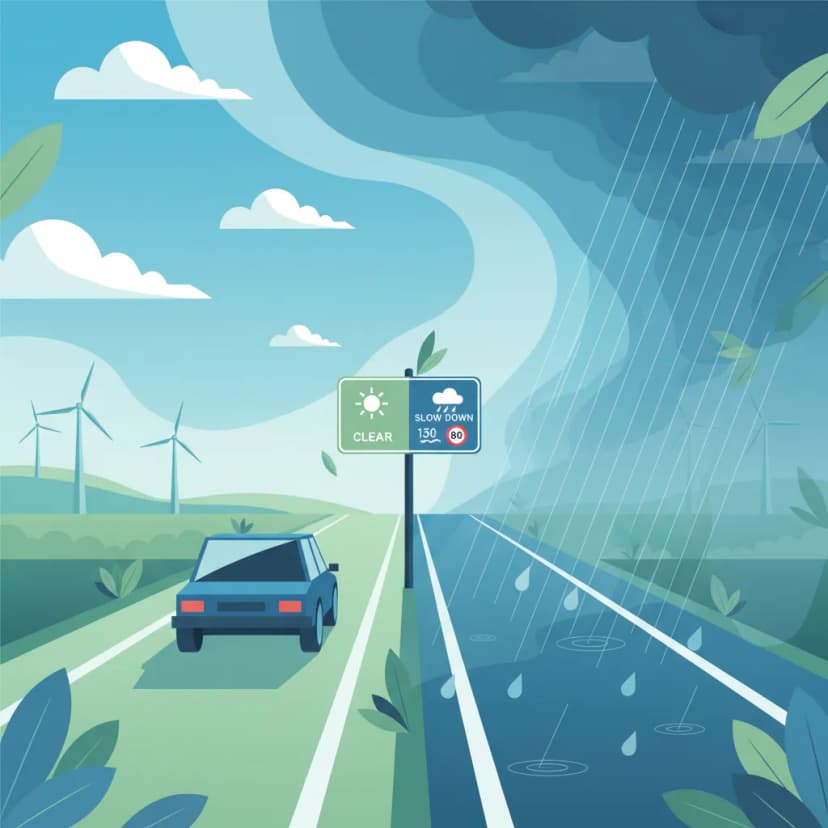
The posted speed limit is a maximum, not a target. This lesson teaches the crucial skill of adapting your speed to prevailing conditions. You will learn how to assess factors like traffic density, poor weather (rain, fog), limited visibility (at night), and slippery road surfaces. Adjusting your speed downwards in these situations provides you with more time to react to hazards and significantly reduces the risk of losing control or being involved in a collision.

This lesson details the statutory helmet regulations applicable to all Category AM vehicles. It clearly defines the mandatory helmet use for bromfiets and speed pedelec riders and the specific rules for snorfiets riders, including the required ECE safety certification for all approved helmets. The content also provides information on recommended protective gear, such as gloves and sturdy footwear, explaining how proper equipment enhances rider safety and is a key part of responsible riding culture in the Netherlands.

This lesson provides an overview of the various speed enforcement technologies and strategies used in the Netherlands. It explains the operation of fixed speed cameras ('flitspalen'), average speed check systems ('trajectcontrole'), and mobile enforcement units used by the police. Understanding these methods helps riders appreciate the high likelihood of being caught for speeding, reinforcing the importance of consistent compliance with all posted speed limits to avoid fines and other penalties.

This lesson focuses on the unique demands of riding at sustained high speeds on motorways ('snelwegen'). It covers essential topics such as strict lane discipline, safe overtaking procedures, and maintaining a greater following distance to compensate for higher reaction and braking times. The content also addresses the physical and mental challenges, including managing wind blast, increased noise levels, and maintaining heightened situational awareness over long distances to combat fatigue.

This lesson covers the full range of lights and signals required on a vehicle for visibility and communication. You will learn about the mandatory requirements for headlights, taillights, brake lights, indicators, and reflectors. The curriculum emphasizes the driver's legal responsibility to ensure all lights are clean and functional before every journey. The correct use and function of the horn as an audible warning device in case of imminent danger are also explained.

This lesson focuses on the use of specialized lights for specific situations. You will learn the strict conditions under which fog lights may be used: the rear fog light is only permitted when visibility from fog or snow is less than 50 meters, and not in rain. The lesson also explains the correct use of hazard warning lights, which are intended to warn other drivers of a stationary obstruction (like a breakdown or the tail end of a sudden traffic jam) or while being towed.

Your vehicle's lights and horn are your primary tools for seeing, being seen, and communicating warnings. This lesson guides you through a simple but vital check of all electrical components before you ride. You will learn how to verify the function of your headlight (high and low beam), taillight, brake light (using both front and rear brake levers), and turn signals. It also covers checking the horn's operation and ensuring all mandatory reflectors are clean and intact.

Riding at night presents two main challenges: seeing the road and being seen by others. This lesson covers the legal requirements for your vehicle's lighting system and how to use it effectively, including when to use high beams. It also emphasizes strategies to increase your own conspicuity, such as wearing bright or reflective clothing. You will learn how darkness affects your perception of speed and distance and how to adapt your riding to compensate for these limitations.
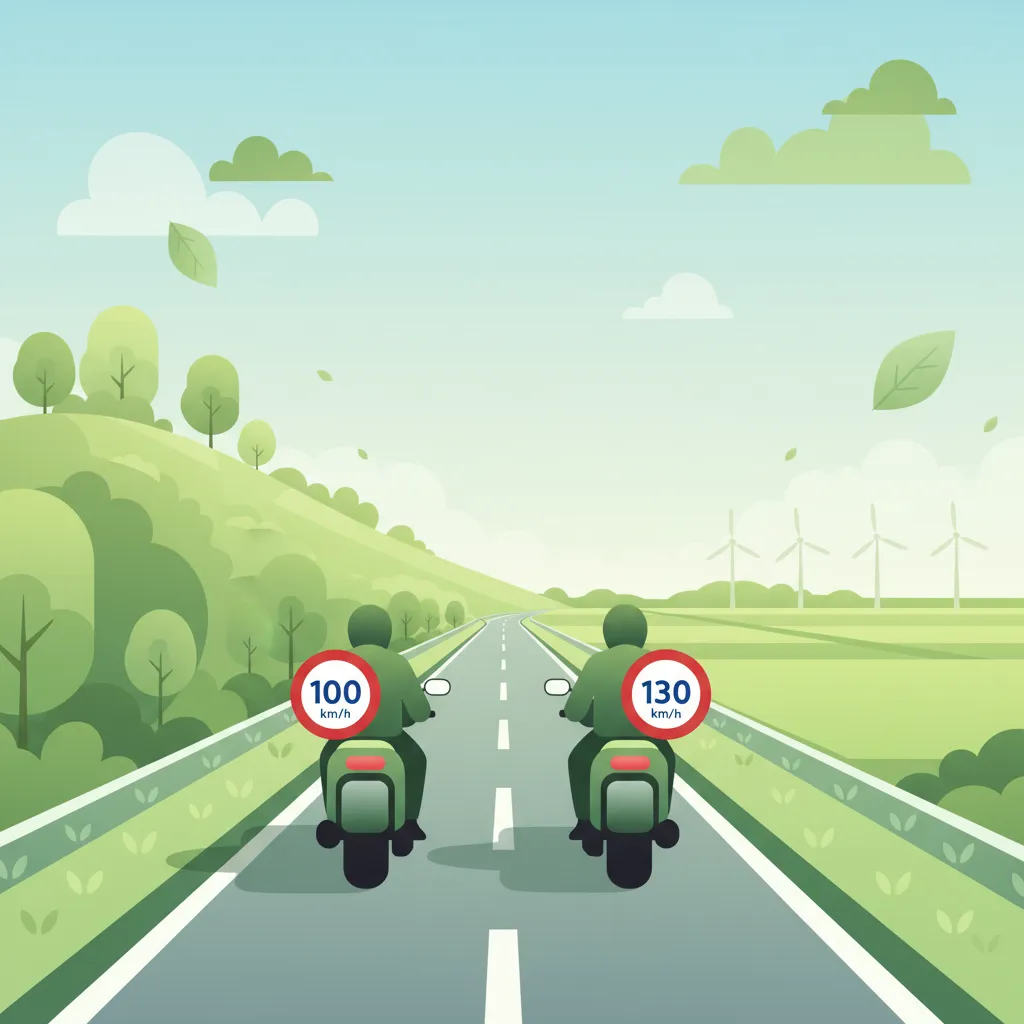
This lesson outlines the statutory national speed limits applicable to motorcycles in the Netherlands. It clearly defines the maximum permitted speeds on motorways ('snelwegen'), non-motorway rural roads ('buiten de bebouwde kom'), and within built-up areas ('binnen de bebouwde kom'). The content also addresses variations, such as time-dependent speed limits on certain motorways, ensuring riders have a complete and accurate understanding of the legal requirements for speed.
Learn about the safety hazards of speed pedelec batteries, including thermal runaway. Understand how to prevent these risks and ensure compliance with Dutch traffic laws and EU safety standards.
This lesson details the statutory helmet regulations applicable to all Category AM vehicles. It clearly defines the mandatory helmet use for bromfiets and speed pedelec riders and the specific rules for snorfiets riders, including the required ECE safety certification for all approved helmets. The content also provides information on recommended protective gear, such as gloves and sturdy footwear, explaining how proper equipment enhances rider safety and is a key part of responsible riding culture in the Netherlands.
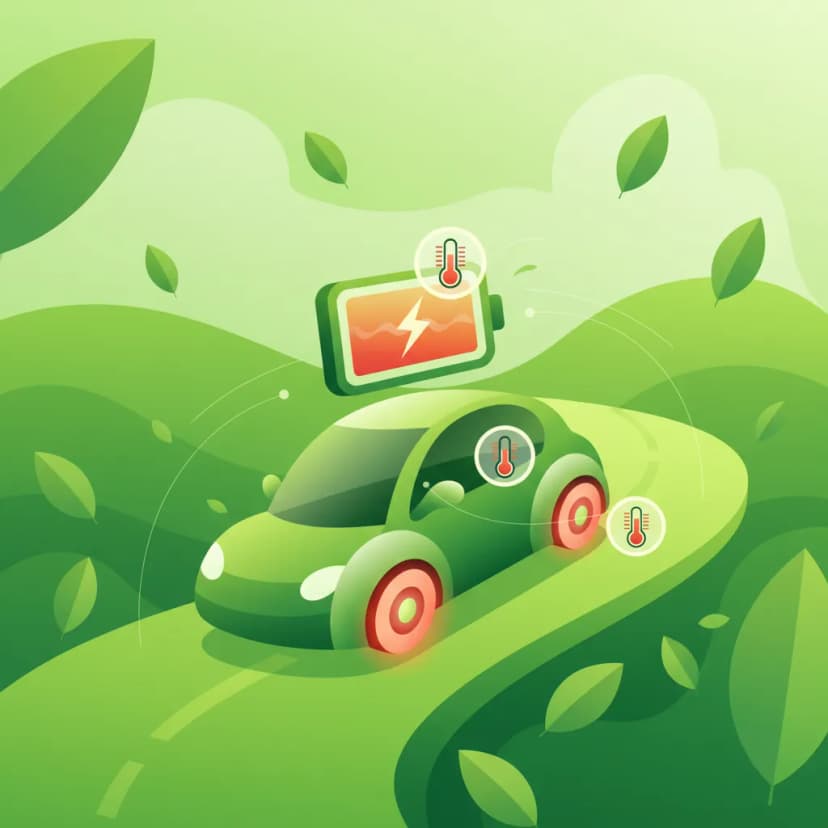
Low temperatures can negatively affect both your vehicle's performance and your own. This lesson explains how cold weather reduces tire grip, making roads more slippery even when dry, and how tire pressures can drop, requiring regular checks. For electric vehicles like speed pedelecs, it details how cold temperatures can significantly reduce battery capacity and, therefore, your effective travel range. Planning for these effects is crucial for safe and reliable winter riding.
Riding at night presents two main challenges: seeing the road and being seen by others. This lesson covers the legal requirements for your vehicle's lighting system and how to use it effectively, including when to use high beams. It also emphasizes strategies to increase your own conspicuity, such as wearing bright or reflective clothing. You will learn how darkness affects your perception of speed and distance and how to adapt your riding to compensate for these limitations.
This lesson details the statutory maximum speeds for each Category AM vehicle: 25 km/h for snorfietsen, and 45 km/h for both bromfietsen and speed pedelecs on the carriageway. It explains how these limits apply within built-up areas, outside built-up areas, and on specific road types like residential zones ('woonerf'). The content covers how to interpret speed limit signs and the legal consequences of exceeding these strict limits, which is a key component of the CBR theory exam.
The posted speed limit is a maximum, not a target. This lesson teaches the crucial skill of adapting your speed to prevailing conditions. You will learn how to assess factors like traffic density, poor weather (rain, fog), limited visibility (at night), and slippery road surfaces. Adjusting your speed downwards in these situations provides you with more time to react to hazards and significantly reduces the risk of losing control or being involved in a collision.
Defensive riding means riding to prevent collisions, despite the actions of others or the conditions around you. This lesson teaches the core principles of this proactive safety strategy. Key techniques include managing the space cushion around your vehicle, positioning yourself in your lane for maximum visibility, constantly planning an escape route, and communicating your intentions clearly to other road users. This mindset acknowledges your vulnerability and empowers you to take control of your own safety.
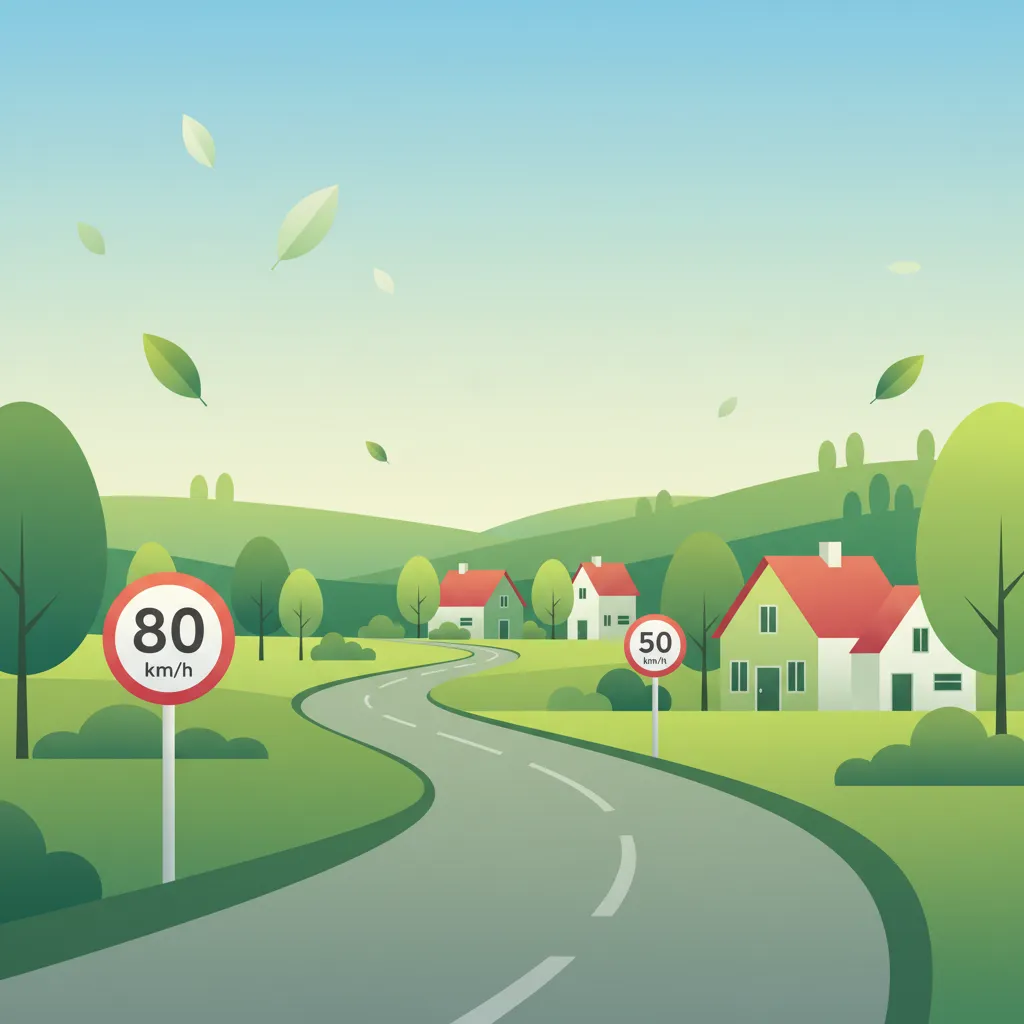
This lesson focuses on identifying different types of speed zones and understanding the rationale behind their limits. It explains how to recognize the start and end of a 'built-up area' ('binnen de bebouwde kom') via place-name signs and discusses special zones like 30 km/h zones and 'woonerven' (residential yards). The curriculum emphasizes adapting riding style to the specific hazards present in each type of zone, from high pedestrian activity in urban areas to unexpected curves on rural roads.
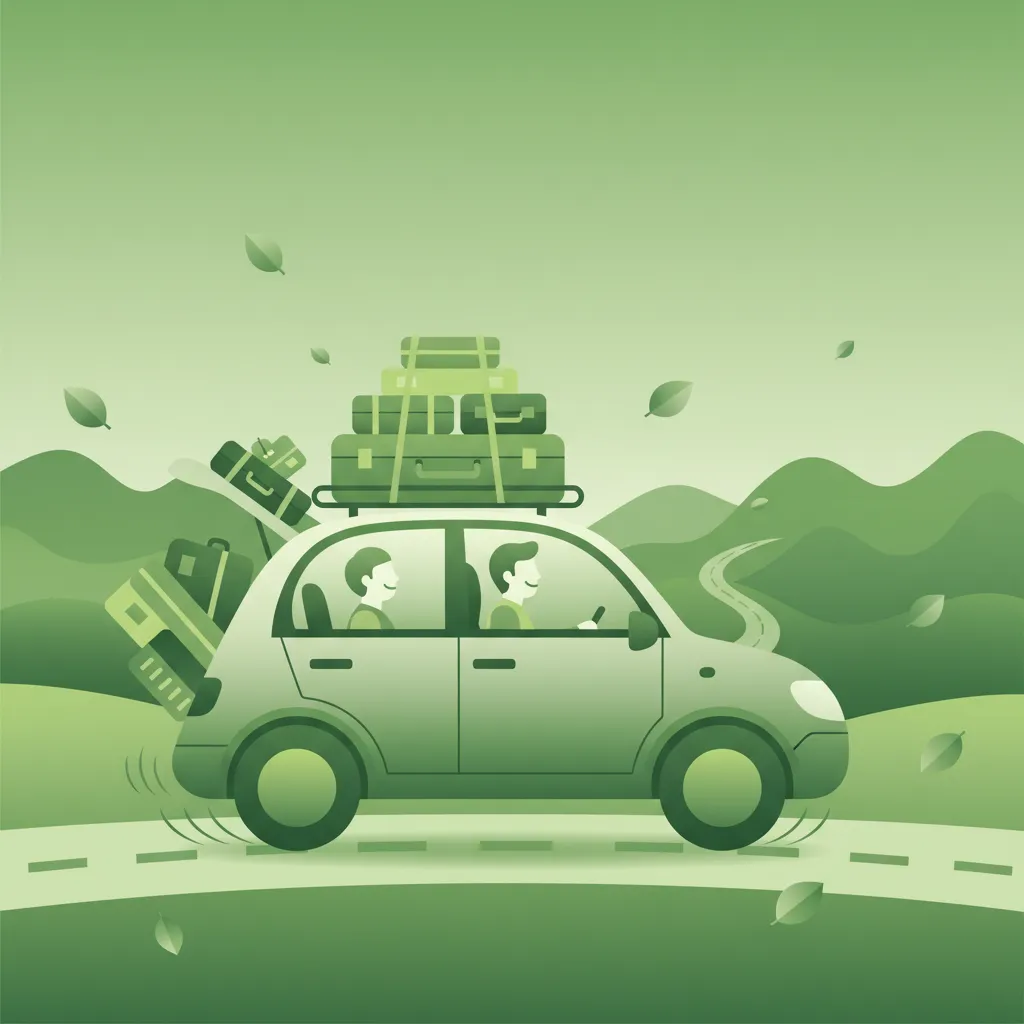
Carrying a passenger or heavy luggage significantly changes how your vehicle handles. This lesson covers the legal regulations for carrying a passenger, including the requirement for proper seating and footpegs. It also explains the importance of adhering to the vehicle's maximum load limit. You will learn how extra weight, especially when positioned high up, raises the center of gravity and affects balance, steering, and braking distances, requiring adjustments to your riding style.
This lesson focuses on the unique demands of riding at sustained high speeds on motorways ('snelwegen'). It covers essential topics such as strict lane discipline, safe overtaking procedures, and maintaining a greater following distance to compensate for higher reaction and braking times. The content also addresses the physical and mental challenges, including managing wind blast, increased noise levels, and maintaining heightened situational awareness over long distances to combat fatigue.
This lesson outlines the statutory national speed limits applicable to motorcycles in the Netherlands. It clearly defines the maximum permitted speeds on motorways ('snelwegen'), non-motorway rural roads ('buiten de bebouwde kom'), and within built-up areas ('binnen de bebouwde kom'). The content also addresses variations, such as time-dependent speed limits on certain motorways, ensuring riders have a complete and accurate understanding of the legal requirements for speed.
Find clear answers to common questions learners have about Battery Care for Speed Pedelecs and Electrical Systems. Learn how the lesson is structured, which driving theory objectives it supports, and how it fits into the overall learning path of units and curriculum progression in the Netherlands. These explanations help you understand key concepts, lesson flow, and exam focused study goals.
For most modern lithium-ion batteries used in speed pedelecs, it's best to avoid charging them to 100% or draining them to 0% frequently. Charging to around 80-90% and not letting the battery drop below 20% can extend its overall lifespan. Always use the charger supplied with your vehicle or a certified equivalent.
Extreme temperatures, both hot and cold, can negatively impact battery performance and longevity. High temperatures can accelerate degradation, while very cold temperatures reduce the available range and charging efficiency. It's advisable to avoid leaving your speed pedelec or its battery in direct sunlight for extended periods or in freezing conditions.
For long-term storage (e.g., over winter), it's generally recommended to remove the battery and store it indoors in a cool, dry place. Ideally, the battery should be at a partial charge level, typically around 50-60%, rather than fully charged or depleted.
Modern speed pedelec batteries have built-in battery management systems (BMS) that prevent overcharging. However, consistently leaving a battery plugged in long after it reaches full charge can still put stress on components and potentially shorten its lifespan over time. Unplugging once fully charged is good practice.
Yes, you can clean the battery, but carefully. Ensure the battery is removed from the vehicle and is not connected to the charger. Use a dry or slightly damp cloth to wipe down the exterior. Avoid using harsh chemicals or submerging the battery in water, as this can damage its internal components.