

This unit is dedicated to the critical survival skills of hazard perception and maintaining a safe operating space around the motorcycle. It provides detailed instruction on calculating and maintaining adequate following and stopping distances using methods like the two-second rule, adjusted for various conditions. Learners will develop the ability to proactively identify potential hazards in both urban and highway environments, manage their own and others' blind spots, and understand the cognitive factors that influence situational awareness.

This comprehensive course provides the essential knowledge for the Dutch CBR Category A motorcycle theory exam. It delves into Dutch traffic legislation, road sign interpretation, priority rules, and advanced riding techniques specific to high-performance motorcycles. Learners will explore risk psychology, emergency handling, and legal responsibilities, ensuring a thorough preparation for safe and legal riding in the Netherlands.
The Safe Following Distance and Hazard Perception unit is a key part of the Dutch Motorcycle Theory A curriculum and helps learners in the Netherlands understand essential theory topics in a clear and practical way. Each lesson breaks down a specific theme that often appears in the Dutch driving theory exam. With structured explanations and examples taken from real traffic situations, this unit helps learners study smarter, fix common misunderstandings, and build the knowledge required for confident exam performance.
Upon completing this unit, you will possess a refined ability to anticipate and react to road hazards, a skill paramount for both passing the Dutch Category A motorcycle theory exam and ensuring your safety on the road. You will be adept at calculating and maintaining safe following distances, adapting them dynamically to changing conditions like weather and traffic density. Understanding and managing blind spots will become second nature, significantly reducing risks associated with lane changes and vehicle interactions. Furthermore, you will gain insight into the cognitive processes behind situational awareness, enabling you to make more informed decisions and ride defensively in complex Dutch traffic environments.


This unit is essential for all aspiring Category A motorcycle license holders in the Netherlands, especially those who want to build confidence in anticipating and reacting to potential dangers on the road. It's particularly beneficial for riders who need to strengthen their hazard perception skills for the CBR theory exam and for those seeking to improve their general awareness and safety.
See all lessonsExplore key lessons that shape the Safe Following Distance and Hazard Perception unit in the Dutch Motorcycle Theory A curriculum. These lessons focus on exam related topics, important rules, and practical skills that help you progress faster and prepare effectively for the driving theory exam in the Netherlands.

This lesson explains the two-second rule and how to calculate stopping distance, which combines reaction and braking distance, for Category A motorcycle riders in the Netherlands. Understanding these concepts is essential for maintaining safe following gaps, anticipating hazards, passing the CBR theory exam, and ensuring safe riding practices on Dutch roads.

Learn why the standard two-second rule is unsafe in rain, fog, or darkness. This lesson explains how to safely extend your motorcycle's following distance to account for reduced visibility and grip, crucial for your Dutch Category A theory exam and safe riding.

Learn to predict other road users' actions using 'voorspellend rijgedrag'. This essential skill for Category A riders helps anticipate hazards and ride safer in Dutch traffic, crucial for the CBR theory exam and real-world riding success. Prepare to ride smarter and safer by seeing hazards before they appear, ensuring a confident and secure journey on your motorcycle, understanding what others might do before they do it, and always maintaining a safe position relative to potential threats on the road ahead, making every ride smoother and more secure for Category A license holders in the Netherlands, and truly mastering Dutch traffic law through proactive observation and risk mitigation strategies.

Learn how to manage motorcycle blind spots ('dode hoek') with proper mirror use and essential shoulder checks. Crucial for safe lane changes and passing the Dutch Category A theory exam. Stay visible and avoid collisions on the road. Ensures you can pass the CBR theory test regarding safe maneuvers and awareness.

This lesson teaches motorcyclists to identify and manage unique urban hazards like pedestrians and opening car doors, essential for the Dutch CBR theory exam and safe city navigation. It emphasizes proactive observation, planning escape routes, and maintaining constant awareness to avoid accidents. Mastering these defensive riding skills enhances confidence and safety in unpredictable urban environments, ensuring quick decision-making and appropriate reactions to sudden obstacles for a safer journey.

This lesson prepares you for the Dutch CBR Category A theory exam by focusing on the unique hazards of highway and tunnel riding. It covers high-speed risks, environmental changes like aerodynamic effects, and emergency procedures including tunnel evacuation. The goal is to develop advanced defensive riding skills for merging, navigating enclosed spaces, and responding to dangers. Mastering this risk awareness and situational awareness is critical for passing the exam and ensuring safe motorcycle operation on Dutch roads, meeting all legal and safety requirements for licensing.

Learn how mental effort, fatigue, and distractions affect your focus and awareness while riding. This lesson helps you manage cognitive load for safer motorcycle decisions and better exam performance for Category A in the Netherlands.
Get answers to common questions about the Safe Following Distance and Hazard Perception unit and how it fits within the Dutch Motorcycle Theory A curriculum. Learn how long the unit takes, how the lessons are structured, and how this unit supports your preparation for the driving theory exam in the Netherlands.

The Safe Following Distance and Hazard Perception unit stands out because it teaches essential topics in a way that is simple, clear, and focused on exam success. All content is aligned with real requirements in the Netherlands and designed to help learners build practical understanding, not just memorise facts. Whether you are revising or learning the material for the first time, this unit provides reliable guidance that supports measurable progress inside the Dutch Motorcycle Theory A curriculum.
Discover additional units that form the complete Dutch Motorcycle Theory A curriculum. These units cover a wide range of essential topics that help learners in the Netherlands strengthen their understanding of road rules, traffic behaviour, and exam relevant theory. Exploring the other units gives you a broader view of the full learning path and helps you continue your progress with confidence.

Grasp the legal framework, rider obligations, and CBR exam structure for your Dutch Category A motorcycle theory test. Essential for safe and legal riding.
7 lessons
Master all Dutch road signs, signals, and markings crucial for Category A motorcyclists. Essential preparation for the CBR theory exam and safe riding.
7 lessons
Master Dutch priority rules ('voorrangsregels') and intersection navigation. Learn to handle junctions, roundabouts, trams, and emergency vehicles safely for your CBR exam.
7 lessons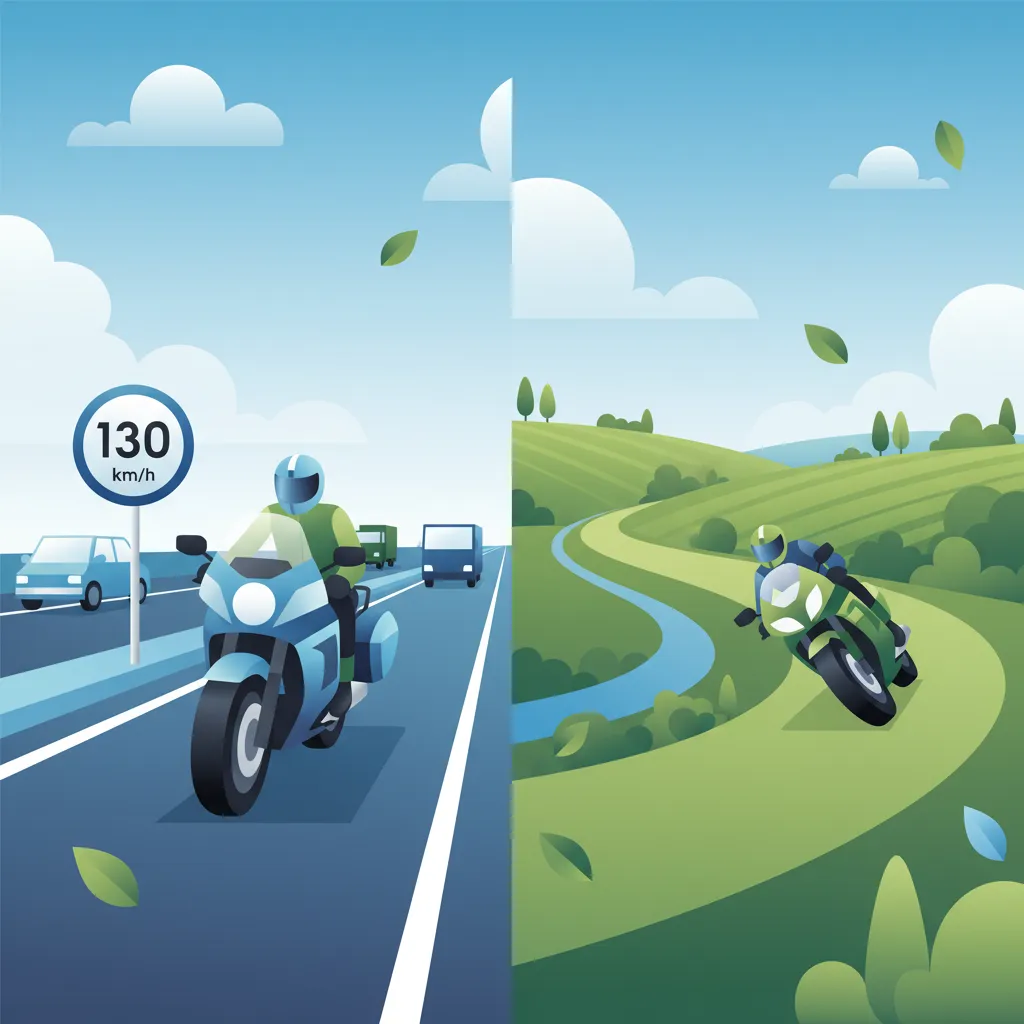
Learn Dutch speed limits for Category A motorcycles and how to choose a safe speed for any situation, including cornering physics and environmental factors. Essential for your CBR theory test.
7 lessons
Master advanced control techniques for powerful motorcycles, including counter-steering, lean management, and high-speed cornering for the Dutch Category A theory exam.
7 lessons
Master safe motorcycle riding in adverse weather and at night. Learn essential techniques for rain, ice, fog, and darkness to pass your Dutch Category A CBR theory exam.
7 lessons
Master Dutch highway and tunnel riding strategies, including safe merging, lane discipline, and emergency tunnel procedures, crucial for your Category A theory exam.
7 lessons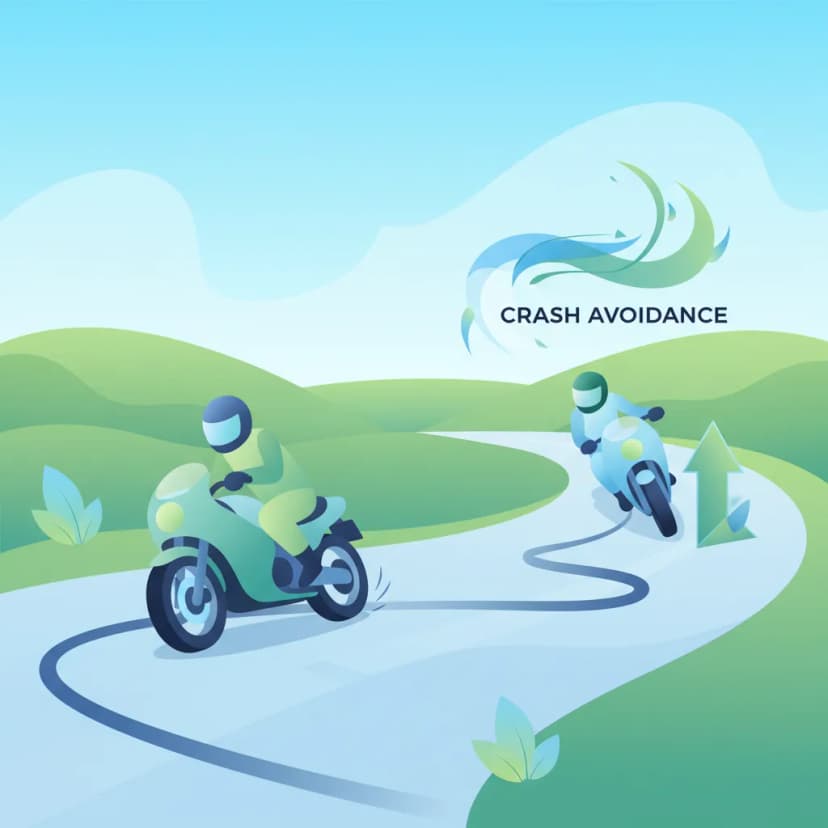
Learn essential emergency braking, crash avoidance, and accident handling skills crucial for motorcycle safety and passing your Dutch theory exam. Be prepared for the unexpected.
7 lessons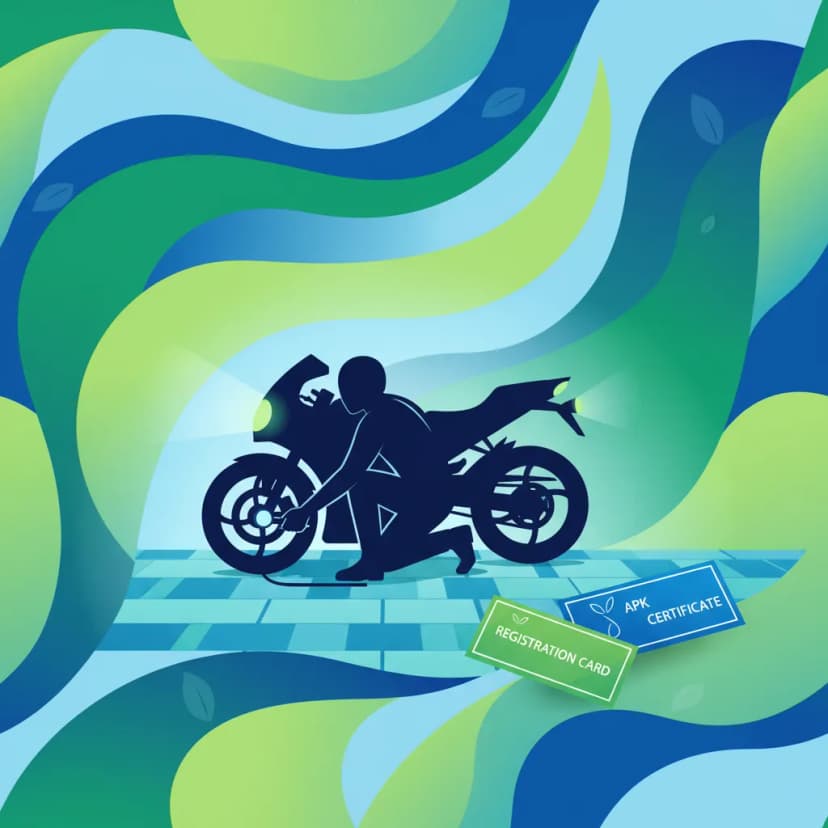
Master motorcycle checks, maintenance, and required legal documents to ensure safety and compliance with Dutch law for your CBR Category A theory test.
7 lessons
Understand your legal duties, handle police interactions, and prepare for international motorcycle riding. Essential for the Dutch CBR A theory exam.
7 lessons
Master the human factors, risk psychology, and defensive riding strategies crucial for passing your Dutch motorcycle theory test and ensuring lifelong road safety.
7 lessonsStart studying the Safe Following Distance and Hazard Perception unit and continue your progress in the Dutch Motorcycle Theory A curriculum. With structured lessons, real examples, and clear explanations, this unit helps you study confidently and prepare effectively for the Dutch driving theory exam in the Netherlands.