

This unit broadens the scope to cover the overarching legal responsibilities of a motorcyclist, including the fundamental 'duty of care' ('zorgplicht') towards other road users. It provides practical guidance on how to handle police interactions and roadside checks in a compliant and respectful manner. A significant portion is dedicated to preparing riders for international travel, covering essential topics like cross-border insurance, recognition of foreign traffic signs, and procedures for handling an accident outside the Netherlands.
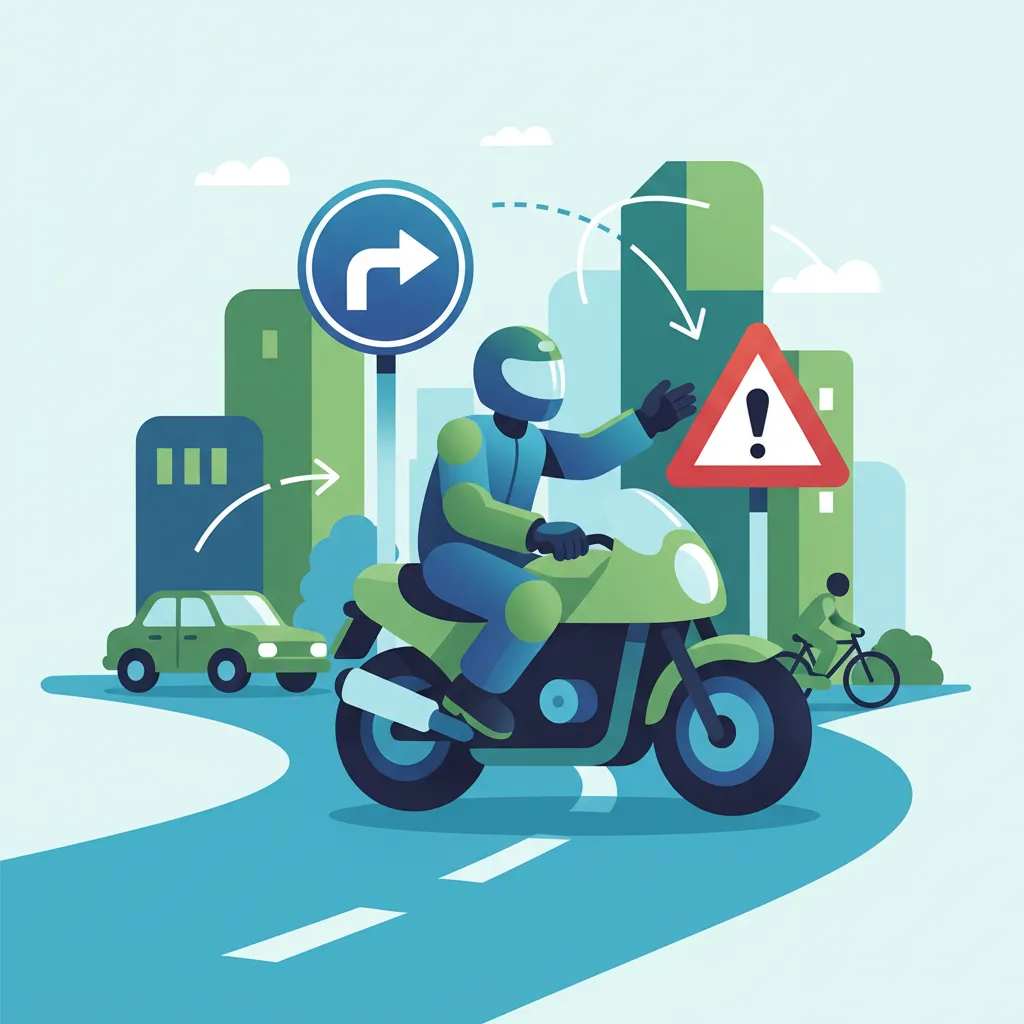
This comprehensive course provides the essential knowledge for the Dutch CBR Category A motorcycle theory exam. It delves into Dutch traffic legislation, road sign interpretation, priority rules, and advanced riding techniques specific to high-performance motorcycles. Learners will explore risk psychology, emergency handling, and legal responsibilities, ensuring a thorough preparation for safe and legal riding in the Netherlands.
The Legal Responsibilities, Police Interaction, and International Riding unit is a key part of the Dutch Motorcycle Theory A curriculum and helps learners in the Netherlands understand essential theory topics in a clear and practical way. Each lesson breaks down a specific theme that often appears in the Dutch driving theory exam. With structured explanations and examples taken from real traffic situations, this unit helps learners study smarter, fix common misunderstandings, and build the knowledge required for confident exam performance.
Upon completing this unit, you will possess a comprehensive understanding of your legal responsibilities as a motorcyclist in the Netherlands, including the critical 'duty of care' ('zorgplicht'). You'll be equipped to confidently handle interactions with police, knowing your rights and the required documentation. Furthermore, this unit prepares you for the realities of international motorcycle travel by covering essential aspects like cross-border insurance, navigating foreign road signs, and managing accidents abroad. This knowledge is vital for passing the CBR Category A theory exam and ensures you are a responsible and well-informed rider, both at home and internationally.

This unit is designed for all Category A motorcycle license applicants in the Netherlands preparing for their theory exam. It is particularly beneficial for riders who anticipate traveling abroad on their motorcycle, as it covers essential international regulations and procedures.
See all lessonsExplore key lessons that shape the Legal Responsibilities, Police Interaction, and International Riding unit in the Dutch Motorcycle Theory A curriculum. These lessons focus on exam related topics, important rules, and practical skills that help you progress faster and prepare effectively for the driving theory exam in the Netherlands.

This lesson explains 'zorgplicht' (duty of care) under Dutch Road Traffic Act Article 5, clarifying motorcycle rider liability, especially concerning vulnerable road users, vital for your CBR A theory exam.

This lesson prepares Category A motorcyclists for Dutch police traffic checks ('verkeerscontrole'), covering required documents, rider rights, and proper conduct for a smooth interaction. Essential for passing the CBR theory exam, it builds confidence for real-world encounters by explaining legal obligations and procedures. As part of Unit 11, it assumes basic Dutch traffic law knowledge and is vital for ensuring safe, lawful riding on Dutch roads.

Ensure you always carry your Dutch Category A driving license, vehicle registration, and insurance proof. This lesson covers the essential documents required by law and the consequences of not having them during police stops, vital for your CBR exam success and legal riding in NL.

This lesson covers essential EU motorcycle regulations for international travel, focusing on speed limits, tolls, and mandatory gear. It is vital for safe, legal cross-border riding and for preparing for the Dutch Category A theory exam, which tests knowledge of international rules and scenarios. Understanding these varied country-specific requirements ensures you are prepared for both European journeys and the CBR exam.
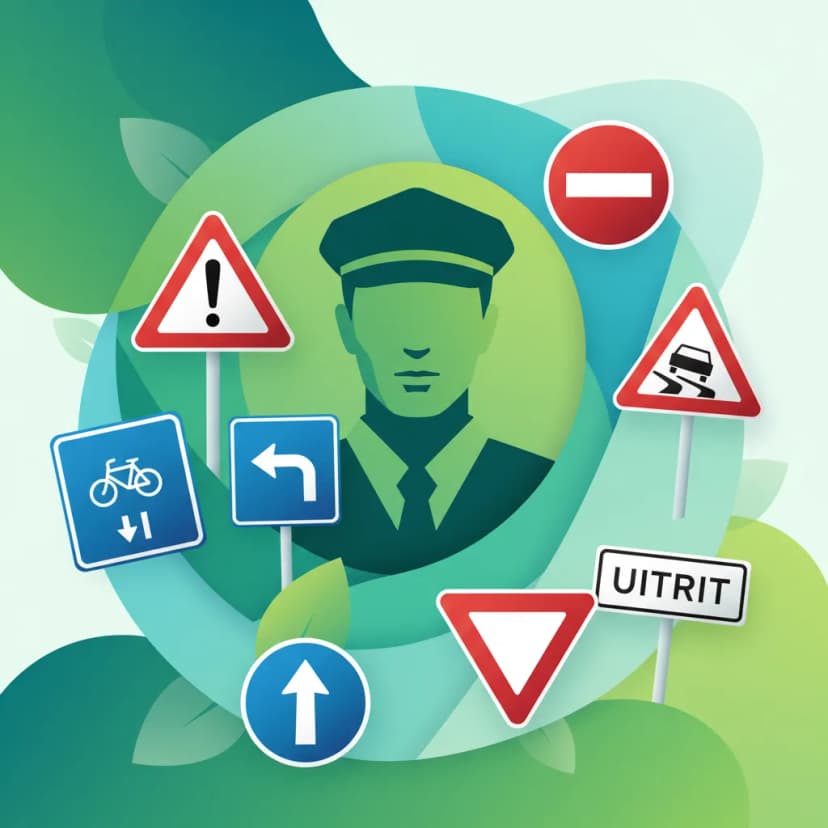
This lesson teaches you to recognize and interpret common foreign road signs, focusing on their differences from Dutch signs. It is essential for passing your Category A theory exam and for safe international motorcycle travel. You will learn to correctly identify and react to unfamiliar international signage, ensuring compliance with local regulations and confident navigation on roads outside the Netherlands.

This lesson covers international motorcycle insurance requirements, essential for legal and safe travel abroad and for passing your Dutch Category A theory exam. It emphasizes the need to ensure your policy provides adequate coverage outside the Netherlands and the EU/EEA, including understanding the Green Card system. Knowing your policy's territorial limits is critical to avoid fines and ensure financial protection in case of an accident. This knowledge is vital for any rider planning international trips to ride with confidence and compliance.

This lesson prepares Category A motorcycle riders for handling accidents abroad, a key topic for the Dutch theory exam and international travel. It covers essential steps like contacting emergency services, using the European Accident Statement, and managing language barriers and insurance claims. The focus is on clear communication and diligent documentation to ensure a smooth process, protect your rights, and safeguard your insurance interests. Mastering these procedures is crucial for safe, compliant, and confident riding outside the Netherlands.
Get answers to common questions about the Legal Responsibilities, Police Interaction, and International Riding unit and how it fits within the Dutch Motorcycle Theory A curriculum. Learn how long the unit takes, how the lessons are structured, and how this unit supports your preparation for the driving theory exam in the Netherlands.

The Legal Responsibilities, Police Interaction, and International Riding unit stands out because it teaches essential topics in a way that is simple, clear, and focused on exam success. All content is aligned with real requirements in the Netherlands and designed to help learners build practical understanding, not just memorise facts. Whether you are revising or learning the material for the first time, this unit provides reliable guidance that supports measurable progress inside the Dutch Motorcycle Theory A curriculum.
Discover additional units that form the complete Dutch Motorcycle Theory A curriculum. These units cover a wide range of essential topics that help learners in the Netherlands strengthen their understanding of road rules, traffic behaviour, and exam relevant theory. Exploring the other units gives you a broader view of the full learning path and helps you continue your progress with confidence.
Grasp the legal framework, rider obligations, and CBR exam structure for your Dutch Category A motorcycle theory test. Essential for safe and legal riding.
7 lessons
Master all Dutch road signs, signals, and markings crucial for Category A motorcyclists. Essential preparation for the CBR theory exam and safe riding.
7 lessons
Master Dutch priority rules ('voorrangsregels') and intersection navigation. Learn to handle junctions, roundabouts, trams, and emergency vehicles safely for your CBR exam.
7 lessons
Learn Dutch speed limits for Category A motorcycles and how to choose a safe speed for any situation, including cornering physics and environmental factors. Essential for your CBR theory test.
7 lessons
Learn critical motorcycle survival skills: hazard perception, safe following distances using the two-second rule, and blind spot management for the Dutch theory exam.
7 lessons
Master advanced control techniques for powerful motorcycles, including counter-steering, lean management, and high-speed cornering for the Dutch Category A theory exam.
7 lessons
Master safe motorcycle riding in adverse weather and at night. Learn essential techniques for rain, ice, fog, and darkness to pass your Dutch Category A CBR theory exam.
7 lessons
Master Dutch highway and tunnel riding strategies, including safe merging, lane discipline, and emergency tunnel procedures, crucial for your Category A theory exam.
7 lessons
Learn essential emergency braking, crash avoidance, and accident handling skills crucial for motorcycle safety and passing your Dutch theory exam. Be prepared for the unexpected.
7 lessons
Master motorcycle checks, maintenance, and required legal documents to ensure safety and compliance with Dutch law for your CBR Category A theory test.
7 lessons
Master the human factors, risk psychology, and defensive riding strategies crucial for passing your Dutch motorcycle theory test and ensuring lifelong road safety.
7 lessonsStart studying the Legal Responsibilities, Police Interaction, and International Riding unit and continue your progress in the Dutch Motorcycle Theory A curriculum. With structured lessons, real examples, and clear explanations, this unit helps you study confidently and prepare effectively for the Dutch driving theory exam in the Netherlands.