

This lesson explains the function of an Anti-lock Braking System (ABS) on a motorcycle, detailing how it prevents wheel lock-up during heavy braking, thereby allowing the rider to maintain steering control. It clarifies that while ABS is a powerful safety aid, it does not defy physics and may sometimes increase stopping distances on loose surfaces. The content teaches riders to trust the system and apply the brakes fully and firmly in an emergency, letting the ABS manage traction.

This comprehensive course provides the essential knowledge for the Dutch CBR Category A motorcycle theory exam. It delves into Dutch traffic legislation, road sign interpretation, priority rules, and advanced riding techniques specific to high-performance motorcycles. Learners will explore risk psychology, emergency handling, and legal responsibilities, ensuring a thorough preparation for safe and legal riding in the Netherlands.
The ABS Functionality and Limitations on Motorcycles lesson explains one of the most important subjects in the Emergency Braking, Crash Avoidance and Accident Handling unit of the Dutch Motorcycle Theory A curriculum. It focuses on essential exam content that every learner in the Netherlands needs for the Dutch driving theory exam. Through clear explanations, practical examples, and real traffic situations, this lesson helps you understand how the rules work in practice and strengthens your overall exam preparation.
After completing this lesson, you will possess a comprehensive understanding of how Anti-lock Braking Systems (ABS) operate on motorcycles. You will be able to explain its primary function: preventing wheel lock-up during sudden, forceful braking, which is crucial for maintaining directional stability and control. This knowledge will empower you to confidently apply the brakes in emergency situations, trusting the ABS to manage traction and reduce the risk of skidding. You will also understand that ABS is not infallible and has limitations, particularly on surfaces like gravel or sand, where it might extend stopping distances. This awareness ensures you can adapt your braking strategy and avoid common misconceptions tested in the CBR theory exam, ultimately contributing to safer riding practices.


This lesson is ideal for Category A motorcycle learners preparing for the Dutch CBR theory exam who want to fully understand the function and limitations of ABS. It is particularly useful for those who may be hesitant about relying on the system or need clarification on how to use it effectively during emergency braking scenarios.
View all lesson topicsFind answers to common questions about the ABS Functionality and Limitations on Motorcycles lesson, including how it connects to the Emergency Braking, Crash Avoidance and Accident Handling unit and the full Dutch Motorcycle Theory A curriculum. Learn how long the lesson takes, what topics it covers, and how it supports your preparation for the driving theory exam in the Netherlands.

The ABS Functionality and Limitations on Motorcycles lesson is designed to make complex driving theory topics easier to understand. Content is written in a clear and practical way, aligned with exam expectations in the Netherlands, and supported by examples that reflect real traffic situations. Whether you are reviewing or starting from scratch, this lesson helps you study efficiently and make steady progress inside the Dutch Motorcycle Theory A curriculum.
Explore additional units that make up the complete Dutch Motorcycle Theory A curriculum. Each unit focuses on important driving theory subjects, helping learners in the Netherlands build strong exam knowledge and improve understanding of rules, signs, and traffic behaviour.

Grasp the legal framework, rider obligations, and CBR exam structure for your Dutch Category A motorcycle theory test. Essential for safe and legal riding.
7 lessons
Master all Dutch road signs, signals, and markings crucial for Category A motorcyclists. Essential preparation for the CBR theory exam and safe riding.
7 lessons
Master Dutch priority rules ('voorrangsregels') and intersection navigation. Learn to handle junctions, roundabouts, trams, and emergency vehicles safely for your CBR exam.
7 lessons
Learn Dutch speed limits for Category A motorcycles and how to choose a safe speed for any situation, including cornering physics and environmental factors. Essential for your CBR theory test.
7 lessons
Learn critical motorcycle survival skills: hazard perception, safe following distances using the two-second rule, and blind spot management for the Dutch theory exam.
7 lessons
Master advanced control techniques for powerful motorcycles, including counter-steering, lean management, and high-speed cornering for the Dutch Category A theory exam.
7 lessons
Master safe motorcycle riding in adverse weather and at night. Learn essential techniques for rain, ice, fog, and darkness to pass your Dutch Category A CBR theory exam.
7 lessons
Master Dutch highway and tunnel riding strategies, including safe merging, lane discipline, and emergency tunnel procedures, crucial for your Category A theory exam.
7 lessons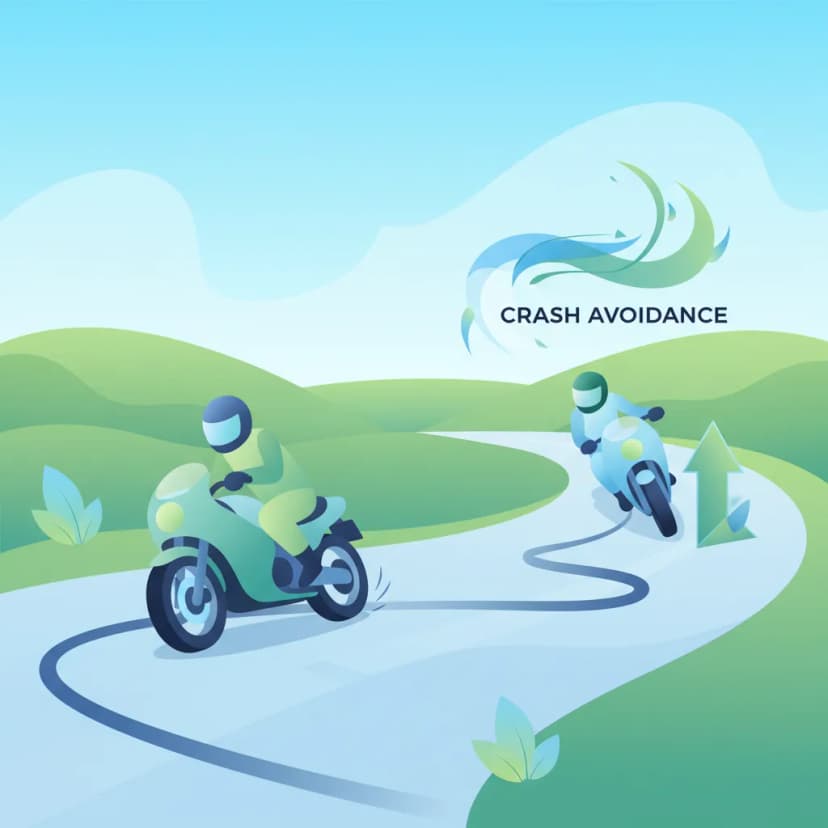
Learn essential emergency braking, crash avoidance, and accident handling skills crucial for motorcycle safety and passing your Dutch theory exam. Be prepared for the unexpected.
7 lessons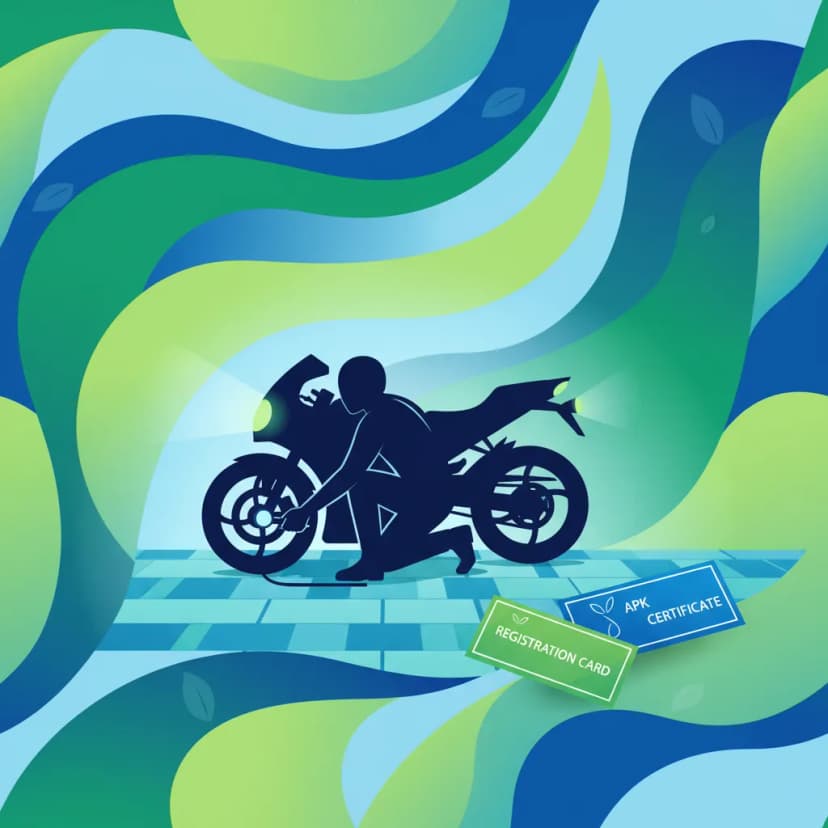
Master motorcycle checks, maintenance, and required legal documents to ensure safety and compliance with Dutch law for your CBR Category A theory test.
7 lessons
Understand your legal duties, handle police interactions, and prepare for international motorcycle riding. Essential for the Dutch CBR A theory exam.
7 lessons
Master the human factors, risk psychology, and defensive riding strategies crucial for passing your Dutch motorcycle theory test and ensuring lifelong road safety.
7 lessonsBegin studying the ABS Functionality and Limitations on Motorcycles lesson and keep advancing through the Dutch Motorcycle Theory A curriculum. With clear explanations, structured topics, and practical examples, this lesson helps you learn confidently and prepare more effectively for the Dutch driving theory exam in the Netherlands.