
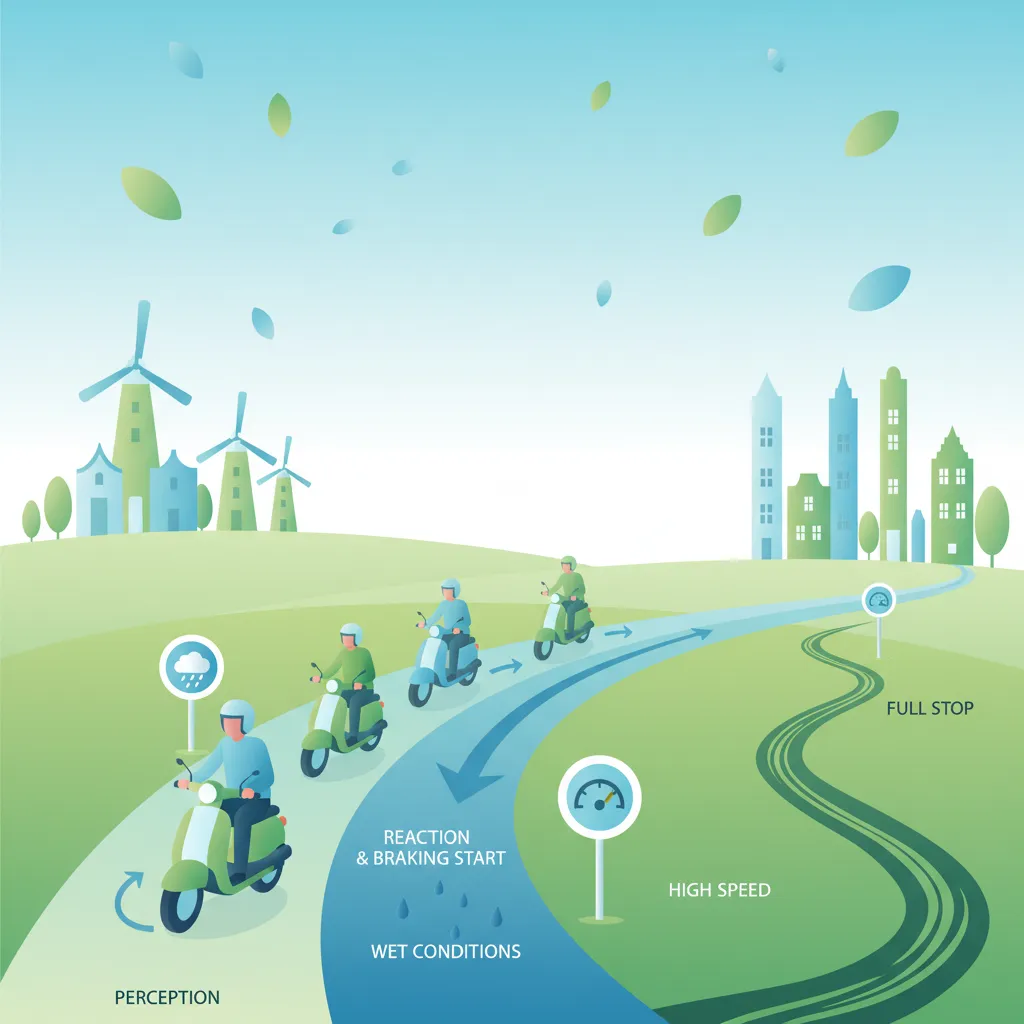
Effective speed management is a cornerstone of safe riding. This unit delves into the critical concepts of reaction distance, braking distance, and total stopping distance. You will learn how factors like speed, road surface condition (wet or dry), and tire quality affect how quickly you can stop. The lessons also cover the importance of adapting your speed to traffic, weather, and visibility, and introduce braking techniques, including the use of ABS and engine braking, to maintain control in all situations.
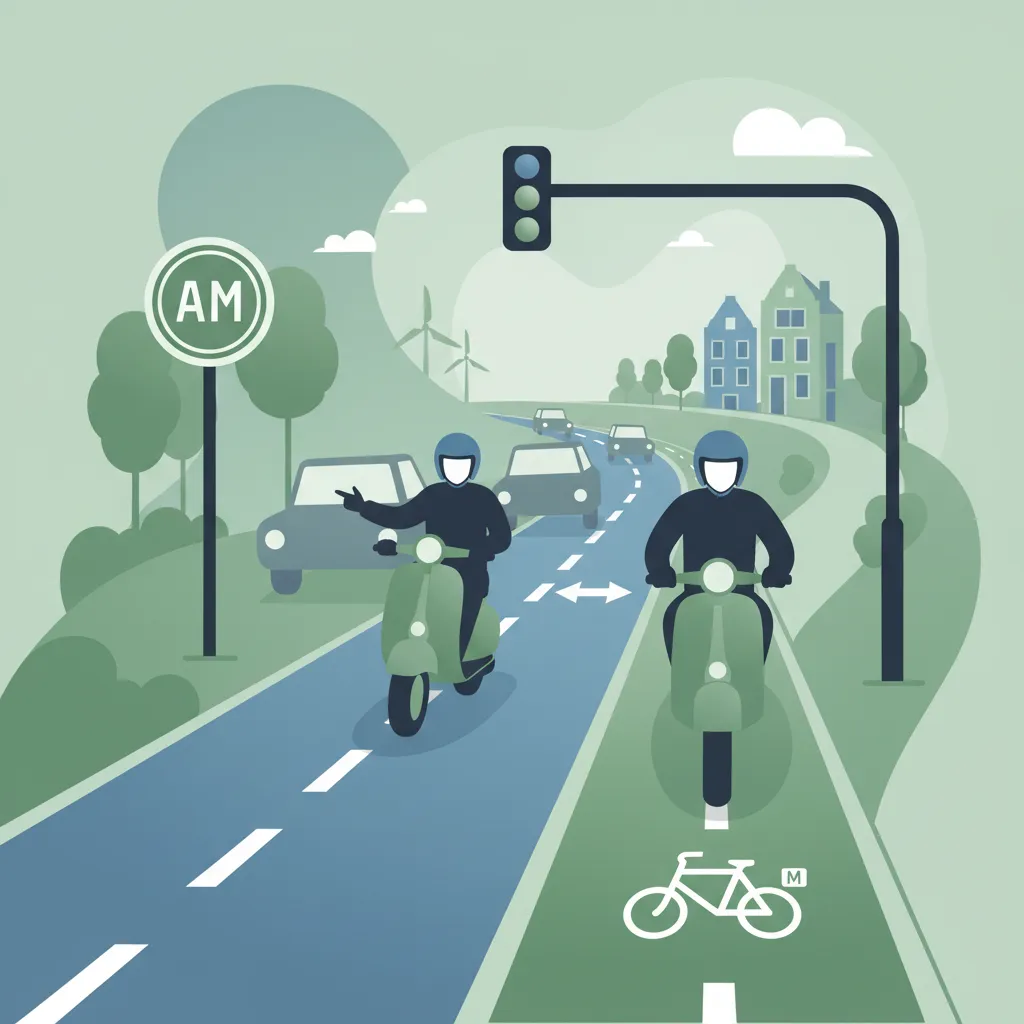
Prepare to pass your Dutch Category AM theory exam with our comprehensive curriculum. This course provides in-depth knowledge on all required topics, from legal vehicle classifications and traffic laws to advanced hazard perception and defensive riding techniques. We cover the specific rules for bromfietsen, snorfietsen, and speed pedelecs, ensuring you understand roadway access, priority situations, and vehicle control. Learn everything you need to ride safely and confidently on Dutch roads.
The Speed Management & Braking unit is a key part of the Dutch Driving Theory AM curriculum and helps learners in the Netherlands understand essential theory topics in a clear and practical way. Each lesson breaks down a specific theme that often appears in the Dutch driving theory exam. With structured explanations and examples taken from real traffic situations, this unit helps learners study smarter, fix common misunderstandings, and build the knowledge required for confident exam performance.
Upon completing this unit, you will possess a comprehensive understanding of how speed directly impacts your ability to stop safely, a critical factor in preventing accidents. You'll be able to accurately assess stopping distances in various conditions, from dry summer roads to hazardous wet or icy surfaces common in the Netherlands. This knowledge is vital not only for passing the CBR theory exam, where questions on braking and speed are frequent, but also for developing the responsible riding habits necessary for everyday safety on your moped or scooter.

This unit is essential for all learners preparing for the Dutch Category AM (Moped & Scooter) theory exam. It's particularly beneficial for those who want to fully grasp the physics of stopping distances and how to apply them safely in real-world Dutch traffic situations, helping to avoid common exam errors.
See all lessonsExplore key lessons that shape the Speed Management & Braking unit in the Dutch Driving Theory AM curriculum. These lessons focus on exam related topics, important rules, and practical skills that help you progress faster and prepare effectively for the driving theory exam in the Netherlands.
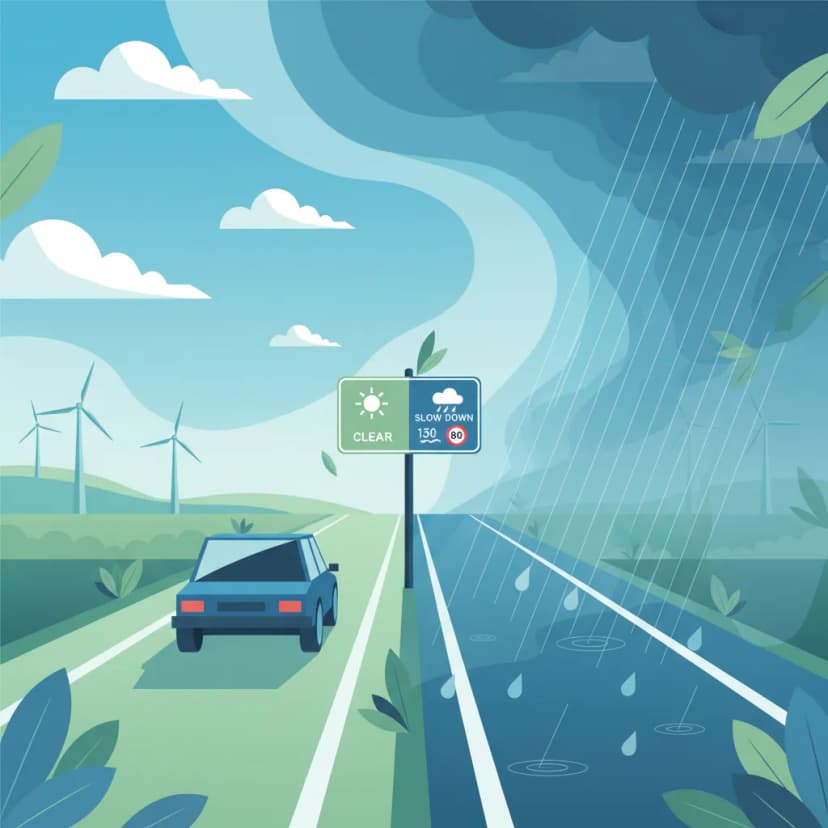
Learn to adjust your moped's speed based on traffic, weather, and visibility, not just the speed limit, which is essential for safe riding and passing the Dutch AM theory test. This lesson covers how to assess road conditions, understand how factors like weather impact braking distances, and modify your speed to maintain control and adequate stopping time. It prepares you for specific exam questions on hazardous conditions, promoting a practical and safer riding approach crucial for any AM category learner.
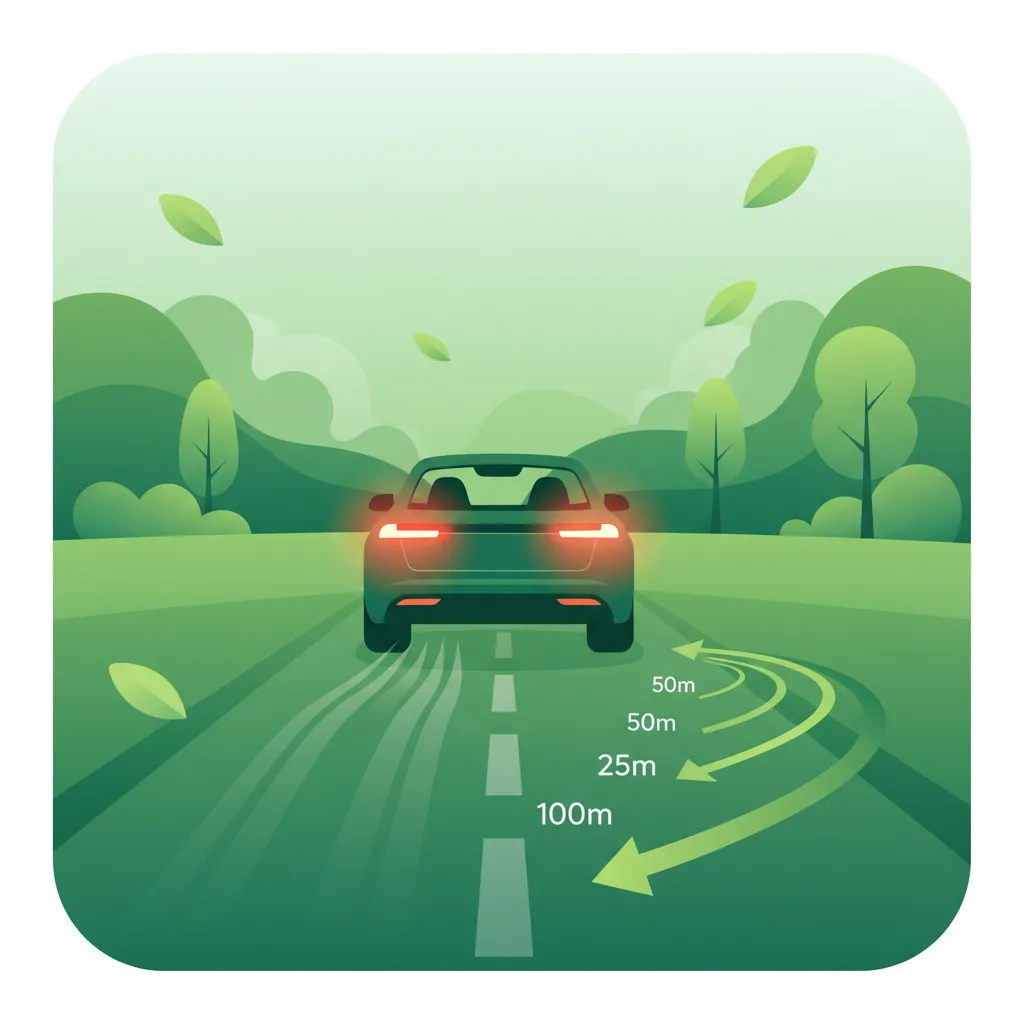
This lesson covers how speed affects stopping distance, crucial for passing the Dutch AM theory exam and safe riding. Stopping distance combines reaction distance (traveled during your response time) and braking distance (traveled while actually stopping). Higher speeds dramatically increase both distances. Understanding this relationship is key for hazard perception and maintaining safe following distances on Dutch roads. The lesson also notes that road surfaces, weather, and vehicle condition impact overall stopping capability, emphasizing the need for greater caution at higher speeds or in adverse conditions.

Learn how your reaction time is affected by alertness and distractions, and master proactive hazard anticipation to identify and predict risks for safer riding and passing your AM theory exam in the Netherlands. Be prepared for what might happen next on the road to avoid dangerous situations.

Learn how engine braking and ABS work to control your speed and prevent skids. Essential for safe riding and passing your Dutch AM theory test on braking techniques and vehicle control systems.

Master essential rules for riding mopeds and scooters on wet, icy, or slippery surfaces, a critical skill for passing the Dutch theory exam and ensuring personal safety. The core principles are reducing speed and executing smooth, gentle control inputs to overcome reduced grip. Increased stopping distances, defensive riding, and adapting to unpredictable weather are vital for safe journeys on challenging roads.
Get answers to common questions about the Speed Management & Braking unit and how it fits within the Dutch Driving Theory AM curriculum. Learn how long the unit takes, how the lessons are structured, and how this unit supports your preparation for the driving theory exam in the Netherlands.
The Speed Management & Braking unit stands out because it teaches essential topics in a way that is simple, clear, and focused on exam success. All content is aligned with real requirements in the Netherlands and designed to help learners build practical understanding, not just memorise facts. Whether you are revising or learning the material for the first time, this unit provides reliable guidance that supports measurable progress inside the Dutch Driving Theory AM curriculum.
Discover additional units that form the complete Dutch Driving Theory AM curriculum. These units cover a wide range of essential topics that help learners in the Netherlands strengthen their understanding of road rules, traffic behaviour, and exam relevant theory. Exploring the other units gives you a broader view of the full learning path and helps you continue your progress with confidence.
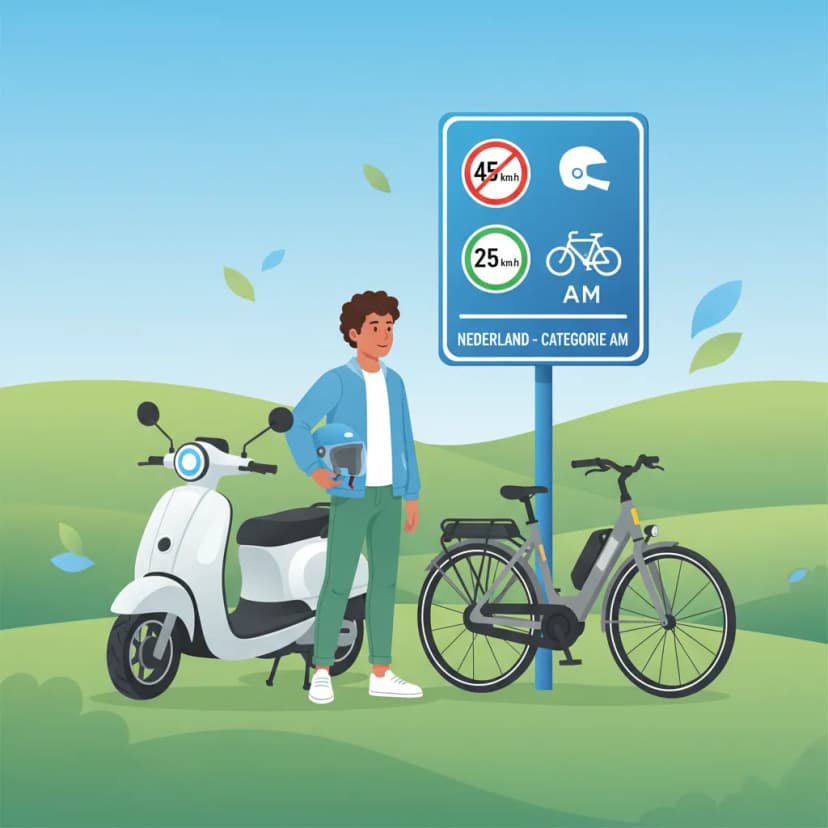
Learn the legal definitions and requirements for mopeds, scooters, and speed pedelecs in the Netherlands, including age, license, registration, insurance, and safety rules. Essential for your AM theory exam.
5 lessons
Navigate Dutch roads confidently. Learn when to use cycle paths, understand speed limits, and master navigation through complex traffic situations like tunnels and trams for your AM license.
5 lessons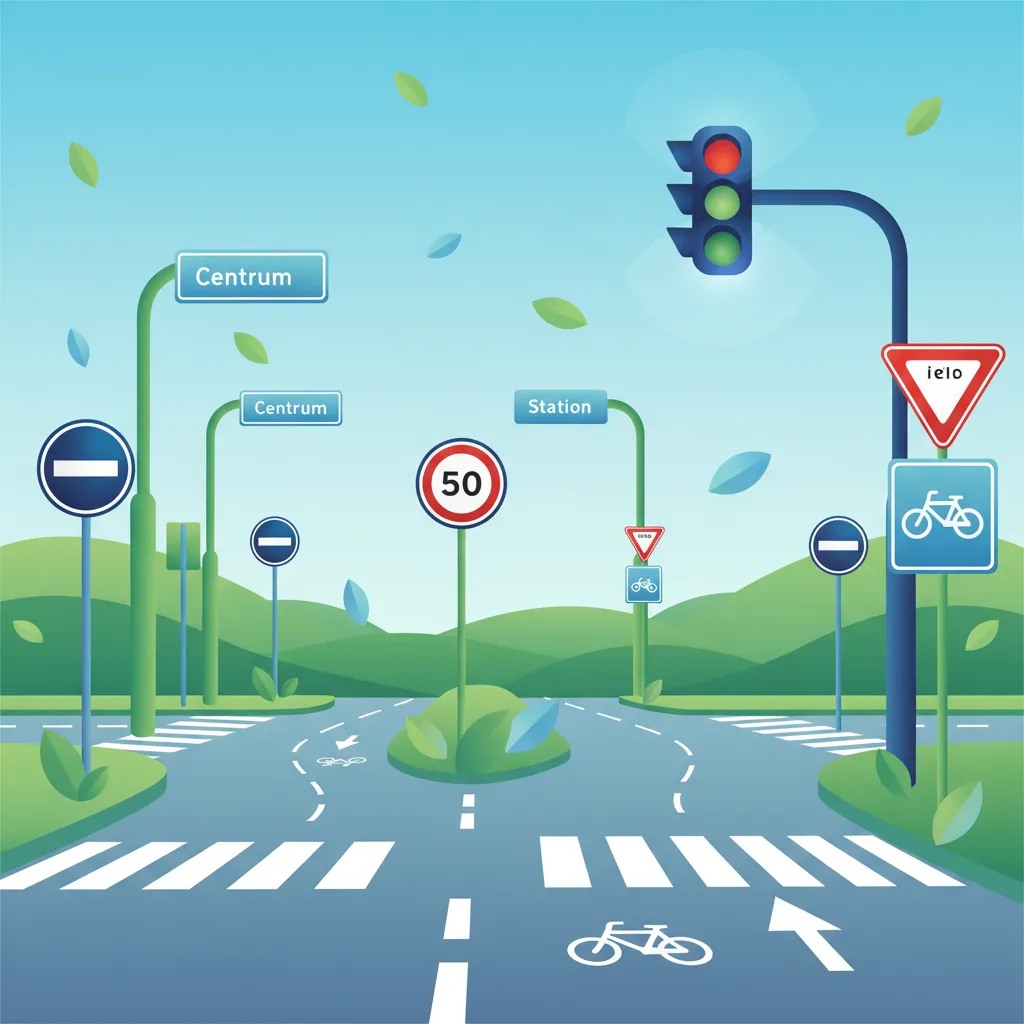
Master Dutch traffic signs, signals, and road markings for your AM theory exam. Understand regulatory, warning, and information signs to ride safely and pass your test.
5 lessons
Master Dutch priority rules for intersections, roundabouts, and pedestrian crossings. Essential for the AM category theory exam and safe riding.
5 lessons
Master essential vehicle control techniques for safe riding and your Dutch AM theory exam. Learn balancing, cornering, U-turns, overtaking, and parking for confident manoeuvres.
5 lessons
Learn to safely navigate challenging Dutch weather and environmental conditions like wind, rain, and darkness. Essential for AM category riders preparing for the theory exam.
5 lessons
Learn about essential safety equipment, correct helmet use, and crucial pre-ride vehicle checks like tires, brakes, and lights for safe riding and your Dutch AM theory exam.
5 lessons
Learn your legal duties and step-by-step procedures for traffic incidents and roadside breakdowns in the Netherlands. Essential for exam success and rider safety.
5 lessons
Focus on YOU: understand how fatigue, stress, and attitude affect your AM moped riding. Learn crucial risk management and defensive strategies for safer journeys.
5 lessonsStart studying the Speed Management & Braking unit and continue your progress in the Dutch Driving Theory AM curriculum. With structured lessons, real examples, and clear explanations, this unit helps you study confidently and prepare effectively for the Dutch driving theory exam in the Netherlands.