
Prepare for the Dutch CBR AM theory exam by mastering the laws on alcohol and drugs. This set provides essential practice on novice driver limits, general alcohol thresholds, and the strict prohibitions against driving under the influence of any impairing substances. Reinforce your knowledge to ensure road safety and avoid penalties in the Netherlands.
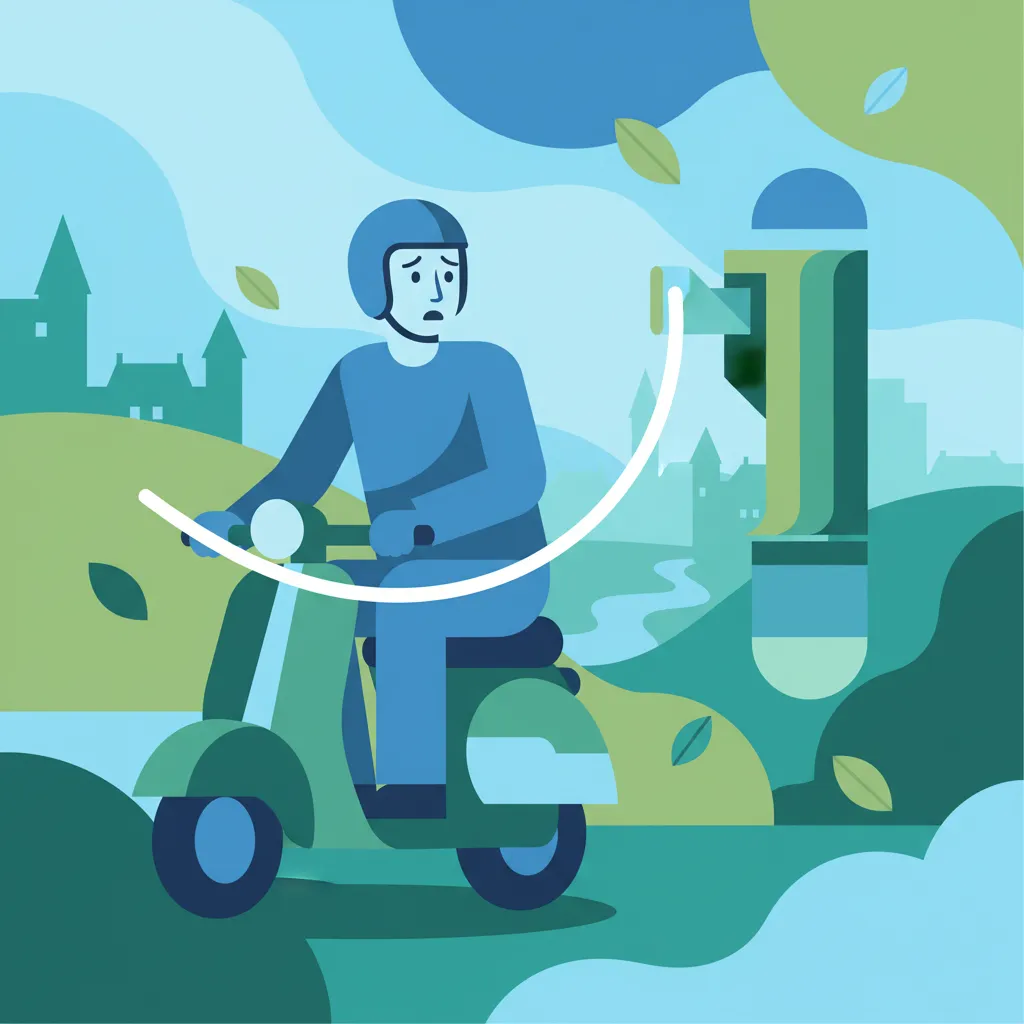
Start targeted Dutch driving theory preparation for learners in the Netherlands. Train with exam style questions, learn core rules, and build the knowledge needed for the official theory test.
Understand the critical regulations on alcohol and drugs that apply to AM riders in the Netherlands. This set focuses on the legal limits, consequences of violations, and why these rules are paramount for road safety and passing your Dutch driving theory exam.
Preview sample questions from the AM Alcohol & Drugs practice set to see how they help you prepare for the driving theory exam in the Netherlands.
Learners choose AM Alcohol & Drugs to improve accuracy and understanding of key exam themes in the Netherlands. It offers realistic driving theory questions and targeted revision for effective preparation.
Find answers to the most common queries learners have when practising AM Alcohol & Drugs, including how questions match the official theory exam in the Netherlands, how scoring works, and how this practice improves exam readiness.
For novice AM riders, the maximum blood alcohol limit is 0.2 per mille (0.2 mg/ml of blood), or 88 micrograms of alcohol per litre of exhaled air. This is significantly stricter than for experienced drivers.
If you obtain your AM licence before the age of 18, you are considered a novice driver for the first seven years. If you get your first driving licence at 18 or older, the novice period is five years.
Yes, it is strictly forbidden to drive a moped under the influence of any substance, including drugs, if you know or should reasonably expect that it compromises your driving ability. There are no specific 'limits' for drugs; any impairing amount is illegal.
Driving under the influence is a serious criminal offence. Consequences can include heavy fines, a driving ban, and even revocation of your driving licence. Driving under the combined influence of alcohol and drugs is also illegal, regardless of the amount.
While one standard glass of beer, wine, or spirits is approximately 0.2 to 0.3 per mille, it is best to assume that even one glass can put a novice driver over the legal limit. Factors like body weight, metabolism, and drinking on an empty stomach can significantly affect blood alcohol levels. It's safest not to drink any alcohol before driving.
By completing AM Alcohol & Drugs, you will gain stronger rule knowledge, faster recognition of signs and situations, better decision making in traffic scenarios, and increased accuracy on exam style questions used in the Netherlands. These outcomes directly support higher scoring exam performance.
Discover more Dutch driving theory practice sets created for exam preparation in the Netherlands. Train with realistic questions on traffic rules, road signs, priority situations, and safety topics to build knowledge and pass your theory test with confidence.
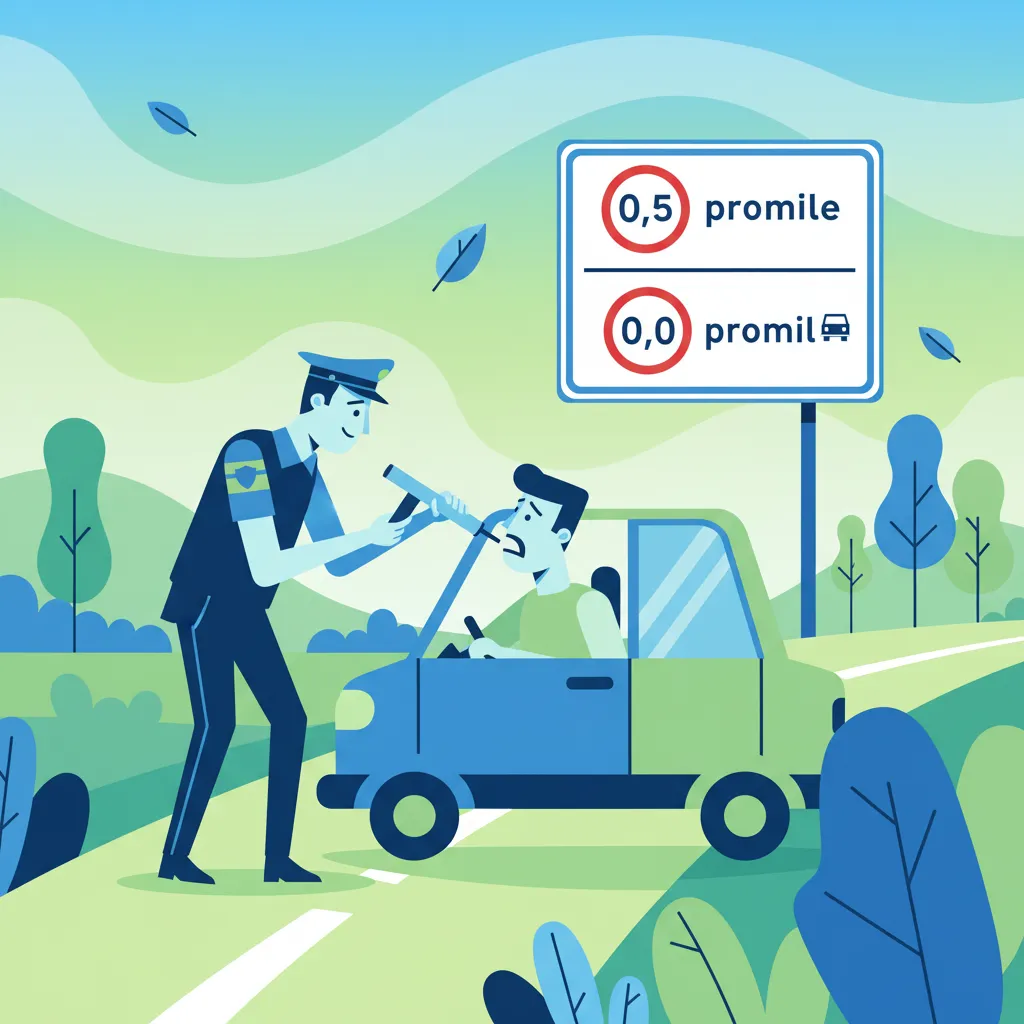
Understand Dutch Alcohol Limits: Drive Sober, Drive Safe, Pass Your Exam.
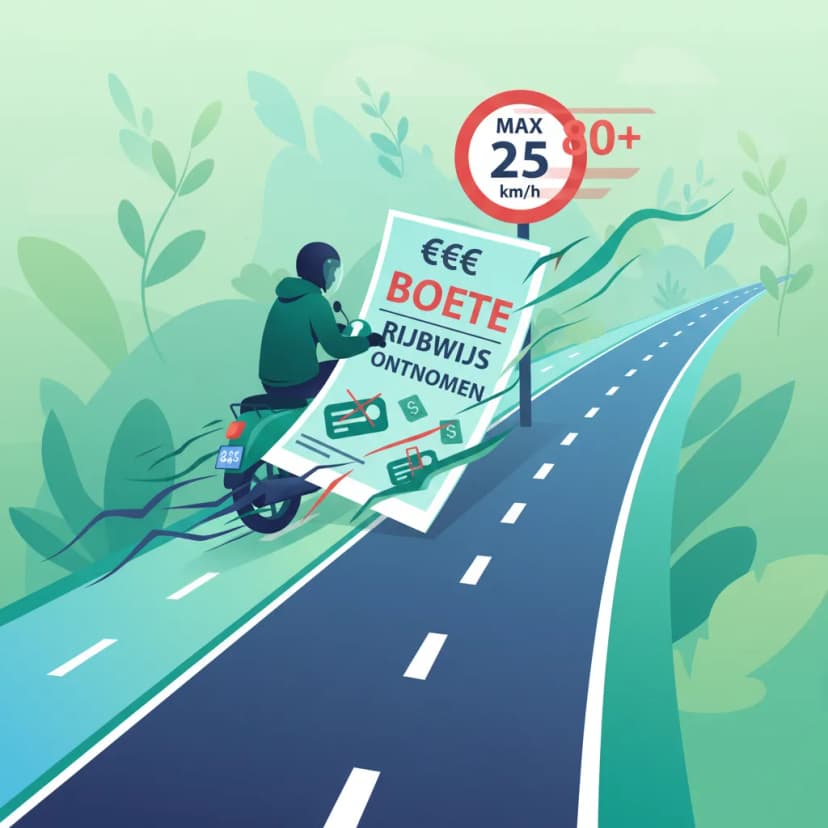
Know the Moped Speed Limits: Avoid Fines, Stay on the Road.
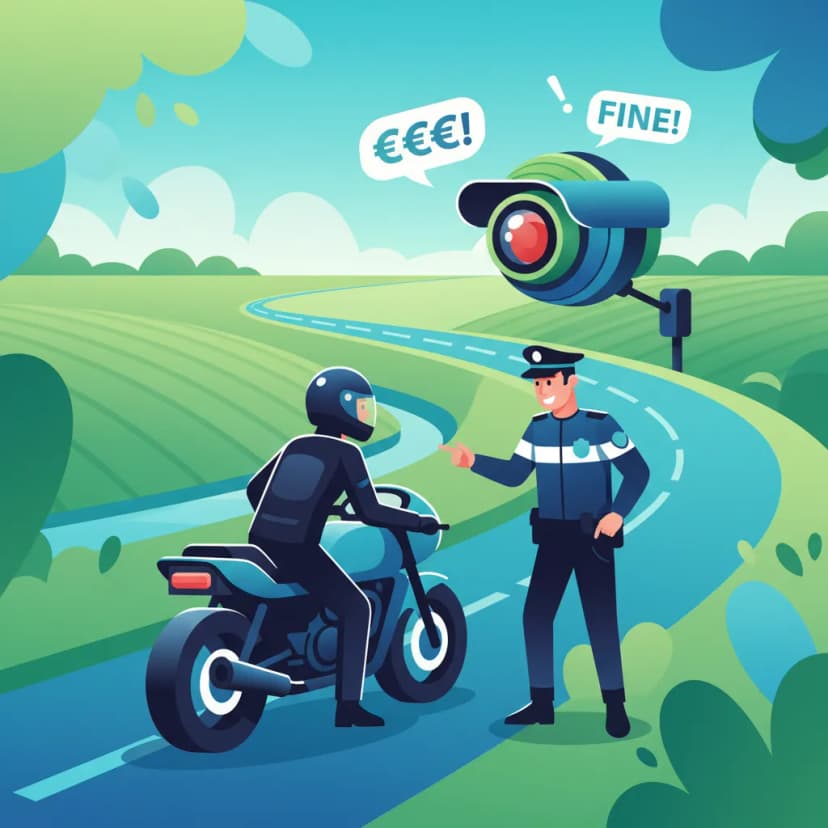
Master Dutch Motorcycle Enforcement Rules to Ride Safely and Legally.
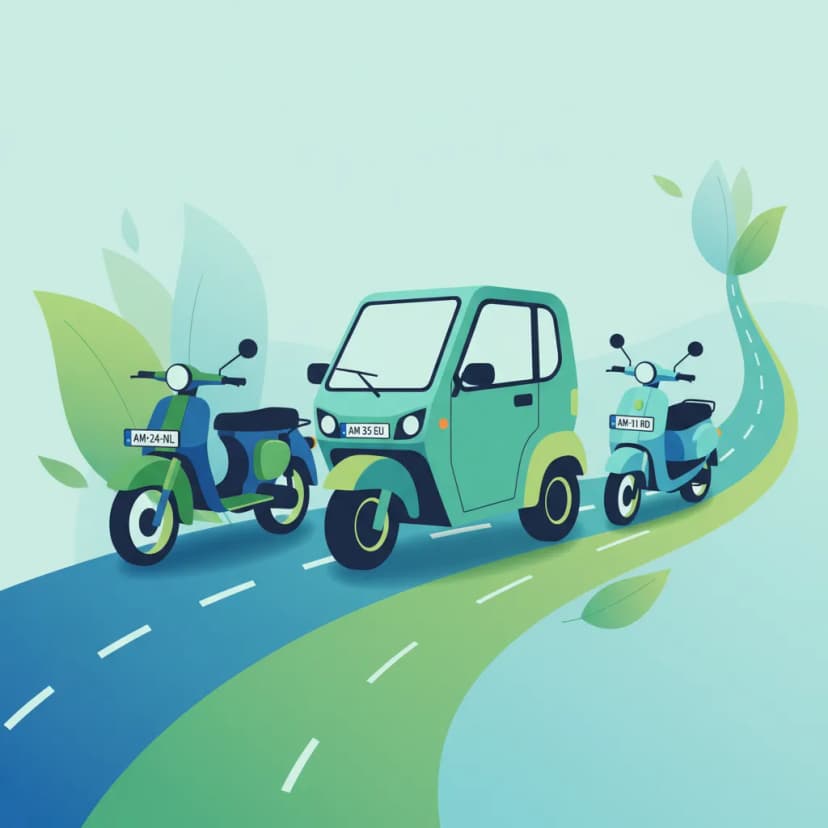
Master the specific vehicle categories for your Dutch AM license.
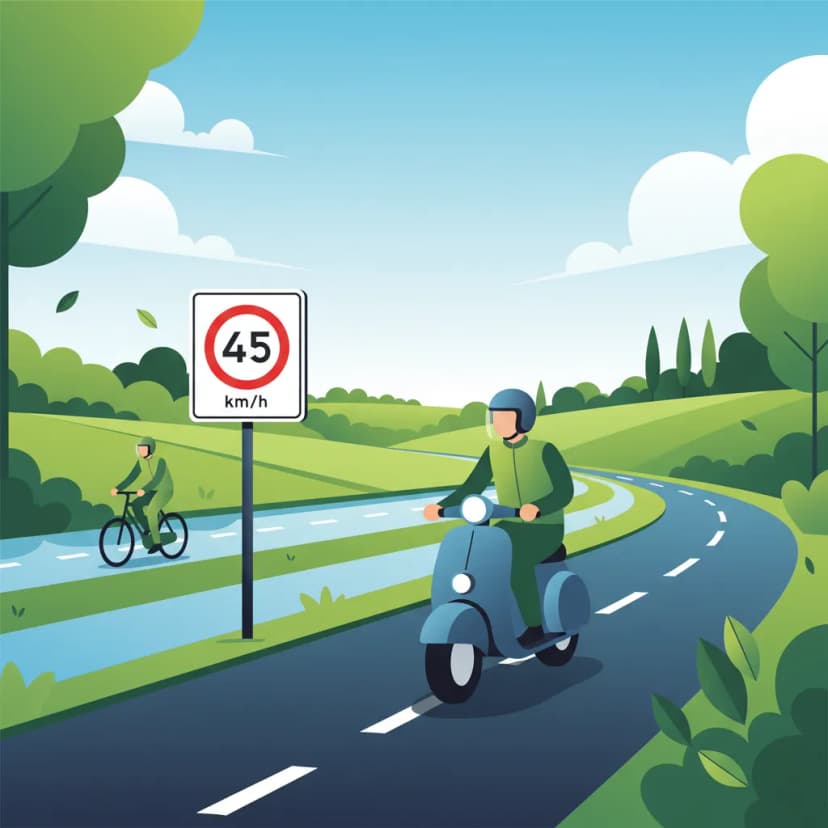
Know your limits: essential speeds for AM vehicle drivers.
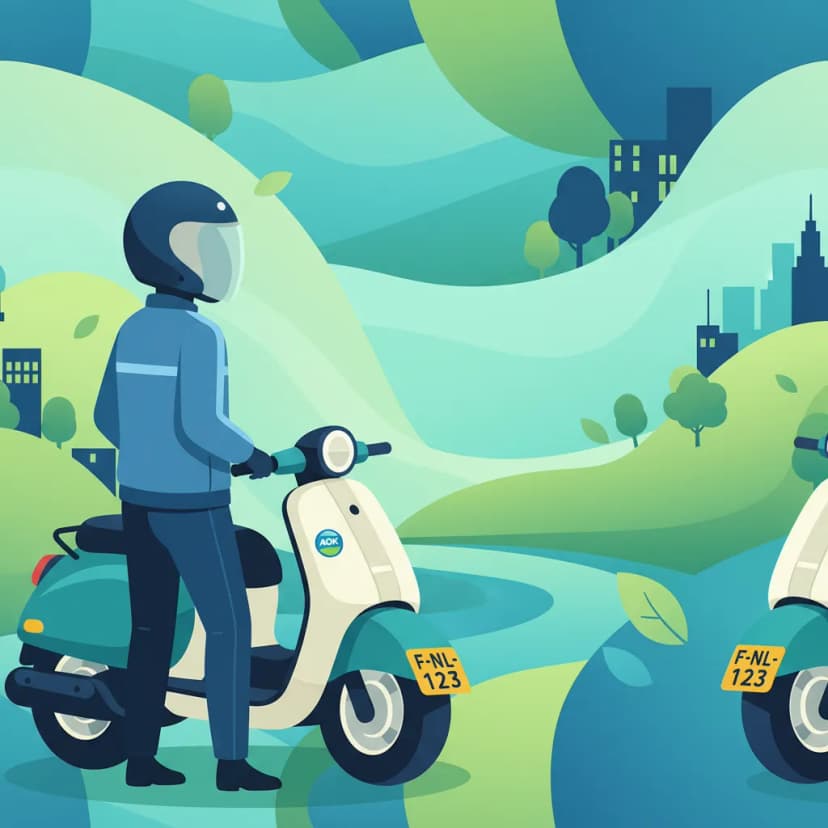
Master the Legal Essentials for Moped Riding in the Netherlands.
Questions in AM Alcohol & Drugs
Exam focused questionss
AM Alcohol & Drugs offers quick, focused exam style practice to boost your Dutch knowledge for the driving theory exam in the Netherlands.
AM Alcohol & Drugs helps learners in the Netherlands with clear explanations and targeted Dutch practice to improve essential driving theory topics.
This practice set is ideal for new AM riders and novice drivers preparing for their Dutch CBR AM theory exam. It addresses common misconceptions and ensures a solid understanding of the strict substance-related rules to prevent mistakes and ensure compliance with Dutch traffic law.
Explore more topics for the Dutch driving theory exam in the Netherlands.