
Navigate four-way stop intersections confidently with this practice set for your Dutch driving theory exam. Learn to apply Dutch traffic rules for determining priority, managing turning conflicts, and understanding right-of-way from the right. This module will sharpen your observation skills and reinforce the importance of a complete stop before proceeding, preparing you for real-world scenarios and exam questions.
Start targeted Dutch driving theory preparation for learners in the Netherlands. Train with exam style questions, learn core rules, and build the knowledge needed for the official theory test.
Focus on the specific priority rules at four-way stop intersections, where all approaches have stop signs. This set will help you understand situations involving multiple vehicles arriving at different times or simultaneously, and how to safely execute turns while giving priority to the correct traffic, crucial for avoiding common exam mistakes.
Preview sample questions from the Four-Way Stops practice set to see how they help you prepare for the driving theory exam in the Netherlands.
Learners choose Four-Way Stops to improve accuracy and understanding of key exam themes in the Netherlands. It offers realistic driving theory questions and targeted revision for effective preparation.
Find answers to the most common queries learners have when practising Four-Way Stops, including how questions match the official theory exam in the Netherlands, how scoring works, and how this practice improves exam readiness.
A four-way stop intersection is a junction where all approaching roads are regulated by a stop sign (B-7). This means every driver must come to a complete stop before proceeding, and then apply specific priority rules to determine who goes next.
If two vehicles arrive at a four-way stop simultaneously, the general rule 'right of way from the right' applies, provided there are no other specific rules (like turning conflicts) that take precedence. The driver with a vehicle to their right must yield.
When making a left turn at a four-way stop, you must first come to a complete stop. After establishing your priority based on arrival or right-of-way, you must then yield to any oncoming traffic that is going straight or turning right, as per Dutch turning rules (Article 18, Traffic Regulations).
At a four-way stop intersection marked with B-7 signs, drivers must stop and yield to other drivers on the intersecting road. However, these specific priority signs (B-6, B-7) do not automatically give pedestrians right of way over drivers in the Netherlands. Drivers must still be vigilant and ensure safety for all road users, but priority rules explicitly apply to drivers.
A complete stop means bringing your vehicle to a full halt before the stop line, or if no line, before the intersection, and remaining stopped until it is safe and legal to proceed. Rolling stops are not acceptable and can lead to exam failure.
At a four-way stop, the general principle is that the vehicle that arrives first and comes to a complete stop is the first to proceed, assuming no simultaneous arrivals or other immediate conflicts. However, always verify that the path is clear and other drivers acknowledge your right-of-way.
By completing Four-Way Stops, you will gain stronger rule knowledge, faster recognition of signs and situations, better decision making in traffic scenarios, and increased accuracy on exam style questions used in the Netherlands. These outcomes directly support higher scoring exam performance.
Discover more Dutch driving theory practice sets created for exam preparation in the Netherlands. Train with realistic questions on traffic rules, road signs, priority situations, and safety topics to build knowledge and pass your theory test with confidence.
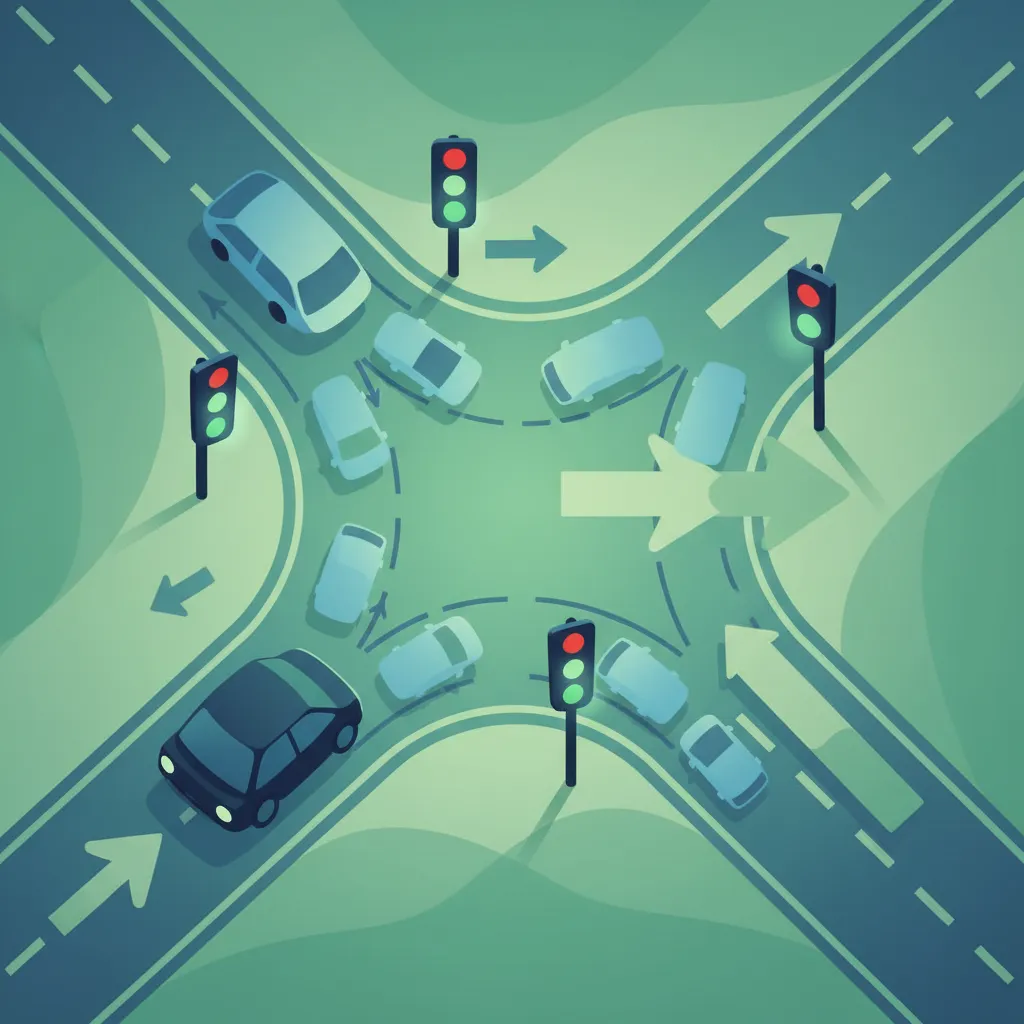
Navigate Tricky Left Turns with Confidence for Your Dutch Driving Exam.
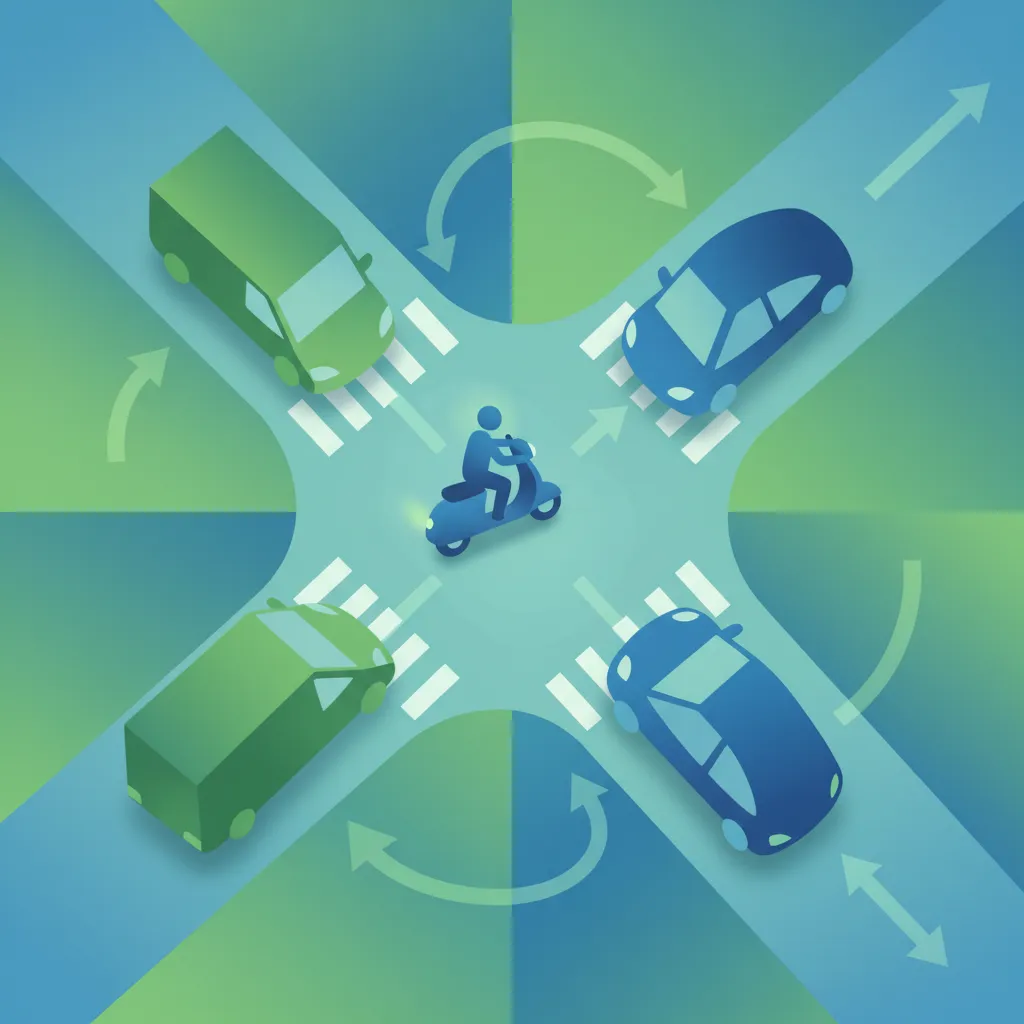
Mastering Uncontrolled Junctions: Essential for Your Dutch Theory Exam Success!
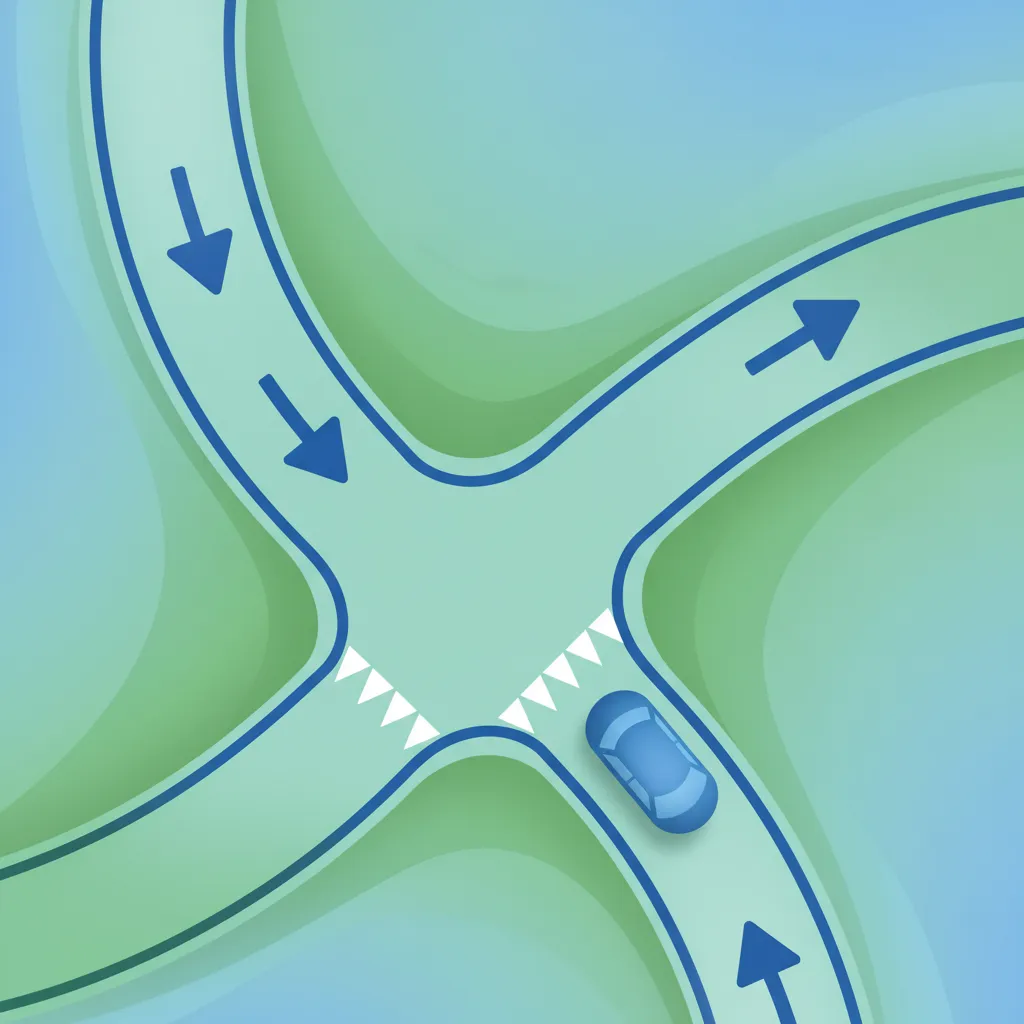
Navigate Tricky Priority Road Intersections with Confidence for Your Dutch Exam.
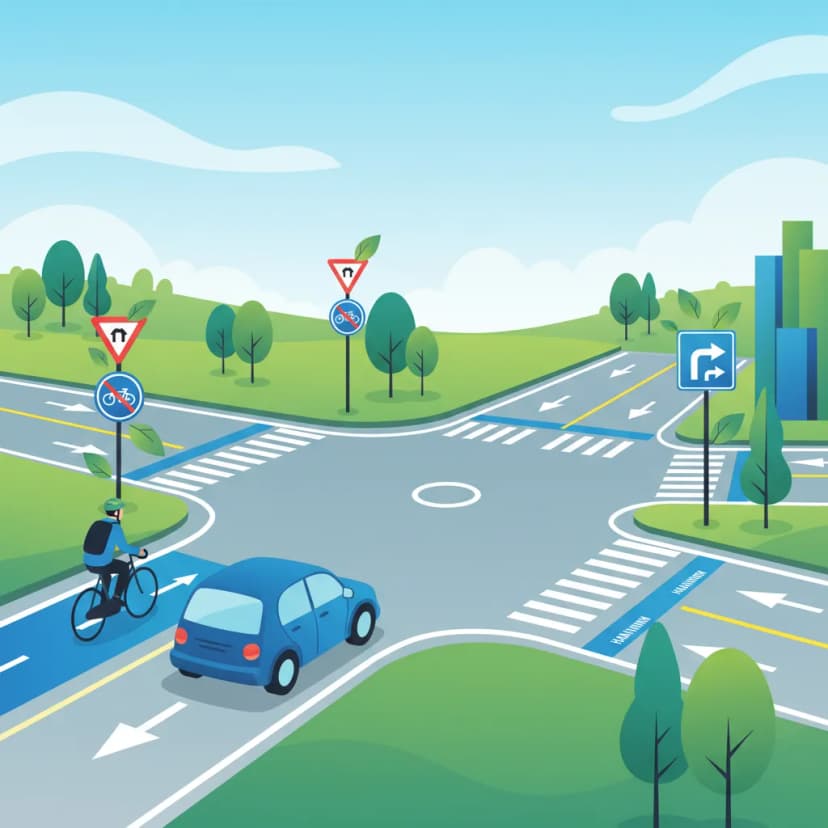
Unravel the Trickiest Junctions: Don't Let Complex Layouts Confuse Your Priority Decisions.

Unravel the complexities of offset junctions and nail every priority question.
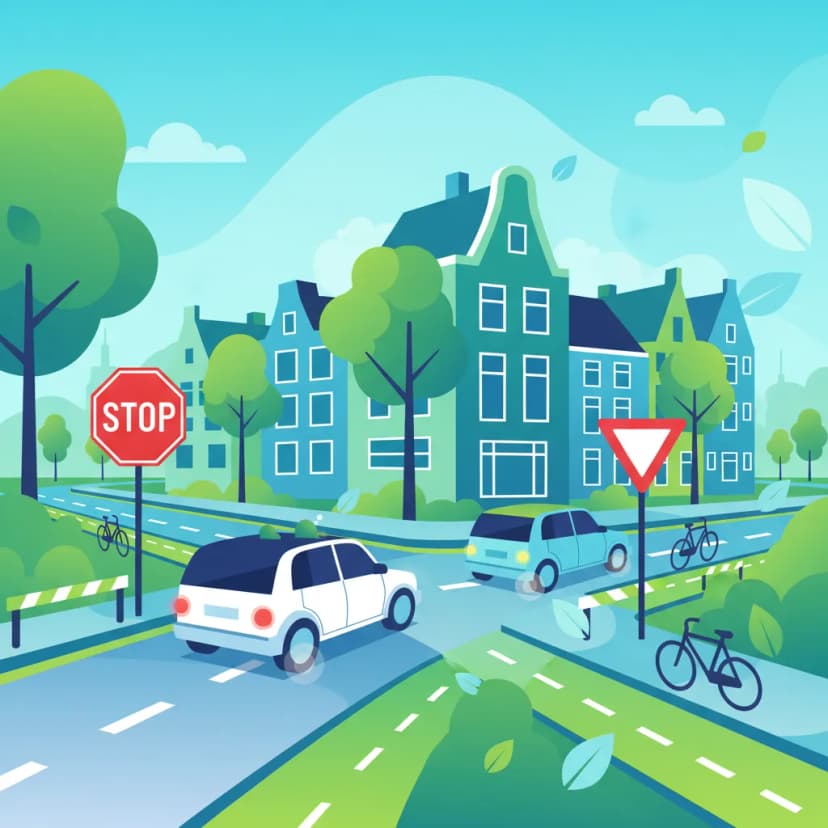
Navigate Intersections Confidently: Know When to Stop, When to Yield.
Questions in Four-Way Stops
Exam focused questionss
Four-Way Stops offers quick, focused exam style practice to boost your Dutch knowledge for the driving theory exam in the Netherlands.
Four-Way Stops helps learners in the Netherlands with clear explanations and targeted Dutch practice to improve essential driving theory topics.
This set is ideal for intermediate learners preparing for the Dutch driving theory exam who often struggle with complex priority rules at multi-directional stop intersections. It addresses typical confusions regarding simultaneous arrivals and turning maneuvers, helping you to confidently apply Dutch traffic law and avoid critical errors on your test.
Explore more topics for the Dutch driving theory exam in the Netherlands.