
For A1 license riders in the Netherlands, wearing an approved safety helmet is not just a recommendation but a legal requirement. This article breaks down the specific Dutch regulations and the crucial EU safety standards, such as ECE approval marks, that your helmet must meet. It also emphasizes the importance of a properly secured fastening system to ensure compliance and maximum protection.
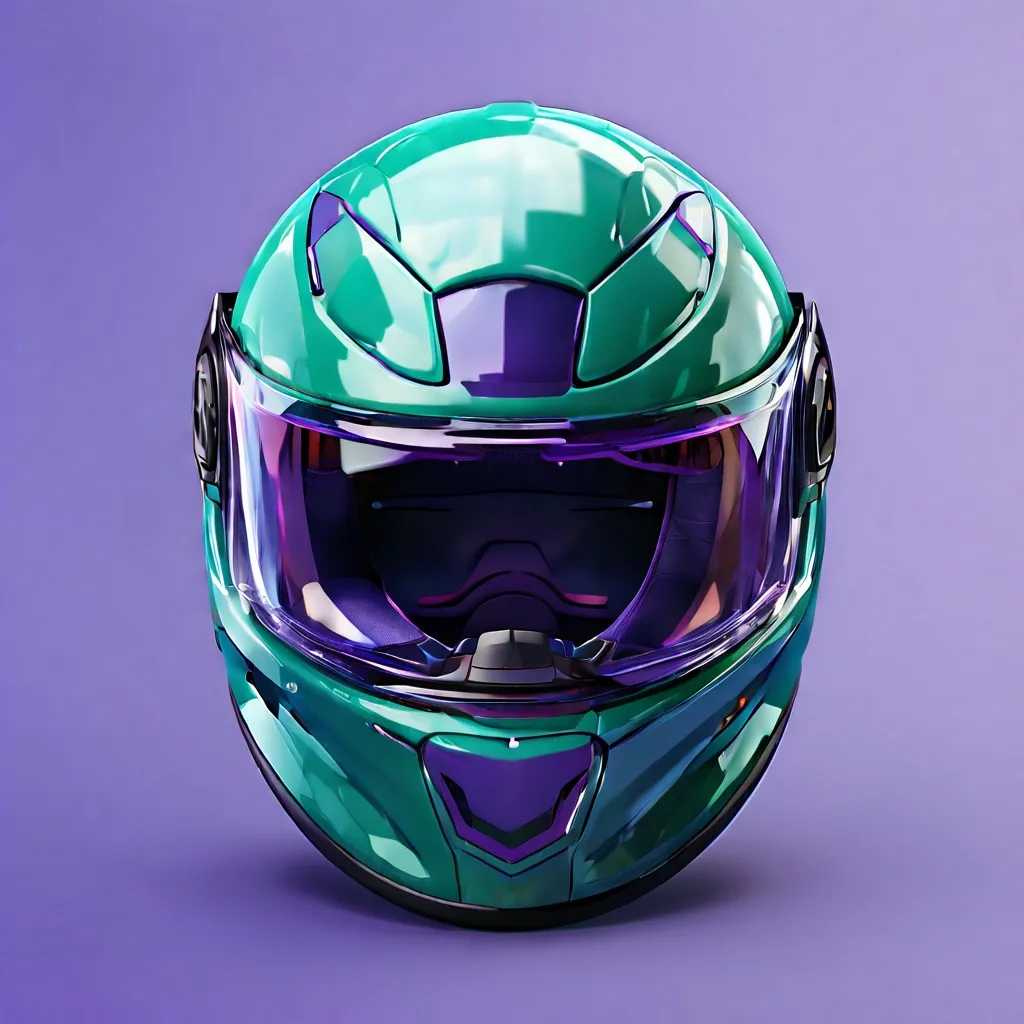
For anyone aspiring to obtain their A1 driving license in the Netherlands, understanding and adhering to helmet regulations is paramount. These rules are not merely suggestions; they are legally mandated to ensure your safety and are a critical component of your preparation for the Dutch driving theory exam. This comprehensive guide will delve into the specifics of A1 license helmet requirements, focusing on the essential EU safety standards and the precise Dutch legal stipulations, including the importance of a secure fastening system, as outlined in Dutch traffic legislation and assessed by the CBR.
In the Netherlands, the law is clear on the use of protective headgear for specific vehicle categories. Article 60 of the Dutch traffic regulations (Algemene Plaatselijke Verordening – APV) addresses the mandatory use of safety helmets. This article specifically mandates that riders and their passengers on mopeds, microcars without an enclosed compartment, motorcycles, and three-wheeled motor vehicles without an enclosed compartment must wear a properly fitting helmet. The A1 license category falls under these stipulations, meaning that when you are operating an A1-eligible vehicle, a compliant helmet is an absolute legal necessity. Failure to comply can result in fines and, more importantly, compromise your safety in the event of an accident.
While the general rule mandates helmet use, there are specific, limited exceptions as outlined in Article 60. These exceptions are crucial to understand as they can appear in theory exam questions. The requirement for a helmet does not apply to:
It is vital to note that these exceptions are narrow and do not apply to typical A1 license vehicles. Therefore, for the vast majority of A1 riders in the Netherlands, wearing a helmet is non-negotiable.
Beyond the basic requirement to wear a helmet, Dutch law stipulates that the helmet itself must meet stringent safety standards. These standards are harmonized across the European Union to ensure a baseline level of protection for all riders. The most critical aspect of these standards is the approval mark, which signifies that the helmet has undergone rigorous testing and meets the required safety specifications.
The ECE approval mark is a globally recognized certification indicating that a helmet meets the safety standards set by the United Nations Economic Commission for Europe (UNECE). For motorcycle helmets, the relevant standard is typically ECE R22.05 or its successor, ECE R22.06. This mark, usually found on the helmet's chin strap or shell, consists of a circle with the letter 'E' inside, followed by a number identifying the country that granted the approval (e.g., '4' for the Netherlands), and then the approval number.
When purchasing a helmet for your A1 license vehicle, always look for this ECE approval mark. Helmets without this certification are not legally compliant in the Netherlands and do not offer the necessary protection.
In the Netherlands, approved helmets are designated with a specific number within the ECE approval mark. As mentioned, the number '4' signifies approval granted in the Netherlands. However, any ECE-approved helmet from another EU member state is generally considered valid. The presence of this seal assures you that the helmet has met specific impact absorption, penetration resistance, and retention system requirements, all vital for rider safety.
Simply wearing a helmet is not enough; it must also be worn correctly and securely. The fastening system, typically a chin strap, plays a crucial role in keeping the helmet in place during an impact. A helmet that is not securely fastened can easily come off, rendering it ineffective. Dutch traffic regulations, mirroring EU standards, emphasize the need for a "properly fitting helmet with a clear and reliable means of fastening around the head."
To ensure your helmet is properly fastened, follow these guidelines:
The reliability of the fastening system is directly tested during accident scenarios, and a loose helmet will offer significantly less protection. This is a common area for confusion among learners, making it a potential trap in theory exam questions.
Always adjust your helmet's chin strap every time you put it on. Even if you’ve worn it for a short period, straps can loosen. A properly fitted and fastened helmet is your primary defense in preventing serious head injuries.
While the law specifically mandates helmets for A1 license riders, safe riding practices extend to other protective gear. Although not always legally required for all A1-eligible vehicles, wearing a full range of protective clothing significantly enhances your safety and is strongly recommended by the CBR and traffic safety organizations. This includes:
While the theory exam will primarily focus on the legal requirements for helmets, understanding the importance of other protective gear reinforces safe driving behaviour, a core aspect of the CBR assessment.
The Dutch driving theory exam, administered by the CBR, will assess your understanding of these helmet regulations. You can expect questions related to:
Pay close attention to the wording of questions, as they often test your ability to distinguish between general recommendations and strict legal requirements. For instance, a question might describe a specific vehicle that falls under the helmet mandate, or it might present a scenario where an exception might seem plausible but is actually not applicable.
Adhering to helmet laws for your A1 license in the Netherlands is a fundamental aspect of responsible riding. It's about complying with Dutch traffic regulations and, more importantly, safeguarding your well-being. By understanding the legal mandates, recognizing the significance of EU safety standards like the ECE approval mark, and ensuring your helmet is always securely fastened, you are well on your way to passing your theory exam and becoming a safer rider. Always ensure your helmet meets the required standards, fits correctly, and is fastened properly before every journey.
Article content overview
Explore related topics, search based questions, and concepts that learners often look up when studying A1 Helmet Laws NL. These themes reflect real search intent and help you understand how this topic connects to wider driving theory knowledge in the Netherlands.
Find clear and practical answers to common questions learners often have about A1 Helmet Laws NL. This section helps explain difficult points, remove confusion, and reinforce the key driving theory concepts that matter for learners in the Netherlands.
A1 license riders in the Netherlands must wear a properly fitting helmet that bears an ECE approval mark (seal of a safety standard) and has a clear and reliable means of fastening around the head.
The ECE approval mark indicates that the helmet meets minimum safety standards set by the United Nations Economic Commission for Europe, ensuring it provides adequate protection.
While both relate to safety standards, the specific requirement in the Netherlands for motorcycle helmets is an ECE approval mark, often indicated by an 'E' followed by a number within a circle.
A properly fitting helmet covers the head securely, does not shift excessively, and feels snug without causing discomfort. It should not obstruct vision or hearing significantly.
Currently, Article 60 of the Dutch traffic regulations generally mandates helmets for mopeds, motorcycles, and similar vehicles. Exceptions typically apply to very specific, low-speed electric bicycles and similar vehicles, not standard A1 license motorcycles.