
Prepare for the Dutch driving theory exam by practicing questions on weather hazards specific to two-wheelers. This set covers critical topics like reduced visibility in fog, slippery roads in rain and ice, and the impact of strong winds on stability for mopeds and scooters. Master these scenarios to ensure you ride safely and confidently in all conditions, aligning with CBR standards.

Start targeted Dutch driving theory preparation for learners in the Netherlands. Train with exam style questions, learn core rules, and build the knowledge needed for the official theory test.
This set dives into various weather-related scenarios specifically for AM vehicle riders. It focuses on how rain, fog, ice, and wind affect grip, stability, and visibility, helping you understand crucial adjustments needed for the Dutch driving theory exam. Learn to anticipate risks and react correctly to maintain control in adverse conditions.
Preview sample questions from the Weather Hazards for AM Vehicles practice set to see how they help you prepare for the driving theory exam in the Netherlands.
Learners choose Weather Hazards for AM Vehicles to improve accuracy and understanding of key exam themes in the Netherlands. It offers realistic driving theory questions and targeted revision for effective preparation.
Find answers to the most common queries learners have when practising Weather Hazards for AM Vehicles, including how questions match the official theory exam in the Netherlands, how scoring works, and how this practice improves exam readiness.
Rain significantly reduces tire grip, increasing braking distances and the risk of skidding. It's crucial to brake earlier and more gently, especially after a dry spell when oil and dirt create a slick film on the road. This 'vettige, gladde substantie' makes the road extremely slippery.
Fog severely limits visibility for both the rider and other road users, increasing the risk of not seeing obstacles or other vehicles, and not being seen yourself. Riders should reduce speed, increase following distance, and use appropriate lighting (like fog lights if equipped).
Riding on ice is extremely dangerous for two-wheelers due to minimal grip, making the road 'spekglad'. Avoid sudden movements, brake very gently and early, and reduce your speed drastically. If possible, avoid riding altogether when roads are icy or when temperatures are around freezing point and moisture could freeze.
Strong crosswinds can push your moped or scooter sideways, making it difficult to maintain a straight line. Grip the handlebars firmly, lean slightly into the wind, and be prepared for sudden gusts. Be especially careful when passing larger vehicles or exiting tunnels onto open areas.
When rain first starts after a long dry spell, road dust, oil, and tire debris mix with the water to form a very greasy, slick layer. This significantly reduces grip and makes the road particularly slippery, increasing the risk of skidding. This is due to the formation of a 'vettige, gladde substantie' on the road surface.
By completing Weather Hazards for AM Vehicles, you will gain stronger rule knowledge, faster recognition of signs and situations, better decision making in traffic scenarios, and increased accuracy on exam style questions used in the Netherlands. These outcomes directly support higher scoring exam performance.
Discover more Dutch driving theory practice sets created for exam preparation in the Netherlands. Train with realistic questions on traffic rules, road signs, priority situations, and safety topics to build knowledge and pass your theory test with confidence.
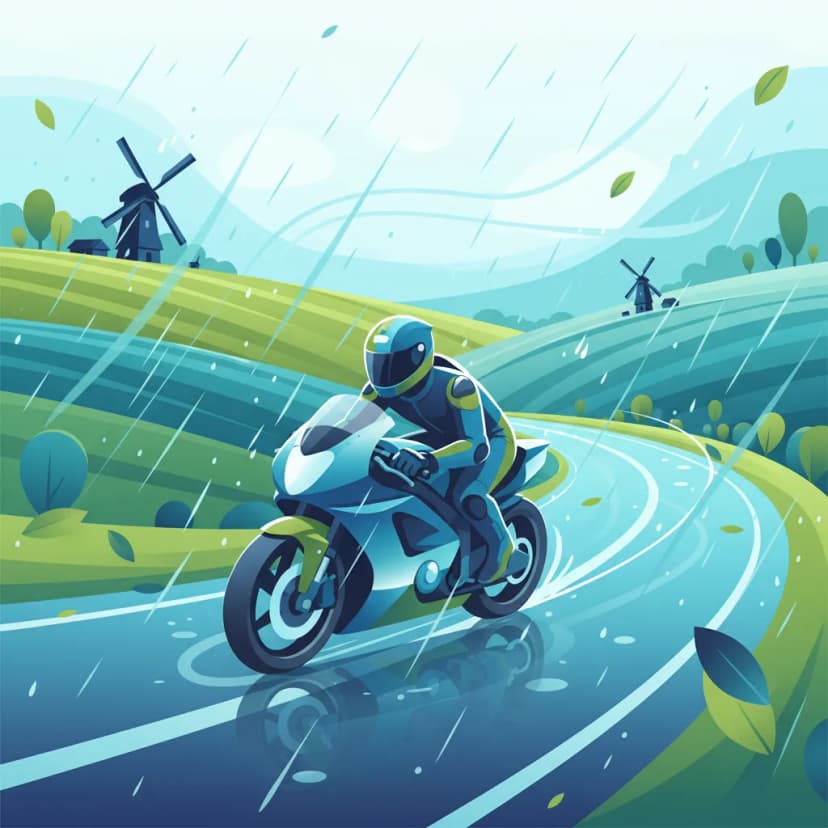
Master Challenging Weather Conditions for Your A2 Motorcycle Exam!
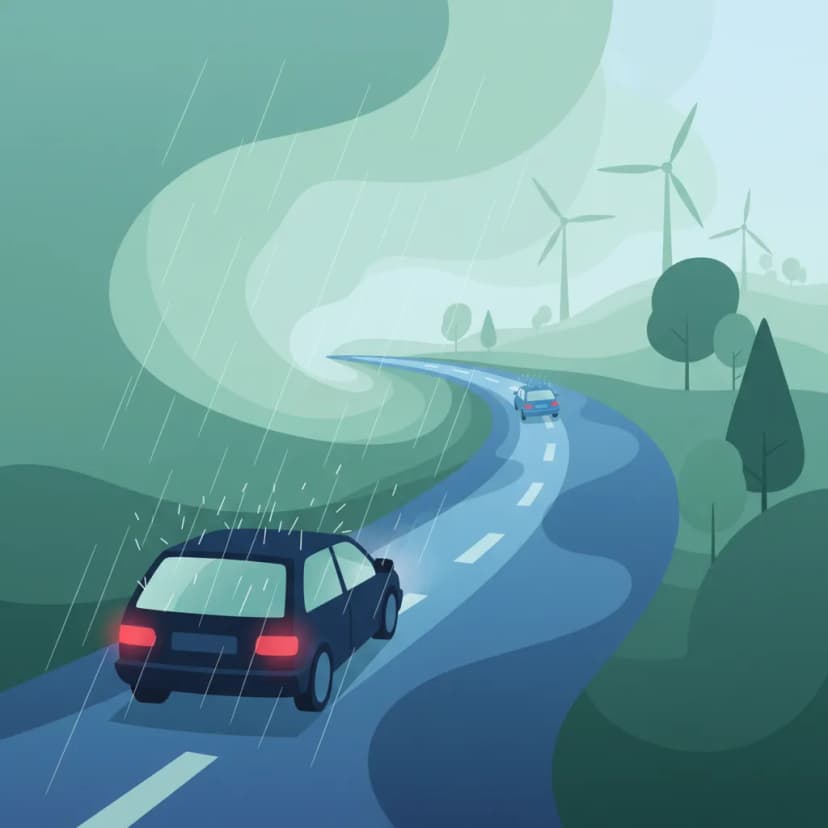
Drive Safely: Mastering Speed Adaptation for Challenging Dutch Road Conditions
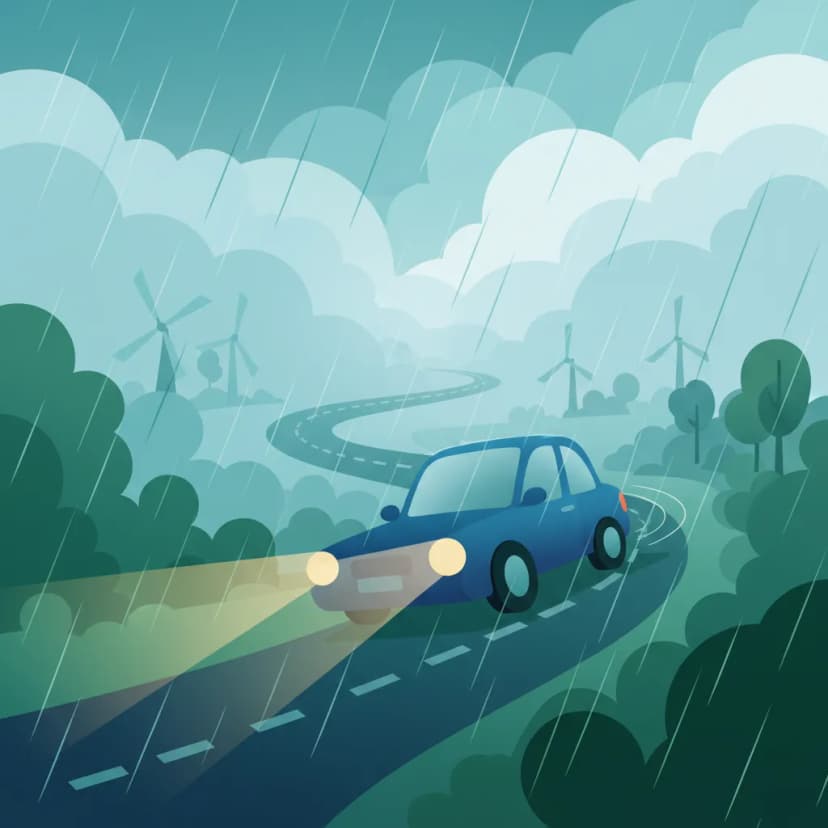
Mastering Road Hazards in Challenging Conditions is Crucial for Your Exam

Master Moped Braking: Stay Safe and Confident on Dutch Roads!
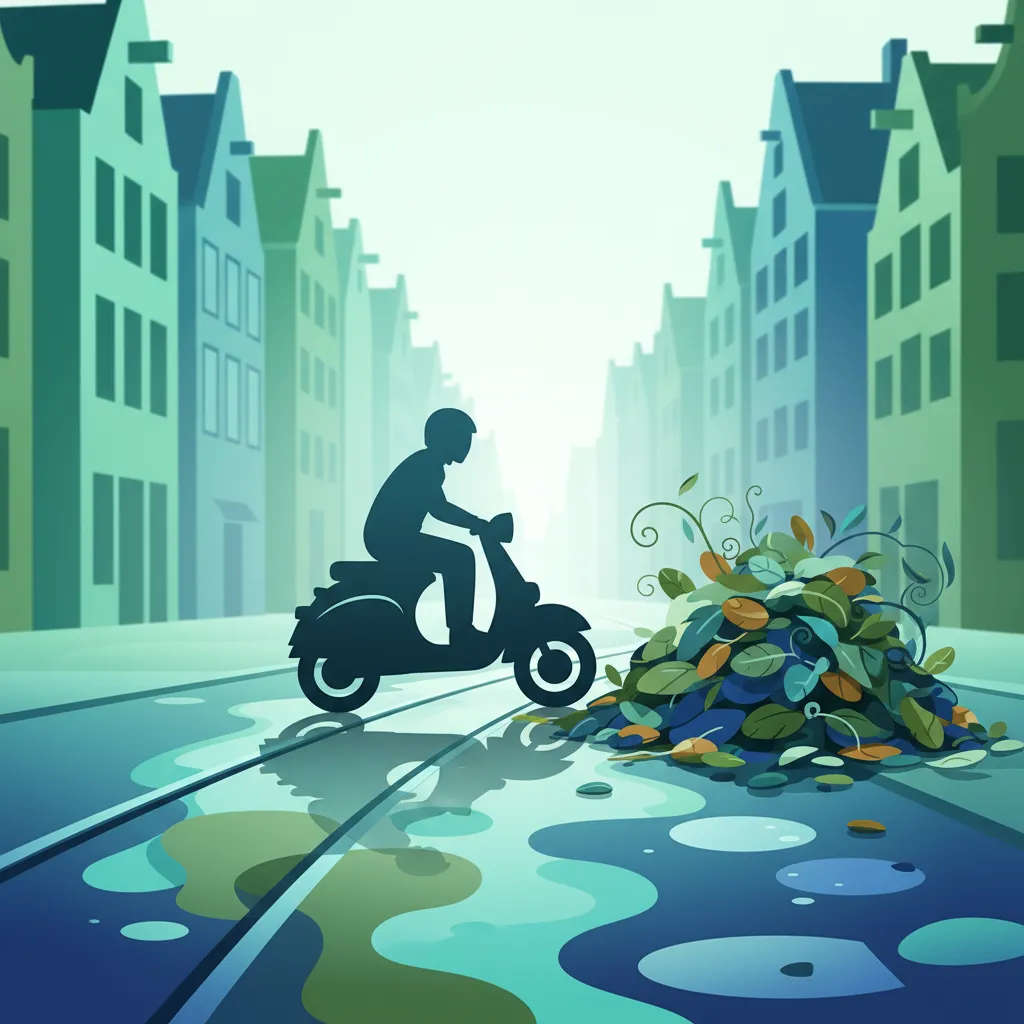
Master Slippery Situations and Tricky Obstacles for a Safer Ride

Master how to be seen: Essential knowledge for safe moped riding in the Netherlands.
Questions in Weather Hazards for AM Vehicles
Exam focused questionss
Weather Hazards for AM Vehicles offers quick, focused exam style practice to boost your Dutch knowledge for the driving theory exam in the Netherlands.
Weather Hazards for AM Vehicles helps learners in the Netherlands with clear explanations and targeted Dutch practice to improve essential driving theory topics.
This practice set is ideal for moped and scooter riders preparing for their Dutch AM driving theory exam. If you struggle with understanding how different weather conditions uniquely affect two-wheelers, or tend to underestimate related risks, this set will clarify crucial safety principles. It helps you anticipate and respond correctly to weather-related challenges as required by CBR.
Explore more topics for the Dutch driving theory exam in the Netherlands.