
Prepare for the most challenging high-speed emergency braking situations on a motorcycle for your Dutch Category A driving theory exam. This practice set focuses on advanced techniques, optimal brake use, and critical decision-making on motorways, aligned with CBR standards. Sharpen your skills to react effectively and safely, avoiding common pitfalls in emergency stops.
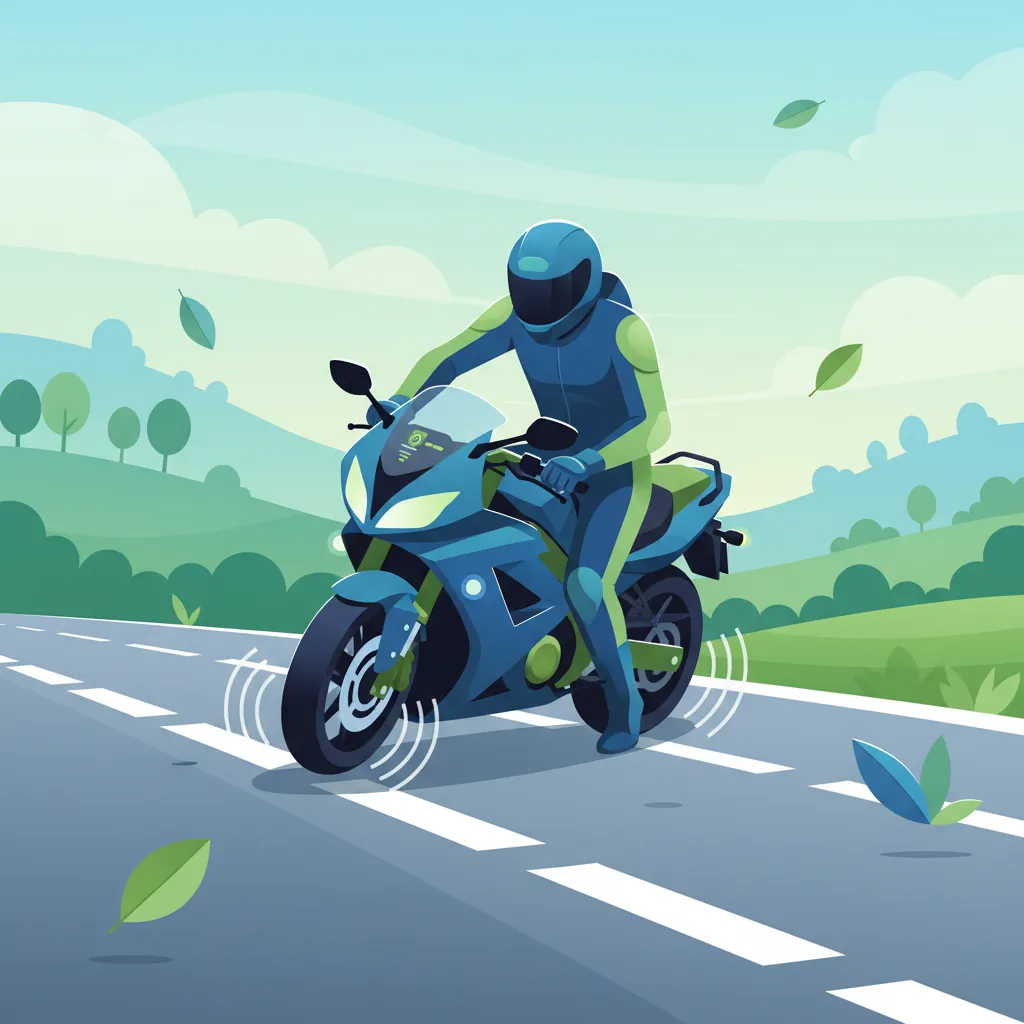
Start targeted Dutch driving theory preparation for learners in the Netherlands. Train with exam style questions, learn core rules, and build the knowledge needed for the official theory test.
Dive deep into the nuances of emergency braking for motorcycles at motorway speeds. This set covers advanced techniques, proper brake application, handling ABS, and critical decision-making under pressure, all vital for safely navigating Dutch roads and passing your driving theory exam.
Preview sample questions from the Motorcycle Emergency Braking A practice set to see how they help you prepare for the driving theory exam in the Netherlands.
Learners choose Motorcycle Emergency Braking A to improve accuracy and understanding of key exam themes in the Netherlands. It offers realistic driving theory questions and targeted revision for effective preparation.
Find answers to the most common queries learners have when practising Motorcycle Emergency Braking A, including how questions match the official theory exam in the Netherlands, how scoring works, and how this practice improves exam readiness.
The most effective method involves applying the front brake powerfully (approximately 80% of braking force) after initially 'setting' the brake for grip, while simultaneously using the rear brake (approximately 20%). Always look far ahead to maintain stability and avoid steering inputs during heavy braking.
ABS prevents wheel lock-up, allowing you to maintain steering control during hard braking. While it doesn't always guarantee a shorter braking distance, it significantly enhances safety by allowing you to steer around obstacles. You might feel a vibration in the brake pedal when ABS activates, which is normal.
Yes, doubling your speed quadruples your braking distance. This non-linear relationship highlights the critical importance of maintaining adequate following distances, especially at motorway speeds, to allow sufficient time and space for emergency braking.
Thinking distance is the distance covered from when you perceive a hazard to when you apply the brakes. Braking distance is the distance covered from when you apply the brakes until the vehicle comes to a complete stop. Stopping distance is the sum of both: Thinking Distance + Braking Distance.
Looking far ahead helps you maintain balance and steer in the direction you want to go. If you look immediately in front of your wheel, you are more likely to lose stability and swerve, making it harder to control the motorcycle during an emergency stop.
By completing Motorcycle Emergency Braking A, you will gain stronger rule knowledge, faster recognition of signs and situations, better decision making in traffic scenarios, and increased accuracy on exam style questions used in the Netherlands. These outcomes directly support higher scoring exam performance.
Discover more Dutch driving theory practice sets created for exam preparation in the Netherlands. Train with realistic questions on traffic rules, road signs, priority situations, and safety topics to build knowledge and pass your theory test with confidence.
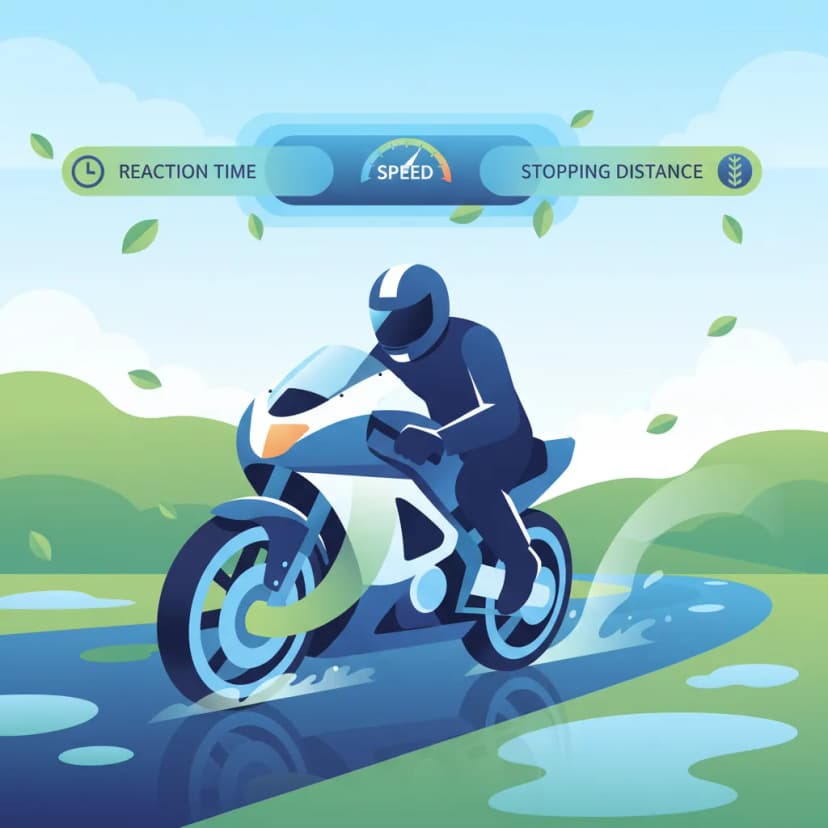
Conquer Braking Challenges: Essential A1 Skills for the Dutch CBR Exam

Master unexpected situations and maintain control on your motorcycle.

Push Your Braking Skills to the Limit and Stay in Control
Brake with Confidence: Essential Techniques for Your Dutch Driving Theory Exam!
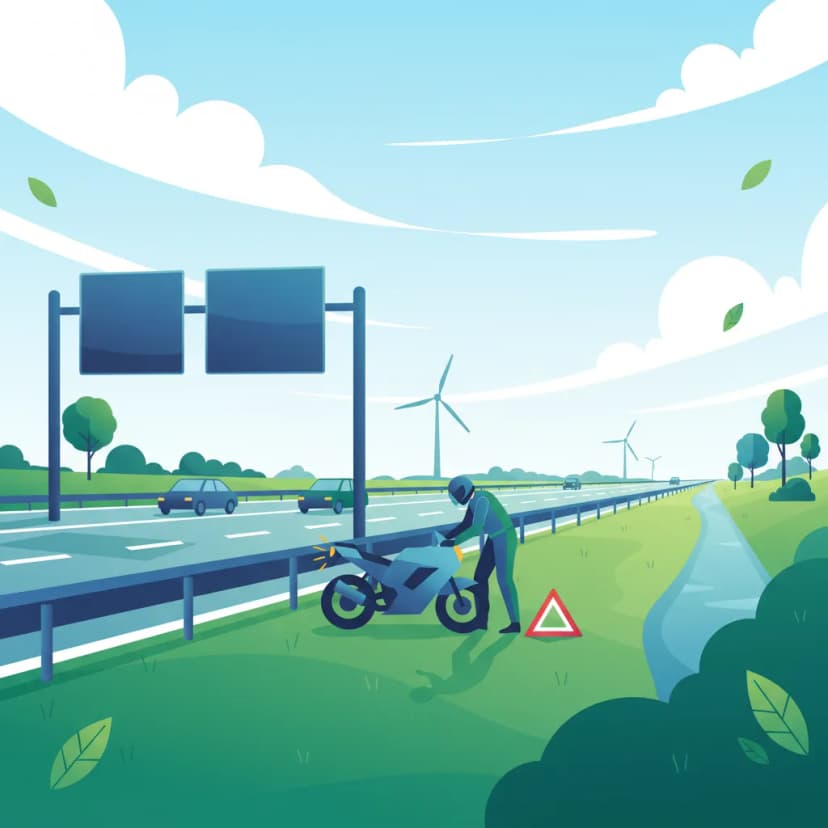
Master Dutch Motorcycle Breakdown Rules and Stay Safe on the Road.
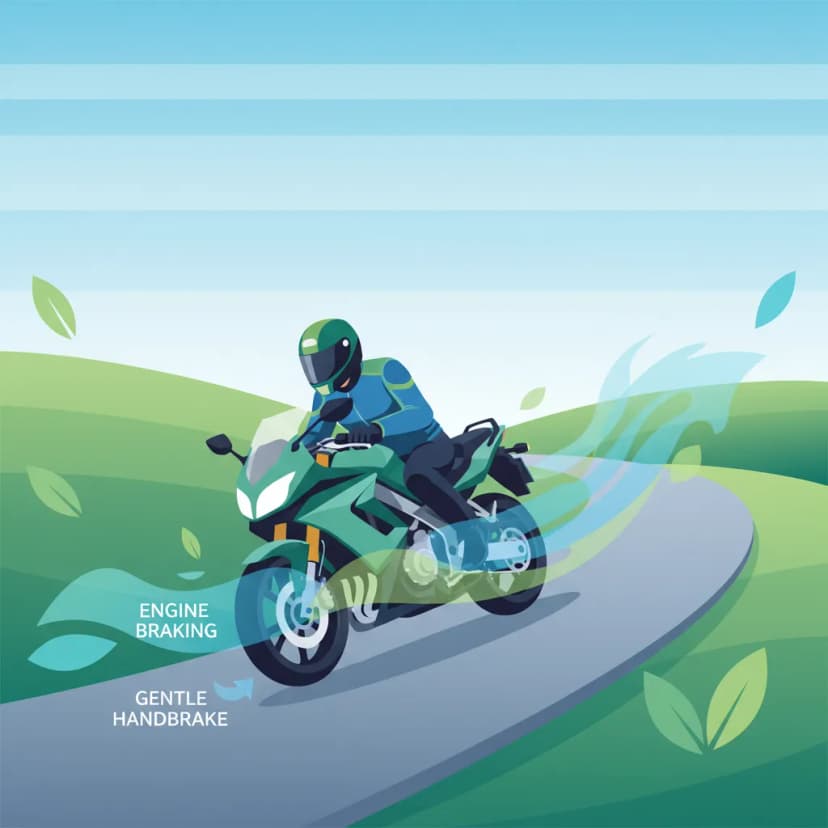
Conquer Steep Slopes: Expert Braking Techniques for A2 Riders
Questions in Motorcycle Emergency Braking A
Exam focused questionss
Motorcycle Emergency Braking A offers quick, focused exam style practice to boost your Dutch knowledge for the driving theory exam in the Netherlands.
Motorcycle Emergency Braking A helps learners in the Netherlands with clear explanations and targeted Dutch practice to improve essential driving theory topics.
This set is ideal for advanced Category A motorcycle learners, those seeking to refine their high-speed emergency braking skills, or anyone preparing for the Dutch CBR practical motorcycle exam. It addresses complex scenarios where quick and precise reactions are paramount, helping you overcome challenges related to control and stability.
Explore more topics for the Dutch driving theory exam in the Netherlands.