
Prepare for your Dutch driving theory exam by practicing how to recognize and react to mechanical warning signs. This set focuses on crucial signals like unexpected vibrations, unusual noises, and sudden control loss, ensuring you understand the necessary safety procedures. Master these scenarios to confidently answer questions about vehicle maintenance and safety, aligned with CBR standards.

Start targeted Dutch driving theory preparation for learners in the Netherlands. Train with exam style questions, learn core rules, and build the knowledge needed for the official theory test.
Understand common mechanical faults indicated by vibrations, strange noises, or loss of control. This set prepares you to react safely and correctly to vehicle issues, a vital skill for both your Dutch driving theory exam and real-world road safety in the Netherlands.
Preview sample questions from the Mechanical Warnings practice set to see how they help you prepare for the driving theory exam in the Netherlands.
Learners choose Mechanical Warnings to improve accuracy and understanding of key exam themes in the Netherlands. It offers realistic driving theory questions and targeted revision for effective preparation.
Find answers to the most common queries learners have when practising Mechanical Warnings, including how questions match the official theory exam in the Netherlands, how scoring works, and how this practice improves exam readiness.
This set focuses on common vehicle warning signs such as unusual vibrations, strange noises (e.g., grinding, squealing), and sudden changes in vehicle control, all crucial for safe driving in the Netherlands.
The Dutch driving theory exam (CBR) includes questions on vehicle maintenance, safety, and emergency procedures. Understanding these signs helps you answer questions on how to react to potential mechanical failures and ensure road safety.
This set is designed for intermediate learners, as it covers scenarios that might require a nuanced understanding of vehicle behavior and appropriate responses. Beginners might find it challenging but beneficial after covering basic vehicle checks.
The first step is to assess if there's immediate danger. If safe, you should reduce speed, find a safe place to pull over, and investigate the noise or seek professional help. Never ignore persistent unusual noises while driving.
While dashboard warning lights are important, this specific practice set primarily focuses on physical sensations (vibrations), sounds, and changes in vehicle handling (control loss) that indicate mechanical issues, rather than light indicators.
By completing Mechanical Warnings, you will gain stronger rule knowledge, faster recognition of signs and situations, better decision making in traffic scenarios, and increased accuracy on exam style questions used in the Netherlands. These outcomes directly support higher scoring exam performance.
Discover more Dutch driving theory practice sets created for exam preparation in the Netherlands. Train with realistic questions on traffic rules, road signs, priority situations, and safety topics to build knowledge and pass your theory test with confidence.

Stay calm and in control: Master mechanical failure responses for your Dutch driving exam.

Master Your Pre-Drive Safety Checks for a Confident Start!

Ensure Your Motorcycle is Roadworthy: Pass Your Theory Exam Confidently!
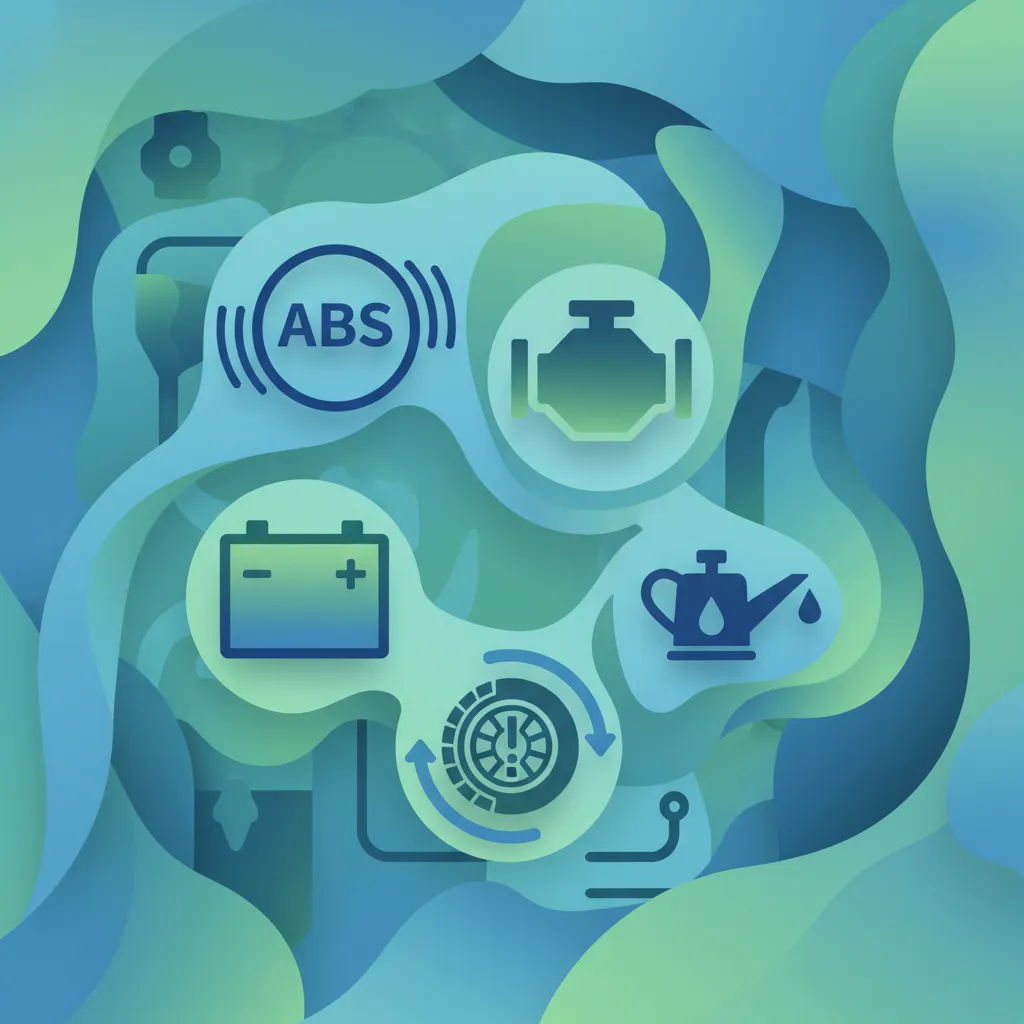
Decipher your dashboard: Know what every light means to drive safely and pass your exam.
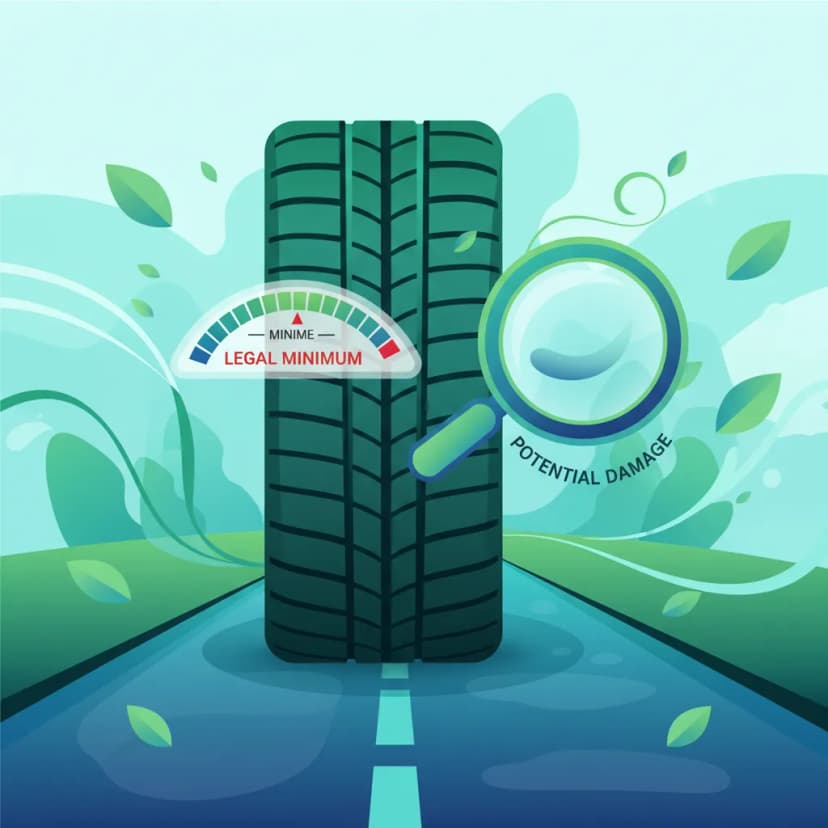
Unlock Key Tire Safety Knowledge for Your Dutch Driving Theory Exam.
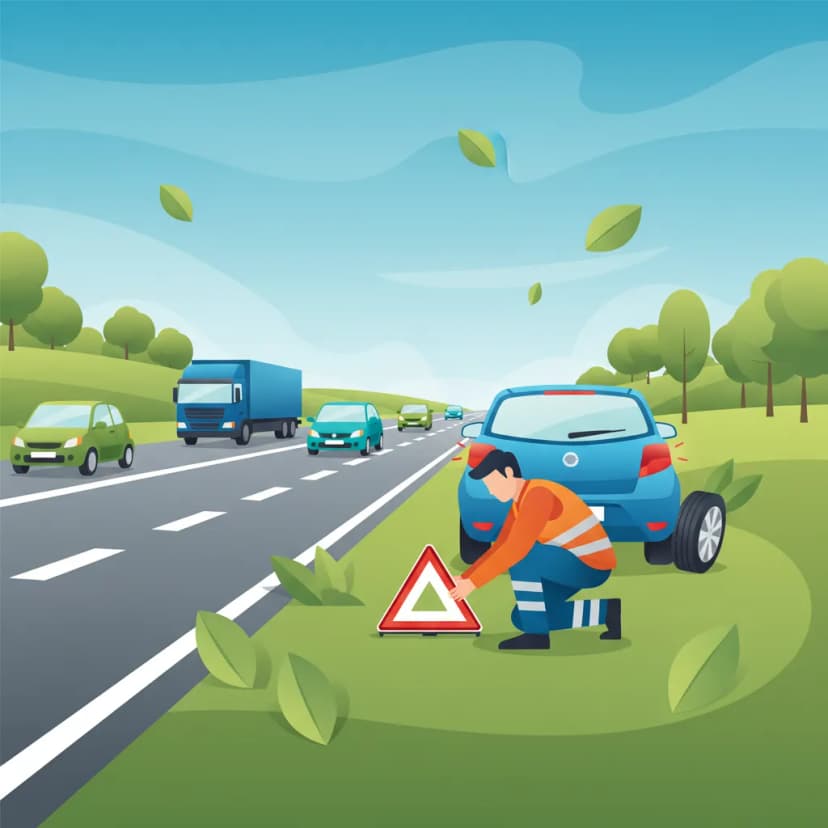
Be Prepared: Master Roadside Emergency Procedures for Your Dutch Driving Exam.
Questions in Mechanical Warnings
Exam focused questionss
Mechanical Warnings offers quick, focused exam style practice to boost your Dutch knowledge for the driving theory exam in the Netherlands.
Mechanical Warnings helps learners in the Netherlands with clear explanations and targeted Dutch practice to improve essential driving theory topics.
This practice set is for intermediate learners preparing for their Dutch driving theory exam who want to improve their knowledge of vehicle safety and fault recognition. It helps address common confusions about what unusual signs mean and how to react, ensuring you're ready for exam questions on mechanical issues and emergency procedures.
Explore more topics for the Dutch driving theory exam in the Netherlands.