
Sharpen your hazard perception skills specifically for interactions with cyclists in Dutch traffic. This practice set covers critical scenarios like safe overtaking distances, preventing 'dooring' accidents, and anticipating unpredictable movements. Master these vital safety rules to confidently pass your official Dutch driving theory exam.
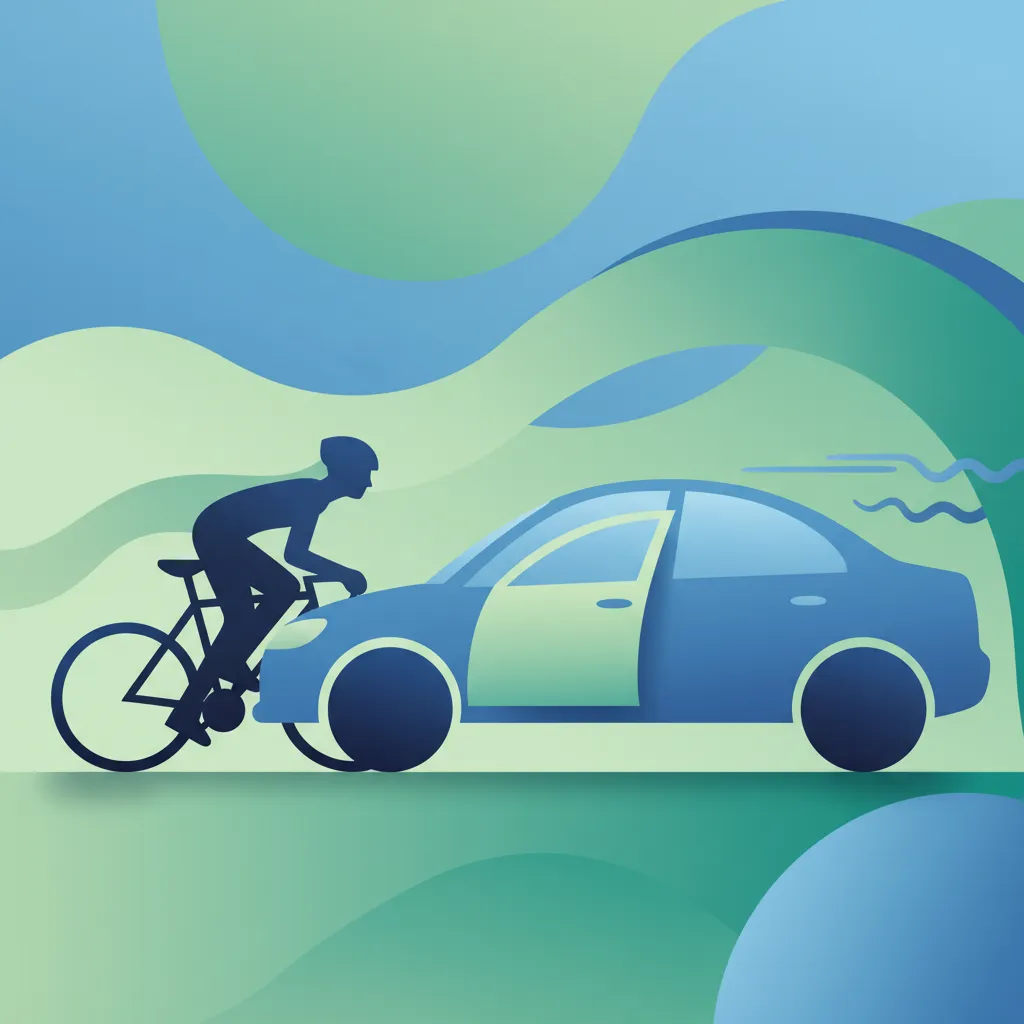
Start targeted Dutch driving theory preparation for learners in the Netherlands. Train with exam style questions, learn core rules, and build the knowledge needed for the official theory test.
This set focuses on common interactions with cyclists, covering essential rules for overtaking, preventing 'dooring' accidents, and understanding their behaviour. Practising these scenarios will sharpen your hazard perception and prepare you for the official Dutch driving theory exam.
Preview sample questions from the Cyclist Hazards practice set to see how they help you prepare for the driving theory exam in the Netherlands.
Learners choose Cyclist Hazards to improve accuracy and understanding of key exam themes in the Netherlands. It offers realistic driving theory questions and targeted revision for effective preparation.
Find answers to the most common queries learners have when practising Cyclist Hazards, including how questions match the official theory exam in the Netherlands, how scoring works, and how this practice improves exam readiness.
'Dooring' is when a vehicle occupant opens their door into the path of an approaching cyclist. It's a significant hazard because it can cause serious injury to the cyclist, and drivers must always check for traffic, especially cyclists, before opening a door.
When overtaking a cyclist, you should maintain a lateral distance of approximately 1.5 metres (as per Dutch guidelines) to ensure their safety and account for any sudden movements. Always ensure you can pass safely and without causing danger or hindrance.
Yes, in the Netherlands, cyclists may overtake other slower-moving vehicles, including cars, on the right. Drivers should be aware of this, especially when turning right or in traffic queues, and check blind spots.
Cyclists are balancing vehicles and can make sudden, unconscious movements or change direction quickly. Anticipating this helps drivers react in time, especially children or less experienced cyclists, and prevents dangerous situations.
The Dutch driving theory exam (CBR) heavily emphasizes hazard perception, especially involving vulnerable road users like cyclists. Questions will test your ability to recognise potential dangers early and react appropriately according to Dutch traffic laws.
By completing Cyclist Hazards, you will gain stronger rule knowledge, faster recognition of signs and situations, better decision making in traffic scenarios, and increased accuracy on exam style questions used in the Netherlands. These outcomes directly support higher scoring exam performance.
Discover more Dutch driving theory practice sets created for exam preparation in the Netherlands. Train with realistic questions on traffic rules, road signs, priority situations, and safety topics to build knowledge and pass your theory test with confidence.

Sharpen your skills in spotting vulnerable road users to ace your Dutch theory exam.
Protect Vulnerable Road Users and Pass Your Dutch Driving Theory Exam with Confidence.
Master Urban Hazards: Anticipate Risks and React Safely in City Traffic.

Stay Ahead of the Unexpected: Master Pedestrian Hazard Perception

Master the art of urban driving where roads are shared, not separated.

Master the Art of Seeing Motorcycles in Busy Dutch Traffic
Questions in Cyclist Hazards
Exam focused questionss
Cyclist Hazards offers quick, focused exam style practice to boost your Dutch knowledge for the driving theory exam in the Netherlands.
Cyclist Hazards helps learners in the Netherlands with clear explanations and targeted Dutch practice to improve essential driving theory topics.
This practice set is ideal for intermediate learners preparing for the Dutch driving theory exam who want to improve their hazard perception regarding cyclists. It addresses common mistakes in judging distances, anticipating cyclist behaviour, and understanding specific Dutch traffic regulations for vulnerable road users.
Explore more topics for the Dutch driving theory exam in the Netherlands.