
This comprehensive practice set for A1 motorcycle riders covers essential techniques for safely riding alongside parked vehicles in the Netherlands. Learn to identify and avoid 'dooring' incidents, understand optimal road positioning, and apply effective hazard scanning. Master these skills to boost your confidence and readiness for the official Dutch driving theory exam.
Start targeted Dutch driving theory preparation for learners in the Netherlands. Train with exam style questions, learn core rules, and build the knowledge needed for the official theory test.
Prepare for common urban challenges by learning to identify dooring risks, understand safe road positioning, and develop effective scanning habits. This set will help A1 riders confidently and safely navigate streets lined with parked vehicles, crucial for the Dutch driving theory exam.
Preview sample questions from the A1 Parked Cars Safety practice set to see how they help you prepare for the driving theory exam in the Netherlands.
Learners choose A1 Parked Cars Safety to improve accuracy and understanding of key exam themes in the Netherlands. It offers realistic driving theory questions and targeted revision for effective preparation.
Find answers to the most common queries learners have when practising A1 Parked Cars Safety, including how questions match the official theory exam in the Netherlands, how scoring works, and how this practice improves exam readiness.
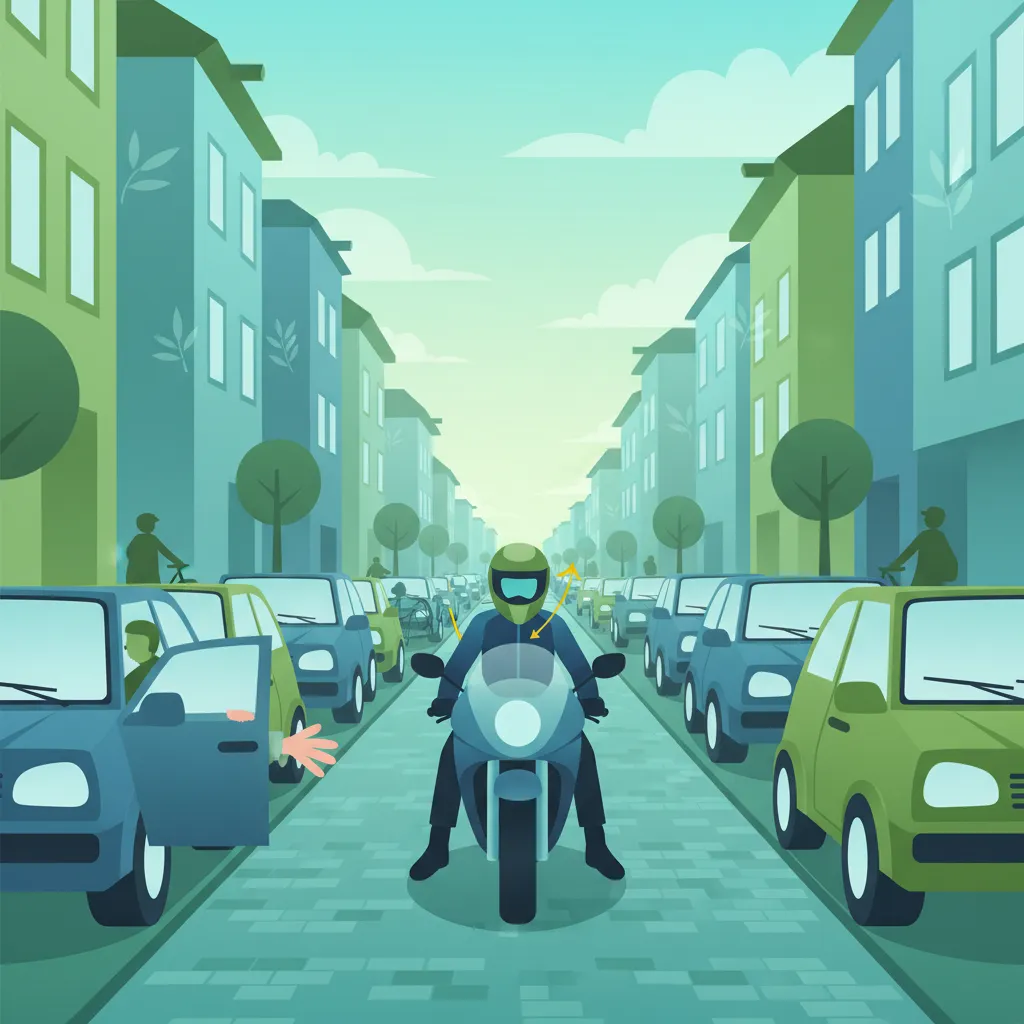
Dooring refers to a collision caused by a vehicle occupant suddenly opening their door into the path of an oncoming cyclist or motorcyclist. A1 riders can avoid this by maintaining a safe distance (a 'buffer zone') from parked cars, continuously scanning for activity inside vehicles, and being prepared to react.
The safest position is typically at least one meter away from the parked vehicles, or even further if space allows, creating a 'buffer zone'. This provides space to react if a door opens or a pedestrian steps out, and allows you to be seen better by other traffic.
Scanning is crucial because it allows you to observe potential hazards before they become immediate dangers. Look for brake lights, exhaust fumes, people inside cars, or movement around the vehicles that might indicate an impending door opening or someone stepping into the road.
While there aren't specific distances mandated by law solely for motorcycles passing parked cars, general Dutch traffic law requires drivers to maintain sufficient distance to other road users and anticipate hazards. Safe riding practices covered in this set align with the principles of defensive driving promoted by the CBR.
By completing A1 Parked Cars Safety, you will gain stronger rule knowledge, faster recognition of signs and situations, better decision making in traffic scenarios, and increased accuracy on exam style questions used in the Netherlands. These outcomes directly support higher scoring exam performance.
Discover more Dutch driving theory practice sets created for exam preparation in the Netherlands. Train with realistic questions on traffic rules, road signs, priority situations, and safety topics to build knowledge and pass your theory test with confidence.

Master Rural Road Safety for Your A2 Driving Theory Exam.

Ride Smart: Master Road Positioning and Stay Visible for Your A1 Exam!
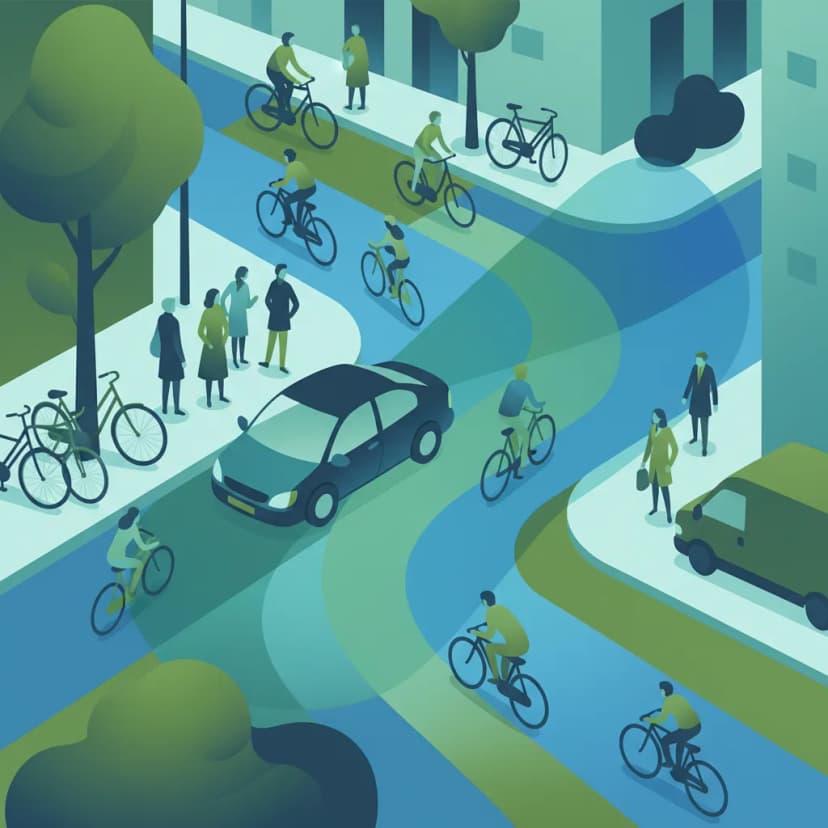
Master Urban Hazards: Anticipate Risks and React Safely in City Traffic.

Handle High-Speed Overtakes with Confidence on Your A2 Motorcycle!

Master the Art of Seeing Motorcycles in Busy Dutch Traffic

Master unexpected situations and maintain control on your motorcycle.
Questions in A1 Parked Cars Safety
Exam focused questionss
A1 Parked Cars Safety offers quick, focused exam style practice to boost your Dutch knowledge for the driving theory exam in the Netherlands.
A1 Parked Cars Safety helps learners in the Netherlands with clear explanations and targeted Dutch practice to improve essential driving theory topics.
This set is ideal for A1 motorcycle learners preparing for the Dutch driving theory exam, especially those who find urban riding challenging or are concerned about common hazards like car doors opening unexpectedly. It helps build critical hazard perception and positioning skills necessary for safe riding and exam success.
Explore more topics for the Dutch driving theory exam in the Netherlands.