
Beginner motorcycle riders must grasp effective braking to ensure safety on Dutch roads and pass their theory exams. This article explains the critical role of both front and rear brakes, the physics behind dynamic weight transfer, and how to apply them progressively to achieve controlled stops without incident. Learning these techniques is fundamental for confident riding.
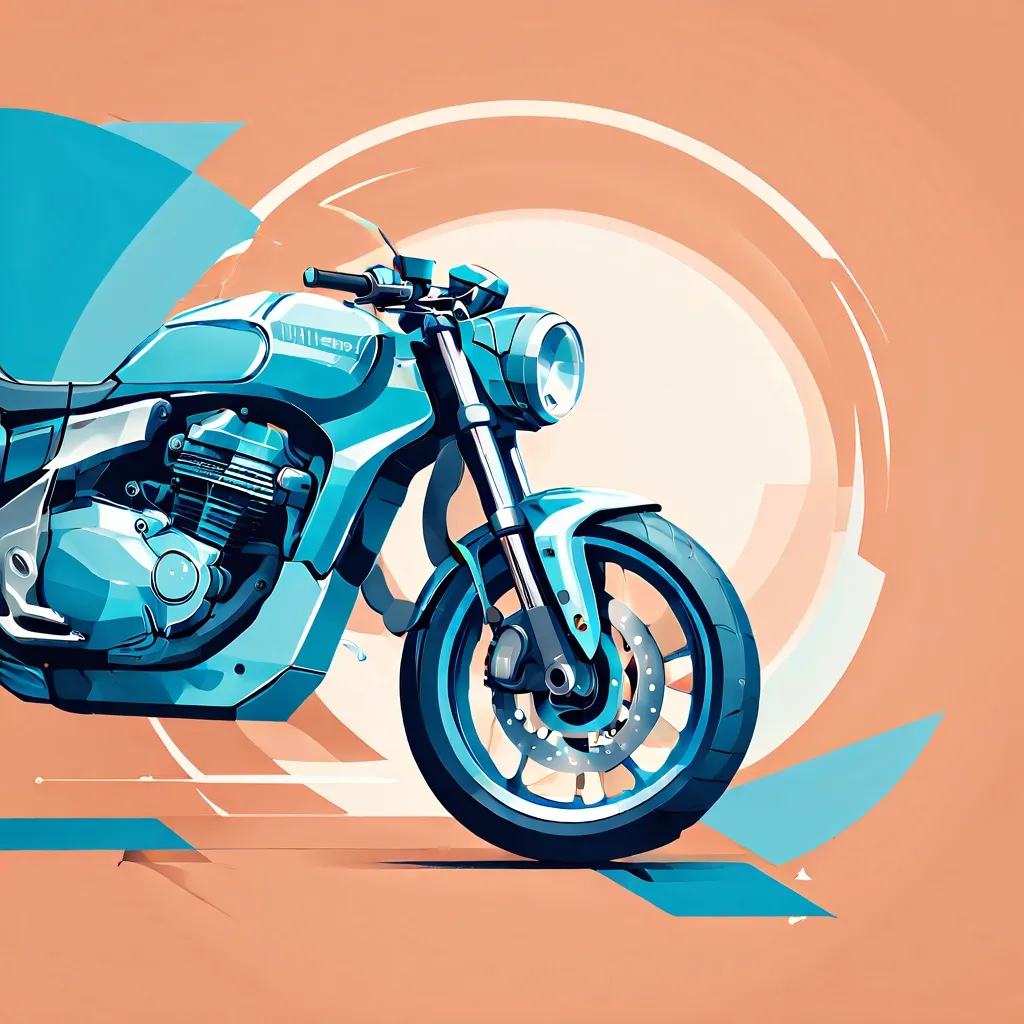
Safe and controlled stopping is arguably the most critical skill a new motorcyclist must develop. Beyond simply applying the brakes, understanding the physics and techniques involved is paramount for safety on Dutch roads and for successfully passing your CBR theory exam. This guide will delve into the essential motorcycle braking techniques, demystifying the concepts of weight transfer and progressive application to help you build confidence and competence.
When it comes to stopping a motorcycle effectively, the front brake is your most powerful tool, accounting for approximately 80% of the braking power. This significant contribution is due to a fundamental principle in physics: dynamic weight transfer. As you initiate braking, the motorcycle’s mass shifts forward, pressing the front tyre more firmly onto the road surface. This increased pressure translates directly into greater grip, allowing the front brake to do the heavy lifting in slowing you down. Learning to harness the front brake’s potential is key to achieving rapid and controlled stops.
Dynamic weight transfer, or "dynamische aslast verplaatsing" in Dutch, is the principle that explains why the front brake becomes more effective during deceleration. As you apply the brakes, the motorcycle’s inertia causes the weight distribution to shift forward. This phenomenon increases the load on the front suspension and, consequently, the pressure of the front tyre on the asphalt. The greater the tyre-road contact pressure, the more braking force can be applied before the tyre begins to slip or lock up. Understanding this concept helps you appreciate why a gentle initial application of the front brake is so important to allow this weight transfer to occur gradually.
It's vital to remember that braking is most effective when the motorcycle is upright. Applying significant braking force while the motorcycle is leaned into a corner can easily lead to the tyres losing traction due to the combined forces of cornering and braking.
The most common and dangerous mistake new riders make is grabbing the brakes too hard and too suddenly, especially the front brake. This abrupt action can overwhelm the tyre's available grip, leading to a locked wheel. A locked front wheel on a motorcycle is a recipe for disaster, almost invariably resulting in a fall. The correct technique is progressive braking: a gradual and controlled increase in brake pressure. This allows the motorcycle to settle, the front tyre to gain maximum grip through dynamic weight transfer, and you to maintain steering control.
A well-executed stop involves a coordinated effort between both brakes, but with a specific order of operations. First, initiate braking by gently applying the front brake. As you feel the motorcycle begin to slow and the front suspension compress, you can progressively increase the pressure on the front brake lever. Simultaneously, you should also begin to apply the rear brake. While the rear brake contributes only about 20% of the stopping power, it plays a crucial role in stability and can help to prevent the front brake from being overused. The goal is to smoothly increase pressure on both levers, working them in tandem to achieve the desired deceleration without compromising control.
Although less powerful than the front brake, the rear brake is an indispensable part of safe motorcycle stopping. It provides supplementary deceleration and, importantly, helps to keep the motorcycle stable during braking. By applying the rear brake, you can help to control the motorcycle’s pitch and prevent the front end from diving too aggressively. In certain low-speed, sharp cornering situations, a technique involving maintaining slight throttle while using the rear brake can allow for a smoother, more controlled turn, as detailed in some advanced riding courses. However, for general stopping, its primary role is supportive and stabilizing.
The forward shift of a motorcycle's weight during braking, increasing the load and grip of the front tyre.
There are specific situations where applying strong braking is particularly risky. Braking hard while turning, especially if the motorcycle is significantly leaned, is a primary cause of accidents. The forces at play – cornering forces and braking forces – can easily exceed the tyre's traction limits when combined. Therefore, it's crucial to do the majority of your braking before entering a corner, in a straight line, and then gently reapply power to maintain speed through the turn. Another critical consideration is braking on surfaces with reduced grip, such as wet roads, gravel, or sand.
A common instinct when encountering a hazard or needing to stop quickly is to look directly at the obstacle. However, on a motorcycle, your steering is heavily influenced by where you look. If you fixate on the danger, you will naturally steer towards it, a phenomenon sometimes referred to as "target fixation." Instead, it's essential to look through the turn or towards your intended escape route. For braking, this means looking far ahead, scanning the road for potential hazards and maintaining a clear line of sight, which helps keep the motorcycle tracking straight and stable.
Never keep your right hand fully on the brake lever when not actively braking. Resting your fingers on the lever can lead to accidental application and a loss of control, especially on uneven surfaces.
In the Netherlands, like in many countries, motorcycles are required to have functioning brake lights. When you apply either the front or rear brake, the brake light illuminates to warn following traffic. On a motorcycle, deceleration can be more pronounced than in a car, particularly when simply closing the throttle. To ensure that drivers behind you are aware of your slowing down, especially in situations where you are decelerating significantly by engine braking alone, you can intermittently tap the rear brake pedal. This quick action causes the brake light to flash, drawing attention to your presence and your intention to slow down, thereby reducing the risk of a rear-end collision.
Understanding these braking techniques is not just about riding safely; it's also a core component of the Dutch motorcycle theory exam administered by the CBR. Exam questions will often test your knowledge of brake dominance, the consequences of locking wheels, and the importance of progressive application. Be prepared to answer questions about how to achieve a controlled stop, the physics behind effective braking, and how to use both brakes in conjunction. Familiarity with terms like "dynamische aslast verplaatsing" will be beneficial.
Article content overview
Explore related topics, search based questions, and concepts that learners often look up when studying Motorcycle Braking Techniques. These themes reflect real search intent and help you understand how this topic connects to wider driving theory knowledge in the Netherlands.
Find clear and practical answers to common questions learners often have about Motorcycle Braking Techniques. This section helps explain difficult points, remove confusion, and reinforce the key driving theory concepts that matter for learners in the Netherlands.
The front brake is responsible for approximately 80% of a motorcycle's stopping power due to the dynamic weight transfer that occurs during braking, which increases front wheel grip.
Dynamic weight transfer refers to the shift of the motorcycle's weight towards the front wheel when the brakes are applied. This increases the load on the front tyre, providing more grip for effective braking.
If the front wheel locks up, it can lead to a loss of steering control and an inevitable fall, which is why progressive and controlled application of the front brake is crucial.
Begin by applying the front brake gently to initiate dynamic weight transfer, then increase pressure progressively. Use the rear brake for additional deceleration, but be aware it provides only about 20% of the braking force.
It is generally not advisable to brake hard while leaning into a turn, as this can upset the motorcycle's balance and increase the risk of the front wheel locking up.