
En los Países Bajos, compartirás la carretera con una variedad de usuarios además de coches y camiones. Esta lección se centra en la interacción segura con motociclistas, vehículos lentos como tractores e incluso jinetes. Comprender sus características únicas y sus posibles comportamientos es crucial para prevenir accidentes y aprobar el examen teórico.
Conducir en vías públicas requiere una atención constante a todos los usuarios de la vía. Si bien los coches constituyen una parte importante del tráfico, muchos otros tipos de vehículos, incluidos motociclistas, tractores agrícolas e incluso jinetes, exigen una consideración especial. Comprender sus características únicas, capacidades y las reglas de tráfico holandesas específicas que rigen las interacciones con ellos es crucial para obtener su permiso de conducir holandés y garantizar la seguridad vial para todos.
Esta lección profundiza en los matices de la anticipación, interpretación e interacción segura con estos diversos usuarios de la vía. Al final, estará equipado para tomar decisiones informadas que prevengan colisiones, respeten el derecho de paso y mantengan un alto nivel de conciencia situacional, contribuyendo a carreteras más seguras para todos.
En el currículo de teoría de la conducción holandesa, se pone especial énfasis en los usuarios vulnerables de la vía. Esta categoría incluye peatones, ciclistas y ciclomotores, pero también se extiende a motociclistas, vehículos agrícolas y jinetes. El principio subyacente es que los conductores de vehículos más grandes y protectores (como los coches) tienen una mayor responsabilidad de proteger a aquellos que están menos protegidos o cuyos movimientos pueden ser menos predecibles.
Al comprender la física de estos diferentes tipos de vehículos y los marcos legales que rigen su uso, los conductores de automóviles pueden tomar decisiones más seguras. Esta lección se conecta directamente con conceptos de conducción más amplios como la evasión de colisiones, la iluminación eficaz, la gestión de la velocidad adecuada y el posicionamiento correcto del vehículo.
Los motociclistas, por ejemplo, pueden acelerar y frenar mucho más rápido que los coches, pero son inherentemente menos estables. Su perfil más pequeño también los hace menos visibles para los conductores de coches. De manera similar, vehículos grandes o pesados como los tractores agrícolas se mueven lentamente, a menudo tienen visibilidad limitada para sus conductores y pueden exhibir comportamientos de frenado o giro inesperados debido a su tamaño e implementos adjuntos. Los jinetes, aunque no operan un "vehículo" en el sentido tradicional, también requieren un espacio considerable y un enfoque cauto debido a la naturaleza impredecible de los animales.
Varios principios fundamentales guían las interacciones seguras con estos usuarios específicos de la vía:
Estimar la posición y velocidad futuras de un motociclista o un vehículo grande de movimiento lento basándose en su velocidad actual, trayectoria y las condiciones del tráfico circundante. Esto es vital porque las motocicletas aceleran y frenan bruscamente, mientras que los vehículos grandes pueden frenar lentamente o de forma impredecible.
Mantener una separación lateral (de lado a lado) adecuada al acercarse o adelantar a otros usuarios de la vía, especialmente a los vulnerables o a vehículos grandes y de movimiento lento. Esto asegura un margen de seguridad suficiente para movimientos, giros o paradas inesperadas.
Reconocer que los motociclistas pueden zigzaguear entre vehículos muy juntos, utilizando huecos mínimos en el tráfico. Los conductores deben estar alerta y no asumir posiciones fijas en el carril al incorporarse, girar o en tráfico lento.
Gestionar activamente cómo el clima, las condiciones de luz y las características del vehículo (como los puntos ciegos) afectan la detección de motocicletas y otros vehículos grandes. La visibilidad reducida aumenta significativamente el riesgo de colisión, lo que exige ajustes en la velocidad, el uso de faros y una mayor alerta.
Los motociclistas son una vista común en las carreteras holandesas y, si bien comparten muchas reglas con los conductores de automóviles, las características de sus vehículos exigen una conciencia específica.
Una motocicleta es un vehículo de dos ruedas, impulsado por un motor, capaz de una rápida aceleración y desaceleración. Este alto rendimiento, combinado con su tamaño reducido, conduce a varias consideraciones únicas:
Malentendido Común: Es falso asumir que los motociclistas pueden detenerse tan rápido como los coches en todas las situaciones. Si bien sus frenos pueden ser potentes, lograr un frenado máximo sobre dos ruedas requiere una habilidad considerable y condiciones ideales. Siempre déles suficiente distancia de frenado.
La práctica utilizada por los motociclistas para navegar entre vehículos muy juntos, a menudo estacionarios o de movimiento lento. Esto les permite avanzar a través del tráfico congestionado.
Si bien el filtrado (también conocido como "carril de división" en algunas regiones) no está explícitamente prohibido en los Países Bajos, requiere precaución tanto del motociclista como de los conductores circundantes. Los conductores deben escanear activamente en busca de vehículos que puedan filtrarse inesperadamente, especialmente en los siguientes escenarios:
Los conductores deben permanecer alerta y evitar cambios de carril o movimientos bruscos que puedan poner en peligro a un motociclista que se filtra. Siempre revise sus espejos y puntos ciegos a fondo antes de realizar cualquier movimiento lateral.
Al acercarse o adelantar a un motociclista, se aplican reglas y mejores prácticas específicas para garantizar la seguridad:
Anticipe lo Inesperado: Dado que los motociclistas son menos estables, pueden necesitar realizar ajustes repentinos para evitar baches, escombros o vientos cruzados fuertes. Darles espacio adicional permite estos movimientos impredecibles.
Los vehículos de movimiento lento, en particular los tractores agrícolas, presentan un conjunto diferente de desafíos para los conductores de automóviles. Su tamaño, peso y velocidad de operación requieren una mayor conciencia y procedimientos de adelantamiento específicos.
Un vehículo motorizado utilizado principalmente para tareas agrícolas, a menudo pesado, de movimiento lento y que puede remolcar implementos grandes.
Los tractores suelen operar a velocidades significativamente inferiores a las del resto del tráfico, a menudo por debajo de los 30 km/h. Tienen:
Adelantar a un tractor requiere una precaución considerable y la adhesión a reglas específicas:
Malentendido Común: Suponer que adelantar a un vehículo lento siempre es seguro si el carril parece despejado. Debe tener en cuenta el tamaño, la velocidad y la posibilidad de movimientos inesperados del tractor, así como el tiempo extendido que pasará en el carril contrario.
Los jinetes también se consideran usuarios vulnerables de la vía y requieren un enfoque excepcionalmente cuidadoso y respetuoso por parte de los conductores.
La seguridad del caballo y del jinete es primordial. Por lo tanto, se aplican reglas estrictas:
Malentendido Común: Confundir un carro de caballos con un vehículo normal puede llevar a una distancia insuficiente. Siempre trate los carros de caballos con la misma precaución que a los jinetes individuales. Además, nunca asuma que un caballo permanecerá estrictamente en su carril; podría desviarse inesperadamente.
El Reglement Verkeersregels en Verkeerstekens (RVV) holandés establece las normas de tráfico fundamentales. Varias secciones son particularmente relevantes para la interacción con motociclistas y otros vehículos especiales.
| Tipo de Vehículo | Distancia Lateral Mínima (Condiciones Normales) | Distancia Lateral Mínima (Condiciones Adversas) | Principio RVV Relevante |
|---|---|---|---|
| Motociclistas | 1 metro | 1.5 metros (lluvia/nieve) | RVV §75 |
| Tractores Agrícolas | 2.5 metros | 3 metros (baja visibilidad/mojado) | RVV §60 |
| Jinetes/Carros de Caballos | 2 metros | 2 metros (siempre generoso) | RVV §51 |
Prioridades de Peatones: Recuerde que los motociclistas, al igual que los conductores de automóviles, deben ceder el paso a los peatones en los pasos de peatones señalizados y no señalizados. La seguridad de los peatones es primordial.
No interactuar adecuadamente con motociclistas y otros tipos de vehículos puede tener consecuencias graves. Aquí hay algunas violaciones comunes y alternativas más seguras:
Quedarse detrás de una motocicleta muy cerca: Mantener una distancia insuficiente (por ejemplo, 0.5 m) detrás de una motocicleta es extremadamente peligroso. Pueden frenar bruscamente o necesitar esquivar.
Comportamiento Correcto: Mantenga siempre una distancia de al menos 1 metro, y apunte a más espacio si las condiciones lo permiten. Espere hasta que haya un espacio seguro antes de volver a su carril después de adelantar.
Adelantar a un tractor en una carretera mojada muy de cerca: Las condiciones de humedad aumentan drásticamente las distancias de frenado para todos los vehículos, especialmente para los tractores pesados con tracción potencialmente limitada. Adelantar muy de cerca (por ejemplo, 1 m) es muy arriesgado.
Comportamiento Correcto: Aumente su distancia lateral a 3 metros, reduzca su velocidad y evalúe cuidadosamente la carretera por delante. Si la visibilidad es escasa o la carretera está muy resbaladiza, considere no adelantar.
Pasar a un jinete en un carril estrecho sin un margen suficiente: Intentar pasar a un caballo con una separación mínima (por ejemplo, menos de 2 m) puede asustar al animal, haciendo que reaccione de forma impredecible y potencialmente cause lesiones al jinete o al caballo, o incluso una colisión.
Comportamiento Correcto: Asegure siempre al menos 2 metros de separación. Si el carril es demasiado estrecho, reduzca la velocidad, deténgase si es necesario y espere una oportunidad segura o cambie completamente al otro carril si es seguro hacerlo.
Acercarse a un motociclista sin comprobar los puntos ciegos: Las motocicletas se pierden fácilmente en los espejos retrovisores. Asumir que el carril está libre sin una comprobación manual de puntos ciegos es una causa principal de colisiones durante los cambios de carril.
Comportamiento Correcto: Utilice siempre sus espejos retrovisores y realice una comprobación manual de puntos ciegos (mirando por encima del hombro) antes de cambiar de carril, incorporarse o girar.
Ignorar las señales de tráfico que exigen ceder el paso: Ignorar señales como una señal de detención B6 para cualquier vehículo, incluido un motociclista, es una violación directa de la ley de tráfico y un alto riesgo de colisión.
Comportamiento Correcto: Obedezca siempre las señales de tráfico. Si una señal exige ceder el paso, hágalo a todo el tráfico relevante, incluidos los motociclistas.
Su estrategia de interacción debe adaptarse a diversos entornos y condiciones de conducción.
La interacción segura con motociclistas y otros tipos de vehículos se reduce a una conducción proactiva y defensiva.
Antecedentes Empíricos: Los datos estadísticos muestran consistentemente que las colisiones que involucran motocicletas se reducen significativamente cuando los conductores de automóviles mantienen la distancia recomendada de 1 metro. De manera similar, las lesiones a los jinetes disminuyen cuando se respeta el margen amplio de 2 metros. Estas reglas se basan en datos de seguridad del mundo real.
Al interiorizar estos principios y practicar hábitos de conducción seguros, no solo mejorará sus posibilidades de aprobar su examen de teoría de la conducción holandesa, sino que, lo que es más importante, contribuirá a un entorno más seguro para todos los usuarios de la vía.
Resumen del contenido de la lección
Explora todas las unidades y lecciones incluidas en este curso de teoría de conducción.
Explora los temas que los estudiantes suelen buscar al estudiar Motociclistas y otros tipos de vehículos. Reflejan preguntas comunes sobre normas de circulación, situaciones de conducción, orientación de seguridad y preparación teórica a nivel de lección para estudiantes en los Países Bajos.
Explora lecciones adicionales de teoría de conducción que explican normas de tráfico, señales viales y situaciones comunes relacionadas con este tema. Mejora tu comprensión de cómo interactúan las distintas normas en situaciones reales de conducción.
Comprende las cruciales normas de tráfico neerlandesas para interactuar de forma segura con motociclistas, tractores y jinetes. Aprende principios de anticipación, adelantamiento y prioridad de paso para garantizar la seguridad en la carretera.
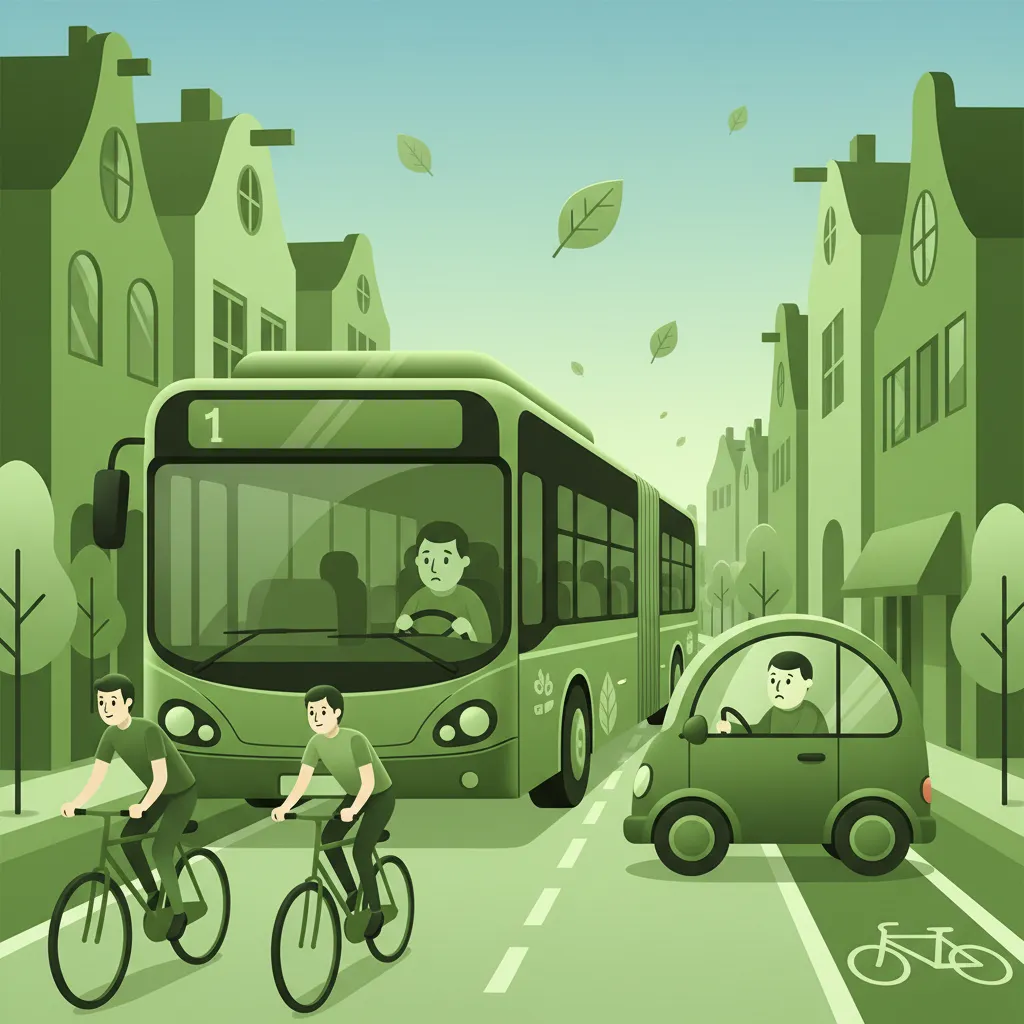
Esta lección cubre estrategias para circular de forma segura alrededor de vehículos de ambos extremos del espectro de tamaño. Detalla los grandes puntos ciegos ('zonas muertas') alrededor de camiones y autobuses y aconseja sobre dónde posicionar una motocicleta para permanecer visible. Igualmente, enfatiza el deber de cuidado hacia los usuarios vulnerables de la vía, enseñando a los conductores a anticipar los movimientos de peatones y ciclistas y a proporcionarles siempre espacio suficiente al adelantar.
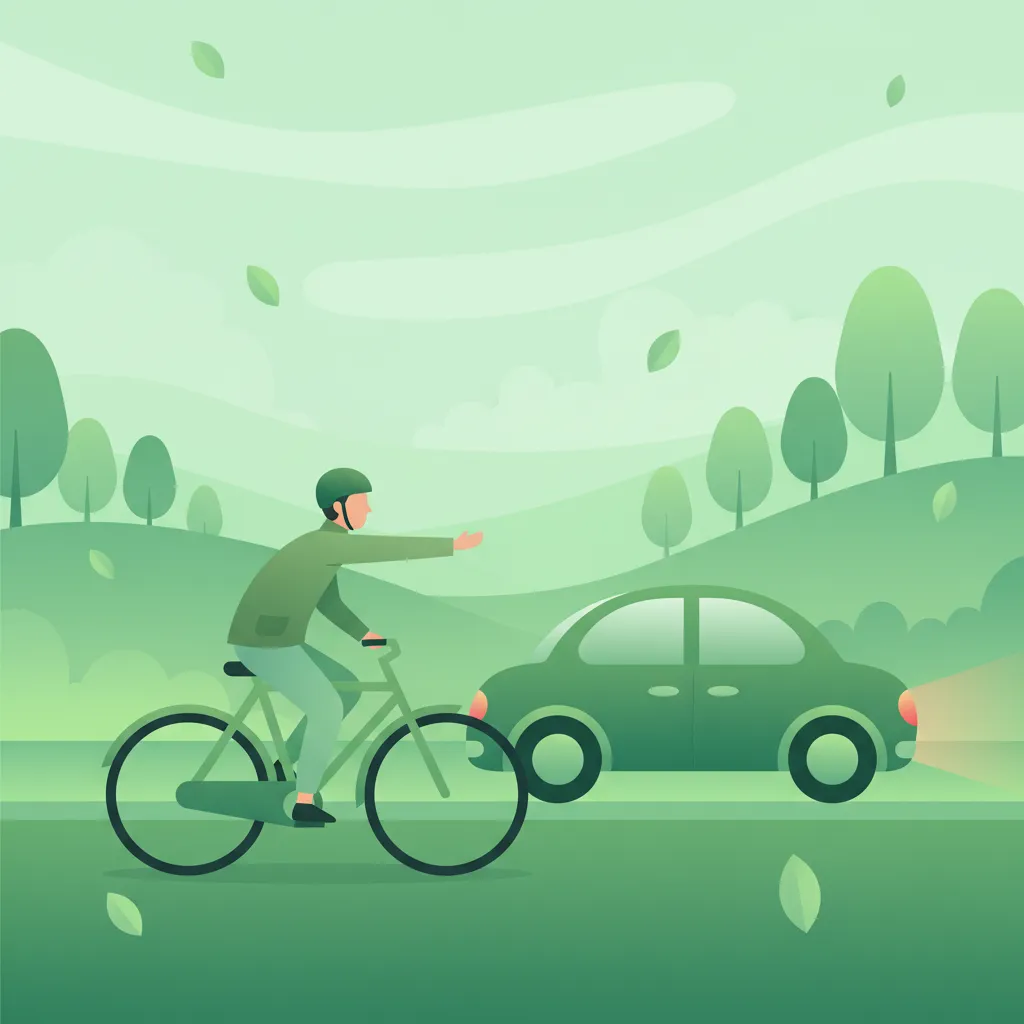
Esta lección proporciona un marco detallado sobre cómo los motociclistas deben interactuar de manera segura y legal con diversos usuarios de la vía, incluidos coches, camiones, ciclistas y peatones. Cubre las señales de comunicación requeridas, los comportamientos de anticipación y las técnicas de posicionamiento específicas necesarias para coexistir en entornos de tráfico complejos como centros urbanos y espacios compartidos. Se pone énfasis en las expectativas legales y los métodos prácticos que reducen activamente el riesgo de colisión y promueven un flujo de tráfico fluido.
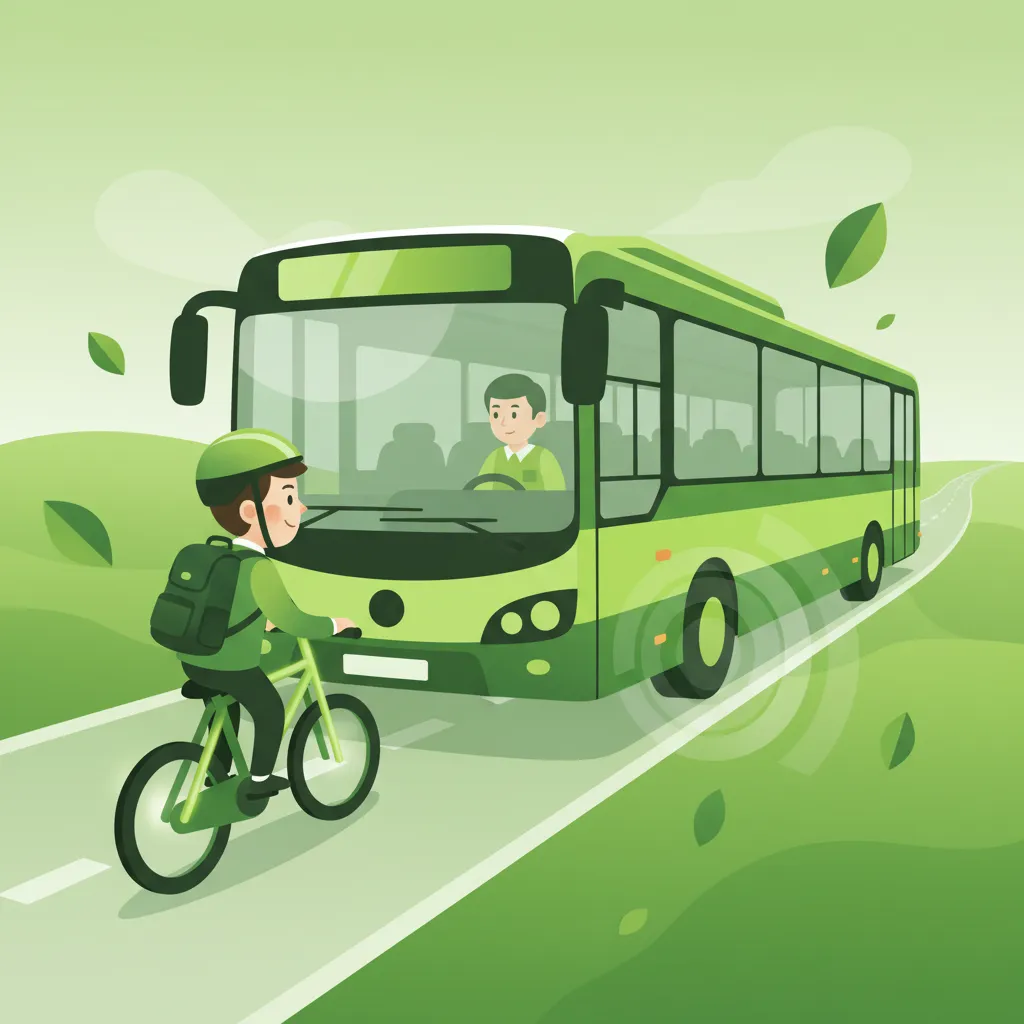
Esta lección se centra en los peligros específicos y las técnicas para compartir la carretera de forma segura con vehículos pesados (VPE) y autobuses. Proporciona una explicación detallada de sus amplios puntos ciegos ('dode hoek') y enseña a los conductores dónde posicionarse para permanecer visibles. El plan de estudios también cubre cómo gestionar la significativa turbulencia del aire creada por estos vehículos al adelantar y cómo anticipar sus amplios radios de giro en intersecciones y rotondas.
Esta lección es fundamental para conducir en los Países Bajos, un país con más bicicletas que personas. Aprenderás sobre los diferentes tipos de carriles bici y cómo se aplican las normas de prioridad, especialmente en intersecciones. El contenido subraya la importancia de comprobar el punto ciego de los ciclistas antes de girar a la derecha ('dode hoek'). También cubre las normas para diferentes tipos de ciclomotores (snorfiets y bromfiets) y la importancia de dar a todos los usuarios de la vía de dos ruedas suficiente espacio al adelantar.
Esta lección se centra en la responsabilidad legal y moral de ser extra vigilante con ciertos grupos de usuarios vulnerables de la vía. Aprenderás que los niños pueden ser impulsivos y tener poca conciencia del tráfico, lo que requiere que los conductores estén preparados para detenerse bruscamente, especialmente cerca de escuelas y parques infantiles. El contenido también aborda la necesidad de paciencia con los usuarios de la vía mayores o con discapacidad, que pueden moverse más lentamente. Aprenderás a reconocer signos de discapacidad, como un bastón blanco o un perro guía, y a dar a estas personas espacio y tiempo extra.
Esta lección sintetiza muchos de los conceptos del curso en la filosofía general de la conducción defensiva avanzada ('verdedigend rijden'). Define esto como una mentalidad proactiva donde el conductor escanea constantemente en busca de peligros potenciales, anticipa el peor escenario de otros usuarios de la vía y se posiciona para tener tiempo y espacio para reaccionar. Este enfoque va más allá de simplemente seguir las reglas para gestionar activamente el entorno y garantizar la seguridad personal en todo momento.
Esta lección equipa a los motociclistas con estrategias para lidiar con la conducción agresiva o la 'ira al volante' de otros usuarios de la vía. Enseña técnicas de desescalada, que implican principalmente no interactuar con el agresor, crear espacio y dejar pasar al otro vehículo. El principio fundamental es priorizar la seguridad personal sobre el ego, reconociendo que ganar una confrontación en la carretera nunca es tan importante como llegar sano y salvo a tu destino.
Esta lección refuerza la regla fundamental de la conducción en autopistas holandesas: utiliza el carril más a la derecha disponible y utiliza los carriles de la izquierda solo para adelantar. Aprenderás el procedimiento completo y seguro para adelantar: comprueba los retrovisores, señaliza, realiza una comprobación del hombro para el punto ciego, cambia suavemente de carril, acelera pasando al vehículo y luego vuelve al carril derecho cuando sea seguro.
Esta lección se centra en las exigencias únicas de la conducción a altas velocidades sostenidas en autopistas ('snelwegen'). Cubre temas esenciales como la estricta disciplina de carril, procedimientos de adelantamiento seguro y el mantenimiento de una mayor distancia de seguimiento para compensar los tiempos de reacción y frenado más largos. El contenido también aborda los desafíos físicos y mentales, incluyendo la gestión del viento, los niveles de ruido aumentados y el mantenimiento de una mayor conciencia situacional a largas distancias para combatir la fatiga.
Esta lección se centra en los requisitos legales y las prácticas seguras para circular cerca de pasos de peatones ('zebrapaden') y zonas escolares designadas. Detalla la obligación absoluta de ceder el paso a los peatones que estén en un cruce o a punto de usarlo, y la necesidad de reducir significativamente la velocidad y aumentar la vigilancia en áreas con niños. El contenido subraya la importancia de la anticipación y de estar preparado para movimientos impredecibles de los usuarios vulnerables de la vía para prevenir incidentes graves.
Aprende la teoría específica neerlandesa sobre cómo aproximarte, adelantar e interactuar de forma segura con vehículos que se mueven lentamente, como tractores y maquinaria pesada, centrándote en la distancia y la visibilidad.
Esta lección ofrece una guía detallada sobre las normas y precauciones de seguridad para adelantar. Aprenderás que el adelantamiento casi siempre debe hacerse por la izquierda y requiere una cuidadosa evaluación de la velocidad y la distancia. El contenido cubre situaciones en las que el adelantamiento está prohibido, como antes de los pasos de peatones, en intersecciones o donde hay líneas blancas continuas. Se explican a fondo los pasos clave como comprobar los espejos, señalizar la intención, comprobar los puntos ciegos y regresar al carril de forma segura.
Esta lección refuerza la regla fundamental de la conducción en autopistas holandesas: utiliza el carril más a la derecha disponible y utiliza los carriles de la izquierda solo para adelantar. Aprenderás el procedimiento completo y seguro para adelantar: comprueba los retrovisores, señaliza, realiza una comprobación del hombro para el punto ciego, cambia suavemente de carril, acelera pasando al vehículo y luego vuelve al carril derecho cuando sea seguro.
Esta lección cubre los procedimientos y consideraciones de seguridad para dar marcha atrás y cambiar de dirección con el vehículo. Aprenderás que dar marcha atrás solo debe hacerse en distancias cortas y cuando no ponga en peligro ni obstaculice a otros usuarios de la vía. El temario detalla técnicas para cambiar de dirección en la vía e identifica situaciones y lugares donde los cambios de sentido están prohibidos. La importancia de la observación integral, la comprobación de puntos ciegos y ceder el paso a todo el demás tráfico es un tema central.
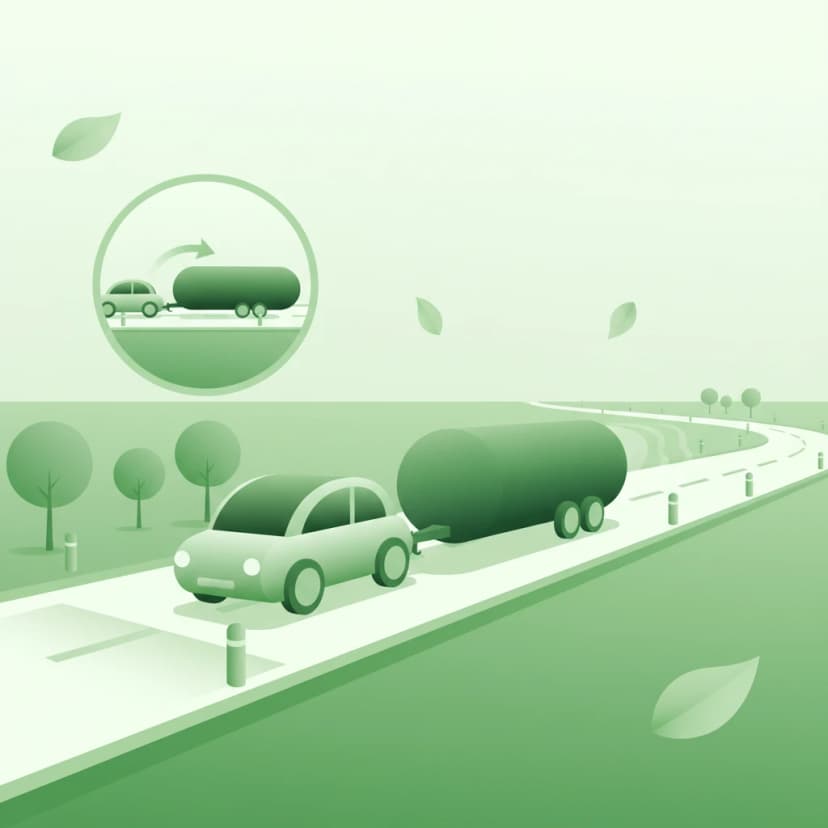
Esta lección proporciona técnicas esenciales para conducir de forma segura mientras se remolca. Aprenderás cómo el peso adicional aumenta tu distancia de frenado y cómo la longitud extra requiere que tomes giros más amplios. El plan de estudios aborda la desafiante maniobra de dar marcha atrás con un remolque y ofrece consejos sobre cómo controlarlo. También explica el fenómeno del "culebreo" o "snake" del remolque, sus causas (como vientos cruzados o carga inadecuada) y cómo corregirlo reduciendo suavemente la velocidad.
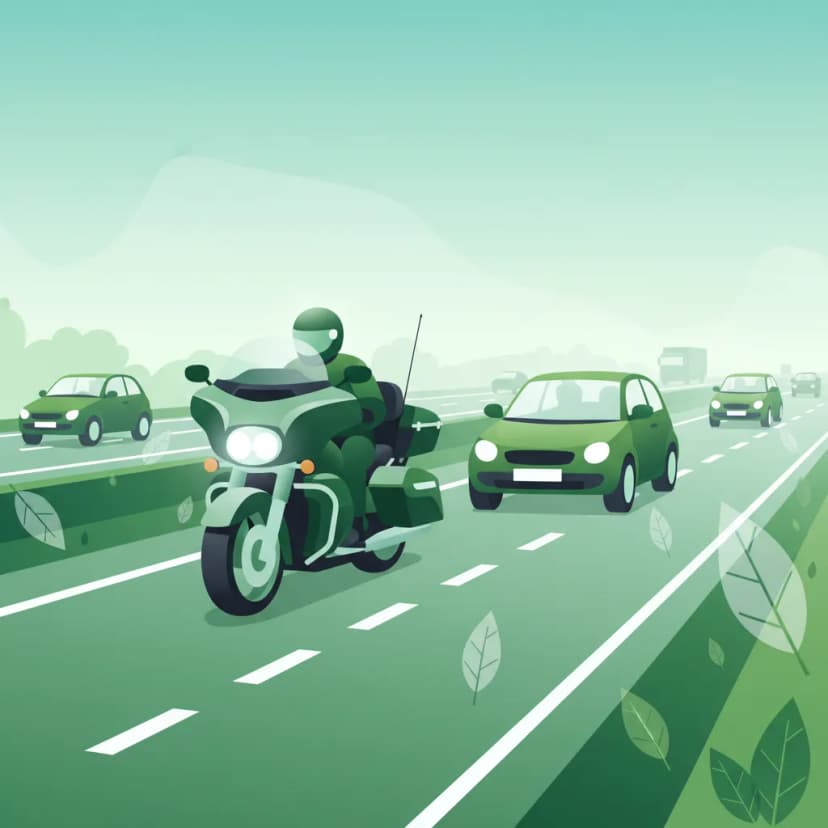
Esta lección detalla el proceso sistemático para adelantar de forma segura en una autopista de varios carriles, aprovechando las capacidades de aceleración de una motocicleta de Categoría A. Cubre la secuencia 'espejo, señal, maniobra', con un fuerte énfasis en la inspección crítica del hombro para eliminar el punto ciego antes de moverse. El contenido también discute cómo calcular las velocidades relativas, asegurar suficiente espacio antes de volver al carril y cómo manejar situaciones que involucran múltiples carriles y vehículos pesados que se mueven lentamente.
Adelantar es una maniobra de alto riesgo que debe ejecutarse correctamente. Esta lección proporciona una guía paso a paso: evaluar si es seguro y legal, revisar espejos y puntos ciegos, señalizar tu intención, acelerar suavemente para pasar al otro vehículo y regresar a tu carril dejando espacio suficiente. También aprenderás a identificar situaciones en las que el adelantamiento está prohibido, como antes de un paso de peatones o al aproximarse a una curva sin visibilidad.
Esta lección se centra en los peligros específicos y las técnicas para compartir la carretera de forma segura con vehículos pesados (VPE) y autobuses. Proporciona una explicación detallada de sus amplios puntos ciegos ('dode hoek') y enseña a los conductores dónde posicionarse para permanecer visibles. El plan de estudios también cubre cómo gestionar la significativa turbulencia del aire creada por estos vehículos al adelantar y cómo anticipar sus amplios radios de giro en intersecciones y rotondas.
Esta lección cubre estrategias para circular de forma segura alrededor de vehículos de ambos extremos del espectro de tamaño. Detalla los grandes puntos ciegos ('zonas muertas') alrededor de camiones y autobuses y aconseja sobre dónde posicionar una motocicleta para permanecer visible. Igualmente, enfatiza el deber de cuidado hacia los usuarios vulnerables de la vía, enseñando a los conductores a anticipar los movimientos de peatones y ciclistas y a proporcionarles siempre espacio suficiente al adelantar.
Esta lección proporciona una guía paso a paso para ejecutar una maniobra de adelantamiento segura y legal. Cubre todo el proceso: evaluar la situación para encontrar un espacio suficiente en el tráfico en sentido contrario, realizar las comprobaciones necesarias de espejos y puntos ciegos, señalizar la intención y acelerar con decisión. La lección también destaca las situaciones en las que el adelantamiento está prohibido por ley, como antes de los pasos de peatones o donde hay líneas blancas continuas.
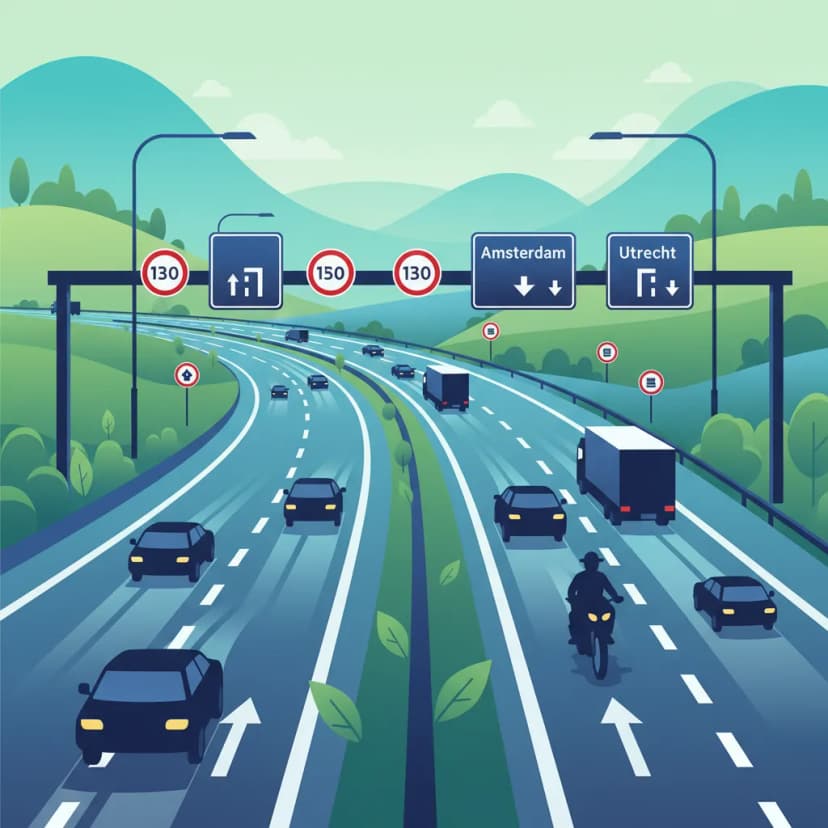
Esta lección detalla las regulaciones específicas para conducir en autopistas holandesas, identificables por la señal G1. Aprenderás el procedimiento correcto para incorporarte al flujo de tráfico utilizando el carril de aceleración y para salir por el carril de deceleración. El currículo refuerza la regla de 'mantenerse a la derecha a menos que se esté adelantando' para la disciplina de carril. También explica que detenerse está estrictamente prohibido y que el arcén (vluchtstrook) solo puede usarse para emergencias reales.
Encuentra respuestas claras a las preguntas más comunes sobre Motociclistas y otros tipos de vehículos. Descubre cómo está estructurada la lección, qué objetivos de teoría de conducción aborda y cómo encaja en el recorrido general de unidades y progresión del plan de estudios en los Países Bajos. Estas explicaciones te ayudan a comprender conceptos clave, el flujo de la lección y los objetivos de estudio centrados en el examen.
Adelantar a un motociclista sigue las mismas reglas generales que adelantar a cualquier otro vehículo, pero con precaución adicional. Asegúrate de tener suficiente espacio, comprueba los espejos y los puntos ciegos a fondo, y deja un margen mayor que el que dejarías para un coche. Recuerda que los motociclistas pueden acelerar y frenar rápidamente, y pueden estar filtrándose entre el tráfico, así que ten siempre en cuenta su posición y sus posibles movimientos.
Los tractores son vehículos lentos y pueden obstaculizar significativamente el tráfico. Al aproximarte a uno, comprueba si el adelantamiento es seguro y legal, teniendo en cuenta el tráfico en sentido contrario y la anchura de la carretera. Si adelantas, asegúrate de dejar un margen muy amplio debido a su tamaño y a la posibilidad de movimientos impredecibles. No toques el claxon a menos que sea absolutamente necesario, ya que podría asustar al conductor.
Al encontrarte con jinetes, debes reducir la velocidad significativamente y dejarles el mayor espacio posible, idealmente al menos 1,5 metros. Pasa muy despacio y con calma, evitando cualquier aceleración o frenazo brusco. Tu objetivo es no asustar al caballo. Ten en cuenta que los caballos pueden ser impredecibles, especialmente en tráfico denso.
Los motociclistas se consideran usuarios vulnerables de la vía. Pueden acelerar y frenar mucho más rápido que los coches y pueden posicionarse de forma diferente en la carretera, por ejemplo, filtrándose entre carriles de tráfico lento. El examen teórico evalúa tu conocimiento de estas diferencias y tu capacidad para anticipar sus acciones para prevenir accidentes.
Sí, las reglas para los vehículos de tracción animal son muy similares a las de los jinetes. Debes reducir considerablemente la velocidad, dejar un margen amplio y pasar con calma sin asustar al caballo. Prioriza siempre la seguridad del caballo y del jinete por encima de tu propia conveniencia.